

What is Georgia like? This question is asked more and more by travellers who discover this small Caucasus country. Georgia is a fascinating destination where high snow-capped mountains, sunny Black Sea beaches, majestic rivers, fertile valleys and charming historic cities all coexist. It is the birthplace of wine, a gastronomic paradise, an architectural treasure and, above all, a country where hospitality runs deep.
In this article we explore 40 interesting facts about Georgia, organised by theme, to give you a comprehensive picture of what this country is like before you plan your trip. If after reading it you want to discover it in person, at Iberogeorgia we specialise in tailor-made trips to Georgia and the Caucasus.
What is Georgia's geography like?
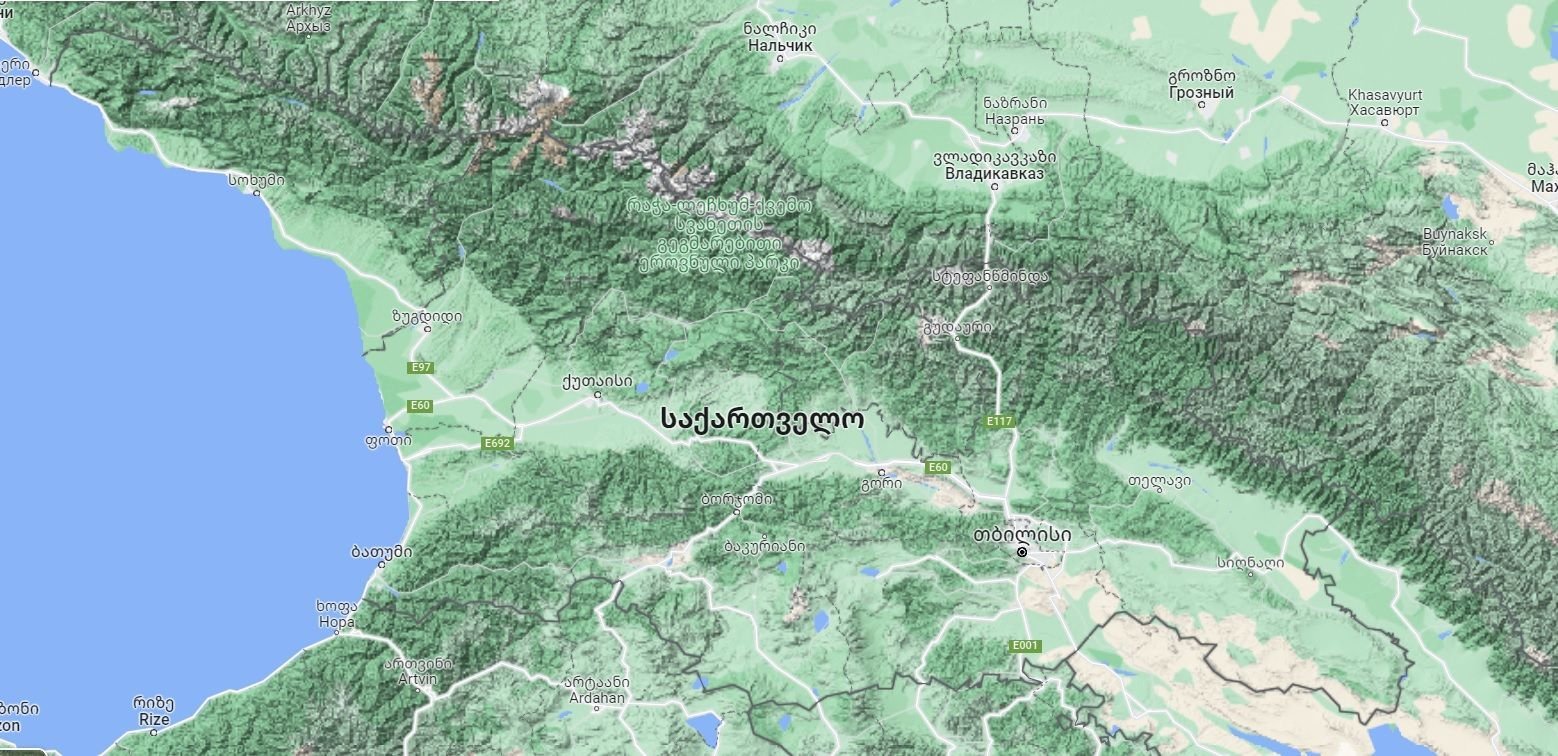
Georgia's geography is diverse and surprising. With an area of around 70,000 km², the country is located in the South Caucasus region, between the Black Sea and the Caspian Sea, forming a natural bridge between Europe and Asia. Mountains, valleys, rivers and coast succeed one another across a relatively small territory.
1. Its strategic location
Georgia sits at the heart of the Caucasus. It borders Russia to the north, Azerbaijan to the east, Armenia and Turkey to the south, and the Black Sea to the west. That position has shaped its history as a crossroads of trade and cultural routes, including the legendary Silk Road.
2. Landscapes of contrasts
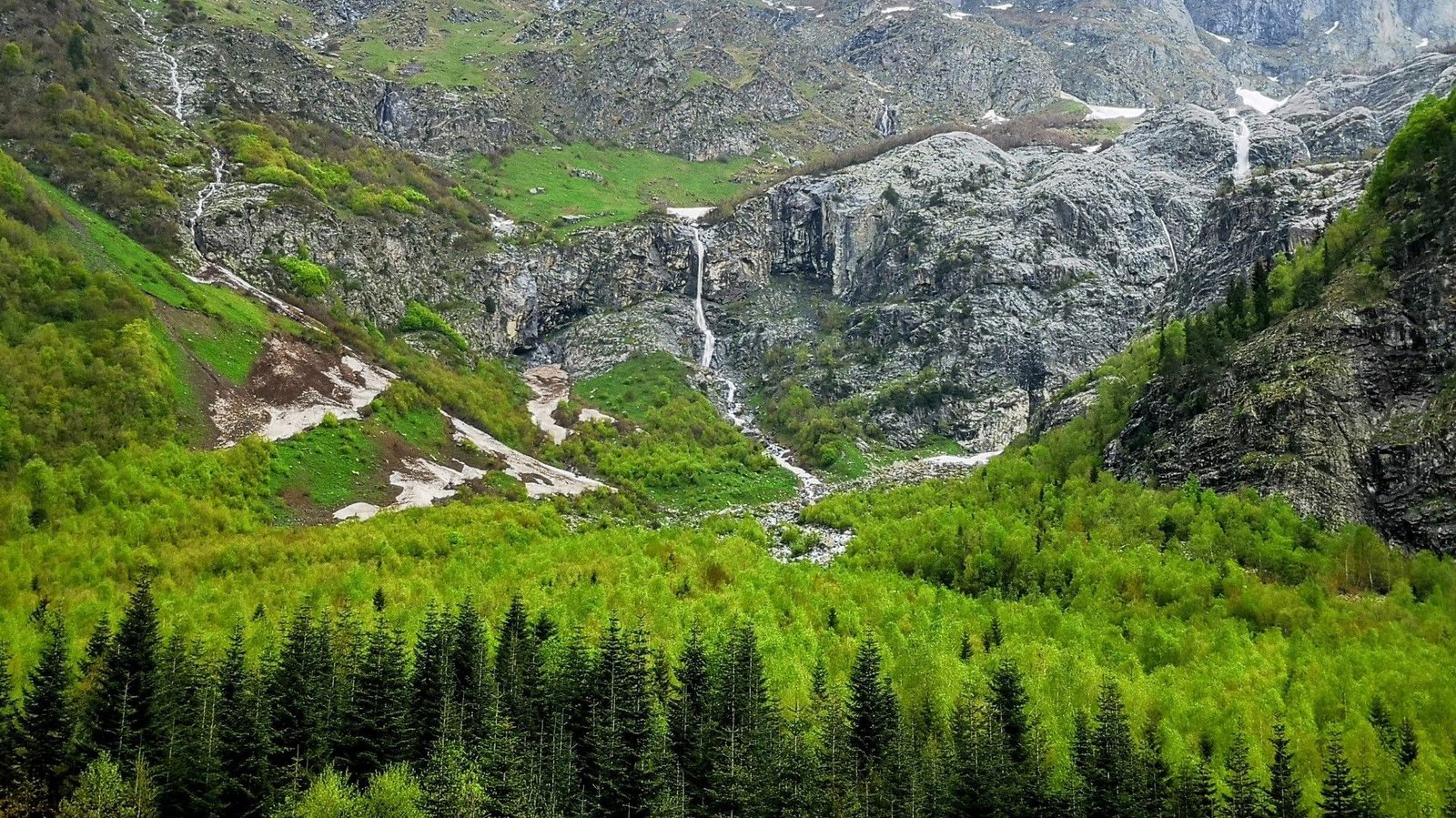
Around 40% of the country is covered by forests, making Georgia one of the most forested territories in Europe. Snow-capped peaks, glacial lakes such as Ritsa and Paravani, gorges and caves like those of Uplistsikhe form a unique natural mosaic.
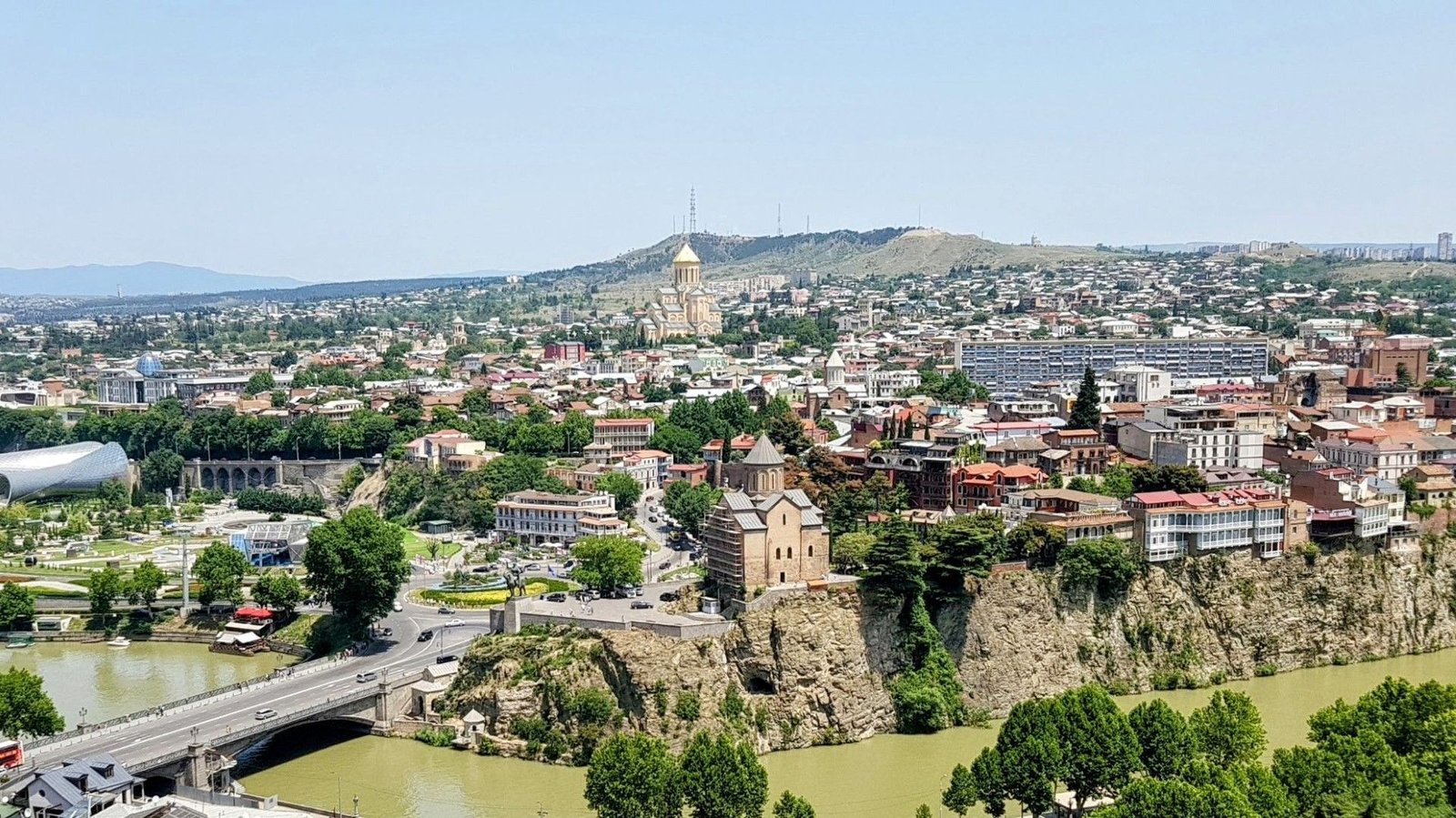
3. Tbilisi, the capital
Tbilisi is the capital and the largest city in the country. With more than 1,500 years of history, it has been influenced by Persians, Byzantines, Arabs, Mongols, Ottomans and Russians, and that blend is reflected in its vibrant architecture.
4. The Kakheti region
In the east of the country, Kakheti is Georgia's great wine region and, according to UNESCO, the historical birthplace of wine. Here you will find vineyards, fortified villages like Sighnaghi and gems such as the David Gareja monastery. Discover more about Kakheti.
5. Georgia's climate
Georgia has great climatic variety: subtropical on the Black Sea coast, continental inland and alpine on the Caucasus summits. This diversity means you can enjoy the beach, hiking and skiing all in a single trip.
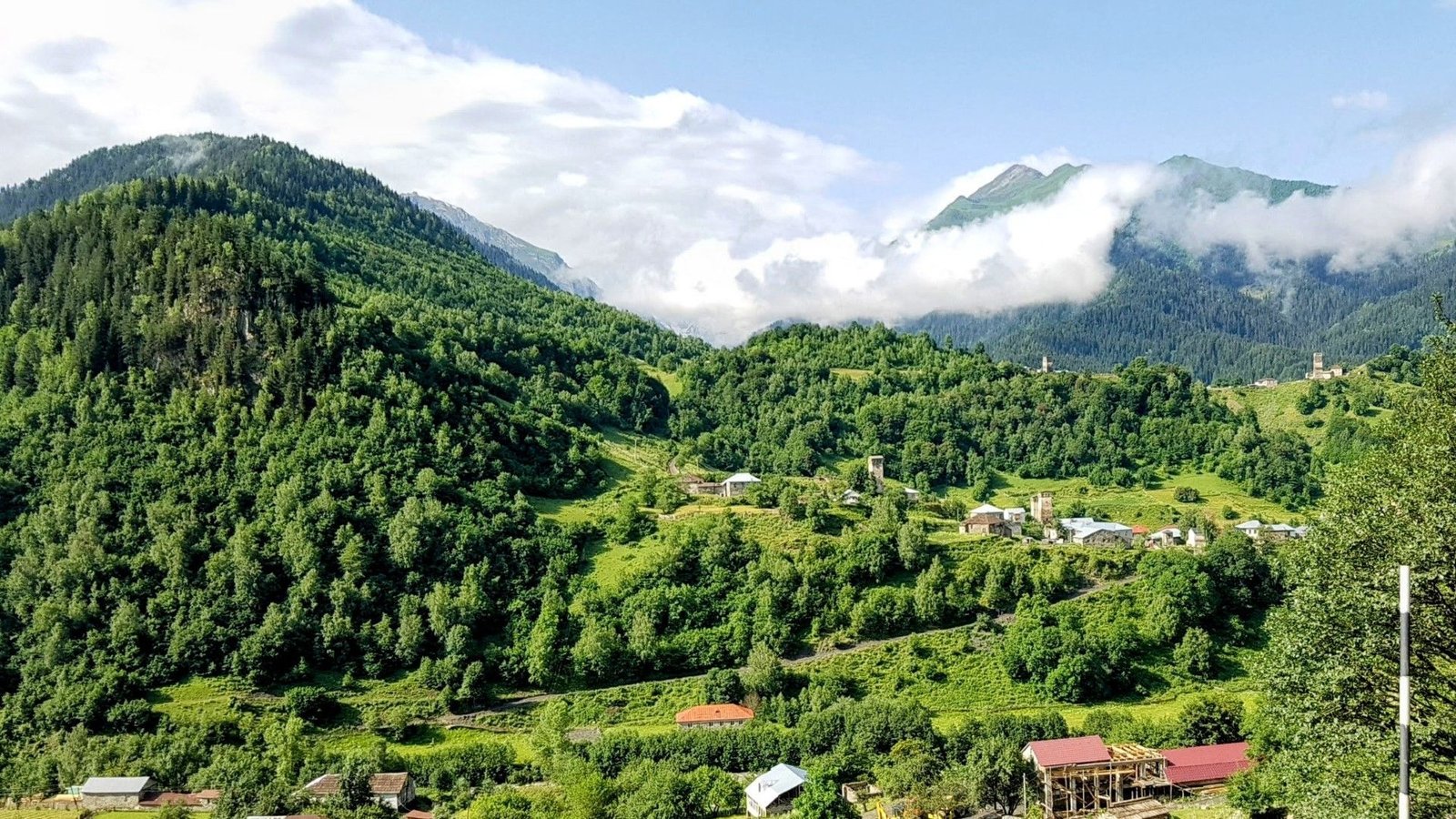
6. The Svaneti region
Svaneti, in the northwest, is one of the most magical corners of the Caucasus. It is home to the country's highest peaks, such as Mount Shkhara (5,201 m), and its famous medieval towers, declared a UNESCO World Heritage Site.
7. A bridge between Europe and Asia
Thanks to its strategic location, Georgia connects the Black Sea and the Caspian Sea and is a key conduit for oil and gas pipelines supplying Europe. A pivotal country both culturally and energetically.
8. A relief dominated by the Caucasus
The Greater Caucasus forms the northern border with Russia, and within it stand gorges like those of Martvili and Okatse. The Mtkvari River is the country's main waterway.
9. Flora and fauna
Bears, wolves, lynx, mouflons and deer inhabit Georgia's forests. Among the flora, walnut, chestnut, hazel and numerous endemic Caucasus species stand out.
10. National parks and nature reserves
Georgia has parks such as Borjomi-Kharagauli (one of Europe's largest), Mtirala, Vashlovani and the Tusheti Reserve — true paradises for nature lovers.
What is Georgia's language like?
The official language is Georgian, a unique tongue that belongs not to the Indo-European family but to the Kartvelian family. It has its own alphabet of 33 letters, recognised by UNESCO as Intangible Cultural Heritage of Humanity.
11. Georgian as the official language
Georgian is spoken by around four million people worldwide. In tourist destinations you will find information in English and Russian, but learning a few words of Georgian is always warmly received by locals.
12. A language with its own alphabet
Very few languages in the world have their own alphabet. Georgian is one of them: elegant, rounded and full of character, it is written from left to right and makes no distinction between upper and lower case.
13. Legendary Georgian poets
Shota Rustaveli, author of the epic poem The Knight in the Panther's Skin (12th century), is the country's greatest literary symbol. Also celebrated are poets such as Galaktion Tabidze and Akaki Tsereteli.
14. The Georgian alphabet
The current alphabet (mkhedruli) has 33 letters and is a work of art in its own right. You will see its elegance on signs, menus and building facades from your very first day.
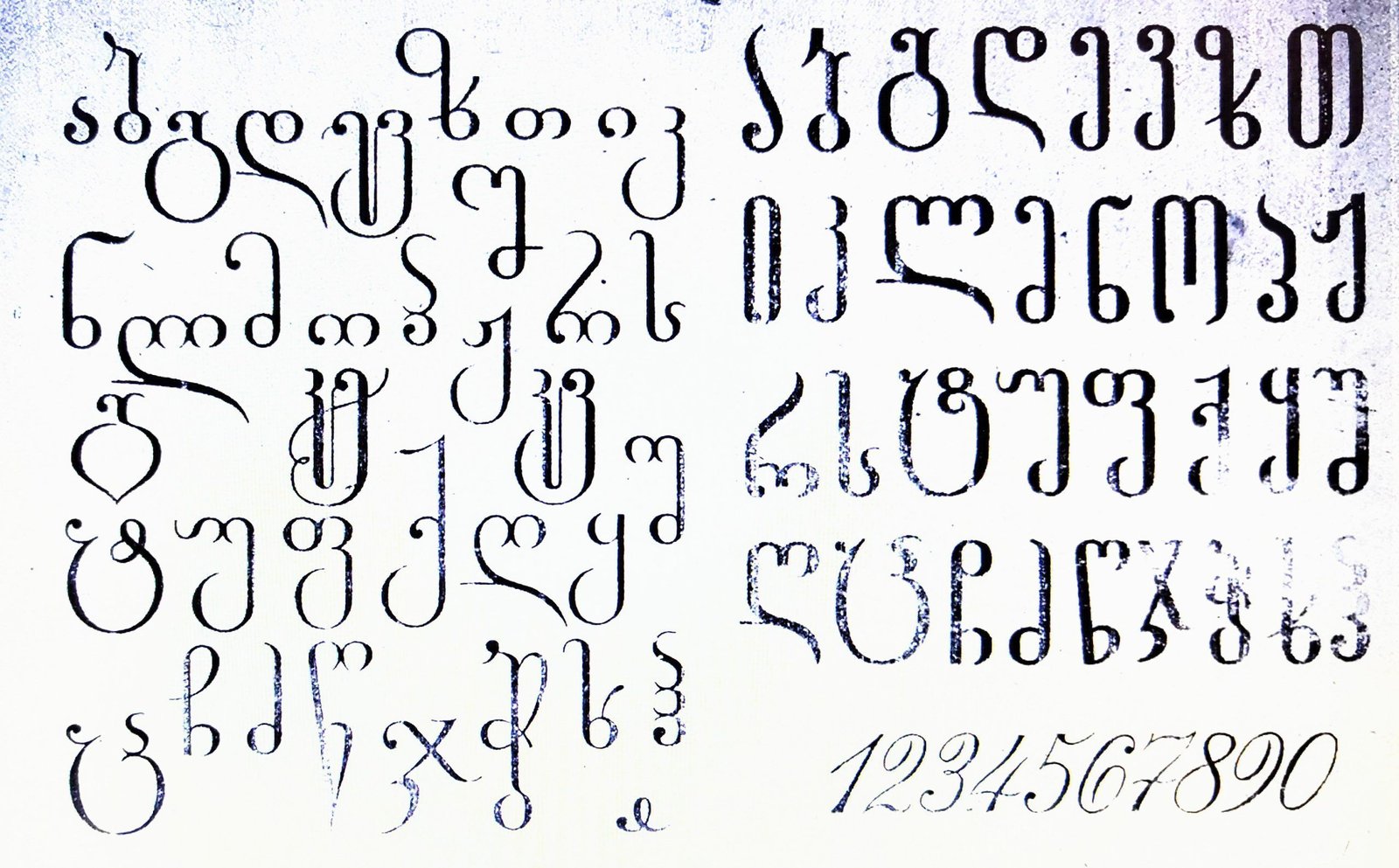
To find out more, read our guide to the Georgian alphabet.
15. A remarkable language
Georgian has no grammatical gender, is agglutinative and is packed with unique consonant clusters, making it one of the most fascinating languages in the world.
16. Other languages in the country
In addition to Georgian, Azerbaijani is spoken in Kvemo Kartli, Armenian in Samtskhe-Javakheti, Russian as a second language, and regional Kartvelian languages such as Mingrelian, Svan and Laz.
What is Georgia's political system like?
Georgia is a parliamentary republic. The president is the head of state, the prime minister leads the government and the Parliament, with 150 seats, exercises legislative power. Since independence from the Soviet Union in 1991, the country has advanced in democratic reforms and has set a clear westward orientation.
17. Current political landscape
Georgia's political life in recent years has been marked by the rivalry between the Georgian Dream party and the United National Movement [VERIFY], as well as debate about European integration. Consult official sources for up-to-date information.
18. From the Soviet Union to independence
Georgia declared independence in 1991. Since then it has faced economic challenges, territorial conflicts (Abkhazia and South Ossetia) and has consolidated a pro-Western democratic model.
19. Member of international organisations
Georgia is a member of the UN, the Council of Europe, the OSCE and the WTO. In 2014 it signed an Association Agreement with the European Union, and in 2023 it obtained candidate status for EU accession [VERIFY].
What is Georgian wine like?
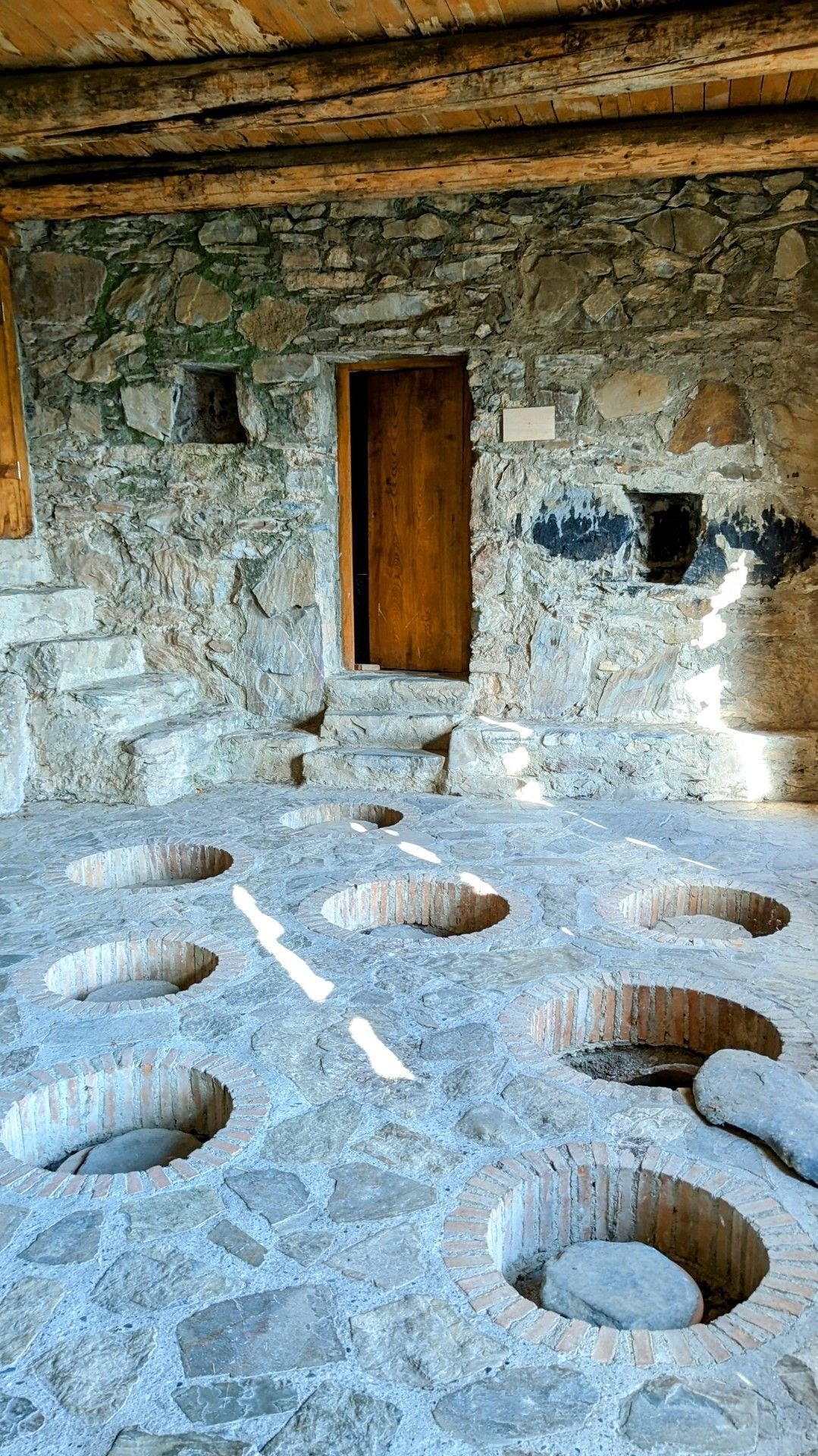
Georgia is considered the birthplace of wine, with a viticulture tradition of over 8,000 years. Its traditional method of fermenting in buried clay vessels (qvevri) has been recognised by UNESCO as Intangible Cultural Heritage of Humanity.
20. Wine tourism in Georgia
Kakheti and Kartli are the country's great wine regions, with family wineries and modern projects where you can taste reds, whites, rosés and the famous amber wines produced by extended maceration in qvevri.
21. The wine of Kakheti
Kakheti concentrates the country's largest wine production. Varieties such as Saperavi, Rkatsiteli and Kisi are true gems for lovers of natural wine and authentic flavours.
22. Georgian gastronomy
Georgian cuisine blends Persian, Turkish, Armenian and Russian influences with local ingredients. Star dishes include khachapuri, khinkali, shashlik, pkhali, satsivi and walnut-paste salads.
23. A unique wine producer
Georgia has more than 500 native grape varieties, many cultivated by small family producers. The wines are natural, unfiltered and reflect the personality of each terroir.
24. Wines in qvevri
Fermentation in buried clay vessels is the hallmark of Georgian wine. The clay stabilises temperature and the wine comes into contact with skins and seeds, acquiring unique nuances.
What is Georgian culture like?
Georgian culture has been shaped over centuries by Greek, Roman, Byzantine and Persian influences, always maintaining a strongly defined identity of its own. Music, dance, literature and religion are its fundamental pillars.
25. Georgian folklore
Georgian polyphonic vocal music is UNESCO Intangible Cultural Heritage of Humanity. Its energetic and acrobatic traditional dances are another of the country's great cultural attractions.
26. Traditional crafts
Ceramics, woodcarving, cloisonné enamel and carpets are part of Georgia's rich craft heritage, often laden with religious and cultural symbolism.
27. A culture of hospitality
For Georgians, a guest is a gift from God. The supra, the traditional table laden with shared dishes and toasts, is the finest expression of that hospitality.
What is tourism in Georgia like?
Tourism in Georgia has grown steadily in recent years. Tbilisi, Batumi, Kakheti, Kazbegi, Svaneti and Mtskheta are among the most popular destinations, complemented by excellent value for money.
28. Georgia, a safe country
Georgia is considered one of the safest countries in the Caucasus. The violent crime rate is low and the police are well trained, allowing travellers to move around with confidence.
29. Georgia's currency
The official currency is the lari (GEL), divided into 100 tetri and using the symbol ₾. In cities you can pay by card without problems; in rural areas it is better to carry cash.
30. The Caucasus Mountains
The mountains are one of the country's greatest attractions. Kazbegi National Park and the Svaneti region offer some of the best trekking in the Caucasus. Find out more here.
31. Adventure tourism
Hiking, climbing, skiing, rafting, paragliding… Georgia is a paradise for outdoor enthusiasts. The Transcaucasian Trail crosses the entire country.
Iberogeorgia is the specialist Spanish-speaking inbound operator for Georgia, with a local team and 100% English-language service so you can enjoy the country without barriers.
32. Mount Kazbek
Kazbek, at 5,047 metres, is one of the most iconic mountains in the Caucasus. At its foot stands the famous Gergeti Trinity Church, one of the most photographed landscapes in Georgia.
33. The Georgian Military Highway
The historic Georgian Military Highway connects Tbilisi with Kazbegi through spectacular scenery, medieval fortresses like Ananuri and traditional villages.
34. Mountain villages
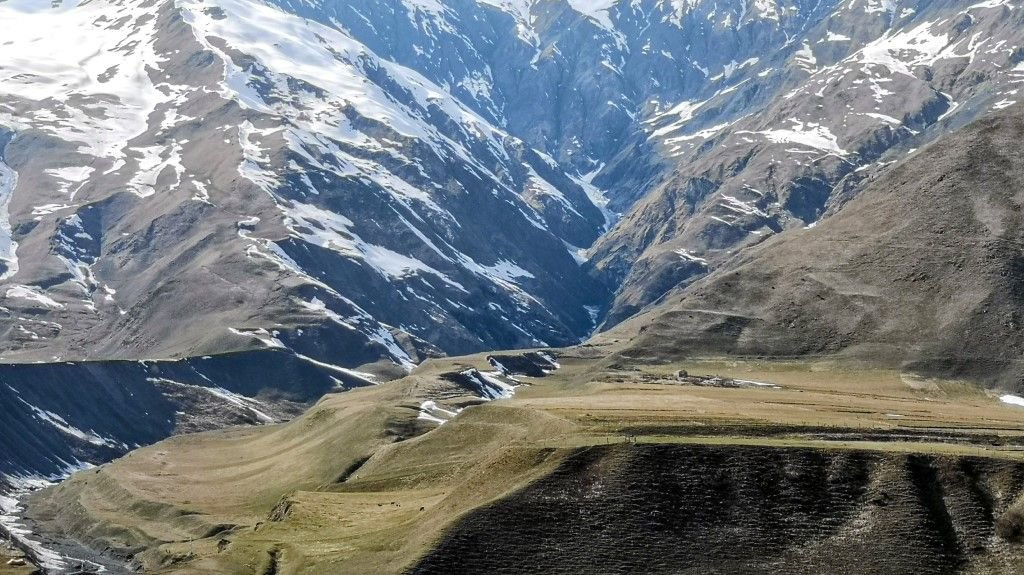
Regions like Khevsureti, Svaneti, Tusheti and Racha preserve stone villages, defensive towers and a living culture well worth discovering at a leisurely pace.
35. International festivals
Georgia hosts events such as the Tbilisi International Film Festival, the Batumi International Jazz Festival and the Tbilisi Open Air, among others.
36. Batumi, the pearl of the Black Sea
Batumi is the main coastal city, with its famous botanical garden, the Black Sea Boulevard, futuristic architecture and a lively nightlife. Discover Batumi here.
37. The Tbilisi sulphur baths
In the Abanotubani neighbourhood, the sulphur baths are a must-visit. The mineral-rich thermal water helps the body relax and has been enchanting travellers for centuries. More information about Abanotubani.
What is religion in Georgia like?
The Georgian Orthodox Church is the predominant religion and a fundamental pillar of national identity. Muslim minorities, Armenian Apostolics, Catholics and Jews also coexist in the country.
38. The Georgian Orthodox Church
Founded in the 4th century, the Georgian Orthodox Church preserves monasteries, cathedrals and frescoes of incalculable value, many of them UNESCO World Heritage Sites.
39. Gelati Monastery
Founded by King David IV in the 12th century in the city of Kutaisi, Gelati Monastery is one of the country's great religious treasures. It housed the Gelati Academy, one of the most important of its era. Discover Gelati Monastery.
40. Svetitskhoveli Cathedral
In Mtskheta, the ancient spiritual capital, stands Svetitskhoveli Cathedral (11th century), a UNESCO World Heritage Site. According to tradition, the robe of Christ is preserved here.
Ready to discover what Georgia is really like?
If these 40 facts have whetted your appetite for travel, at Iberogeorgia we can help you plan a tailor-made trip to Georgia, with English-speaking guides and all the expertise of a local team. Write to us and let's design your route through the heart of the Caucasus together.