

Ready to discover two genuine gems of the Caucasus? Georgia and Armenia are two ancient countries steeped in history, with vibrant cultures, memorable cuisine and a hospitality that wins over every traveller. Exploring both on a single itinerary is one of the most complete and surprising experiences the region has to offer.
In this guide to travelling to Georgia and Armenia you'll find everything you need to know before packing your bags: documentation, currency, transport, accommodation, gastronomy, must-see places and practical tips updated for 2026. If you're looking for a unique and authentic experience in the heart of the Caucasus, read on.
Two Gems of the Caucasus: Georgia and Armenia
The Caucasus region has become one of the most appealing destinations for travellers seeking places that are still off the beaten track. Georgia and Armenia combine millennia of history, unique monasteries, mountain landscapes, wine, gastronomy and a human warmth that is hard to find elsewhere.
A Brief Introduction to Georgia and Armenia
Georgia is famous as the cradle of wine, with over 8,000 years of winemaking tradition. Its capital, Tbilisi, is a vibrant city full of contrasts, and the country boasts gems such as Mtskheta, Gori, Kutaisi, Batumi and Mestia. Armenia, for its part, is the world's first Christian nation (year 301) and a genuine open-air museum, with thousands of monuments, monasteries and archaeological sites.
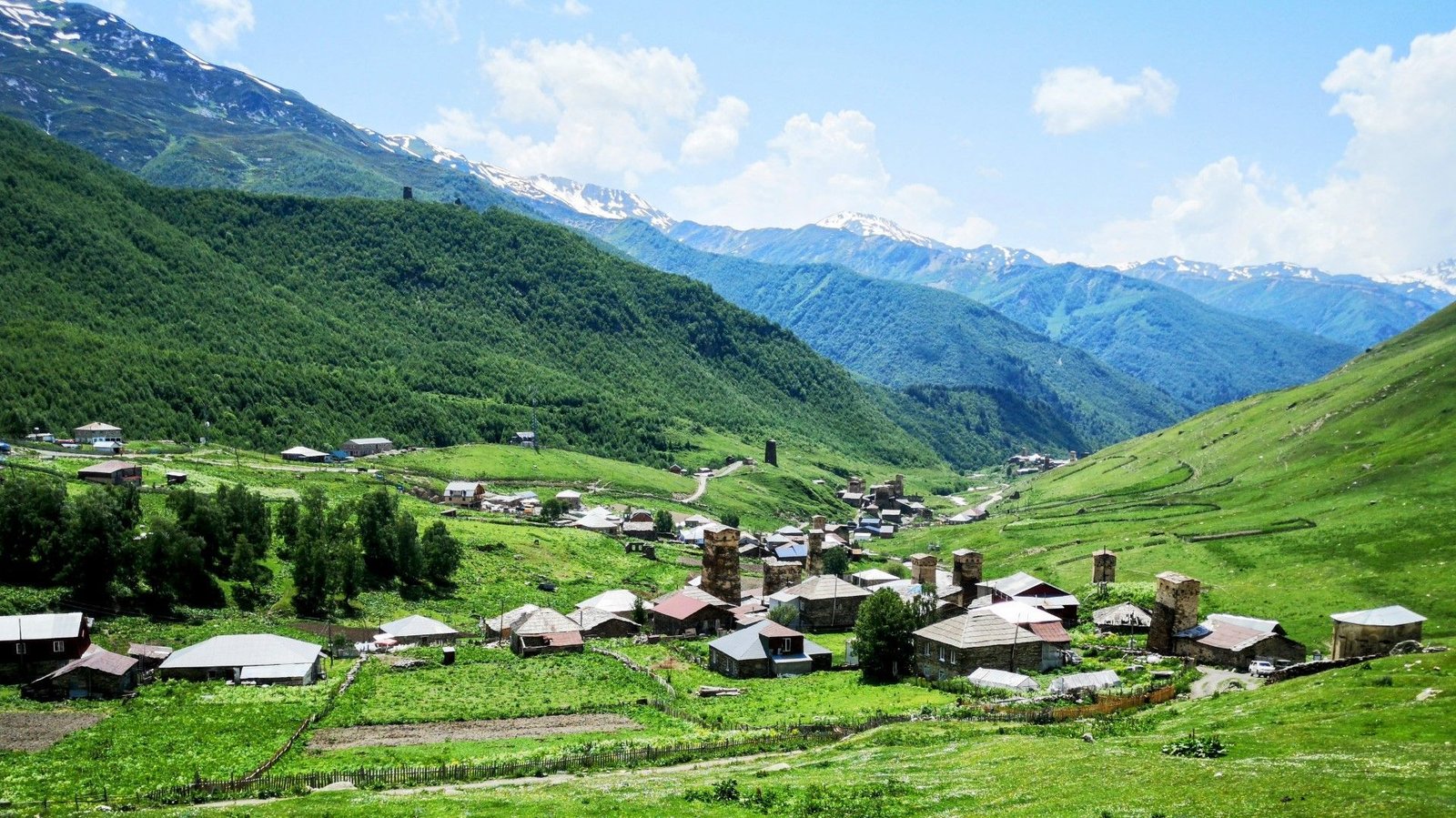
Together, Georgia and Armenia offer a unique combination: culture, nature, hospitality and a gastronomy that is, in itself, reason enough to travel.
Getting Ready to Travel to Georgia and Armenia
Before setting out, it's worth getting a few key points straight: documentation, currency, travel insurance and language.
Required Documentation
Citizens of Spain and most Latin American countries can enter Georgia without a visa and stay for up to 360 days [VERIFY with authorities before travelling]. For Armenia, EU citizens do not need a visa for tourist stays of up to 180 days within a year; requirements for Latin America vary by country [VERIFY on the website of the Armenian Ministry of Foreign Affairs before your trip].

In both cases, carry a passport valid for at least six months and also check the official pages to stay up to date with any health requirements.
Currency and Exchange
Georgia's official currency is the lari (GEL) and Armenia's is the dram (AMD). You can exchange money at airports, banks and currency exchange offices, and in cities it is common to pay by card. For rural areas, always carry some cash in the local currency.

Language and Culture
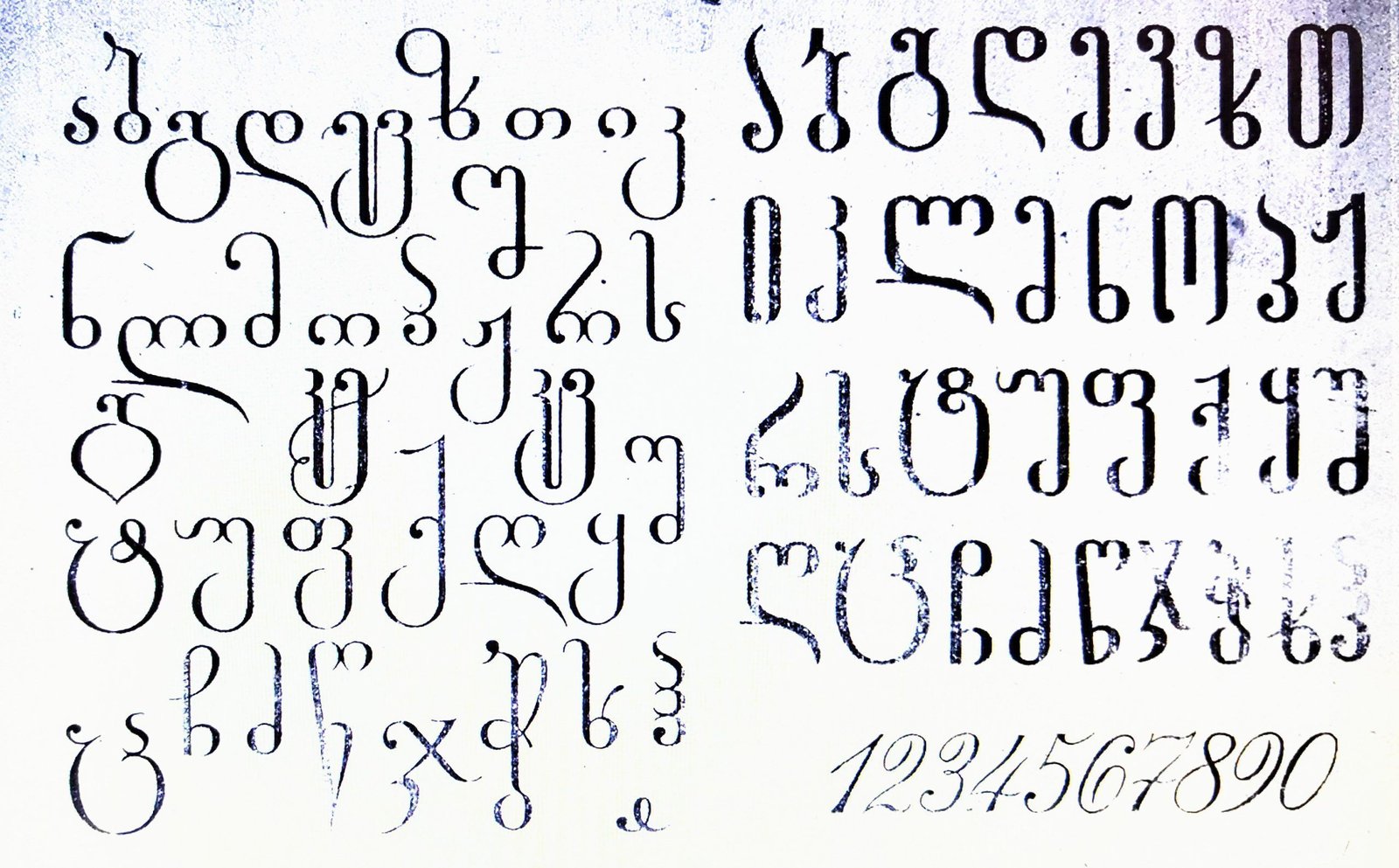
Georgia's official language is Georgian, with its unique script. In Armenia, Armenian is spoken, also with its own alphabet. In both countries, Russian remains a common second language, and in tourist destinations English is widely spoken.
Best Time to Visit Georgia and Armenia
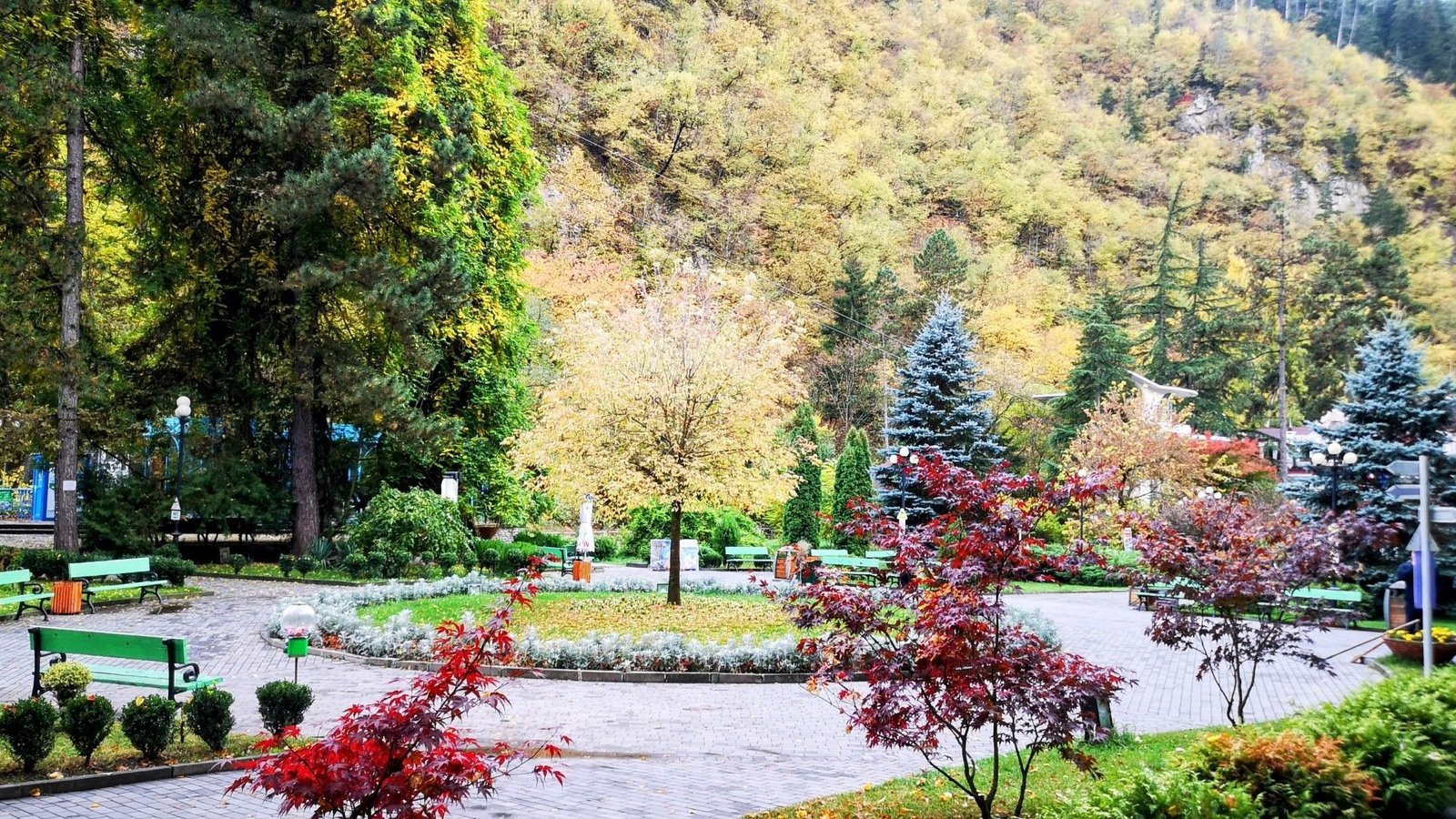
The best time to travel through both countries is from May to October. In summer (June–August) cities are warm and it is peak season, while spring and autumn offer mild temperatures and fewer tourists.
In winter, both countries offer ski resorts (Gudauri in Georgia, Tsaghkadzor in Armenia) and spectacular snowy landscapes.
Transport and Getting Around
Getting around Georgia and Armenia is easier than it looks, though each country has its own particularities.
How to Get to Georgia and Armenia
Both capitals have international airports: Tbilisi and Kutaisi in Georgia, and Yerevan (Zvartnots) in Armenia. From Spain there are connecting flights and, in the case of Kutaisi, Wizz Air operates flights from cities such as Barcelona and Madrid [VERIFY updated schedules on the airline's website].
Local Transport Options
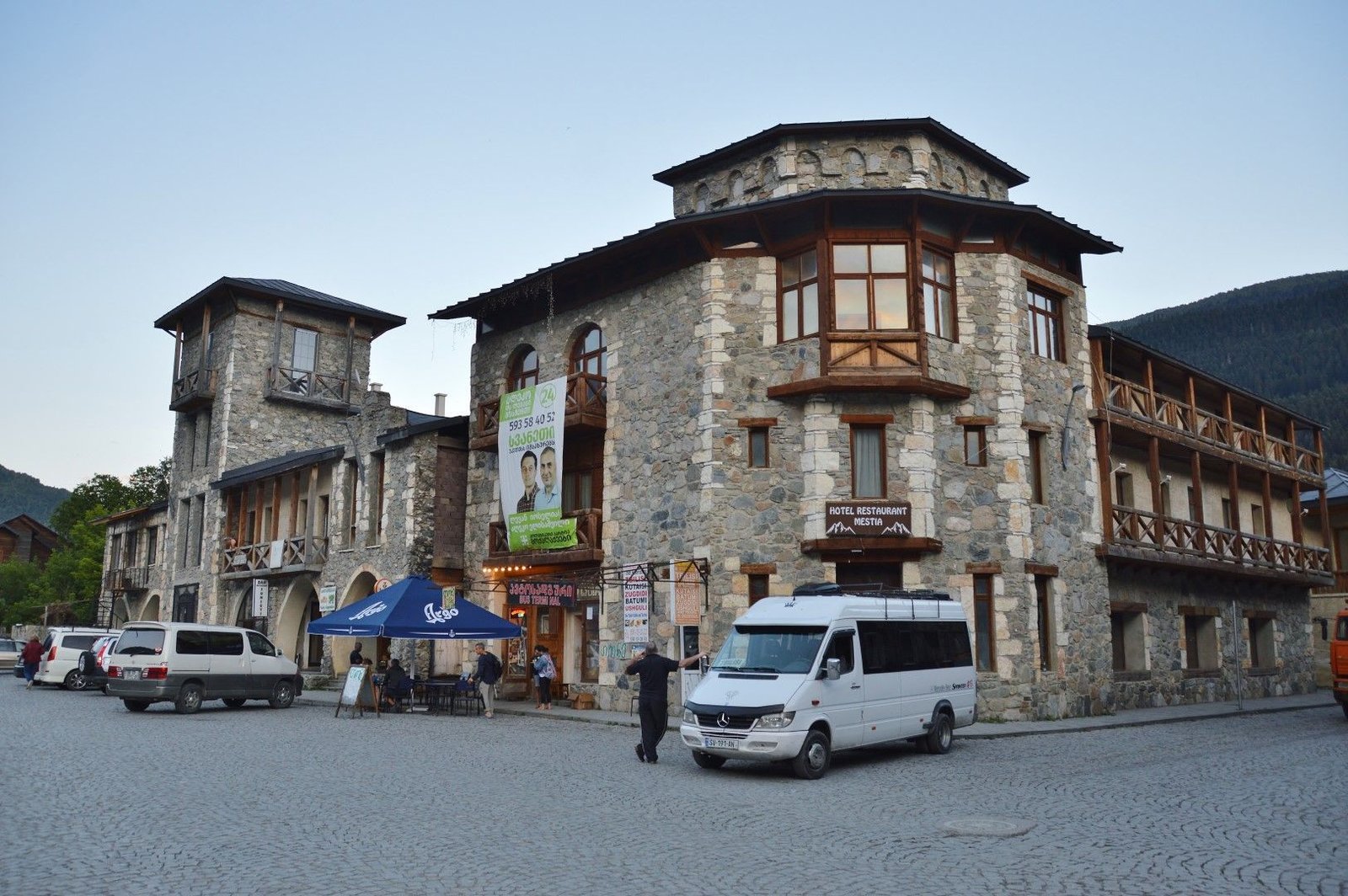
Within each country, marshrutkas (shared minibuses) are the most popular and affordable means of transport. There are also trains (Tbilisi–Batumi, Yerevan–Gyumri), taxis and apps such as Bolt in major cities. For greater comfort, many travellers rent a car or hire a private driver.
Crossing from Georgia to Armenia
The border between Georgia and Armenia is easily crossed by road at several checkpoints, the most popular being Sadakhlo–Bagratashen. There are direct buses from Tbilisi to Yerevan taking 5 to 7 hours.
Accommodation in Georgia and Armenia
The accommodation offer is wide and suited to any budget: from luxury hotels in Tbilisi or Yerevan to family guesthouses in rural areas, tourist apartments and hostels for backpackers.
Types of Accommodation
- Chain hotels: Marriott, Radisson, Hilton and boutique hotels in the main cities.
- Guesthouses: the most recommended option for experiencing local hospitality, especially in Svaneti, Kazbegi, Kakheti or rural Armenia.
- Tourist apartments: a comfortable and affordable alternative in Tbilisi, Batumi or Yerevan.
- Hostels: perfect for backpackers and young travellers.
Booking Tips
Book in advance during high season (June–September) and compare prices on platforms such as Booking or Airbnb. Always read recent reviews and prioritise well-connected locations.
Must-See Tourist Attractions
Georgia and Armenia are a festival of culture, nature and history. Here are some of the highlights you should not miss on your Caucasus route.
Must-Sees in Georgia
- Tbilisi: old town, Abanotubani, Narikala, the Bridge of Peace and Sameba Cathedral.
- Mtskheta: the ancient spiritual capital with Svetitskhoveli Cathedral and Jvari Monastery (UNESCO Heritage).
- Kazbegi and the Gergeti Trinity Church at the foot of Mount Kazbek (5,047 m).
- Kakheti: the great wine region, with wineries, Sighnaghi and the monasteries of Alaverdi and David Gareja.
- Svaneti: high mountain landscapes, Mestia and the village of Ushguli, UNESCO Heritage.
- Batumi: the Black Sea capital, modern and buzzing.
- Uplistsikhe: a fascinating cave city carved from rock.
Must-Sees in Armenia
- Yerevan: Republic Square, the Matenadaran (manuscript library), the Cascade and the Opera House.
- Geghard Monastery and the temple of Garni, both near the capital.
- Etchmiadzin, considered one of the oldest Christian cathedrals in the world.
- Lake Sevan, Armenia's great blue lake surrounded by mountains.
- Haghpat and Sanahin monasteries, UNESCO World Heritage Sites.
- Tatev, a spectacular monastery reached by the world's longest cable car.
- Gyumri, the country's second city, full of charm and 19th-century architecture.
Gastronomy of Georgia and Armenia
The food is one of the greatest draws of the trip. Both countries have rich, generous cuisines full of personality.
Typical Georgian Dishes
- Khachapuri: bread filled with melted cheese, in its various regional versions (adjaruli, imeruli, megruli).
- Khinkali: large dumplings filled with meat or mushrooms.
- Mtsvadi: skewers of marinated and grilled meat.
- Satsivi: chicken in walnut sauce.
- And of course, qvevri wine, UNESCO Intangible Cultural Heritage of Humanity.

Typical Armenian Dishes
- Khorovats: the quintessential Armenian barbecue.
- Dolma: vine leaves stuffed with meat and rice.
- Lavash: traditional thin flatbread, UNESCO Intangible Heritage.
- Harissa: a comforting wheat and chicken stew.
- And the famous Armenian brandy, with Ararat as its iconic label.
Must-Visit Markets and Restaurants
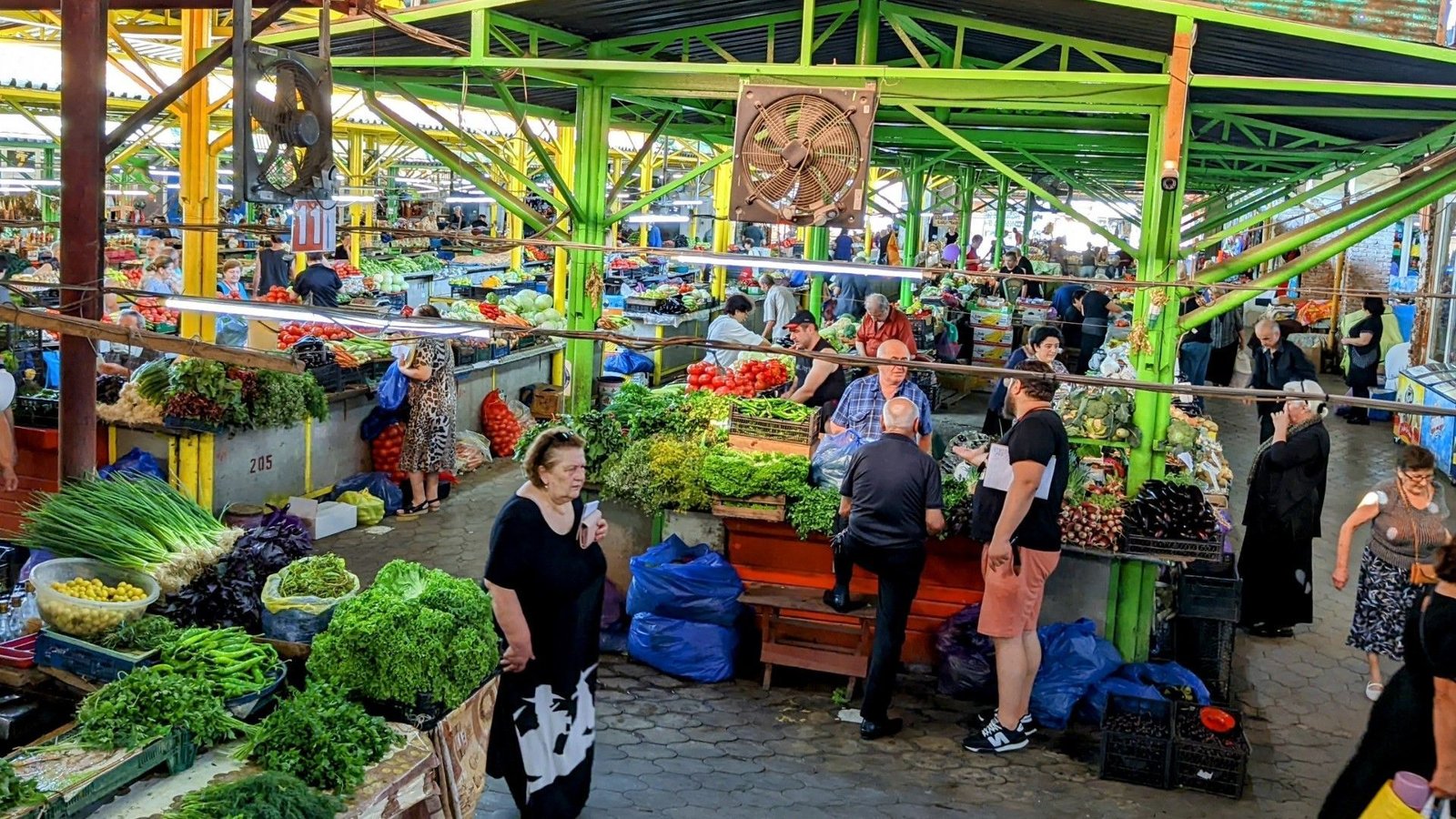
In Tbilisi, don't miss the Dezerter Bazaar or restaurants such as Shavi Lomi and Barbarestan. In Yerevan, the Vernissage market and the GUM Market are essential stops, and places like Lavash or Sherep are excellent for discovering Armenian cuisine.
Practical Tips for Your Trip
- Dress in layers: the climate can vary greatly, especially in the mountains.
- Get good travel insurance that includes repatriation and comprehensive medical cover.
- Respect religious customs: in monasteries and churches, dress modestly and keep quiet.
- Try local food without hesitation: it's an essential part of the journey.
- Carry local currency cash for rural areas.
- Use apps like Bolt to get around by taxi in Tbilisi and Yerevan without surprises.
Adventurers vs. Comfort Seekers
If you're an adventurous traveller, Georgia and Armenia are a playground: epic trekking along the Greater Caucasus Trail, rafting on the Mtkvari River or paragliding in Gudauri. If, on the other hand, you prefer a relaxed trip with logistics taken care of, Spanish-speaking guides and authentic experiences, the best option is to book your journey with a specialist agency like Iberogeorgia.
Conclusions
Travelling to Georgia and Armenia is an experience that combines the best of cultural, gastronomic and nature tourism. Two small countries in size, but enormous in history, landscapes and emotions. They are perfect destinations for travellers seeking something different, authentic and full of nuance.
Plan Your Caucasus Trip with Iberogeorgia
At Iberogeorgia we specialise in tailor-made travel to Georgia, Armenia and Azerbaijan, with Spanish-speaking guides and personalised attention. If you want to resolve any doubts or start designing your itinerary, write to us here and we'll be with you every step of the way.