

Welcome to our guide to visiting Georgia, the small but mighty country where Europe and Asia meet face to face. Located in the heart of the Caucasus, Georgia is a captivating destination: snow-capped mountains reaching nearly 5,000 metres, age-old monasteries perched on clifftops, vineyards that have been producing wine for 8,000 years and a capital, Tbilisi, where tradition and modernity coexist on every cobblestone alley. If you are looking for a different, authentic trip full of warmth and hospitality, this article will help you plan it step by step with information updated to 2026.
Tbilisi, the essential starting point for your Georgian journey
Discovering Tbilisi is the natural starting point for any trip to the Caucasus. Georgia's capital is a city of contrasts, where intricately carved wooden balconies stand alongside futuristic buildings and every corner of the old town looks like something from a fairy tale.
History and culture of Tbilisi
Tbilisi holds over 1,500 years of history. Founded in the 5th century by King Vakhtang Gorgasali, it has been a crossroads between Persian, Ottoman and Russian empires. That rich blend is evident in its architecture, gastronomy and traditions.
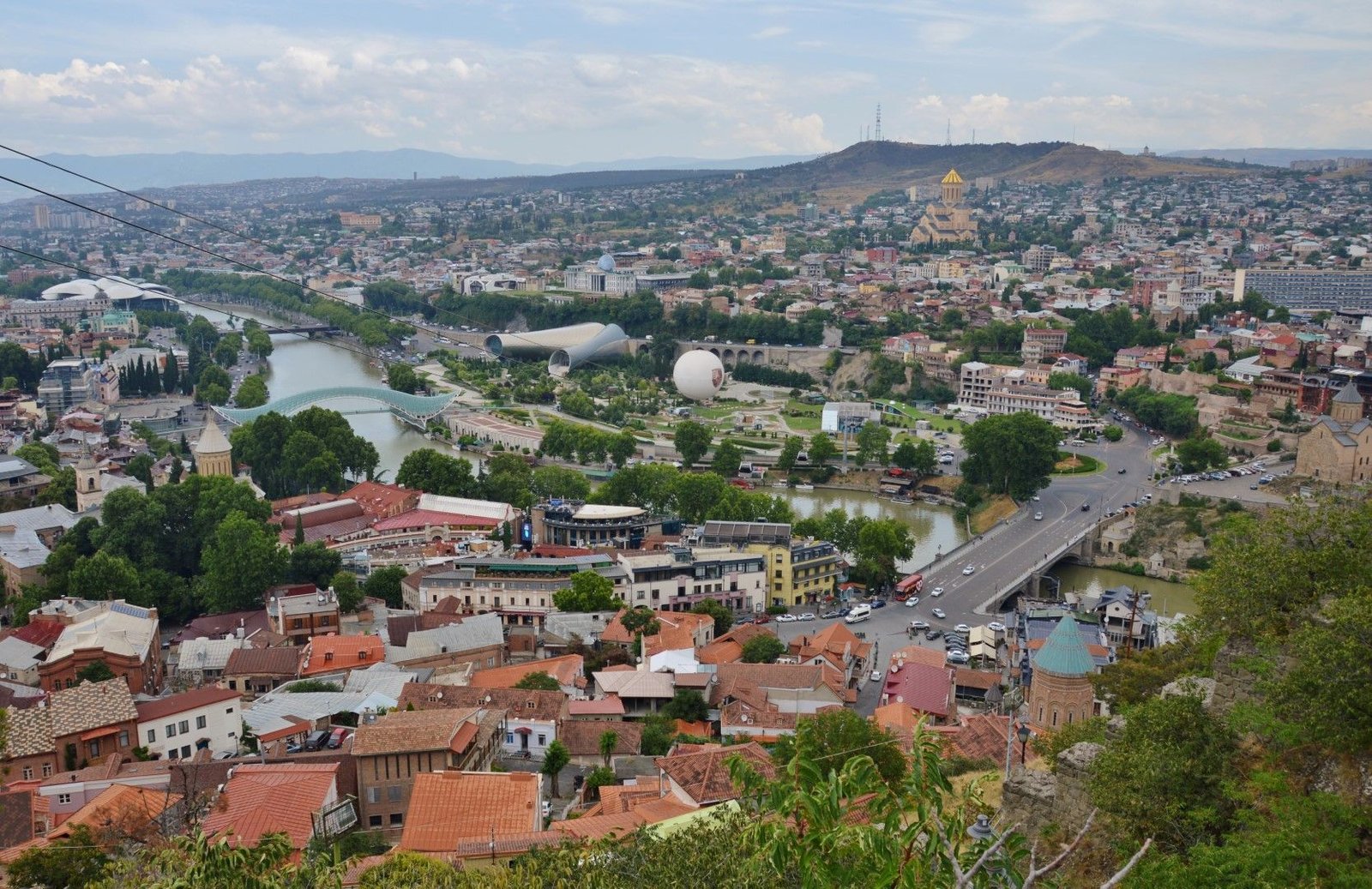
Today, the capital is famous for its vibrant arts and music scene: jazz, opera, theatre and film festivals fill its calendar throughout the year. And of course, for a cuisine bursting with flavour: khachapuri, khinkali, stews, salads and the finest traditional wine in the world.
What to see in Tbilisi: the must-sees
The old town is the heart of Tbilisi. There you will find the Holy Trinity Cathedral (Sameba), the iconic Bridge of Peace and the Metekhi Church, which gazes out over the Mtkvari River from the top of a rocky outcrop. Don't miss the famous Abanotubani sulphur baths — a unique experience for unwinding after a day's sightseeing.
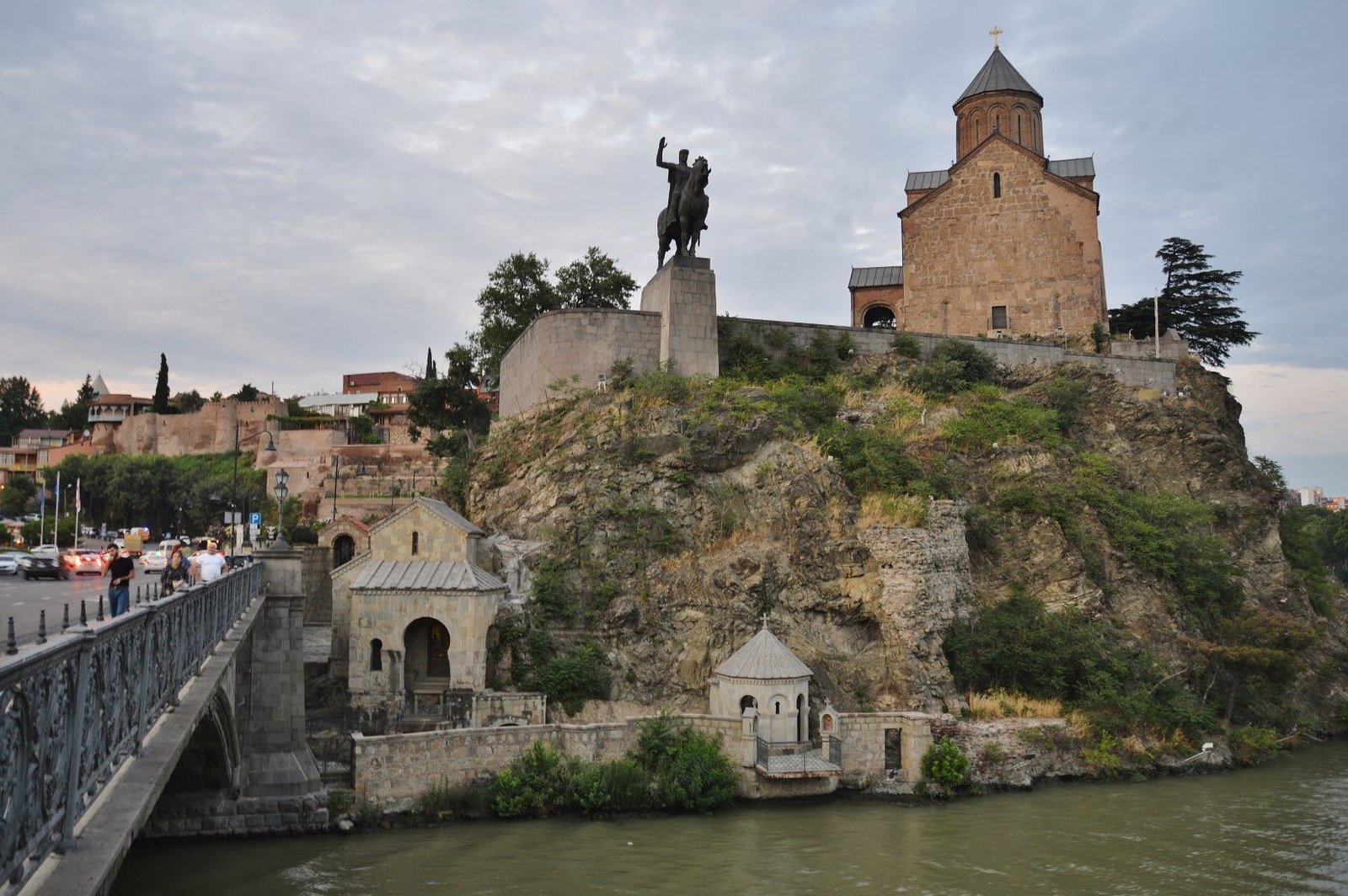
If history is your passion, visit the National Museum of Georgia, with its fascinating archaeological finds, and climb to the Narikala Fortress for the best panoramic views of the city.
Where to stay in Tbilisi
The capital offers accommodation for every taste and budget. Among the top-end options, the Tbilisi Marriott Hotel on Rustaveli Avenue and the Radisson Blu Iveria with its rooftop panoramic pool stand out.
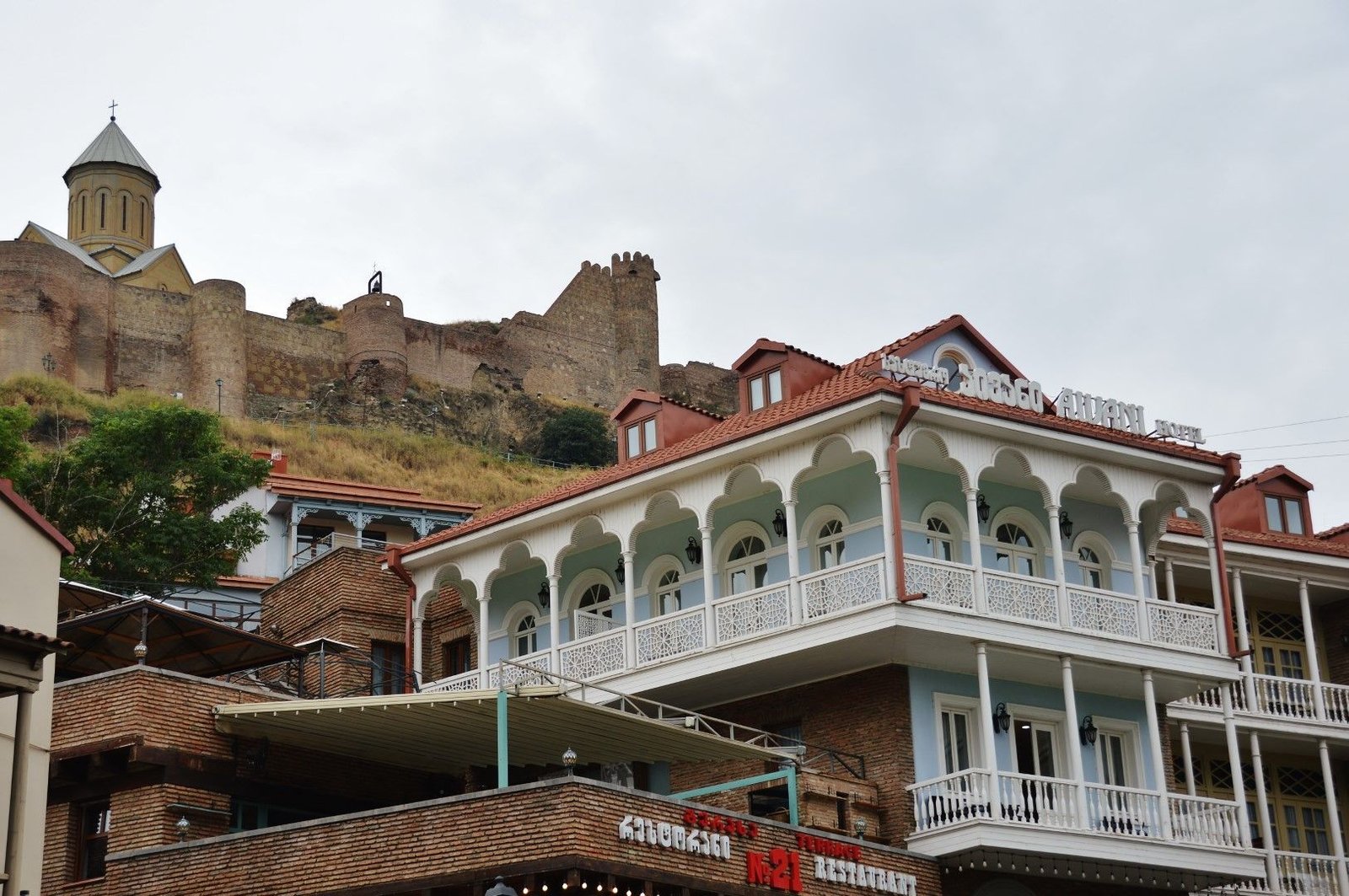
If you are on a tighter budget, hostels like the iconic Fabrika (housed in a former Soviet factory) offer shared and private rooms at good prices. And if you are after authenticity, apartments and guesthouses in the old town are a charming option.
Caucasus mountains and vineyard valleys: Georgia in its purest form
If you love nature, wine and breathtaking landscapes, the Caucasus Mountains and the Kakheti valleys are waiting for you. Some of the country's most awe-inspiring corners are concentrated here.
Kazbegi and Mount Kazbek
The Kazbegi region, north of Tbilisi and just over three hours away via the spectacular Georgian Military Highway, is one of the country's most popular destinations. Mount Kazbek, at 5,047 metres, dominates the landscape and, according to mythology, was the very place where Prometheus was chained.
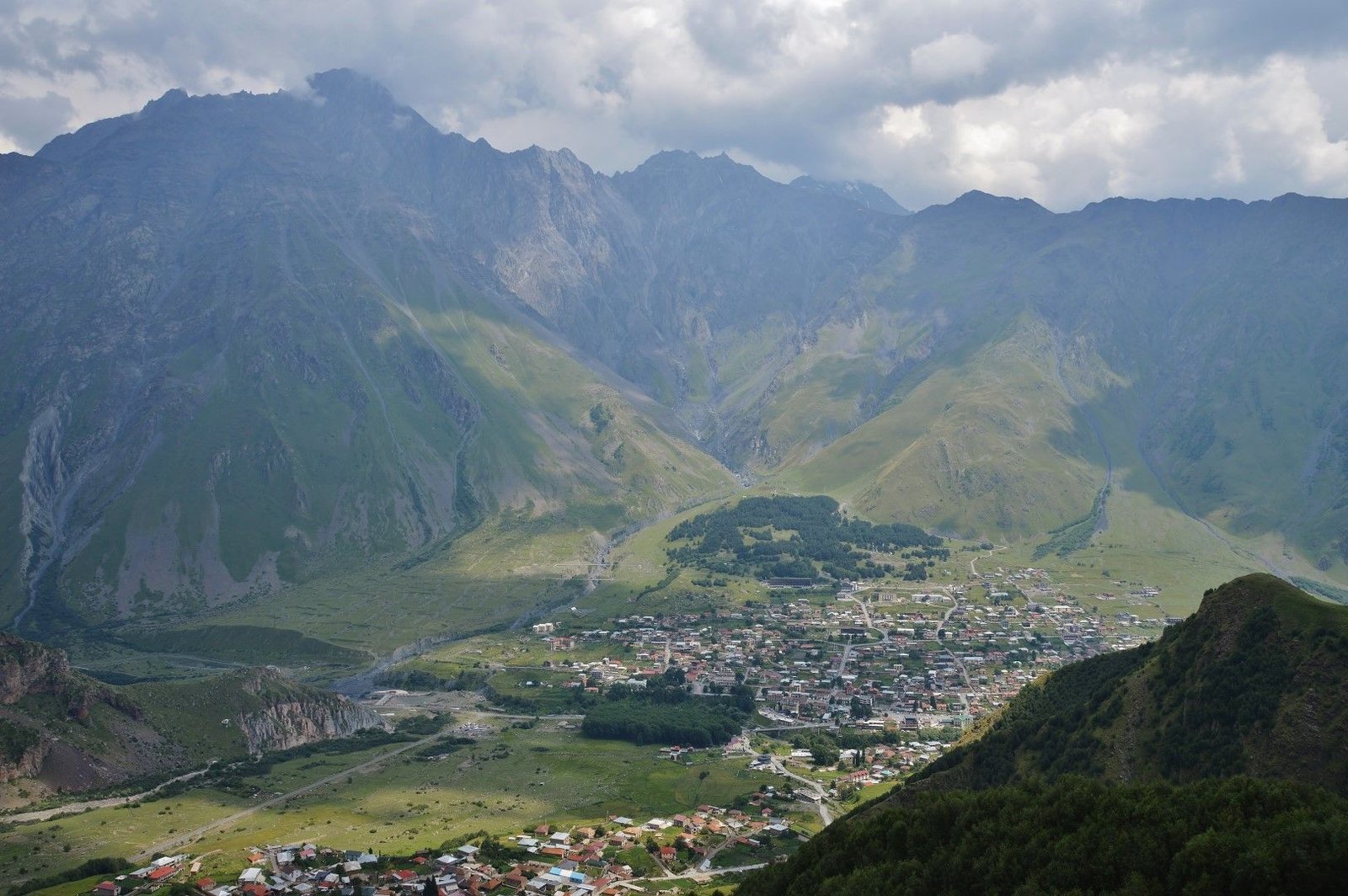
The great icon of the area is the Gergeti Trinity Church, at 2,170 metres above sea level, with the Caucasus peaks as a backdrop. Take time to explore the village of Sno, with its ancient defensive towers, and discover the Khevsur and Mokheve cultures.
The wine valleys of Kakheti
Kakheti, in the east of the country, is the birthplace of Georgian wine. Wine has been produced here for over 8,000 years, and UNESCO has recognised its traditional clay-vessel method (qvevri) as Intangible Cultural Heritage of Humanity.
The region has wineries to suit all tastes: from small family marani to large-scale projects like Teliani Valley, Kindzmarauli Marani or Pheasant's Tears. Be sure to visit the Alaverdi and David Gareja monasteries and the Gremi citadel.
And of course, let yourself be guided by the local gastronomy: khinkali, khachapuri and chashushuli, all washed down with wines like Saperavi or Rkatsiteli.
Adventures in Svaneti
Svaneti, in the northwest, is one of the most magical corners of the Caucasus. Alpine landscapes, medieval towers and an ancient culture — that of the Svans — which has survived intact for centuries.
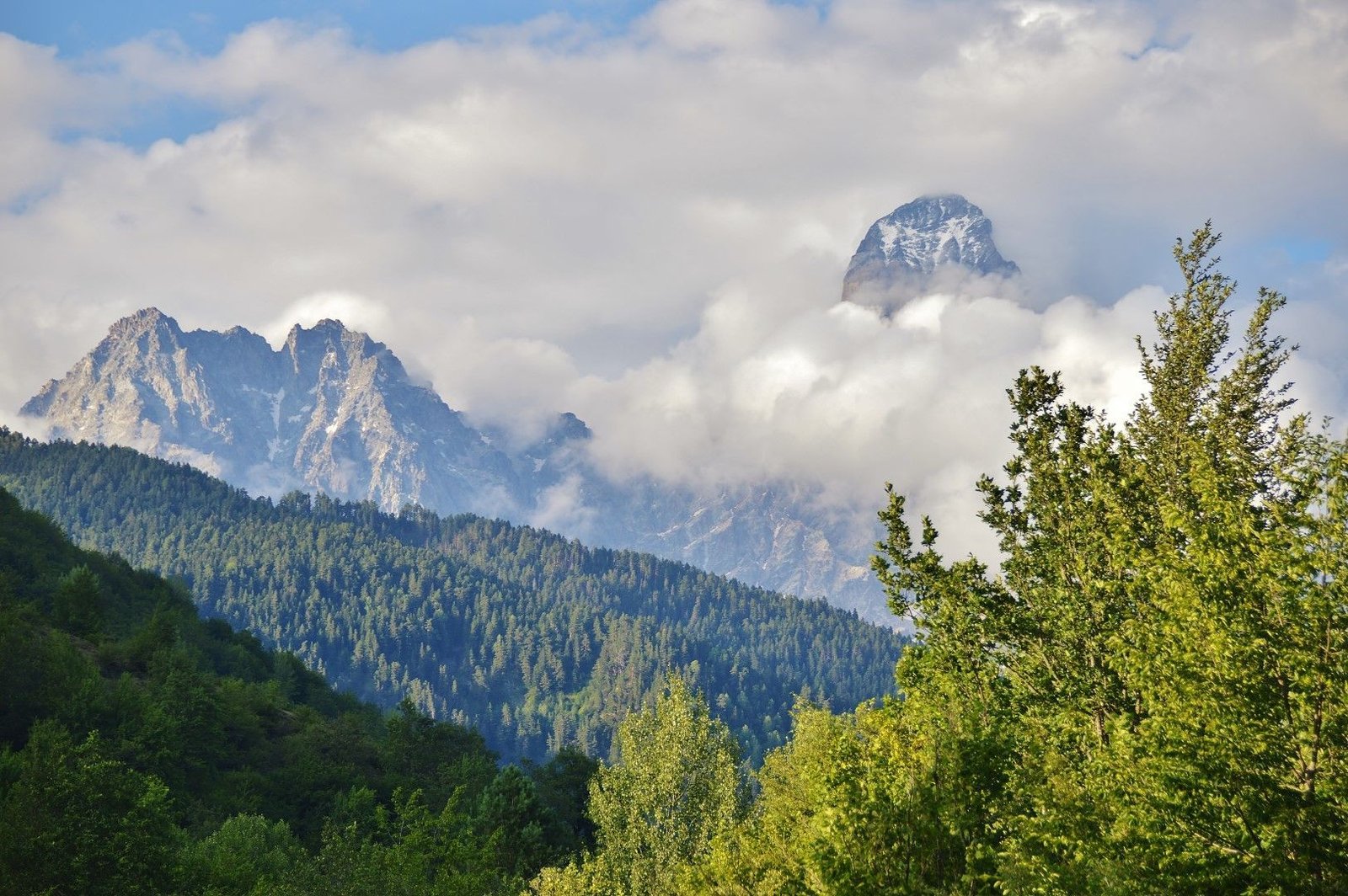
Here you will find Mount Ushba (one of the Caucasus's most technically demanding peaks), the village of Ushguli — considered the highest permanently inhabited village in Europe and declared a UNESCO World Heritage Site in 1996 — and unique local dishes like kubdari (meat-filled flatbread) and elarji (cornmeal porridge with cheese).
Gastronomy and wine: the soul of Georgia
Visiting Georgia without sampling its cuisine and wines would be unforgivable. The Georgian table, the famous supra, is a celebration in itself, with shared dishes, toasts and polyphonic singing.
Georgian cuisine: a blend of flavours and traditions
Among the most iconic dishes are khinkali (filled dumplings), khachapuri (bread stuffed with molten cheese) and mtsvadi (marinated meat skewers grilled over charcoal). Alongside these come walnut-paste salads, spiced stews and artisan bread that wins hearts at every table.
But the jewel of the crown is the wine: produced for over 8,000 years from native grape varieties such as Saperavi and Rkatsiteli, fermented in qvevri. A unique experience that no wine lover should miss.
The best restaurants and wineries
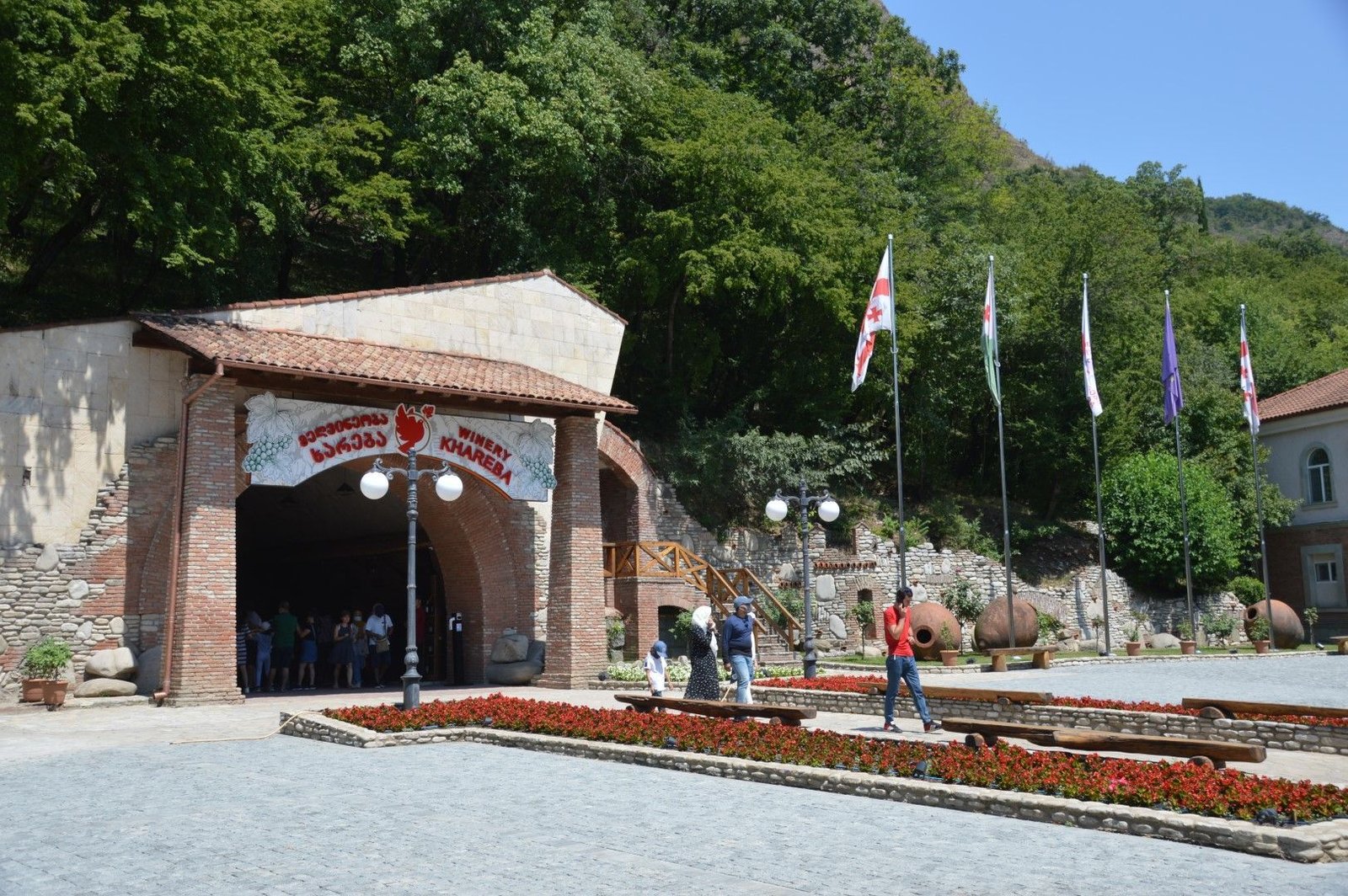
Tbilisi has no shortage of memorable restaurants. Shavi Lomi offers creative contemporary Georgian cuisine, while Pur Pur is a romantic classic with traditional recipes. In Kakheti, wineries like Teliani Valley and Khareba offer guided tours and unforgettable tastings.
In the Kartli region, Château Mukhrani awaits in a 19th-century palace with sparkling wines and Georgian fine dining.
Cooking classes and wine tastings
For a full immersion, sign up for a Georgian cooking class. Venues like Culinarium Khasheria in Tbilisi teach you to prepare khinkali, khachapuri or chakhokhbili step by step.

And in Kakheti, wineries like Khareba offer tastings inside natural tunnels carved into the mountain — a truly special experience.
History, culture and age-old monasteries
Georgia's history stretches back thousands of years and is full of fascinating chapters. Visiting Georgia is also a journey through time, through monasteries, cathedrals and cave cities.
Be sure to visit the National Museum of Georgia in Tbilisi and the Svetitskhoveli Cathedral in Mtskheta, dating from the 11th century and considered one of the country's most sacred sites. The Narikala Fortress completes a perfect plan for understanding the capital's history.

If you travel in summer, you can enjoy cultural festivals such as Tbilisi Open Air or the International Film Festival.
Georgian traditions and customs
Georgian polyphonic singing, an UNESCO Intangible Cultural Heritage of Humanity, and the vibrant, acrobatic folk dances are two defining hallmarks of the country. Another curiosity: Georgians celebrate Orthodox New Year on 14 January, known as Dzveli Akhali Tseli, with family dinners and fireworks.
Monasteries and historic sites
Among the unmissable sites are the cave city of Uplistsikhe (6th century BC), the sacred city of Mtskheta with Svetitskhoveli Cathedral and Jvari Monastery, both UNESCO World Heritage Sites.
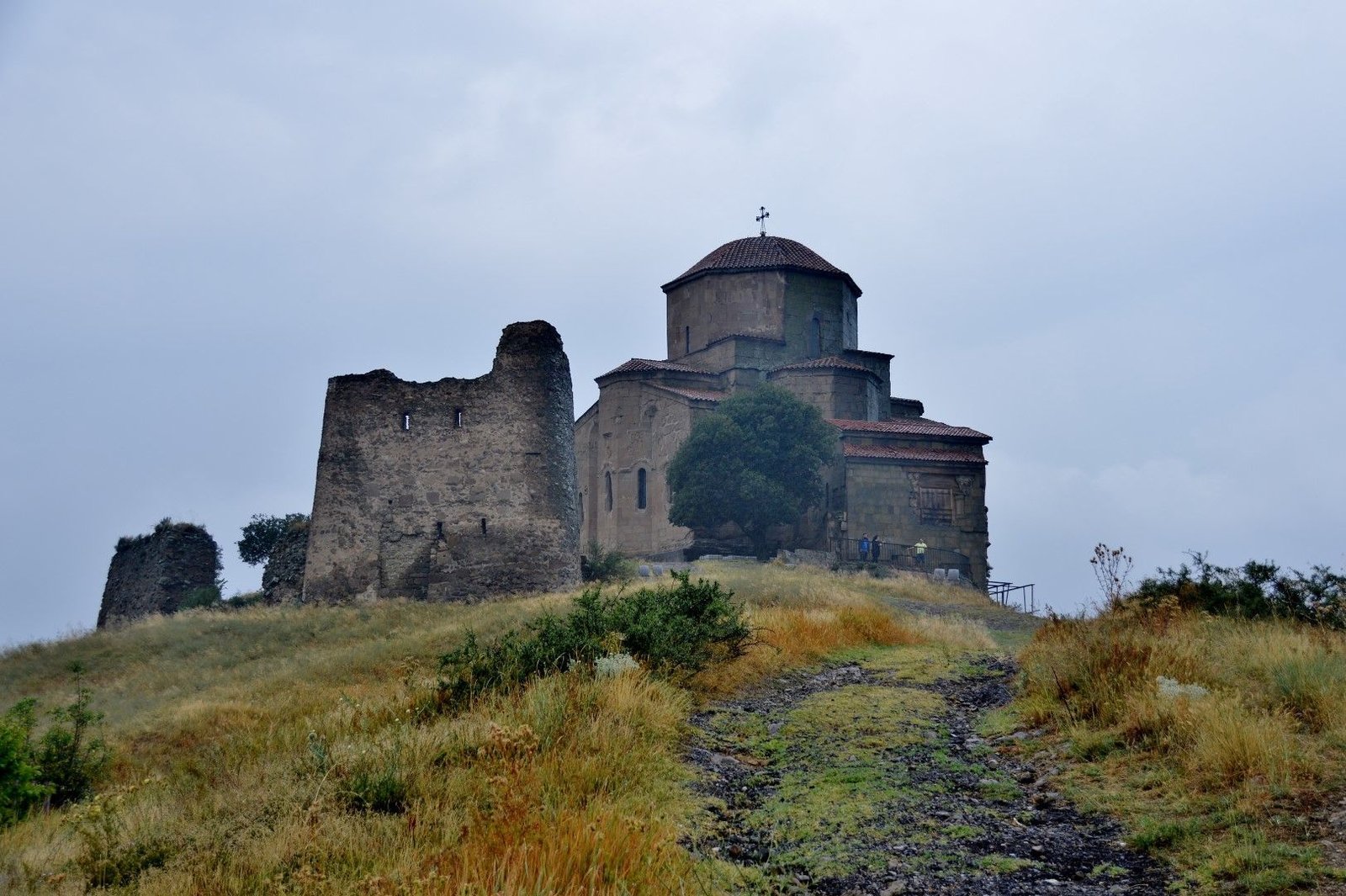
Don't forget to include Gelati Monastery (12th century), the cave complex of David Gareja on the border with Azerbaijan and the cave city of Vardzia, carved into a cliff face.
Georgia's artistic and cultural scene
Georgia has a vibrant and diverse artistic scene: literature with icons such as Shota Rustaveli and The Knight in the Panther's Skin, traditional music with instruments like the chonguri and the panduri, and a lively cultural calendar with events such as the Jazz Festival and the Tbilisi Film Festival.
Practical tips for visiting Georgia
To make your trip a complete success, keep these useful and up-to-date tips in mind for 2026:
- Climate: varies greatly by region and season. Summers are hot in the cities while the mountains are perfect; in winter the Caucasus offers snow and skiing. Pack in layers.
- Currency: the official currency is the lari (GEL). In cities you can pay by card without problems, but carry cash if travelling to rural areas.
- Transport: Tbilisi's metro and buses are cheap and reliable. For travelling around the country, marshrutkas (minibuses) are practical, although hiring a guide or private driver makes things much easier.
- Language: the official language is Georgian, with its unique alphabet. In Tbilisi and tourist destinations many young people speak English; in rural areas Russian remains common.
- Food and drink: don't leave without trying khinkali, khachapuri and natural qvevri wines.
- Safety: Georgia is one of the safest countries in the region. Still, apply the usual common-sense precautions of any seasoned traveller.
- Culture: Georgians are extraordinarily hospitable. Accept the toasts at a supra, respect religious customs and dress modestly when visiting churches and monasteries.
Visa requirements for visiting Georgia
Georgia has a very open visa policy. Citizens of most EU and Latin American countries can enter without a visa and stay up to 360 consecutive days as tourists [VERIFY with the official website before travelling].
Basic requirements to bear in mind:
- Passport: valid for the entire stay (it is advisable to have at least six months of validity remaining).
- Visa: not required for most EU and Latin American nationalities. Check the updated list on the official Georgia e-Visa website.
- Return ticket: may be requested at the border, though this is rare.
- Sufficient funds for the stay.
When to visit Georgia and what to pack
The best time to visit Georgia is from May to October, when the weather is warm and dry and mountain routes are open. July and August are the busiest tourist months; June and September offer an ideal balance of weather and tranquillity.
In winter (December to March), ski resorts like Gudauri or Bakuriani become a spectacular alternative. Some high mountain roads may close due to snow, so plan ahead.
Pack comfortable, layered clothing, trekking boots if you plan to hit the Caucasus trails, sunscreen in summer and warm clothing in winter.
Getting around Georgia safely
Public transport is cheap and easy to use. Marshrutkas connect virtually every corner of the country. In Tbilisi, the metro is the most convenient option for getting around. If you rent a car, do so with reputable companies and read the contract carefully. For taxis, use apps like Bolt to avoid any price surprises.
Ready to visit Georgia?
Visiting Georgia is far more than exploring a destination: it is immersing yourself in a millennia-old culture, letting yourself be embraced by its hospitality and discovering landscapes that seem drawn from a dream. At Iberogeorgia we are a tour operator specialising in Georgia and the Caucasus, helping you plan a tailor-made trip with an English-speaking guide and personalised attention. Write to us and let's start designing your journey to the heart of the Caucasus together.