
Zugdidi
ზუგდიდი
Capital of <strong>Samegrelo</strong> and gateway to <strong>Svaneti</strong>: the <strong>Dadiani Palace</strong> with its death mask of Napoleon, subtropical botanical garden and overnight train from <strong>Tbilisi</strong>.
Location in the Caucasus
Description
Zugdidi is a city that most travellers pass through on the way to Mestia and the peaks of Svaneti, but it deserves at least an afternoon of its own. The central square, with its linden trees and cafés with wide terraces, has a slower pace than Tbilisi. People speak Mingrelian among themselves —a Kartvelian language distinct from standard Georgian— and the local food has its own characteristics: ghomi, a dense maize porridge that replaces bread, and the local brine-cured cheeses.
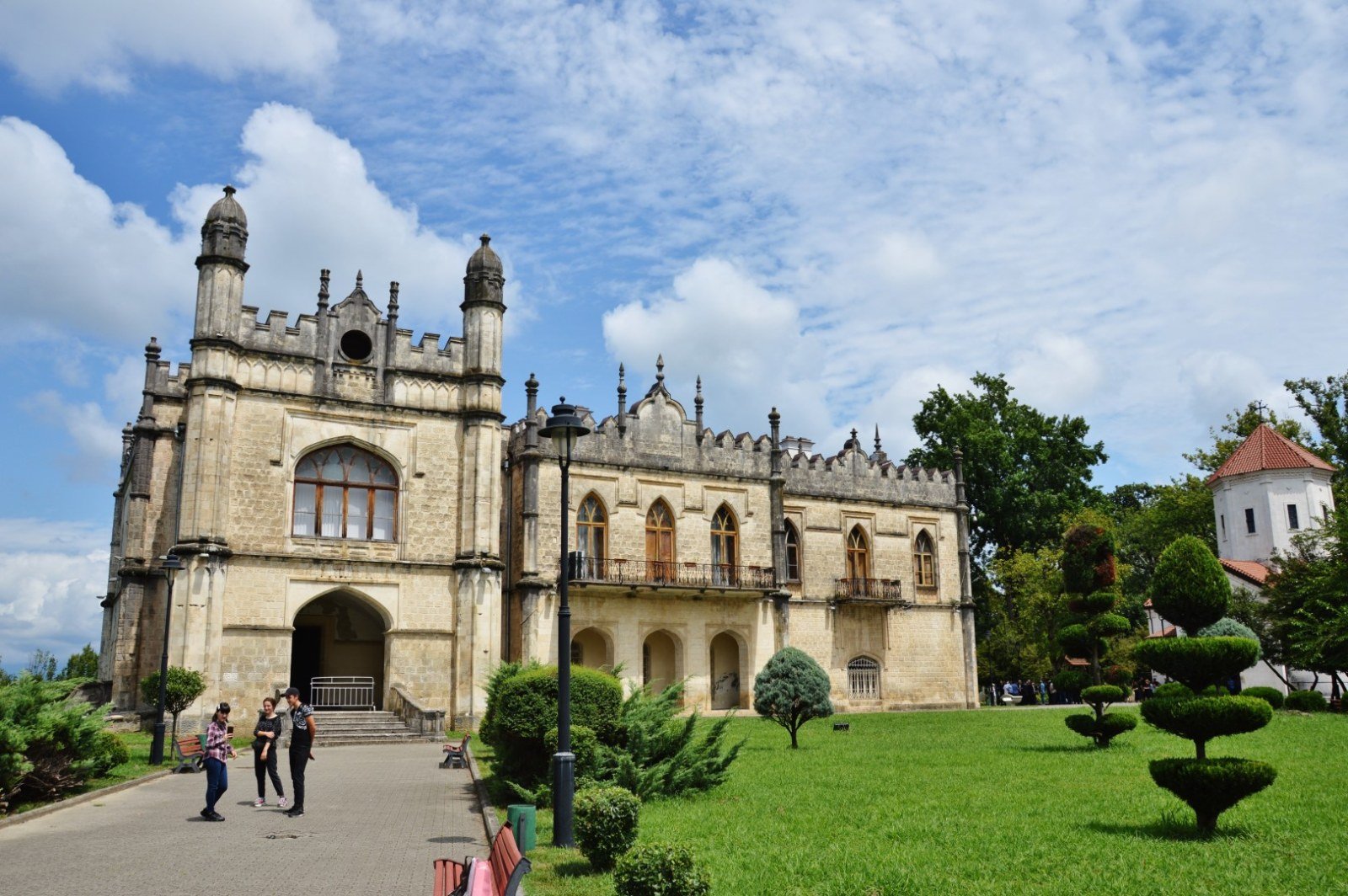
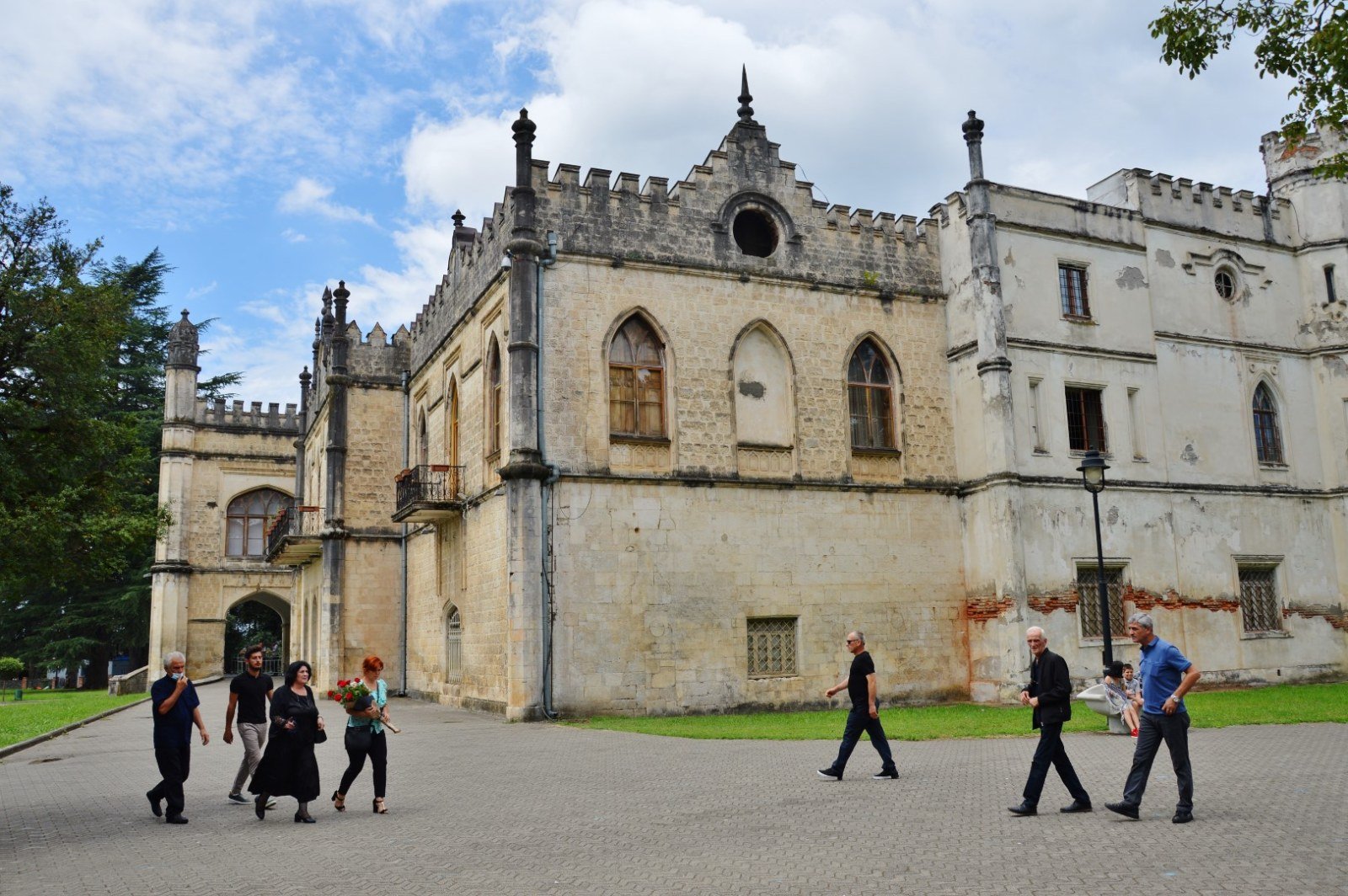
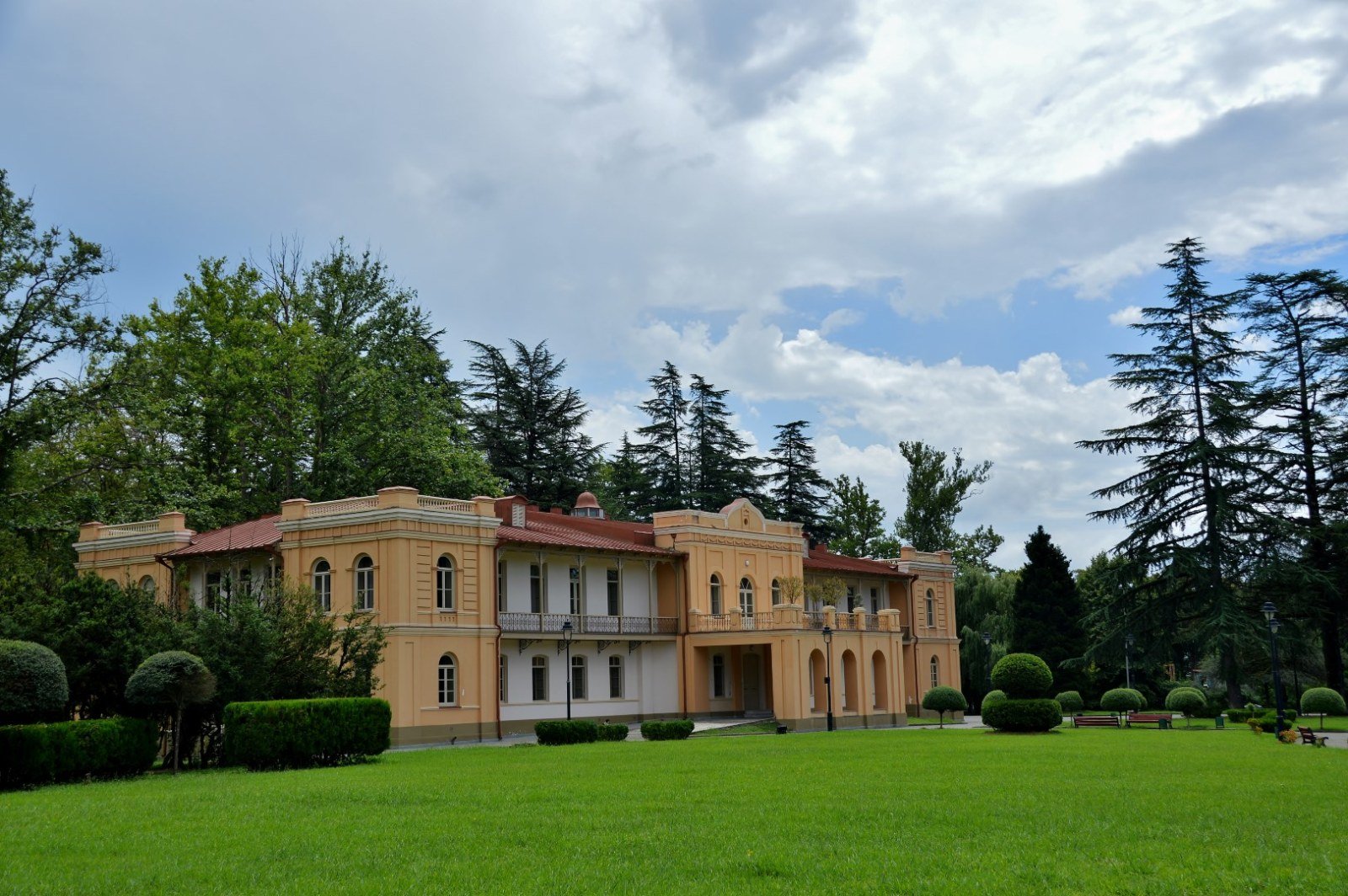
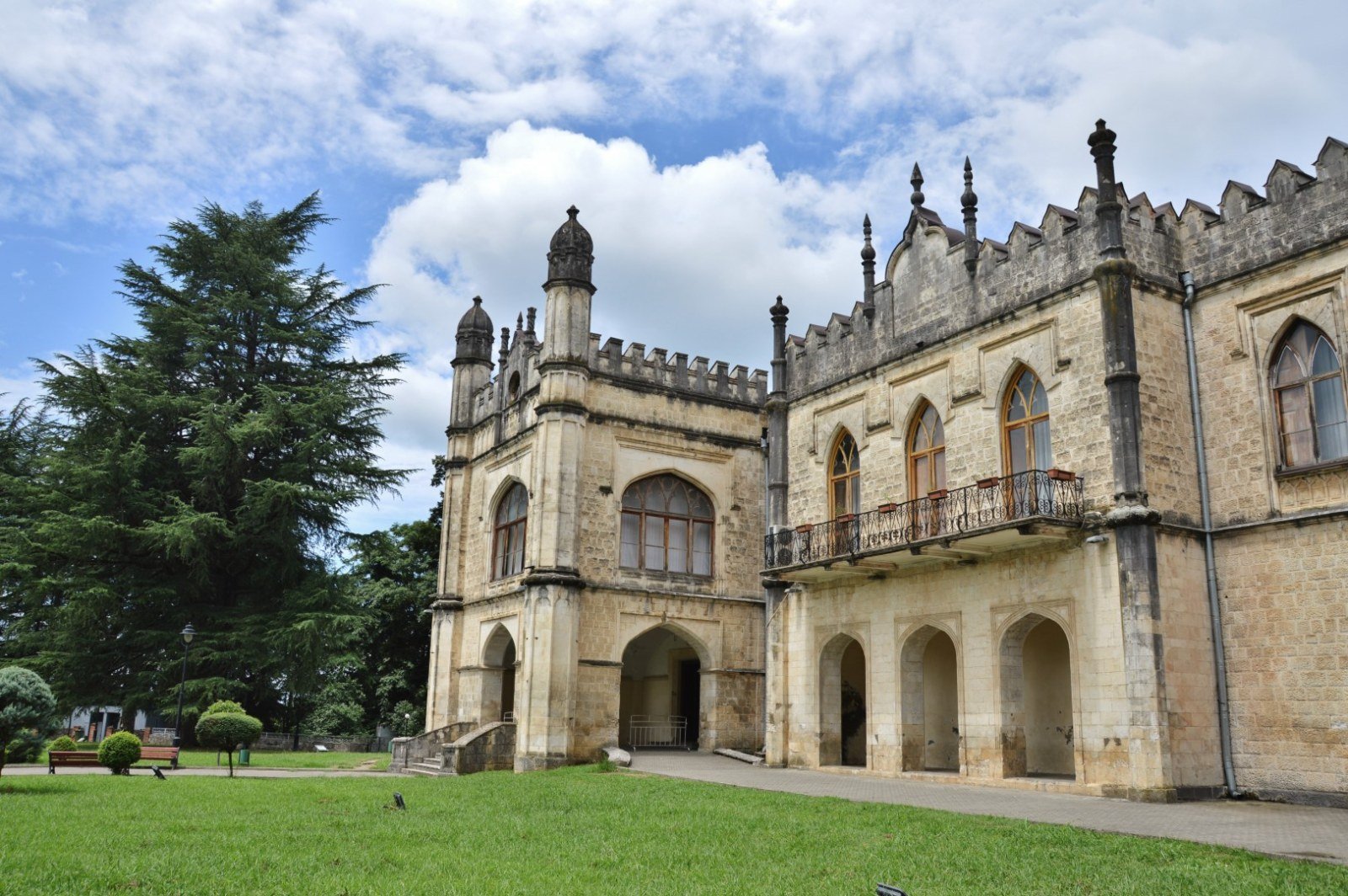
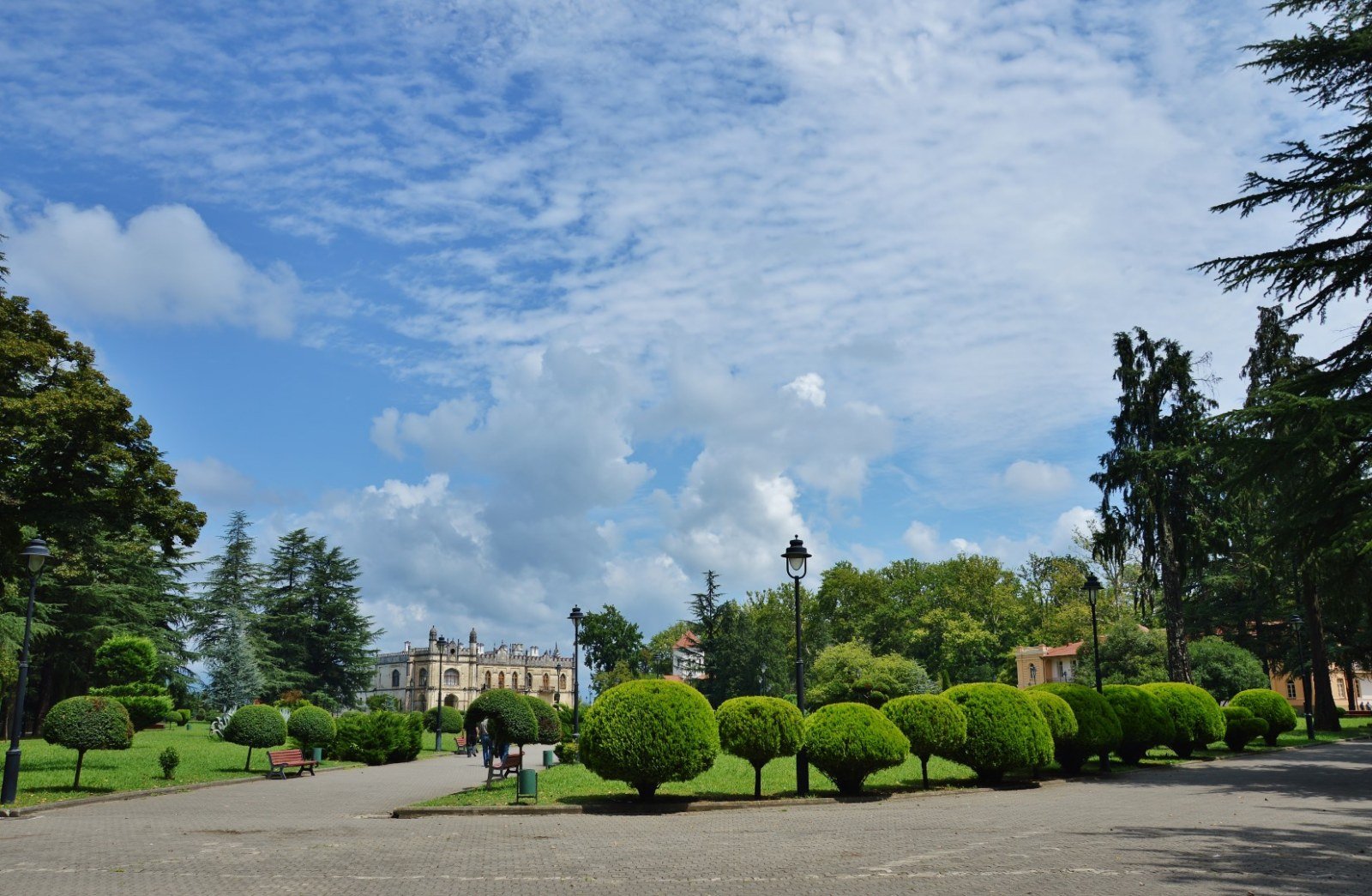
The Dadiani Palace, in a tree-filled park ten minutes from the centre, is the main reason for stopping. The main building was constructed in the 19th century with European influence and houses a collection of historical objects that reportedly includes one of Napoleon's death masks. The adjacent botanical garden has subtropical plants that thrive in the warm, humid regional climate. Together, the palace and garden can be visited in about two hours.
The city has infrastructure problems that are not hidden: some secondary streets are in poor condition, and the mix of internally displaced people from Abkhazia —settled in the area since the 1990s— with the local population is part of the context. Nothing that affects the passing visitor, but it gives Zugdidi a character different from that of other more polished Georgian cities.
History
Zugdidi was the capital of the principality of Samegrelo, governed by the Dadiani family from the 16th century until Russian annexation in the 19th century. The Dadianis built a state that maintained a degree of autonomy even under Tsarist rule and left an architectural legacy concentrated in the palace that is now a museum. After the Abkhazian war of 1992–1993, the city absorbed a large number of displaced people from the coastal area, which transformed its demographics. Historically it is the departure point for those heading up to Svaneti from the Black Sea coast.
What to see & do
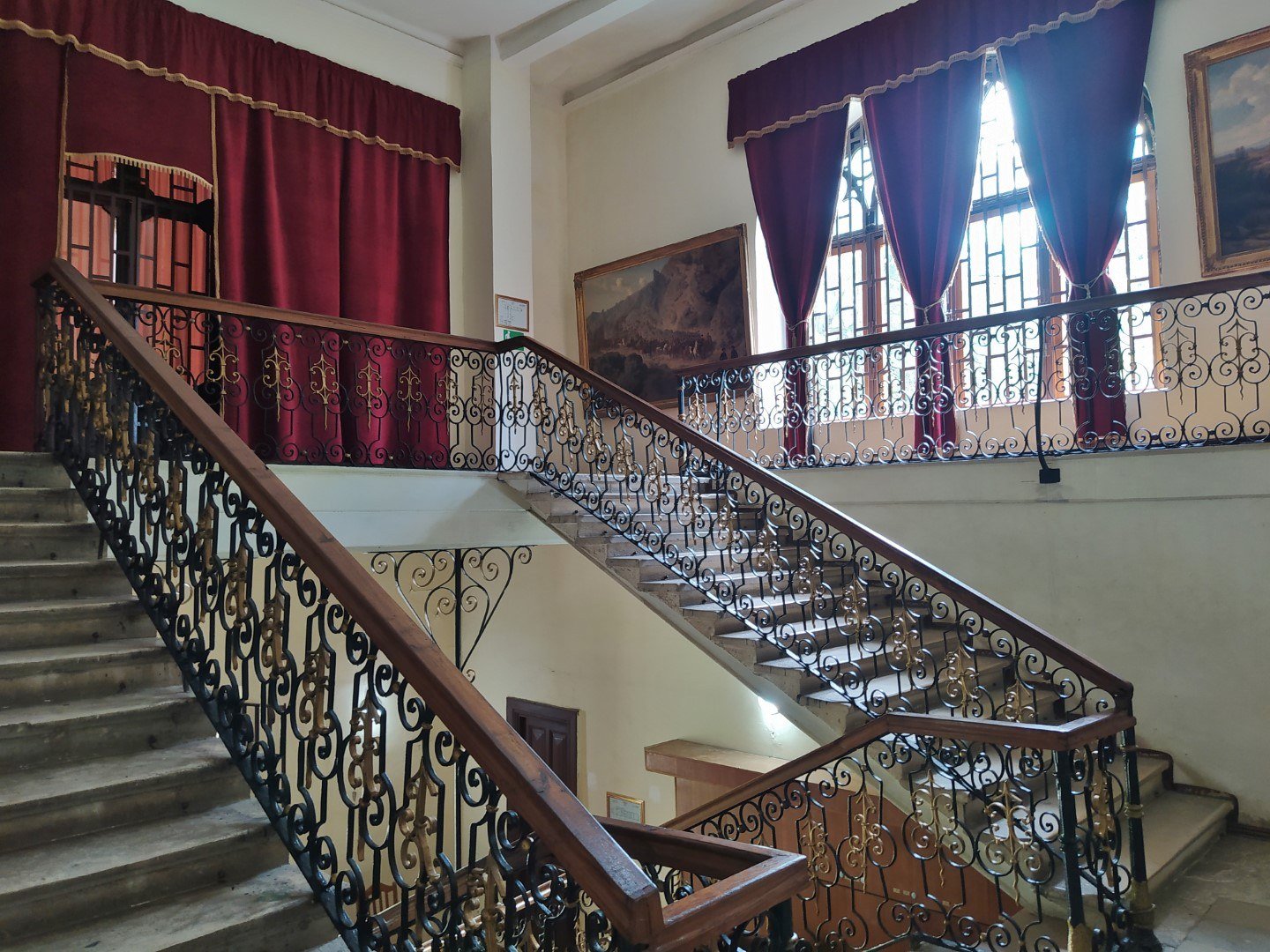
- Dadiani Palace 19th-century complex with art collections, historical weapons and objects from the Mingrelian court. One of the three known death masks of Napoleon is kept here. The surrounding garden is pleasant to walk through among its centuries-old trees.
- Zugdidi Botanical Garden Adjacent to the palace, with subtropical plants, palm trees and centuries-old trees. Access is free and the grounds are well maintained.
- Central market On Rustaveli street, with stalls selling local cheeses, prepared ghomi and summer fruit. Most lively on weekday mornings.
- Blachernae Virgin Church 19th-century church housing an icon brought from Constantinople, considered a venerated relic by Georgian Orthodox Christians.
Photo gallery
How to get there
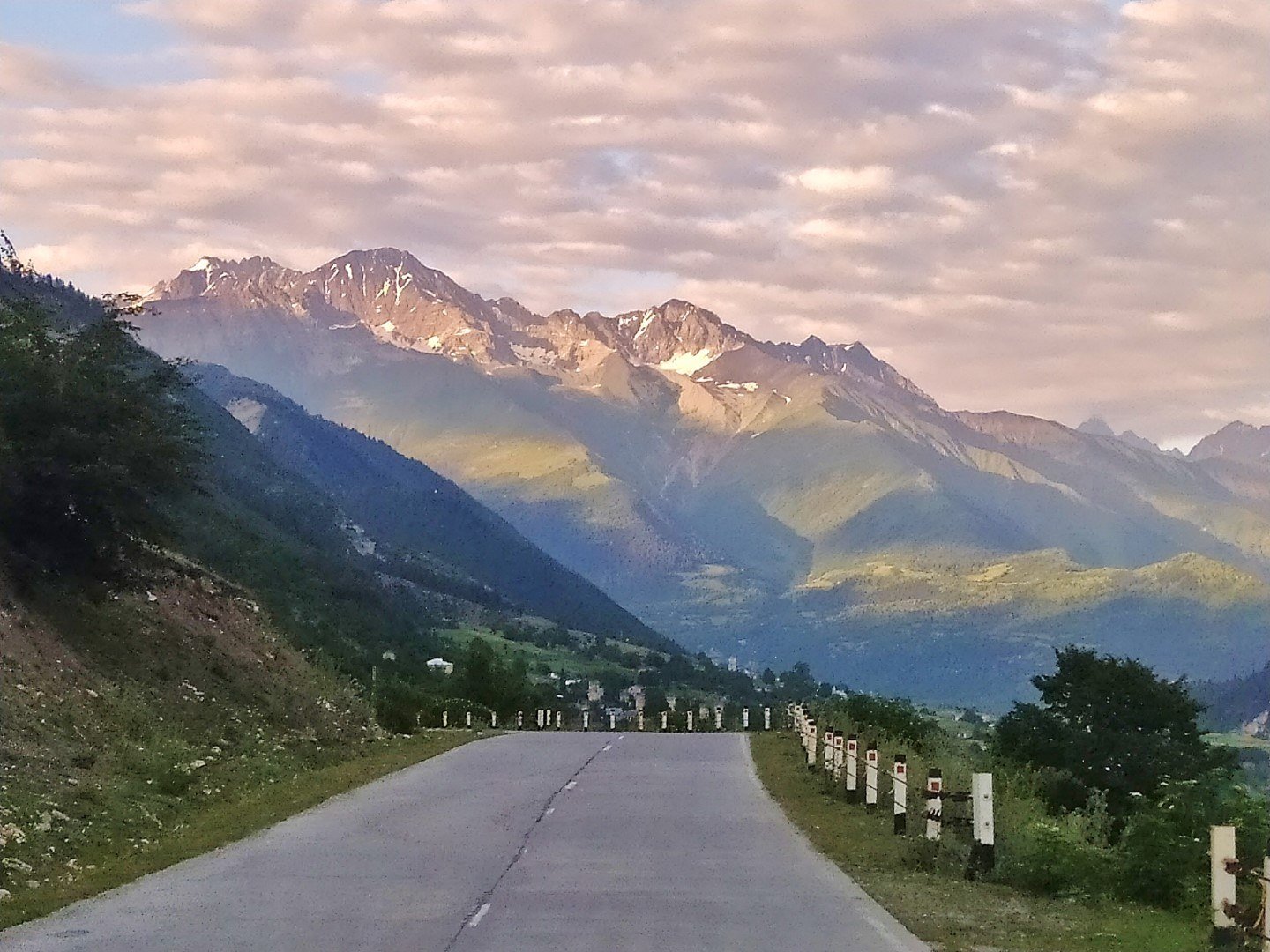
Zugdidi has a train station on the Tbilisi-Batumi-Zugdidi line; overnight trains from Tbilisi take about six hours. There are also marshrutkas from Didube station in Tbilisi (about 4.5 hours). From Zugdidi, marshrutkas run up to Mestia along the Enguri river road; the journey takes three to four hours. The nearest airport with regular flights is Kutaisi, about 100 km away.
Best time to visit
Zugdidi has a humid subtropical climate: hot and with frequent rain from May to September. July and August are muggy with high humidity. Spring and autumn are better for visiting the city itself, though the mountain roads to Svaneti are only passable from May to October. In winter it rains quite a lot and the pass to Svaneti may close due to snow.