
Vanadzor
Վանաձոր
Armenia's third-largest city, in the Lori region, with Soviet architecture and direct access to the monasteries of Haghpat and Sanahin.
Location in the Caucasus
Description
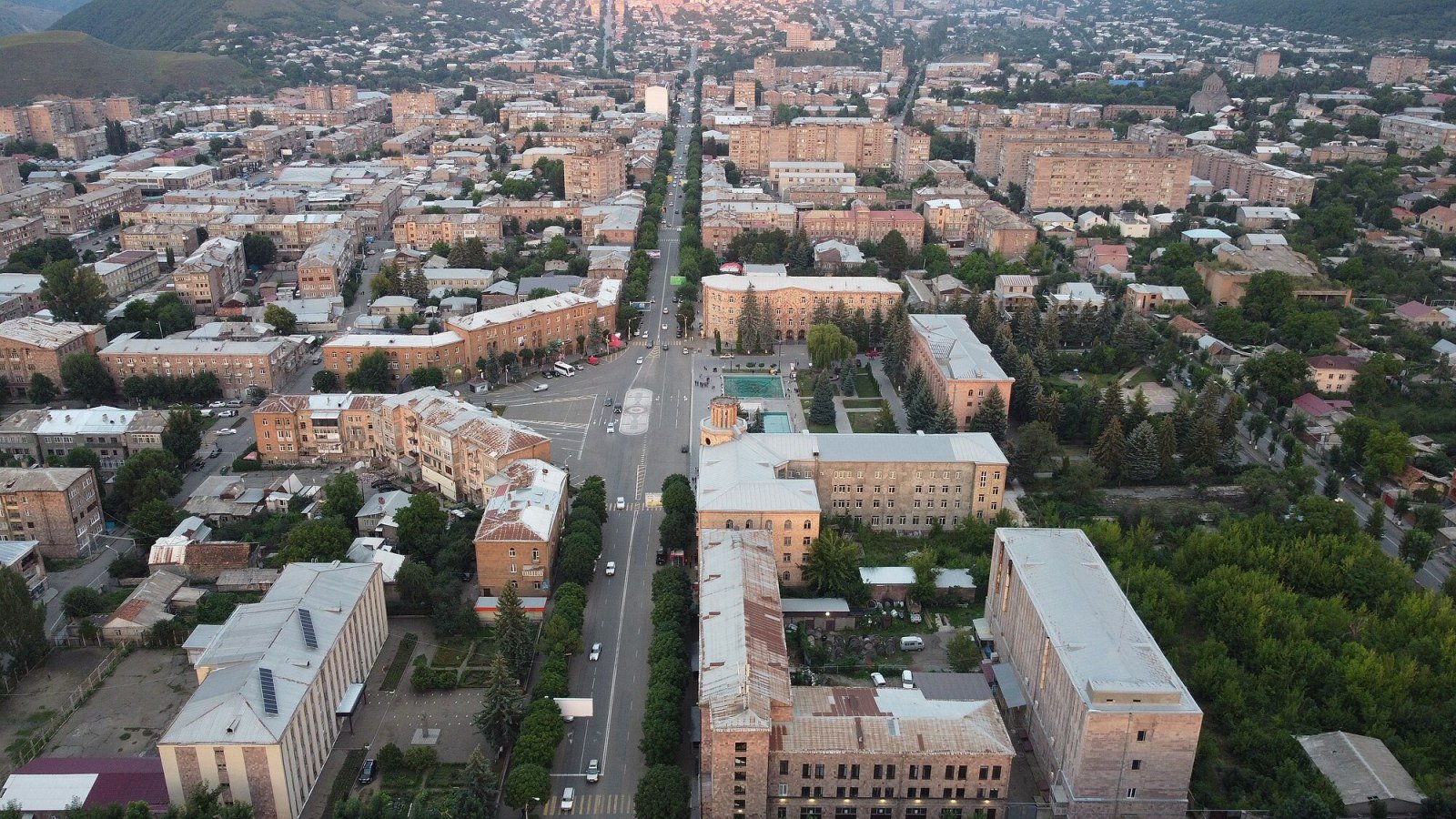
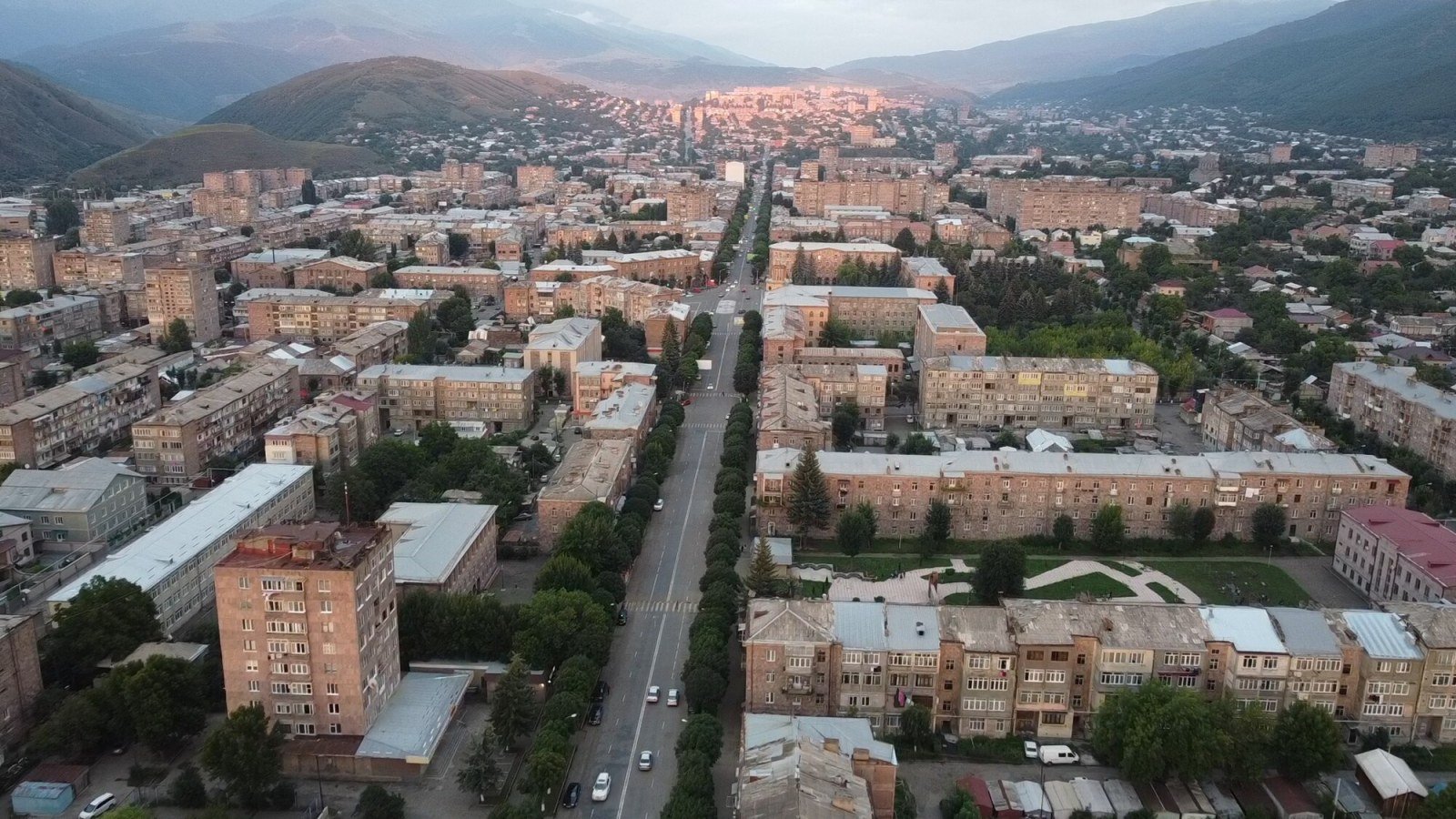
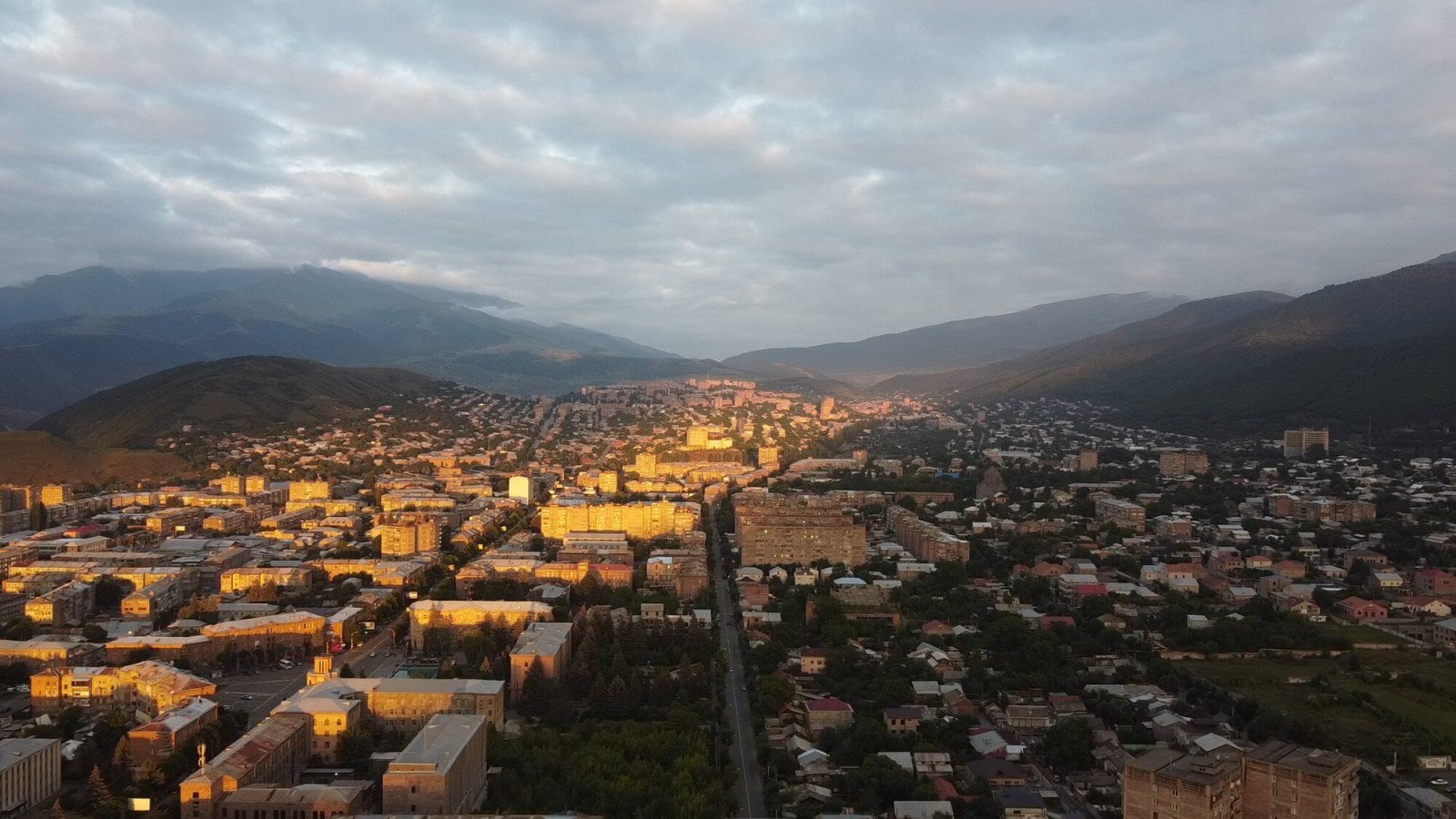
Vanadzor doesn't appear on many Armenian tourist itineraries, and that translates directly into the experience: local prices, few organized groups, and a provincial city pace that has its own weight. The city sits at the confluence of three rivers —the Pambak, the Vanadzor, and the Tandzut— and its slopes are dotted with Soviet concrete blocks, some repainted in pastel shades in recent years, others still in the original grey. At about 1,350 meters altitude, the air is fresher than in Yerevan and summers are noticeably more bearable.
The city center is compact. The main avenue connects the train station to the central park in about twenty minutes on foot, where retirees play chess in the afternoon and children skate between the fountains. The Vanadzor Opera and Ballet Theatre, built in the 1960s with a colonnade façade, still offers regular opera and ballet seasons at prices well below those of the capital.
The real value of Vanadzor for a traveler lies in its location: about 40 km away are the monasteries of Haghpat and Sanahin, both UNESCO World Heritage sites, and the Debed canyon begins practically at the city's doorstep. Those driving between Yerevan and Tbilisi have here a midpoint stop with its own character, not just a place to sleep.
History
The territory where Vanadzor stands today has had human presence since antiquity, but the modern city was born as Karaklis during the Russian expansion of the 19th century, when the Lori region was integrated into the Tsarist Empire. In the Soviet era it was renamed Kirovakan and transformed into an industrial center with chemical and textile factories that employed much of the population. After Armenian independence in 1991, it recovered the name Vanadzor. The 1988 Spitak earthquake caused severe damage to the city: reconstruction lasted more than a decade, which explains the coexistence of rehabilitated neighborhoods with areas that still look as they did in those difficult years.
What to see & do
- Vanadzor Opera and Ballet Theatre A 1960s building with a colonnade façade and an active opera and ballet program. Tickets cost a fraction of what you pay in Yerevan; worth checking the schedule before arriving.
- Central park The main green space in the city, with fountains and benches; livelier in the evening when families come out for a walk and groups of young people occupy the steps.
- Haghpat Monastery About 40 km by car, this 10th-century monastic complex is a UNESCO World Heritage site and one of the best preserved in northern Armenia. The dark basalt stone gives it a sober, dense appearance.
- Sanahin Monastery A few kilometers from Haghpat, from the same historical period and also on the UNESCO list. Both visits combine easily in a single day from Vanadzor.
- Debed canyon The Debed river flows between cliffs and dense vegetation; in autumn the foliage tints the canyon walls with ochres and reds. The road that follows it has several stopping points by the water.
- Vanadzor Fine Arts Museum Collection of 20th-century Armenian art in a building in the center; very affordable entry and few visitors, allowing you to go around at leisure.
Photo gallery
How to get there
Vanadzor is on the M4 road linking Yerevan to the Georgian border via Bagratashen. From Yerevan there are marshrutkas and buses that cover the 130 km in about 2 hours; there is also a train service, slower but comfortable. By car the journey takes between 1.5 and 2 hours. Those arriving from Georgia via the Sadakhlo crossing find Vanadzor as the first major city in Armenia, just over 30 km from the border.
Best time to visit
The altitude of Vanadzor —1,350 meters— makes summers cooler than in Yerevan: July and August average 20-28 °C. Winters are cold and snowy, with below-zero temperatures common from December to February. The best time to visit the city and the Debed canyon is from May to October; September and October are especially recommended for the foliage colors in the Debed canyon and around Haghpat monastery.
More information
Photo: Emptyfear · CC BY-SA 4.0