
Tsitsernakaberd Genocide Memorial
Ծիծեռնակաբերդ
Memorial in Yerevan with an eternal flame, twelve basalt pillars, and an underground museum dedicated to the victims of the 1915 Armenian Genocide.
Location in the Caucasus
Description
Tsitsernakaberd —'swallows' fortress' in Armenian— stands on a hill to the west of Yerevan, above the Hrazdan river. The path from the center crosses a tree-lined park that on weekdays is almost empty: just the occasional retiree on a bench and the sound of wind through the pines. On April 24, the day of commemoration, that same hill fills with silent rows of people walking for hours carrying flowers. The contrast between these two atmospheres is, in itself, part of the message of the place.
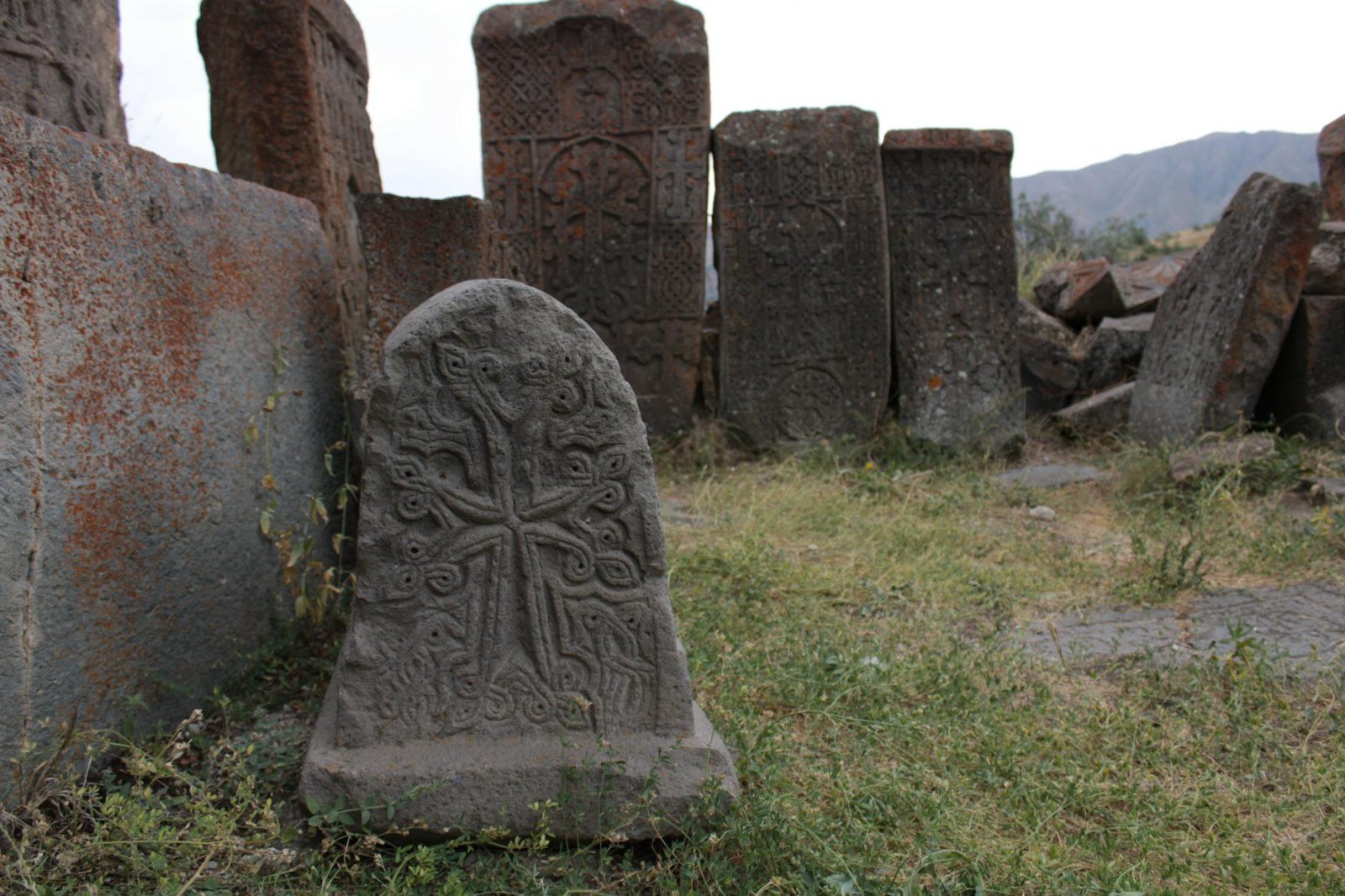
The complex is deliberately austere. Twelve grey basalt pillars lean inward forming a circle; inside, the eternal flame burns at ground level on a stone platform. When you approach you hear the crackling of the fire and feel the heat even when the hilltop wind is cold. At the far end, the forty-four-meter stele splits the sky in two. There is no ambient music, no recorded commentary: the silence is a design decision. The underground museum, expanded in several phases since its opening in 1995, documents the period 1915-1923 with photographs, maps, and testimonies in deliberately dim lighting. The visit takes between forty minutes and an hour, and is not easy to process emotionally —which was the intention of its creators.
History
Between 1915 and 1923, the Ottoman Empire perpetrated mass deportations and massacres against the Armenian population; estimates place the death toll at between one million and one and a half million people. For decades, official recognition was scarce outside the Armenian diaspora. The Soviet Union authorized the construction of the memorial in 1967 as a concession to the national identity of the republic. April 24 is a national holiday in Armenia: it marks the anniversary of the first arrests of Armenian intellectuals in Constantinople in 1915, considered the systematic beginning of the extermination.
What to see & do
- Circle of twelve pillars Basalt blocks leaning toward the central fire, representing the twelve lost historic Armenian provinces. Walking around the circle slowly takes only a few minutes, but few people do it in a hurry.
- Eternal flame Burns at ground level on a circular platform. Visitors leave flowers at the edge —usually red carnations— which accumulate especially on April 24.
- 44-meter stele A vertically split monolith symbolizing the division of the Armenian people. Visible from afar, it serves as a landmark for orientation in the park.
- Genocide Museum Underground gallery with period photographs, deportation maps, objects, and testimonies. Includes a section on international recognition. Closed Mondays; free entry.
- Donors' wall Slabs inscribed with the names of countries and organizations that have supported the memorial over the years, progressively added since the inauguration.
How to get there
The memorial is in the Shengavit district, about 3 km from the center of Yerevan. The quickest way is a taxi from Republic Square: about 600-800 drams and under ten minutes. There are also marshrutkas to the Tsitsernakaberd stop. Walking from the Kentron district takes about 35-40 minutes through Victory Park, pleasant in spring and autumn. Entry to the grounds and the museum is free.
Best time to visit
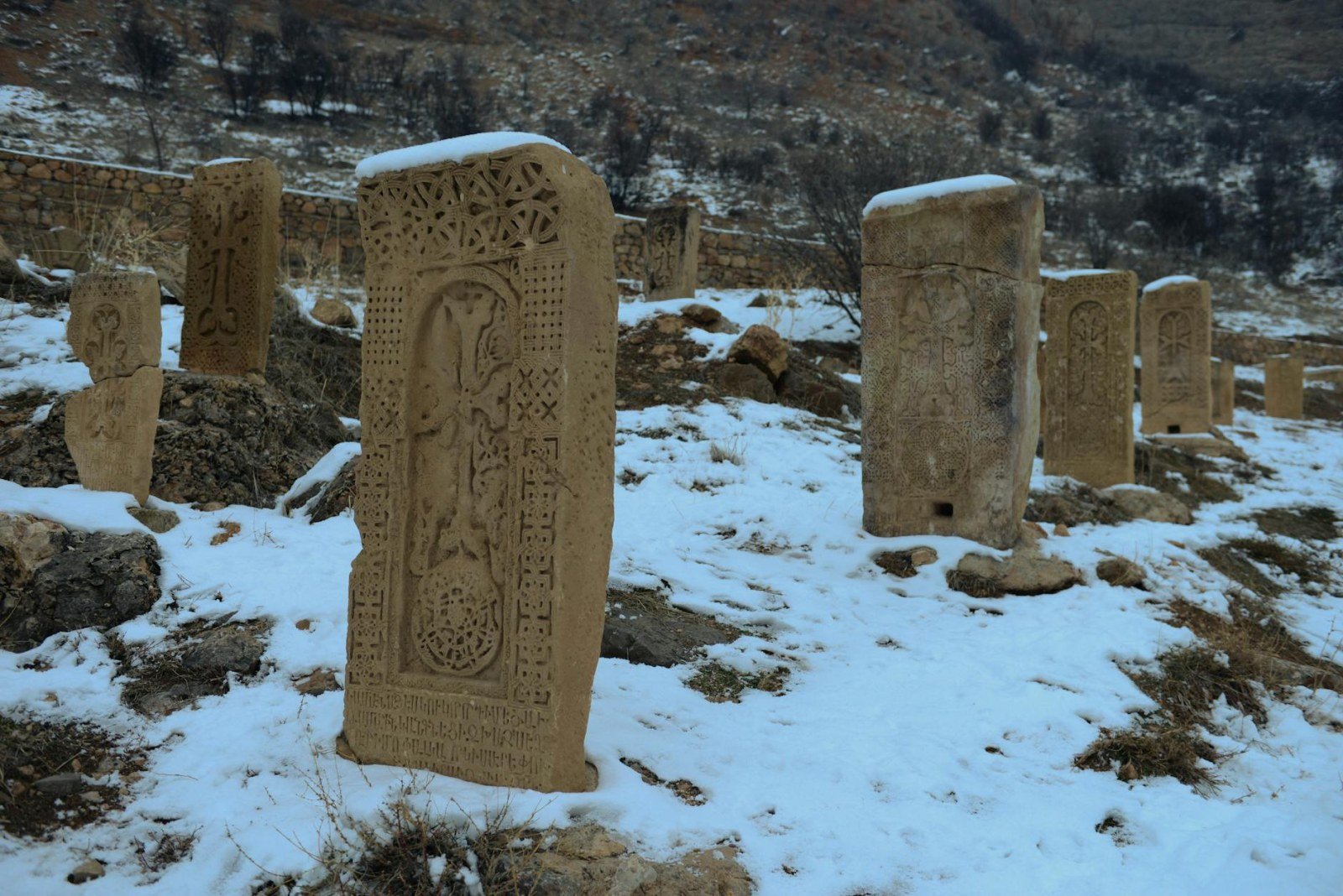
The memorial is open year-round (the museum closes on Mondays). The April 24 visit is the most meaningful, though attendance that day is very high and access may require patience. The rest of the year it can be visited at leisure. In winter occasional snow covers the gardens and gives the place a different quiet. Spring and autumn offer the most comfortable temperatures for walking from the center.
More information
Photo: Andranik Paradyan · Pexels License