
Tsaghkadzor
Ծաղկաձոր
Armenian mountain resort at 1,900 m with cable car, ski slopes and the medieval Kecharis monastery, less than an hour from Yerevan.
Location in the Caucasus
Description
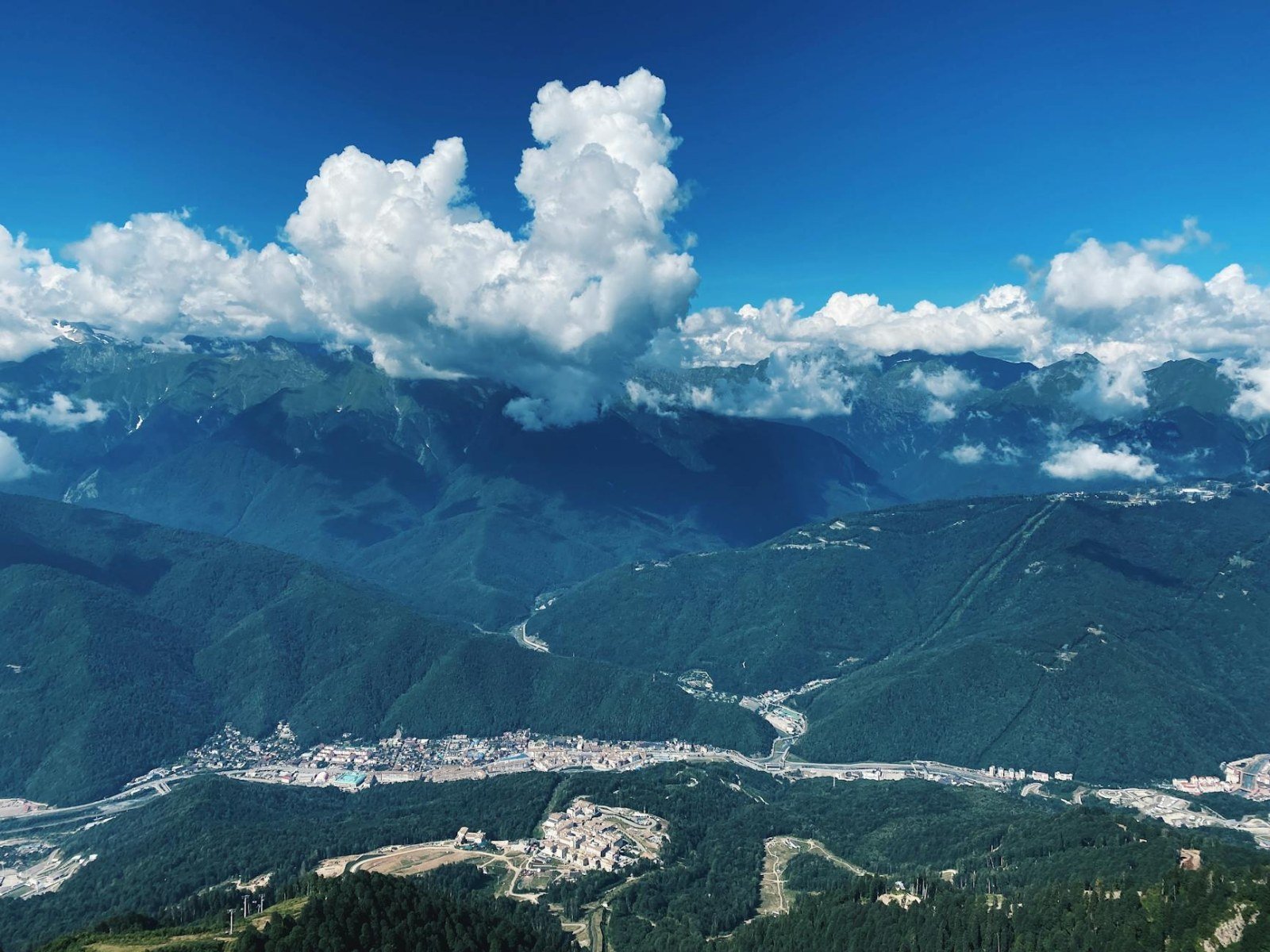
Tsaghkadzor is less than an hour from Yerevan along the M4 highway, and that easy access explains both its appeal and its limitations. Winter weekends bring cars from the capital filling the road and queues at the restaurants near the cable car. Midweek, things change completely: the town recovers its own pace, the conifer forests around the slopes of the Pambak range smell of damp resin and the main streets, covered in compacted snow, are almost empty.
The name comes from the Armenian Tsaghkadzor, meaning valley of flowers, though in summer the palette is more green and yellow than vivid colour. At that altitude —the town centre sits around 1,900 metres above sea level— temperatures stay several degrees below Yerevan, making Tsaghkadzor a summer refuge for those escaping the capital's heat. Accommodation ranges from international chain hotels to guesthouses with terraces opening directly onto the forest.
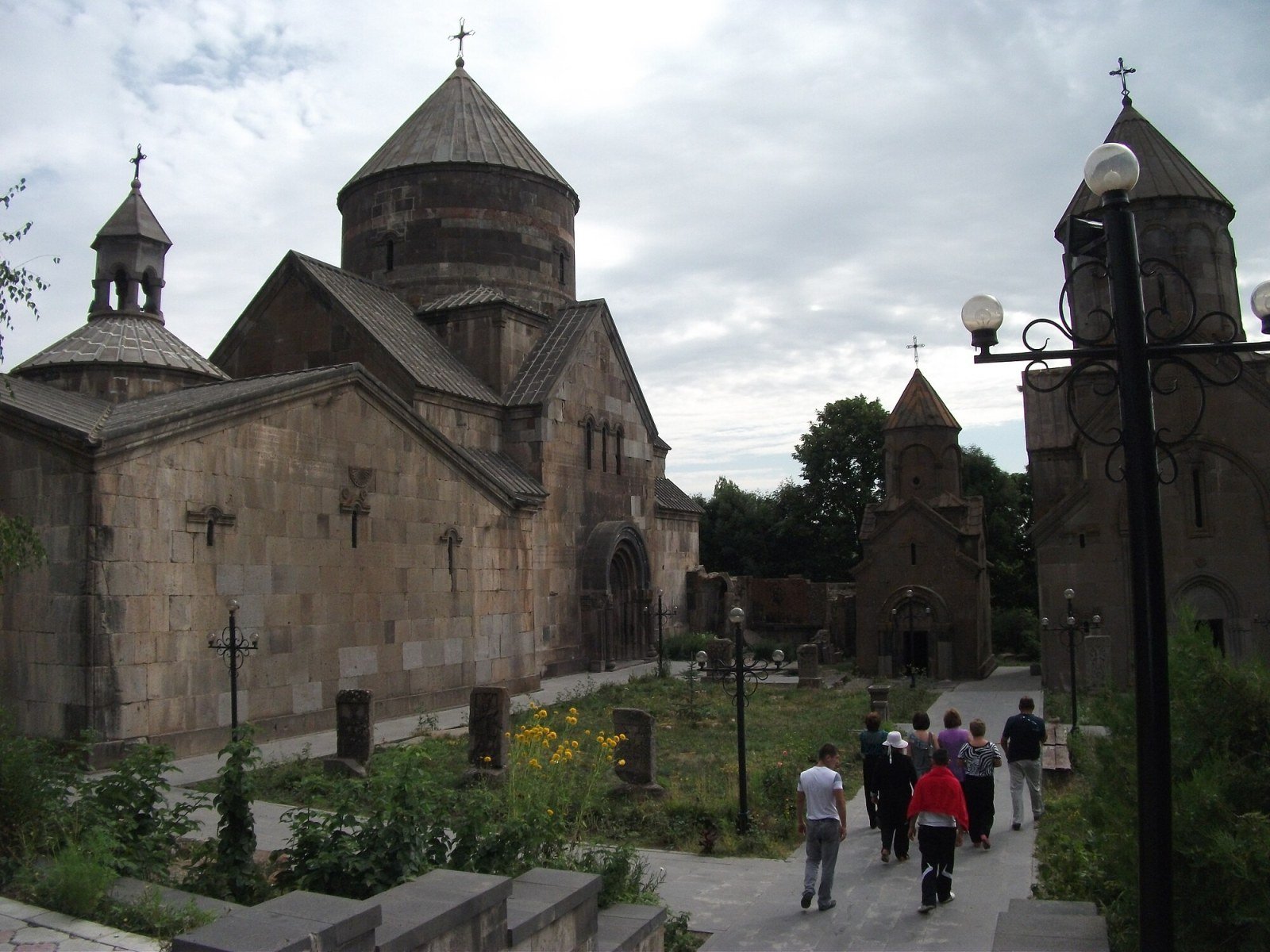
The Tsaghkadzor cable car climbs to nearly 2,800 metres in three sections. From the top, when the sky is clear, you can make out Mount Ararat to the southwest, across the border with Turkey. In the town centre, surrounded by pines and dark basalt, Kecharis Monastery has been in continuous use since the 11th century, a detail that lends the place a gravity many ski resorts lack.
History
The settlement has ancient roots, but its current profile as a tourist resort was shaped during the Soviet era, when the first ski infrastructure was installed and Tsaghkadzor became a recreational destination for Armenians from Yerevan. Kecharis Monastery, which has stood within the town for much longer, dates from the 11th century and was founded by Prince Grigor Magistros, a key figure in medieval Armenian culture. The complex survived Seljuk invasions and several earthquakes over the centuries. Today it is actively used: monks hold regular services and the precinct receives both pilgrims and secular visitors arriving from the neighbouring slopes.
What to see & do
- Tsaghkadzor cable car Rises in three stages to 2,819 metres. The ascent takes about 20 minutes and the panoramas over the forest and the Kotayk valley open up increasingly from the second stage. The return ticket costs around 3,500 Armenian drams (about 9 USD). In summer hikers use it to ascend and walk down the slopes.
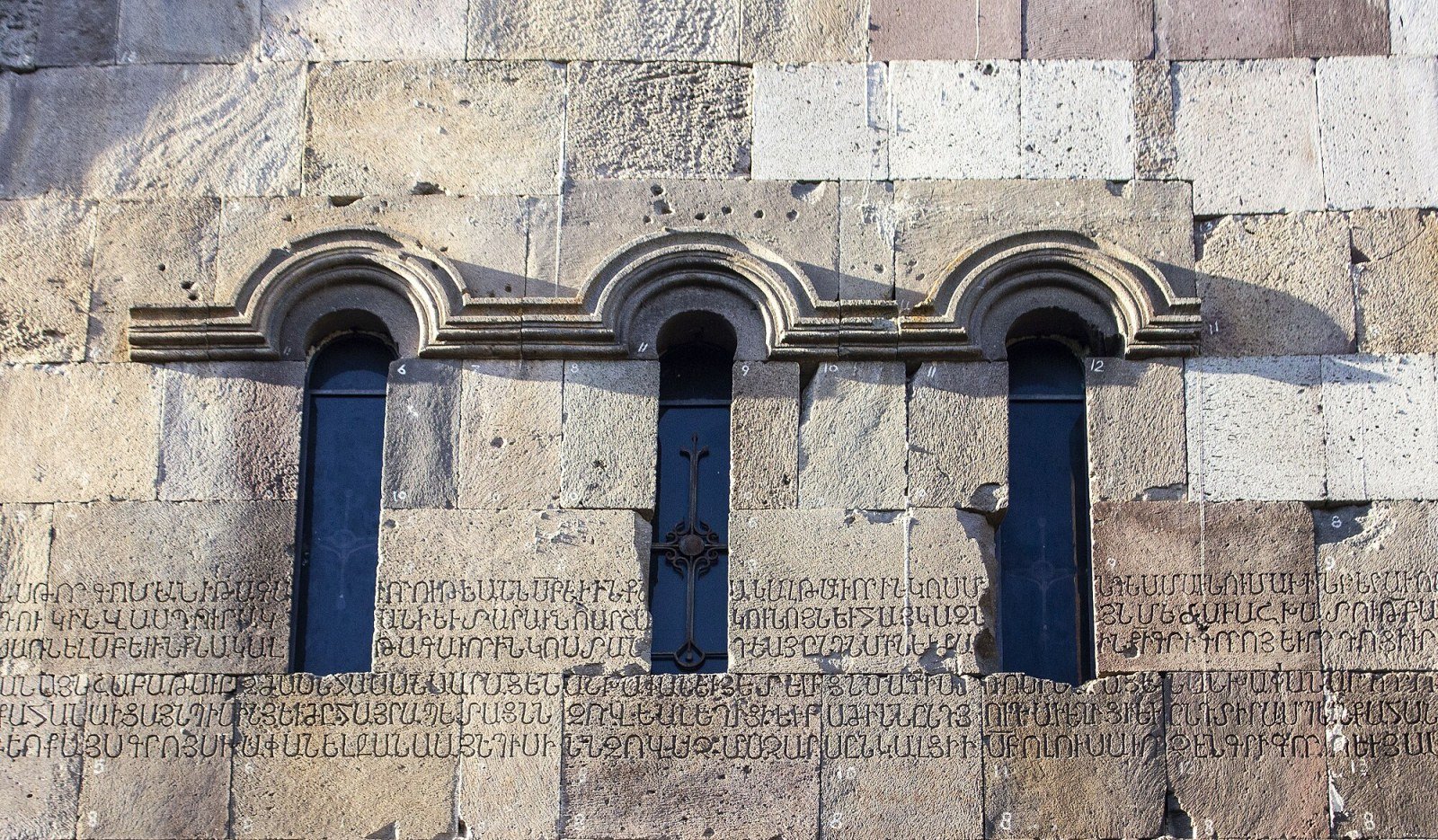
- Kecharis Monastery An 11th-century complex in the town centre, with four churches and a well-preserved gavit (narthex). The dark basalt stones contrast with snow in winter and green in summer. Free admission; silence is appreciated inside the churches.
- Ski slopes Two main chairlifts and several easy and intermediate runs, suitable for families and occasional skiers. The day pass costs around 10,000 drams (about 25 USD). Full equipment rental is available at the base.
- Trails to Lake Kari In summer there are marked routes of varying length up the higher slopes. The trail to Lake Kari (2,080 m) is accessible to any fitness level and takes about two hours from town, crossing open meadows with views of the Aragats massif.
- Town centre The main street has several restaurants serving khorovats (Armenian barbecue) and winter soups. Prices drop noticeably in the off-season compared to establishments near the slopes.
Photo gallery
How to get there
From Yerevan, the easiest option is to drive or take a taxi: about 55 km along the M4 towards Lake Sevan, turning off before reaching the lake. Marshrutkas also depart from Kilikia bus station in Yerevan, more frequently on winter weekends. The journey takes between 50 minutes and an hour and a quarter depending on traffic.
Best time to visit
Winter —December to March— is ski season, with guaranteed snow above 2,000 metres, though base coverage can be patchy in warm years. May and June are quiet and green, with few crowds. July and August bring visitors from Yerevan seeking cooler air; it's fresh but not cold. September and October offer good light and fewer people, though the ski facilities are closed.
More information
Photo: Beko · CC BY-SA 3.0