
Telavi
თელავი
Wine capital of Kakheti, among vineyards and royal fortresses in the Alazani valley, where wine has been made in clay jars for centuries.
Location in the Caucasus
Description
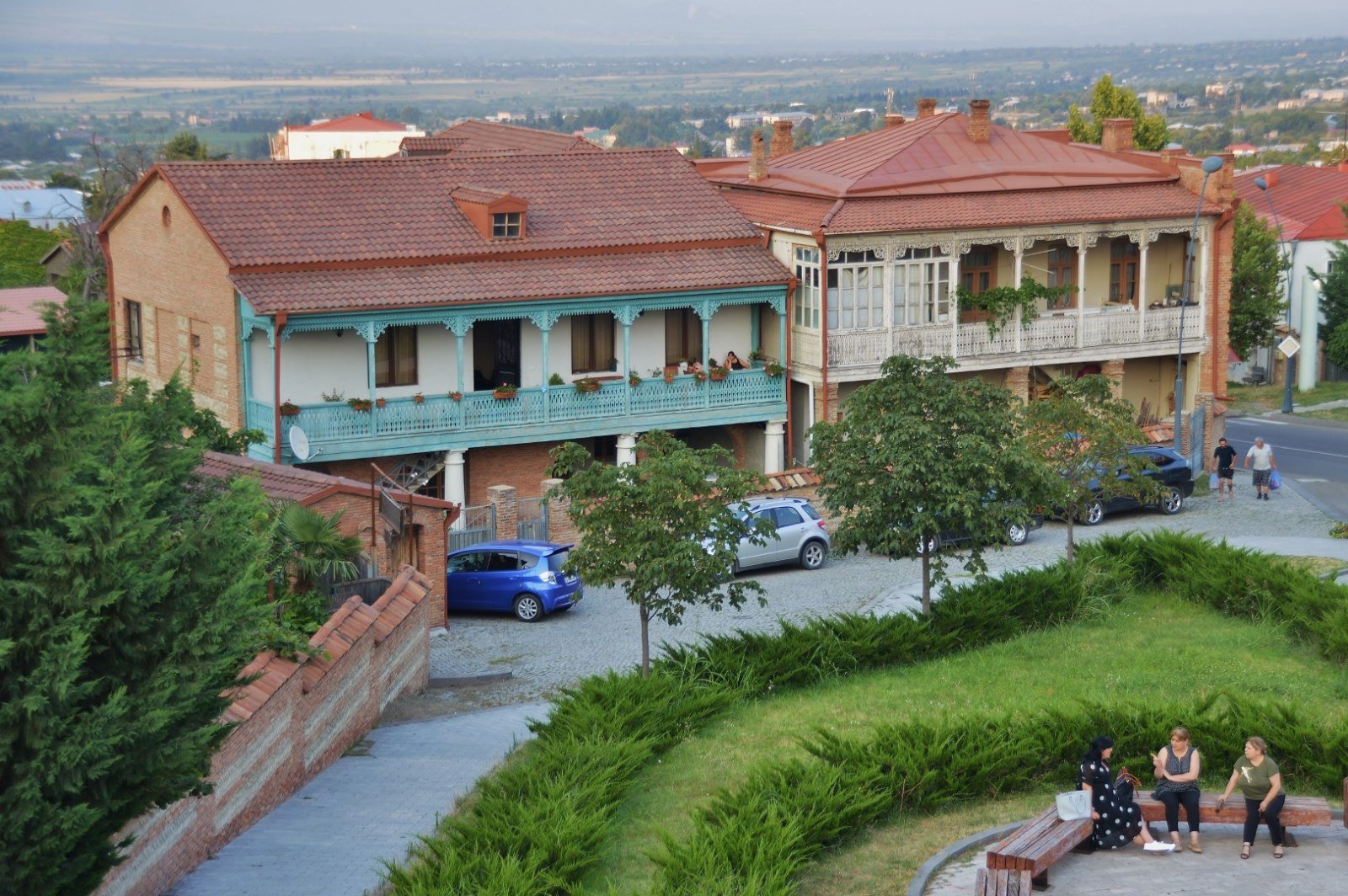
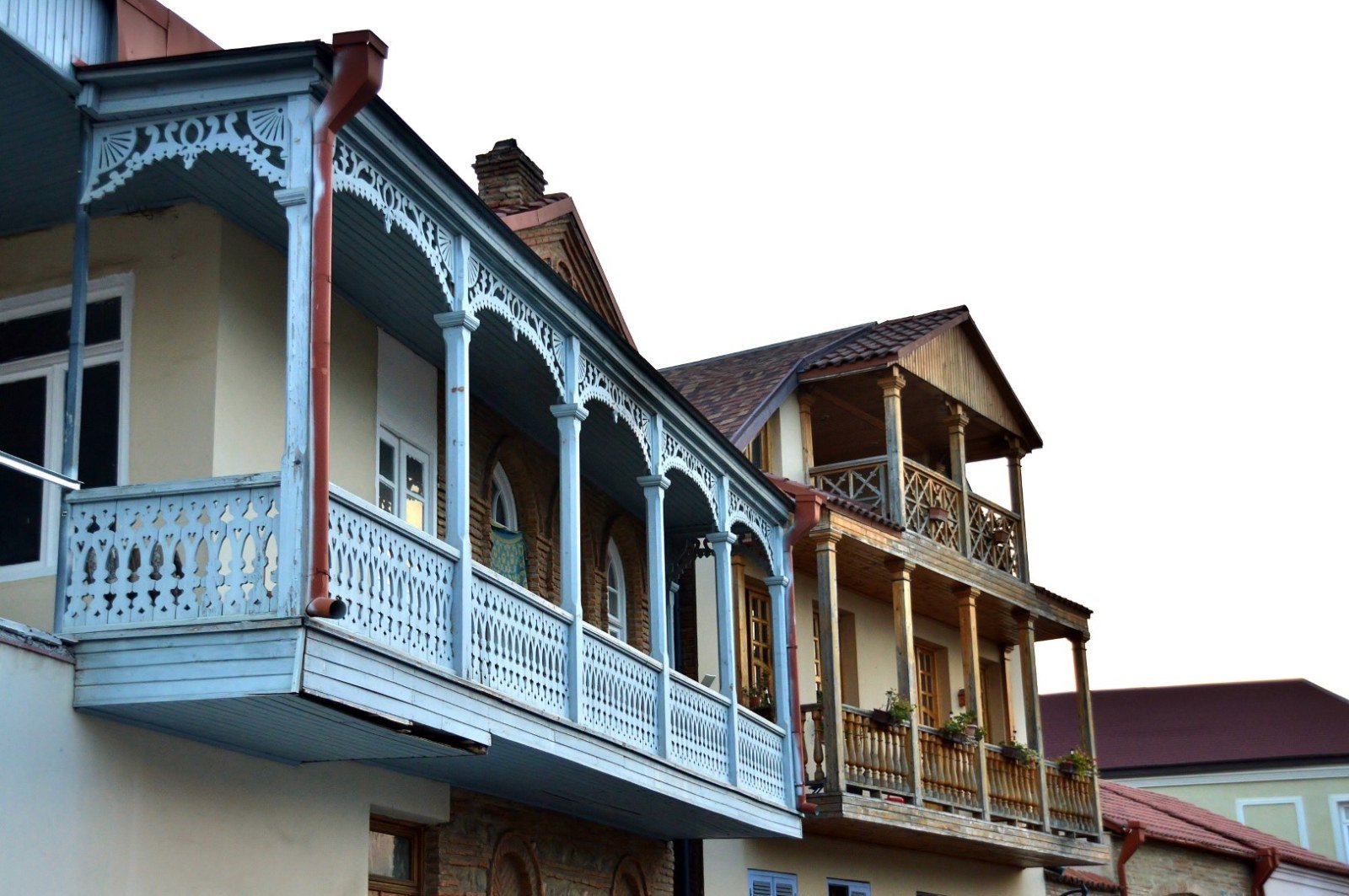
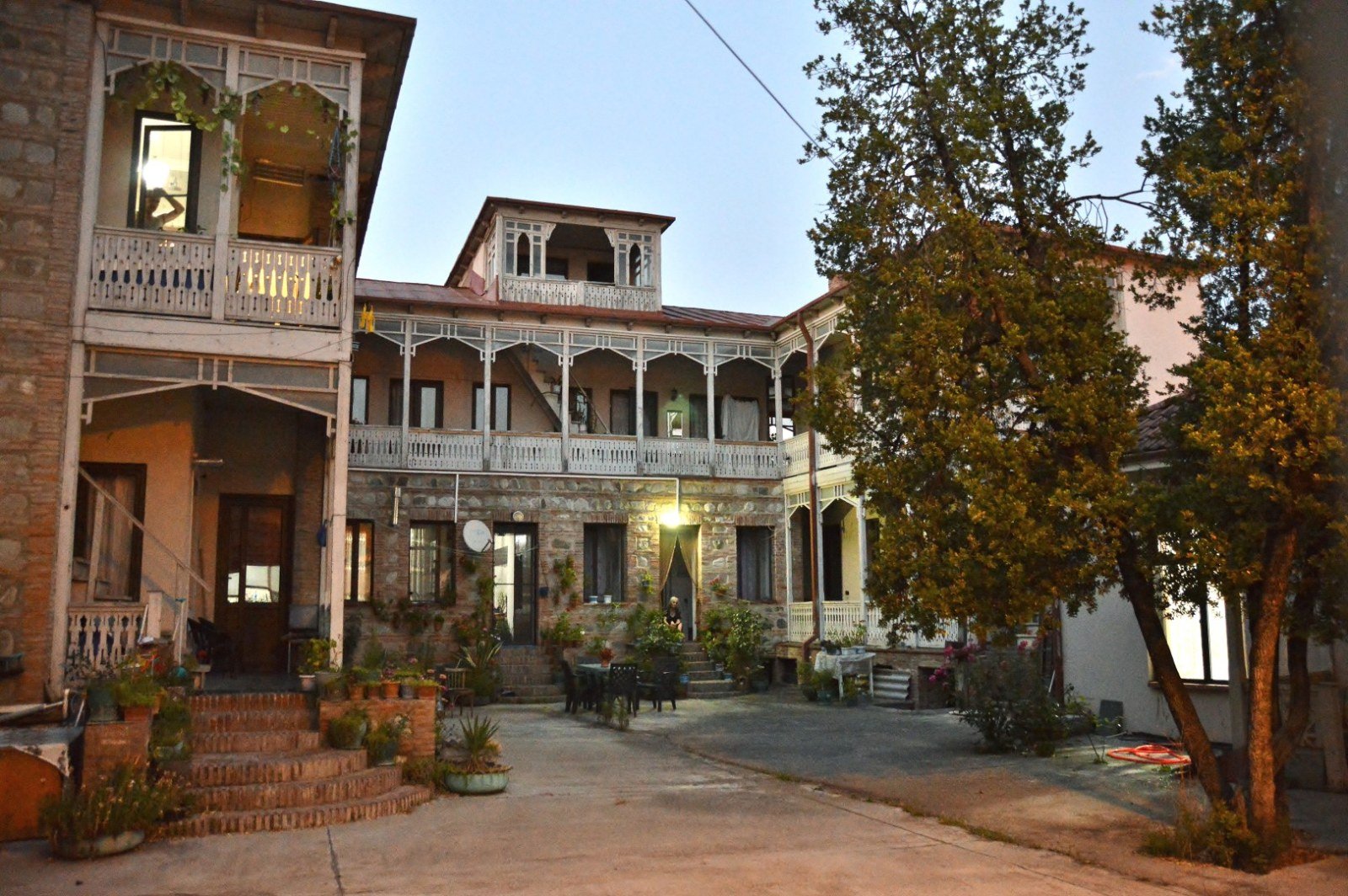
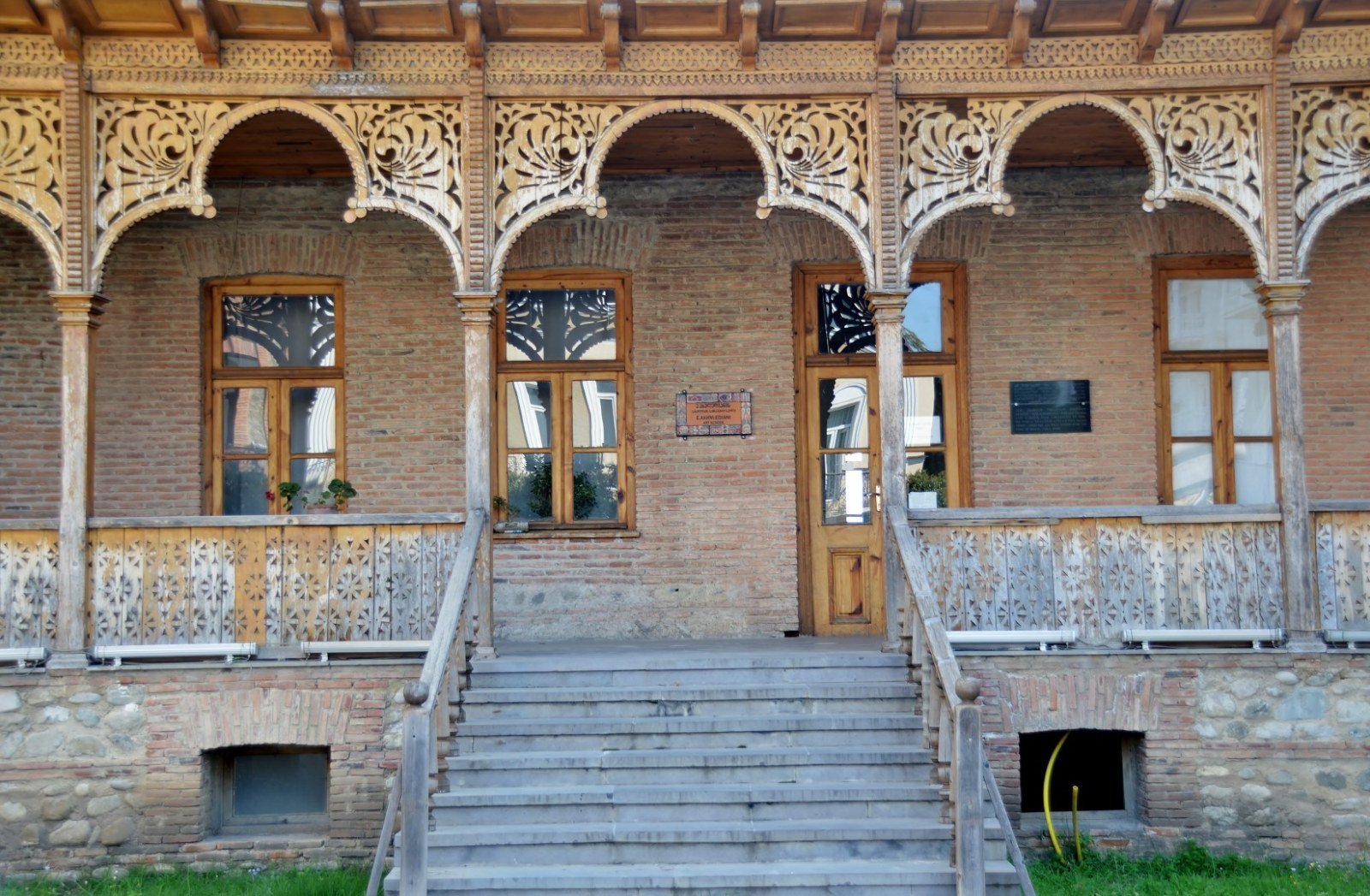
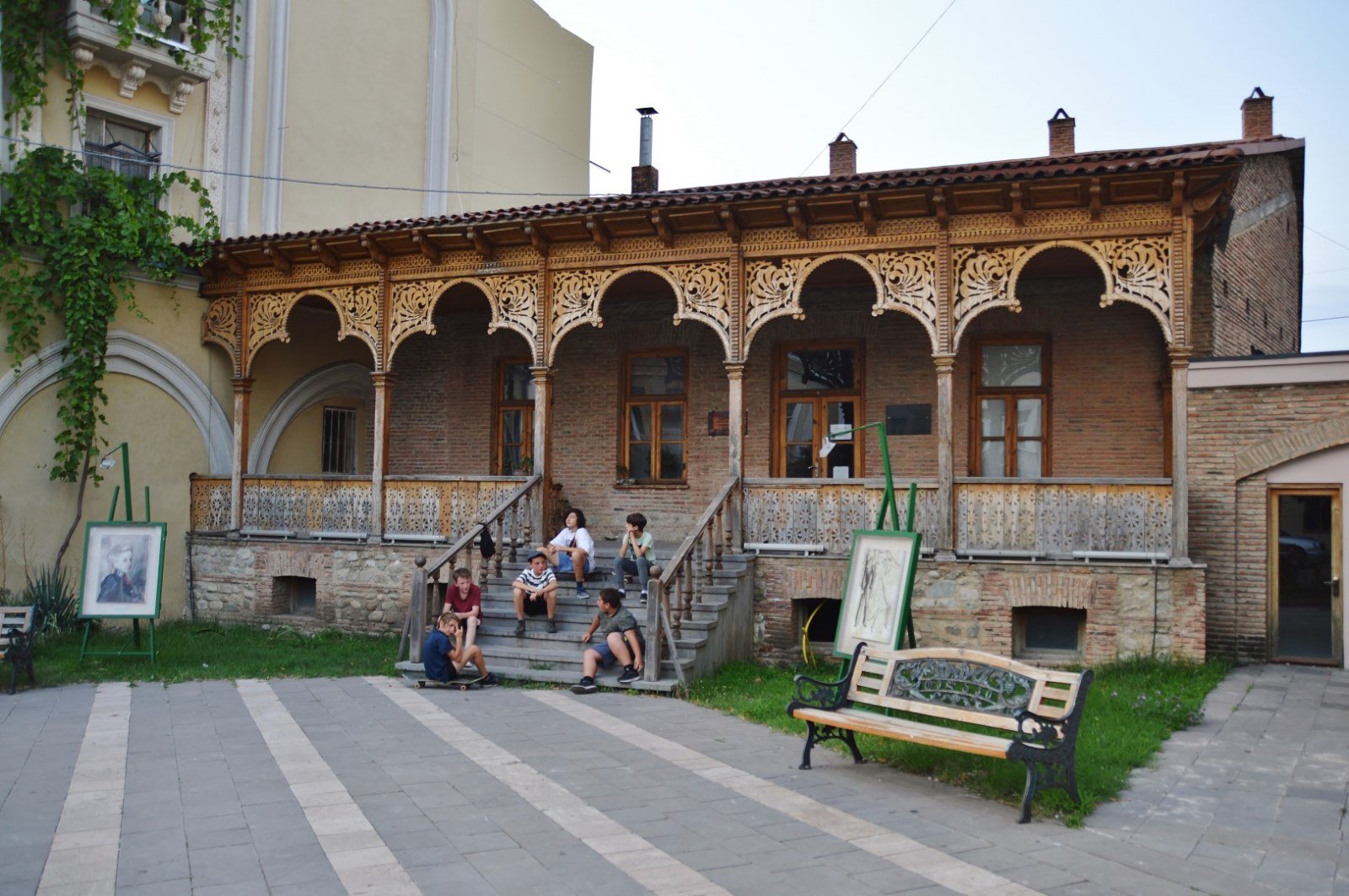
Telavi feels calm from the very first moment. After the noise of Tbilisi, stepping off the marshrutka here is like removing earplugs: about twenty thousand inhabitants, streets with enormous plane trees casting shade, and the Alazani valley opening towards the Greater Caucasus in the distance. The centre is compact and can be walked in half an hour, past houses with restored wooden balconies and backyards where vines climb rusty wires.
What sets the rhythm in Telavi is wine. On almost every corner there is a family winery or a bar serving amber wine made in kvevri —clay jars buried in the ground— and in autumn the air smells of grape must from the wine presses. The bazaar next to the bus station sells freshly made churchkhela, Tushetian cheese and dried herbs in bulk. In the afternoon, Nadikvari Park fills with families sitting on benches with views of the Alazani valley as the sun sets behind the mountains.
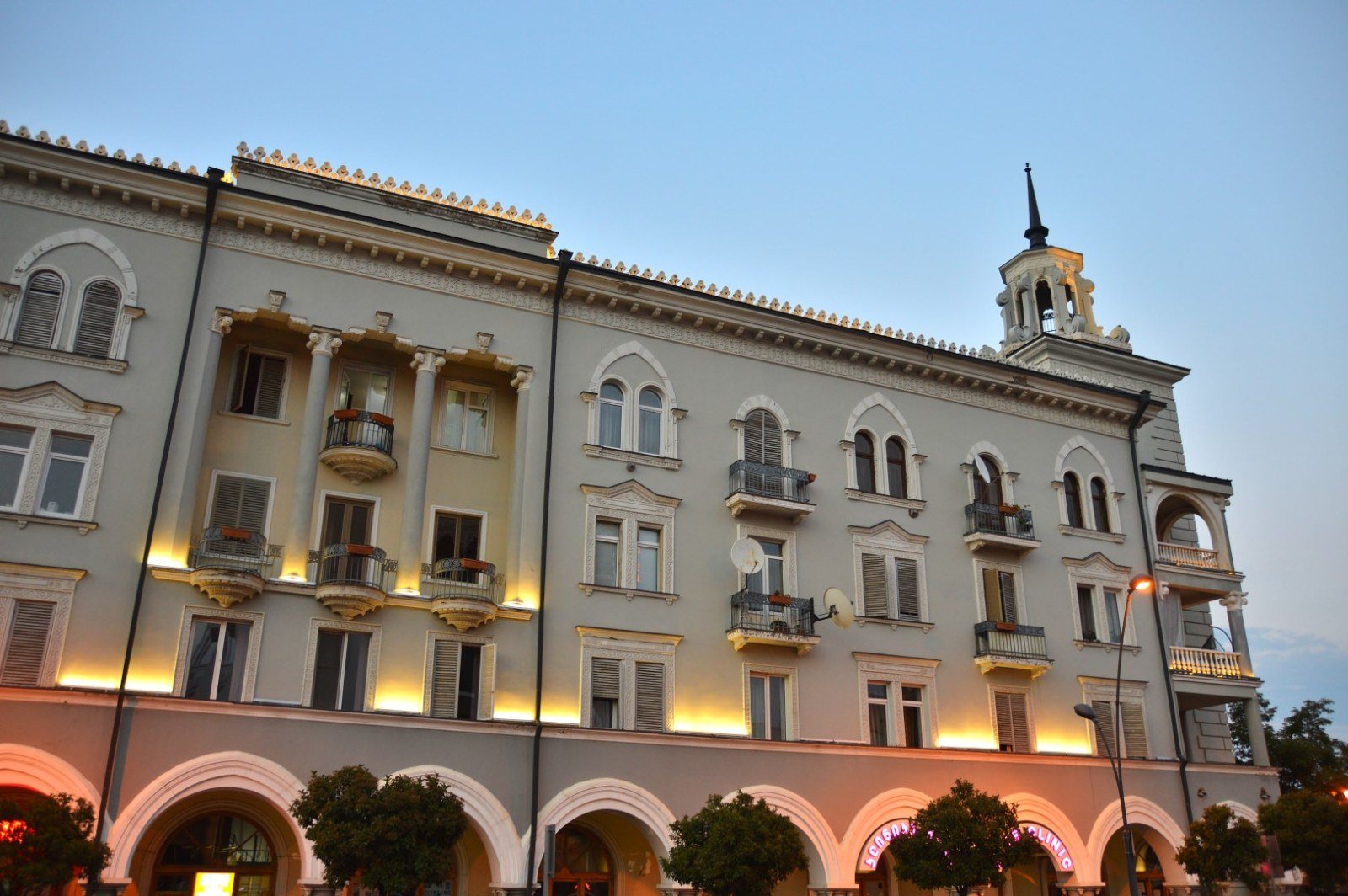
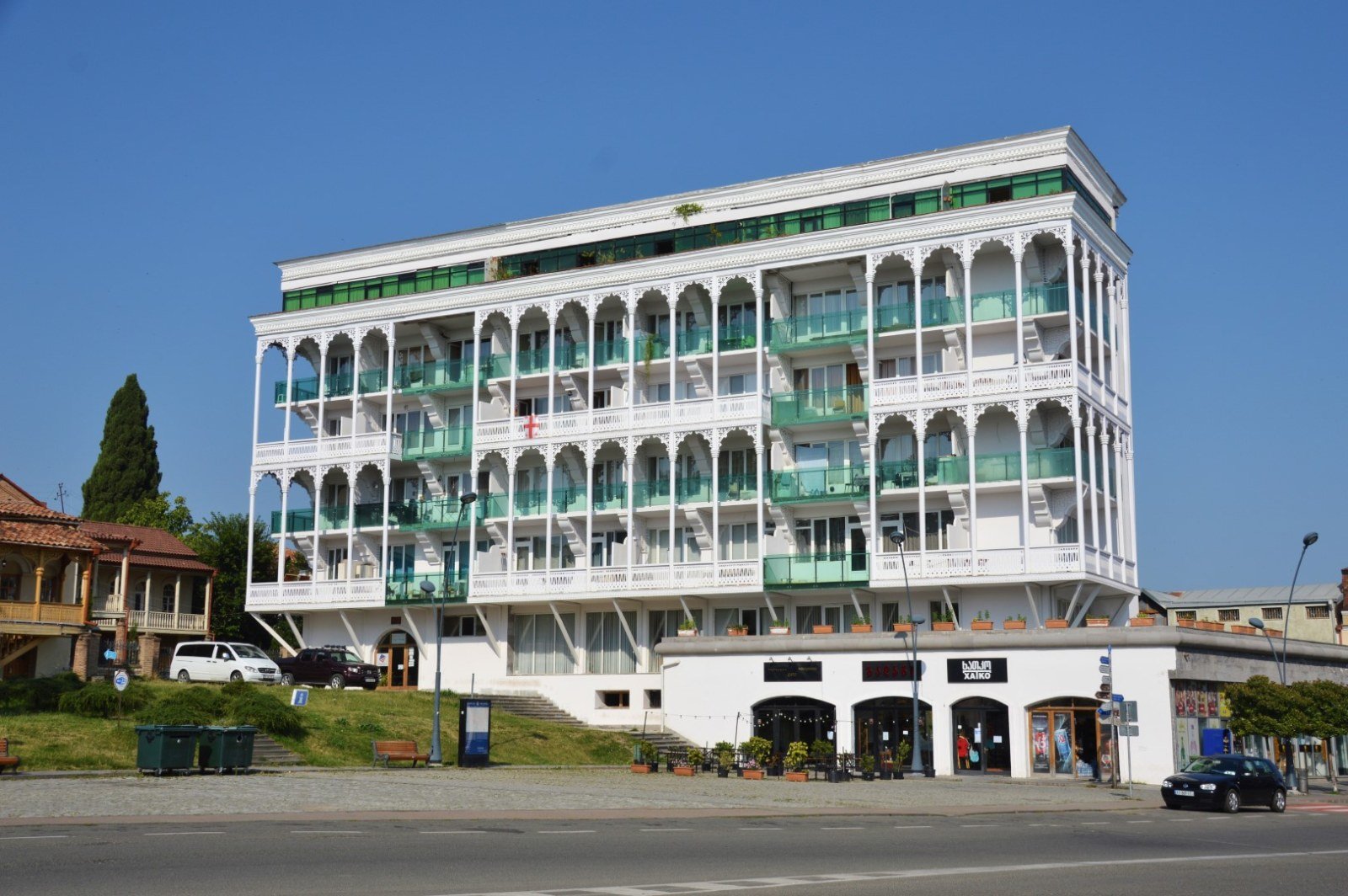
It is not a pretty city in the style of Sighnaghi —there are Soviet blocks, uneven pavements and the occasional eternal construction work—, but it works well as a base for getting around Kakheti: medieval monasteries, historic estates and dozens of wineries are less than half an hour away by taxi. Those who come looking for the real Kakheti, unfiltered, will find something more authentic here than the picture-postcard villages of the region.
History
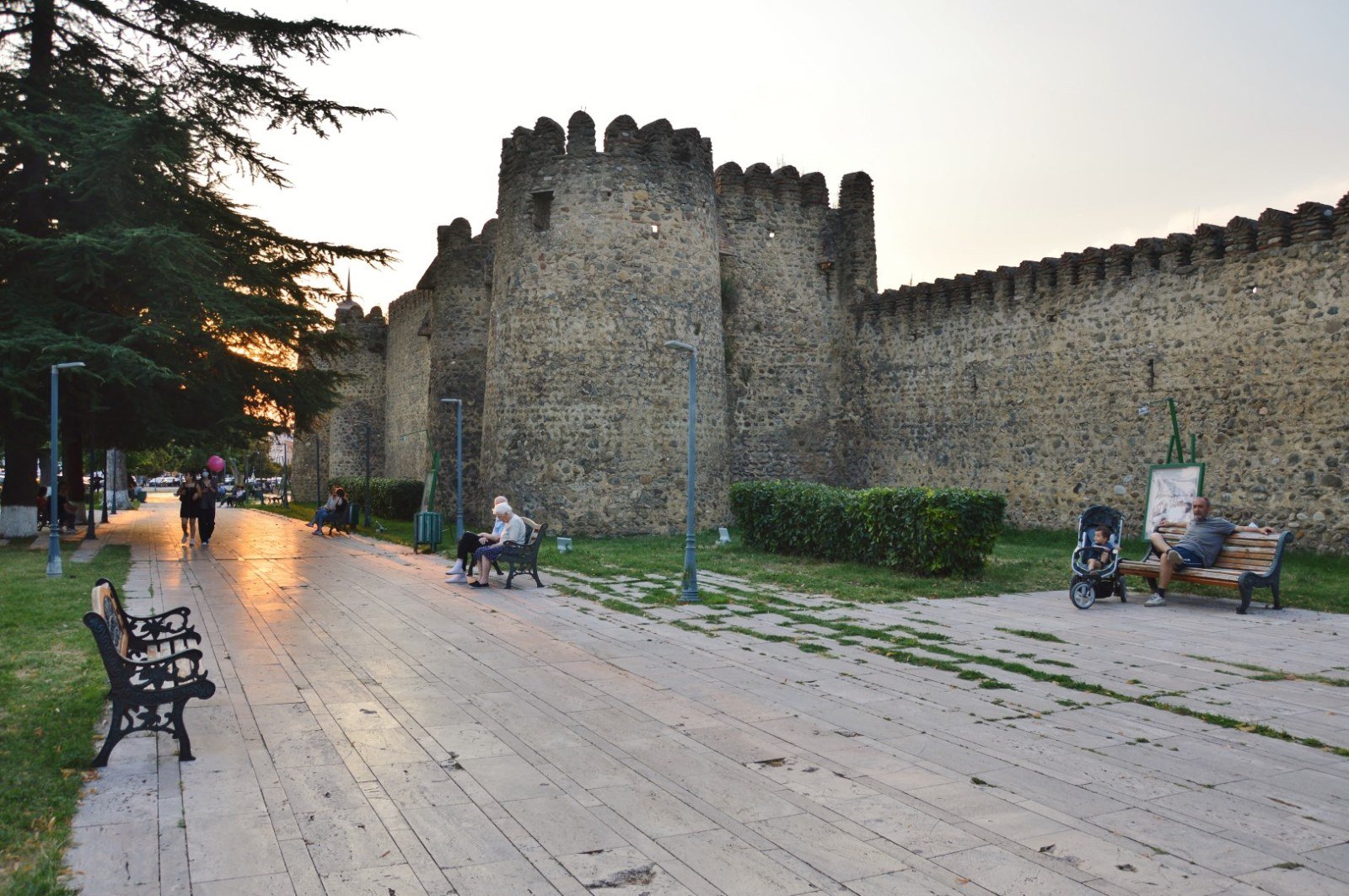
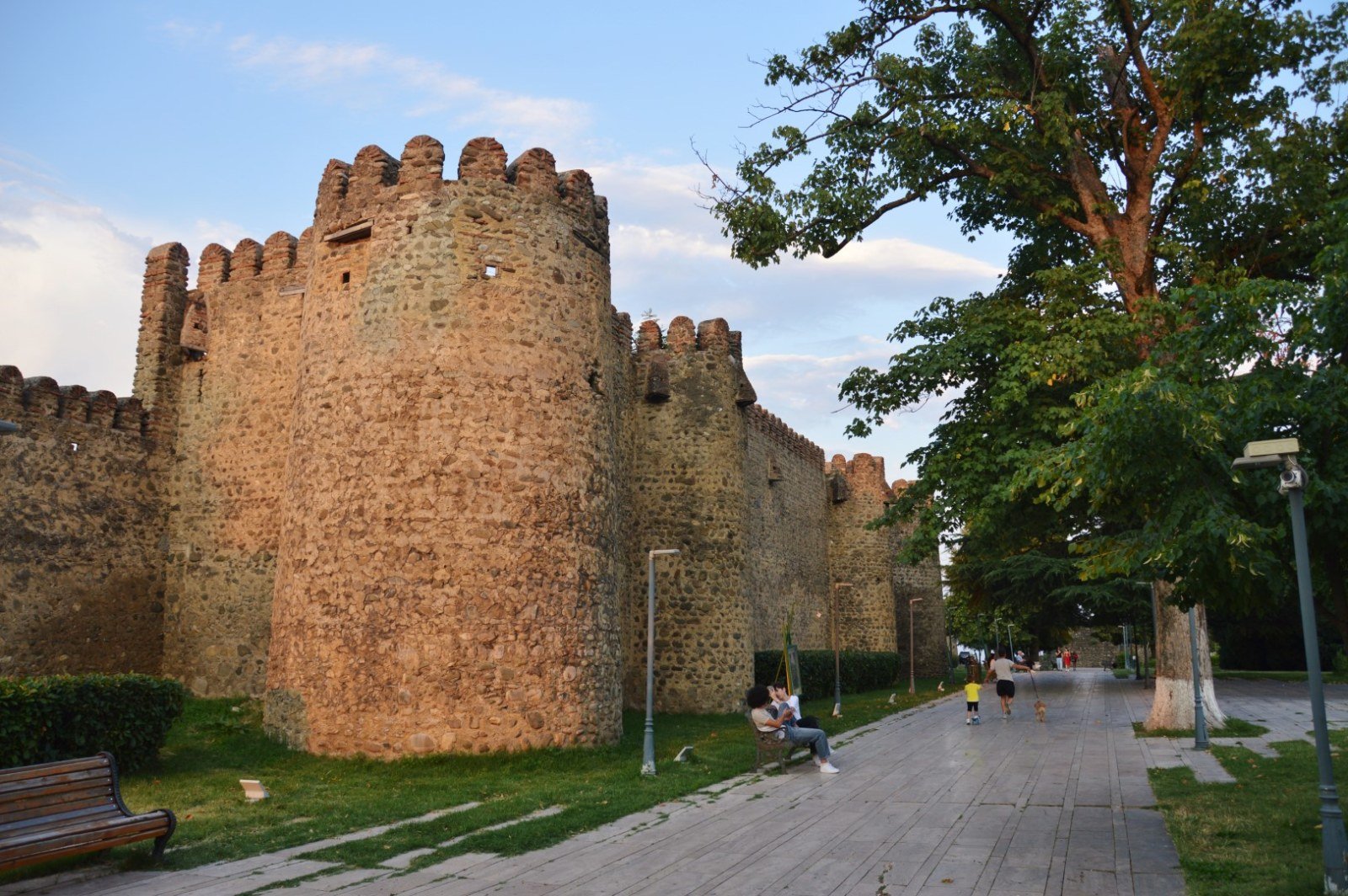
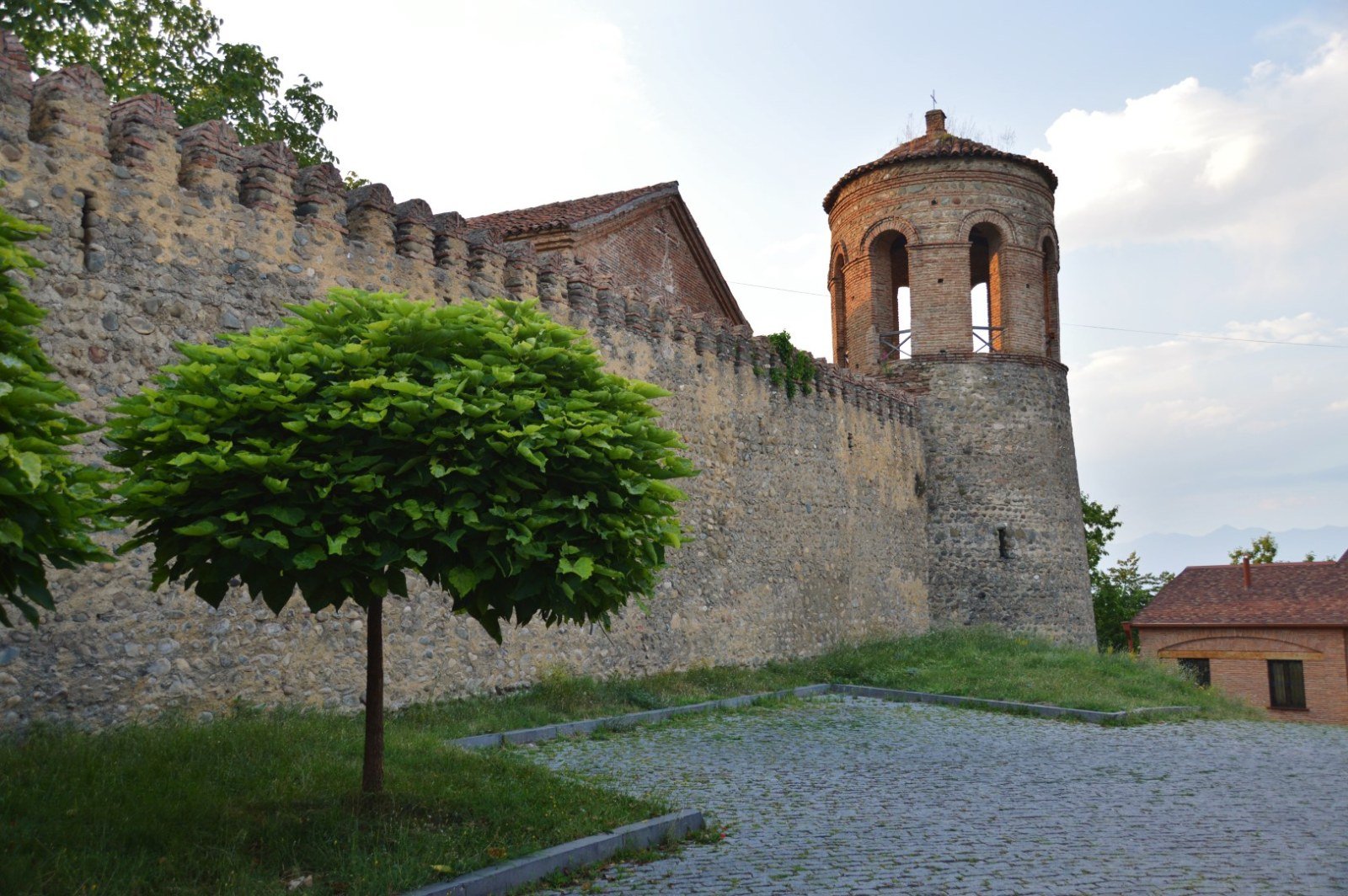
Telavi is already mentioned in the 2nd century on the maps of Ptolemy, under the name Teleda, derived from the Georgian word for elm. It was the capital of the Kingdom of Kakheti-Hereti in the 9th century and grew as a commercial hub in the orbit of the Silk Road. In the 17th century, King Archil II moved his residence from Gremi and built the Batonis Tsikhe fortress, which remains the most visible building in the centre today. Under King Erekle II —Heraclius II— the city reached its greatest splendour in the 18th century, before passing into the hands of the Russian Empire in 1801. Since then it has lost political weight, but has never ceased to be the wine-making heart of eastern Georgia.
What to see & do
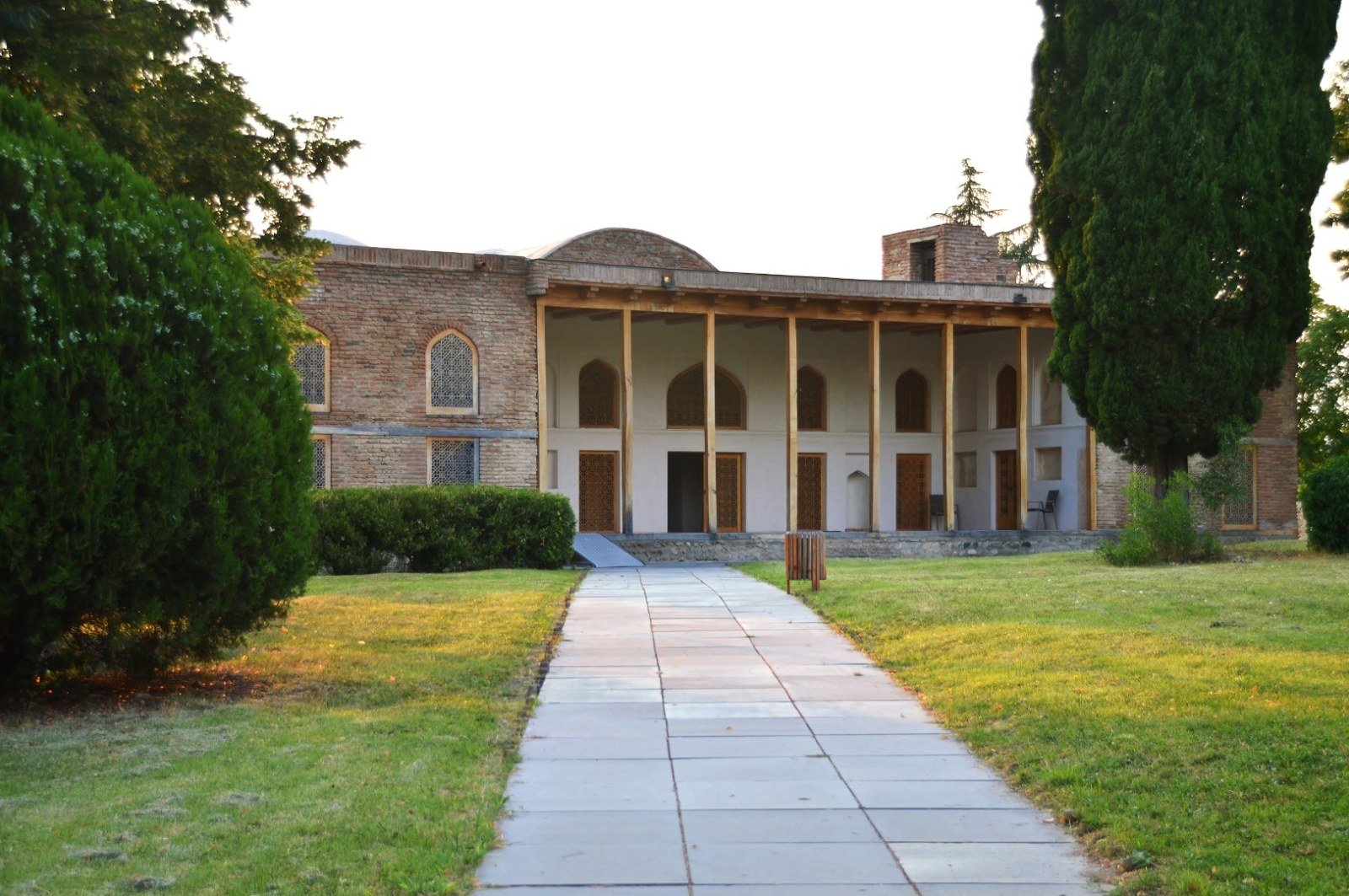
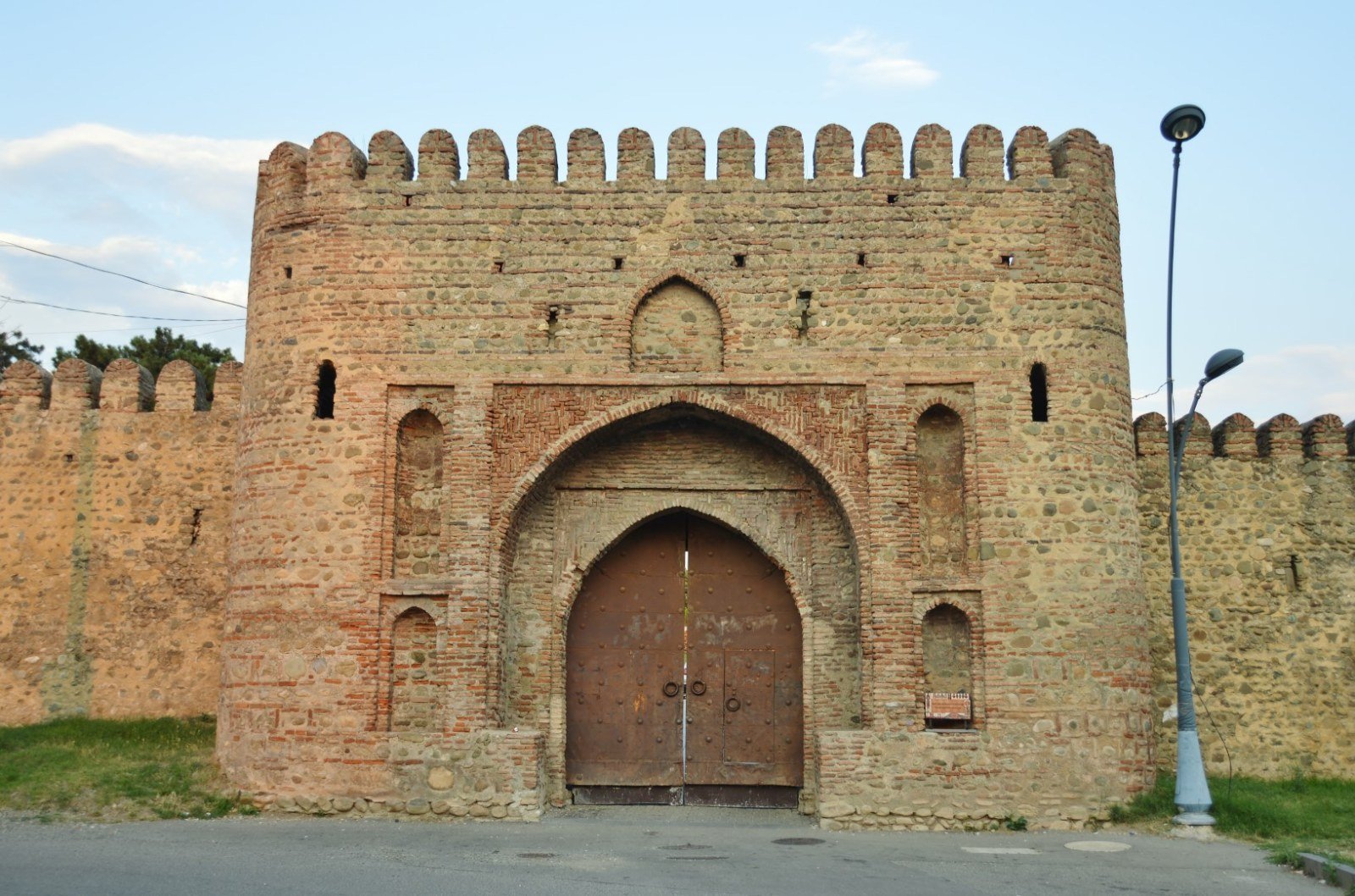
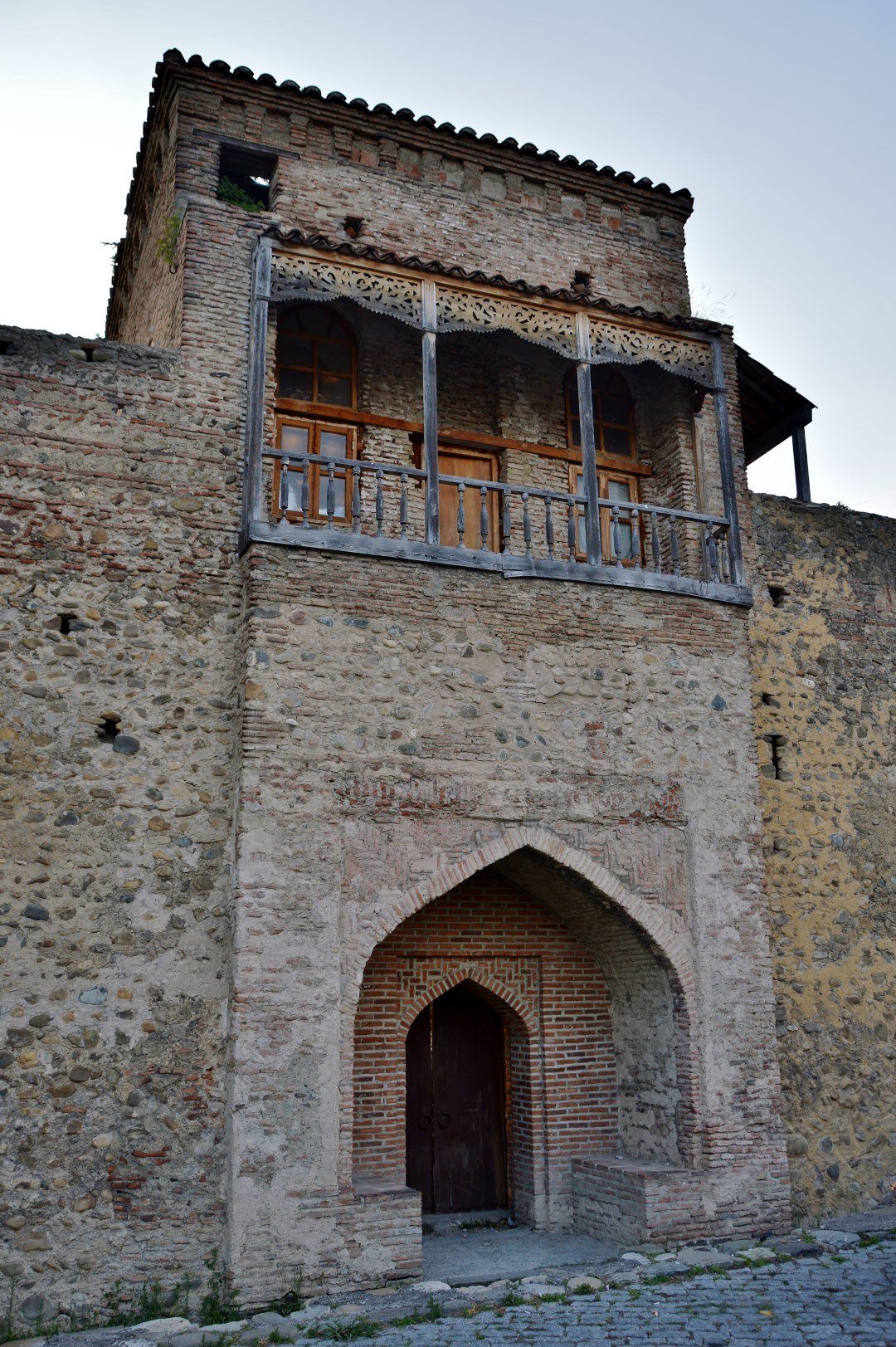
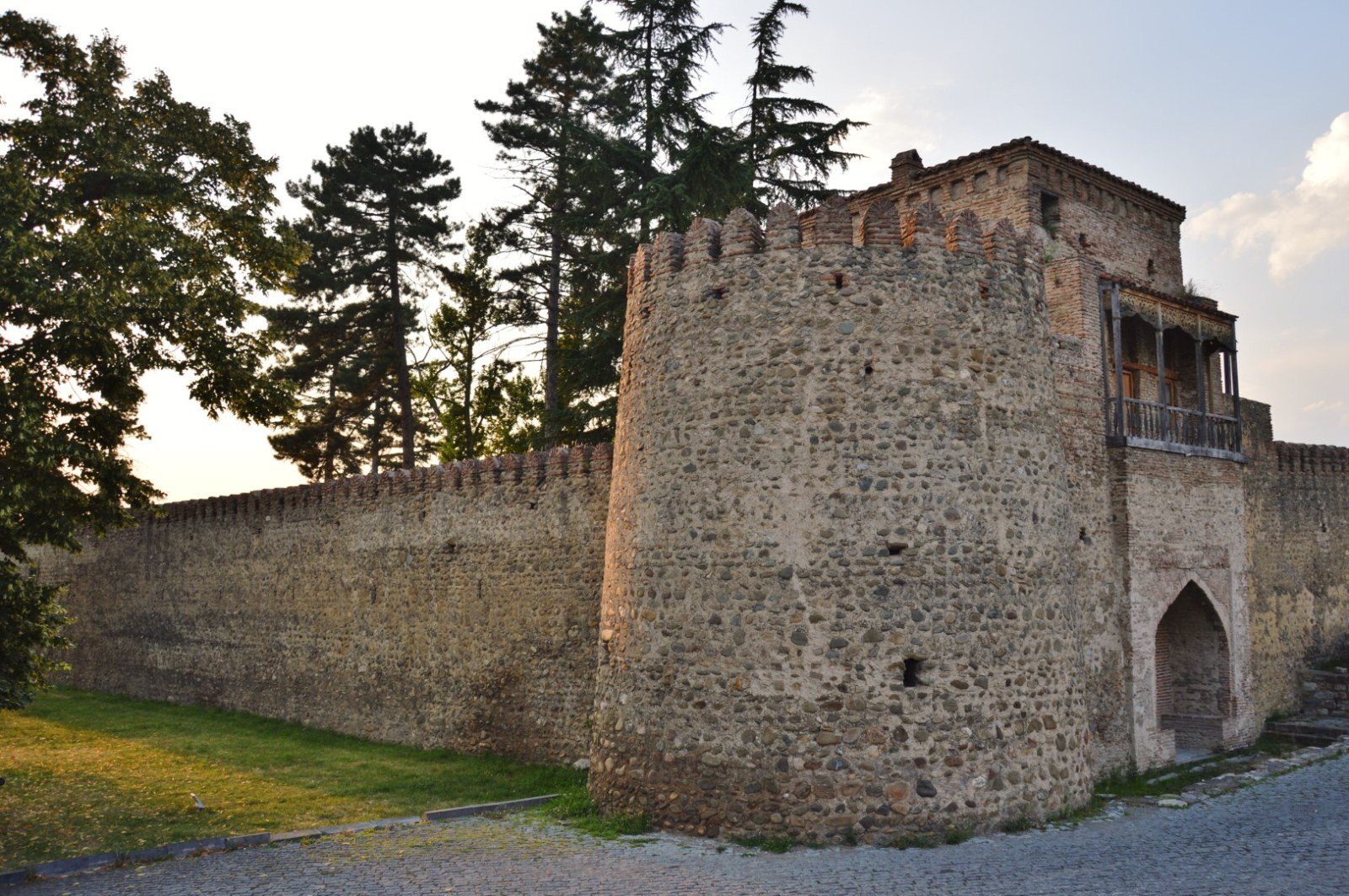
- Batonis Tsikhe Fortress The fortress of the Kakhetian kings, with thick 17th-century walls, an 18th-century palace and a museum displaying objects from the reign of Erekle II. From the towers the entire Alazani valley and the snowy mountain range in the distance are visible. Open approximately 10:00–18:00; entry is around 5 GEL (under 2 EUR).
- Millenary Plane Tree A tree of about 900 years, 46 metres tall and twelve metres in circumference, planted right behind the fortress. There are always visitors taking photos, but it is worth seeing up close: the scale is hard to believe until you are standing beneath it.
- Nadikvari Park An elevated promenade above the city with an open-air amphitheatre and benches facing the Alazani. At sunset, the light over the valley and the silhouette of the Caucasus in the distance offers one of the best panoramas in Kakheti.
- Cholokashvili Street The most well-kept pedestrian street in Telavi, with carved balconies and colourful facades vaguely reminiscent of southern Europe. Ideal for an evening stroll.
- City-centre wineries Without leaving the city you can taste wine at places like Dakishvili Wine & Chocolate, an underground bar with artisan truffles and saperavi from kvevri. Most family wineries receive visitors without prior booking.
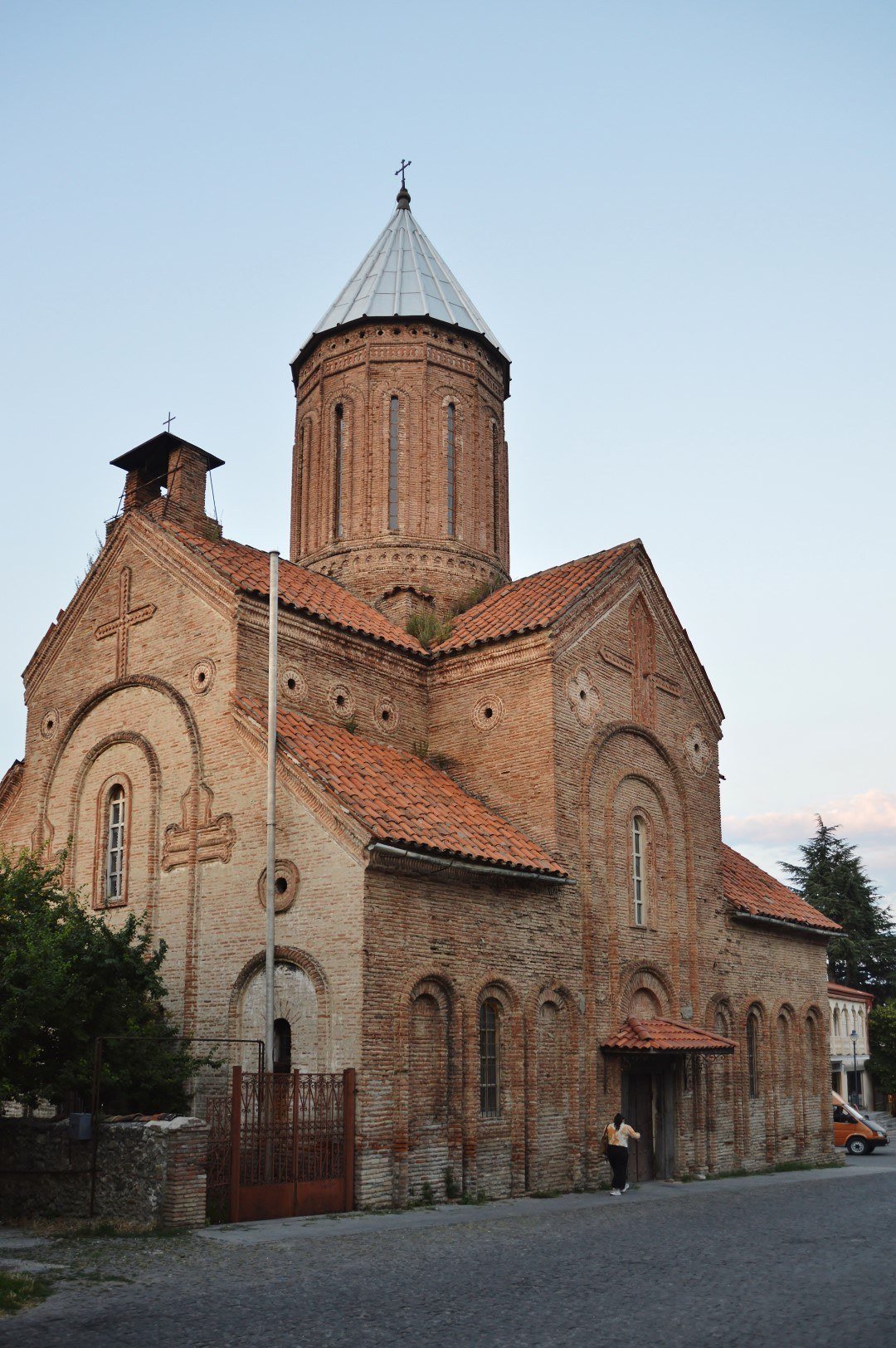
- Church of the Holy Virgin A basilica-plan church in the old town, with a sober interior and a small active community. Worth stepping in if the door is open.
Photo gallery
How to get there
From Tbilisi, marshrutkas depart roughly every hour from Ortachala station and from Isani/Samgori. The journey takes about 2–2.5 hours along the Kakheti highway and costs between 12 and 15 lari (around 4–5 EUR). A shared taxi from Isani costs about 20 lari per person and takes slightly less time. From Telavi there are marshrutka connections to Sighnaghi, Alvani (for the journey up to Tusheti) and to the Pankisi valley. There is no passenger train to Kakheti.
Best time to visit
From May to June the Alazani valley is green and temperatures hover around 22–28 degrees. September and October are the harvest season: wineries open, the smell of grape must in the air and warm light over the vineyards of Kakheti. July and August easily exceed 35 degrees. Winter is dry and cold, with clear views of the snowy Caucasus, although many rural guesthouses close and the landscape loses its colour.
More information
Photo: Iberogeorgia · Todos los derechos reservados