
Tbilisi
თბილისი
Georgia's capital nestled between hills and the Mtkvari River: carved wooden balconies, sulphur baths and centuries of overlapping cultures.
Location in the Caucasus
Description
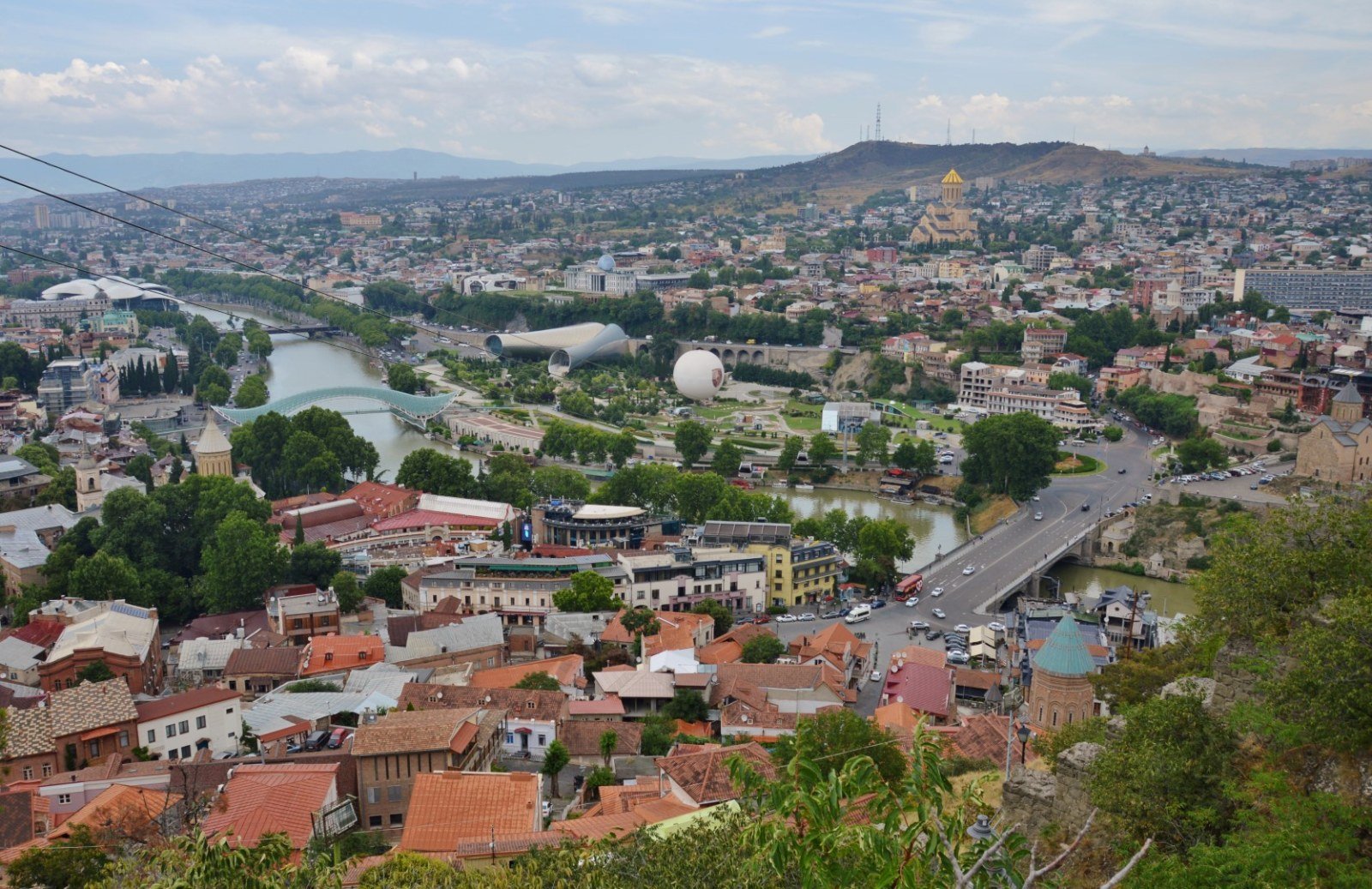
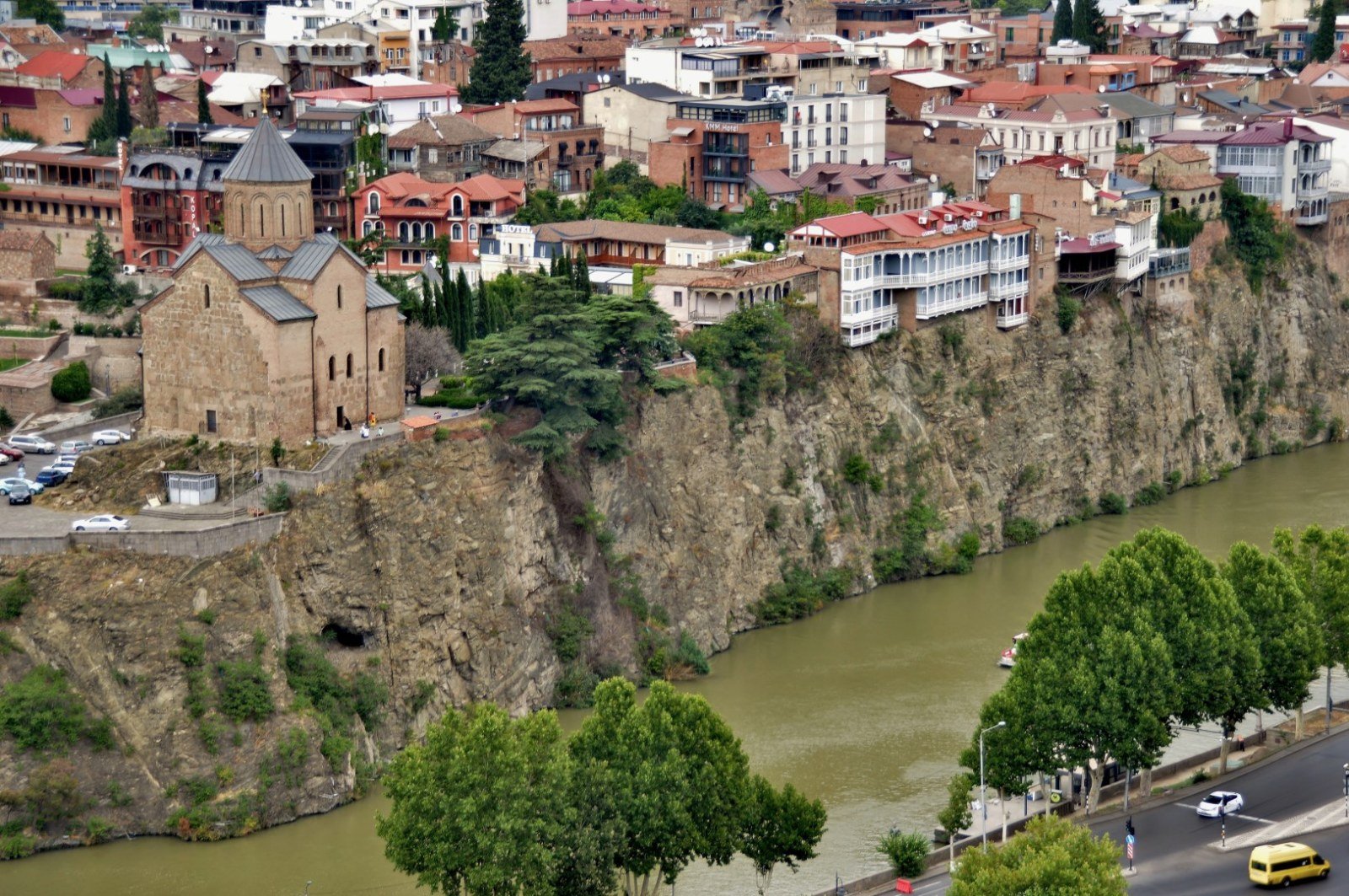
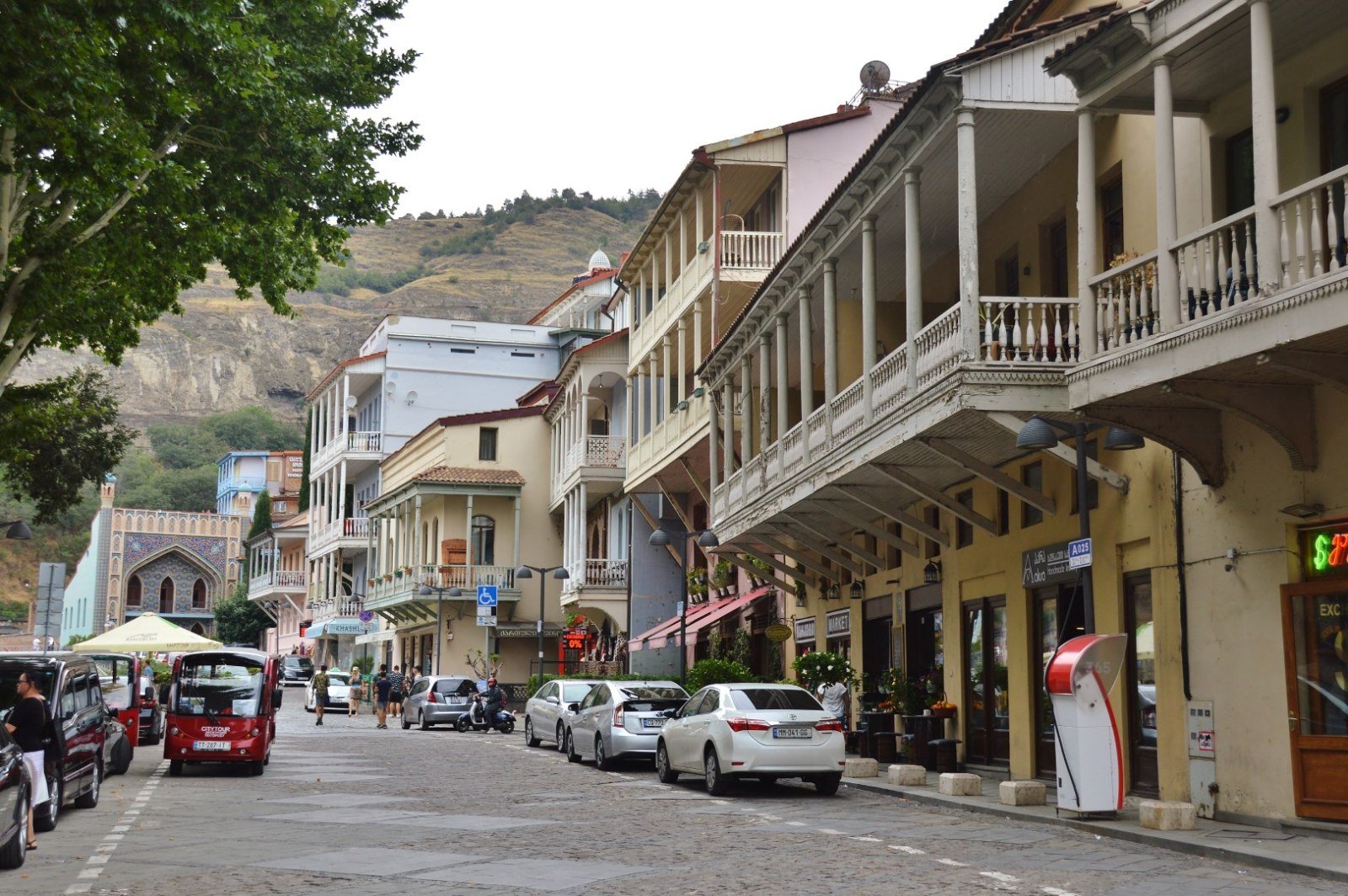
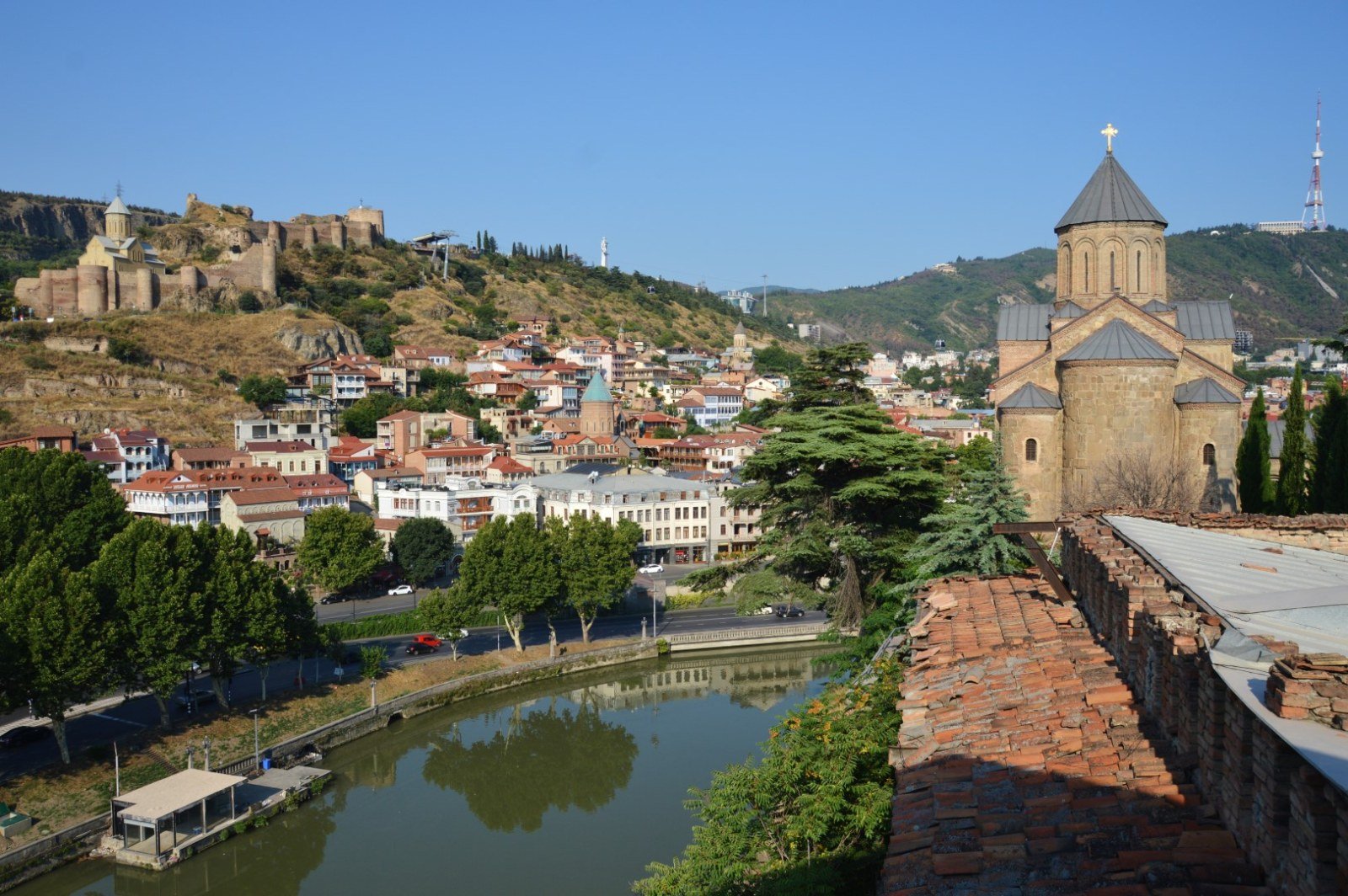
The first thing that reaches you as you descend into Tbilisi's old town is the smell: a faint sulphurous note rising from the Abanotubani baths, mingling with the smoke from the tonis puri bread ovens. The city is wedged between hills, split by the Mtkvari river — also called the Kura —, and from almost every corner a slope or a carved wooden balcony comes into view. The historic neighbourhoods of Kala and Abanotubani have the texture of a city built without a clear plan: houses from different eras pressing against each other, shared inner courtyards where laundry hangs between grapevines.
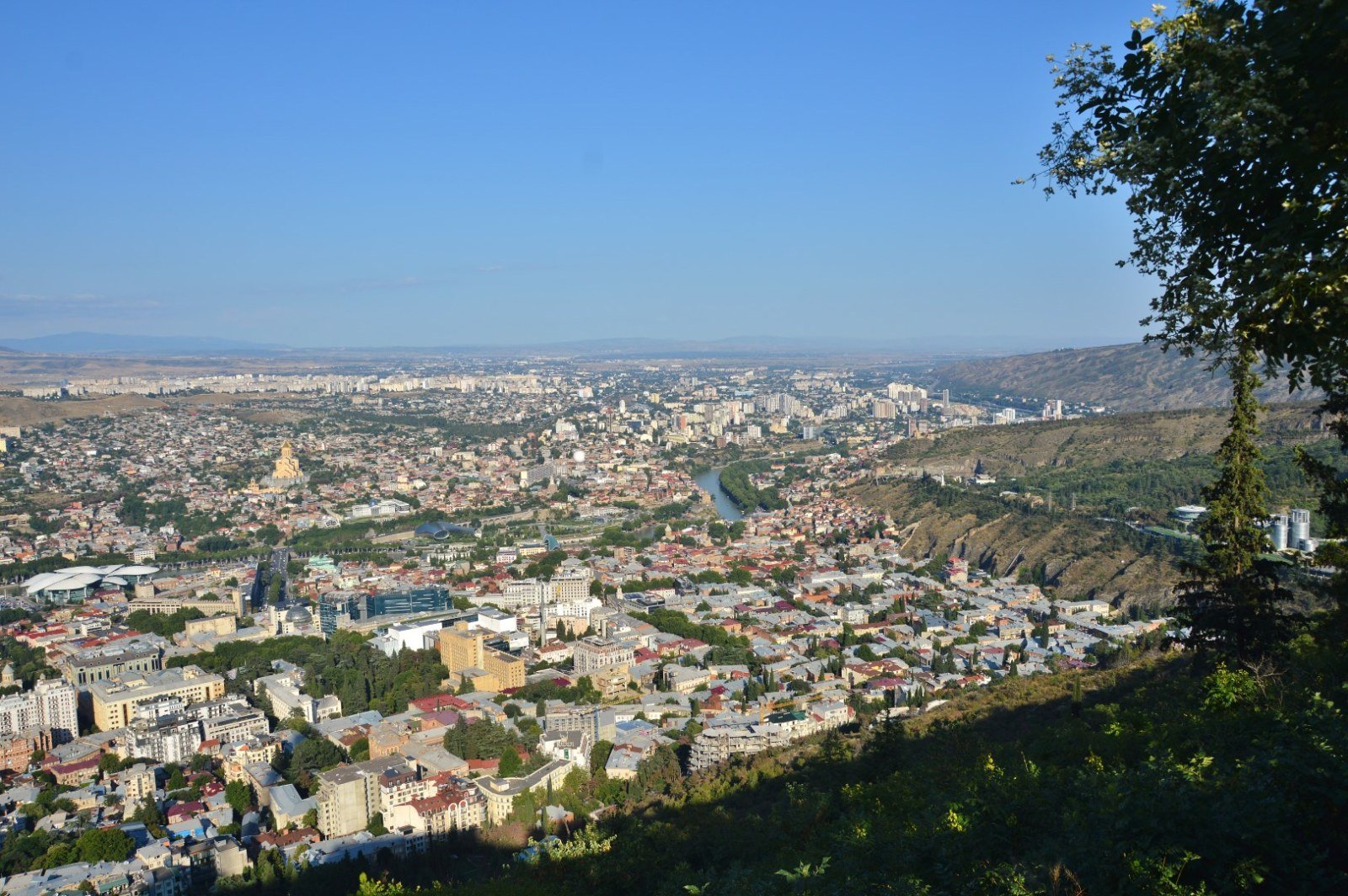
It is a disorderly capital, in the best sense. On the same street in Abano you can go from a grand house with peeling plaster to a grey Soviet block. Traffic is noisy and pedestrian crossings are rarely respected, but the Tbilisi metro works well and costs 1 lari per journey; the rechargeable card is called Metromoney. Riding the funicular up to Mtatsminda Park — about 5 lari — gives the best view of how the city spreads down the valley.
In the late afternoon, the bars on Erekle II Street fill with people drinking amber rkatsiteli from a jug, and along Rustaveli Avenue flows a stream of office workers, students and grandmothers with market bags. The food scene has grown enormously over the past decade: from fine Georgian cuisine restaurants to neighbourhood canteens where a full meal of khinkali and salad costs 8–12 lari.
History
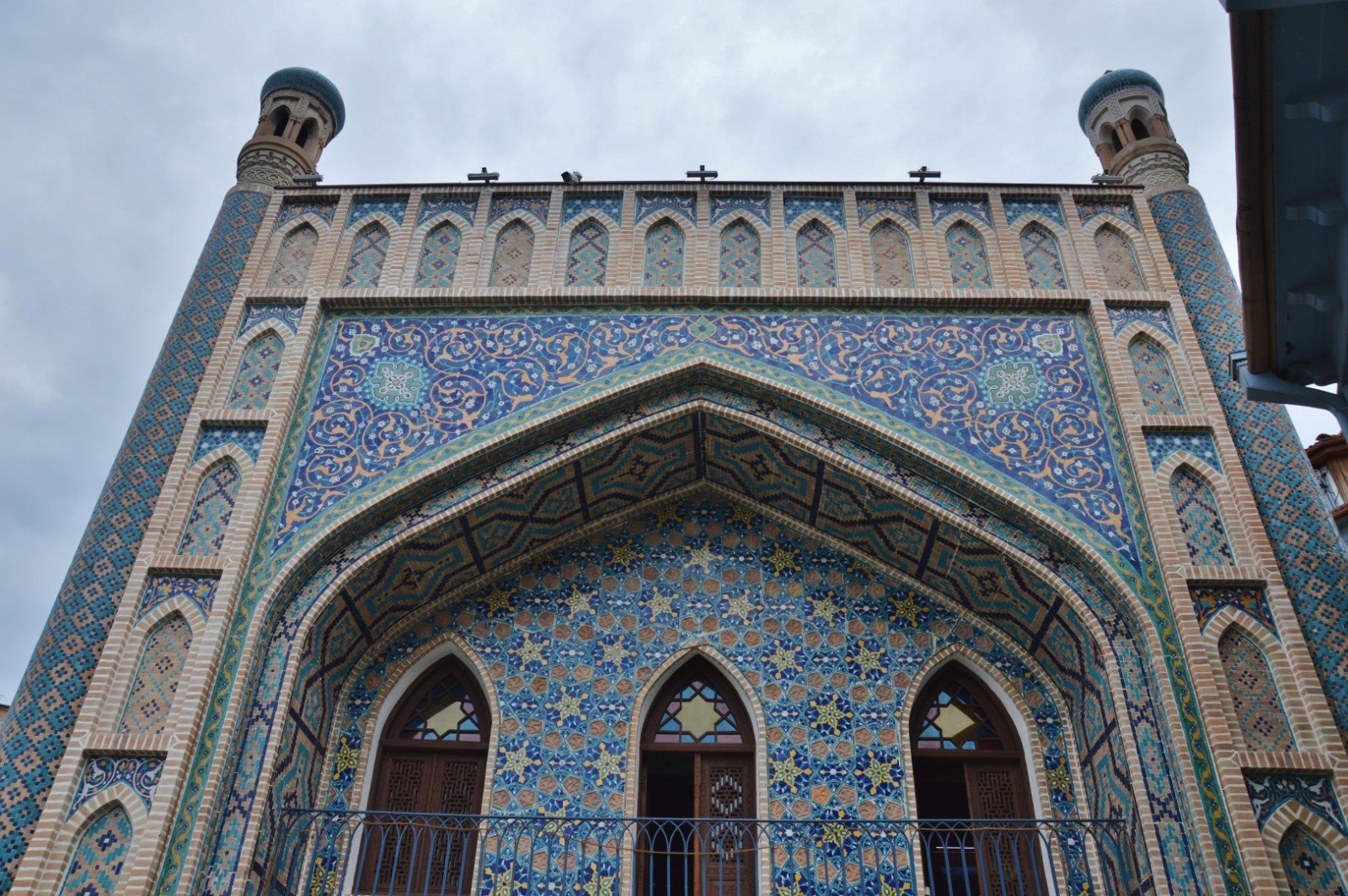
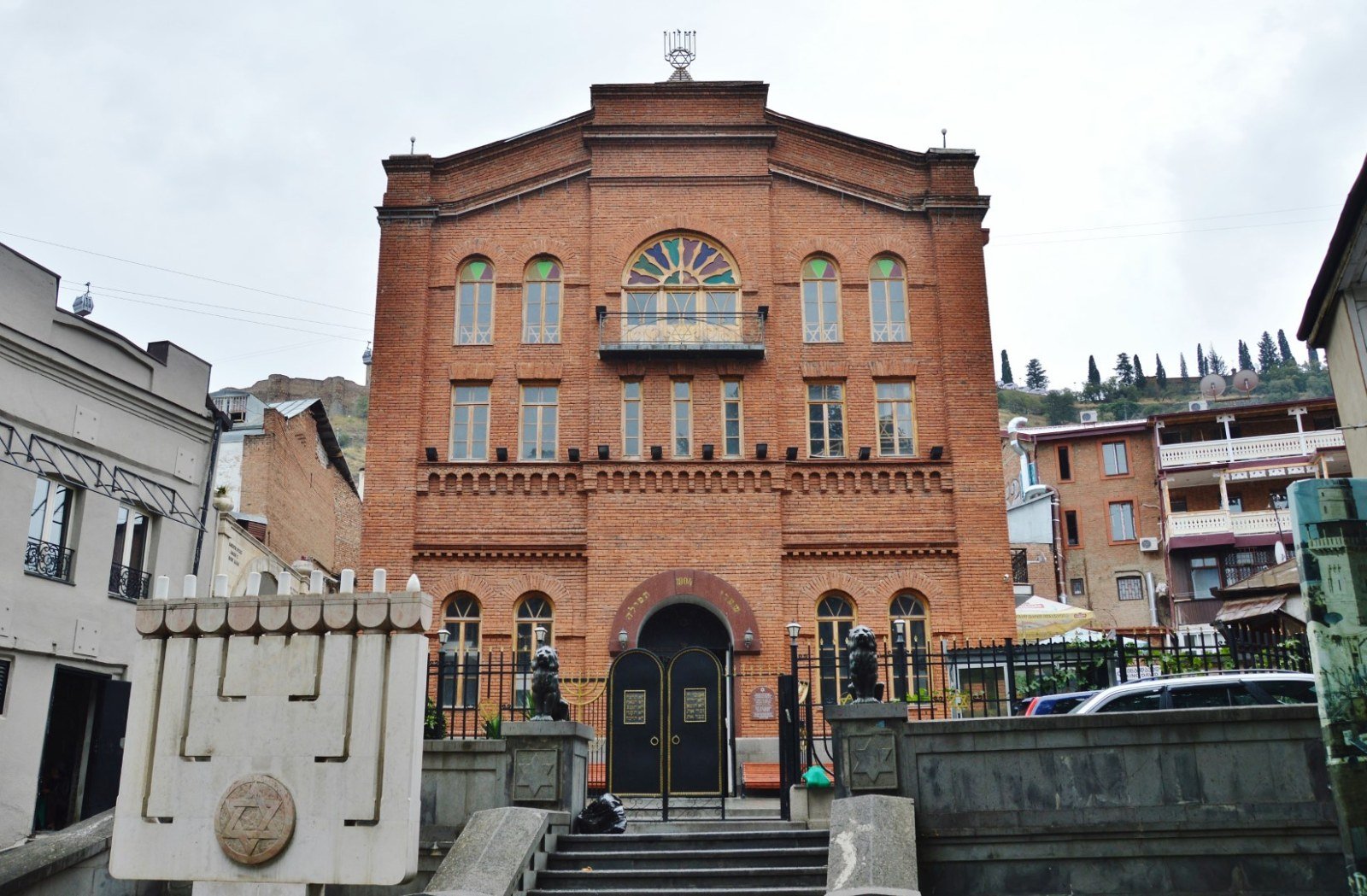
Legend has it that King Vajtang Gorgasali founded the city in the fifth century after discovering hot thermal springs while hunting; hence the name, derived from tbili, meaning 'warm' in Georgian. For centuries Tbilisi was a crossroads of routes between Persia, the Turkic world and the Caucasus, and that is still visible in its skyline: the Orbeliani Mosque, the Great Synagogue, the Armenian Church of the Forty Martyrs and the Orthodox cathedrals all lie within a few minutes' walk of each other. The city passed through Arab, Mongol, Persian and finally Russian hands — it was capital of the Caucasus Governorate from 1801 — before becoming capital of independent Georgia in 1991.
What to see & do
- Abanotubani and the sulphur baths The neighbourhood of brick domes with porthole windows. The Royal Baths and the Orbeliani Baths — with their turquoise tile facade — are the most photographed. For around 50–80 lari you can rent a private room and a mekise will exfoliate you with a wool mitt. Open every day, generally 8:00 to 24:00.
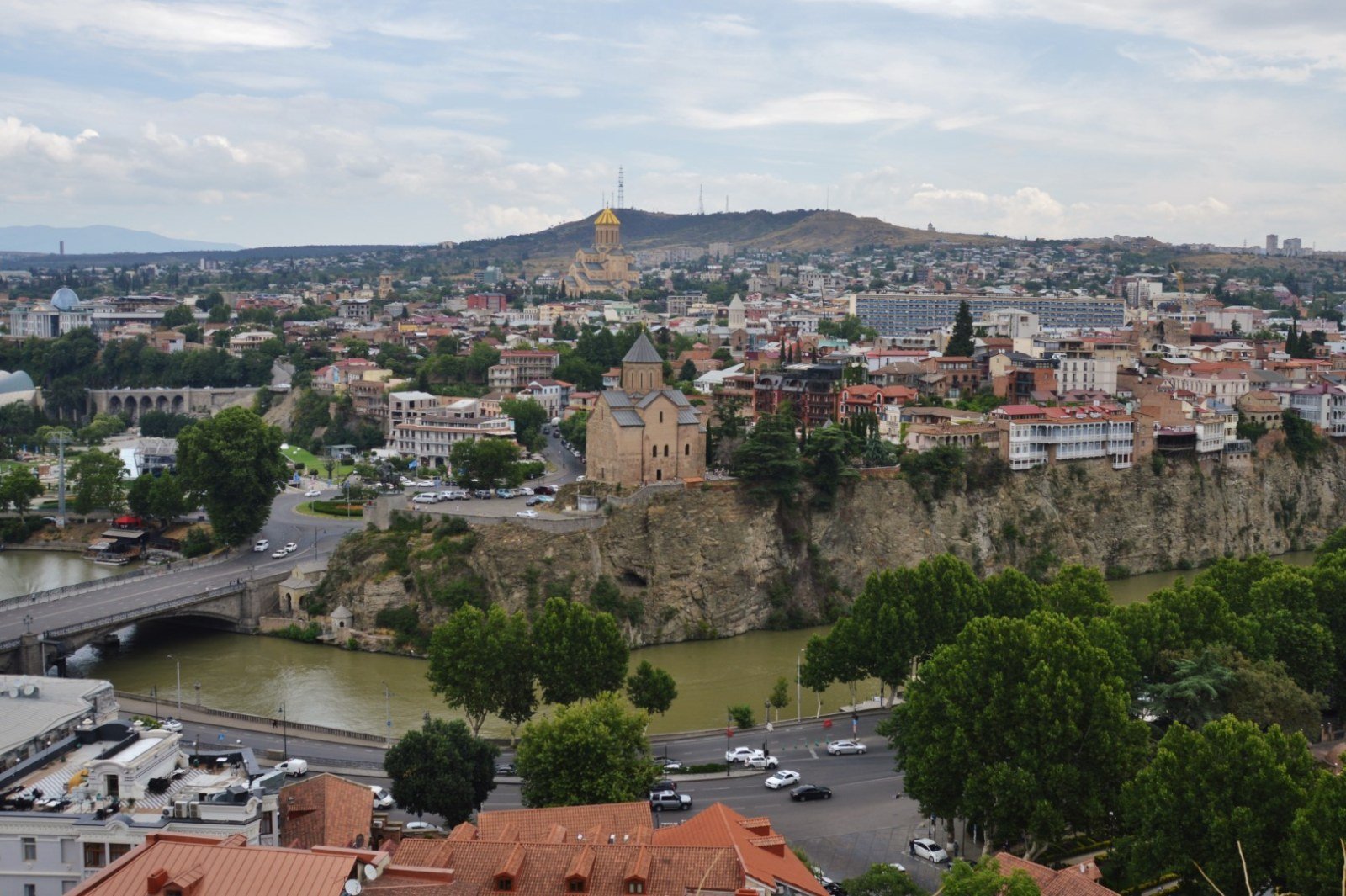
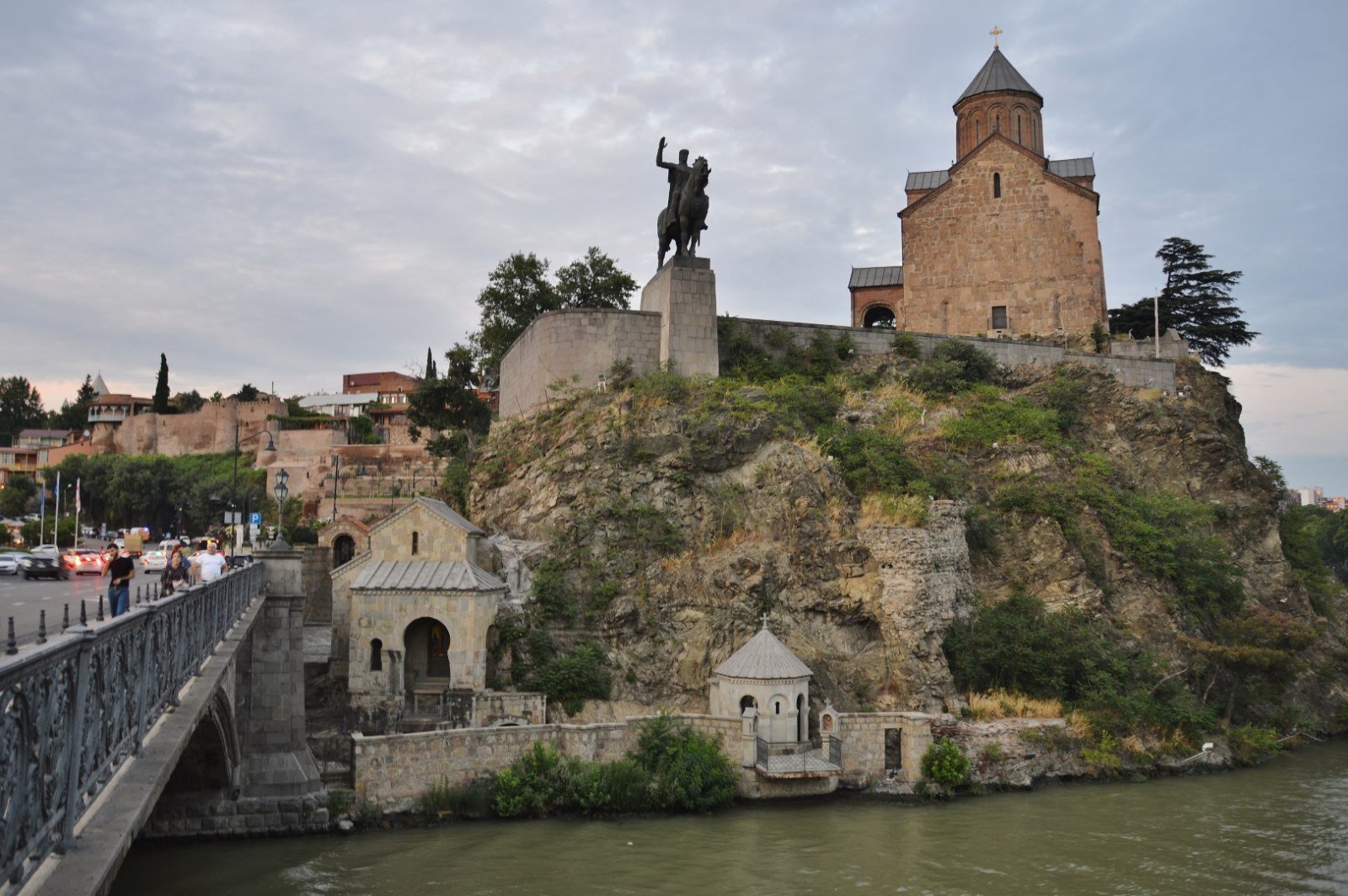
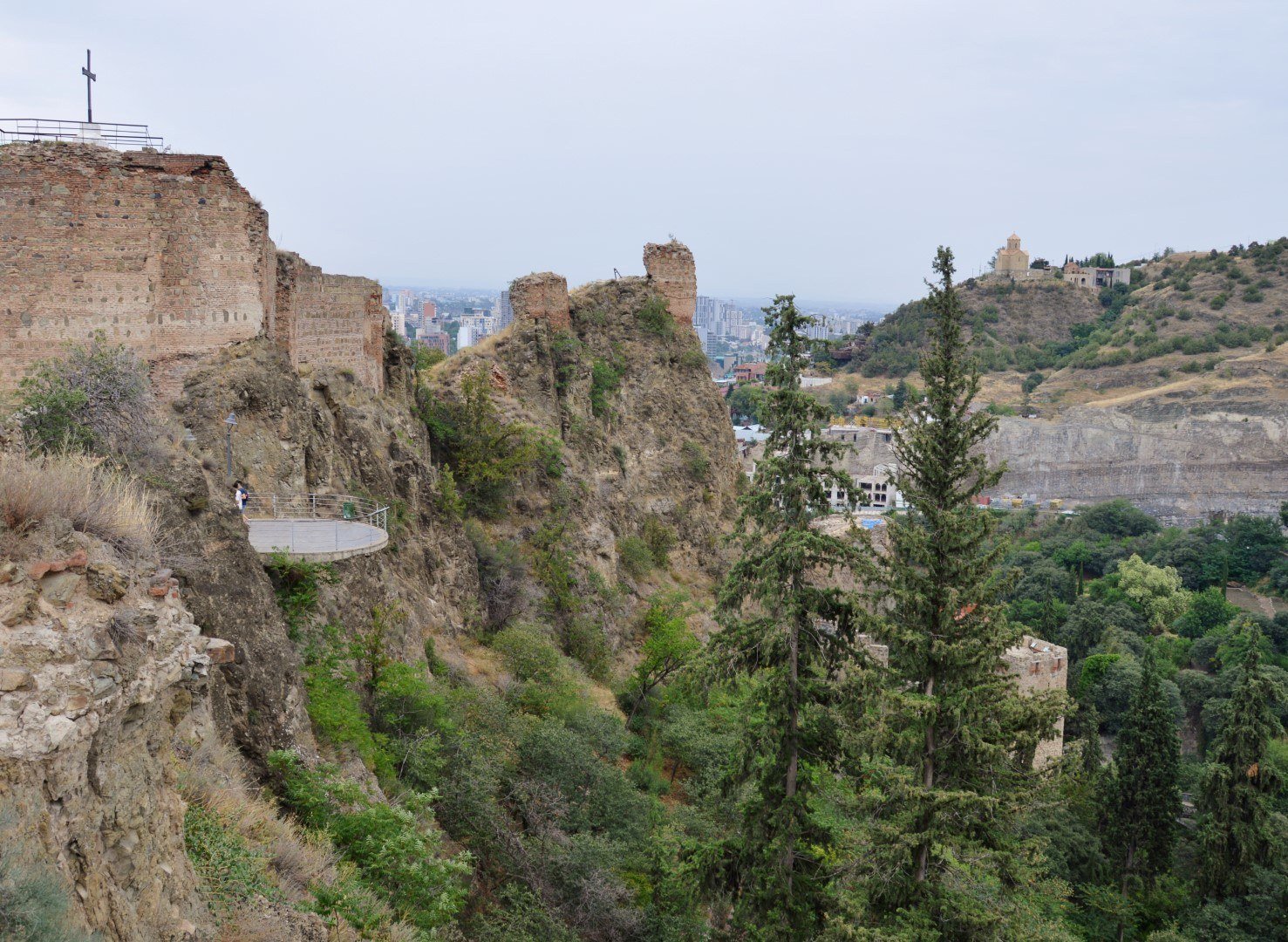
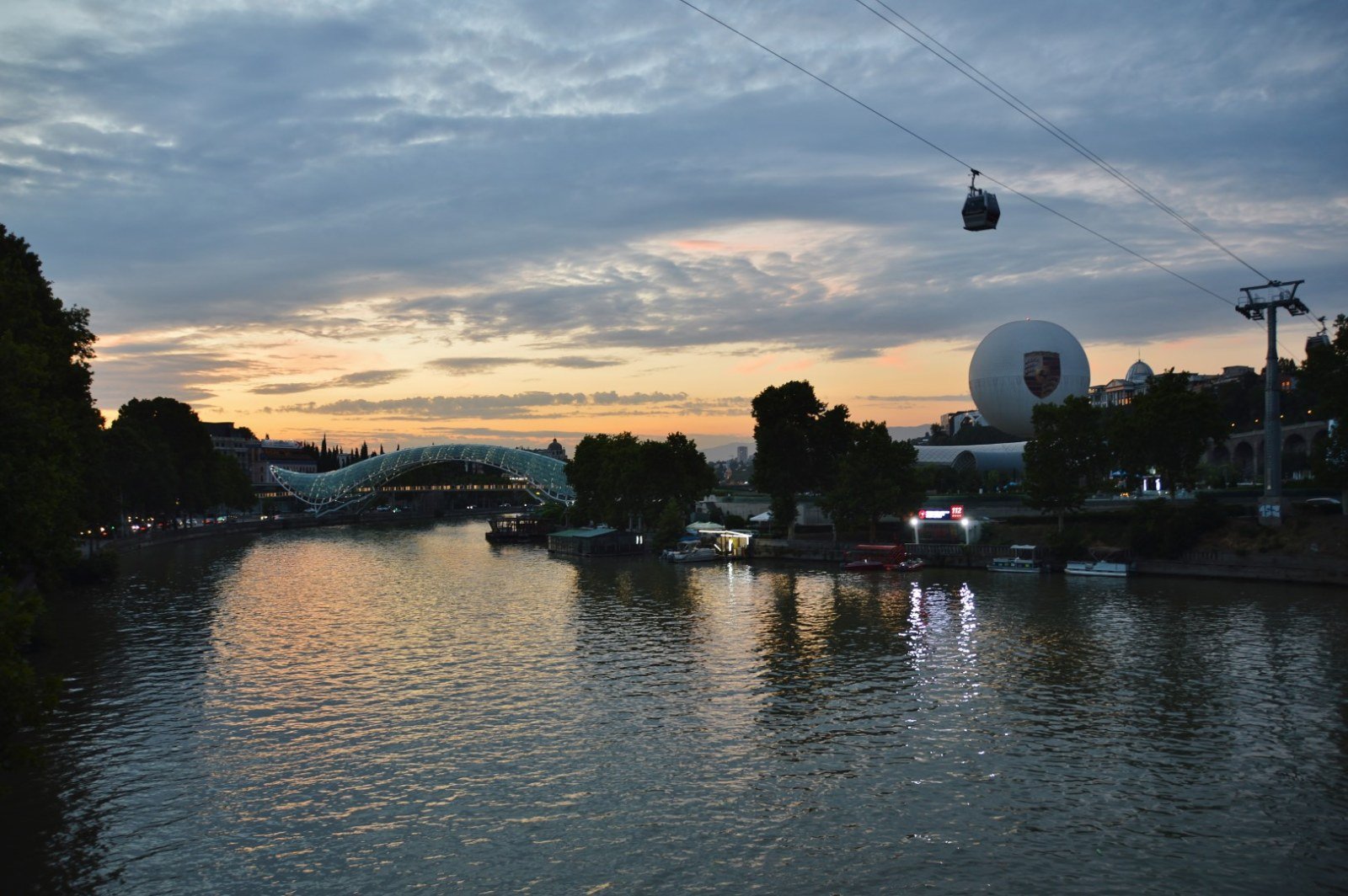
- Narikala Fortress Take the cable car from Rike Park (3 lari return). At the top stand the 4th-century walls and the statue of Kartlis Deda — Mother Georgia — holding a sword and a cup of wine. The views over the Mtkvari river and the Holy Trinity Cathedral make the trip worthwhile.
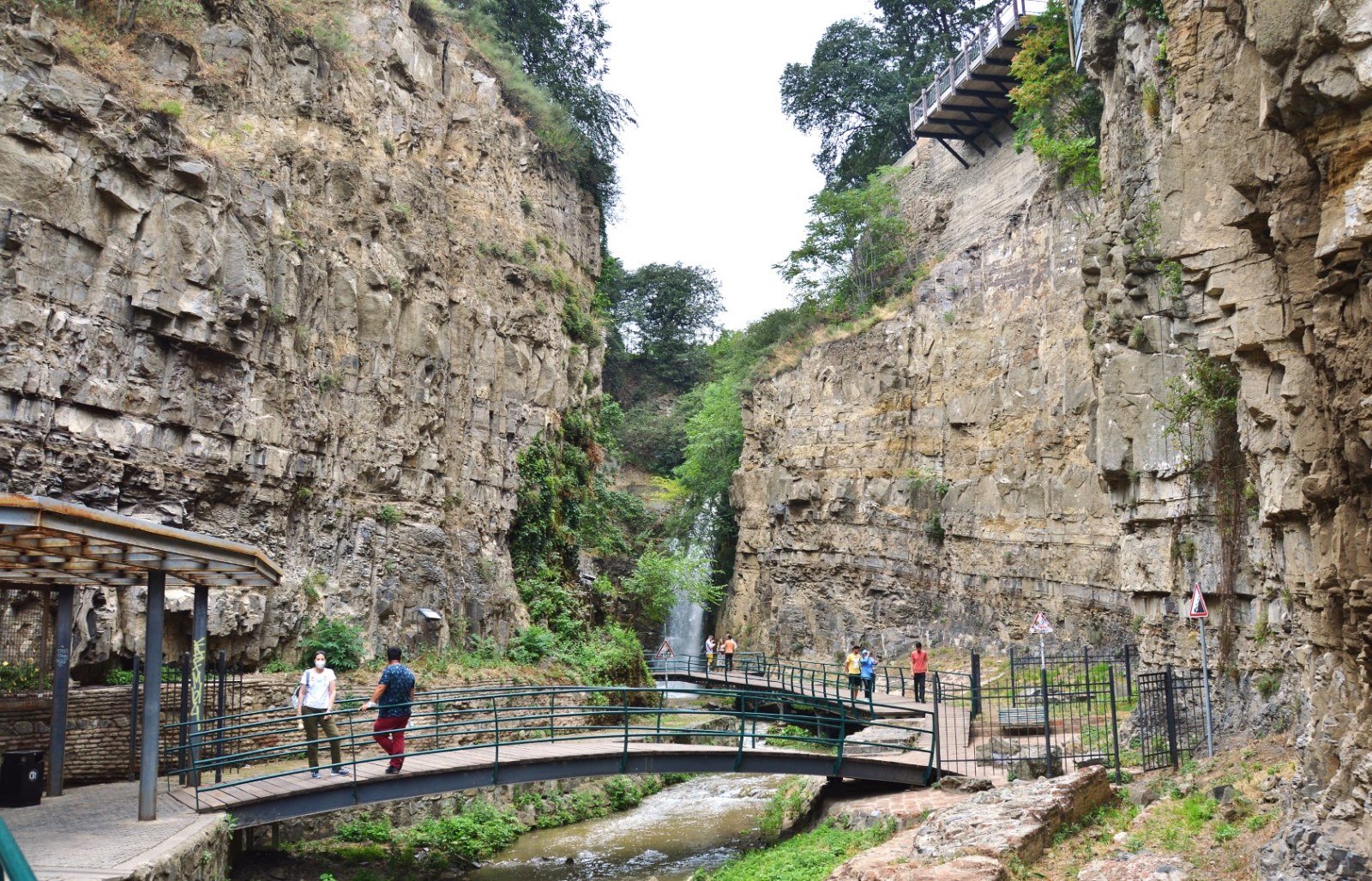
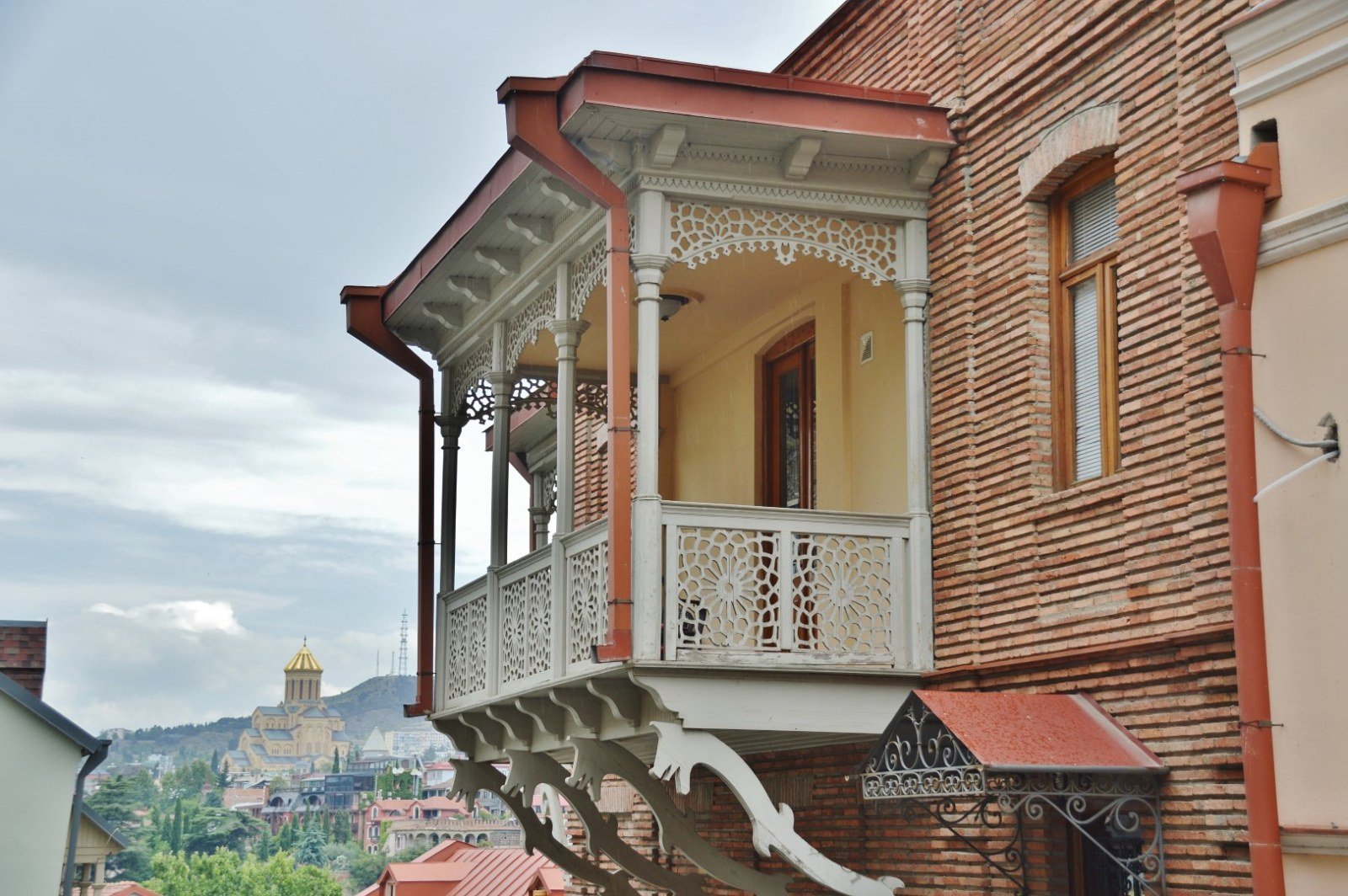
- Old Town of Kala The sloping streets with carved wooden balconies, the Anchiskhati Basilica — the oldest in the city, 6th century — and the Leghvtakhevi Canyon with its hidden waterfall at the end of Botanical Street.
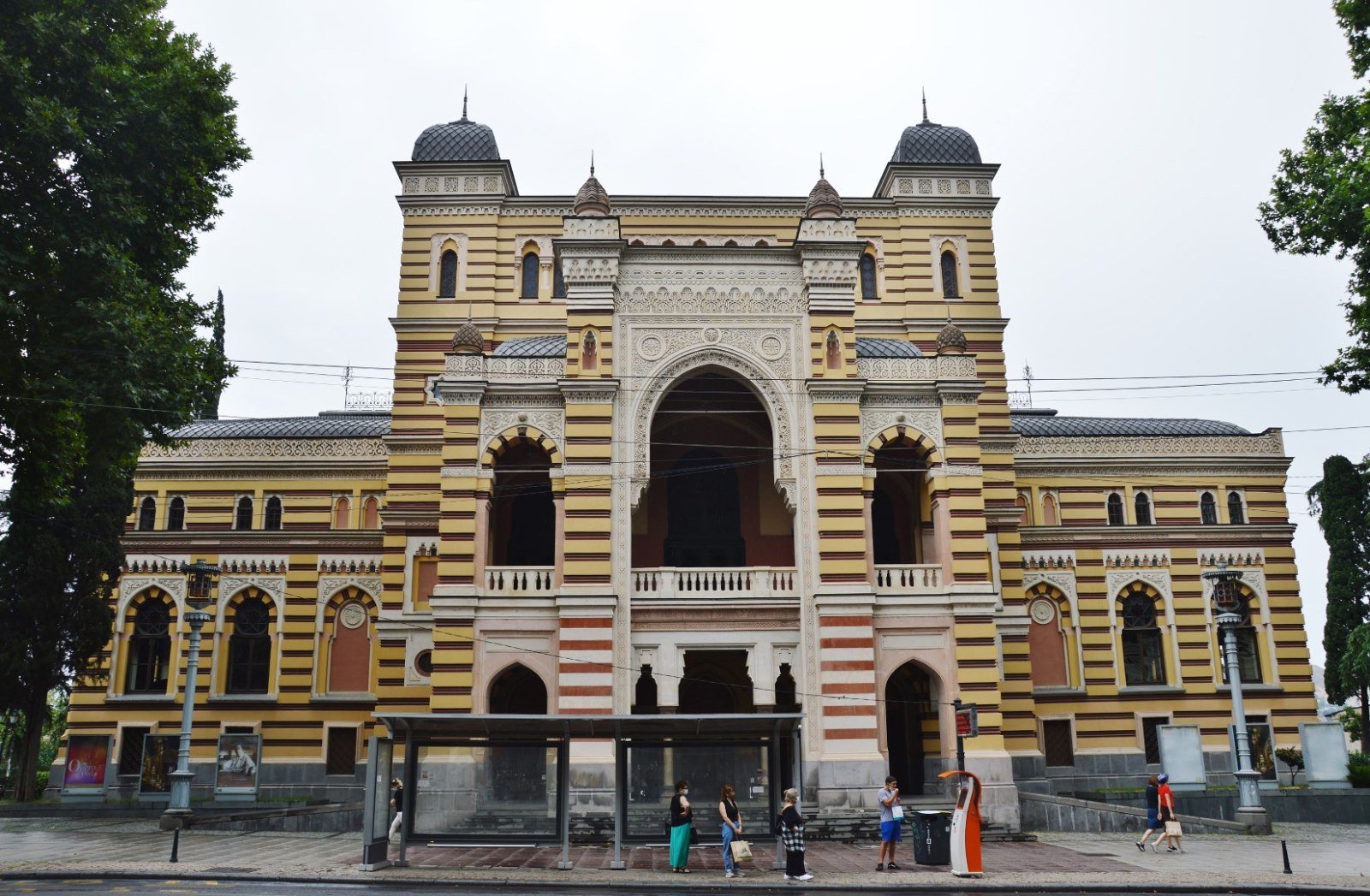
- Rustaveli Avenue The backbone of 19th-century Tbilisi: the Opera and Ballet Theatre, the Rustaveli Theatre, the National Gallery and the Parliament of Georgia form a succession of eclectic facades with wide terraces.
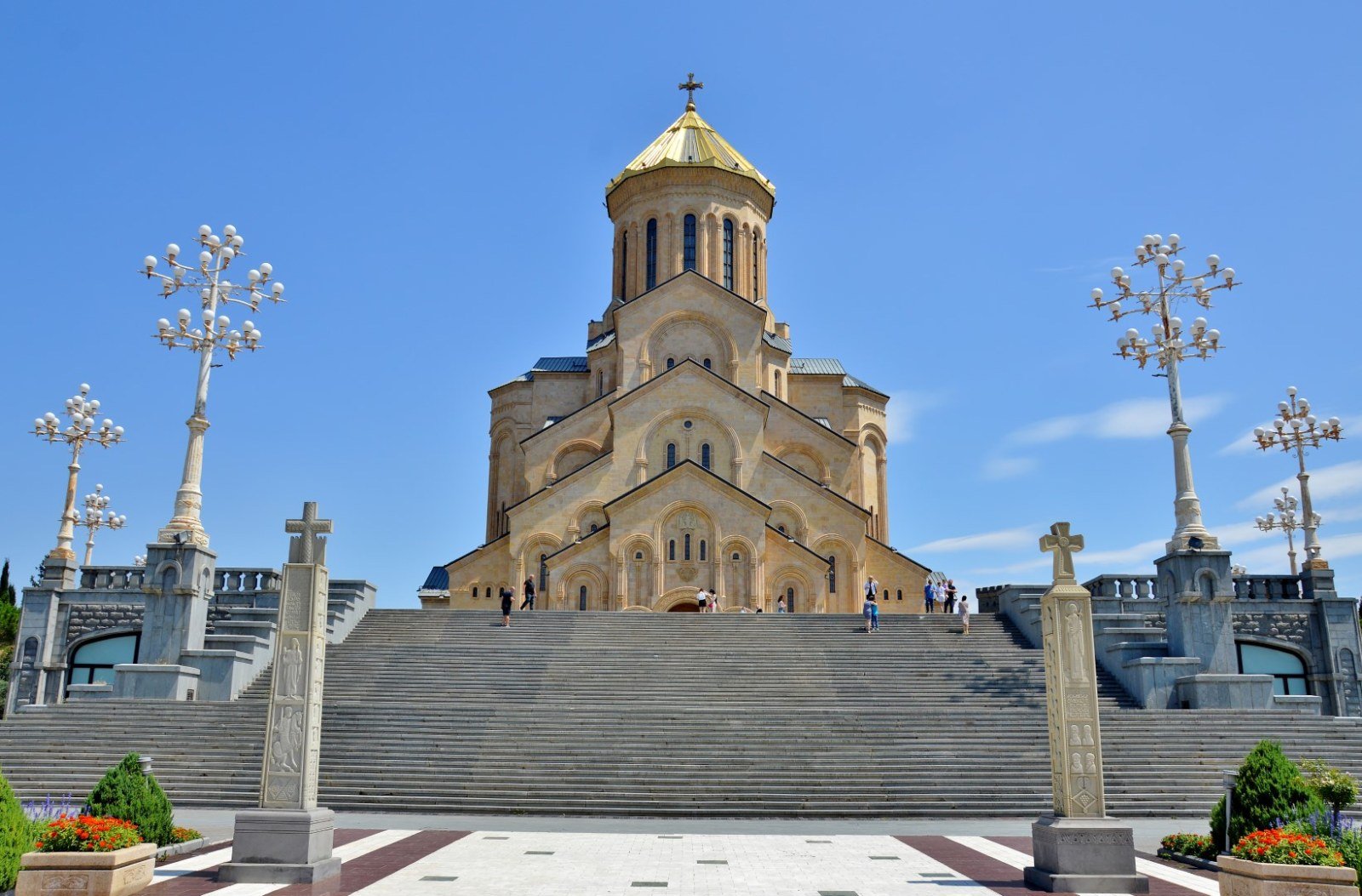
- Holy Trinity Cathedral (Sameba) The largest Orthodox cathedral in Georgia, completed in 2004, dominating the horizon from Elia Hill. Entry is free; best visited on weekdays to avoid crowds.
- Dry Bridge Market Tables with Soviet medals, Georgian pottery, carpets, second-hand books and the occasional unexpected piece of jewellery. It runs especially at weekends from early morning.
Photo gallery
How to get there
Shota Rustaveli Airport is 17 km east of the centre. Bus 337 reaches Avlabari in about 50 minutes for 1 lari (requires a Metromoney card, rechargeable at ticket booths). A Bolt to the old town costs between 20 and 30 lari. The Tbilisi metro has two lines and covers the main neighbourhoods for 1 lari per trip. From Didube and Ortachala stations, marshrutkas depart for Mtskheta, Kazbegi, Batumi, Kutaisi and Telavi.
Best time to visit
From mid-May to late June the hills are still green and terraces are open without overcrowding, with temperatures of 20 to 28 degrees. September and October bring golden light and highs of 18 to 25 degrees, ideal for exploring the old town of Kala on foot. July and August are hot — up to 35 °C — and the centre fills with visitors. Winter drops to zero and rain is frequent, but the Abanotubani sulphur baths come fully into their own and accommodation prices drop noticeably.
More information
Photo: Iberogeorgia · Propietario