
Stepanavan
Ստեփանավան
Northern Armenian city among beech forests, with the country's largest dendropark and the basalt gorge of the Dzoraghet river.
Location in the Caucasus
Description
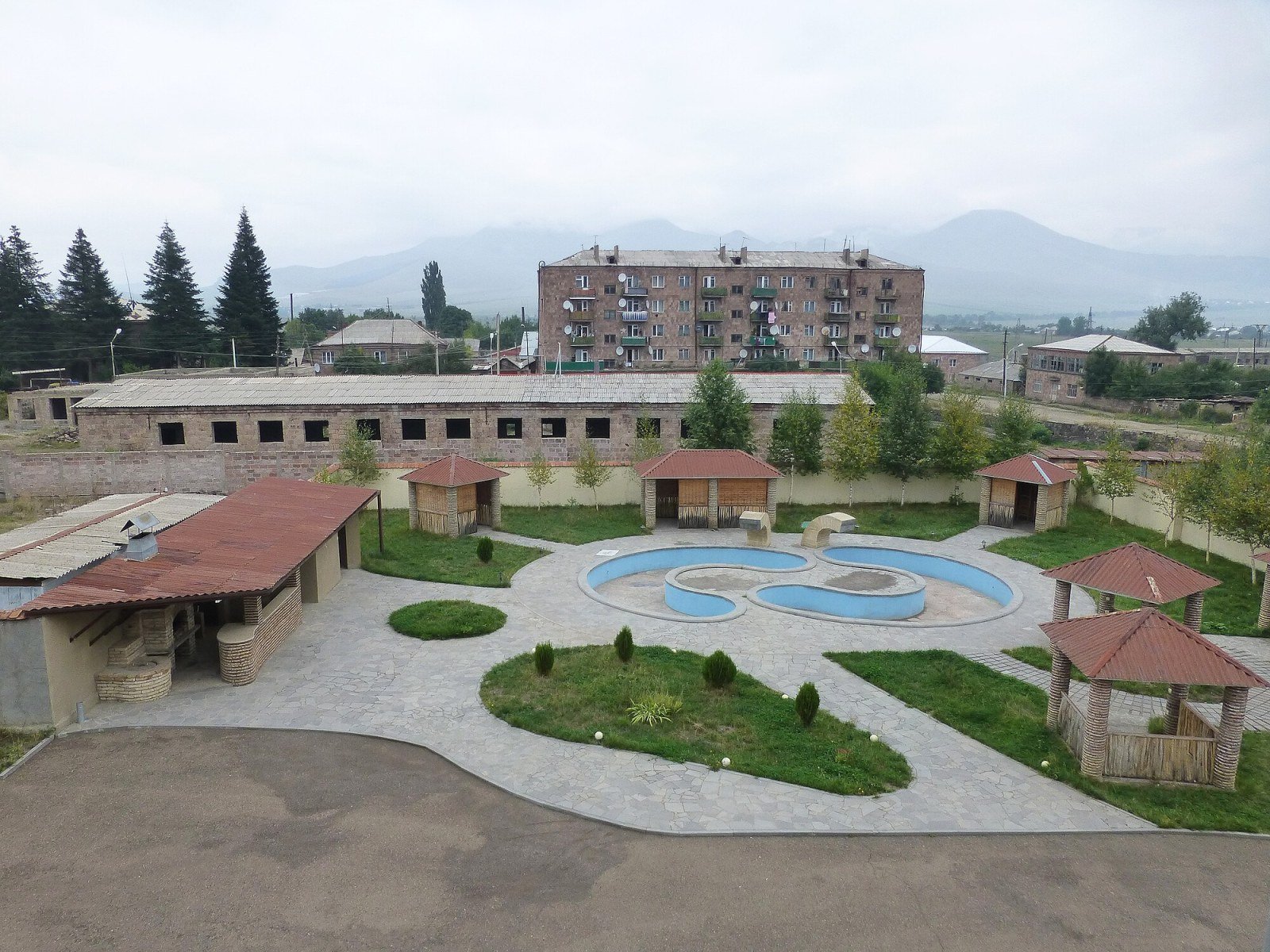
Stepanavan is not a destination of grand monuments. It is a provincial town with tree-lined streets, Soviet residential blocks mixed with older wooden houses and a central market that comes to life on Saturday mornings. What makes it interesting for travellers is its position: at the confluence of several forested gorges in northern Armenia, at about 1,400 metres altitude — high enough for the summer to be genuinely cool.
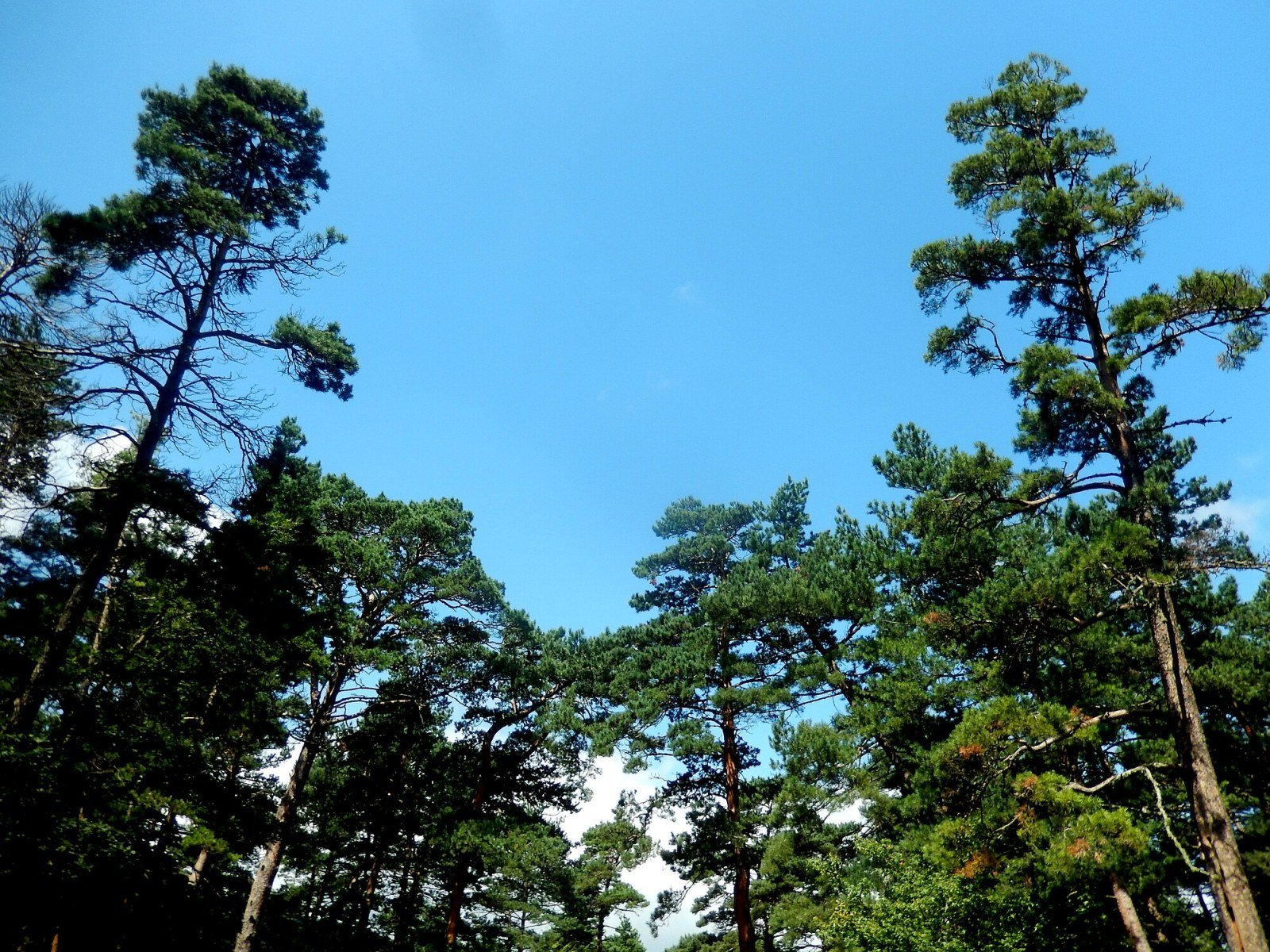
The Stepanavan Dendropark, founded in the 1930s, covers an entire hillside next to the town. It has more than nine hundred species of trees and shrubs from every continent, the paths are well signposted and you can easily spend two hours walking through its different sections in the silence of pines and cedars. Admission is around 500 Armenian drams (just over one euro). It is the largest dendrological park in Armenia and is maintained with remarkable care for a public space.
The Dzoraghet river gorge, a few kilometres to the south, offers walking routes between walls of black basalt and beech forests with waterfalls visible during the snowmelt season. The air smells of damp earth and resin. The absence of mass tourism is part of the appeal: there are no queues or street vendors here, only the sound of water and, occasionally, a shepherd with a flock.
History
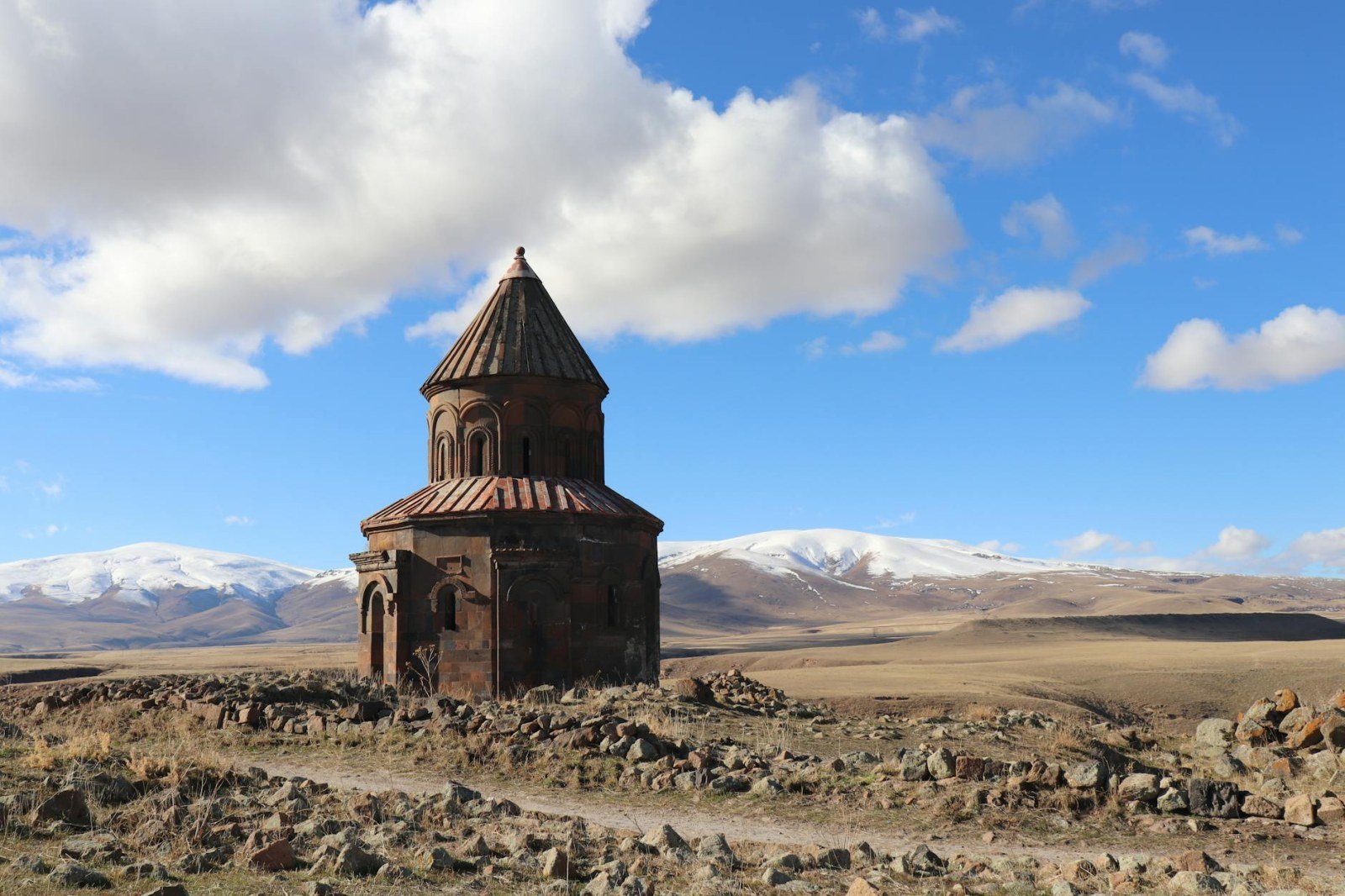
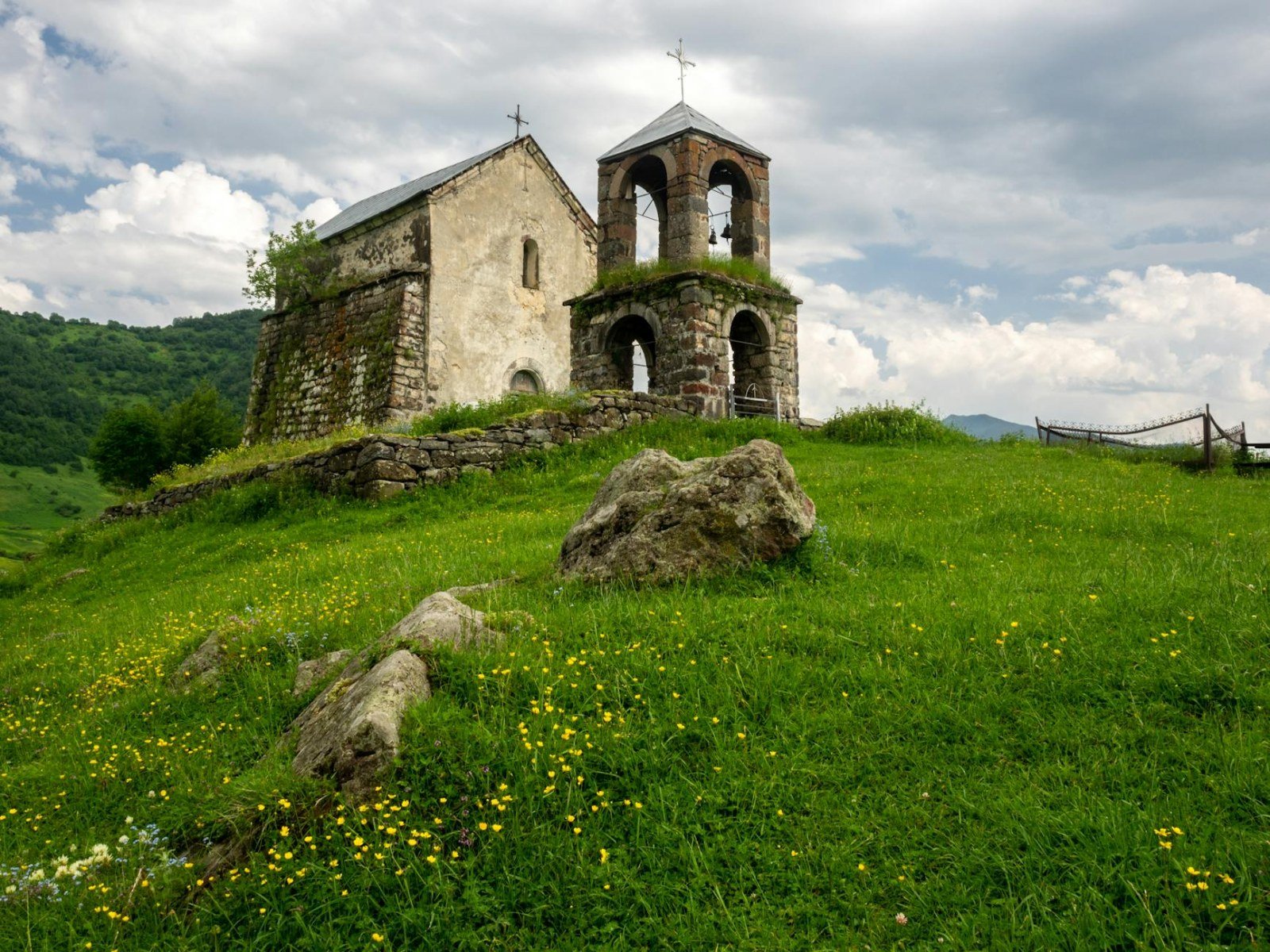
Stepanavan is named after Stepan Shahumian, an Armenian Bolshevik revolutionary executed in 1918. During the Soviet era it was a modest industrial centre specialising in timber processing, making use of the dense forests of the Lori region. What few visitors know is that before Sovietisation the area was home to villages of German settlers who came to the Caucasus in the 19th century at the tsar's invitation; some Germanic-style buildings still survive in nearby villages like Lermontovo and Fioletovo. The Lori region in general has a rich medieval history, with fortresses and monasteries scattered through the gorges dating from the 10th and 11th centuries.
What to see & do
- Stepanavan Dendropark The largest dendrological park in Armenia, with over nine hundred tree species from every continent on a well-maintained hillside with signposted paths. Approximate admission: 500 drams (≈ €1). Open daily during daylight hours.
- Dzoraghet Gorge Stretches of the Dzoraghet river between walls of black basalt with several access points for hiking trails of varying difficulty. The waterfalls are most impressive between April and June, during snowmelt.
- Lori Berd Fortress Ruins of a 10th–11th century medieval fortress on a rocky spur about 6 km from town. Reached on foot via a trail from the village of Lori; access is free and the gorge views from the walls are worth the walk.
- German Settler Villages — Lermontovo and Fioletovo A few kilometres from Stepanavan, these villages retain 19th-century European-style architecture and communities of descendants of Svábenler settlers (the local name for the German colonists). The contrast with the surrounding Armenian architecture is striking.
- Stepanavan Central Market Saturday mornings are the best time to see local life: fruit, garden vegetables, local honey and home-made preserves. Low prices and an authentic atmosphere.
Photo gallery
How to get there
Stepanavan lies on the main road connecting Yerevan with Vanadzor and Gyumri. Marshrutkas depart from the central station in Yerevan; the journey takes about two and a half hours. There is also frequent service to Vanadzor (45 minutes), the transport hub of the Lori region. There is no direct train from Yerevan. From Tbilisi it is possible to arrive by marshrutka via the Alaverdi route crossing the Bavra border, though the service is not daily.
Best time to visit
The best season runs from May to October. Stepanavan has cool summers thanks to its 1,400-metre altitude: in July and August temperatures rarely exceed 25 °C. The forests turn green from May; in autumn the reddish hues of the beeches in the Dzoraghet gorge are remarkable. Winter is cold with frequent snow; the gorges can be difficult or completely impassable from December to March.
More information
Photo: Ji-Elle · CC BY-SA 3.0