
Shikahogh State Reserve
Շիկահողի արգելոց
A relict humid forest in southern Armenia, refuge of the Caucasian leopard and century-old beeches near the border with Iran.
Location in the Caucasus
Description
The Shikahogh State Reserve spreads across the deep valleys and forested slopes of the southern part of Syunik province, just a few kilometres from the Iranian border. The most common access point starts from Kapan, the regional capital, from where an unpaved dirt track follows the Shikahogh River for kilometres before entering the forest. The smell changes the moment you step inside: damp earth, resin and decomposing leaves, an atmosphere that feels more like northwestern Europe than the arid Caucasus visible from the road.
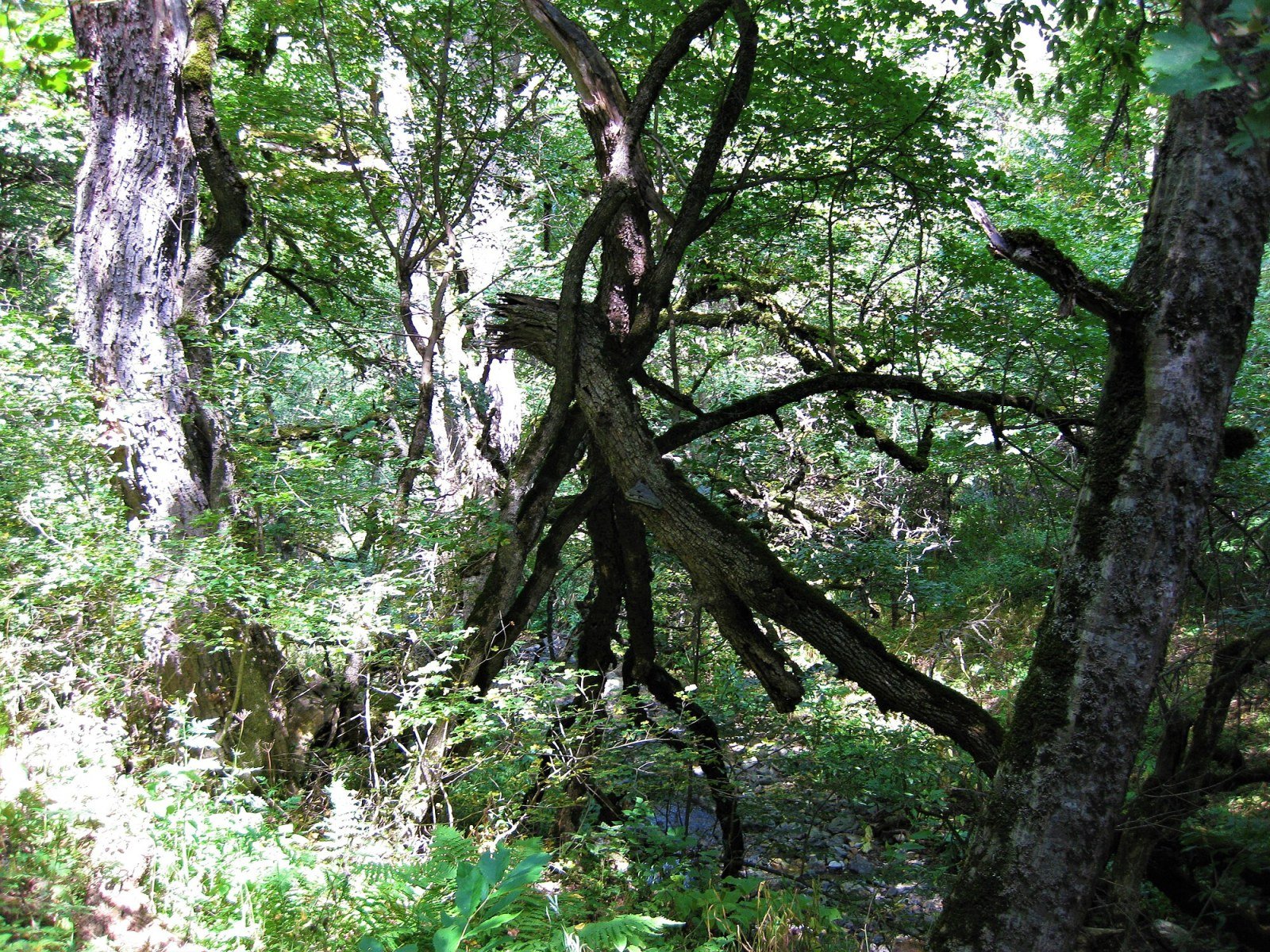
Vegetation varies with altitude: dense oak forests at lower elevations, with undergrowth so thick that barely any light filters through, and beech woods with broad trunks and silvery bark higher up. Ferns and moss cover the ground; fallen trees are left where they lie, giving the forest that texture of an unmanaged place that is rare today. The Shikahogh River runs strongly in spring and the sound of water over rocks is constant along the most-travelled routes.
There is no tourist infrastructure inside the reserve: marked trails are scarce and most routes follow unpaved forest tracks. The large fauna — Caucasian leopard, brown bear, lynx — exists but is rarely seen; what appears more frequently are wild boar, deer and a notable variety of raptors soaring above the clearings. Entry to certain zones requires a prior permit from the administrative office in Kapan.
History
The Shikahogh State Reserve was declared a state reserve in 1958 during the Soviet era, with the aim of protecting the remnants of the Hyrcanian forest, a relict ecosystem that has existed almost continuously since the Tertiary and survives today in isolated strips along the southern Caucasus and northern Iran. The Soviet policy of strict reserves — with no timber extraction or organised tourism — proved effective in preserving its condition. After Armenian independence in 1991, the protected area was extended on several occasions. Today the Shikahogh State Reserve forms part of the Southern Caucasus biodiversity corridor recognised by the WWF as a priority conservation zone.
What to see & do
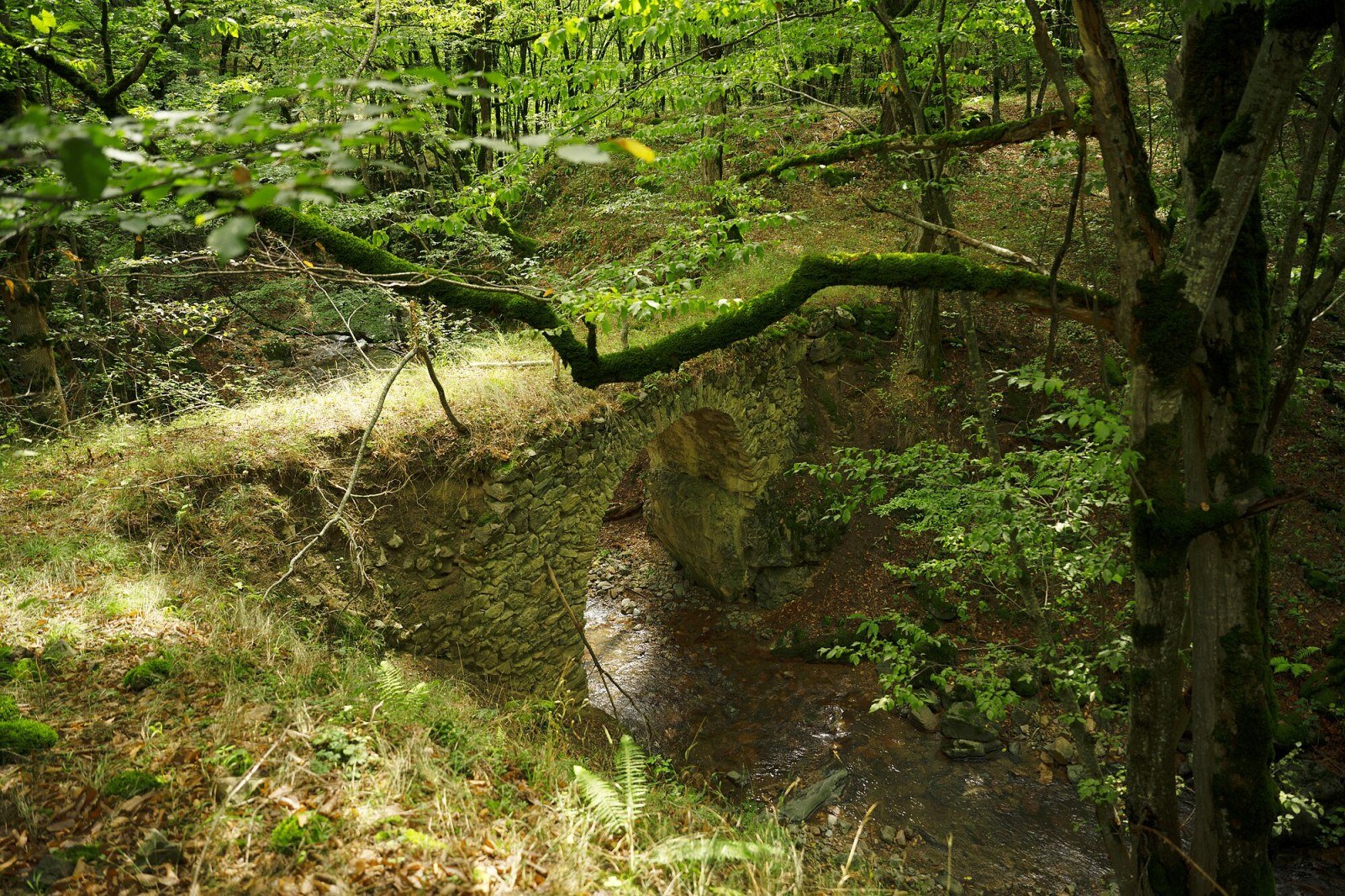
- Shikahogh River valley The path that follows the course of the Shikahogh River is the most accessible and gives the best view of the riparian forest: alders and ash trees leaning over the water, moss-covered rocks and the constant sound of the current. Pleasant even in summer, when the forest stays cool.
- High-altitude beech woods Above 1,400 metres, beeches with broad trunks and hanging lichens appear. In October the yellow foliage contrasts with the permanent green of scattered conifers; in May the newly-sprouted green is almost fluorescent in the filtered light.
- Birdwatching The Shikahogh State Reserve is home to eastern imperial eagles, griffon vultures and several woodpecker species that are heard drumming before they are seen. Forest clearings are the best observation points at dawn.
- Tracks of large fauna The reserve wardens know the spots where Caucasian leopard or brown bear tracks are most likely to be found. Direct encounters are exceptional, but paw prints in the mud or claw marks on bark are relatively common if you know where to look.
- Unmanaged relict forest The hardest attraction to photograph but the most lasting: fallen trees rotting on the ground, clearings forming on their own, total absence of commercial signage. For botany enthusiasts, the diversity of fungi and ferns in autumn justifies the detour from Kapan.
Photo gallery
How to get there
The logistics base is Kapan, capital of Syunik, between 30 and 40 km from the reserve depending on the entry zone. Daily buses leave from Yerevan to Kapan, taking approximately 5 to 6 hours. A four-wheel-drive vehicle is essential to access the interior of the reserve; there is no public transport to the entrance. Access permits are arranged at the reserve administration office in Kapan, where it is worth confirming road conditions before setting off.
Best time to visit
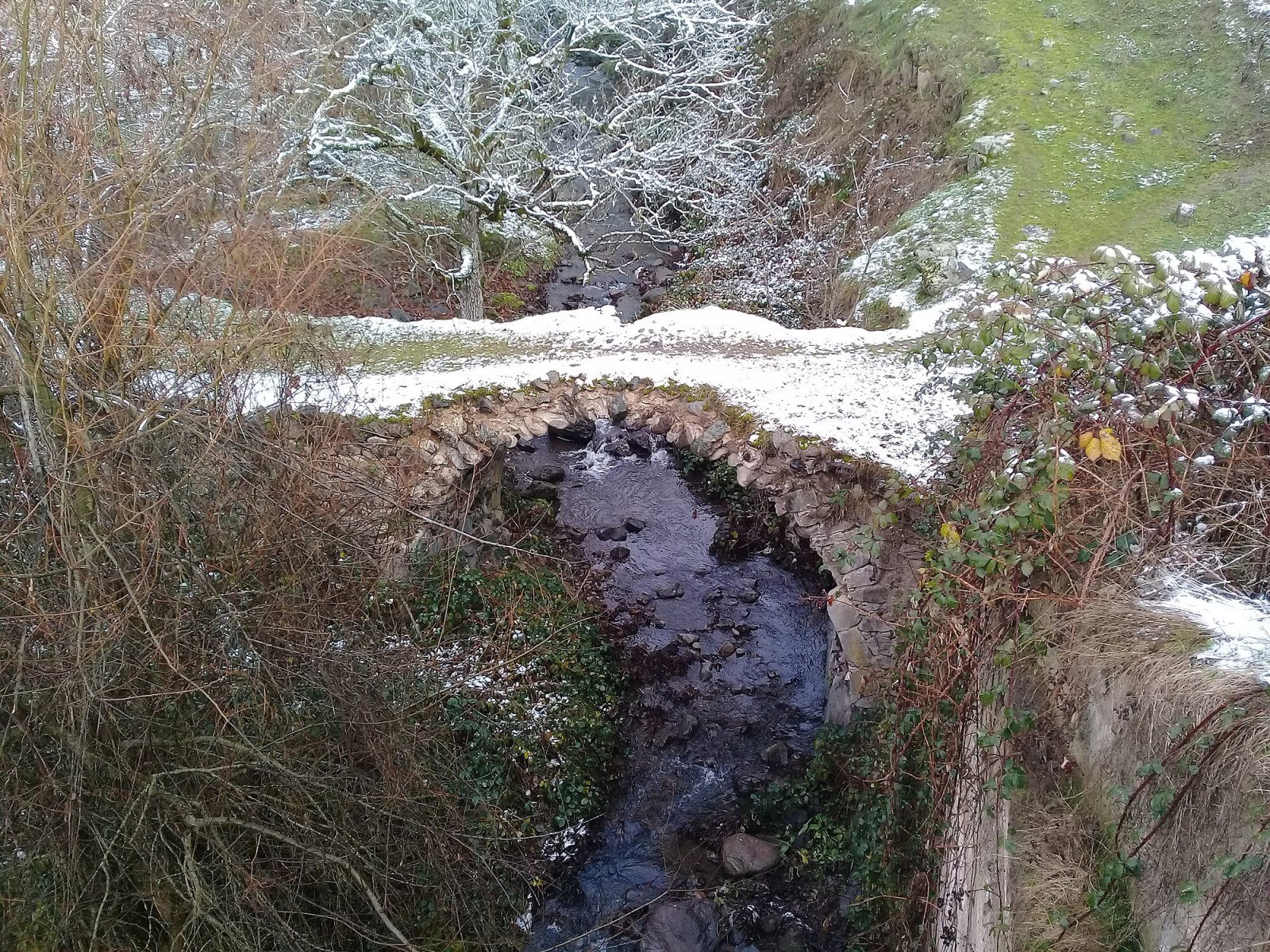
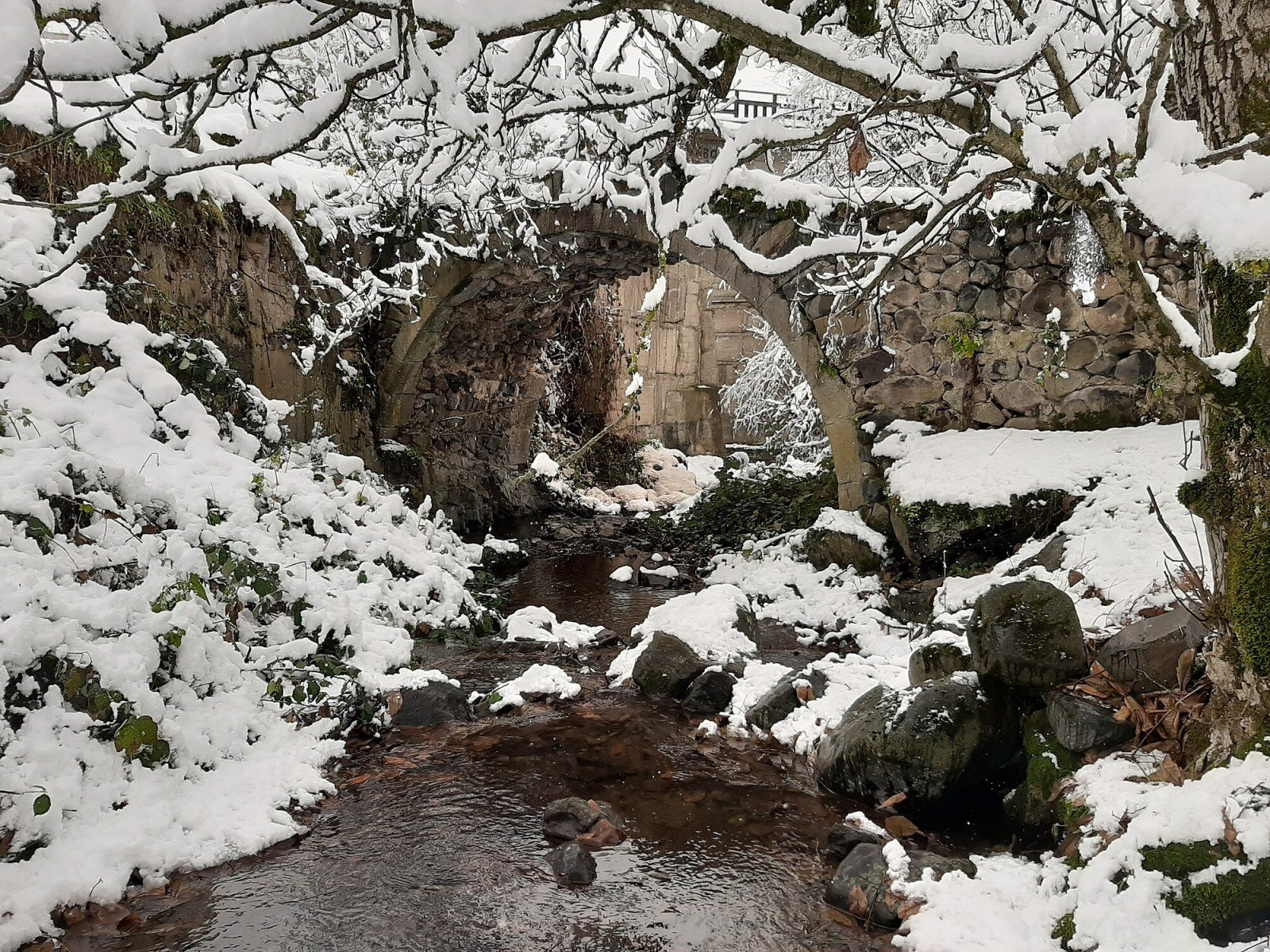
The best months are May–June and September–October. In May the forest is in full swing, rivers run high and fresh vegetation covers the ground; in autumn the foliage colours in the Shikahogh beechwoodsleaf make the muddy tracks worthwhile. July and August are hot in the valley, though cool at altitude. In winter snow can cut off access for weeks. Heavy spring rains make some dirt tracks impassable; it is worth calling the administration in Kapan beforehand.
More information
Photo: K3stalker · CC BY-SA 4.0