
Lake Sevan
Սևանա լիճ
The largest lake in Armenia, at 1,900 m altitude, with the medieval Sevanavank monastery and endemic trout on its shores.
Location in the Caucasus
Description
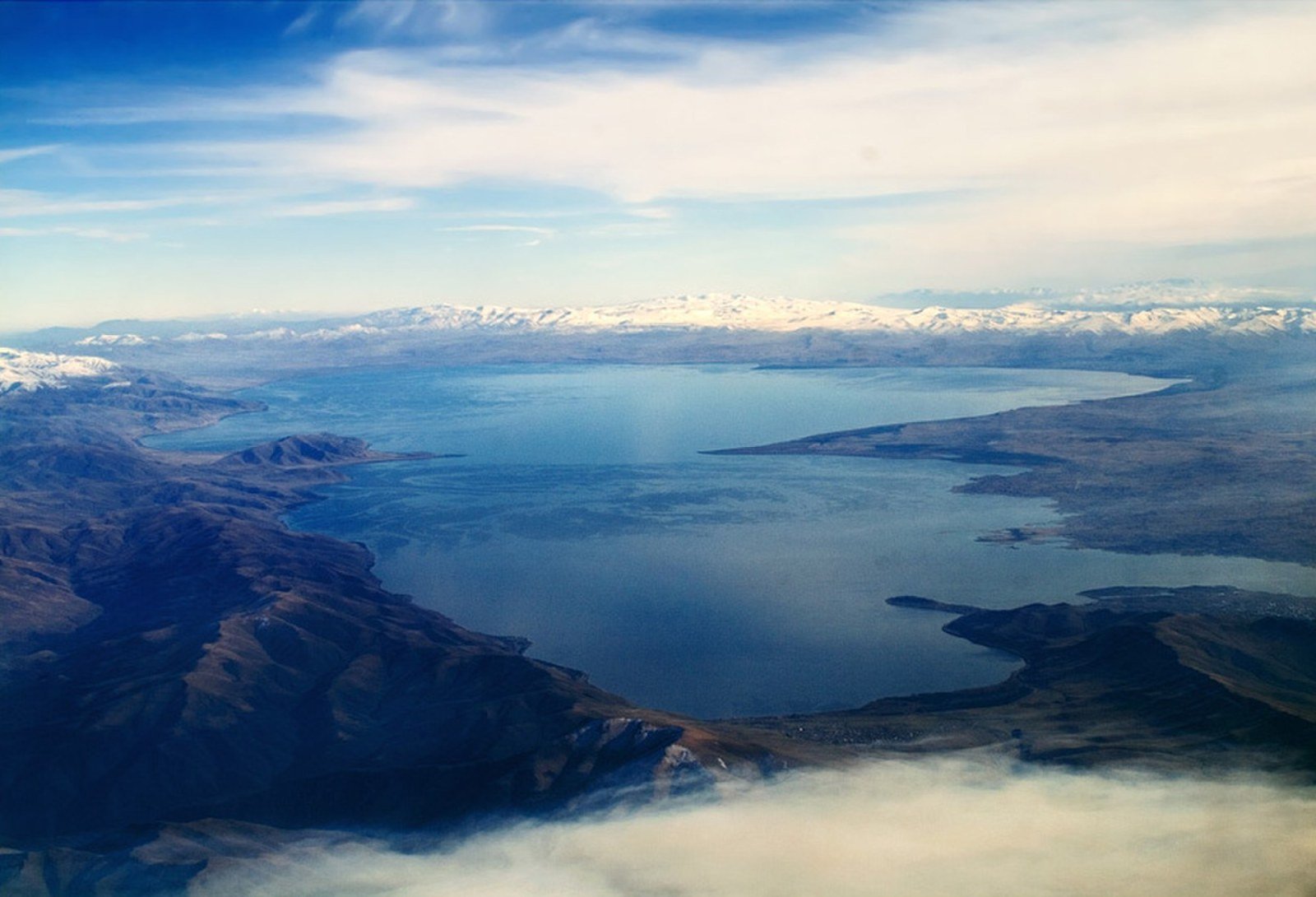
Lake Sevan occupies a volcanic basin in the heart of Armenia at nearly 1,900 metres above sea level. From the M4 highway connecting Yerevan to the east of the country, the water appears suddenly between dry hills: a dense, almost mineral blue that contrasts with the ochre of the surrounding landscape. In summer, Armenians from the capital caravan up to the pebble beaches of the north; August weekends smell of khorovats for kilometres before you arrive, and music pours out of every open shack by the water.
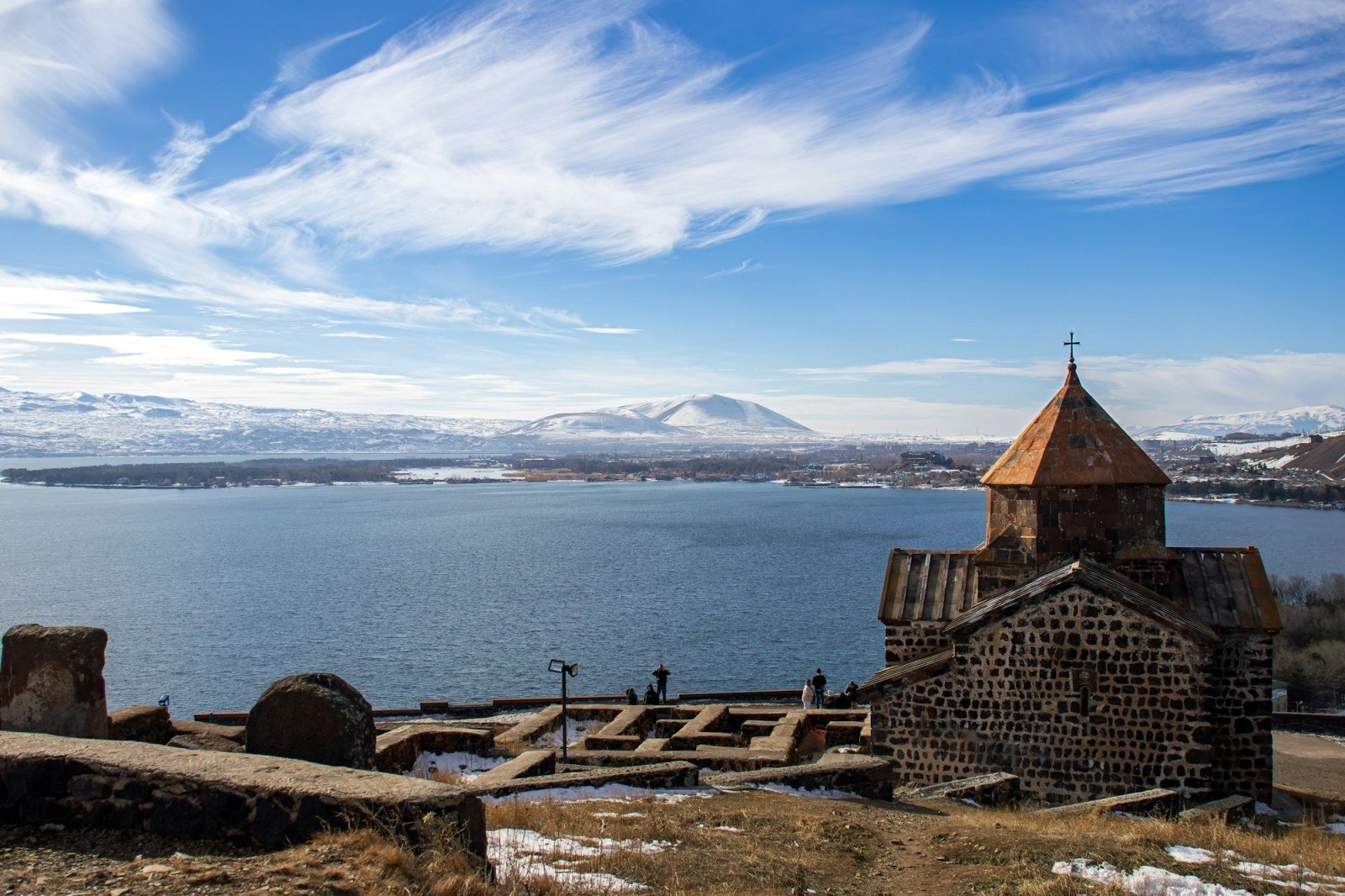
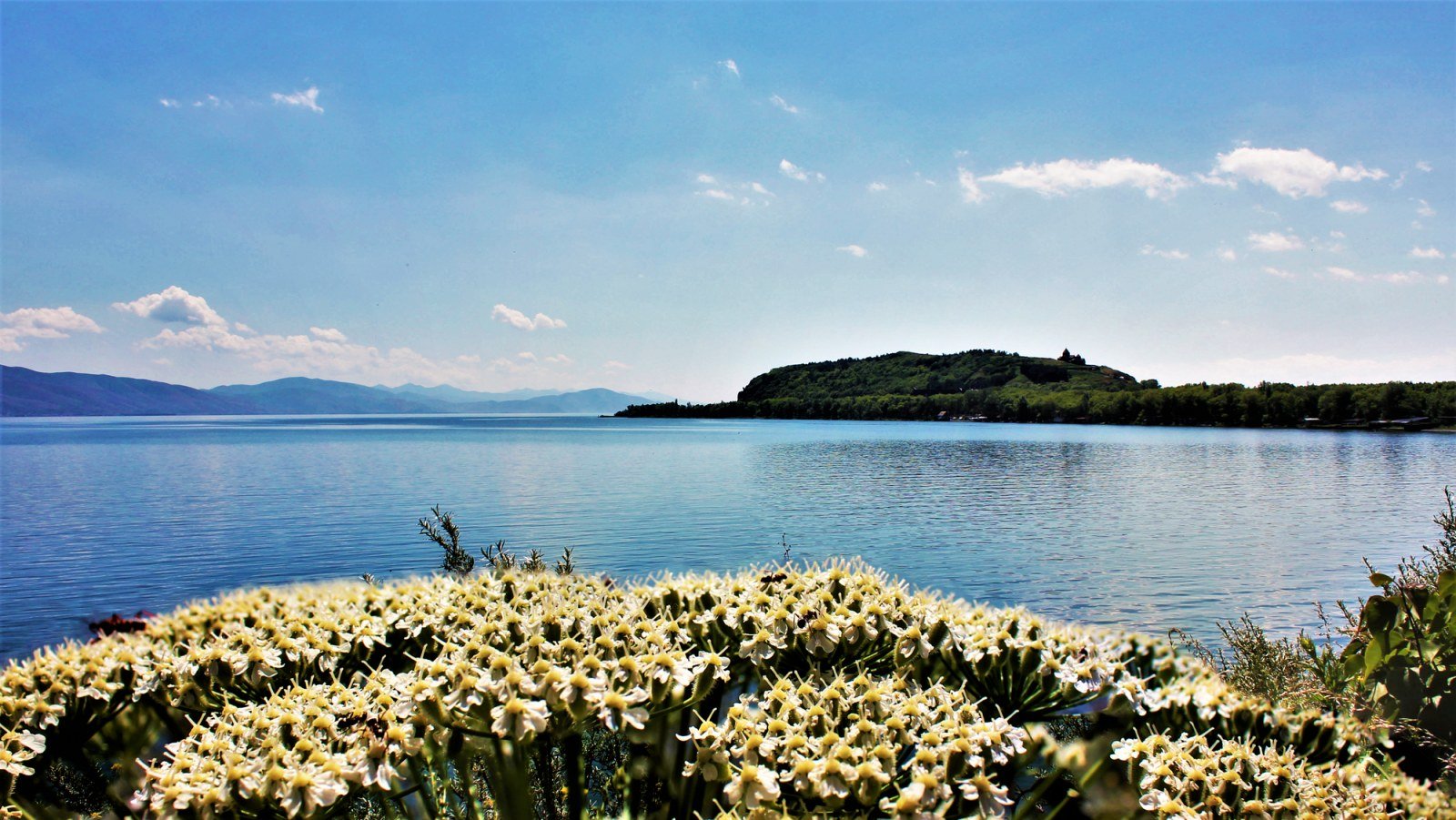
The northeastern tip of Lake Sevan holds what was once an island and is today a peninsula, the result of the water level dropping during the Soviet era. On it stand the two churches of Sevanavank monastery, built in the 9th century. The climb is about two hundred steps from the car park; at the top, the wind is constant and the water is visible in almost every direction. The souvenir sellers are on the path, not at the summit.
At the restaurants on the northern shore, near Sevan town, the dish on every menu is ishkhan, the lake's endemic trout. Its price — not especially low — reflects years of overfishing and the current restocking efforts. Khorovats and the more plentiful Sevan crayfish round out a meal beside the water that is hard to beat anywhere else in Armenia.
History
The shores of Lake Sevan were inhabited since the Neolithic, and the lake held strategic importance during the kingdoms of Urartu and Armenia. Sevanavank monastery was founded in the 9th century by Princess Mariam, daughter of King Ashot I, on what was then an island completely surrounded by water, making it easy to defend and difficult to attack. During the Soviet era the lake level dropped nearly 18 metres due to massive extractions for agricultural irrigation and electricity production. Since the 1990s hydrological recovery measures have been applied with partial results; the ecological impact remains visible in water quality near the most frequented shores.
What to see & do
- Sevanavank Monastery The two 9th-century churches on the former island — now peninsula — of Lake Sevan. The climb is about 200 steps; from the top water surrounds the horizon in almost every direction. The wind at the summit is real even in July.
- Northern beaches (Sevan, Tsapatagh) Pebble beaches with cold water that rarely exceeds 18 °C in summer. In August they are busy and noisy; in June or September they offer more quiet and the same light.
- Hayravank Monastery 9th-century complex on the southwest shore of Lake Sevan, less visited than Sevanavank and with no vendors on the path. The surrounding landscape is more open and tranquil.
- Noratus khachkar field A few kilometres south of the lake, the largest collection of medieval stone crosses in Armenia. Combines well with a visit to Sevan on the same day.
- Restaurants on the northern shore Establishments by the lake serve grilled ishkhan and khorovats; the most popular ones are near Sevan town. Sevan crayfish are more affordable than the trout and appear on almost every menu.
Photo gallery
How to get there
Lake Sevan is 65 km east of Yerevan along the M4 highway. Frequent marshrutkas depart from Kilikia station in the capital to Sevan town (about 50–60 minutes). From there, Sevanavank monastery is 3 km by foot or taxi. By car from Yerevan it is about 45–55 minutes. Hayravank Monastery requires a private car or a taxi negotiated at the lakeside.
Best time to visit
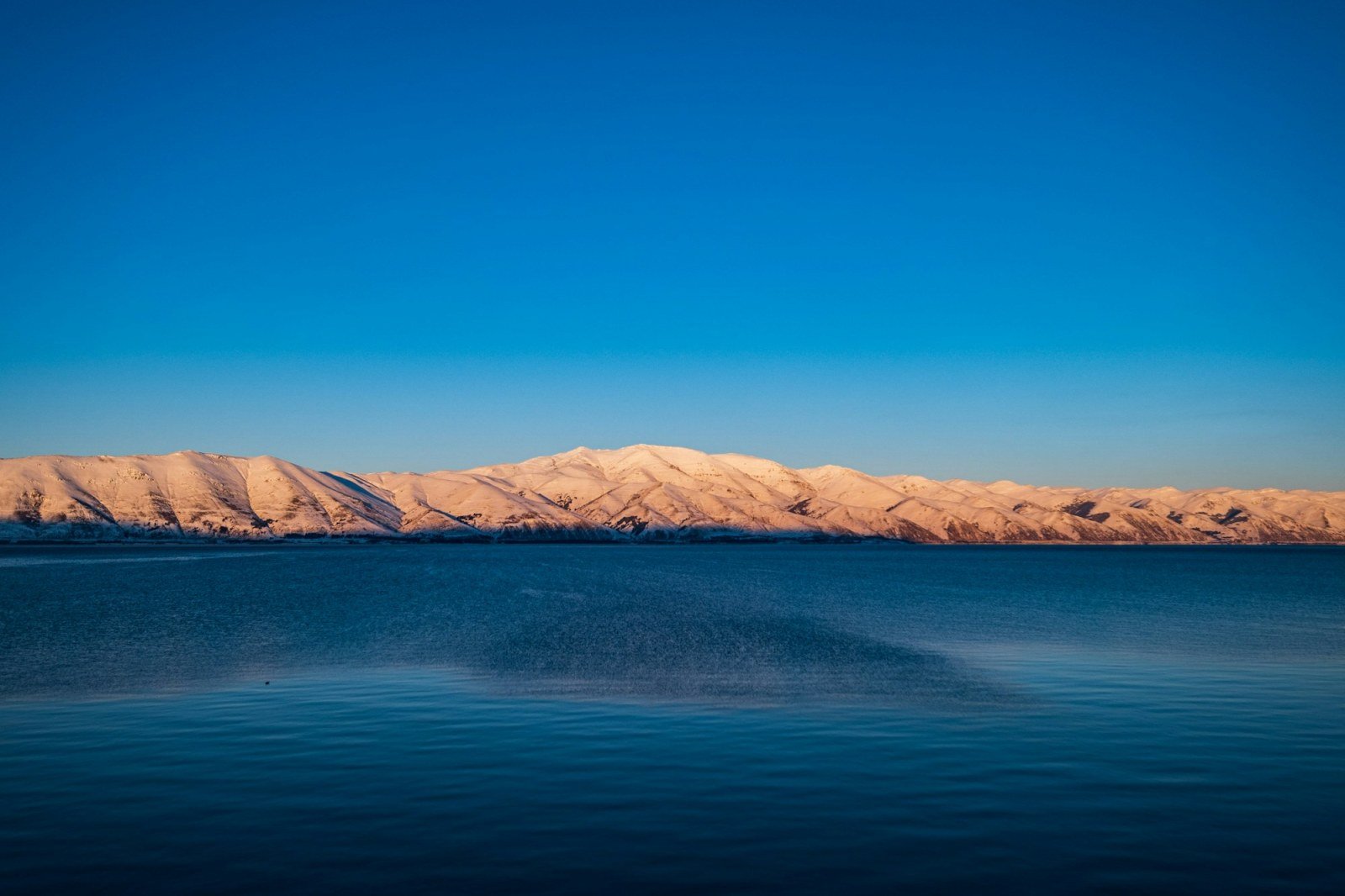
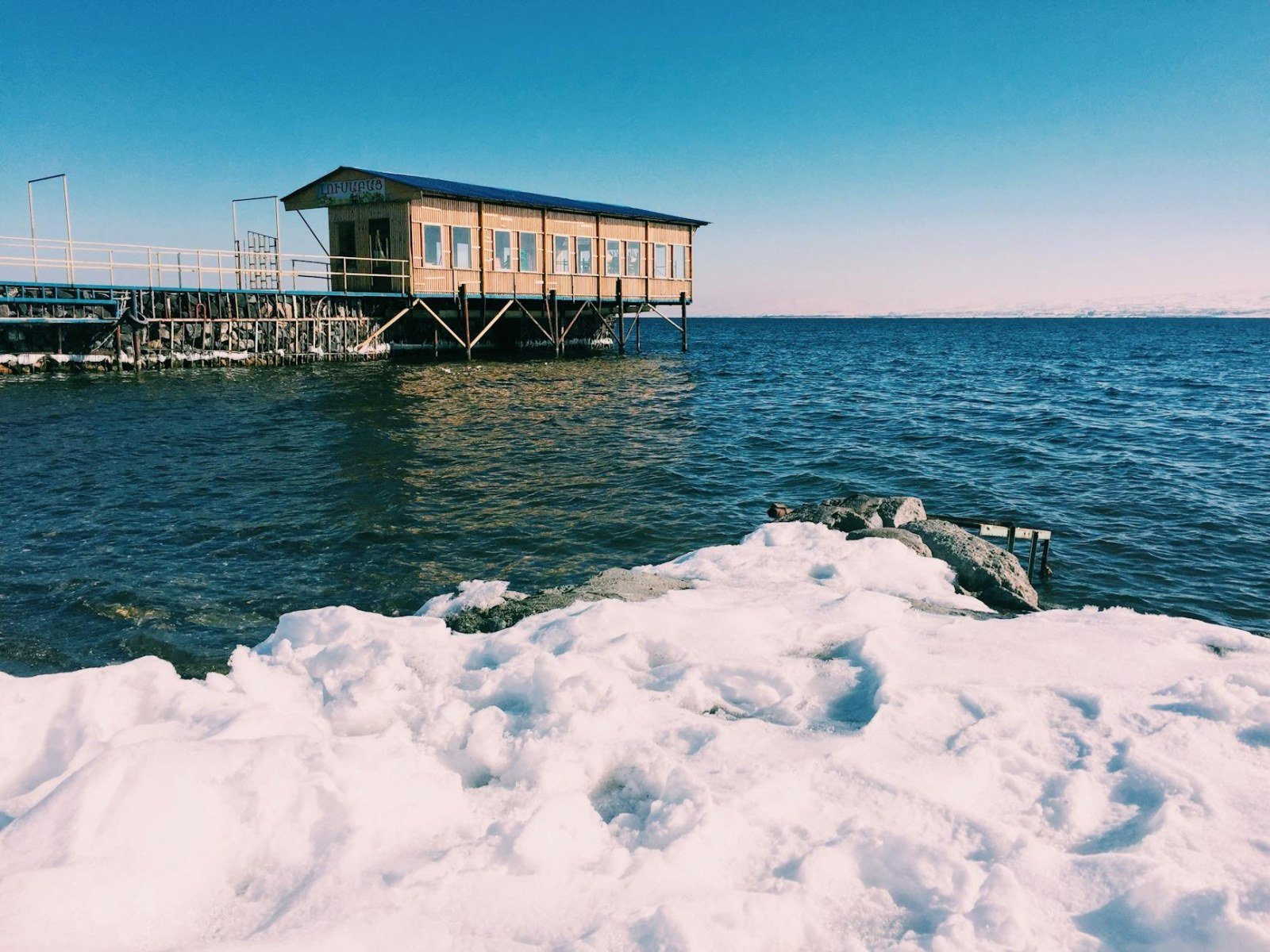
June and September are the best months to visit Lake Sevan: weather is stable, restaurants are open and the road does not get congested. July and August are high season; August weekends see the M4 and the northern beaches overwhelmed. Water temperatures do not exceed 18 °C in summer. In winter the lake can partly freeze and Sevanavank monastery appears snow-covered, with a clean light that is interesting for photography.
More information
Photo: Christian Attard · Unsplash License