
Khosrov Forest State Reserve
Խոսրովի անտառ
One of the oldest protected natural reserves in the world: volcanic gorges, wildlife and almost no tourists south of Yerevan.
Location in the Caucasus
Description
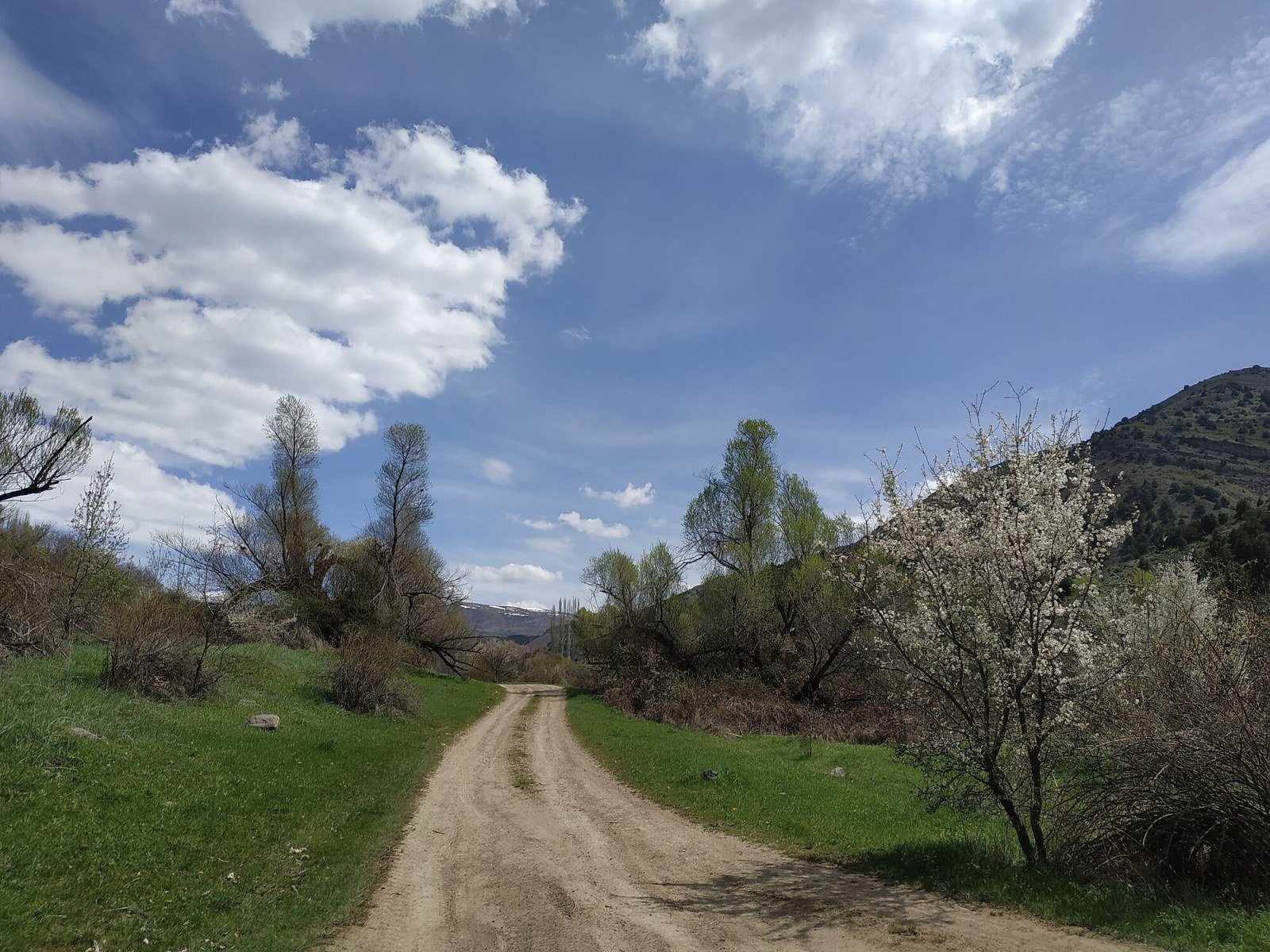
About 60 kilometres south of Yerevan, the road leaves the Ararat plain behind and begins to climb through gorges of ochre-coloured volcanic rock. The Khosrov Forest State Reserve does not look like what you picture when you hear the word forest: there are stretches of dense oak and juniper, but also entire hillsides of dry scrub, streams that only flow in spring and cliffs where griffon vultures nest. The air smells of wild thyme and warm earth when the sun has been beating down for hours.
The reserve covers more than 29,000 hectares in the Ararat region and has very little infrastructure: a few marked trails, a ranger station and sparse signage. That is part of its appeal for those looking for uncompromising nature. The fauna includes Caucasian leopards — extremely rare and almost never spotted —, wild boar, golden jackals and around 1,800 plant species, several of them endemic. Local guides are almost essential for moving through the interior and identifying plants and birds.
The village of Garni sits on the northern edge of the reserve, making it possible to combine a visit to the Garni Temple — the only Hellenistic temple surviving in Armenia — with a hike through the forest on the same day. Bring enough water for several hours, thick-soled hiking boots and do not rely on GPS: many interior paths do not appear on conventional apps.
History
The reserve takes its name from the Sasanian king Khosrow II, who according to medieval Armenian chronicles ordered this territory to be planted and protected in the 4th century as a royal hunting ground. It is one of the oldest documented protected areas in the world. For centuries it was reserved for the nobility; its relative isolation and light agricultural pressure partly explain the botanical richness it retains today. The medieval fortress of Kakavaberd, within the reserve's boundaries, attests to the strategic importance of this territory throughout Armenian history. The USSR declared it a state reserve in 1958, and it has remained one of Armenia's most significant protected natural areas ever since.
What to see & do
- Azat River gorge The Azat River cuts through the reserve between walls of columnar basalt; in spring it runs strong and the sound of the water fills the entire canyon. The riverside path is one of the few accessible without a guide and offers good birdwatching points.
- Kakavaberd fortress Medieval ruins on an almost inaccessible rock at the top of a ridge. Getting there requires about two hours of hiking over dry, stony terrain; the effort is rewarded by the views over the Azat gorges.
- Birdwatching zones The gorges of Khosrov Reserve are a good place to see griffon vultures, Bonelli's eagles and, with some luck, the black vulture. Dawn concentrates the most activity; binoculars make a real difference.
- Steppe and subalpine flora In May and June the ground is covered with anemones, wild orchids and species endemic to the Caucasus that the reserve rangers can identify on the trail. The contrast between the arid landscape and the bursts of colour is one of the most striking elements of the visit.
- Historic springs Several cold-water springs emerge from the middle of arid hillsides. Some have small stone structures built over the centuries; they are good rest and refuelling points on longer hikes.
Photo gallery

How to get there
The main access is from Garni, about 28 km east of Yerevan. From the capital, frequent marshrutkas run to Garni from Gorsanayin metro station (around 300 drams). From Garni you can enter the edge of the reserve on foot. For interior zones it is worth hiring a local guide in Garni or from Yerevan; several operators offer full-day hiking with transport for around 20–35 USD per person.
Best time to visit
May and June are the most recommended months: the vegetation is green, wildflowers are at their best and temperatures in the gorges hover around 18–25 degrees. In summer the dry heat exceeds 35 degrees and you need to set out before eight in the morning. September and October offer mild days and low humidity. In winter some areas are covered with snow and access to interior trails may be cut off.
More information
Photo: Wikimedia Commons · CC BY-SA