
Mtskheta
მცხეთა
Ancient capital of Georgia 20 km from Tbilisi: Sveti Tskhoveli Cathedral, Jvari Monastery and the confluence of the Mtkvari and Aragvi rivers, UNESCO World Heritage.
Location in the Caucasus
Description
Mtskheta is twenty kilometres from Tbilisi along the M27 highway, but the shift in scale is immediate: stone streets, low houses and the smell of freshly made churchkhela at stalls along the main road. The town sits at the confluence of the Mtkvari river — also known as the Kura — and the Aragvi river, and that geographical position explains almost everything: it was a crossroads of routes for centuries before becoming the first Christian capital of Georgia.
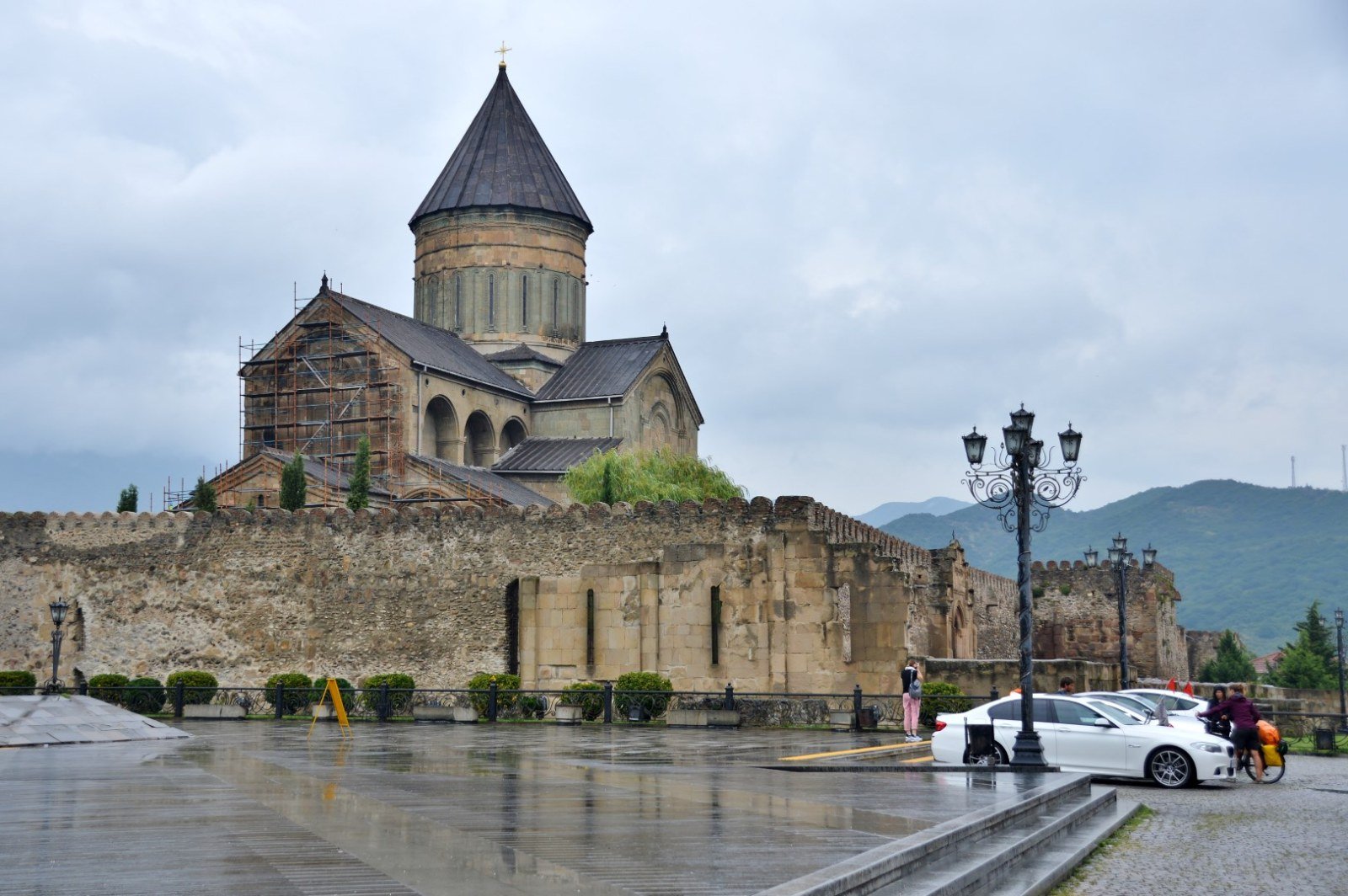
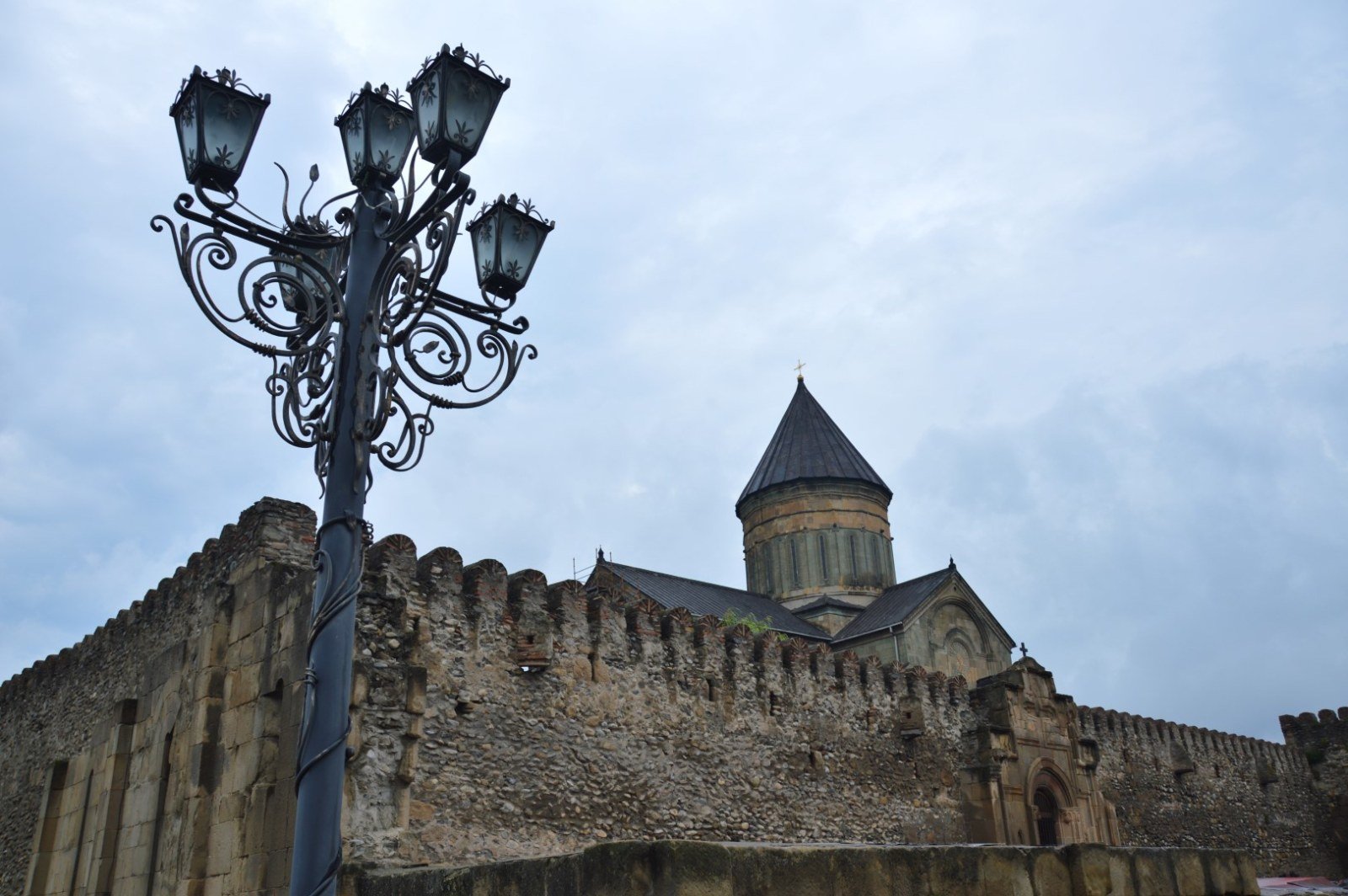
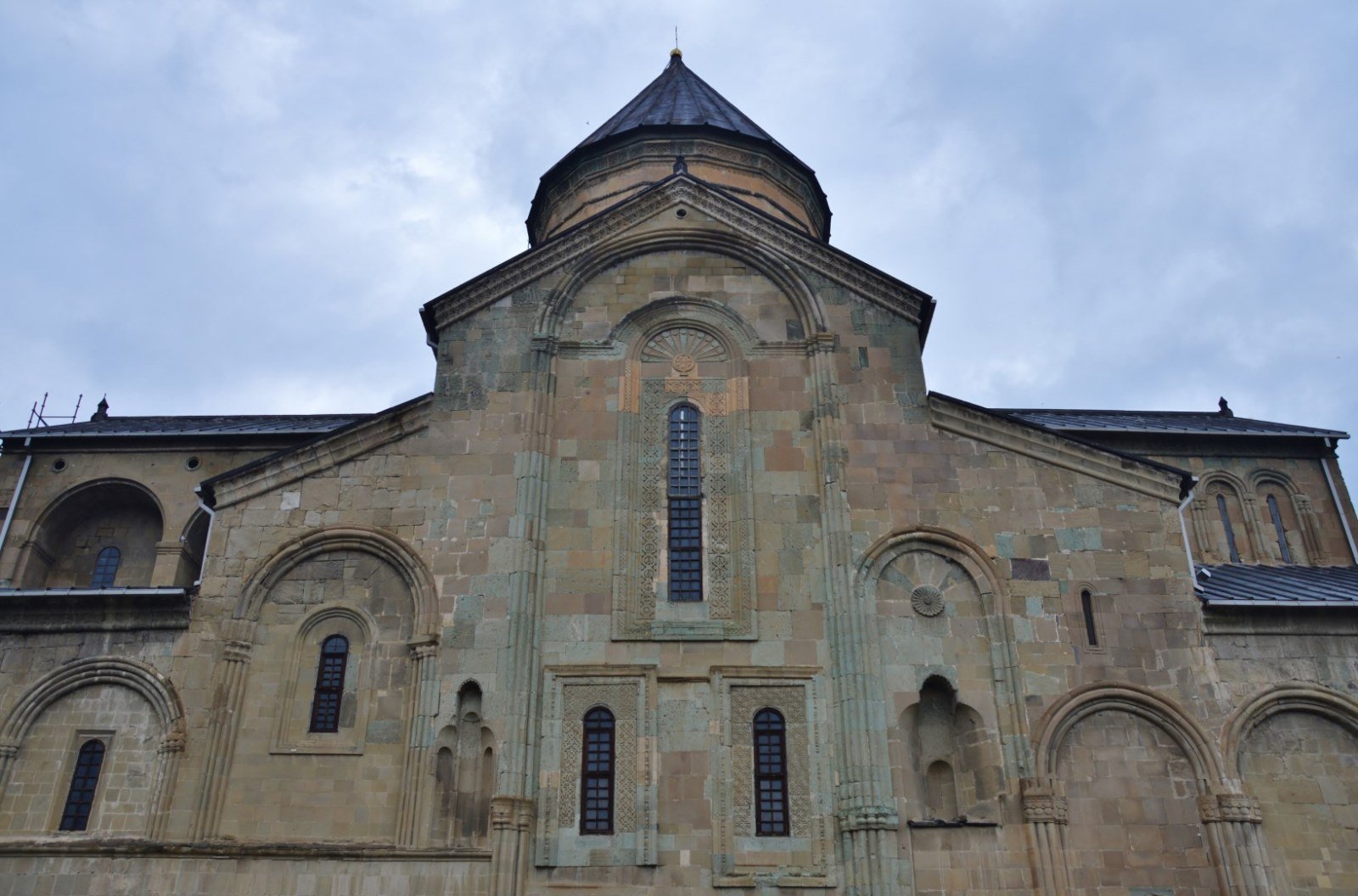
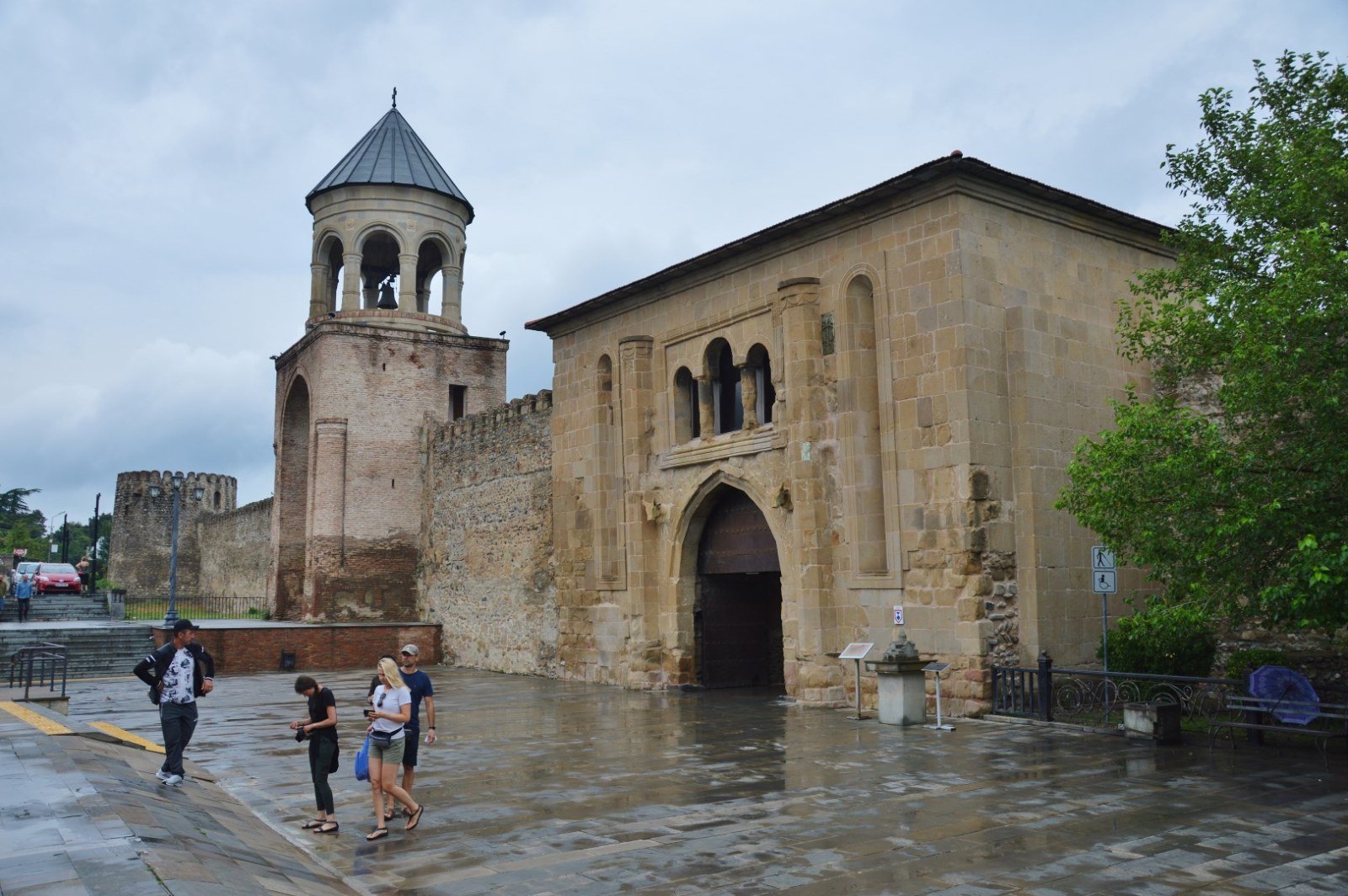
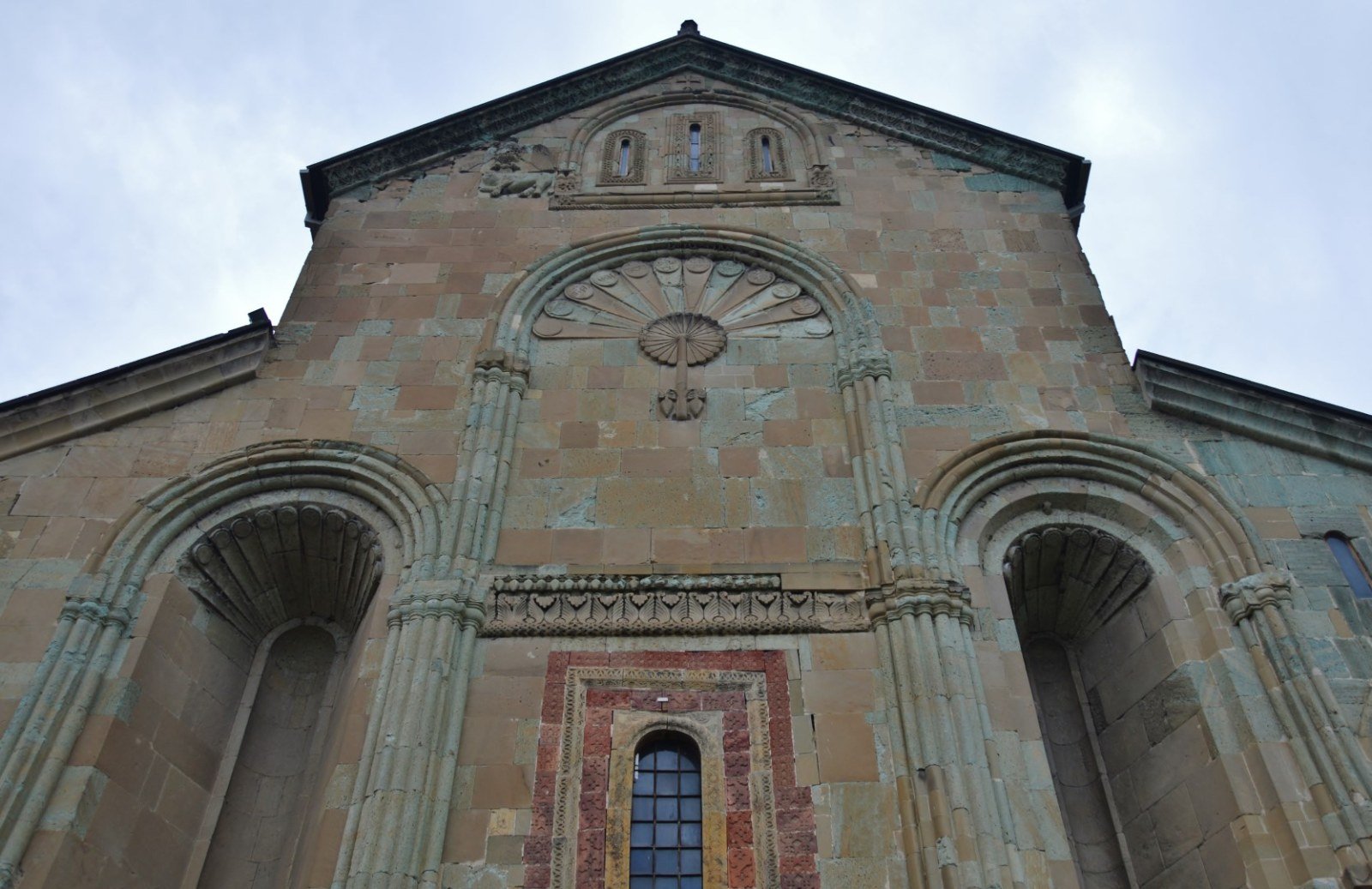
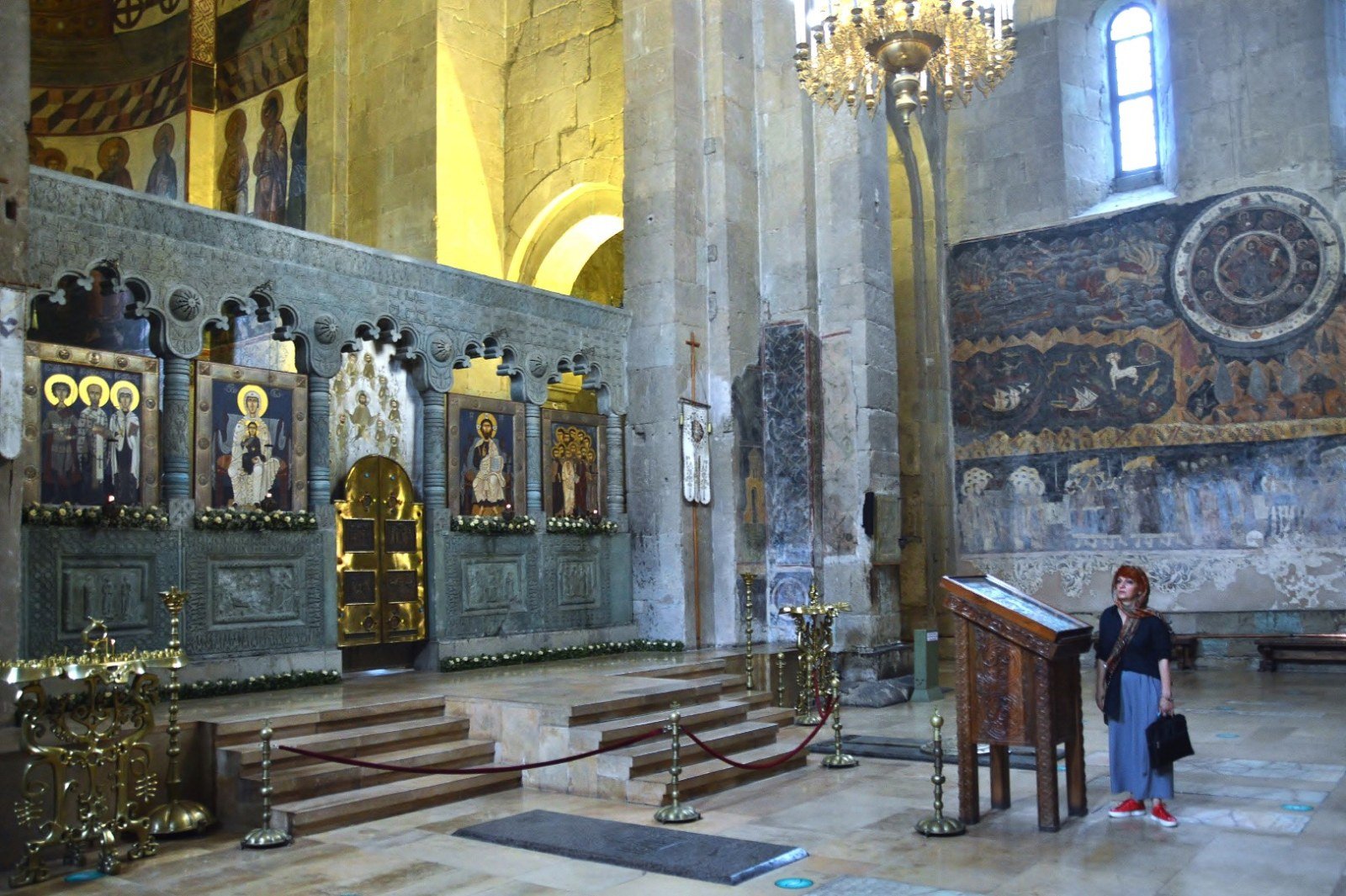
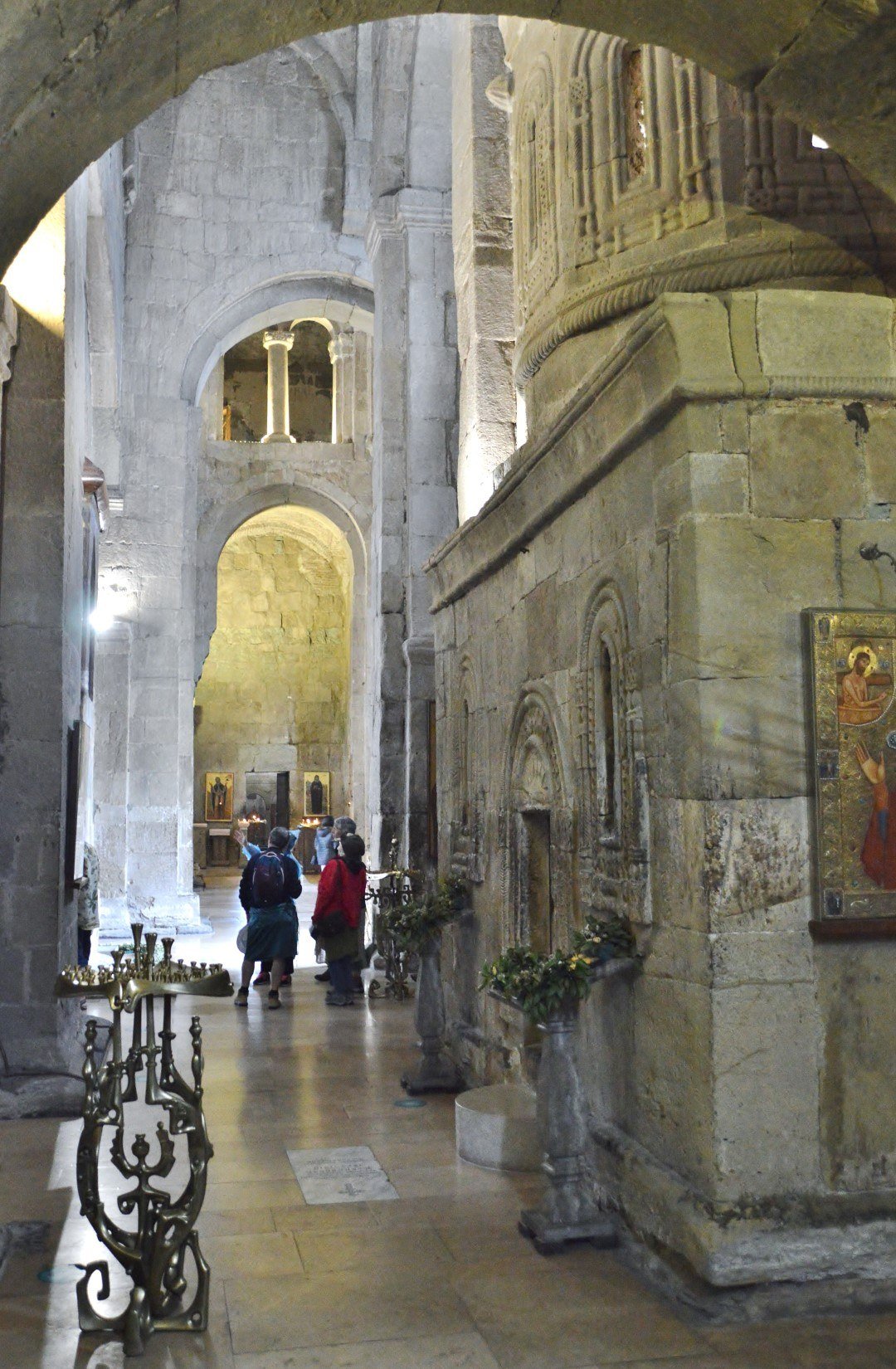
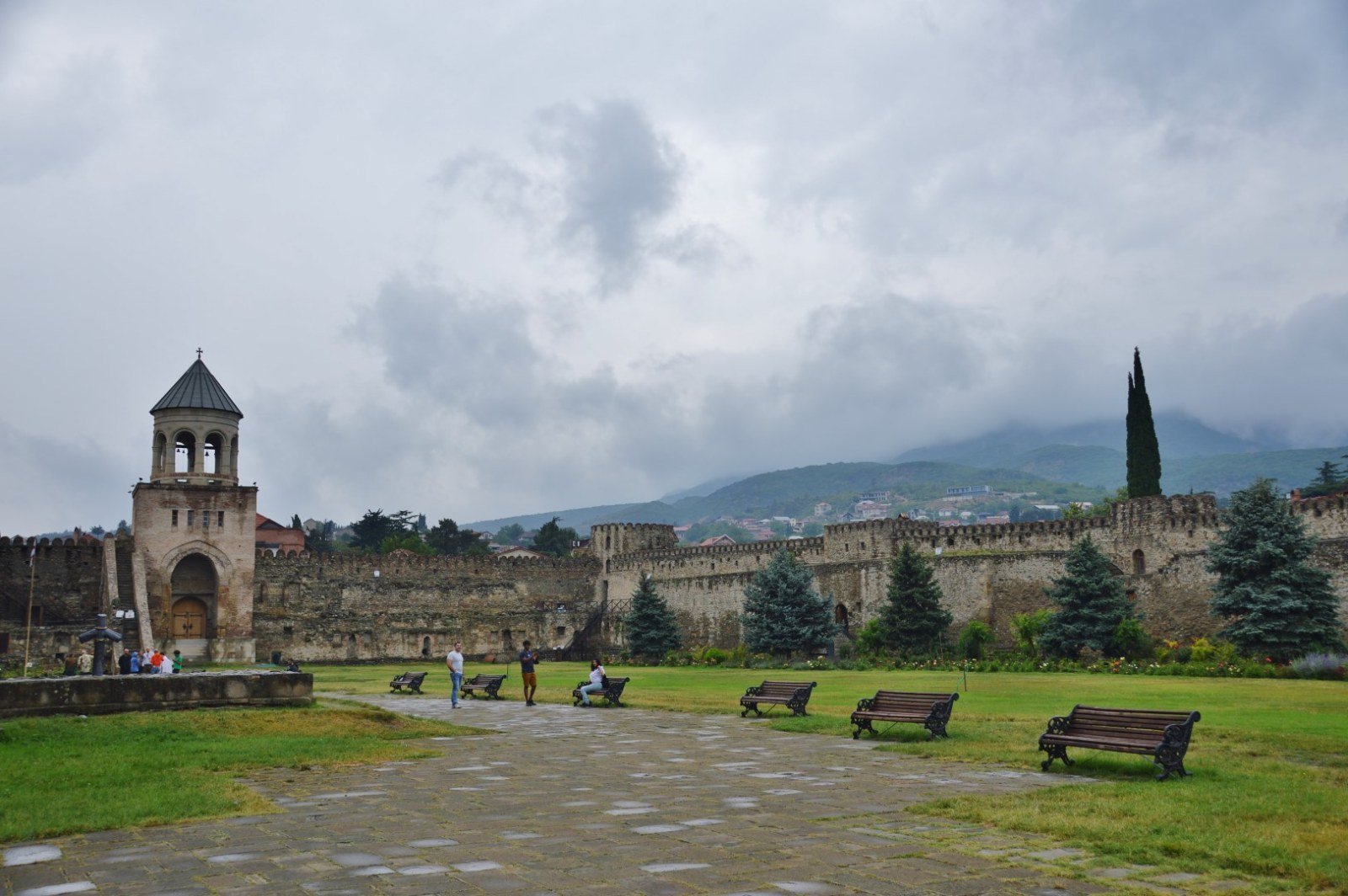
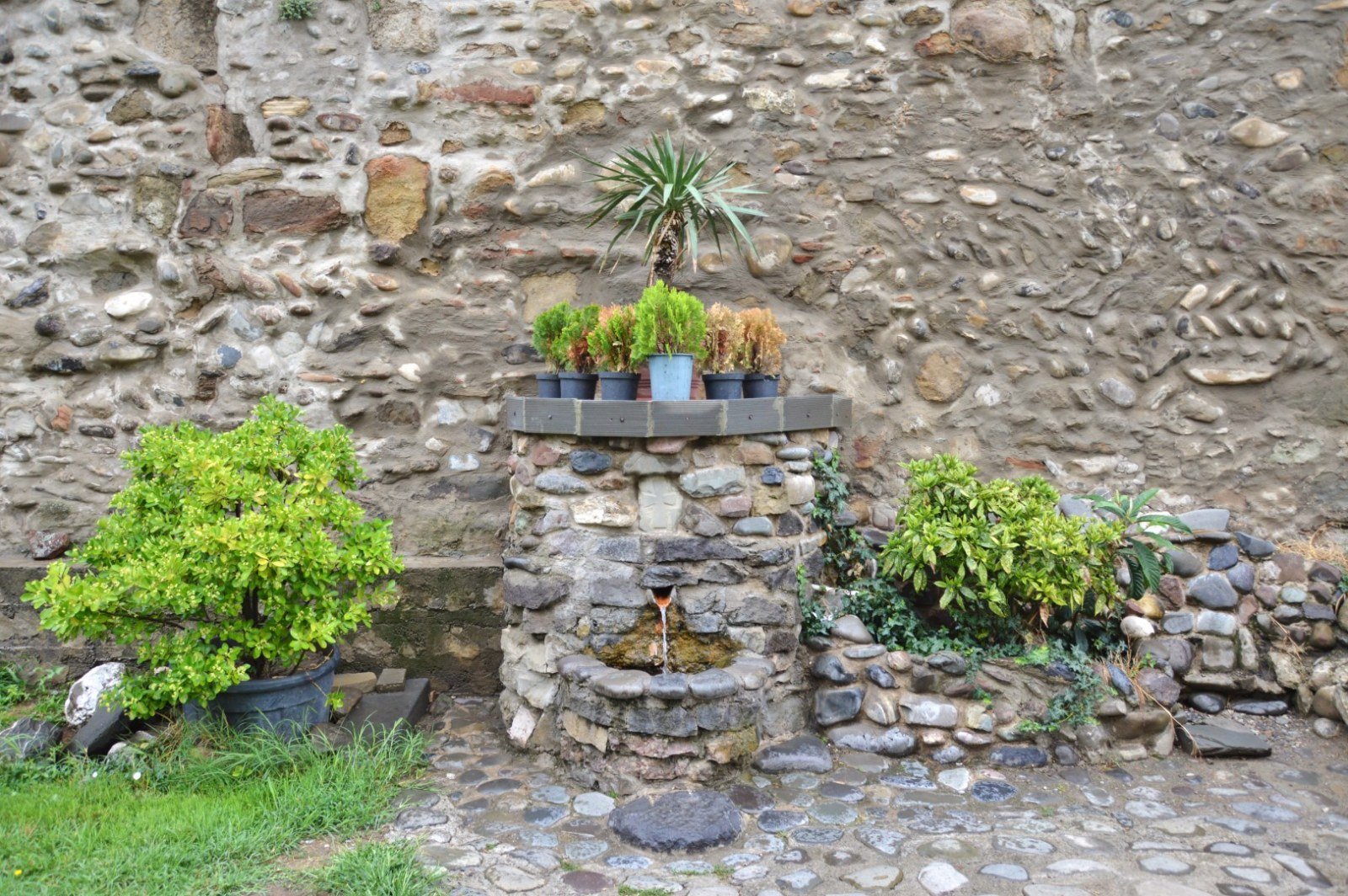
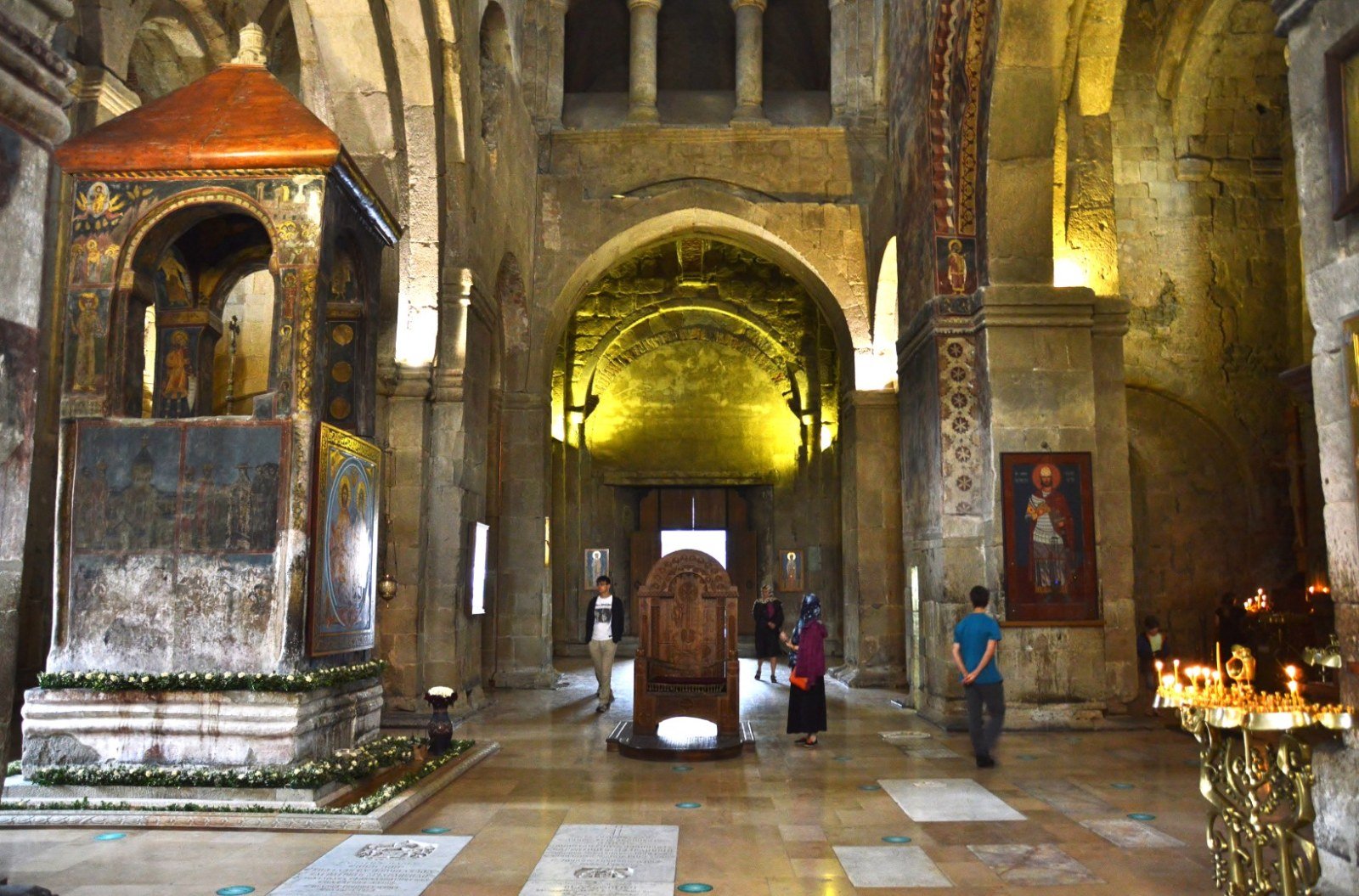
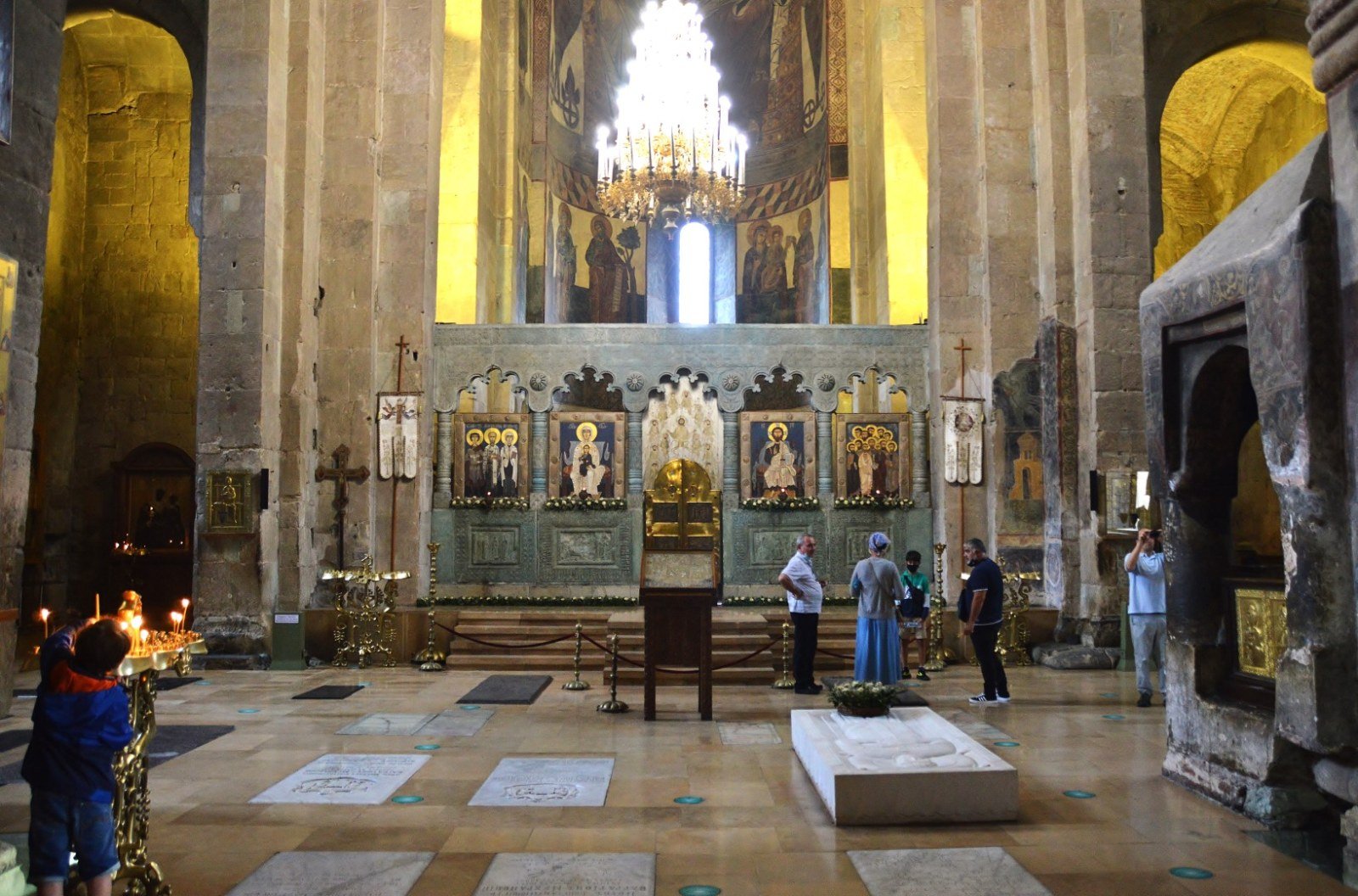
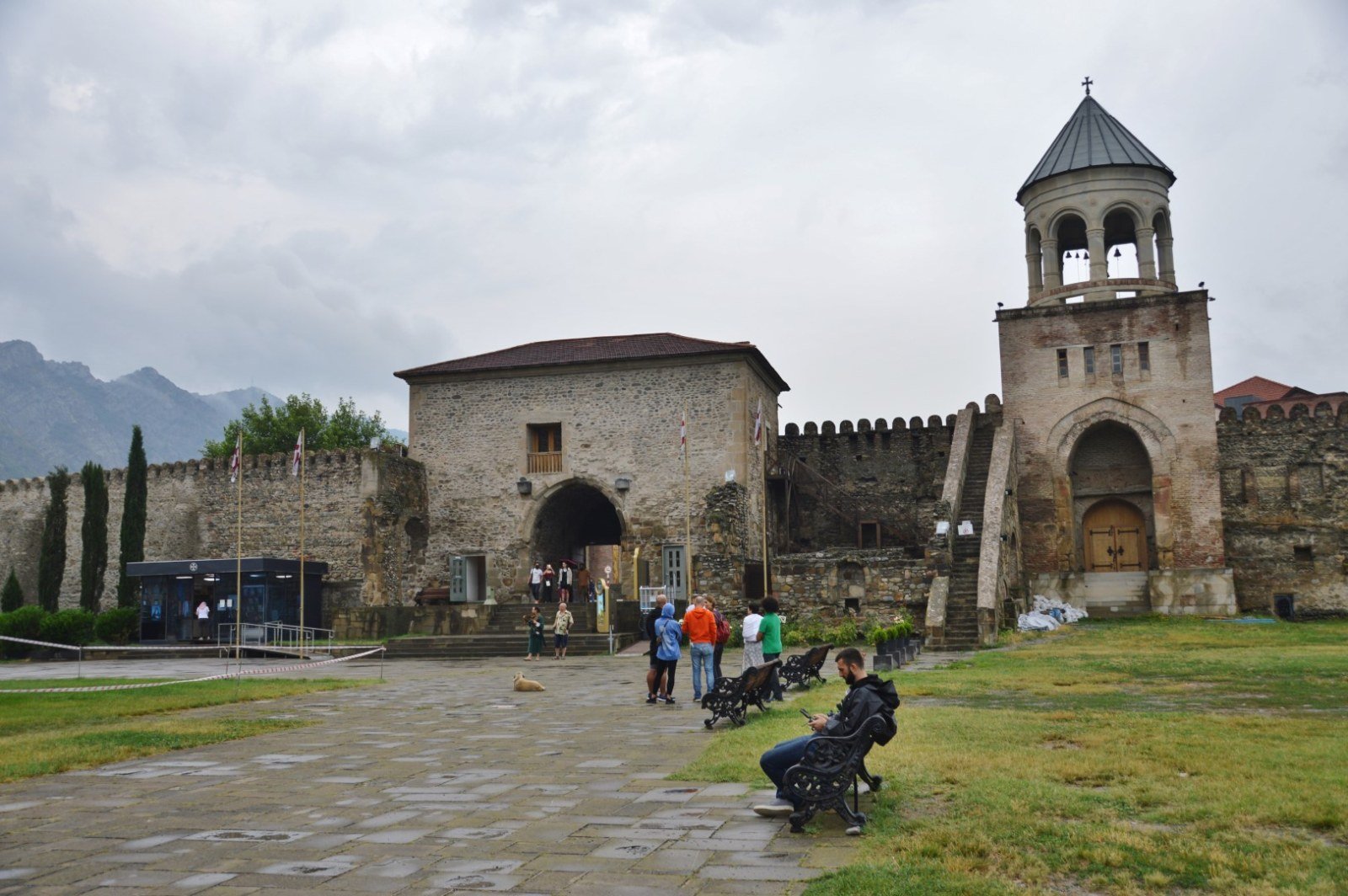
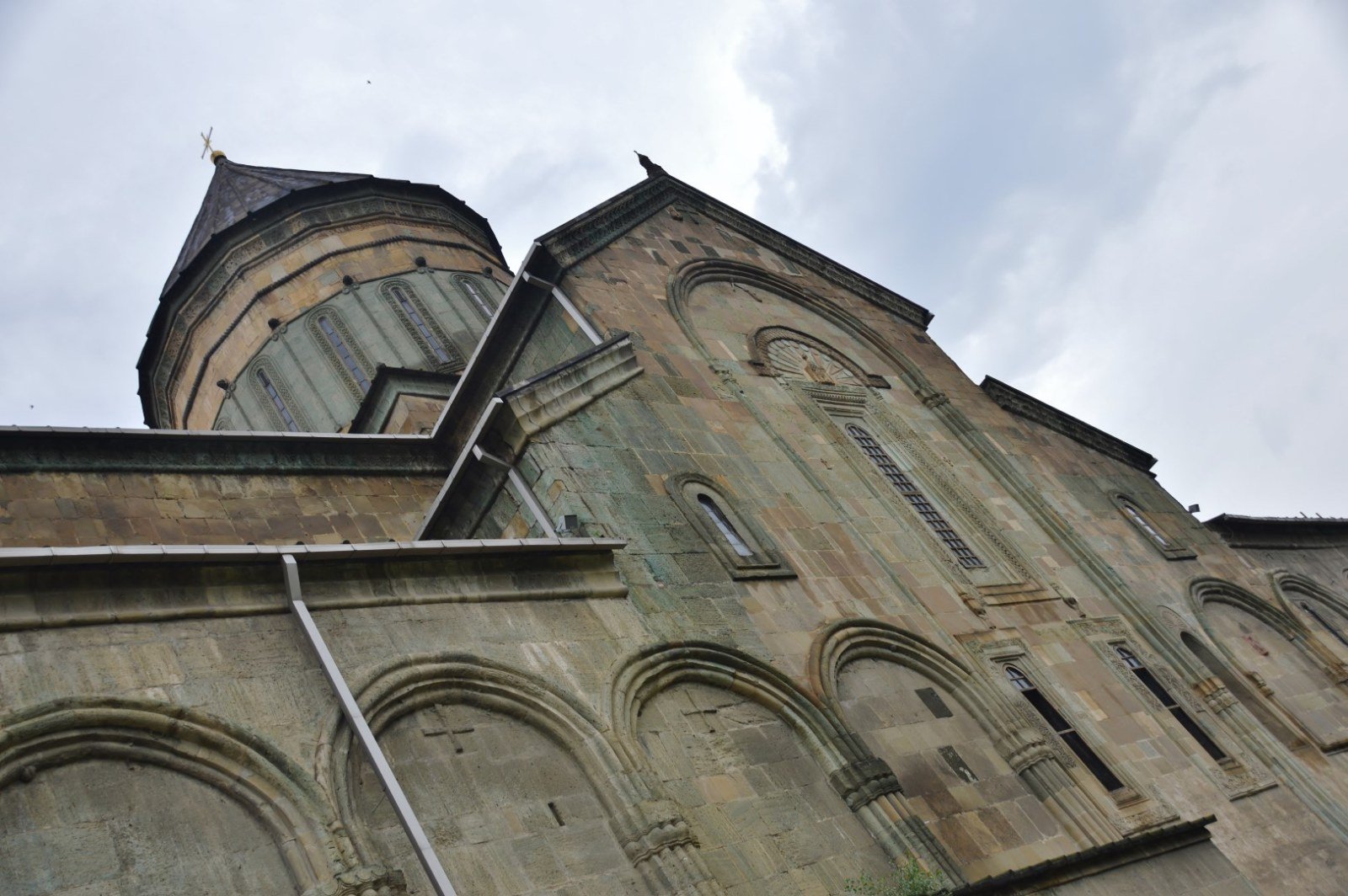
In the centre of the old town, Sveti Tskhoveli Cathedral dominates the space with a presence that has nothing of a museum about it: on any weekday morning you find families coming in to baptise children, monks passing among visitors without pausing, and candles burning before the icons. The outer precinct has remnants of 17th-century walls, a garden with cypresses and a water fountain. Entry is free; silence and clothing covering shoulders and knees are requested.
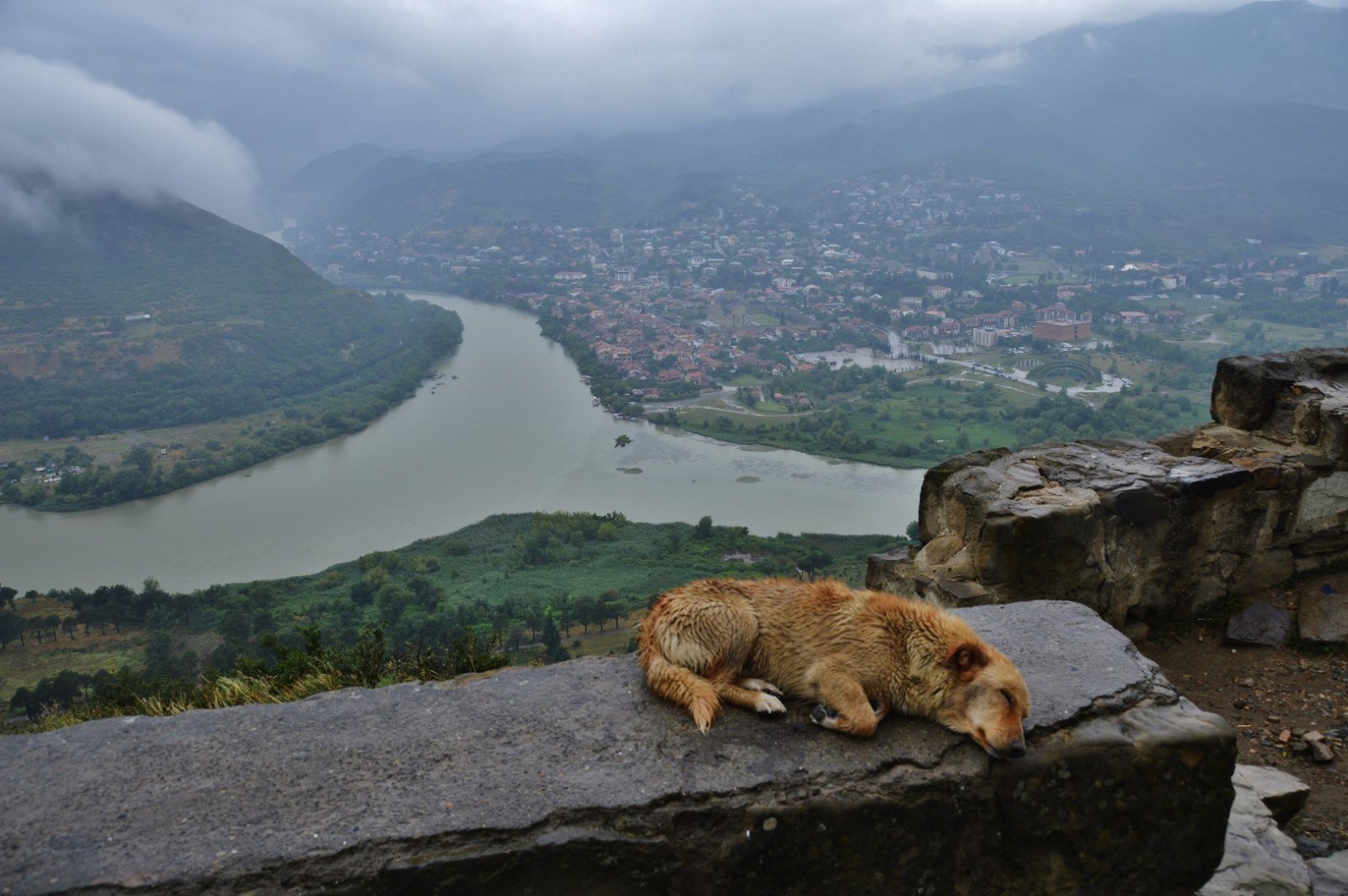
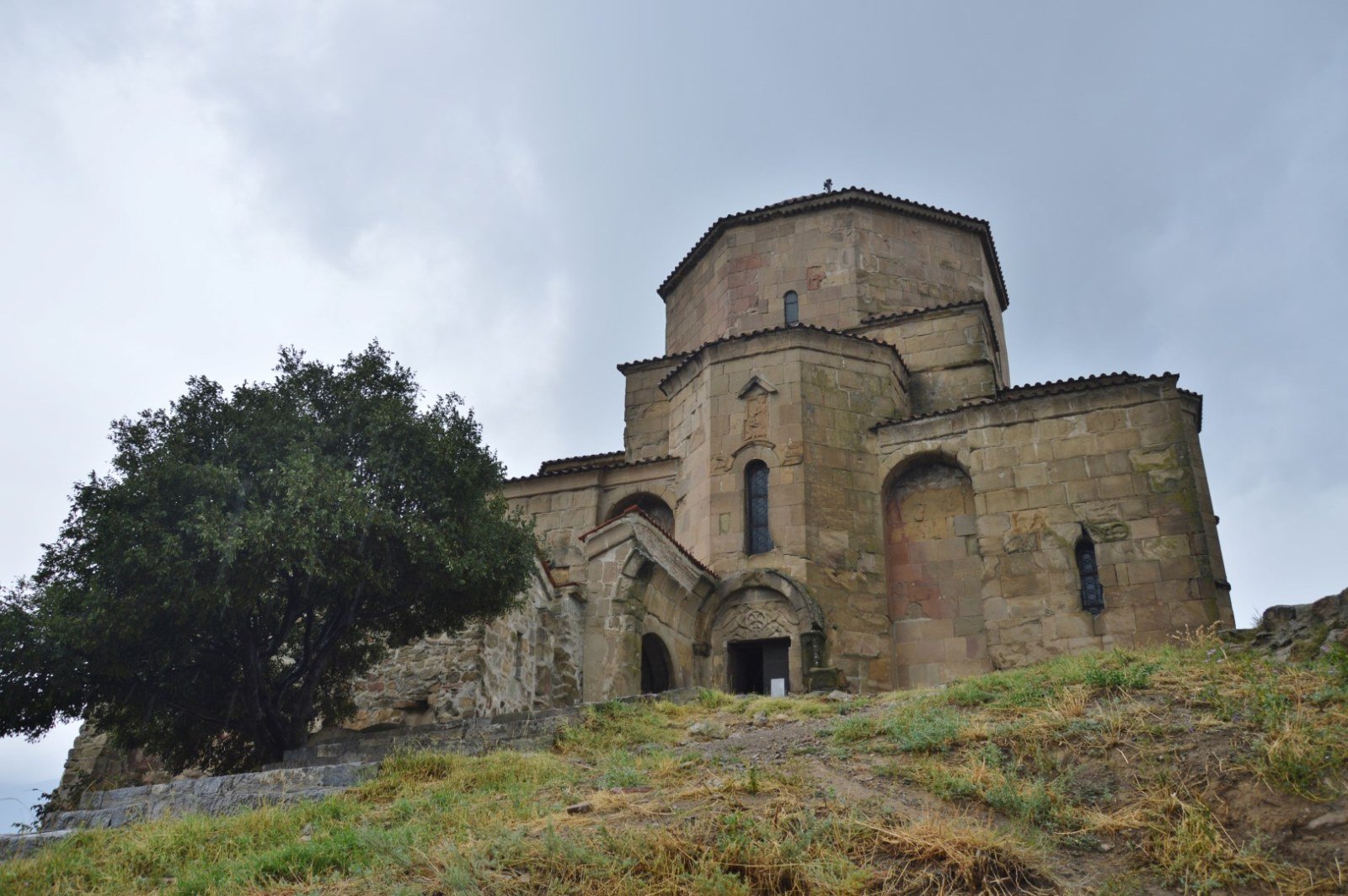
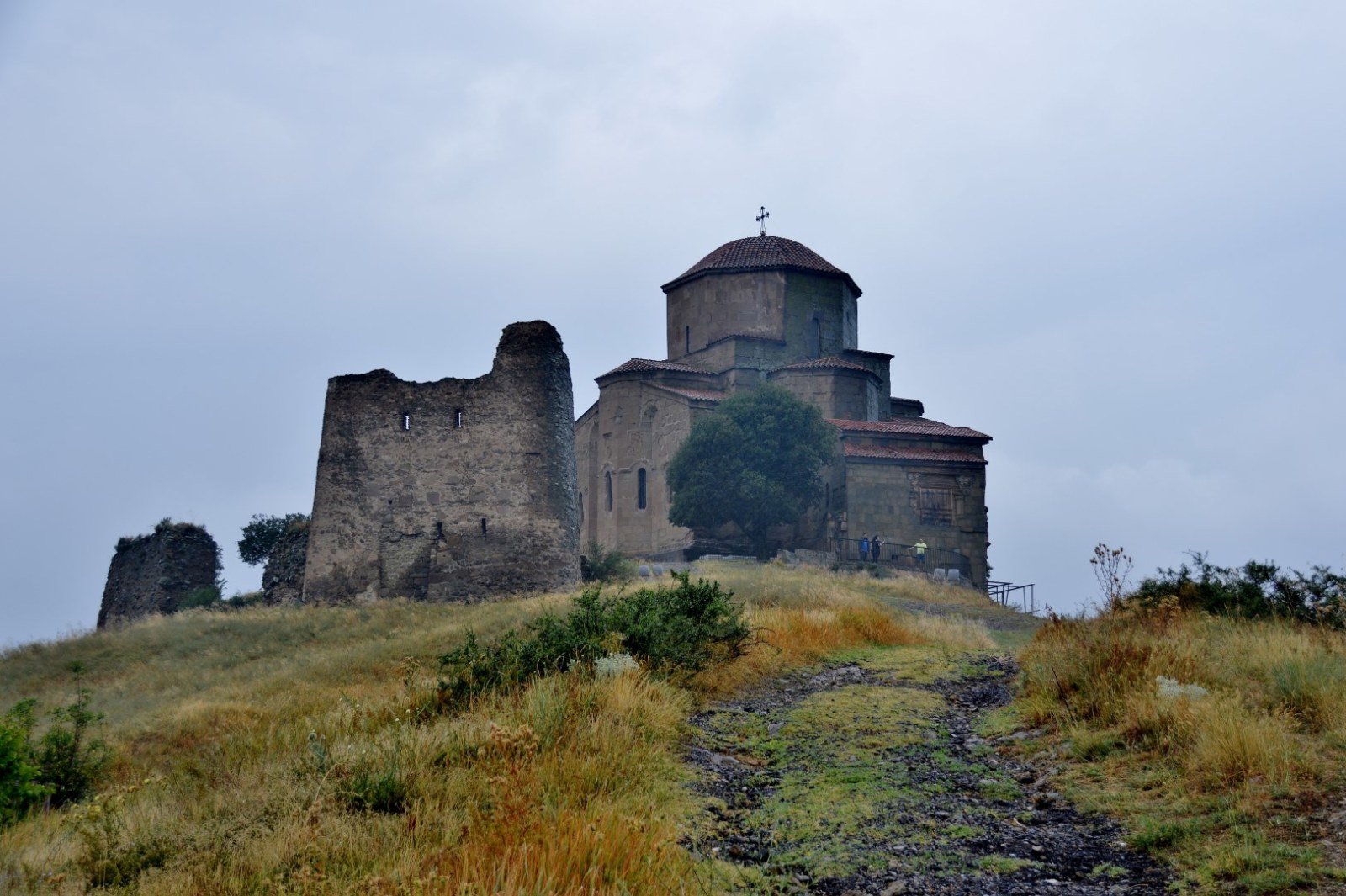
From the hill across the river, Jvari Monastery offers the best-known view of Mtskheta: the two rivers converging, the roof of Sveti Tskhoveli and the Caucasus mountains in the background. By car it is ten minutes from the village; on foot, around forty minutes along a steep, shadeless path. At weekends and in summer, tour groups from Tbilisi fill the car park; arriving before ten in the morning makes a real difference.
History
Mtskheta was the capital of the ancient kingdom of Caucasian Iberia for several centuries until Tbilisi assumed that role in the 5th century AD. According to tradition, the city was evangelised by Saint Nino around the year 337, when King Mirian III adopted Christianity as the official religion of the kingdom. Sveti Tskhoveli Cathedral — whose name literally means «the life-giving pillar» — was built on the site where, according to legend, the robe of Christ brought from Jerusalem is buried. In 1994, UNESCO declared the ensemble of Sveti Tskhoveli, Jvari Monastery and Samtavro Monastery a World Heritage Site, the three main witnesses to the medieval period of the city.
What to see & do
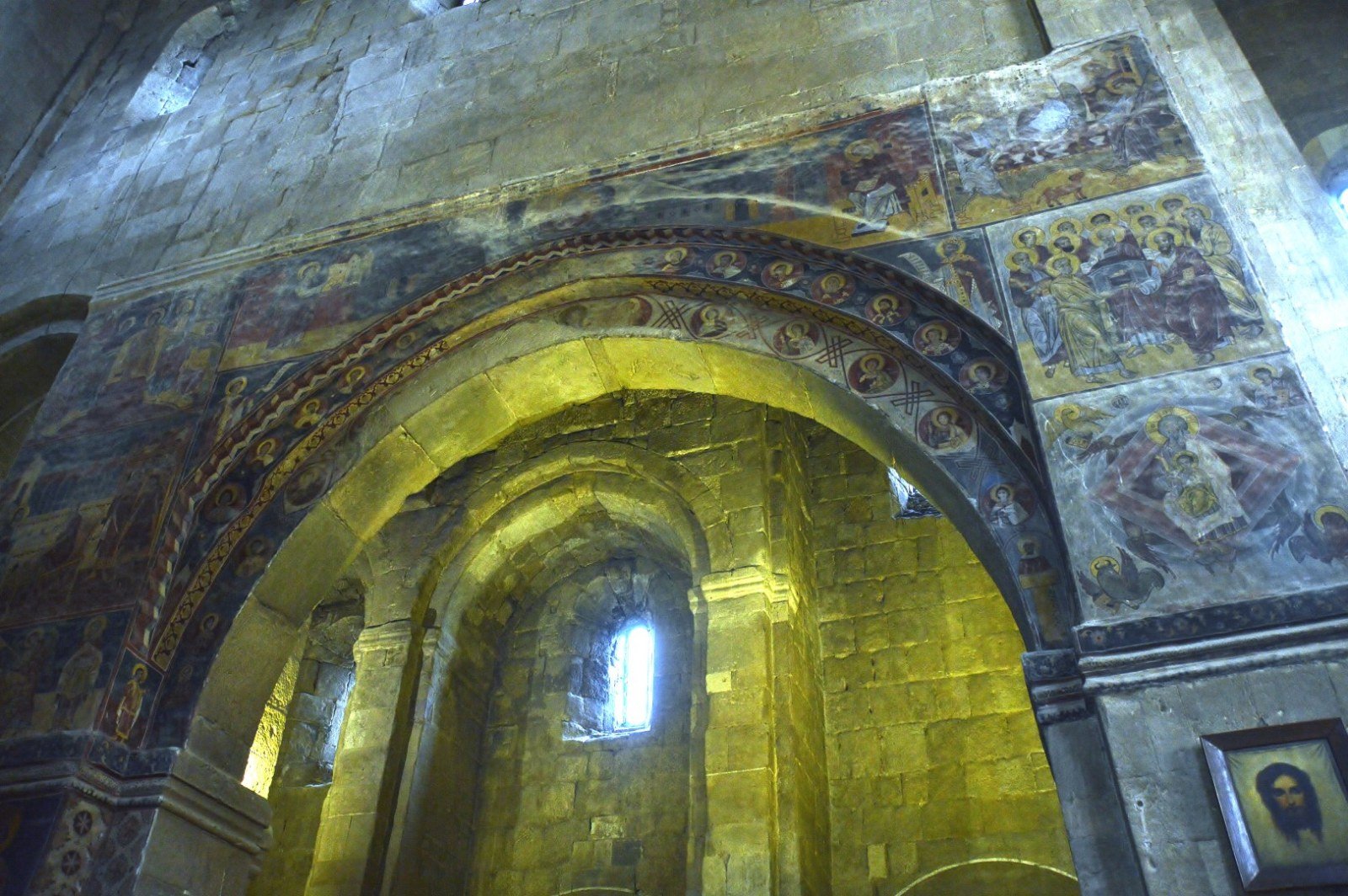
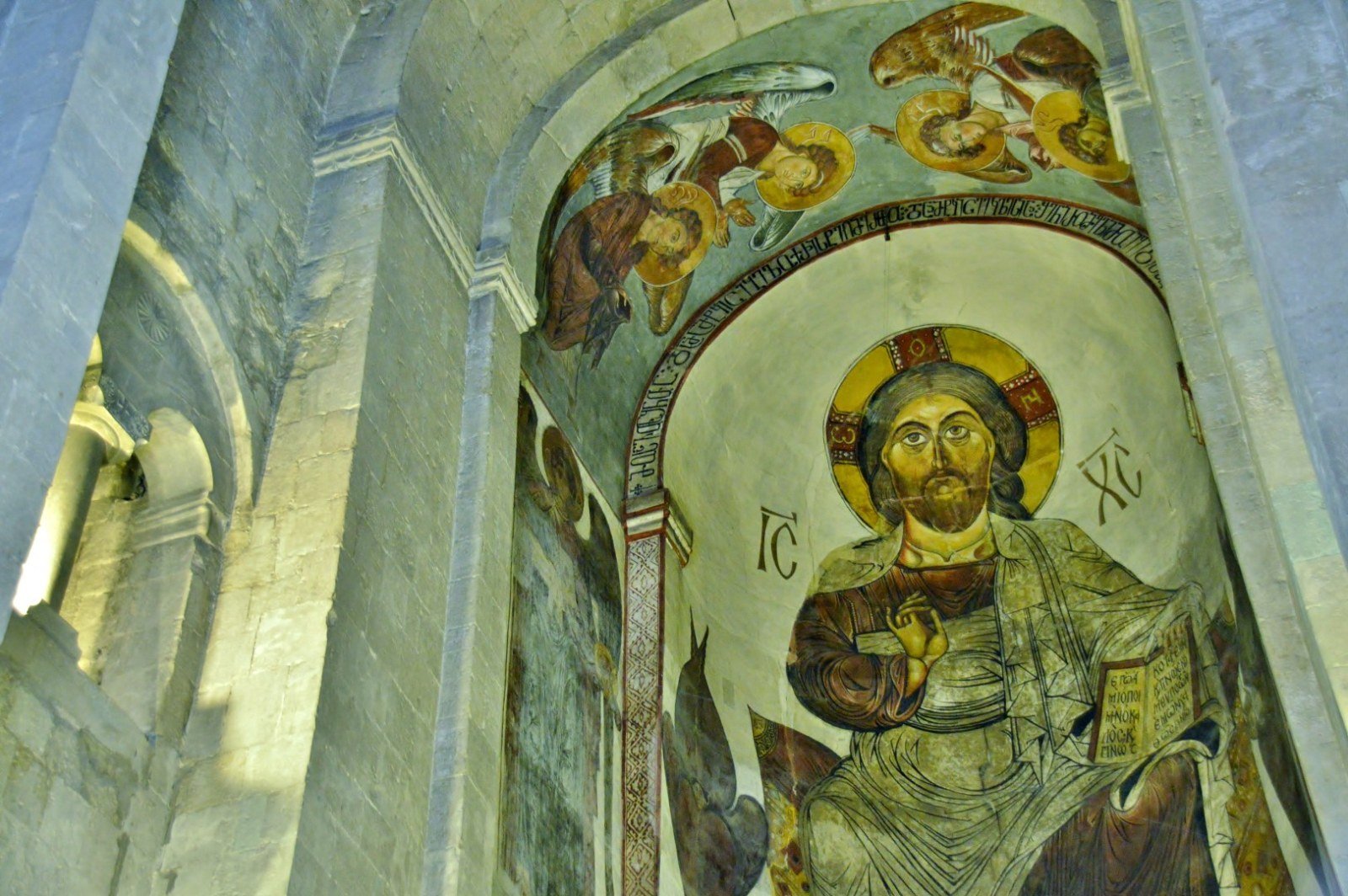
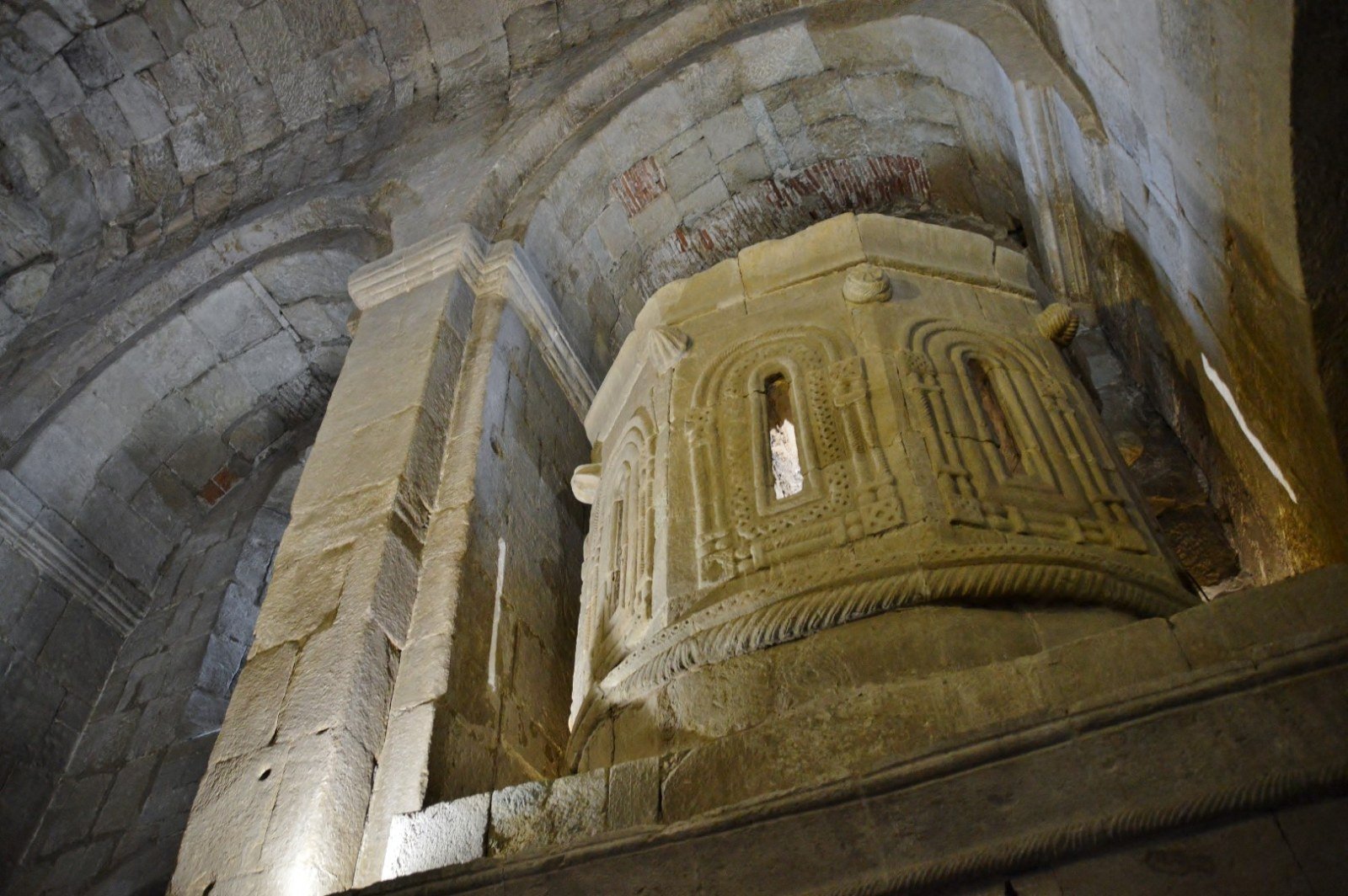
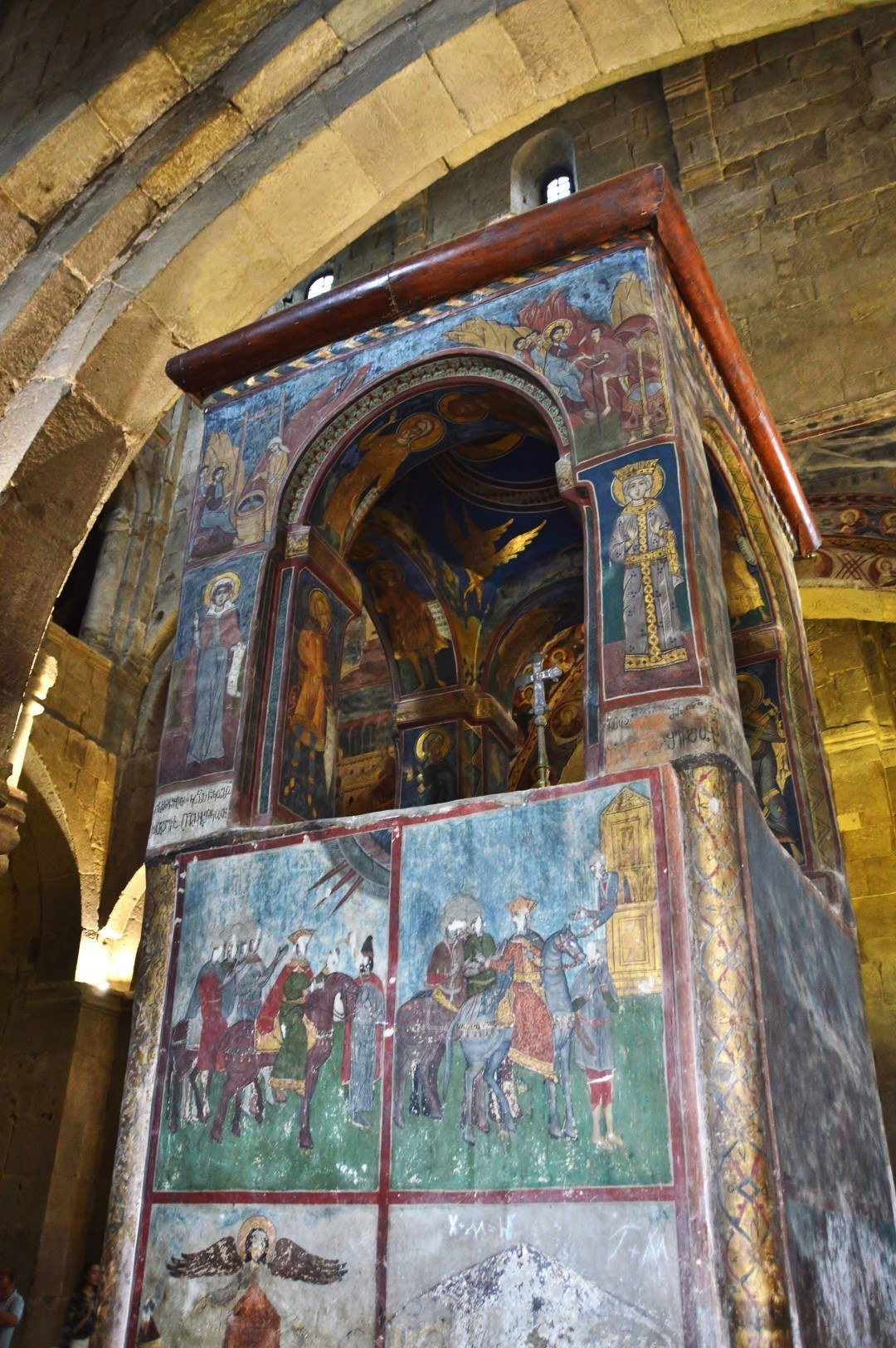
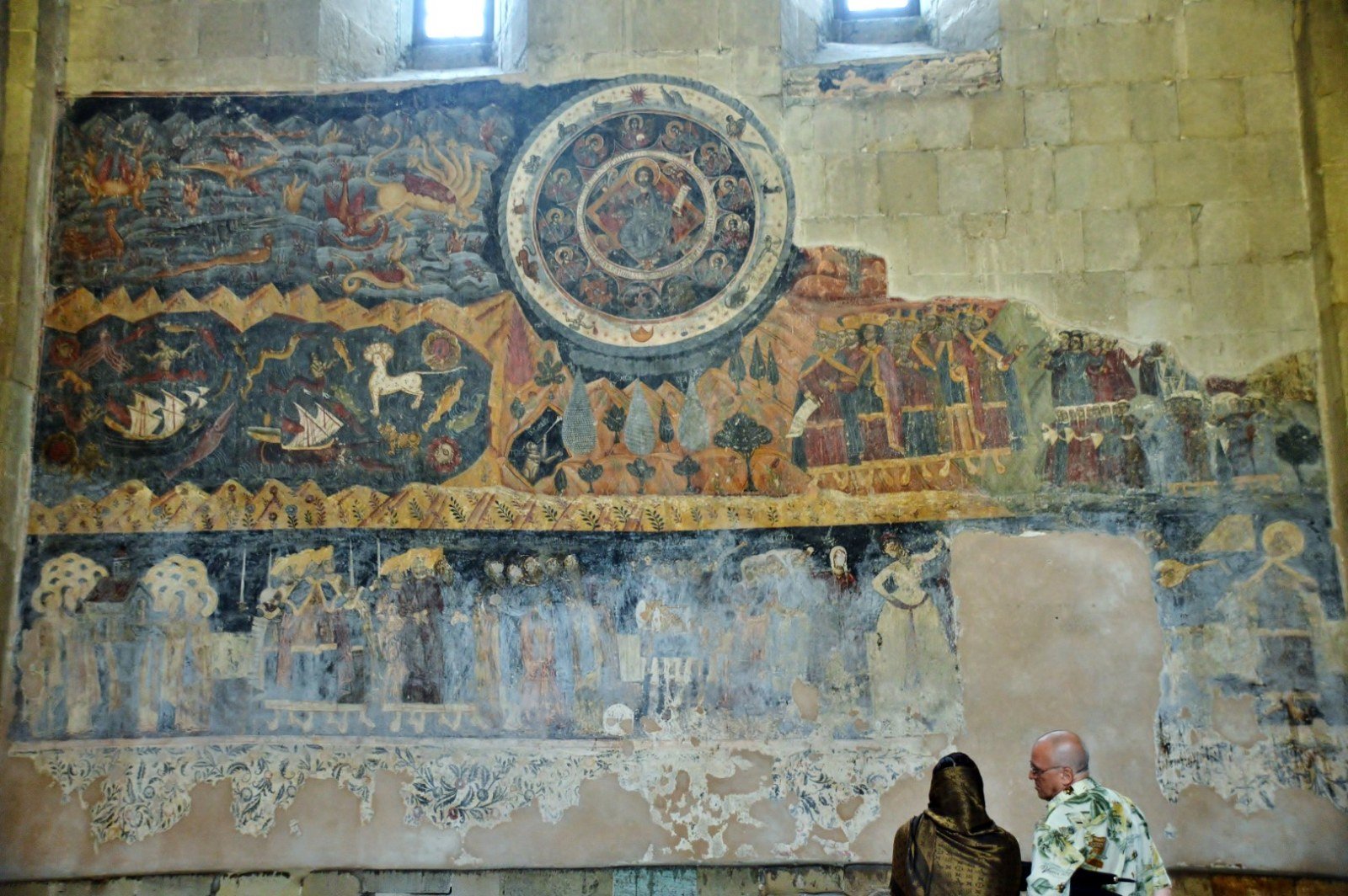
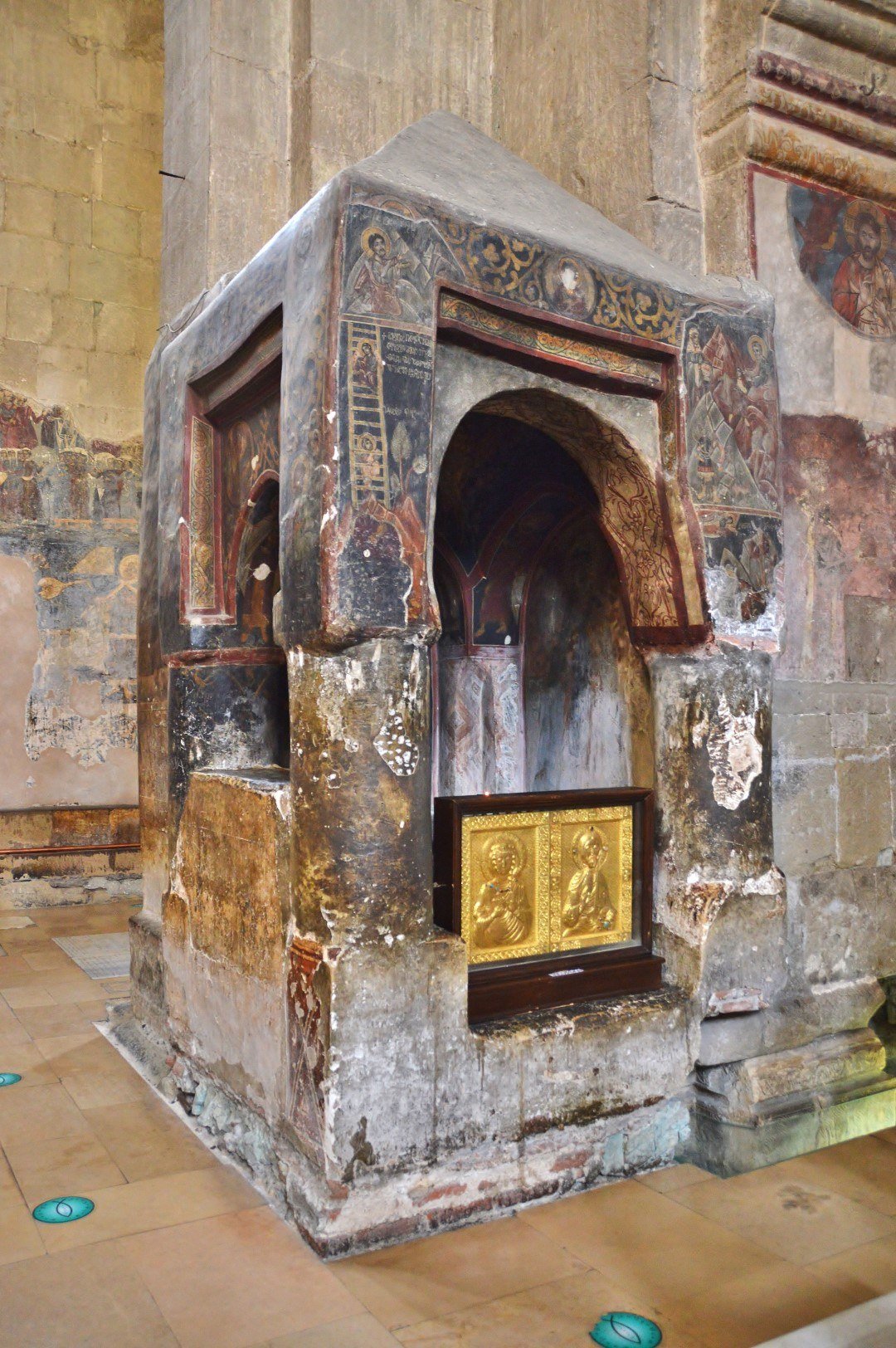
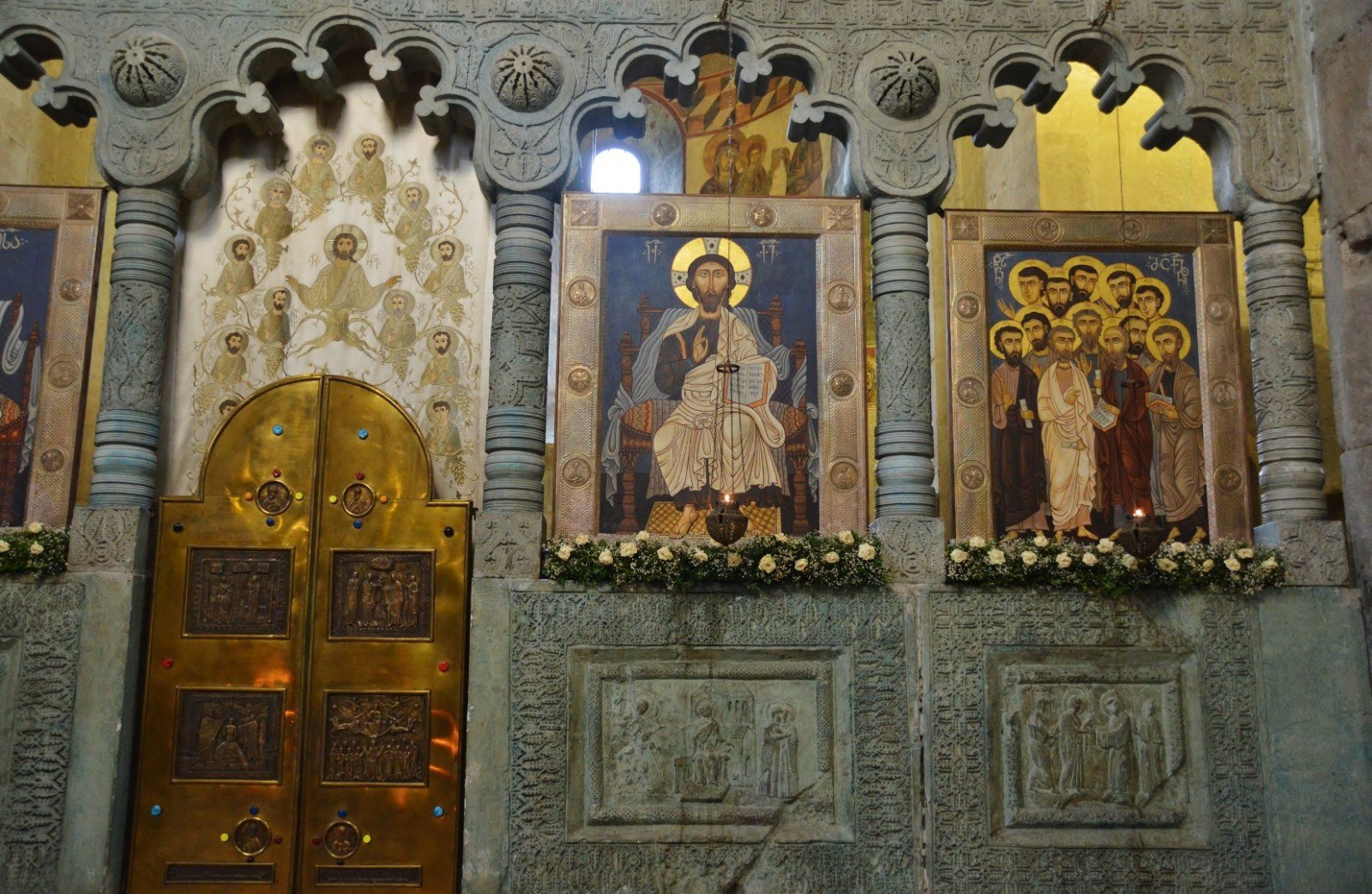
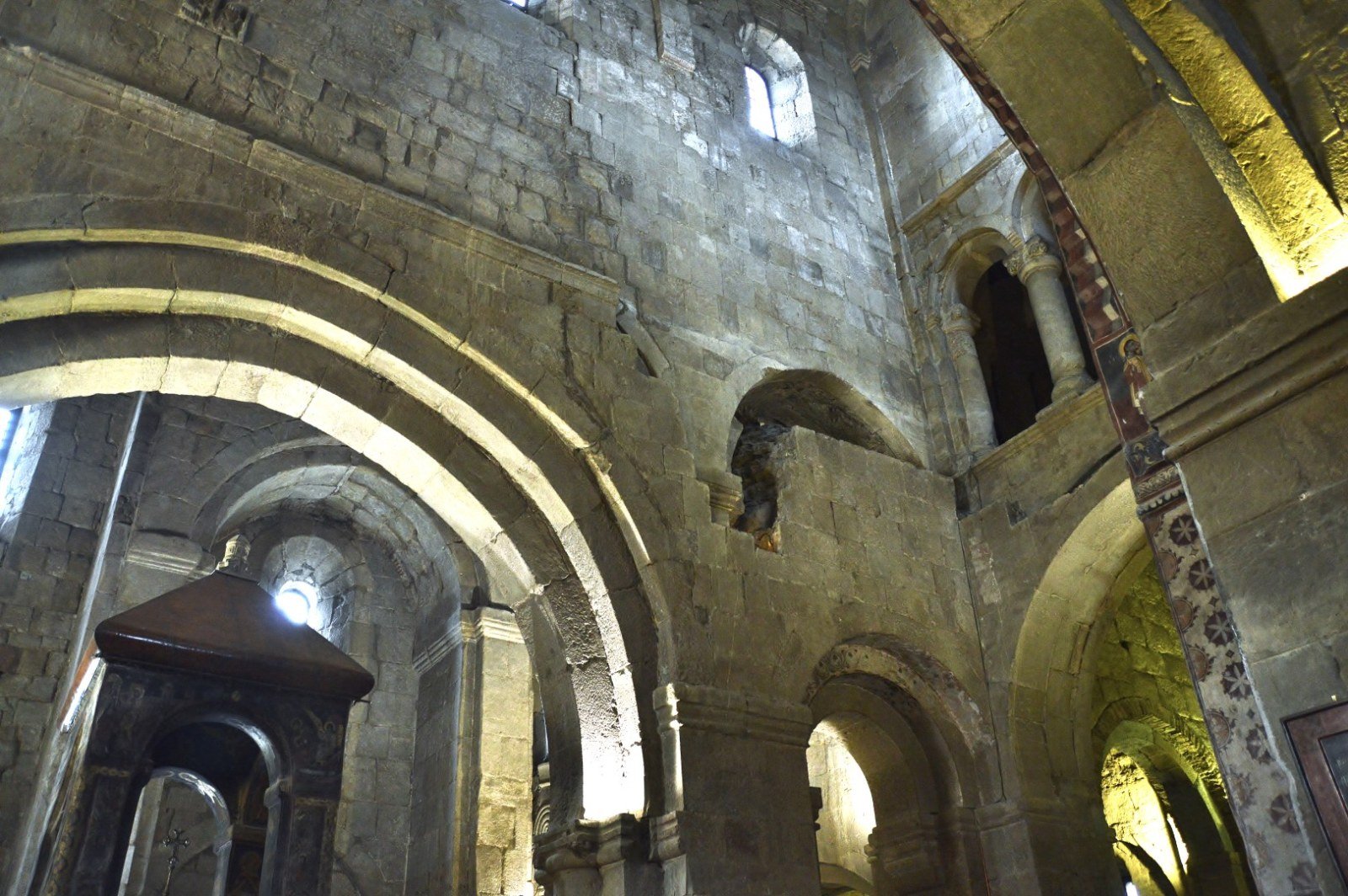
- Sveti Tskhoveli Cathedral The most important building in Mtskheta and one of the most venerated in Georgia. An active cathedral with medieval frescoes, tombs of Georgian kings and a replica of the Chapel of the Holy Sepulchre inside. Free entry; open from early morning.
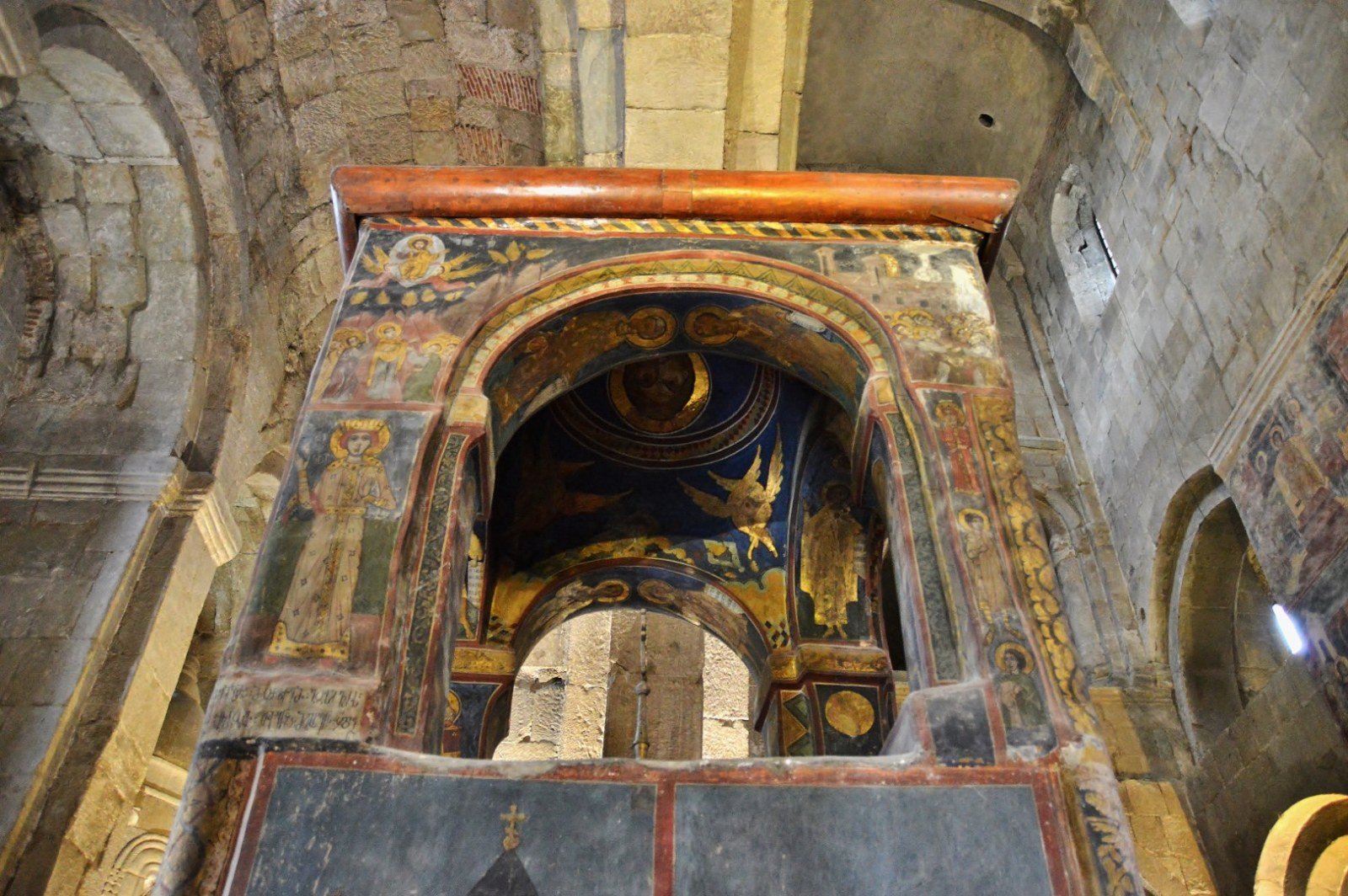
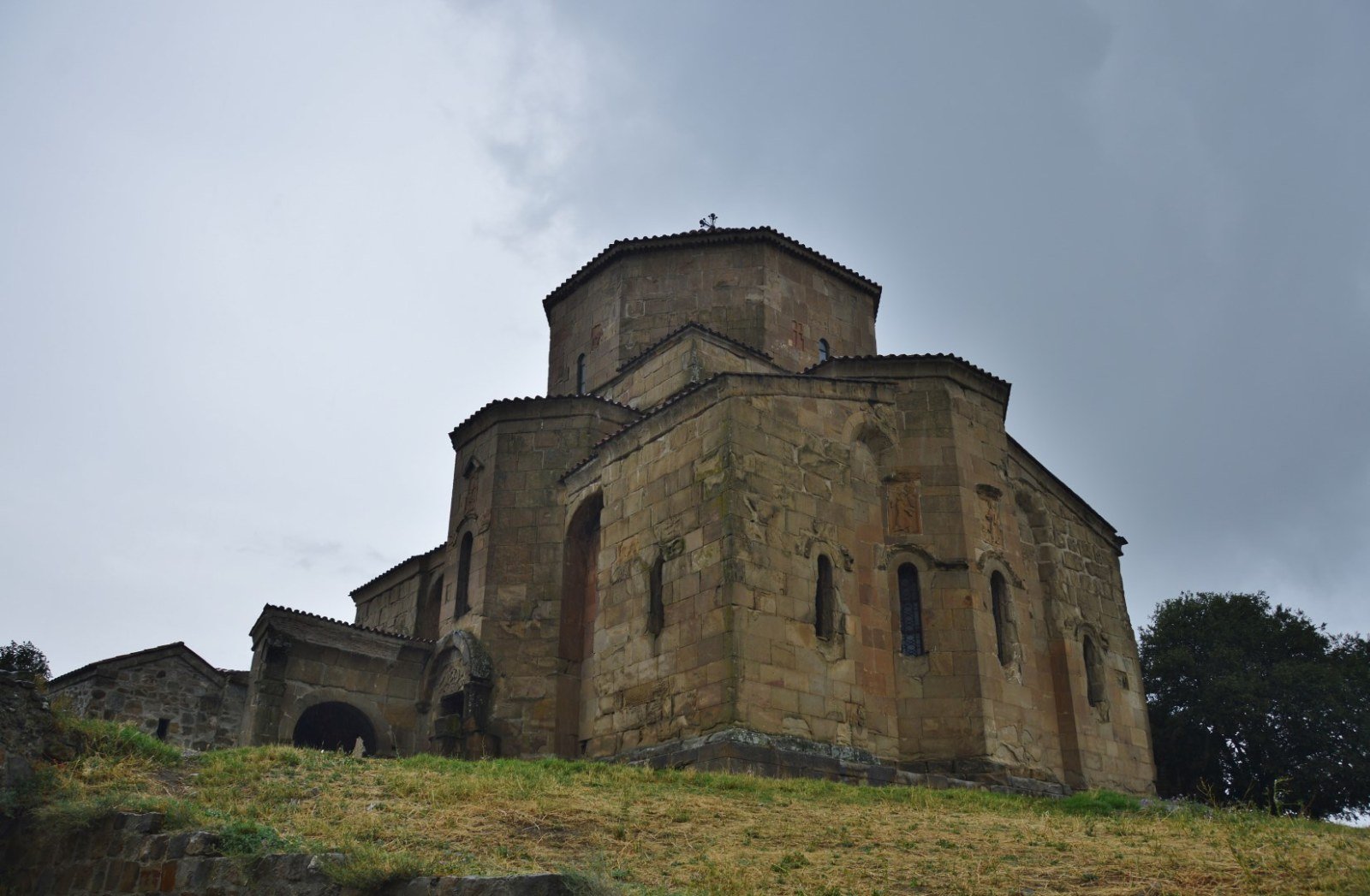
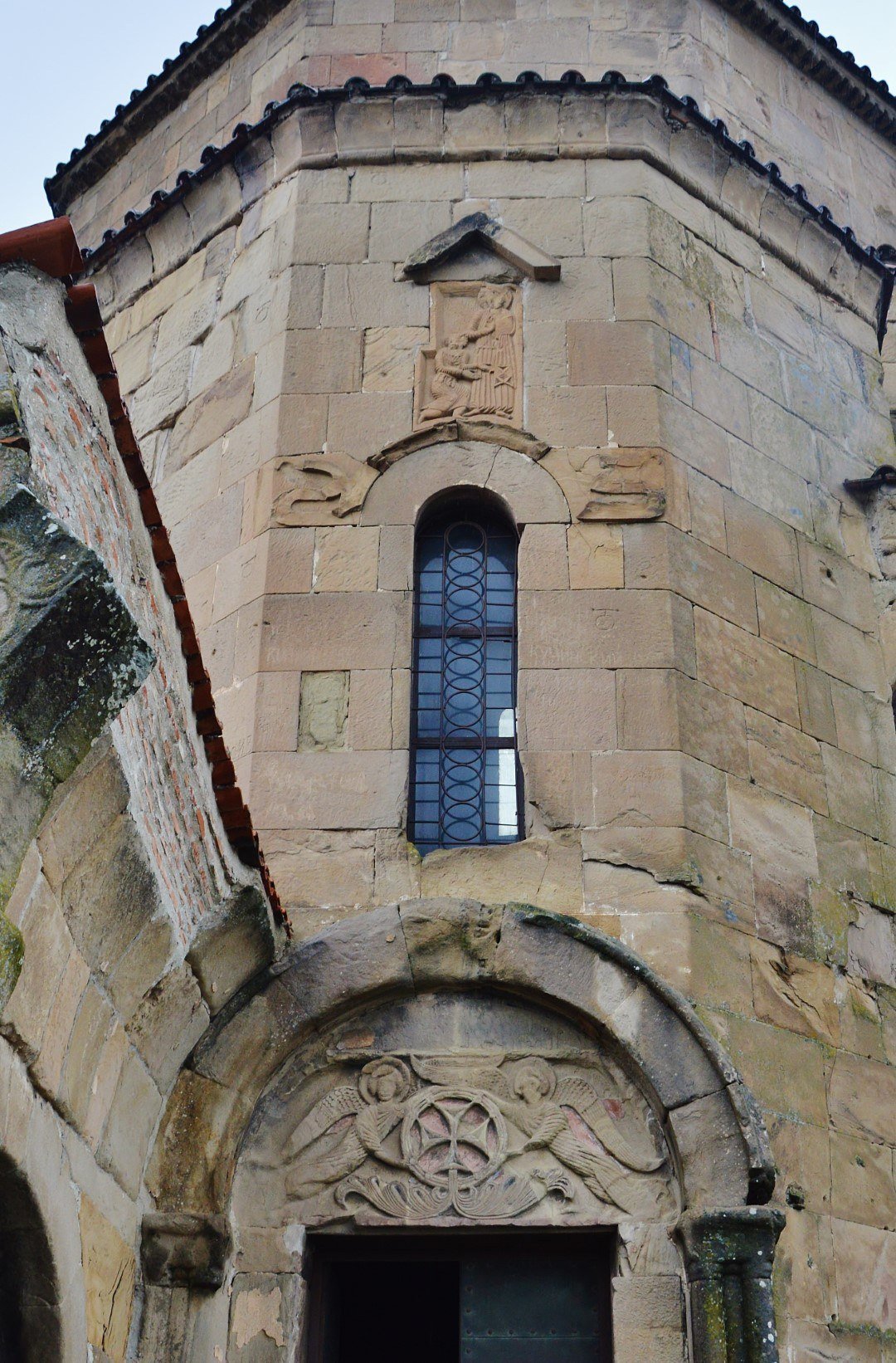
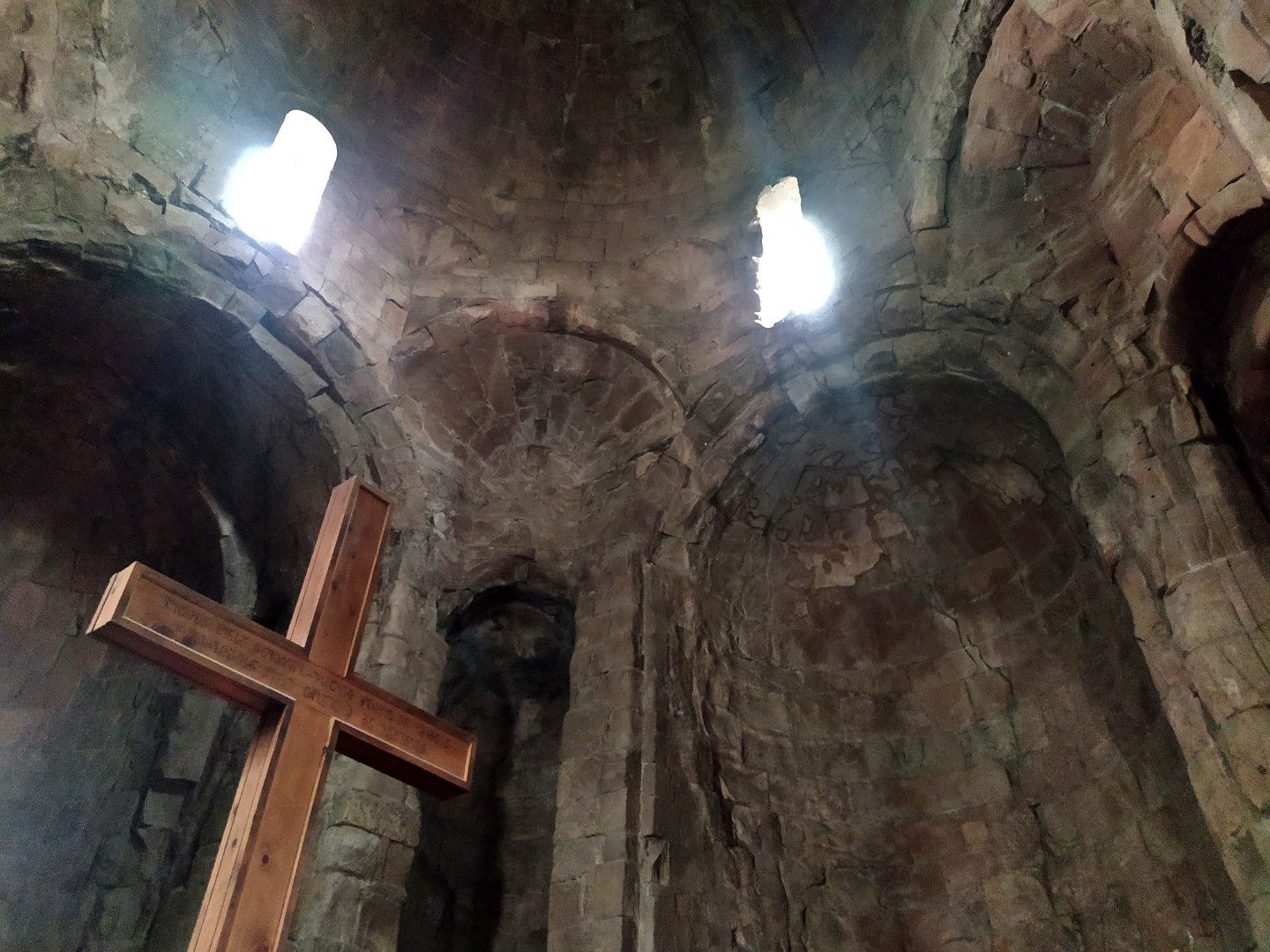
- Jvari Monastery A 6th-century church on the hill above the river confluence. The panoramic view over Mtskheta, the Mtkvari and the Aragvi is the main reason to make the climb. Access by car or on foot via a steep path.
- Samtavro Monastery A monastic complex with a 4th-century church and an active convent. The precinct contains the tombs of King Mirian III and Queen Nana, the first Christian monarchs of Georgia. A quieter atmosphere than Sveti Tskhoveli.
- Confluence of the Mtkvari and Aragvi Visible from the pedestrian bridge or, with more perspective, from Jvari. After recent rainfall the difference in colour between the two rivers is especially clear.
- Stalini Street and market The main artery of the village concentrates stalls selling churchkhela, wine in leather flasks, cheeses and crafts. Prices are somewhat higher than in Tbilisi due to tourist traffic, though polite bargaining usually works.
Photo gallery
How to get there
Frequent marshrutkas run from Didube station in Tbilisi (Mtskheta line, 30–40 minutes, 1 lari). There is also a train service from Tbilisi Central Station, though less frequent. By private car, the M27 highway reaches directly in about 25 minutes. Many travellers combine Mtskheta with a full-day trip continuing to Gudauri or Kazbegi along the Georgian Military Highway.
Best time to visit
Mtskheta can be visited year-round. Spring (April–May) and autumn (September–October) offer temperatures of 15–22 °C and fewer crowds. July and August bring more tourist groups and heat; the interiors of the churches stay cool. In winter it can freeze, but the monuments open normally and the atmosphere is quieter. Weekends see more visitors at any time of year.
More information
Photo: Iberogeorgia · proprietary