
Marmashen Monastery
Մարմաշենի վանք
Three 10th-century pink tuff churches by the Akhurian river, in a quiet gorge 10 km from Gyumri, with very few visitors.
Location in the Caucasus
Description
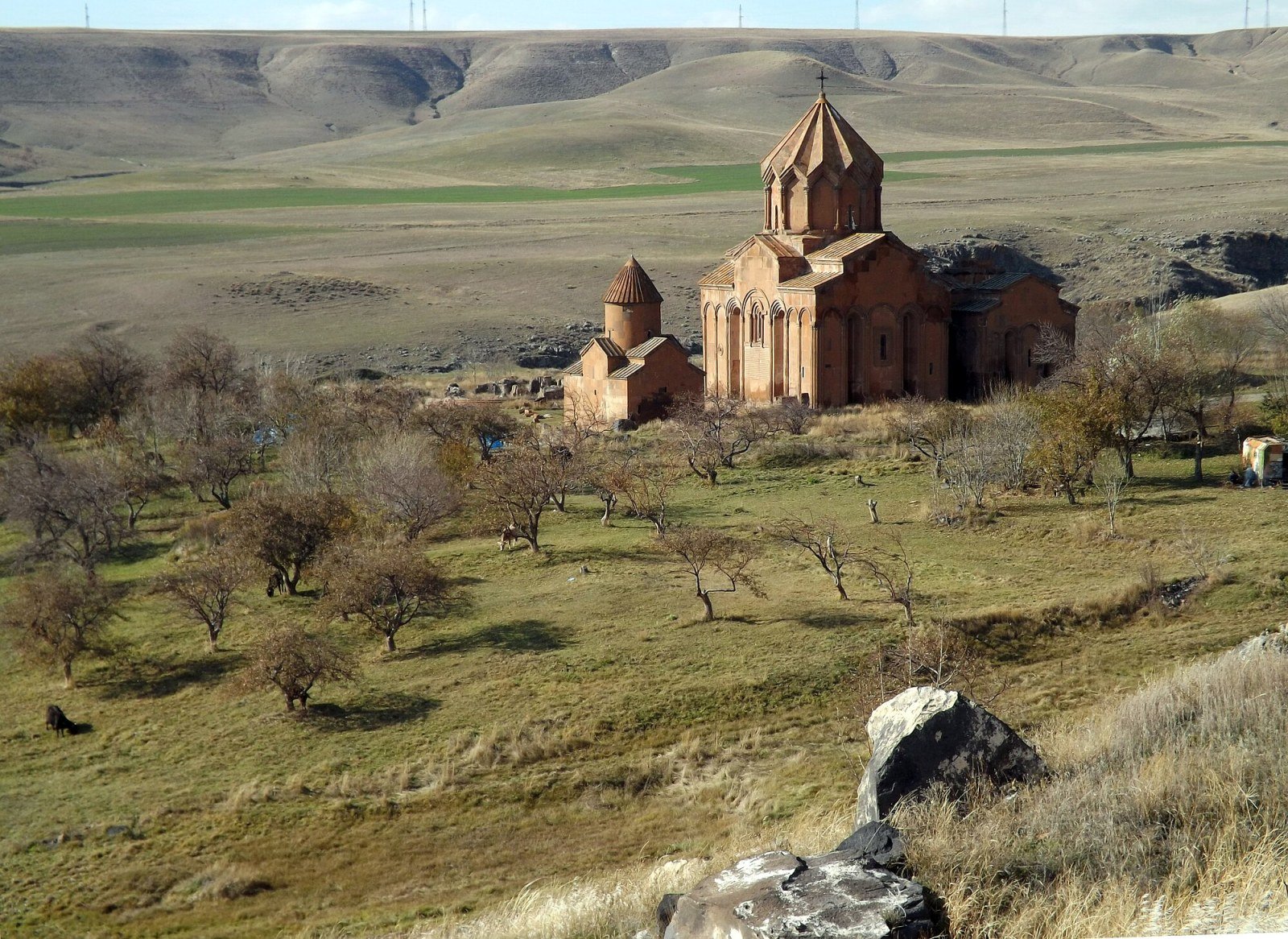
Marmashen Monastery is tucked into a hollow beside the Akhurian river, about 10 kilometres northwest of Gyumri, almost on the border with Turkey. It cannot be seen from the main road: you have to descend a dirt track to the bottom of the gorge to find the three pink volcanic tuff churches standing among tall grass and old poplars. The sound of the river reaches you before the sight of the complex.
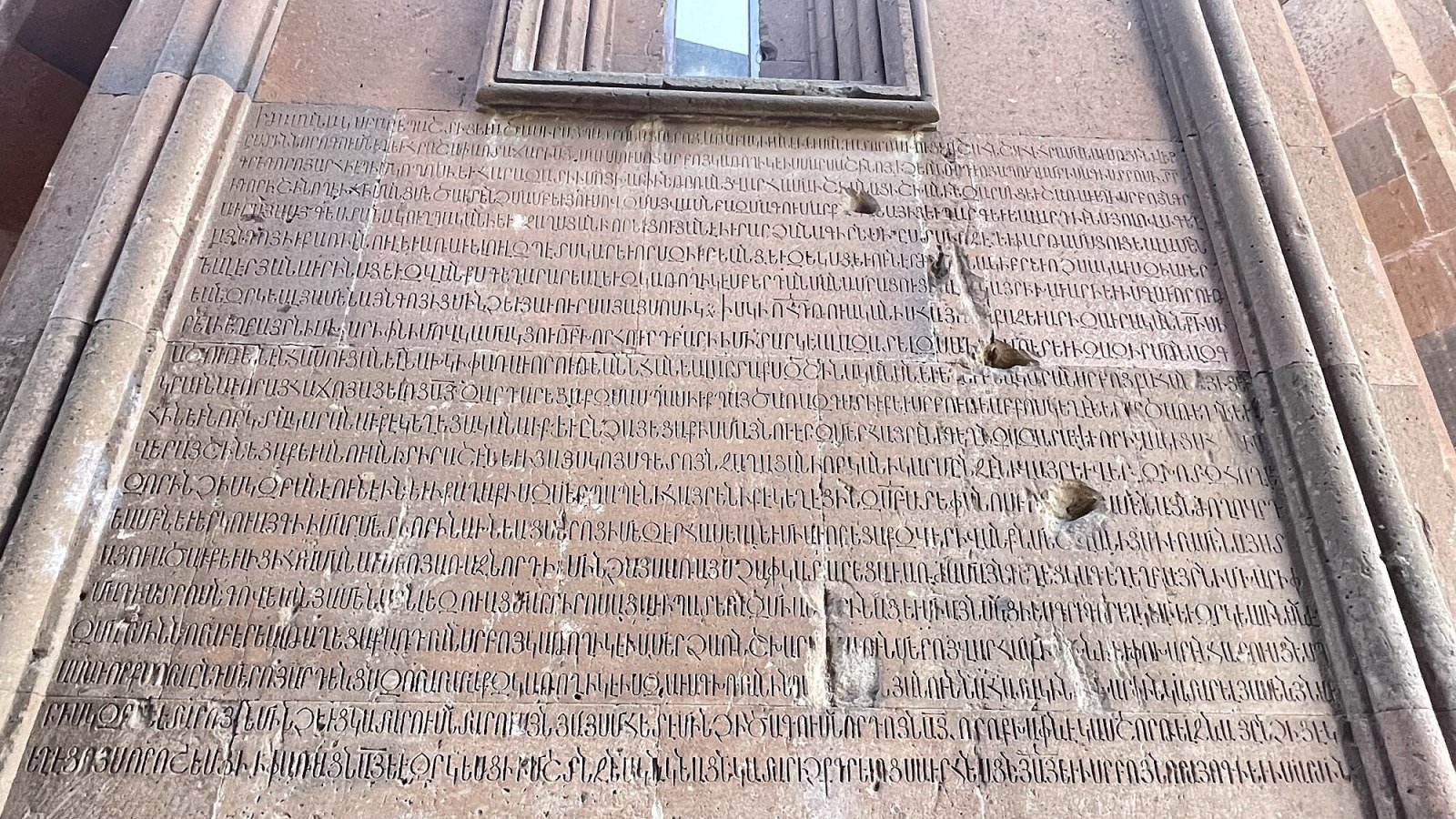
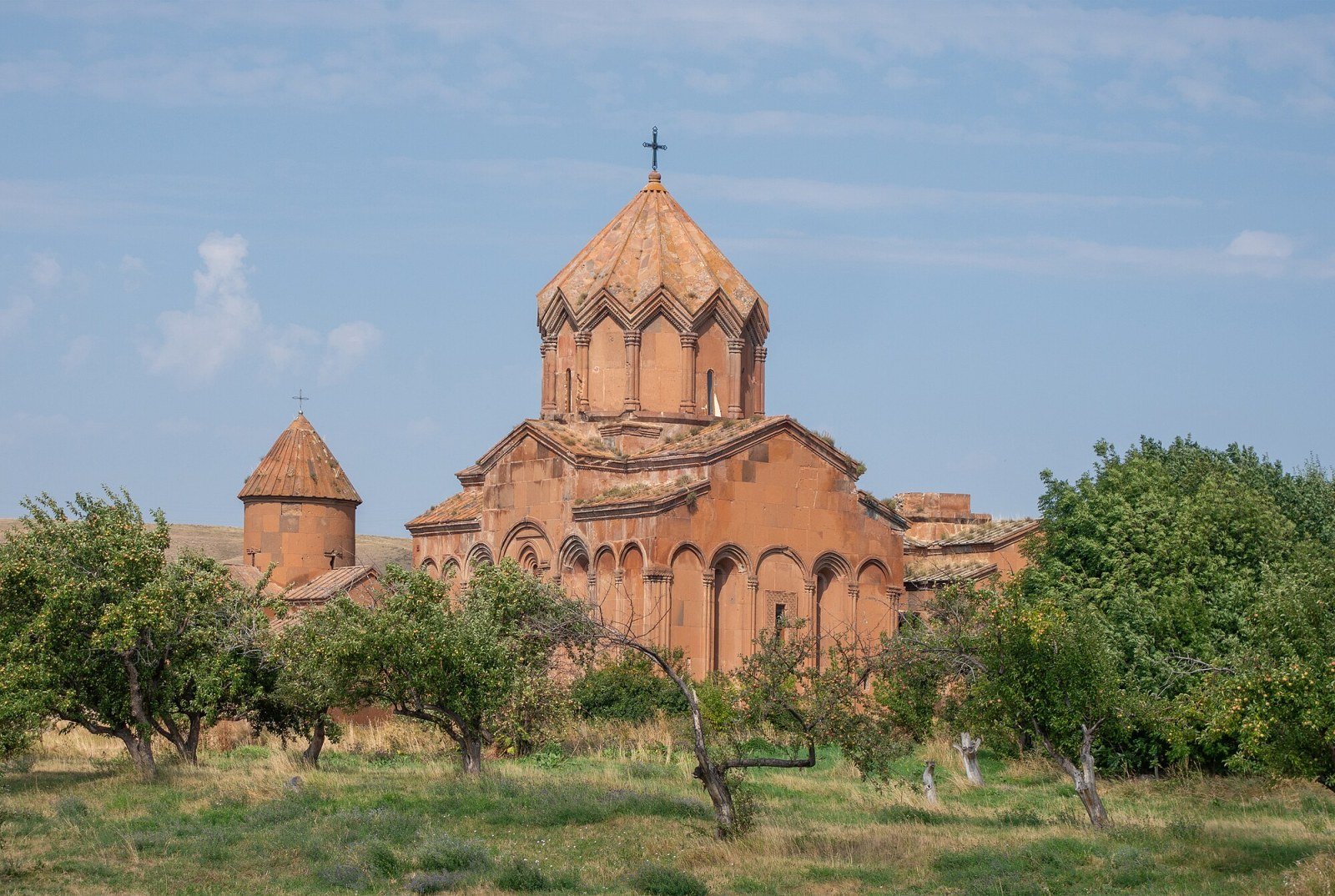
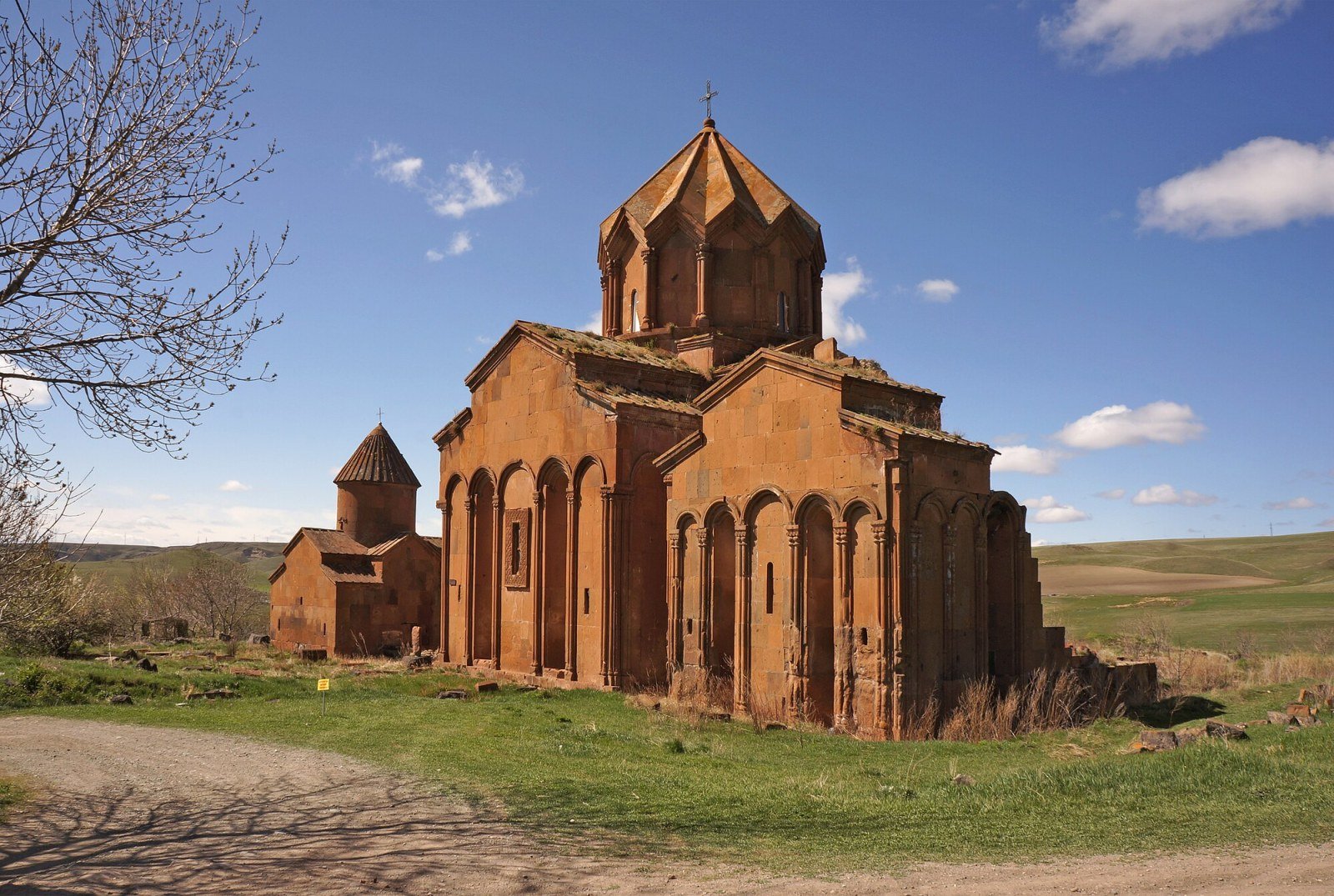
The main church, St Stephen, has the proportions and carving delicacy characteristic of classical Armenian architecture: a drum dome with decorated windows, interlaced friezes and khachkars set into the walls. The second church is in partial ruins that reveal the cross-section of the walls and the varying shades of pink in the tuff depending on the light. The third is smaller and more austere. There are no guards, no souvenir shop, no café nearby: just the buildings and the gorge.
Marmashen attracts far fewer visitors than Haghpat or Sanahin, which makes the visit especially peaceful. Gyumri, Armenia's second city, is about 15 minutes away by car and offers accommodation and restaurants at reasonable prices.
History
Marmashen was founded in the late 10th century by the Pahlavuni family, Armenian nobles who ruled the Shirak region. The main church, dedicated to St Stephen, was built between 998 and 1029 and is one of the most representative examples of the classical medieval Armenian style. The monastery was devastated several times by invasions, including the Mongol incursion of the 13th century, and partially restored in later periods. Its position in the Akhurian gorge, relatively sheltered, allowed it to survive better than other complexes on the Shirak plateau.
What to see & do
- Church of St Stephen (10th–11th century) The main church of the complex, with a drum dome, interlaced friezes and khachkars on the walls. The interior is austere and well-proportioned; the light enters differently depending on the time of day.
- Second church in ruins The partially collapsed walls reveal the construction technique. The volcanic tuff stones show different shades of pink and orange depending on the light.
- Third oratory A smaller, simpler chapel that completes the monastic complex. It is usually closed, but the exterior is worth a look.
- Akhurian river surroundings The gorge with the river below and the riparian vegetation give the complex a sheltered, cool atmosphere in summer. In spring the water runs strong.
- Views of the Shirak plateau From the gorge edge you can see the volcanic plateau and, on clear days, Mount Aragats in the distance.
Photo gallery
How to get there
Marmashen is about 10 km northwest of Gyumri, Armenia's second city. From Gyumri the practical option is a local taxi (about 15–20 minutes; negotiate waiting time with the driver). By private car, take the road towards Artik and then a dirt track down to the gorge. From Yerevan there are frequent marshrutkas to Gyumri (approximately 1.5 hours). There is no direct public transport to the monastery from Gyumri.
Best time to visit
The Shirak plateau has dry, sunny summers (20–28 °C) and harsh snowy winters. Spring (May–June) is pleasant, with green grass and the Akhurian river flowing well. Autumn (September–October) is quiet and dry. In winter the dirt track to the gorge can become impassable. The volcanic tuff of Marmashen Monastery changes colour: in late afternoon it takes on golden tones that it does not have in the morning.
More information
Photo: Armenak Margarian · CC BY-SA 4.0