
Haghpat Monastery
Հաղպատի վանք
10th-century Armenian monastery in Lori, a UNESCO World Heritage Site, with one of the finest collections of medieval khachkars.
Location in the Caucasus
Description
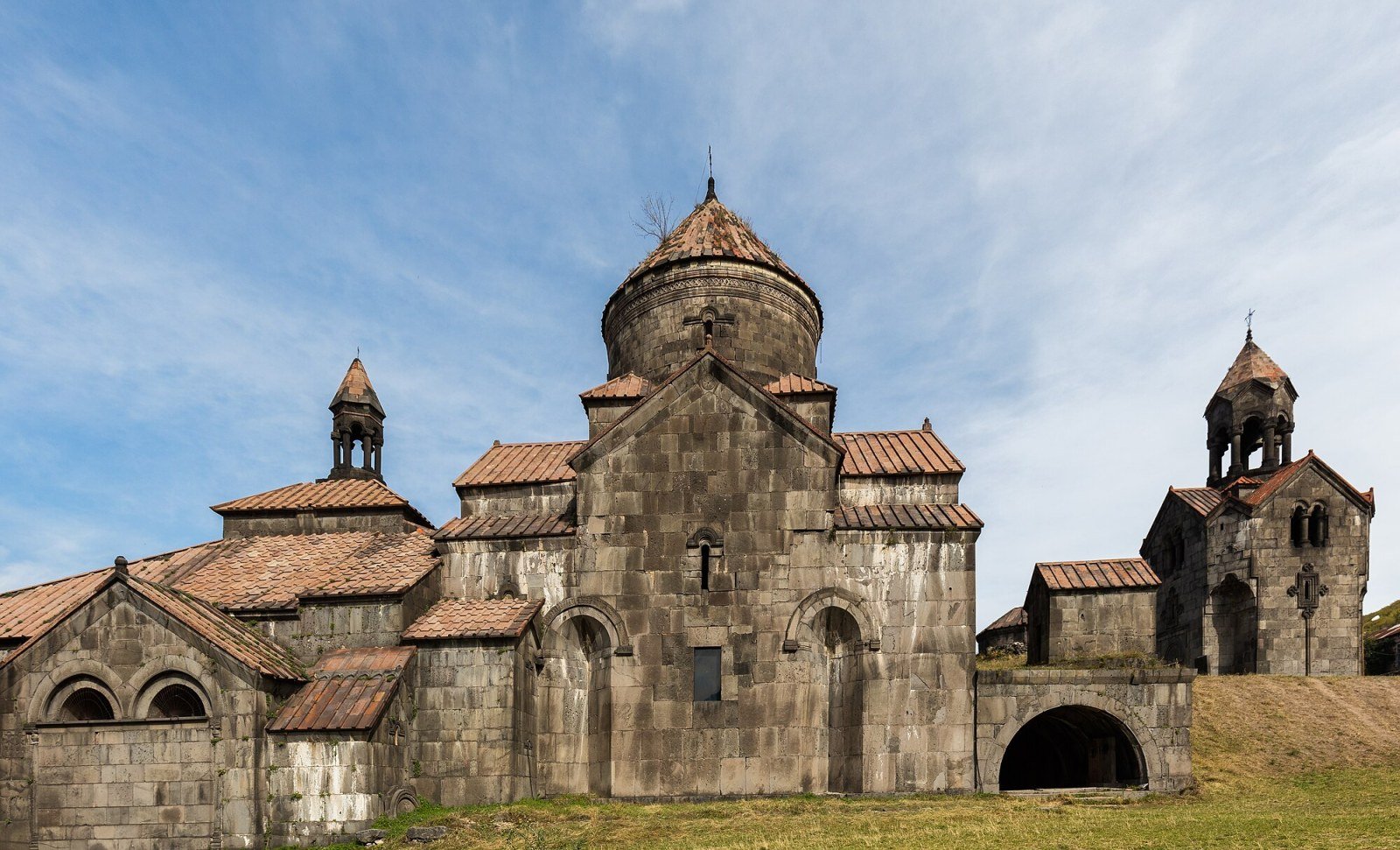
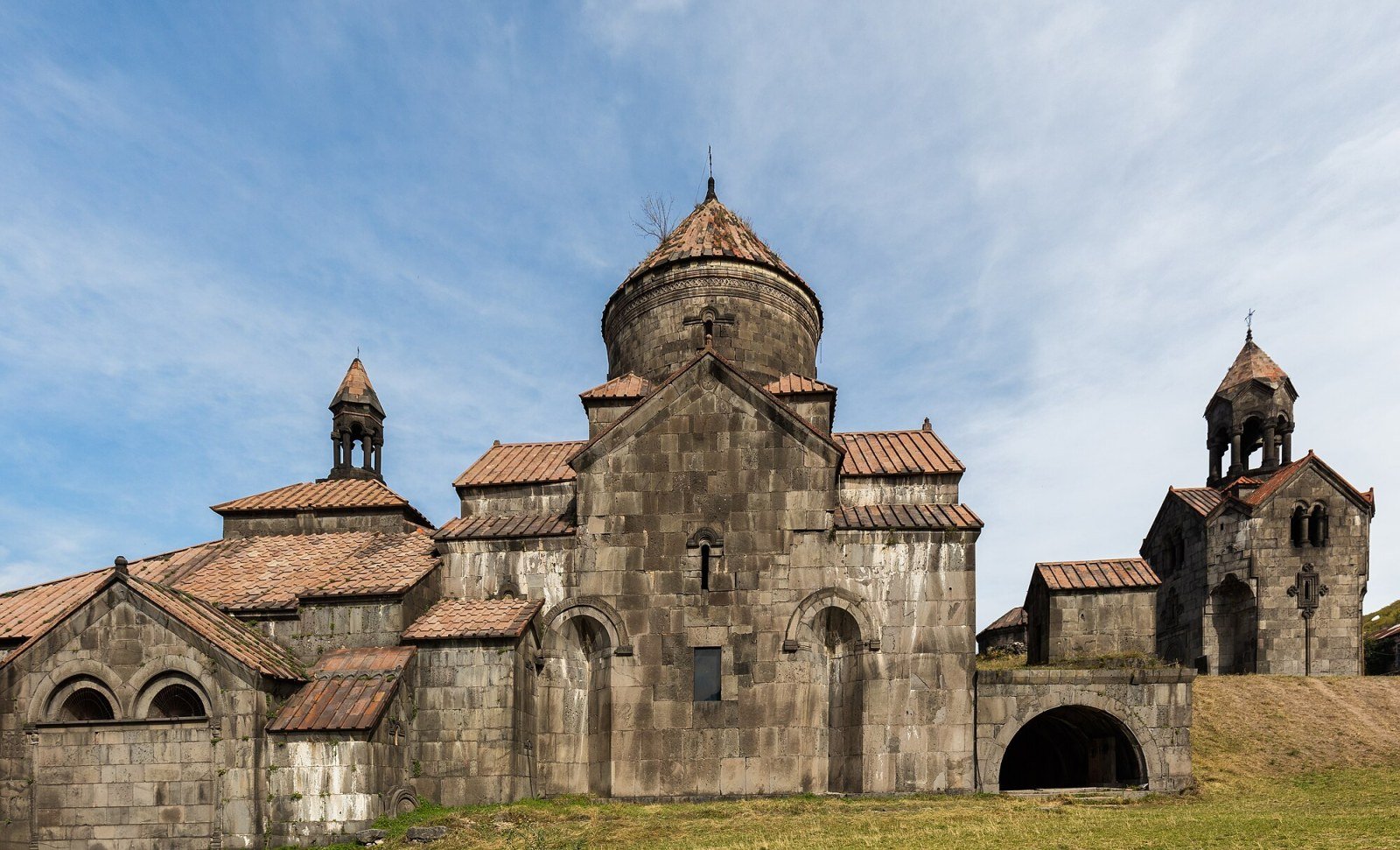
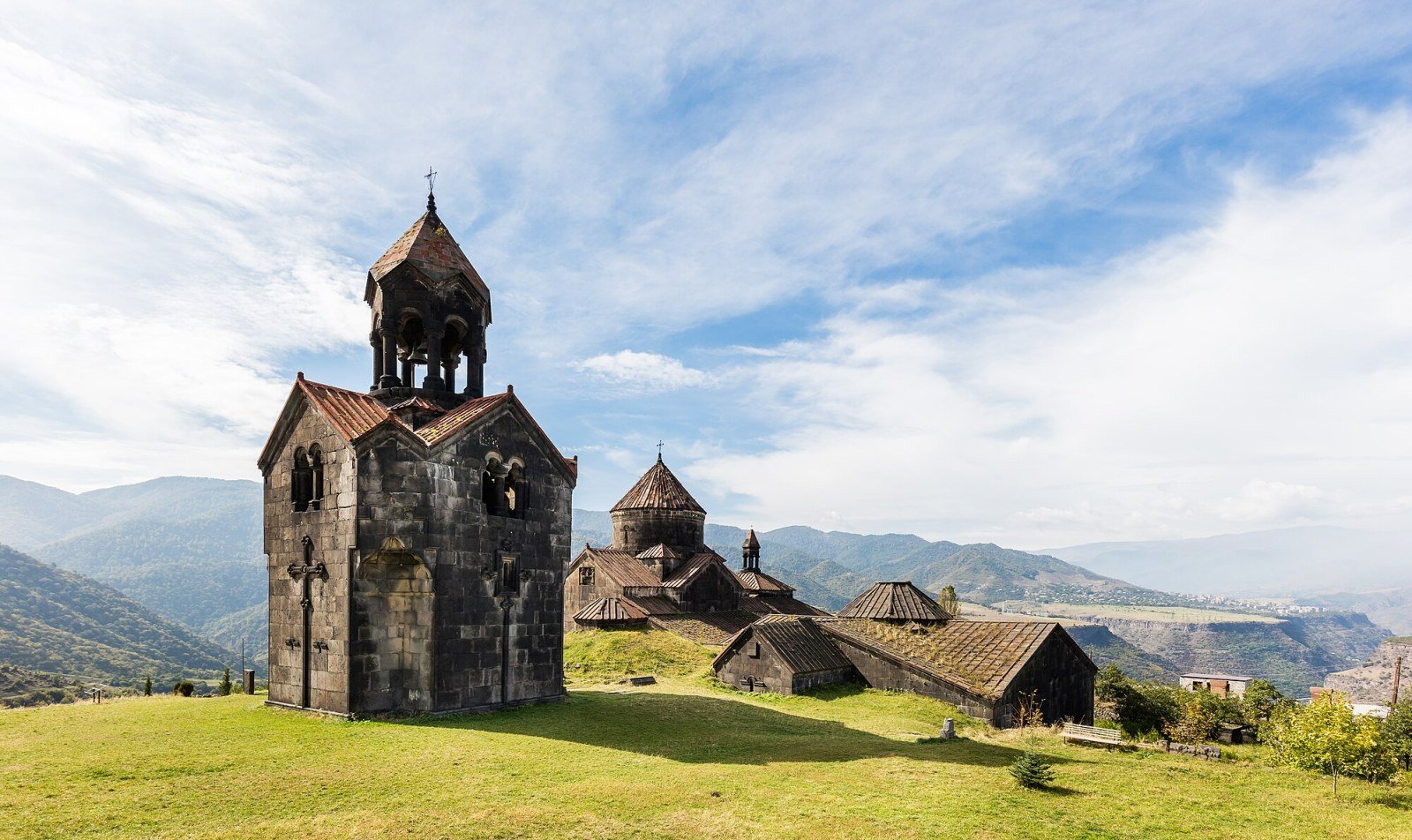
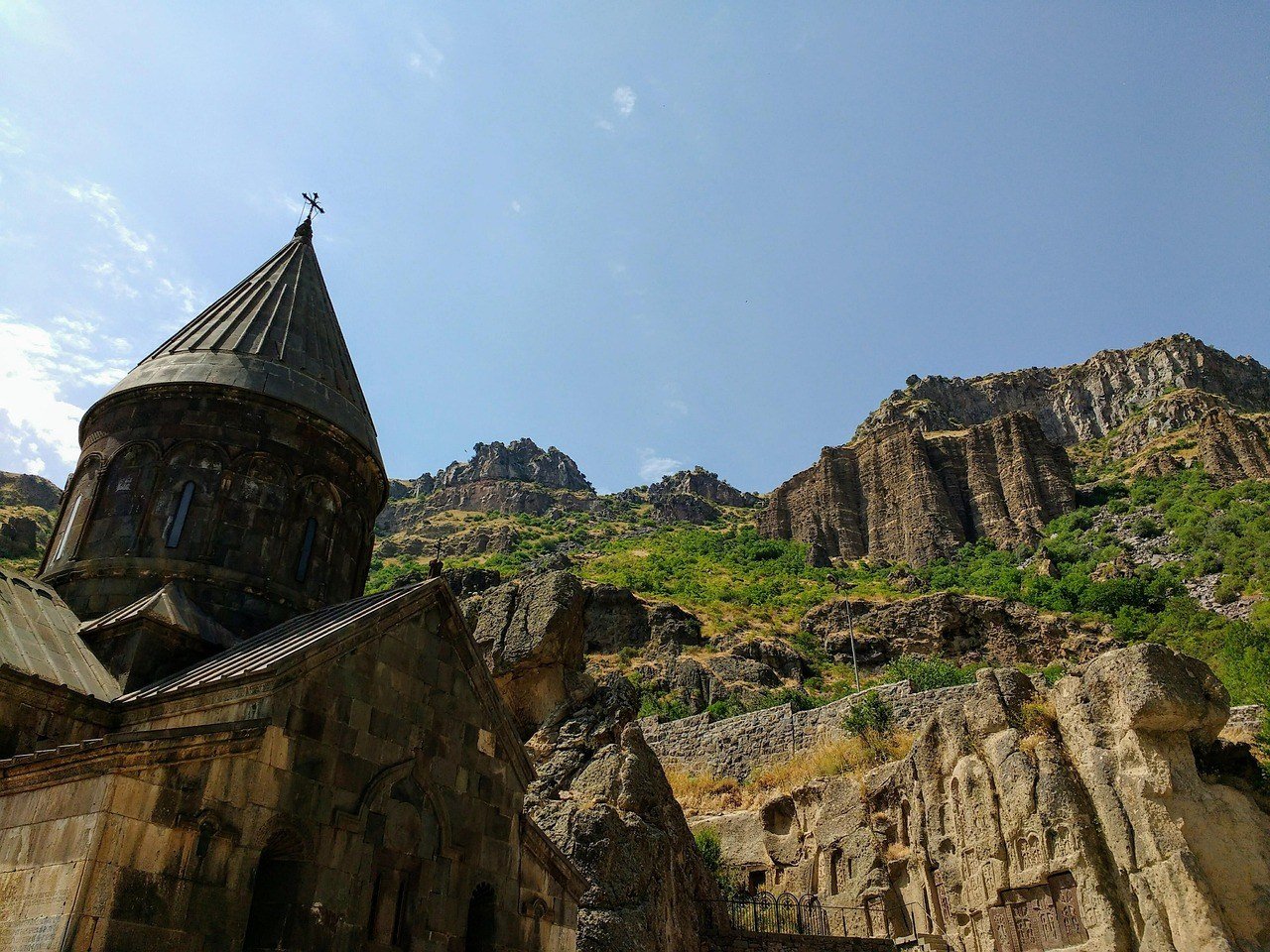
Haghpat Monastery (Հաղпատի վанք) stands on a plateau above the gorge of the Debet River, in the Lori region of northern Armenia. The road climbs from Alaverdi winding through forested slopes, and the views of the gorge from the roadside are remarkable before you reach the village. On entering the compound, the first impression is one of solidity: thick walls of dark basalt, churches of compact proportions and well-measured spaces that need no excessive ornamentation to make an impact.
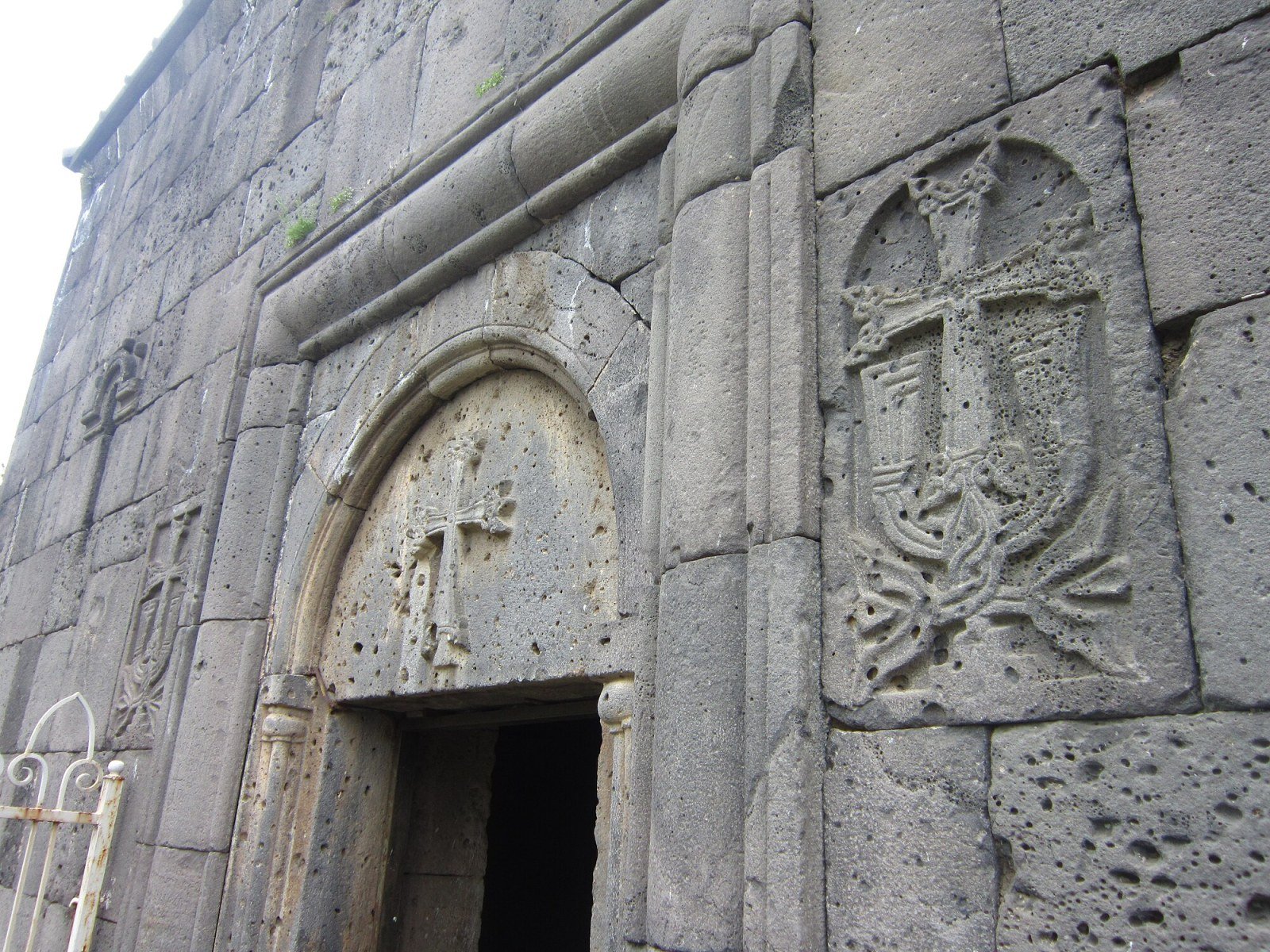
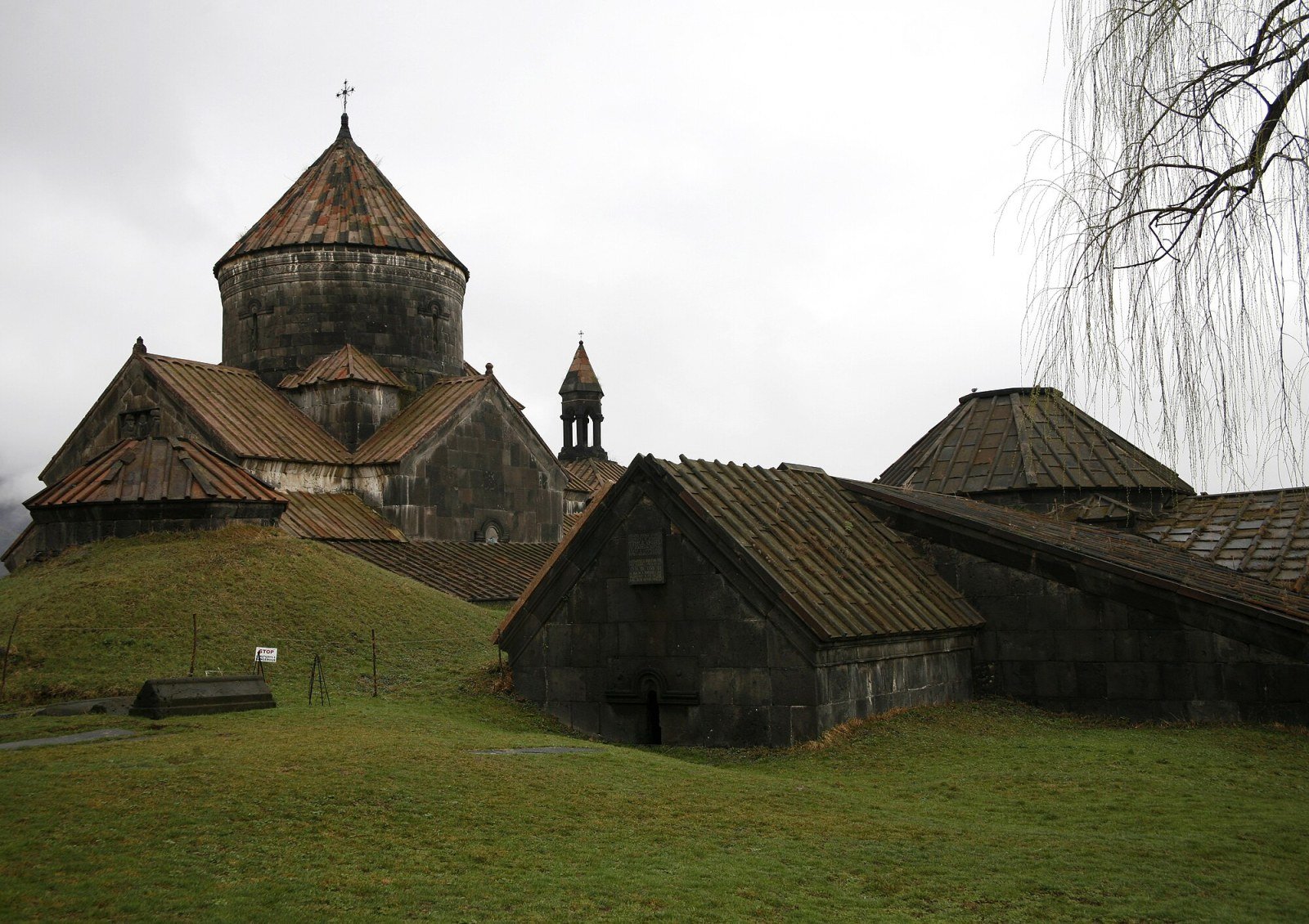
The complex is large for a rural monastery: the cathedral of Surb Nshan (Holy Cross), the gavit, the library, the refectory, the bell tower and several auxiliary buildings constructed between the 10th and 13th centuries. The collection of khachkars — carved stone crosses — is among the richest in Armenia; some show a precision of carving that surprises even those who have seen many, with interlaced geometric motifs repeated without perceptible errors.
The village of Haghpat has only a few dozen houses and a couple of families offering accommodation and home-cooked meals. In spring it smells of damp grass and wood smoke; in summer, of freshly baked bread from the tonir ovens. Village life revolves around the monastery and the small parish church. Locals tend to greet visitors with barev and receive them without fuss.
History
Haghpat Monastery was founded around 976 by Queen Khosrovanuysh, wife of King Ashot III Bagratuni, and expanded in the 11th and 12th centuries under the Armenian Bagratunis and later the Zakarids. It was an important intellectual centre: the library preserved manuscripts from the 12th and 13th centuries, and the scholar Hovhannes Imastaser taught here. The monastery suffered Seljuk and Mongol raids and was restored several times. In 1996 Unesco declared Haghpat and the neighbouring Sanahin a joint World Heritage Site. The Soviet mining complex of Alaverdi, visible from the gorge, forms a stark contrast with the monastery's antiquity.
What to see & do
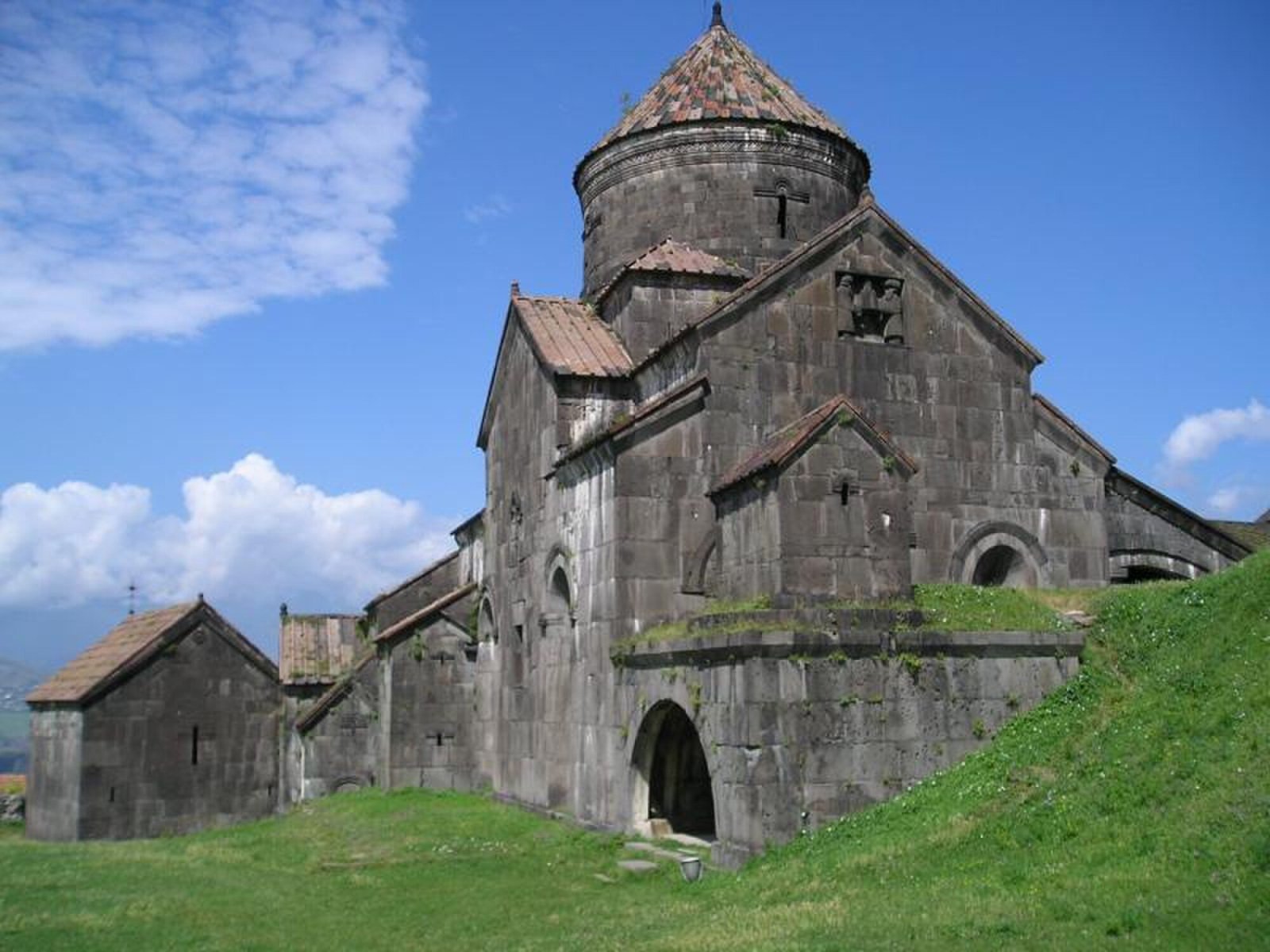
- Surb Nshan Cathedral The main church, completed in 991, with a cross-in-square plan and a dome on a drum. The interior proportions are austere; it retains partial 13th-century frescoes in the apse, with a Pantocrator still visible.
- Haghpat Gavit A 13th-century covered porch with four central columns and a ribbed vault. It has medieval inscriptions on the walls and several attached khachkars, some of the finest in the complex.
- Medieval Library A 13th-century building constructed to house manuscripts and liturgical objects. Now empty, but the architecture of the main hall, with pointed arches and wall niches, remains expressive.
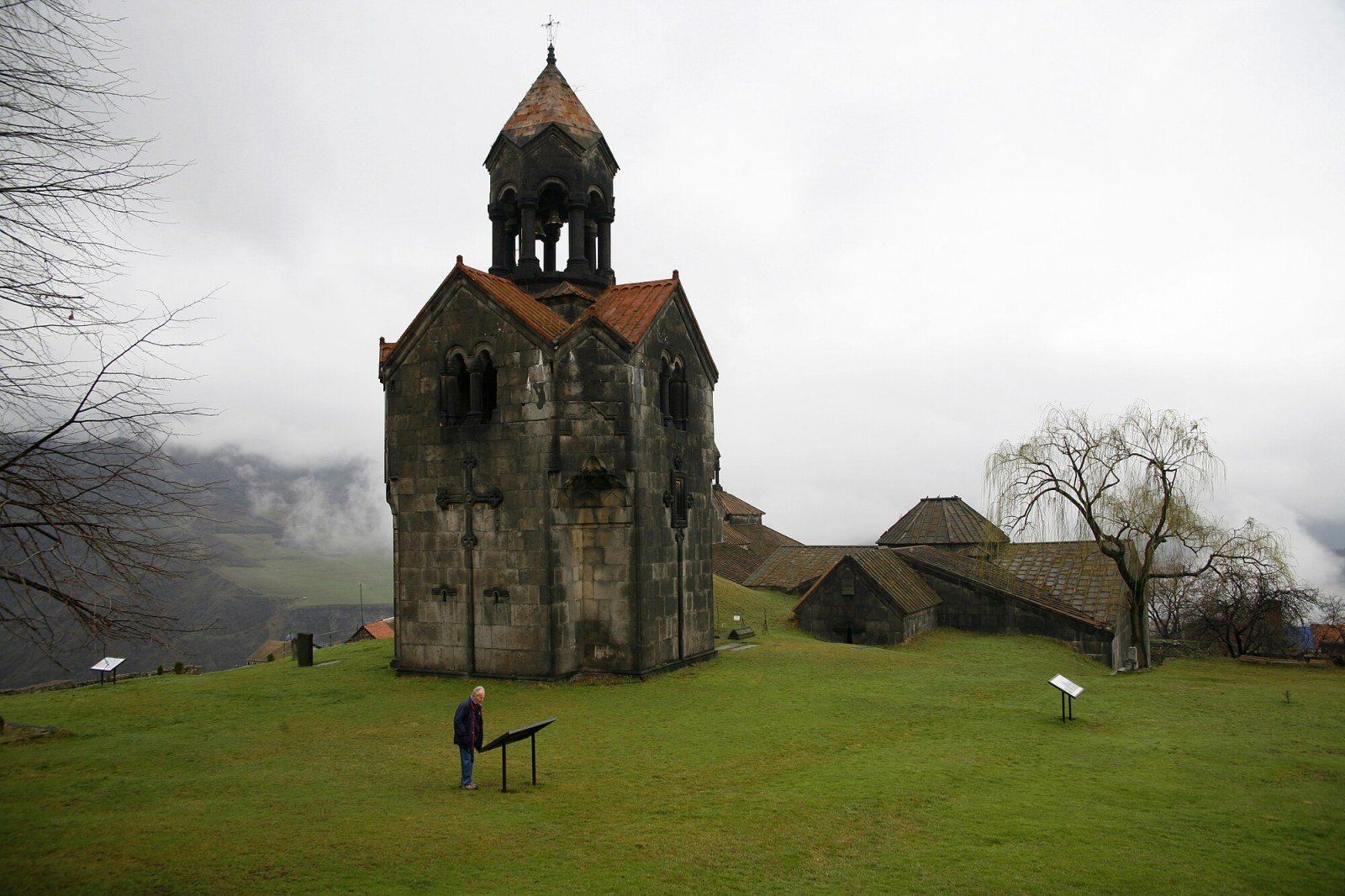
- Haghpat Bell Tower A three-storey tower from 1245, the most recognisable element of the complex in photographs. Seen from below, its scale dominates the entire compound.
- Refectory A long 13th-century hall with two vaults, built for the monks' communal meals. The acoustics are remarkable.
- Khachkar Collection Distributed throughout the compound, with the most elaborate 13th-century examples on the north wall of the gavit. The famous Amenaprkich (All-Saviour) of 1273 stands out.
Photo gallery
How to get there
Haghpat Monastery is about 10 km north of Alaverdi, in the Lori region. From Alaverdi, local taxis are available (around 2,000–3,000 AMD, €5–7 per trip) or you can walk up via the gorge trail in about 40–50 minutes with a significant elevation gain. Alaverdi has a daily train connection with Yerevan (about 4 hours) and marshrutkas departing from Kilikia station. Many visitors combine it with Sanahin, about 6 km away, on a day trip from Tbilisi or Yerevan.
Best time to visit
Spring (May–June) and autumn (September–October) are the best times to visit Haghpat Monastery: the Lori region is cooler than Yerevan and the Debet gorge landscape has more water and colour. Summer is pleasant thanks to the altitude (around 1,000 m), though July and August bring tourist groups and buses. Winter is cold, with frequent snow between December and February; access from Alaverdi is usually open, but it is best to go in the morning and wear sturdy footwear. Usual hours: 9:00–18:00, free entry.
Photo: Diego Delso · CC BY-SA 4.0