
Mestia
მესტია
Capital of Upper Svaneti at 1,500 m altitude, with inhabited medieval towers, nearby glaciers and access to the most remote valleys of the Caucasus.
Location in the Caucasus
Description
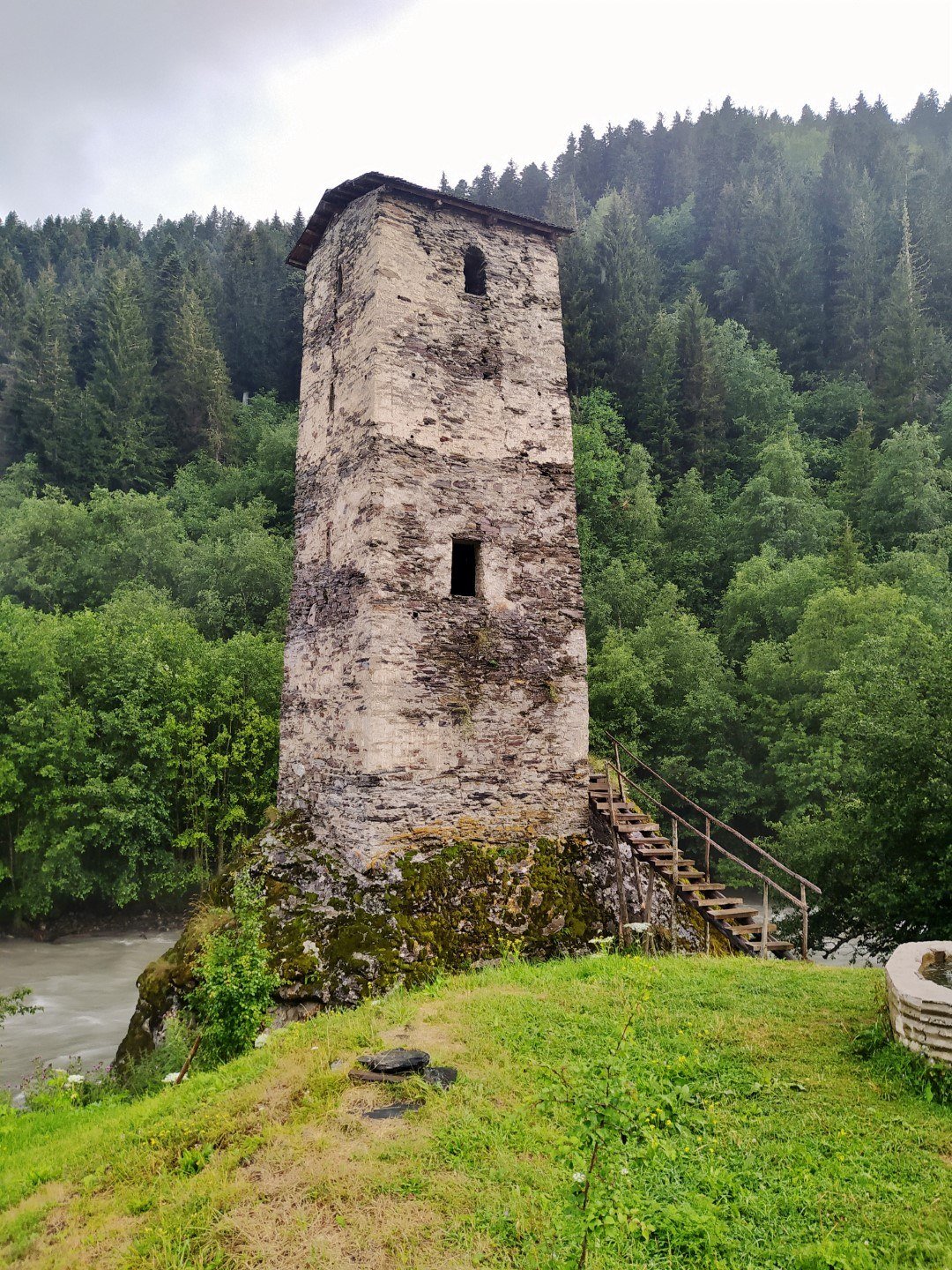
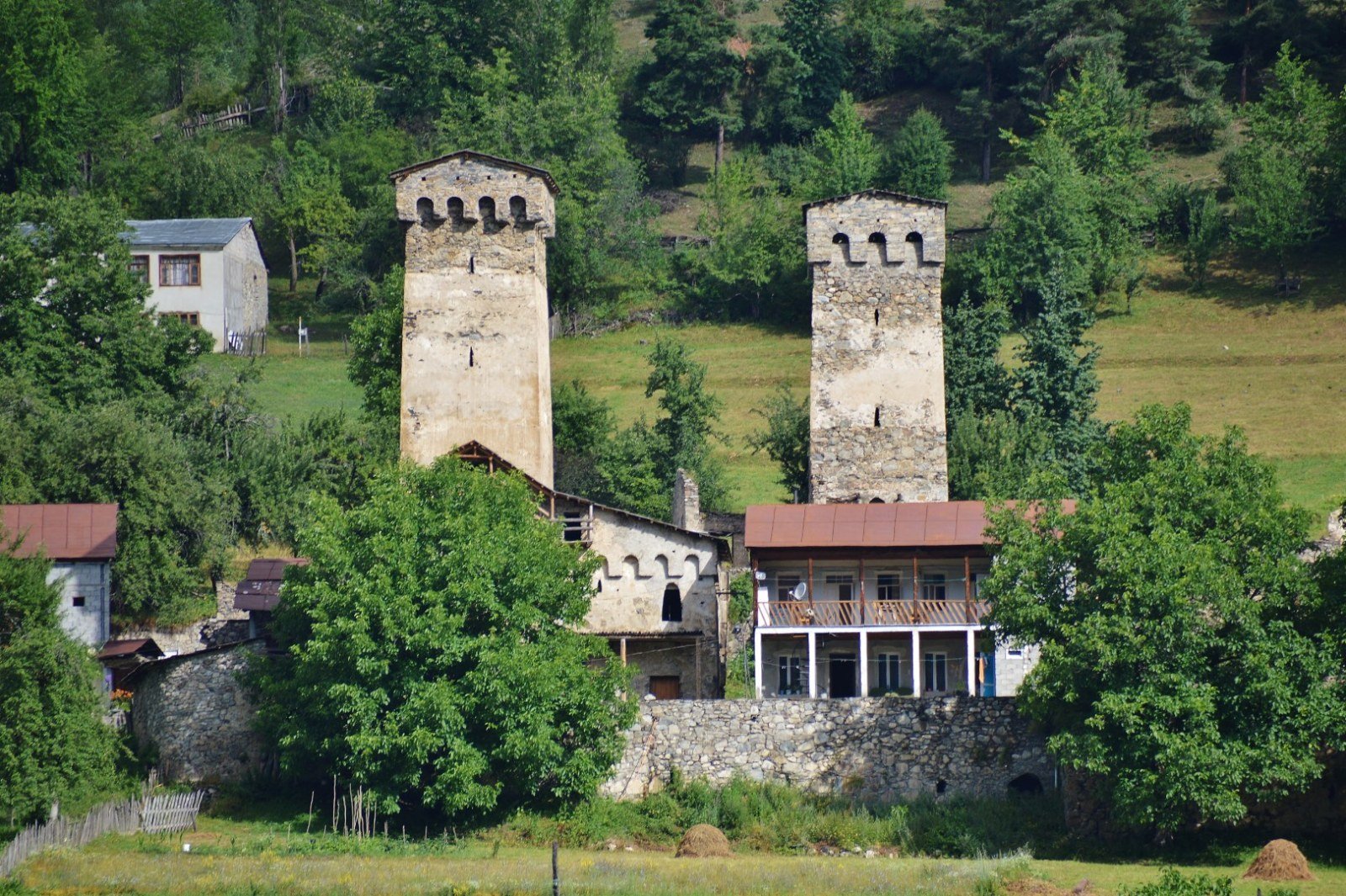
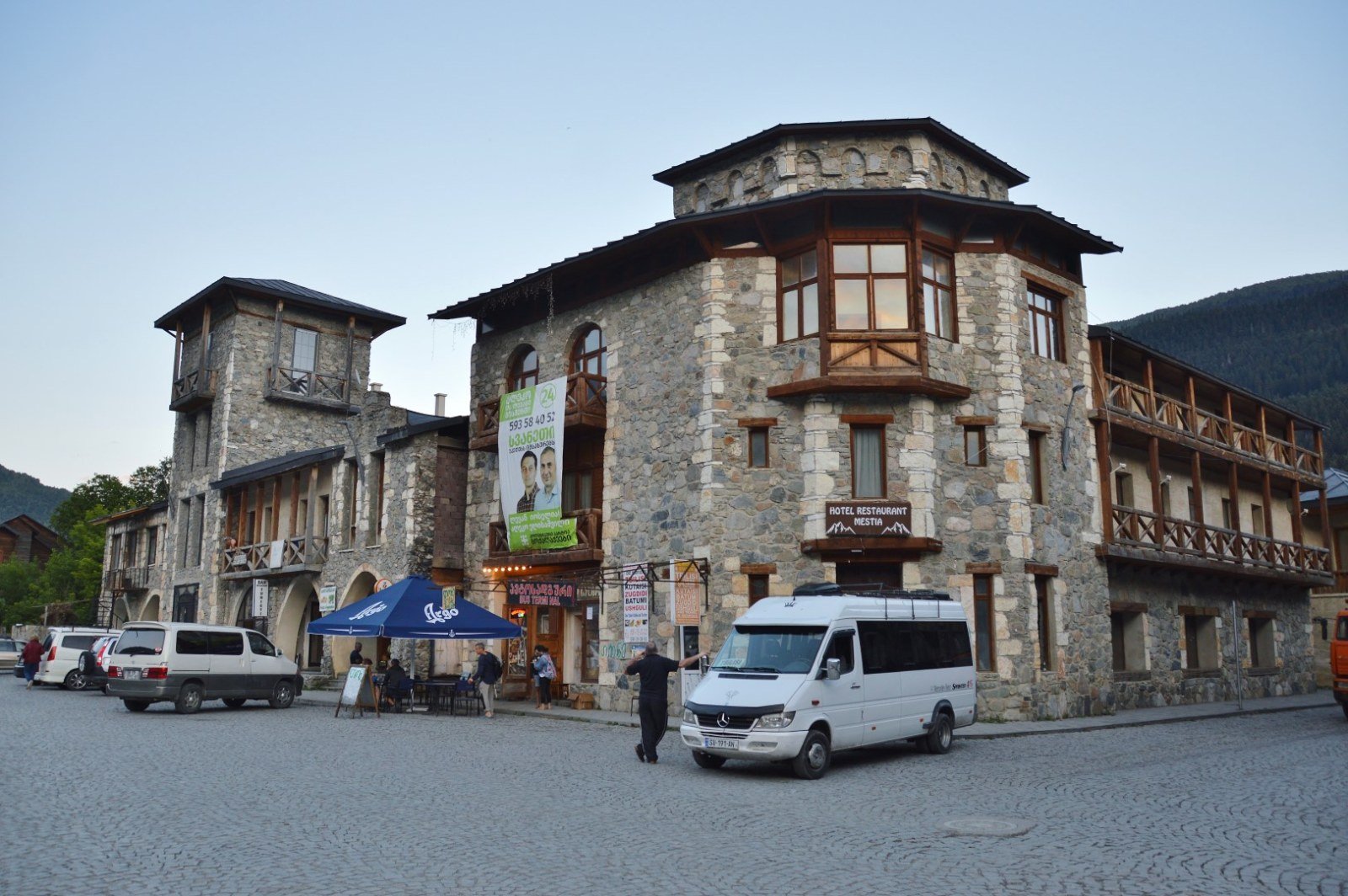
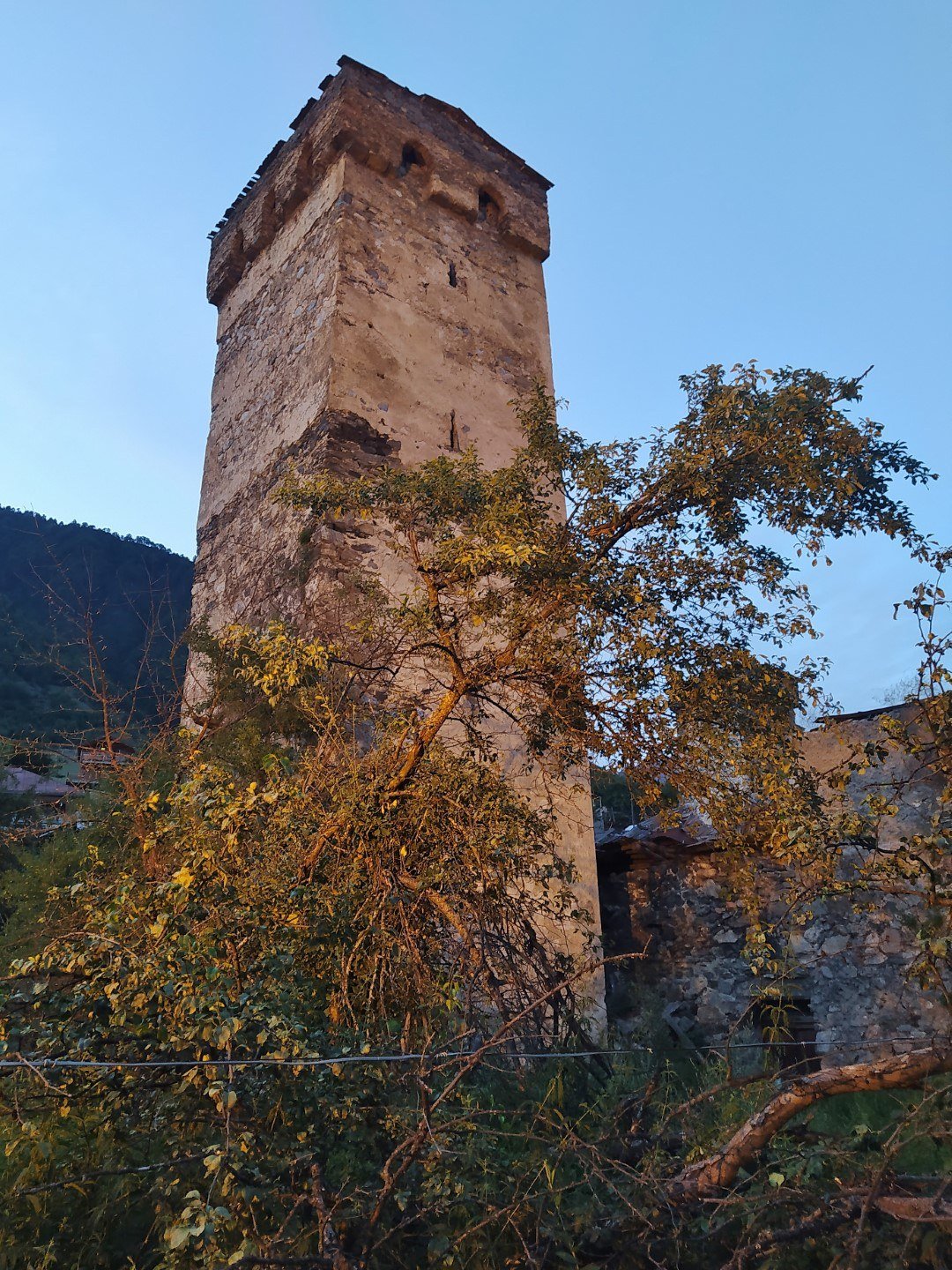
Arriving in Mestia from Zugdidi by marshrutka, after four hours on a road that in places seems about to fall into the Enguri river, the first thing that catches the eye are the towers: square, dark grey stone, between twenty and thirty metres tall, scattered across the town and surrounding neighbourhoods as if they had always been there. They are called koshki, they are defensive and medieval, and many remain an active part of family homes. There is nothing equivalent anywhere else in the Caucasus.
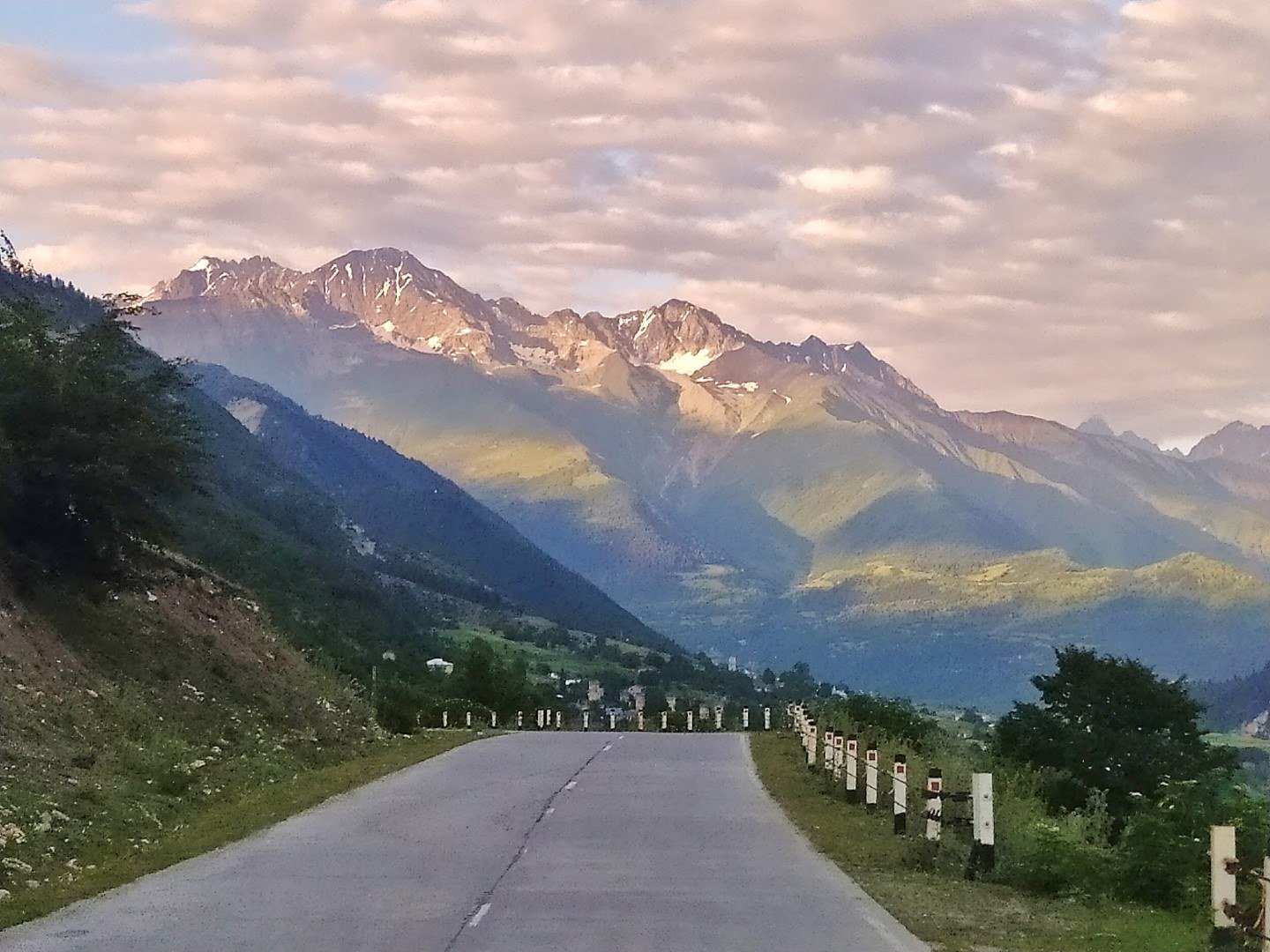
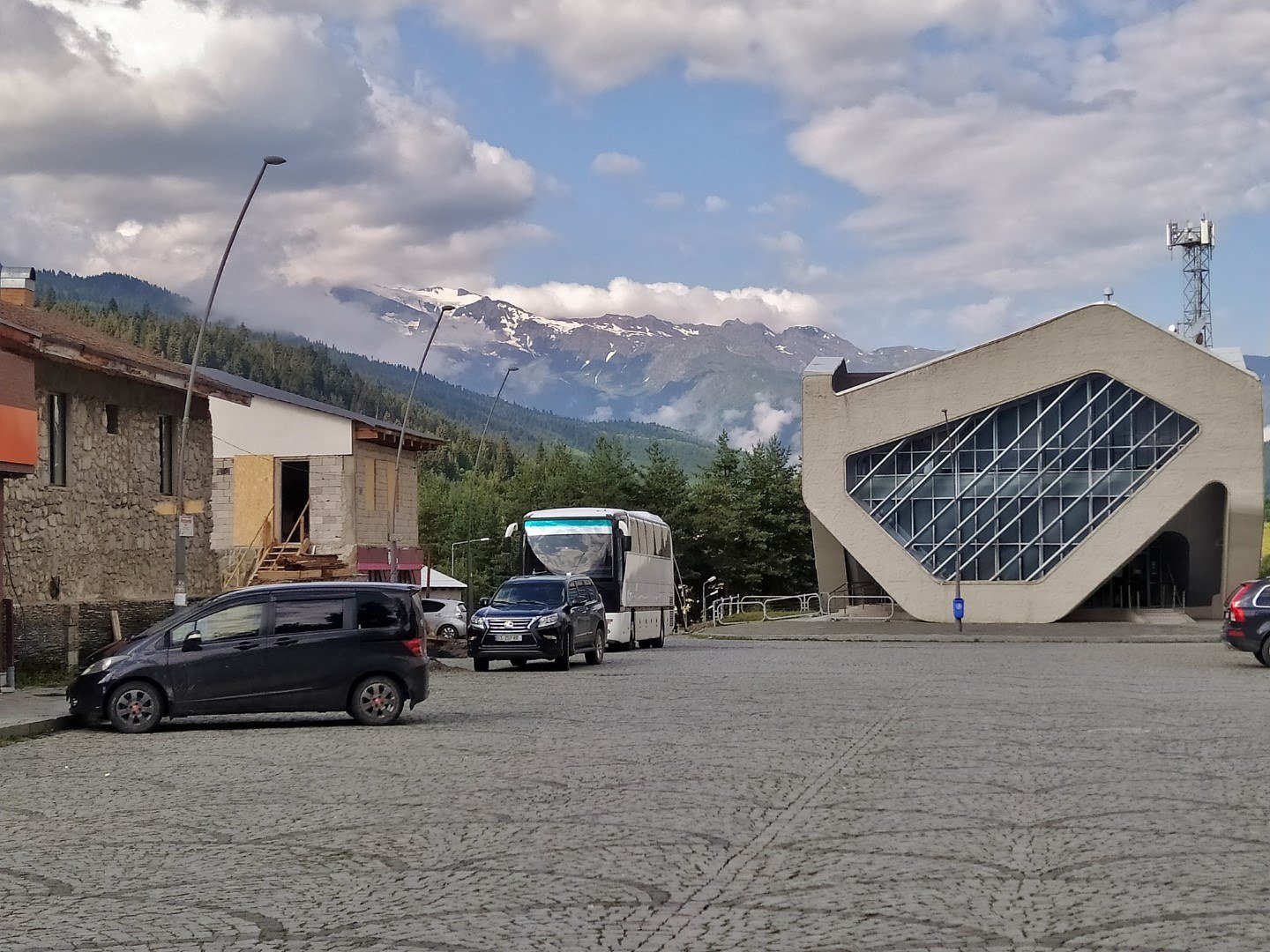
Mestia is the gateway to Upper Svaneti: glaciers accessible on foot, roadless valleys and villages reachable only in summer. The town has a few thousand inhabitants, a small airport with flights from Tbilisi and Batumi, and several guesthouses and restaurants serving kubdari —meat pastries with spices, the quintessential Svan food— and local beer. The atmosphere in high season, between June and September, is that of a mountain village that has grown fast: there are wifi cafés, trekking gear shops and queues for the 4x4s heading to Ushguli.
The improved road and new airport have transformed Mestia over the past decade. Infrastructure is notably better than before, though the quality of accommodation varies considerably from one place to another. In winter, the ski resorts of Hatsvali and Tetnuldi attract a different crowd and the village regains a certain weekday quiet.
History
The Svans are one of the oldest peoples of the Caucasus, with their own language —Svan, related to Georgian but clearly distinct— and several centuries of isolation that allowed them to preserve icons, manuscripts and medieval customs that disappeared in other regions of Georgia. The koshki towers, built between the 9th and 13th centuries, served as refuge against invasions and marked the status of each family. During the Soviet period, Mestia attracted academic interest for its preserved culture; the Svaneti Museum of History and Ethnography was created specifically to protect that heritage. Difficult access kept it relatively isolated well into the 21st century, when the improvement of the road from Zugdidi changed the dynamic irreversibly.
What to see & do
- Svan towers (koshki) The medieval towers scattered across Mestia and its neighbourhoods are the most recognisable image of the region. Some families allow visitors to climb to the upper section for a small fee —between 5 and 10 GEL depending on the tower— and from the top the view over the Enguri valley and the snow-capped peaks is broad and clear.
- Svaneti Museum of History and Ethnography Houses medieval icons, weapons, tools and traditional costumes collected from the villages of Upper Svaneti. Some icons are over a thousand years old. Open Tuesday to Sunday; entry is around 5 GEL for foreign visitors.
- Chalaadi Glacier A trail of about three hours return from Mestia leads to the glacier front, which ends in a lake of murky, cold water. The terrain requires no special equipment and is accessible for walkers with basic fitness.
- Hatsvali and Tetnuldi Two ski resorts a few kilometres from Mestia with runs reaching 2,800 metres. In winter they are the main reason Georgians visit; a day pass costs around 40-50 GEL.
- Route to Ushguli About 45 km along a mountain track, Ushguli is considered the highest permanently inhabited settlement in Europe. It can be reached by 4x4 —shared taxis from Mestia cost between 50 and 80 GEL per person— or on foot over several days of trekking through Upper Svaneti.
Photo gallery
How to get there
From Tbilisi, Vanilla Sky operates flights to Mestia in about 50 minutes (from 50 GEL; limited frequency and subject to weather cancellations). There are also seasonal flights from Batumi. By land, the most reliable option is the overnight train Tbilisi–Zugdidi and then a morning marshrutka to Mestia (3.5–4.5 hours, around 20 GEL). The road is in better condition than a decade ago, but remains winding.
Best time to visit
From June to September the trails are clear and valley temperatures range between 15 and 25 °C; evenings always cool down, even in August. July and August are the busiest months. May and October offer good days but with the risk of snow at higher elevations. Winter —December to March— brings heavy snow for the pistes at Hatsvali and Tetnuldi, though flights are cancelled more frequently and the road from Zugdidi can close.
More information
Photo: Iberogeorgia · Propiedad de Iberogeorgia