
Meghri
Մեղրի
Armenian city at the southernmost tip of the country, bordering Iran, with a subtropical climate, pomegranate terraces and medieval churches with frescoes.
Location in the Caucasus
Description
Meghri is wedged into a gorge of the Araxes River, just a few kilometres from the Iranian border, and its climate sets it apart from the rest of Armenia: snow is rare in winter, summer is dry and intense, and the house gardens have pomegranate, fig and lemon trees that surprise visitors arriving from the cold of Yerevan. The town climbs the hillsides in terraces, with narrow streets that wind up and down without apparent logic, and the smell of ripe fruit in autumn pervades the upper neighbourhoods.
The centre is small — barely two streets of shops and a market lively in the mornings — and life moves at a slow pace. The rooftops of the old town are made of grey slate slabs, and the dark basalt walls contrast with the almost Mediterranean-looking vegetation. The medieval churches of Meghri preserve partially legible interior frescoes, which is unusual for a town of this size. The border with Iran, crossed via the Agarak checkpoint 7 km away, makes Meghri a transit point for travellers between the two countries, though tourist traffic is low and accommodation is basic.
Getting there requires effort: from Yerevan it is over 300 km along mountain roads that take between five and six hours. That distance is part of the character of the place: Meghri feels off the beaten track in Armenia, and that has its own value for those seeking a different pace and not expecting organised tourist services.
History
Meghri has a documented history going back to the medieval period, when it was part of the territories of the principality of Syunik. The churches of St Hovhannes and St Sargis, built between the 17th and 18th centuries, reflect the city's most prosperous period, linked to trade routes between Armenia, Persia and the Ottoman world. In 1920, following agreements between the Bolshevik government and Turkey, Meghri was assigned to Soviet Armenia, which explains its current position as Armenia's southernmost tip, historically surrounded by Soviet Azerbaijan territory — a political geography that still defines the access and isolation of the place.
What to see & do
- Church of St Hovhannes Built in the 17th century on a hill overlooking the Araxes gorge; the interior frescoes, though deteriorated, show scenes from the Old and New Testament in still recognisable colours. The walk from the centre takes about ten minutes uphill.
- Church of St Sargis Smaller and harder to reach along the steep streets of the old quarter; the carved stone facade has ornamental detail unusual for Armenian architecture of the period. It is worth asking in the village whether it is open before making the climb.
- Historic quarter with slate houses The streets of Meghri's old town have houses with black slate roofs and gardens with pomegranate and fig trees. The contrast between the dark basalt walls and the subtropical vegetation is visually striking and worth exploring at a leisurely pace.
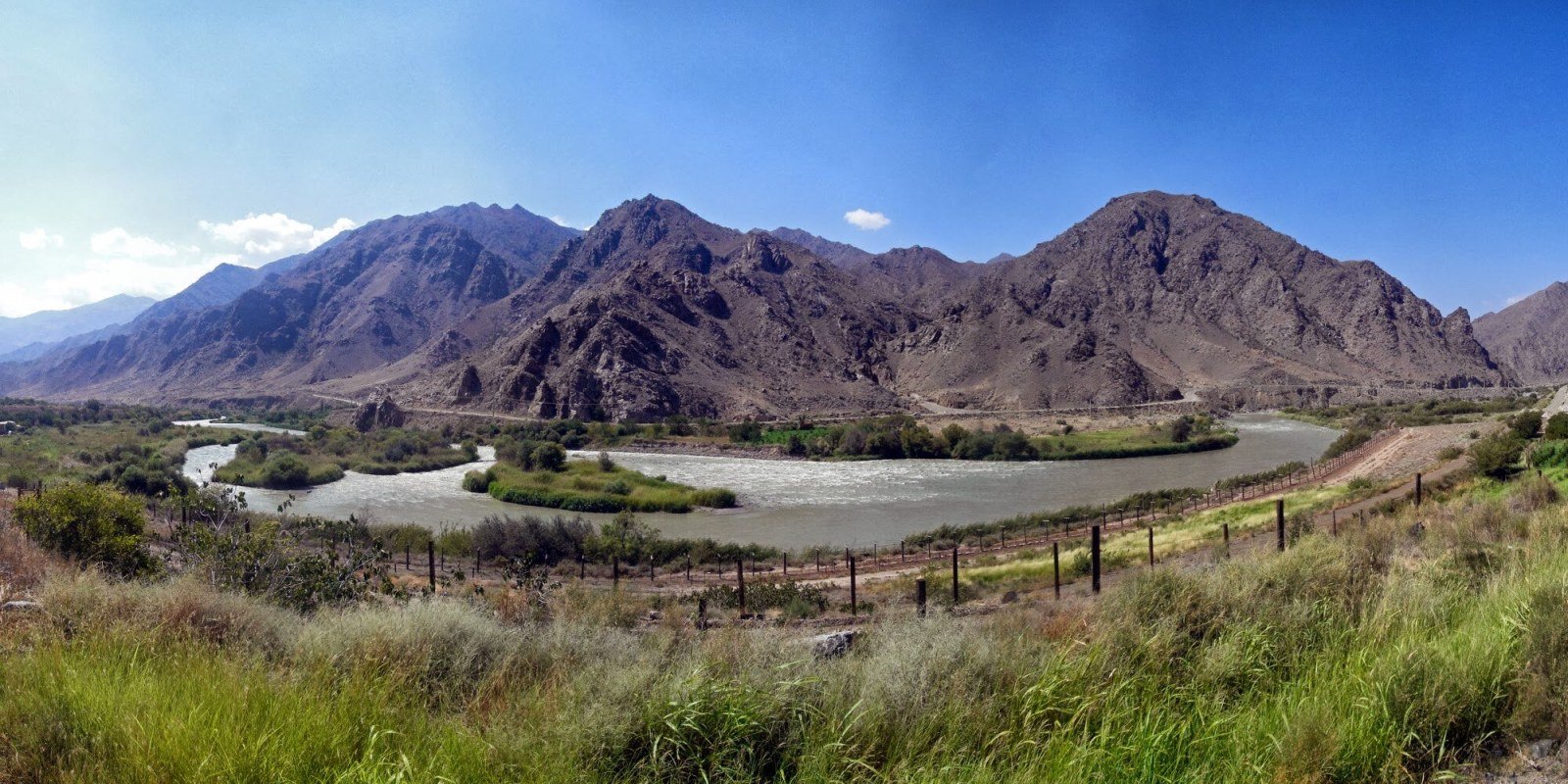
- Viewpoint over the Araxes gorge From the upper parts of the town you can see the Araxes River canyon and, on clear days, the Iranian mountains on the other side. There is no signage; any street heading east leads to spots with good views.
- Agarak border crossing 7 km from Meghri, the Agarak bridge over the Araxes allows crossing into Iran with the relevant visas. Even if it is not your destination, seeing the river at that point — with the Iranian mountains ahead — gives a sense of how remote the place is.
Photo gallery
How to get there
From Yerevan, marshrutkas depart from Kilikia station towards Kapan and Meghri; the journey takes 5–6 hours and costs approximately 3,500–4,500 drams (around 9–12 USD). Renting a car is also possible, although the road has demanding mountain sections. From Kapan, the nearest town with services, Meghri is a further 80 km south. The border crossing with Iran at Agarak is 7 km away.
Best time to visit
The best time to visit is spring, between April and June: temperatures of 20–28 degrees, pomegranate trees in blossom and the vegetation at its most green. Summer is hot and dry, with highs exceeding 38 degrees in July and August; the heat gathers in the gorge. Autumn, from September to November, is pleasant and coincides with the ripening of pomegranates and figs. In winter temperatures are mild compared to the rest of Armenia, rarely dropping below zero.
More information
Photo: Vahe Martirosyan · CC BY-SA 2.0