
Lake Arpi National Park
Արփի լիճ
High-plateau lake in northwest Armenia, refuge for migrating cranes and volcanic peatlands, far from mass tourism.
Location in the Caucasus
Description
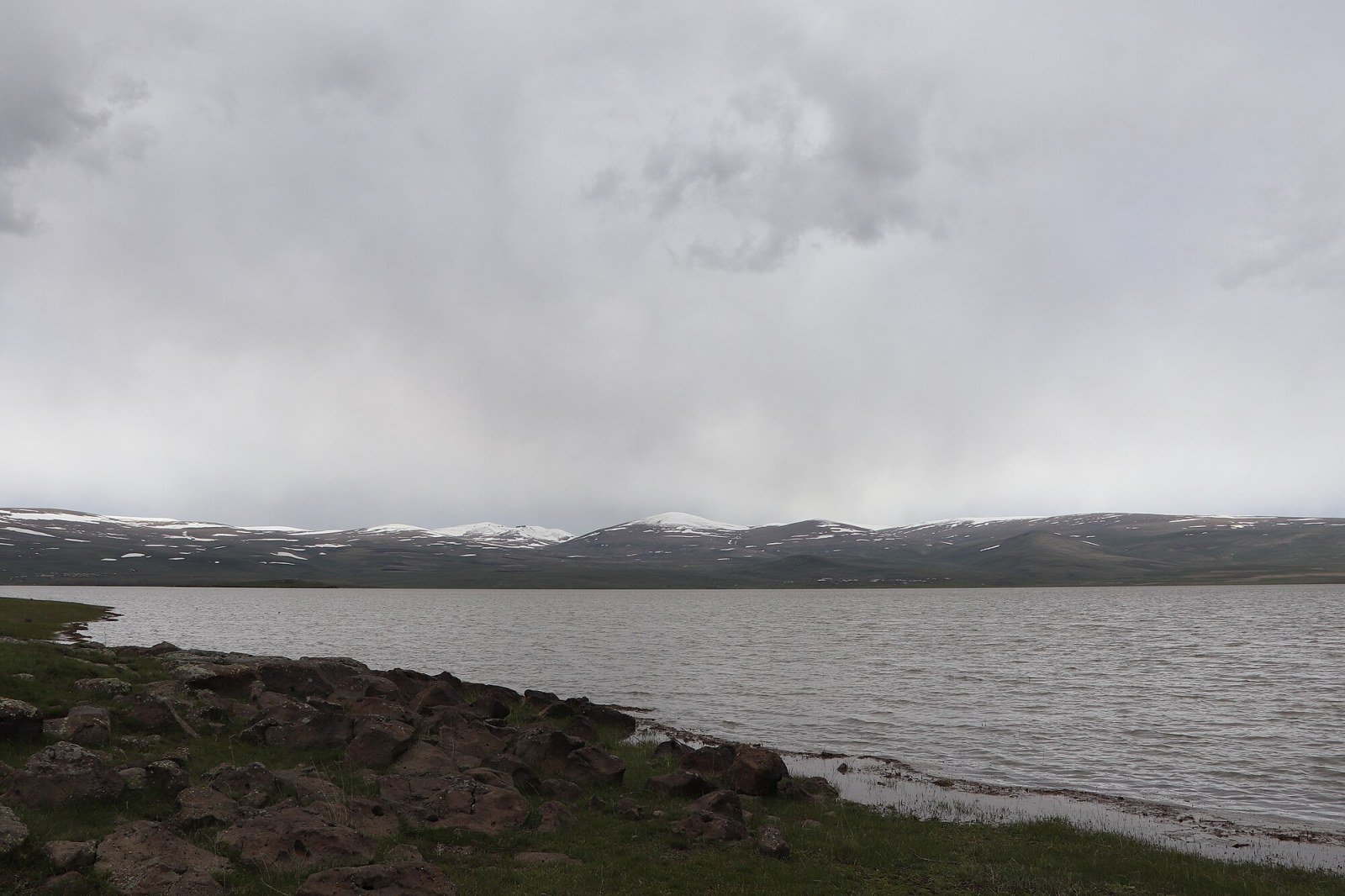
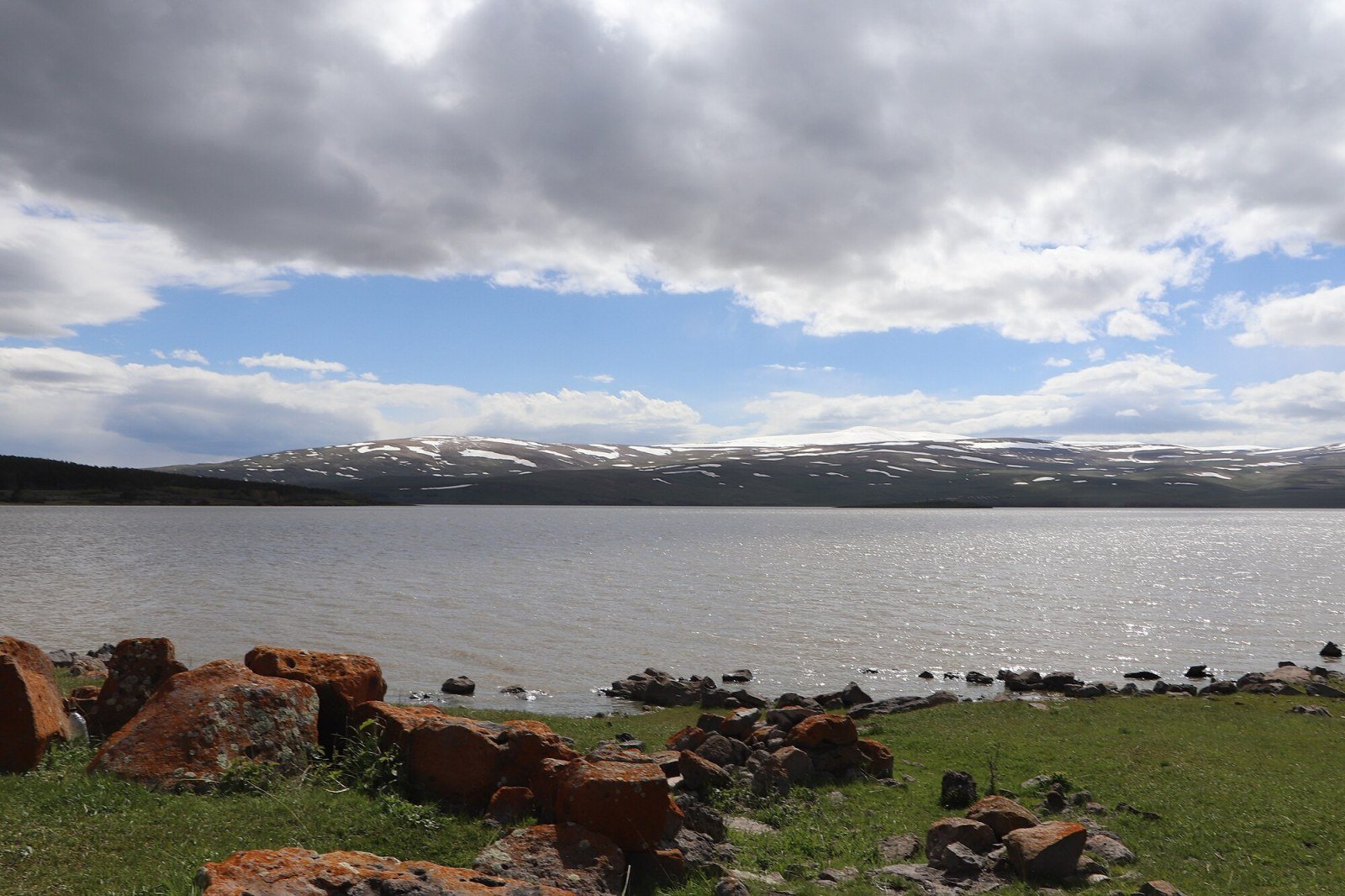
Lake Arpi occupies a shallow depression on the volcanic Shirak plateau in northwest Armenia, at around 2,000 metres above sea level. This is not a lake of rocky walls or turquoise waters: it is a quiet sheet of water surrounded by wet grasslands, spongy peatlands and fields of wild lavender. On clear days, the volcano Aragats — with its four summits reaching 4,090 metres — closes the southern horizon like a backdrop that few tourists ever see from here.
The uniqueness of the place is biological. Lake Arpi is one of the main breeding areas for common cranes in Armenia, and during migrations it acts as a staging post for thousands of waterbirds: ducks, coots, sandpipers and waders that cover the water at dawn. Birdwatchers make up the bulk of visitors; the rest come out of curiosity or passing through on the way to Gyumri.
Infrastructure is minimal, and that is part of the appeal. There are no hotels by the lake; the main access is along dirt tracks from the village of Jrahavet, where some families accept travellers. The peatlands of Lake Arpi National Park also shelter the Armenian crayfish, an endangered endemic species whose presence indicates the health of the ecosystem. Walking along the shore in spring, with the ground yielding underfoot and the air filled with the calls of cranes, is an experience hard to find anywhere else in the region.
History
The Lake Arpi basin was inhabited since the Bronze Age, as attested by petroglyphs and archaeological remains scattered across the surrounding hills. In medieval times the territory was part of the Armenian principality of Shirak. During the Soviet period the lake was exploited for agricultural irrigation: its level dropped significantly and the wetland ecosystem suffered lasting damage. After Armenia's independence in 1991, water recovery works began, and in 2009 the government established Lake Arpi National Park to protect the wetlands, peatlands and bird colonies that had started to recover.
What to see & do
- Common crane watching In spring (March–April) and autumn (September–October), thousands of cranes gather at Lake Arpi; dawn, with flocks taking flight over the still water, is one of the most intense natural moments in northern Armenia.
- Peatlands and wet meadows The lake margins have peatland zones accessible on foot; the ground is spongy and feet get wet, but the flora is remarkable: rushes, water irises and, in some areas, carnivorous plants native to the Shirak plateau.
- Bronze Age petroglyphs In the hills near Lake Arpi there are rock carvings whose exact location is best asked about in the village of Jrahavet, as they are not always signposted.
- Views of Aragats volcano On clear days Aragats dominates the southern horizon with its four-summit silhouette; the composition of the lake in the foreground and the volcano behind is characteristic of this corner of Armenia.
- Marmashen Monastery About 60 km from the lake, near Gyumri, the 10th-century Marmashen Monastery is a natural stop to combine with the national park visit.
Photo gallery
How to get there
Lake Arpi is about 250 km from Yerevan. The usual route goes through Gyumri, reachable by marshrutka from the capital in about 90 minutes. From Gyumri a taxi or rental car is needed to reach the lake (60 km, approximately one hour on a partly unpaved road). There is no direct public transport. The visit combines well with Gyumri and Marmashen Monastery.
Best time to visit
The best season is late spring (May–June) and autumn (September–October), coinciding with bird migrations at Lake Arpi. In summer the Shirak plateau offers pleasant daytime temperatures (15–22 °C), but nights are cool even in July. Winter is harsh: heavy snow, frequent frosts and difficult access along the dirt tracks.
More information
Photo: Dav Sargsyan · CC BY-SA 4.0