
Kutaisi
ქუთაისი
Georgia's second city, on the banks of the <strong>Rioni</strong>, with the medieval <strong>Bagrati</strong> Cathedral declared a UNESCO World Heritage Site and a base for exploring the west of the country.
Location in the Caucasus
Description
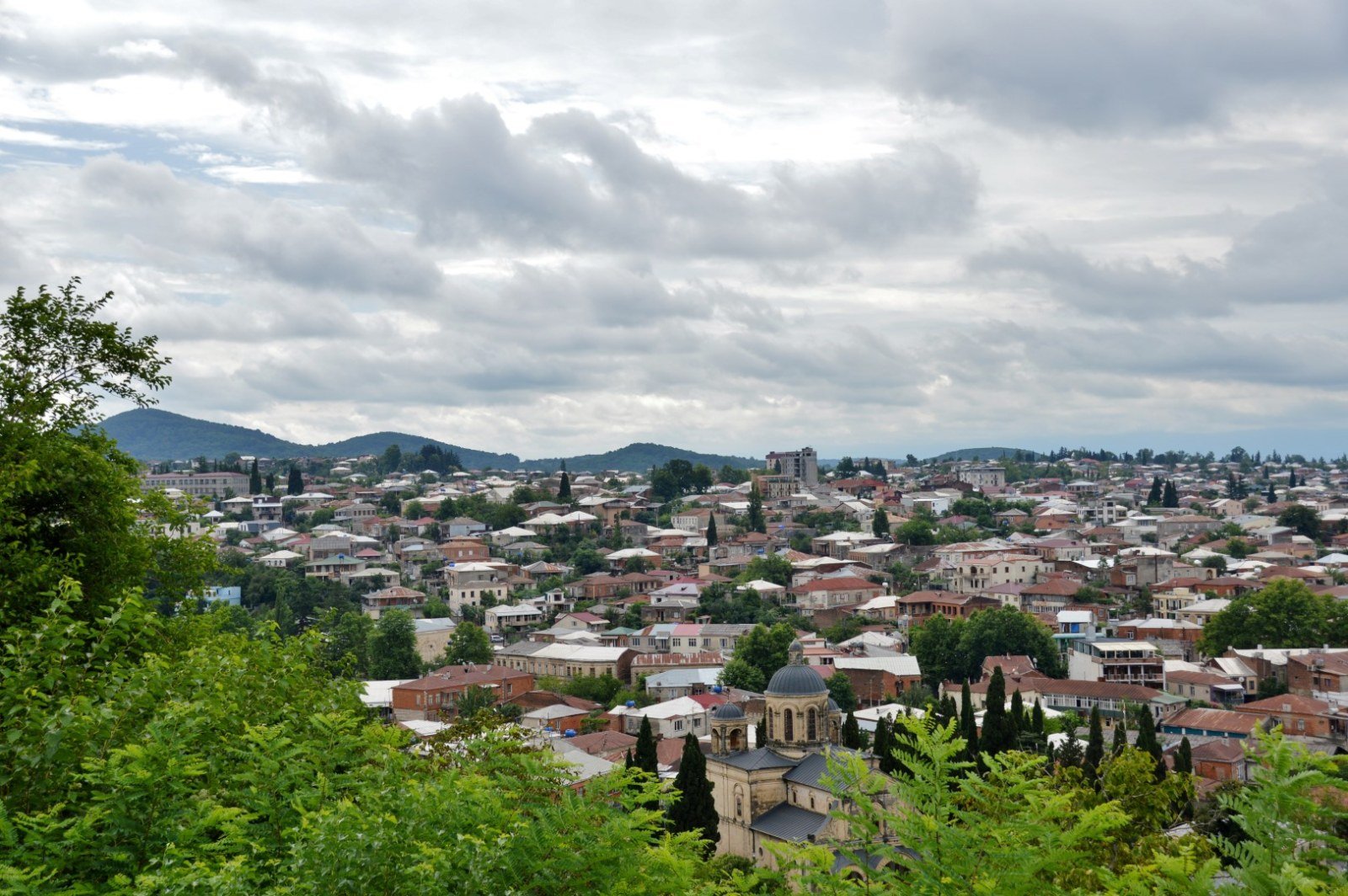
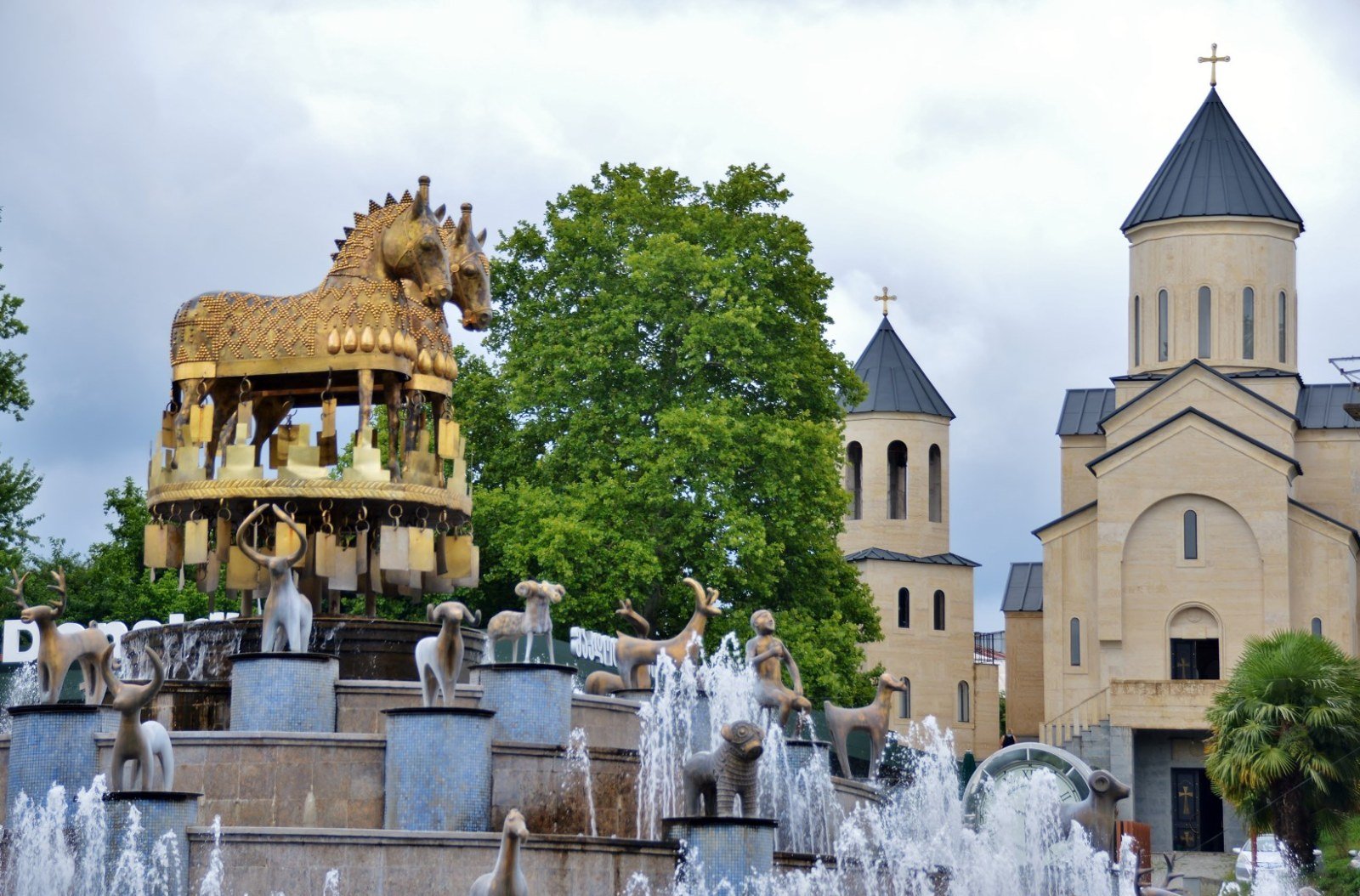
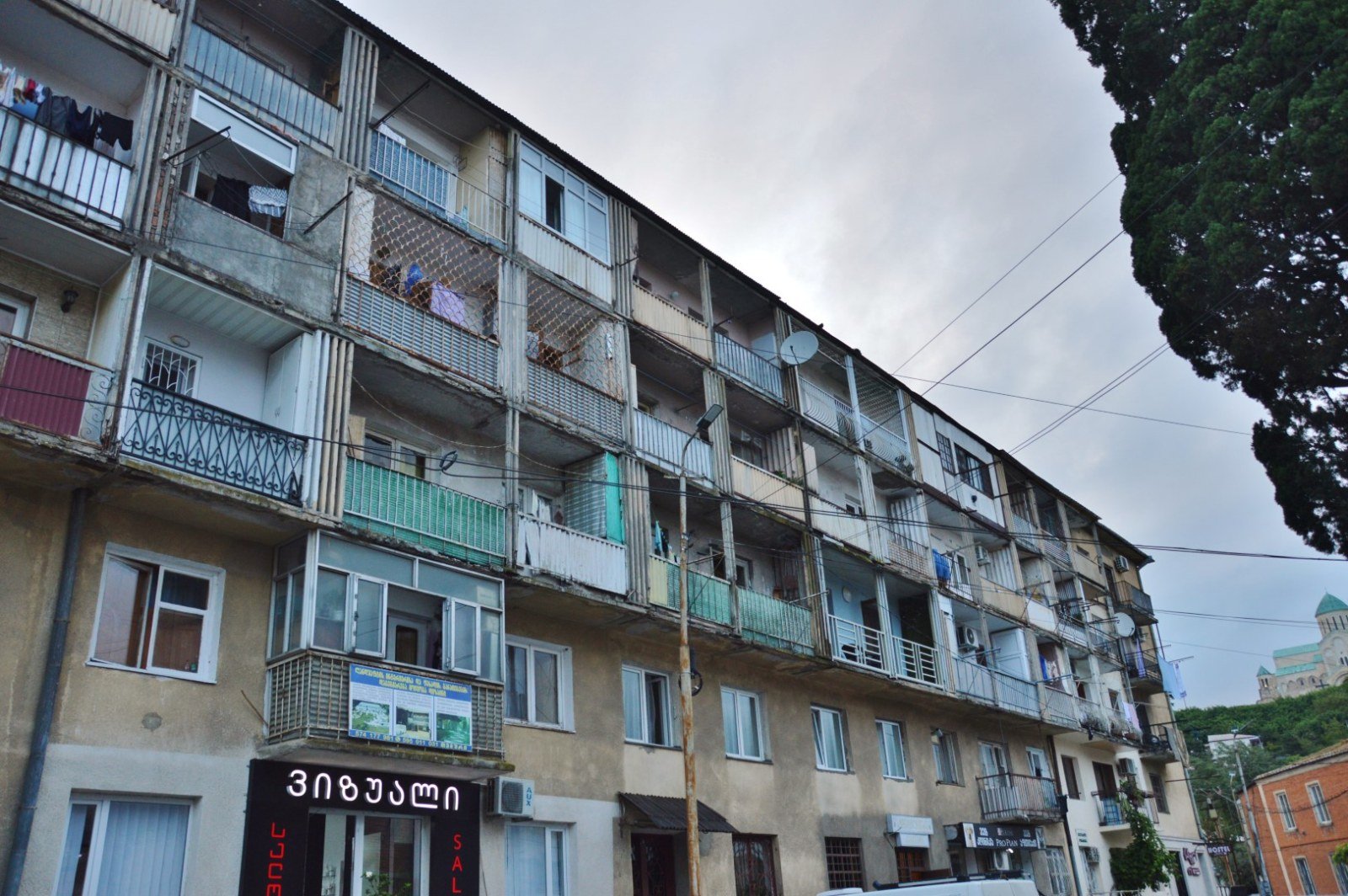
Kutaisi lives at its own pace, without the tourist bustle of Tbilisi or the resort atmosphere of Batumi. Walking down from the bus station towards the centre you see a real city: Soviet blocks with balconies full of drying laundry, covered markets smelling of spices and freshly cut sulguni, streets where cars and pedestrians negotiate space in the Caucasian way. The Colchis Fountain on Central Square is the meeting point for Kutaisians in the afternoons, when the heat eases.
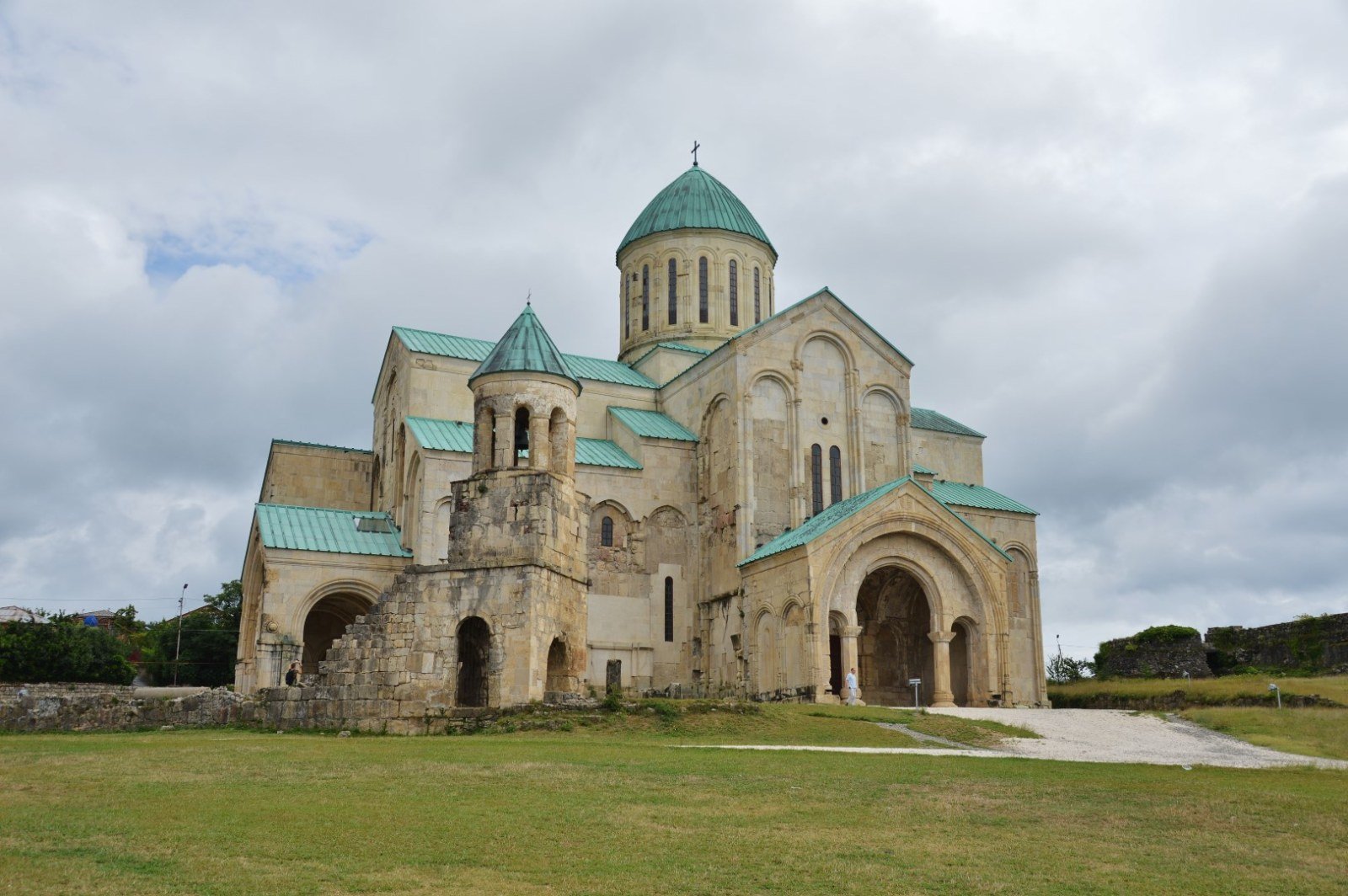
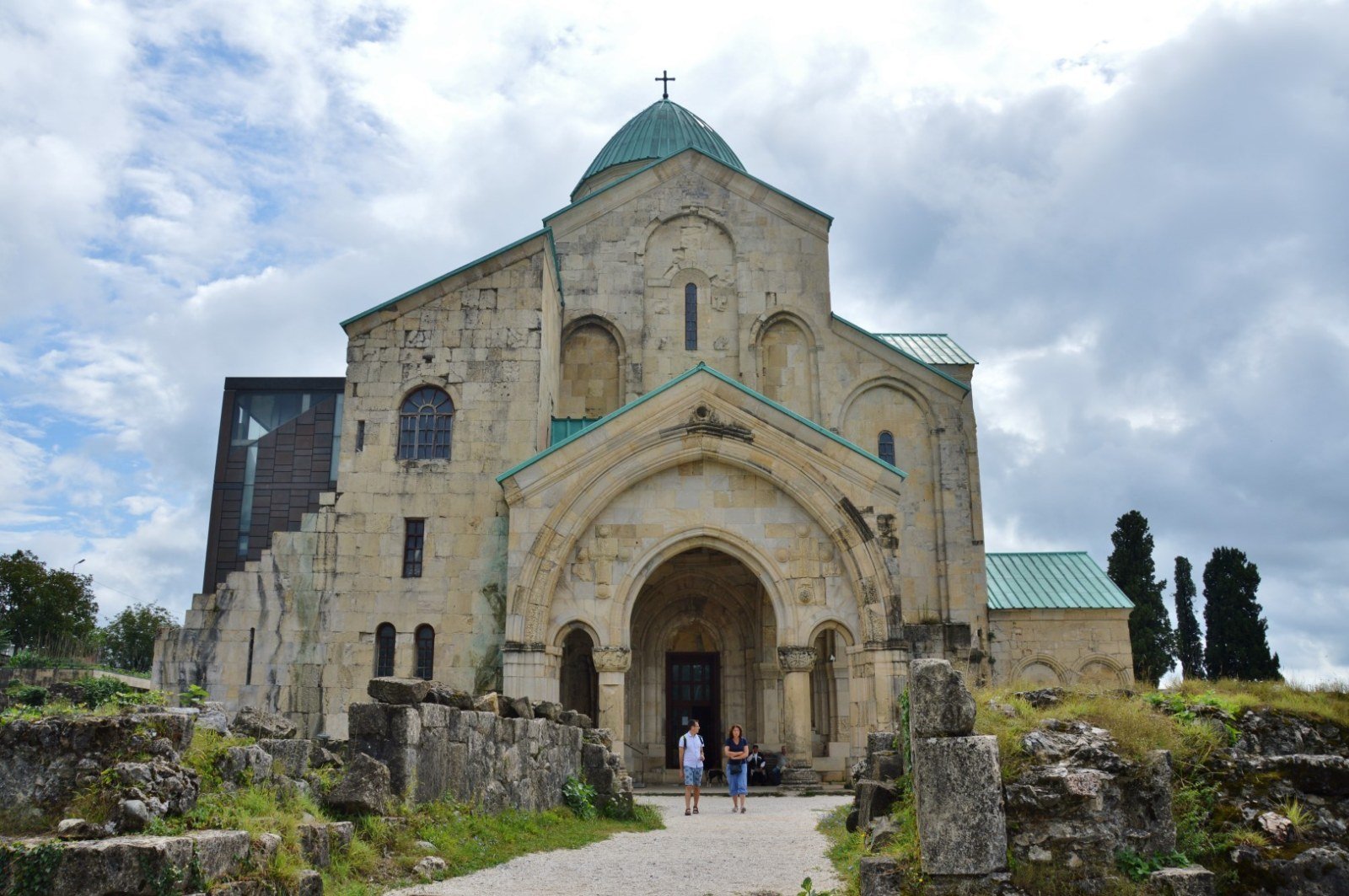
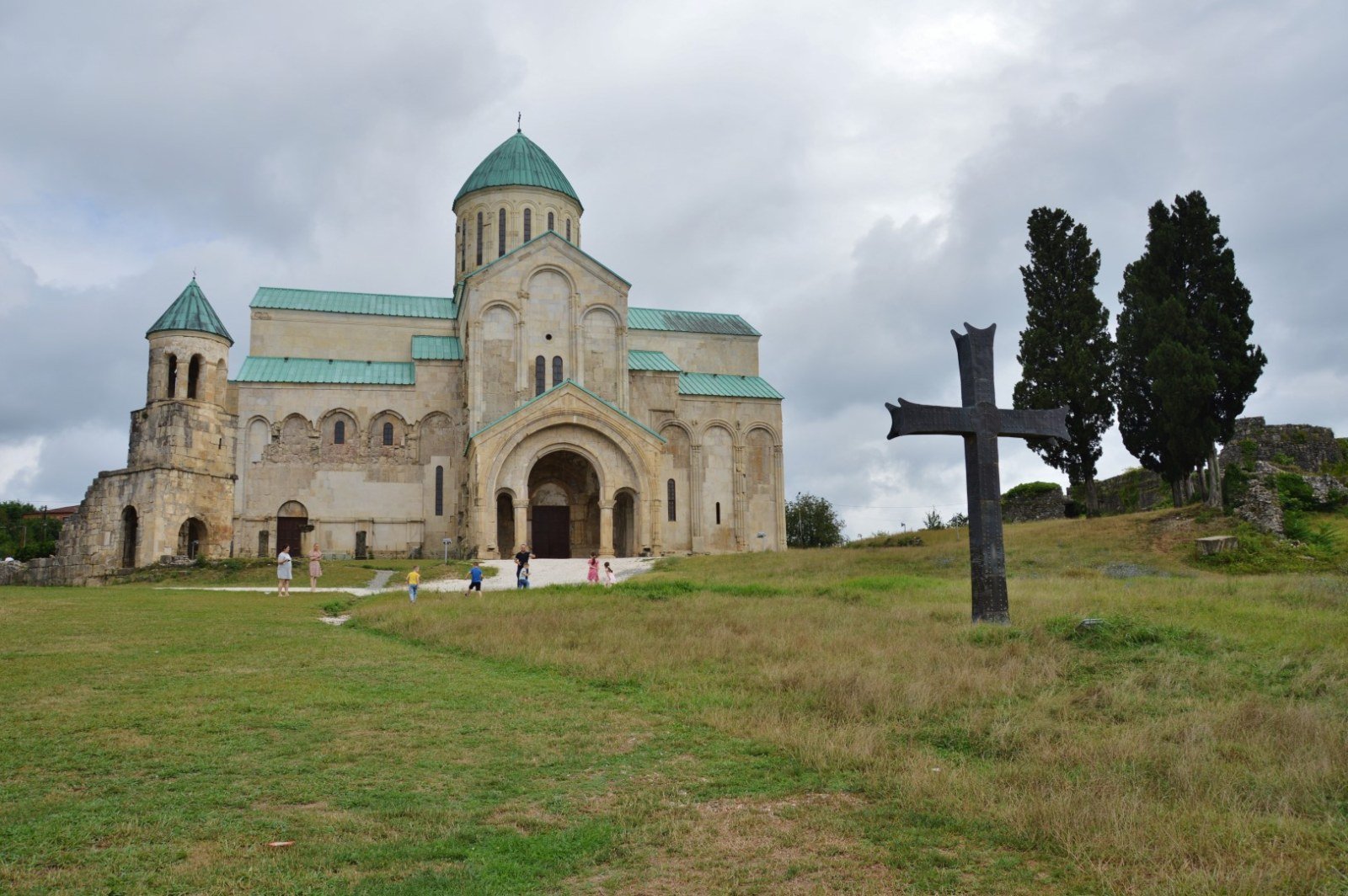
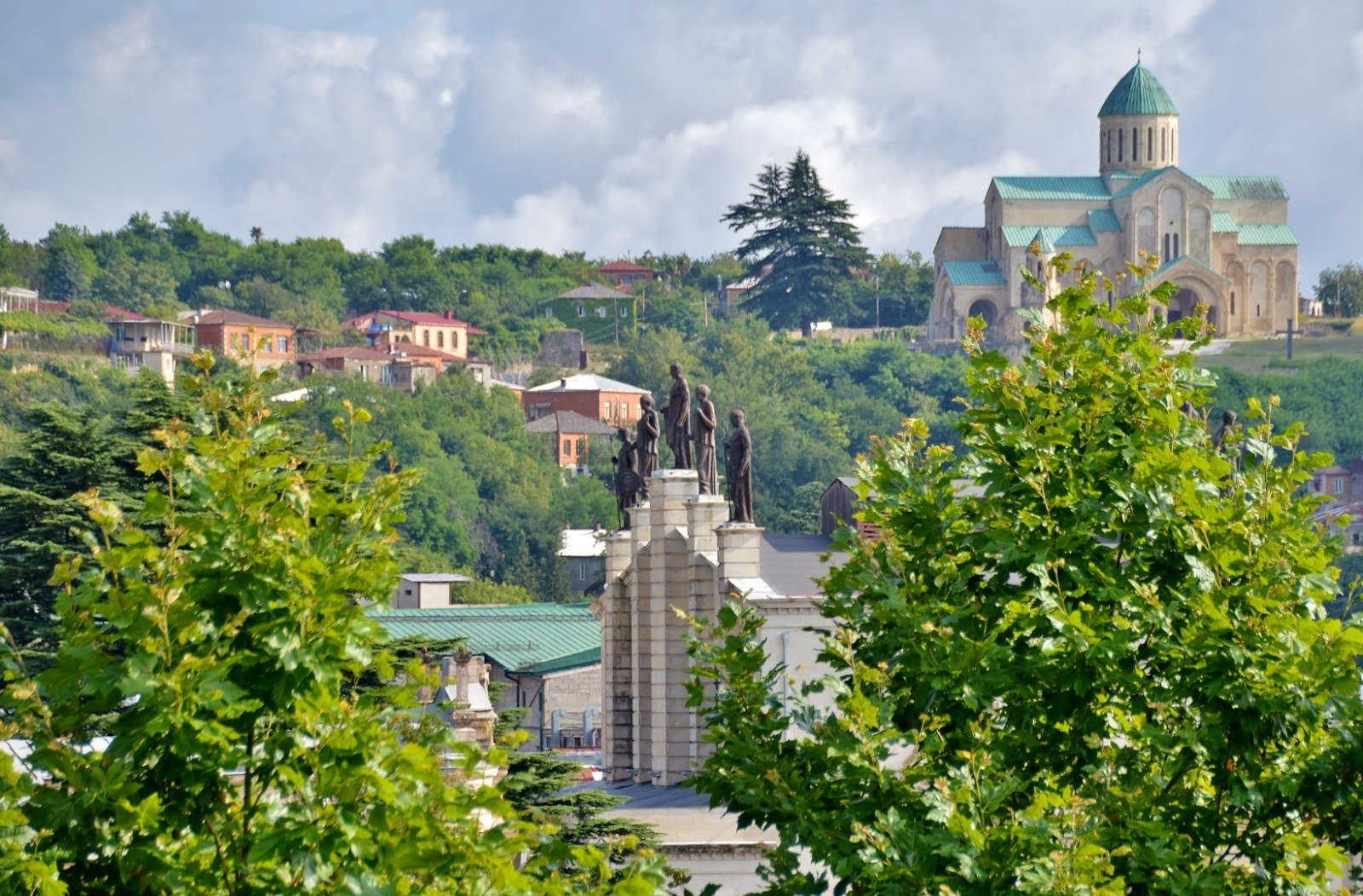
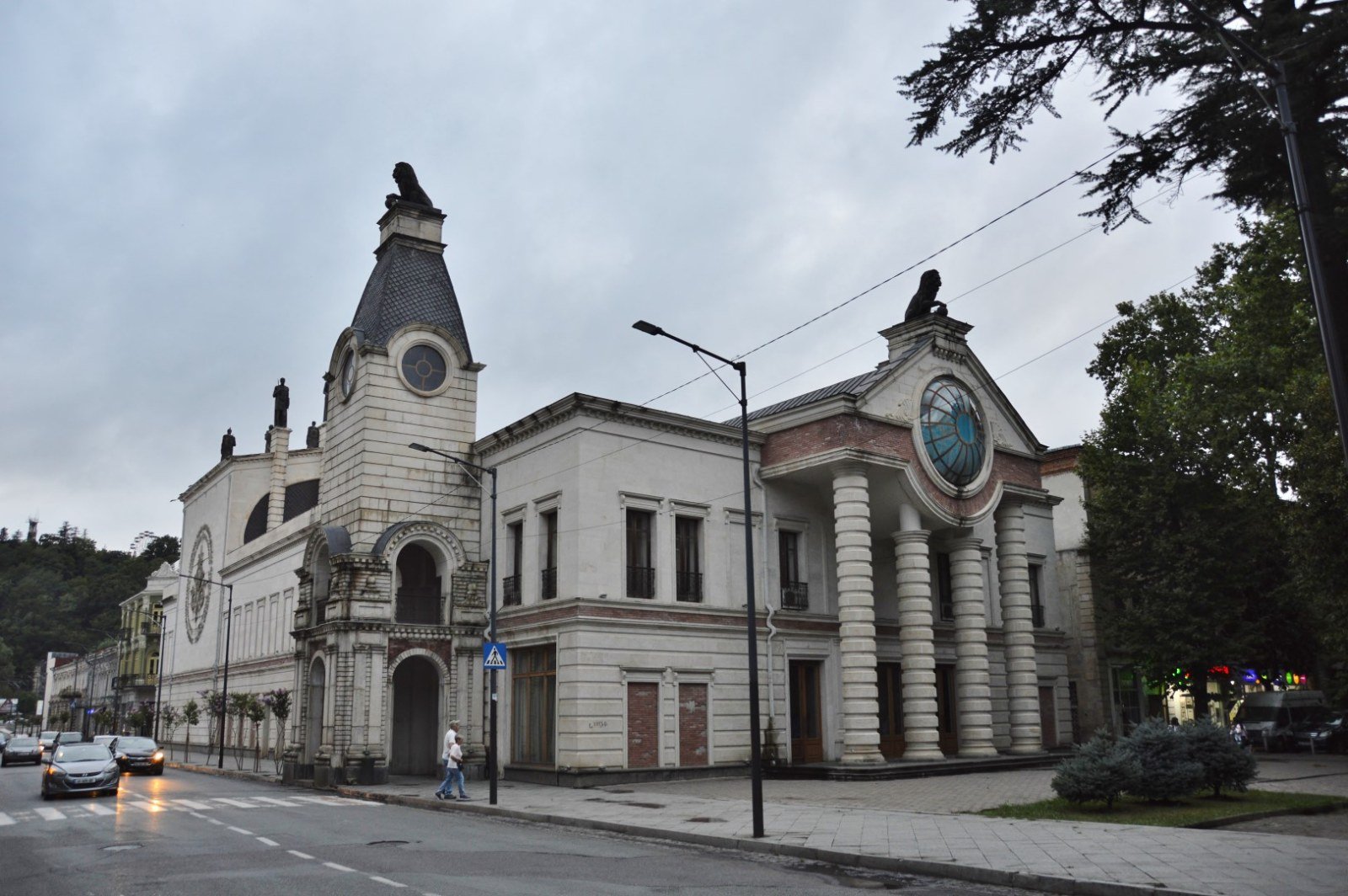
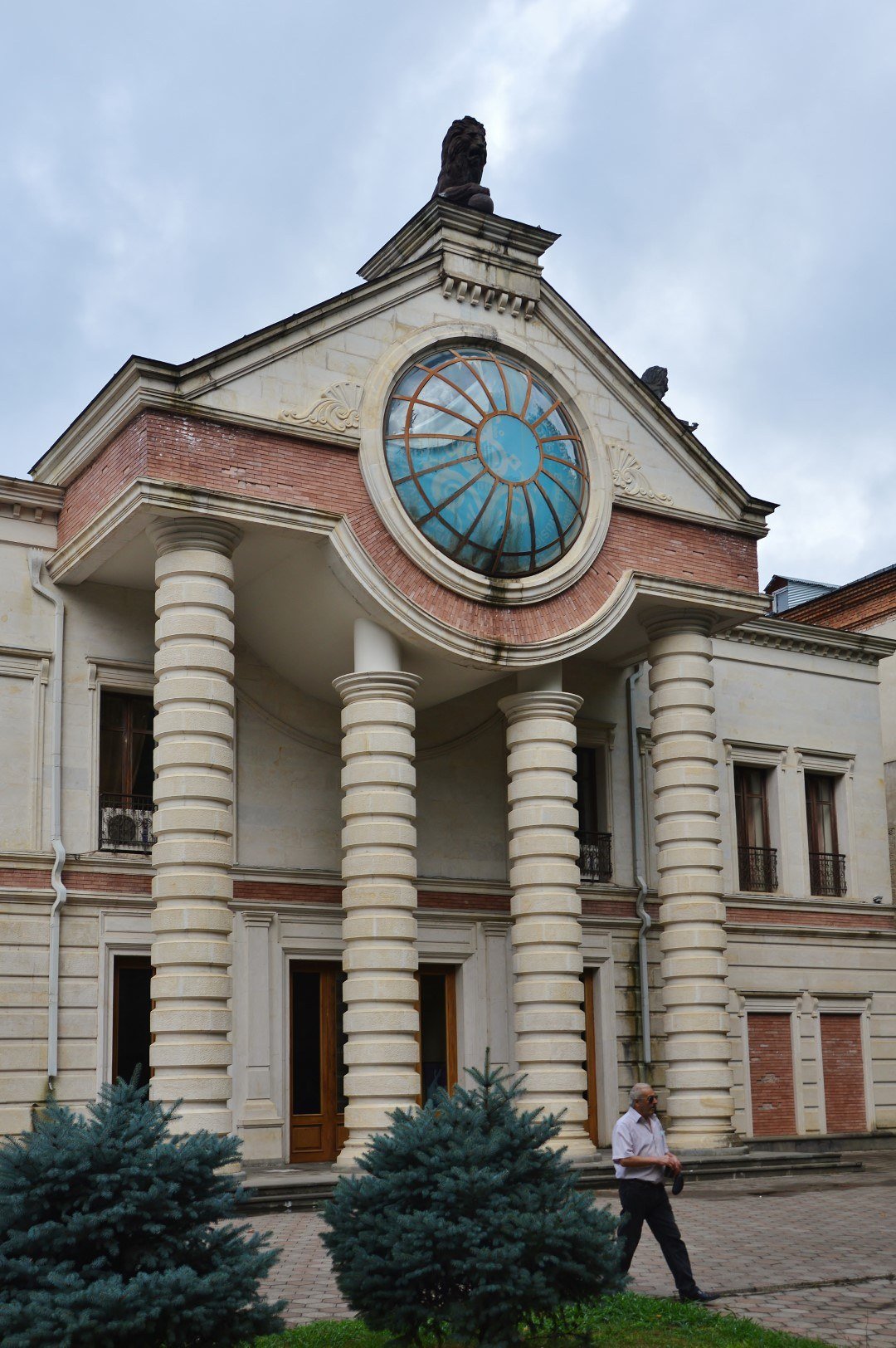
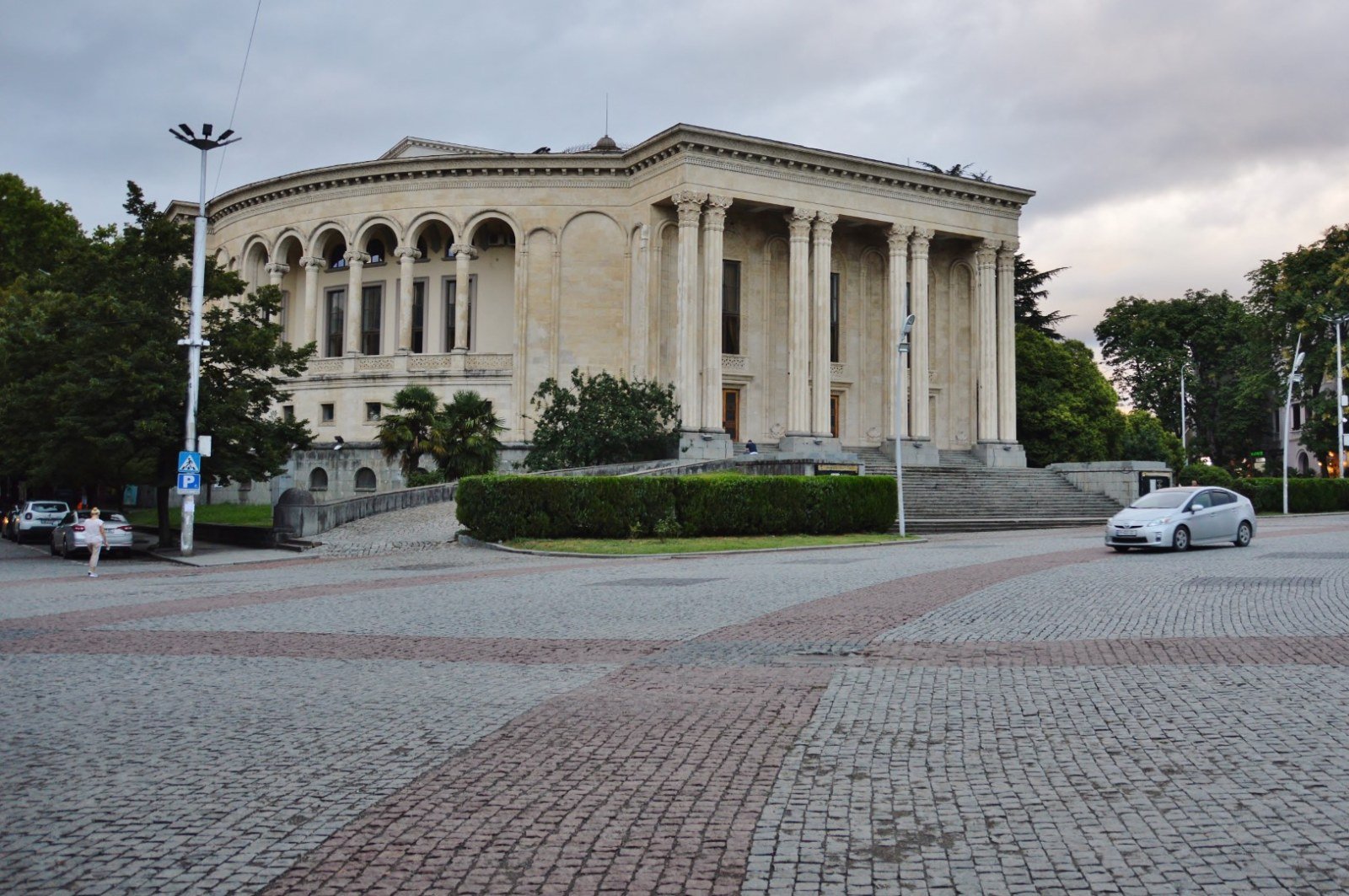
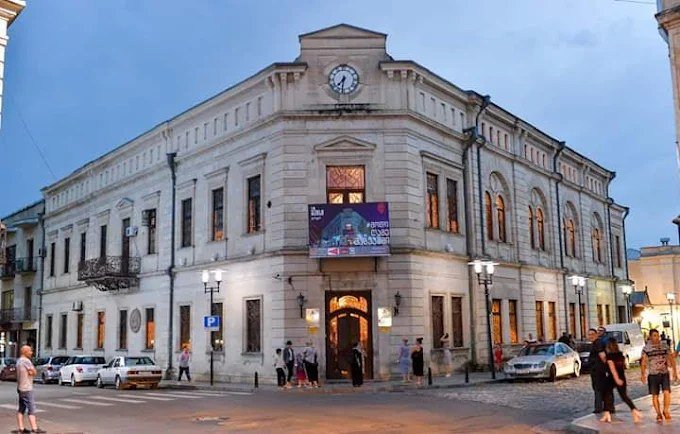
The old town is organised around the Rioni River and retains some tsarist-era buildings with ornate facades — the Opera Theatre, the Meskhishvili Theatre — though many are in uneven states of repair. Bagrati Cathedral, on top of Ukimerioni Hill, dominates the city: the main nave was reconstructed in the 2000s, which sparked controversy and led the temple to be placed on the UNESCO World Heritage in Danger list before being reinstated on the full list. The setting and original ruins carry their own weight, controversy aside.
The city has an active university scene and a bar and café scene around Tskaltubo Street more lively than one might expect. For getting around the surroundings — the Prometheus Caves, Gelati Monastery, Okatse Canyon — Kutaisi is a practical and more affordable base than staying at the access points to those attractions.
History
Kutaisi is one of the oldest continuously inhabited cities in the Caucasus: it was the capital of the kingdom of Colchis, the land of the Golden Fleece of Greek mythology, and later of the kingdom of Abkhazia and the unified Kingdom of Georgia. Bagrati Cathedral was built in the 11th century under King Bagrat III as a symbol of the newly unified Georgian power. Gelati Monastery, founded by King David the Builder in the 12th century, functioned for centuries as the country's principal intellectual and artistic centre; David himself is buried there, beneath the threshold of the north gate. This medieval heritage today coexists with the Georgian Parliament, relocated to Kutaisi from Tbilisi in 2012 as part of a decentralisation policy that never fully consolidated.
What to see & do
- Bagrati Cathedral On top of Ukimerioni Hill, with views over the Rioni and the city. The reconstructed interior is not to every historian's taste, but the setting and the original 11th-century ruins justify the climb. Free entry; open every day.
- Gelati Monastery About 11 km from the city, with a complex of three medieval churches and 12th-century mosaics among the best preserved in Georgia. Reached by taxi (about 15–20 GEL return with waiting time) or by marshrutka from the central station. Free entry.
- Prometheus Caves Cave system about 20 km from Kutaisi, near Tskaltubo. The guided tour lasts about an hour and ends with a boat ride along the underground river. Admission: about 23 GEL (approx. 8 EUR). Open daily 10:00–18:00.
- Kutaisi Covered Market Right in the centre, a two-storey market where you can buy churchkhela, fresh sulguni and spices at local prices. The atmosphere is most authentic on weekday mornings.
- Okatse Canyon and Martvili Canyon Both less than an hour by taxi from Kutaisi. Martvili includes a boat trip through a green rock gorge. Entry: about 15–20 GEL per canyon.
- Opera Theatre and Meskhishvili Theatre The two great theatres of the historic centre, with tsarist-era facades worth looking at from outside even if there is no performance on.
Photo gallery
How to get there
Kutaisi David the Builder Airport receives European low-cost flights — mainly Wizz Air — from several points across the continent. From the airport to the centre there are shuttles and taxis (about 20–25 GEL). From Tbilisi, the train takes 4–5 hours with several daily frequencies; the marshrutka is faster (2.5–3 hours) and departs from Didube station. From Batumi it is about 2.5 hours by marshrutka.
Best time to visit
Spring (May–June) is comfortable, with temperatures of 20–25 °C and the surroundings at their greenest. Autumn — especially September and October — is the most pleasant time to combine city exploration with day trips to Gelati Monastery or the Okatse and Martvili Canyons. Summer is hot but more bearable than Tbilisi. Winter is cold and rainy; it sometimes snows, though rarely for long.
More information
Photo: Iberogeorgia · propietary