Jermuk
Ջերմուկ
Armenian mountain spa town at 2,080 m in Vayots Dzor: medicinal thermal waters, a 72-metre waterfall and Soviet-era architecture still in use.
Location in the Caucasus
Description
Jermuk looks like a Soviet spa that never quite modernised but never stopped working either. The central avenue is lined with sanatorium buildings from the 1950s and 60s: some have received a fresh coat of paint, others still have their original canopies just as they were left. At two thousand and eighty metres the air is cool even in mid-August, something that Armenians coming up from the heat of Yerevan visibly appreciate the moment they step out of the car.
The most recognisable element of the town is its mineral water gallery, a covered structure with numbered taps where people come with glasses or plastic bottles to drink mineral water from different springs. The water has a pronounced mineral taste, slightly sulphurous at some taps; signs in Armenian specify which medical condition each spring treats. Water temperature varies between 20 and 52 degrees depending on the point, and steam rises visibly from the hottest ones. Entry is free or with a minimal symbolic charge.
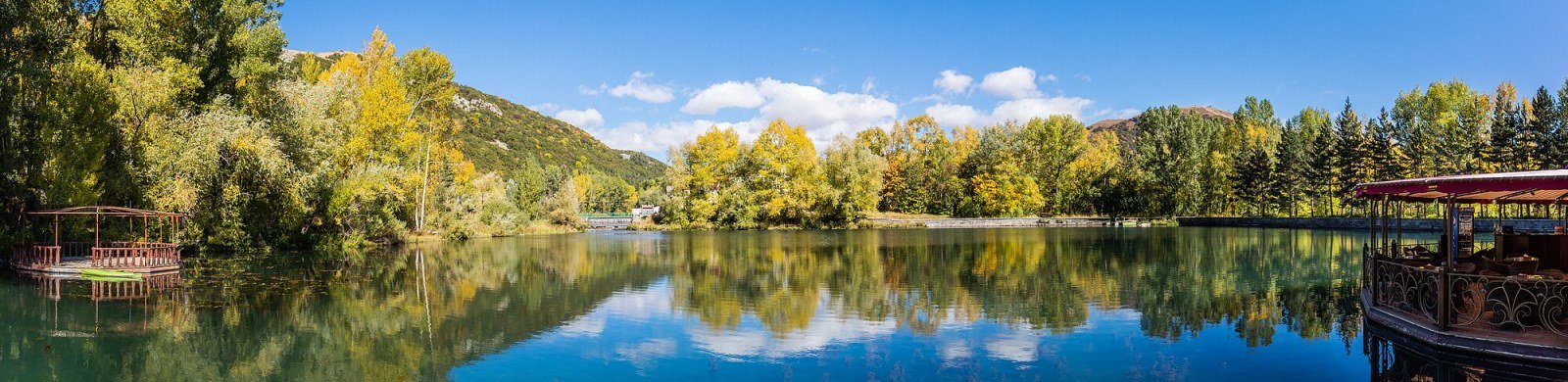
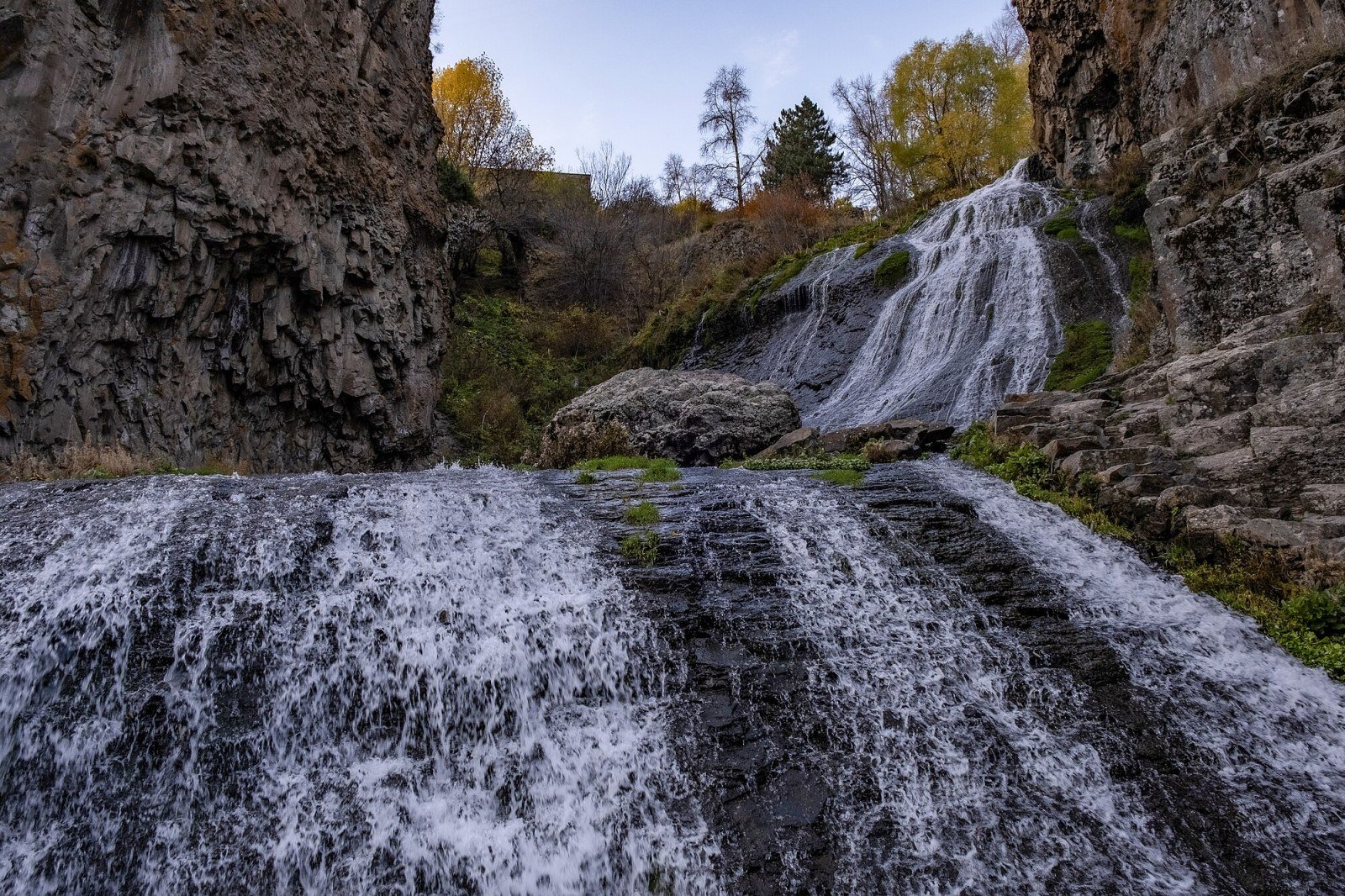
The park surrounding the gallery has wooden benches, tall firs and a direct view over the Arpa River canyon. Jermuk waterfall, ten minutes on foot along the park path, drops 72 metres and is well viewed from a walkway built at the canyon edge. In the afternoon the park fills with Armenian families strolling slowly; kiosks sell fruit, ice cream and bottles of Jermuk, the bottled water brand that made the town's name known far beyond Armenia.
History
The hot springs of Jermuk — whose Armenian name, Ջերմուկ, means precisely «hot water» — were known since ancient times to the populations of Vayots Dzor, but it was the Soviet era that transformed the place into a planned spa town. In the 1940s and 50s the main sanatoria and the infrastructure of the water gallery were built, making Jermuk one of the most important health destinations in Soviet Armenia, comparable to the great spas of the Caucasus. The bottled water brand, still exported to several countries, cemented the town's national fame. Since Armenian independence in 1991 the town has lost some of its historical clientele, but it maintains a steady base of local and regional visitors who come for thermal cures or simply for the fresh mountain air.
What to see & do
- Mineral water gallery The central building of the spa, with several numbered springs where you can drink directly. Open morning and afternoon; free entry or minimal charge. Bring your own glass or buy one there for a few drams.
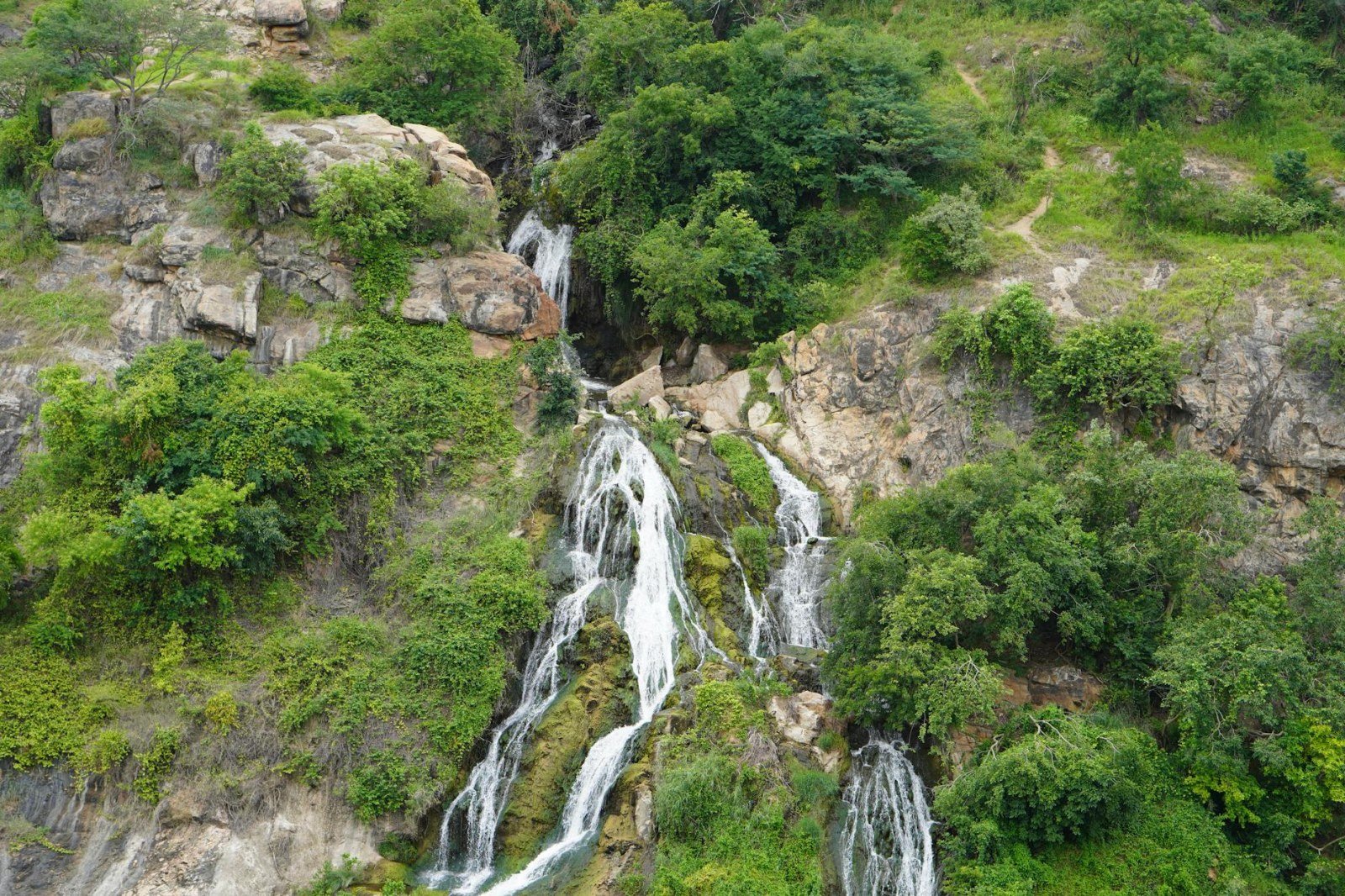
- Jermuk waterfall A 72-metre drop of the Arpa River, accessible by walkway from the spa park. The roar is audible from the path before you arrive, and the mist cools the air even in summer.
- Spa park The Soviet-era tree-lined promenade around the gallery, with benches, century-old firs and direct views over the Arpa canyon. It is the town's social centre at dusk.
- Lake Spandaryan A reservoir about 8 km from town, surrounded by open landscape; there is fishing and walking routes with broad views of the valley.
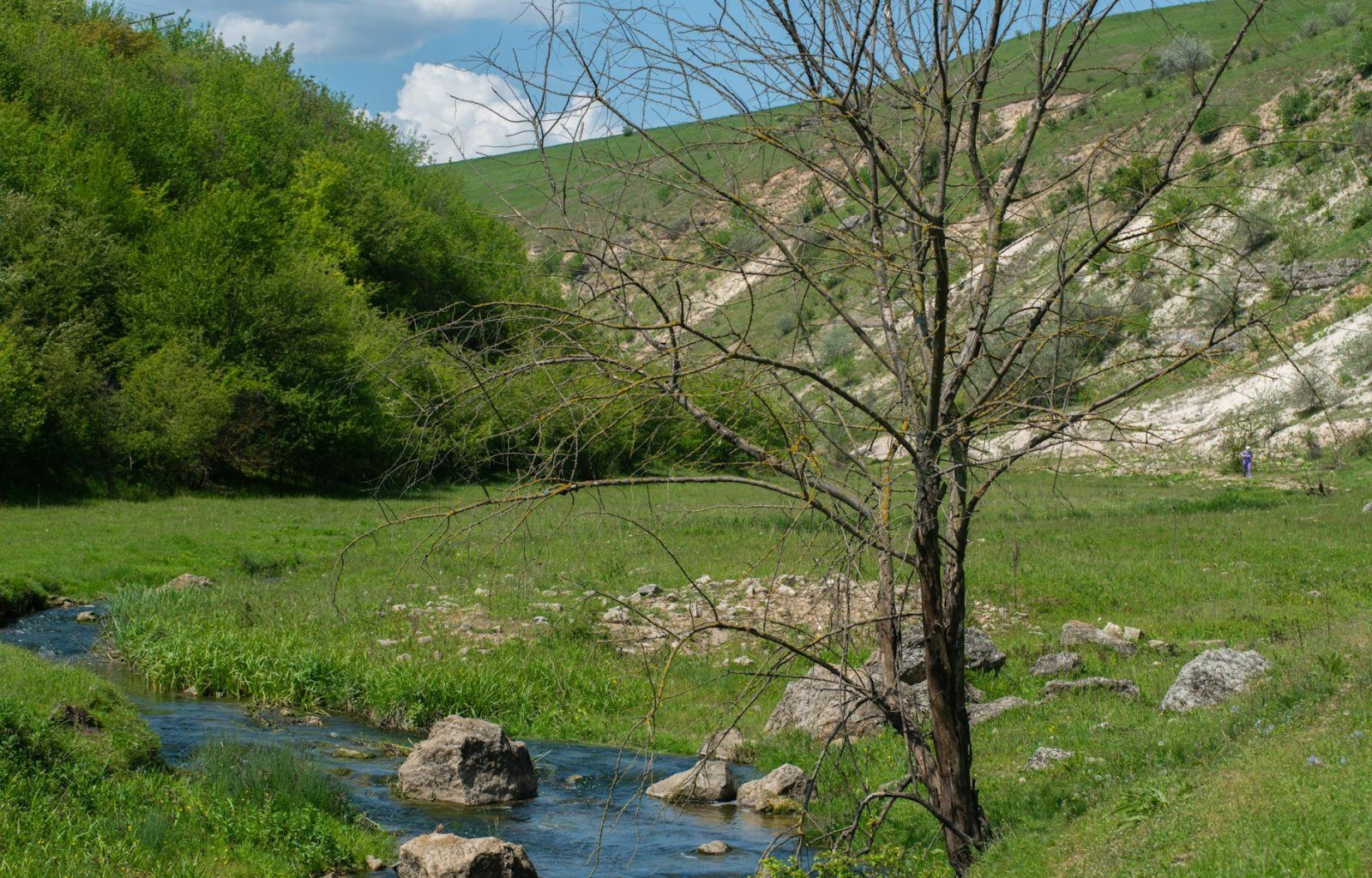
- Arpa River canyon Several trails descend towards the Arpa River from different points in the town. The terrain is rocky and some sections require firm-soled footwear; the reward is views of the riverbed between basalt walls.
Photo gallery
How to get there
Jermuk is about 170 km southeast of Yerevan. Direct marshrutkas depart several times a day from Kilikia station in the capital; the journey takes 2.5 to 3 hours depending on traffic. By private car, take the M2 highway to the northern turn-off towards Jermuk. The journey can easily be combined with a stop at Noravank monastery, about 60 km to the southwest. There is no local airport.
Best time to visit
June and July have the highest flow at Jermuk waterfall and temperatures between 18 and 24 degrees, pleasant for walking. August is the busiest month, with higher accommodation prices and the park full of families from Yerevan. September and October offer quieter conditions and autumn colours in the Arpa canyon. Winter is cold with snow; the sanatoria keep operating but the tourist offer is reduced and some facilities close temporarily.
More information
Photo: Diego Delso · CC BY-SA 4.0