
Ijevan
Իջևան
Armenian city among the forests of Tavush: <em>Ijevan</em> brewery, Lake <strong>Parz</strong> and a natural base for the green north of Armenia.
Location in the Caucasus
Description
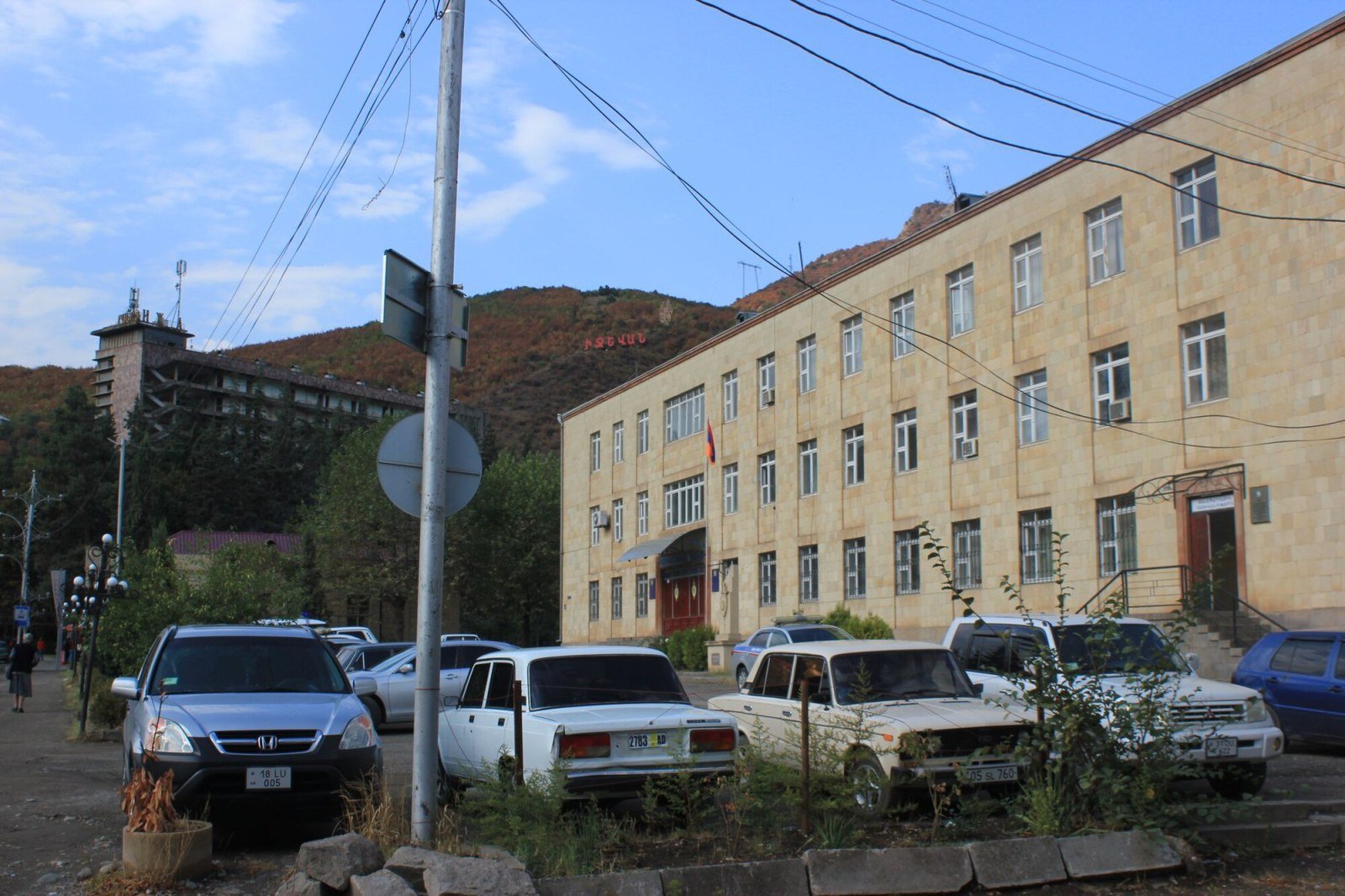
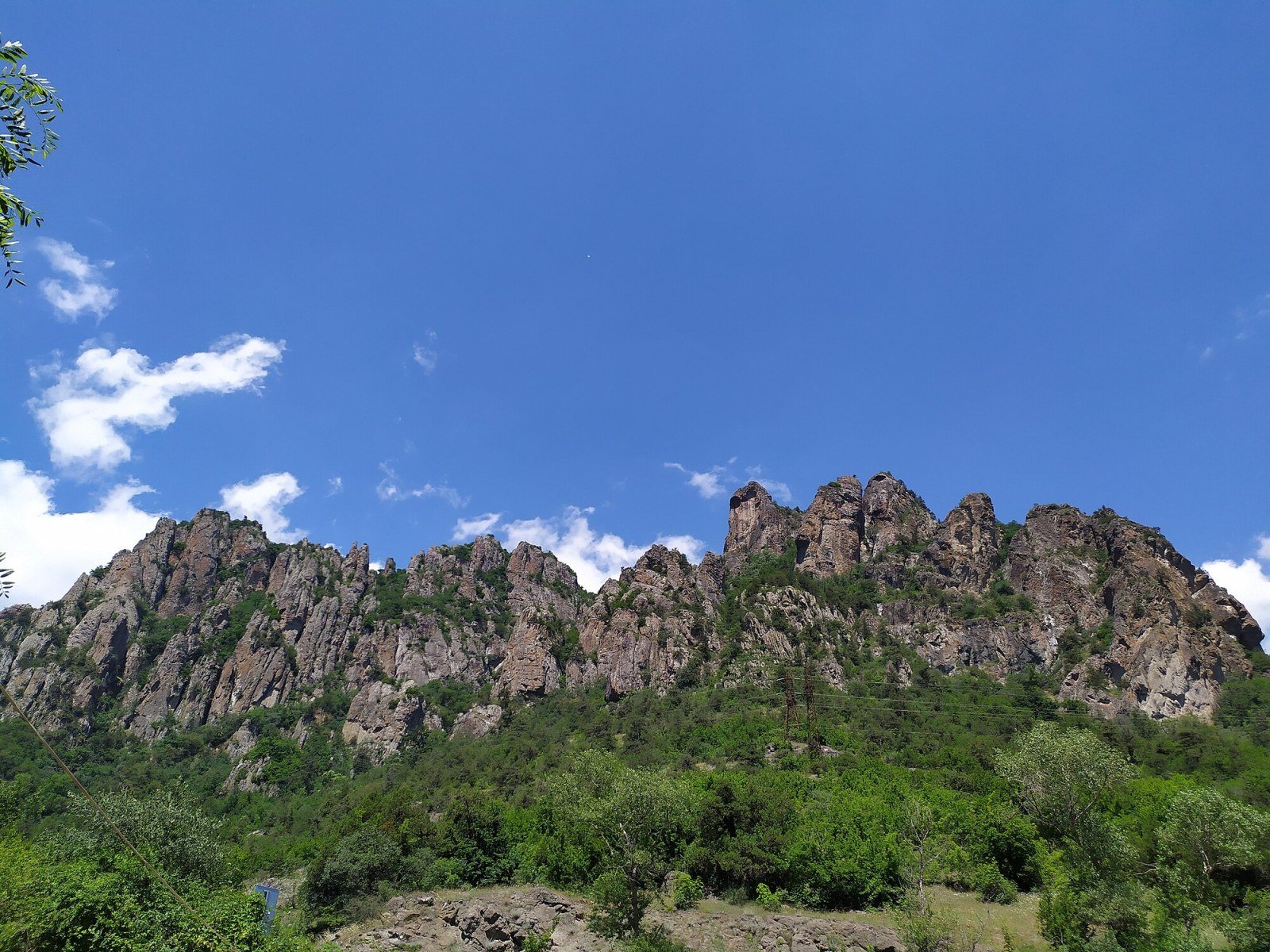
Ijevan smells of pine resin. The city is surrounded by dense deciduous and conifer forest, and when the wind comes down from Mount Tavush in the morning that fragrance drifts through the windows of the cafés on the main street. It is a mid-sized city — around twenty thousand inhabitants, at about 1,200 metres altitude — without major monuments, but with a calm pace of life and prices noticeably lower than in Yerevan.
The city centre revolves around the central park, an elongated space with a fountain and benches where retired men play nardi — Armenian backgammon — in the mornings. Young locals gather in the afternoon in the bars around the park. The Ijevan Brewery is the city's best-known product; its beers are distributed across the country and a visit with tasting can be arranged by prior appointment. Most restaurants serve Armenian dishes such as khorovats, harissa and dolma at reasonable prices: a full meal rarely exceeds 3,000–4,000 Armenian drams.
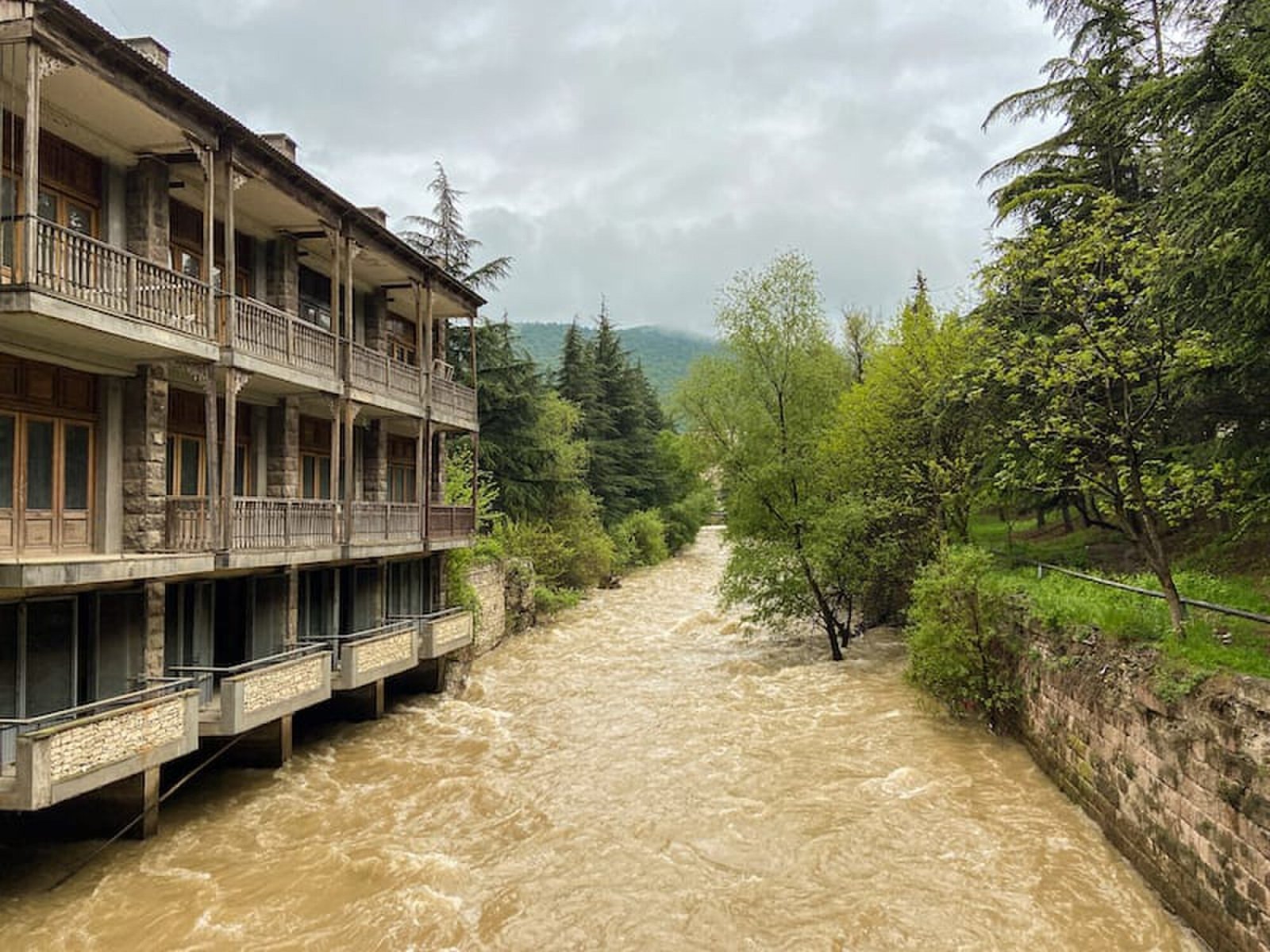
The streets that climb the slopes of the Aghstev valley have houses with large gardens full of plum trees and walnut trees. This is not a city geared for mass tourism, but it works well as a base for exploring the monasteries and valleys of northern Tavush, one of the greenest regions of Armenia.
History
Ijevan was founded as a modern settlement during the Soviet period, although the Tavush region has a much older historical occupation, documented since the Bronze Age. In the Soviet era it developed as the industrial and cultural centre of the province, with timber factories and an educational institution of regional standing. After Armenian independence in 1991, industry declined, but Ijevan retained its role as the capital of the marz — province — of Tavush. In recent years, incipient rural tourism has grown, thanks to its natural surroundings and its strategic position on the route between Yerevan and Georgia.
What to see & do
- Ijevan Brewery The city's best-known craft production, with several varieties distributed across the country. Visits are arranged by prior contact and usually include a tasting; it is advisable to call or write at least one day in advance.
- Ijevan Central Park The axis of local social life: central fountain, shaded benches and morning games of nardi. In the afternoon it fills with families and is a good spot to observe the everyday rhythm of the city.
- Goshavank Monastery About 20 km north of Ijevan, this 12th-century monastery founded by the monk Mkhitar Gosh preserves a notable collection of khachkars — carved stone crosses — and is surrounded by dense forest. Access by car or taxi.
- Lake Parz 8 km from the city, a small pine-fringed lake with rowing boats for hire and short hiking trails. The most popular destination for families from Yerevan in summer; much quieter on weekdays.
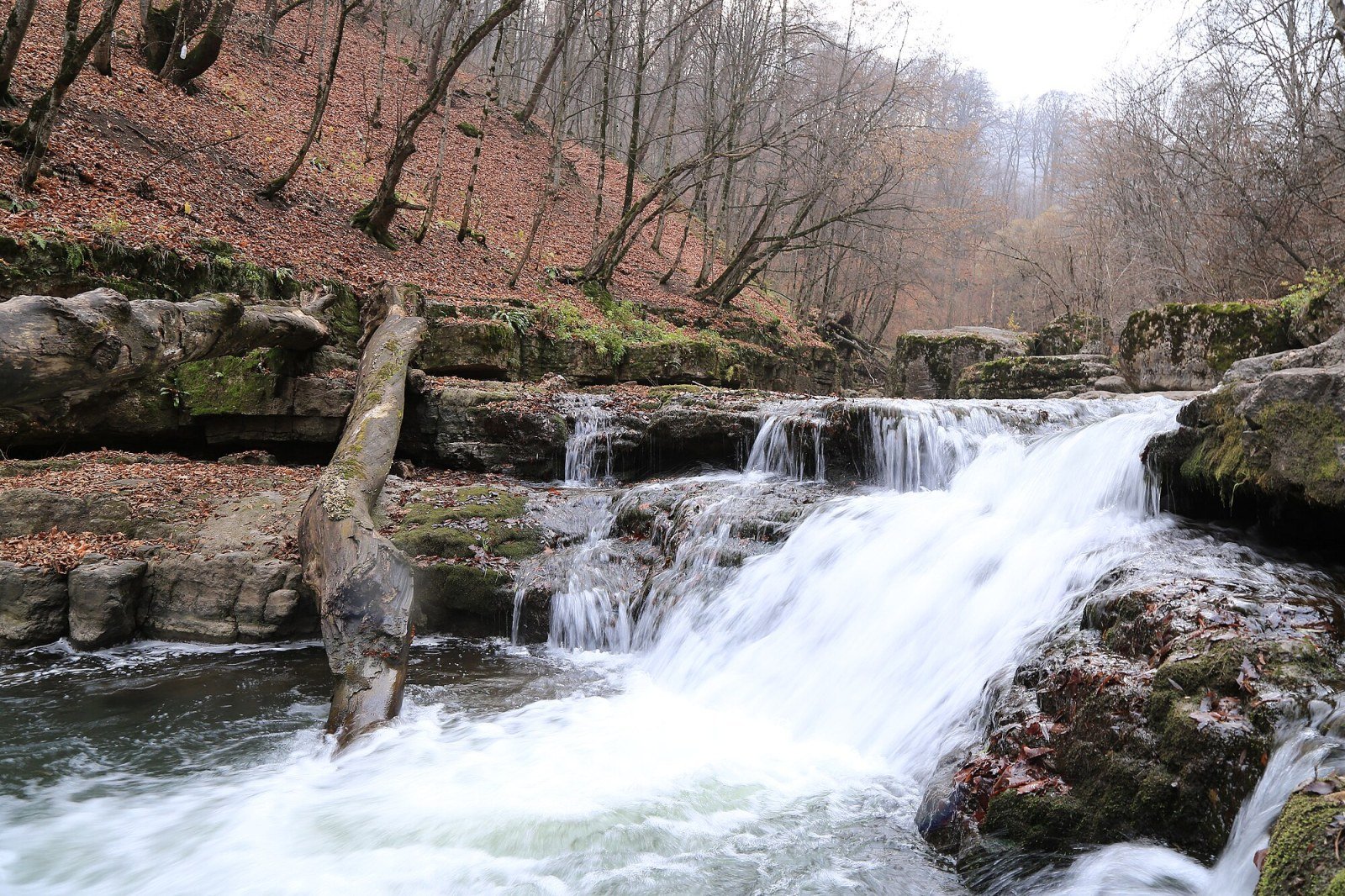
- Surrounding forests and trails Several hiking routes start from the very edge of Ijevan towards the hills of Tavush. They are not regularly signposted, so it is worth downloading a map or hiring a local guide.
Photo gallery
How to get there
Ijevan is about 170 km north of Yerevan along the M4 road, which follows the valley of the Aghstev river. Minibuses (marshrutkas) depart several times a day from Kilikia station in Yerevan; the journey takes between 2.5 and 3 hours. Shared taxis are also available. By private car the road is in good general condition. From Ijevan there are connections to Vanadzor to the west and to the border crossing with Georgia to the north.
Best time to visit
May and June are the most pleasant months: the forests of Tavush are in full leaf and temperatures hover around 18–24 °C. September and October bring autumn colours and still good daytime temperatures. July and August are hot but bearable at Ijevan's altitude of 1,200 metres, and this is when most families arrive from Yerevan. Winter is cold with frequent snow; some secondary roads may be cut off.
More information
Photo: Julian Nyča · CC BY-SA 3.0