
Gori
გორი
Georgian city in the Mtkvari valley, famous as Stalin's birthplace, its Soviet museum and the medieval Gorijvari fortress.
Location in the Caucasus
Description
Gori sits 80 kilometres west of Tbilisi, in a wide valley of the Mtkvari river, surrounded by low hills with the Greater Caucasus as a backdrop to the north. It is a medium-sized city with straight Soviet-era avenues, noisy markets next to the railway line and a medieval Gorijvari fortress that emerges from any point in the centre as a reminder that the city existed long before the twentieth century.
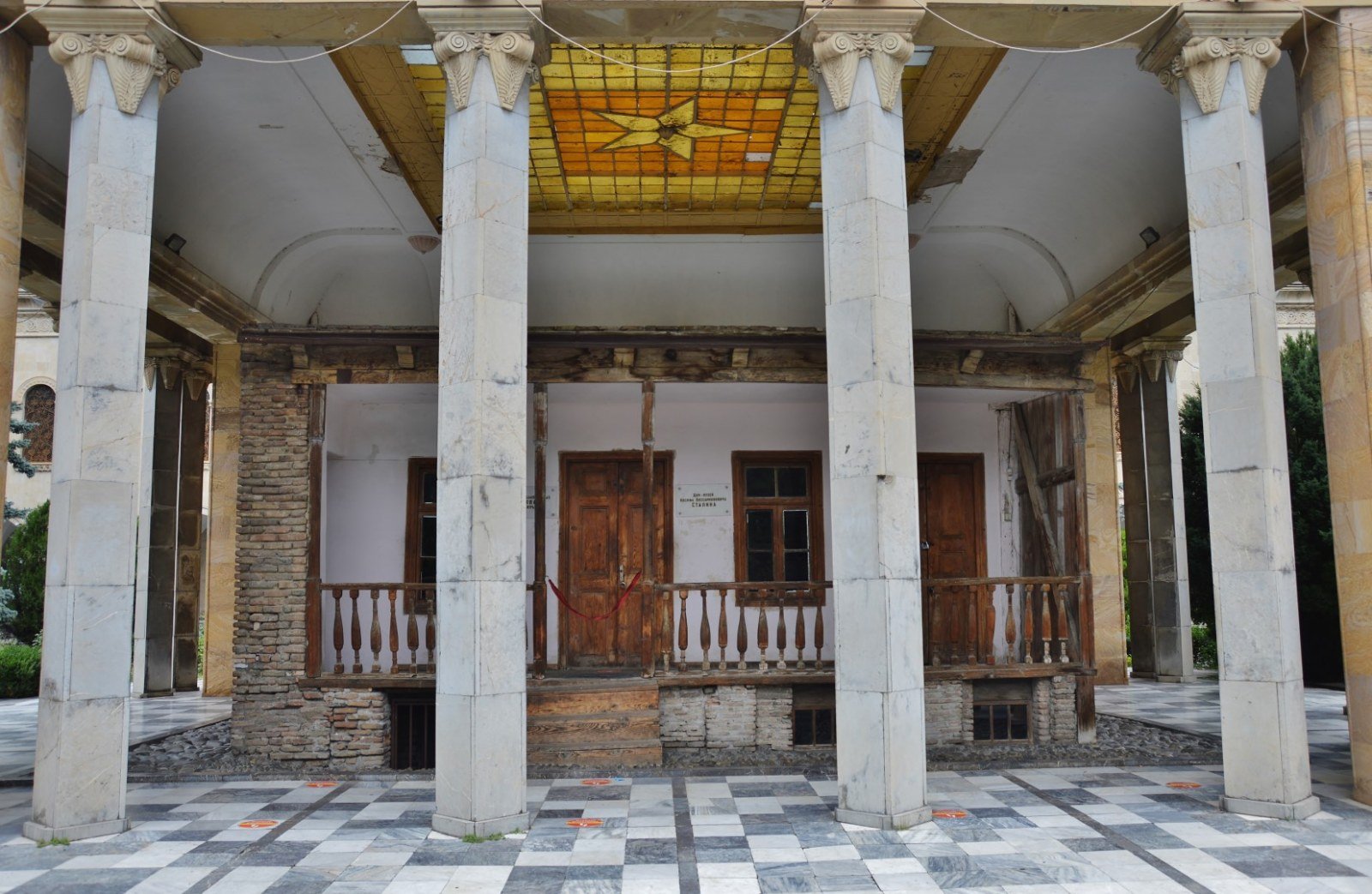
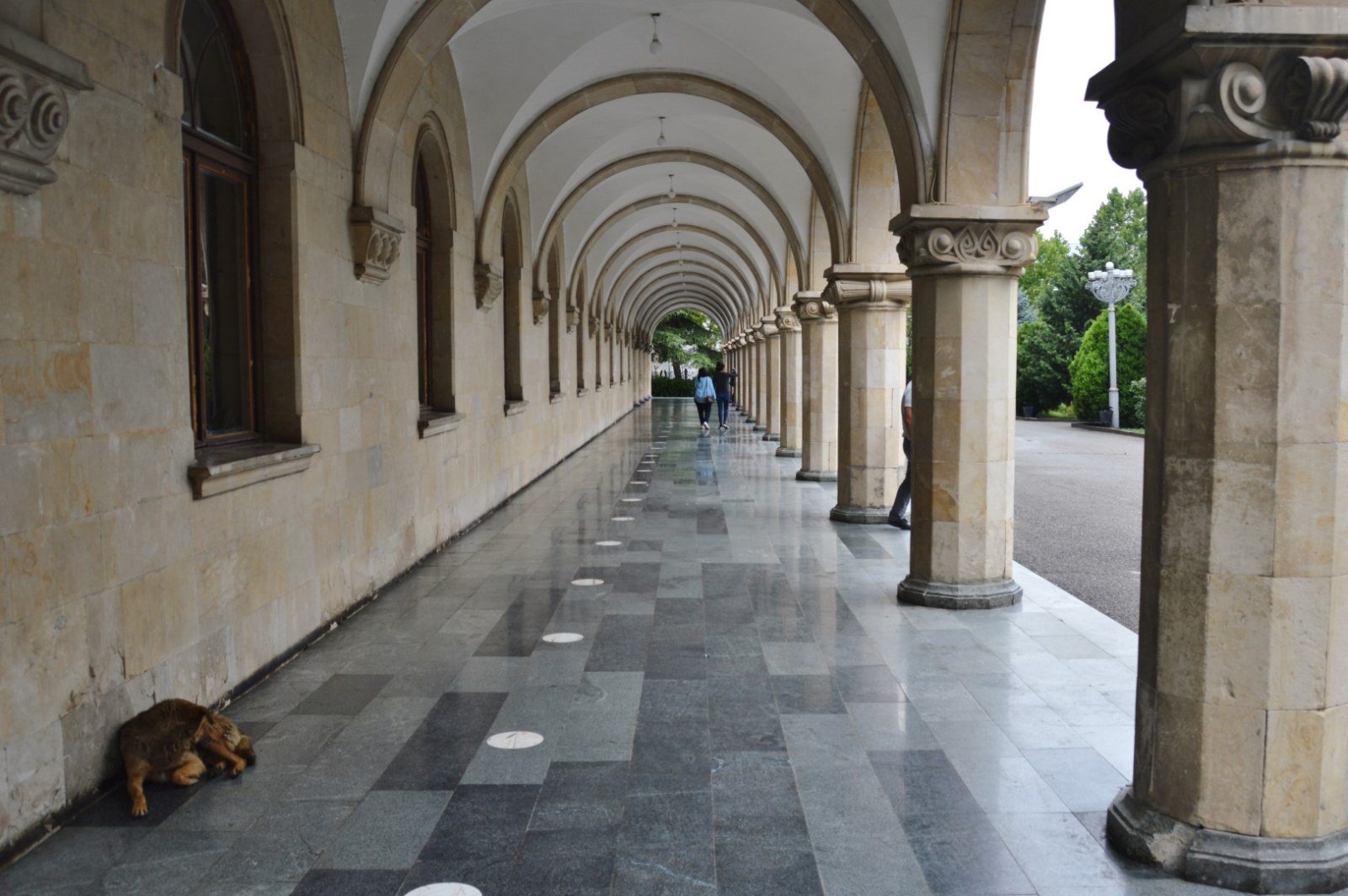
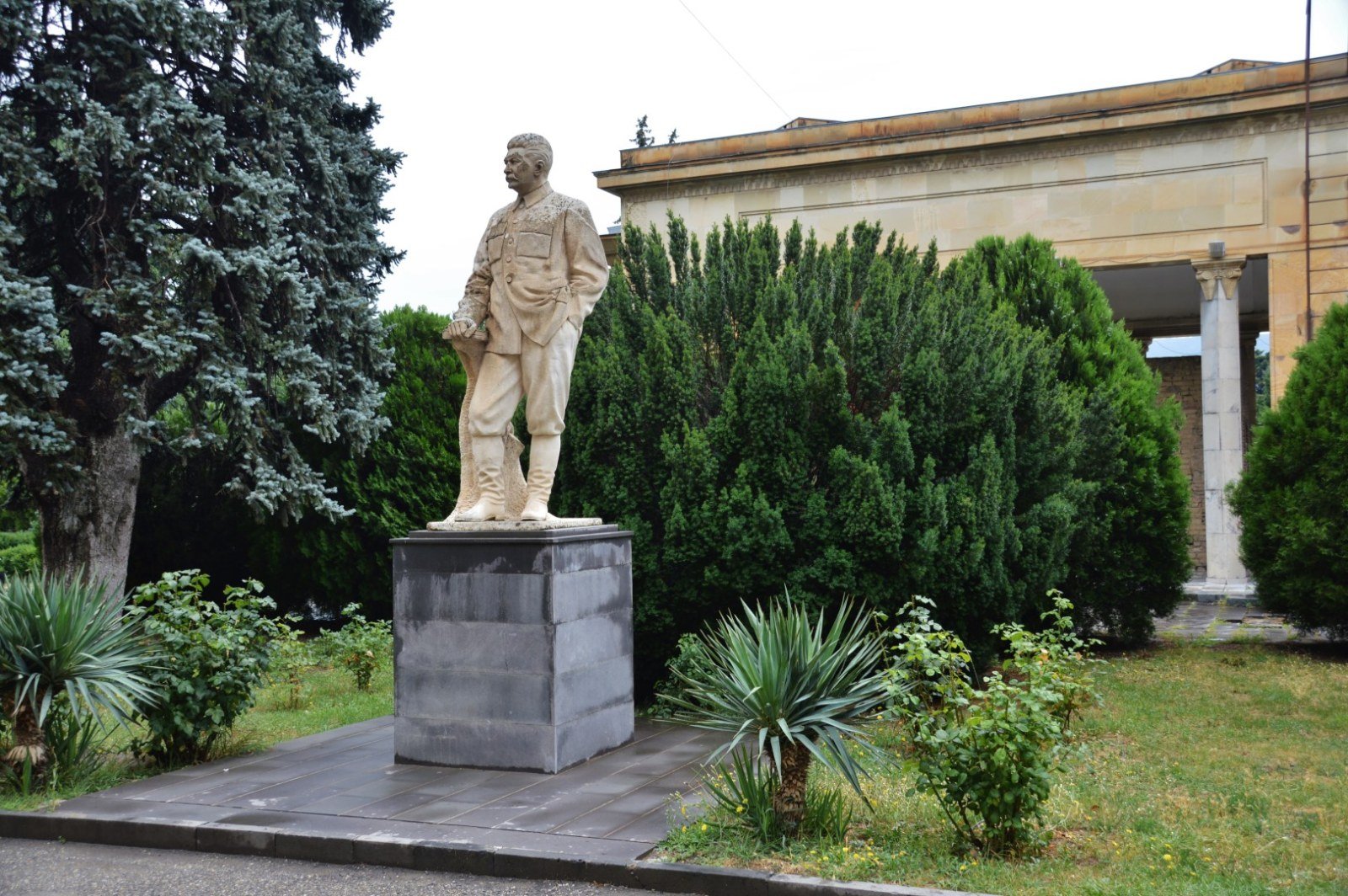
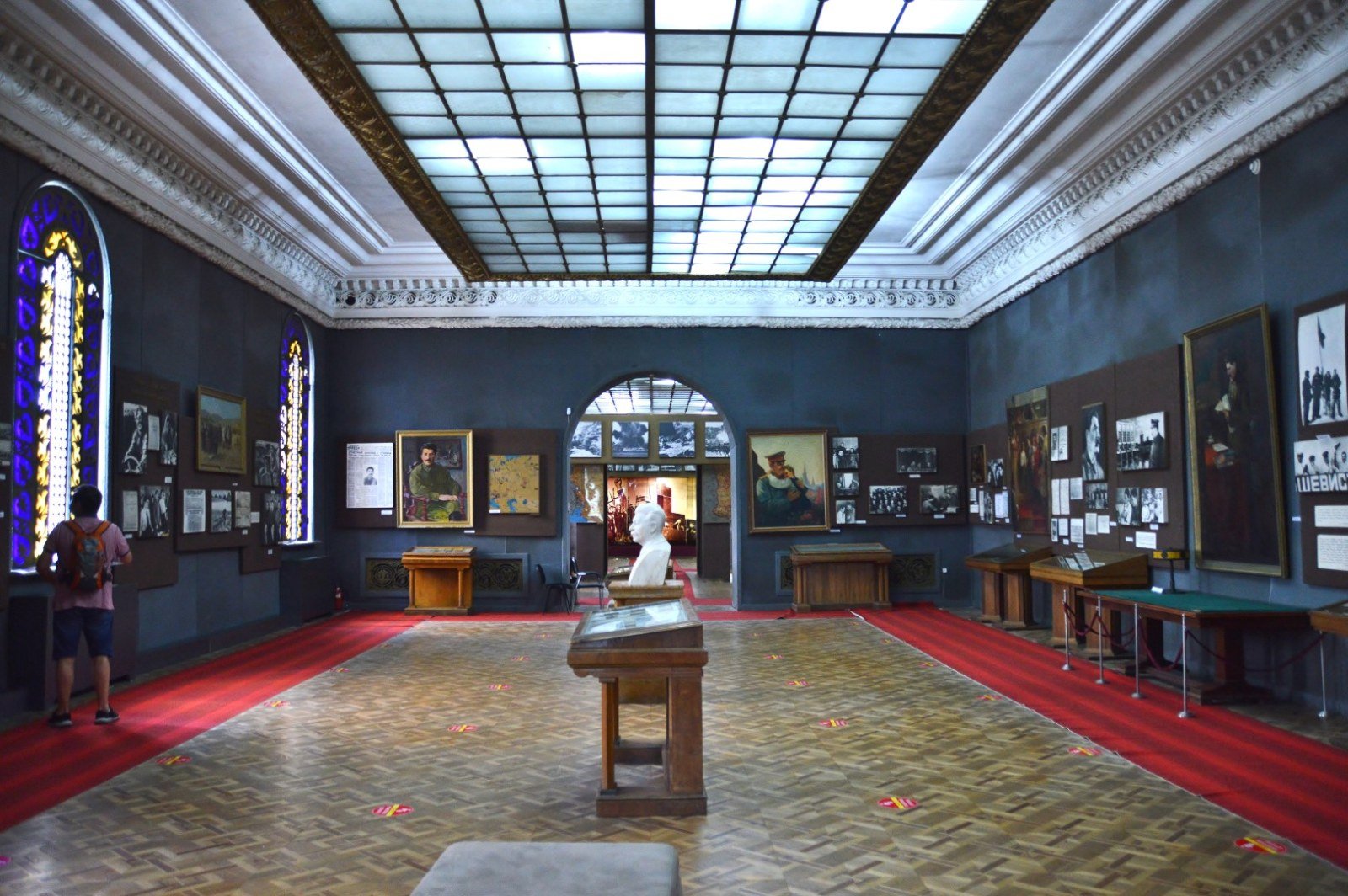
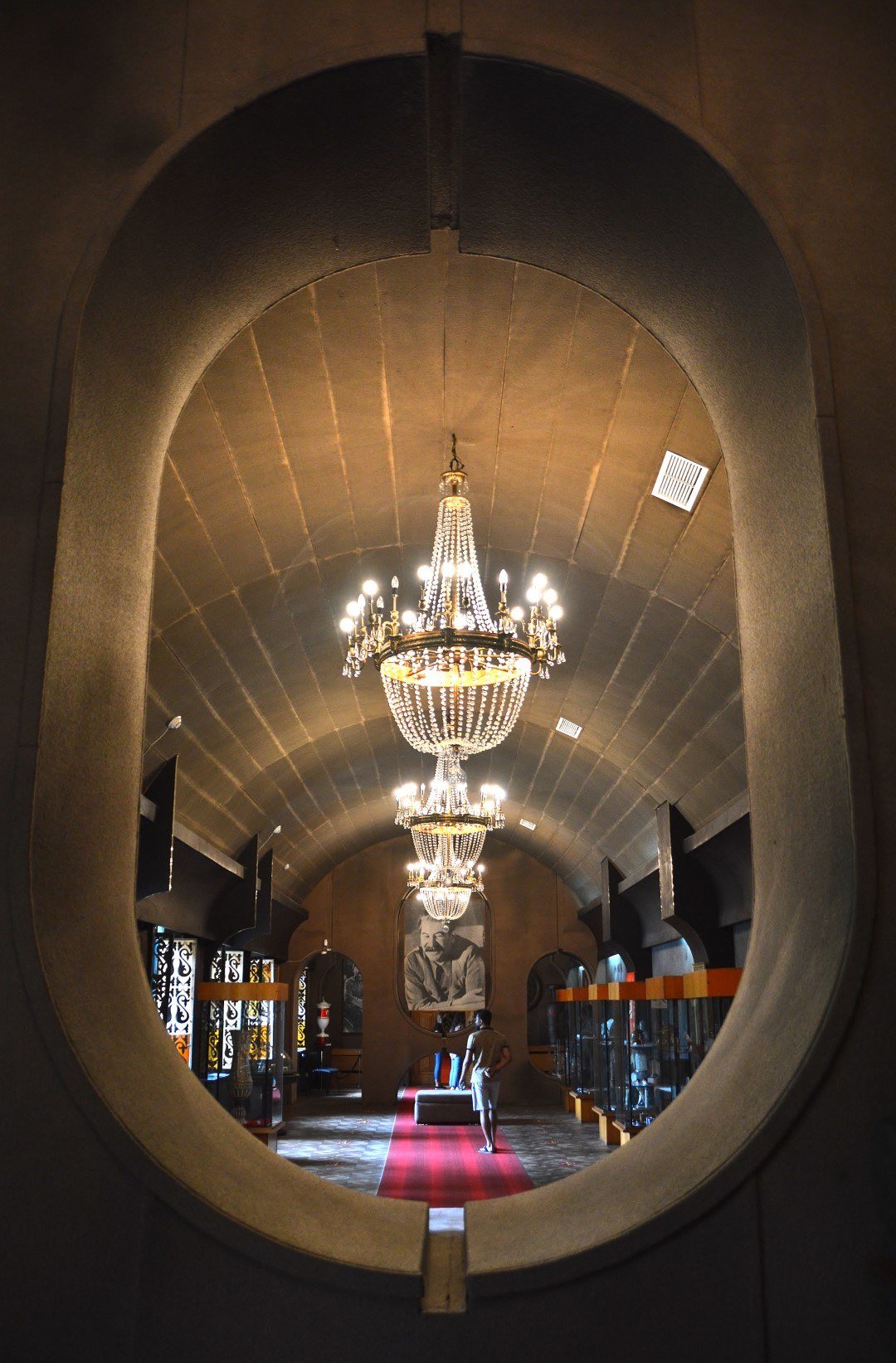
Most travellers arrive drawn by the Stalin State Museum, the most striking complex on Stalin Avenue — a name retained in Georgia when the rest of the Soviet Union renamed its streets. The complex includes the leader's small birthplace, sheltered under a disproportionate neoclassical pavilion, the museum with its collection of personal objects, photographs and propaganda documents, and the armoured railway carriage in which he travelled. The interpretation remains largely uncritical of the crimes of Stalinism, making the visit as revealing as it is uncomfortable.
Ten kilometres away by car is Uplistsikhe, a cave city carved from pink sandstone since the Iron Age, which is worth the trip to Gori on its own. The atmosphere of the city itself is quiet, somewhat frozen in time; the markets smell of walnut and local honey, and at dusk the Gorijvari fortress is silhouetted in orange against the sky.
History
The Gorijvari fortress already existed as a defensive point in the 1st century, and Gori was the seat of several medieval Georgian kings of the Shida Kartli region. The city suffered multiple destructions at the hands of Persian, Mongol and Ottoman invaders, and was rebuilt each time around its rocky citadel. Its international fame would come centuries later: in 1878, Ioseb Vissarionovich Jughashvili, known to the world as Stalin, was born here. The Stalin State Museum opened in 1957, just four years after the dictator's death, and has never closed. In August 2008, during the Russo-Georgian war, Gori was briefly occupied by Russian troops and several outlying districts suffered damage; the historic centre was rebuilt in the following years.
What to see & do
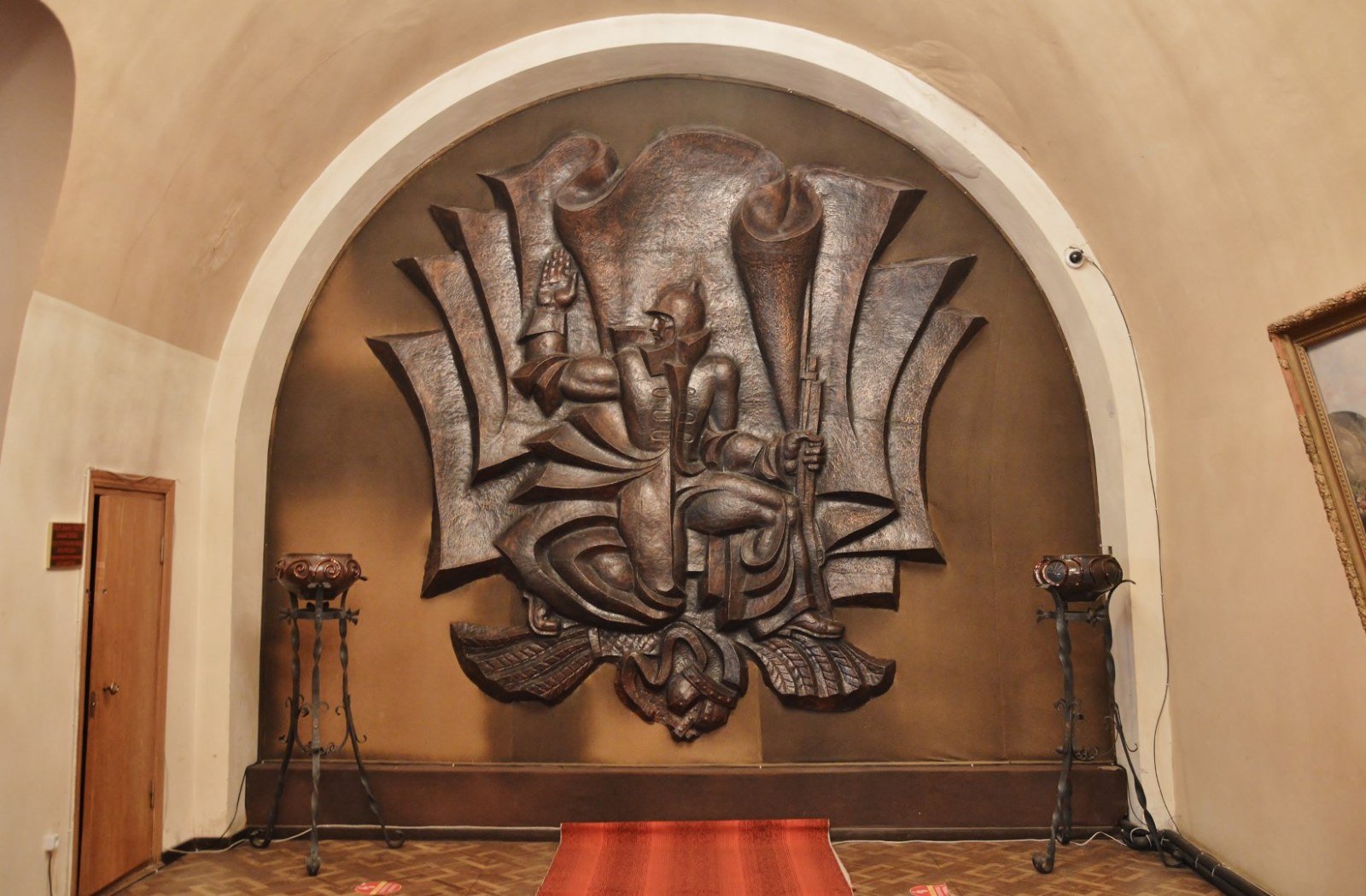
- Stalin State Museum The complex occupies an entire block of Stalin Avenue. Inside: photographs, documents, state gifts and personal objects of the leader; the death mask room — the original death mask — is particularly striking. The glorifying presentation is as interesting as it is disturbing for anyone who knows the history of Stalinism. Approximate hours: 10:00–18:00, closed Monday. Admission: 15 GEL (approx. 5–6 USD).
- Stalin's birthplace A small two-room house where the leader was born in 1878, covered by a neoclassical colonnade that multiplies the original size tenfold. The contrast between the humble brick house and the grandiose shelter says a great deal about the Soviet personality cult.
- Gorijvari Fortress Medieval citadel on a rocky promontory in the centre of Gori. A 15–20 minute walk up a cobbled path; at the top there are open views over the Mtkvari valley and, on clear days, over the peaks of the Caucasus. Free access.
- Uplistsikhe cave city 10 km east of Gori, this complex of chambers carved into sandstone was inhabited from the 8th century BC to the 13th century AD. Allow at least two hours. Admission: 7 GEL. Reached by taxi from Gori for around 10–15 GEL.
- Gori central market Next to the train station, the bazaar sells honey from nearby villages, walnuts, seasonal fruit and the occasional Soviet souvenir. Prices are noticeably lower than in Tbilisi and the atmosphere is that of a provincial town without tourist affectation.
Photo gallery
How to get there
Gori is on the Tbilisi–Batumi railway line: several trains run daily from Tbilisi Central Station, taking about 80 minutes. Marshrutkas depart frequently from Didube station in Tbilisi (1 hour, 3–4 GEL). The nearest airport is Tbilisi International Airport. From Gori, Uplistsikhe is reached in 10 minutes by taxi (10–15 GEL agreed in advance).
Best time to visit
Gori has a continental climate: hot summers peaking at 35°C and cold but manageable winters. Spring (April–May) and autumn (September–October) offer comfortable temperatures for visiting the Gorijvari fortress and the Uplistsikhe caves. In summer, the sandstone of Uplistsikhe absorbs a lot of heat; it is best to go before 10:00 or after 17:00, with water and a hat.
More information
Photo: Iberogeorgia · Todos los derechos reservados