
Gelati Monastery
გელათის მონასტერი
12th-century monastic complex in Imereti with golden Byzantine mosaics, the tomb of David the Builder, and an oak forest.
Location in the Caucasus
Description
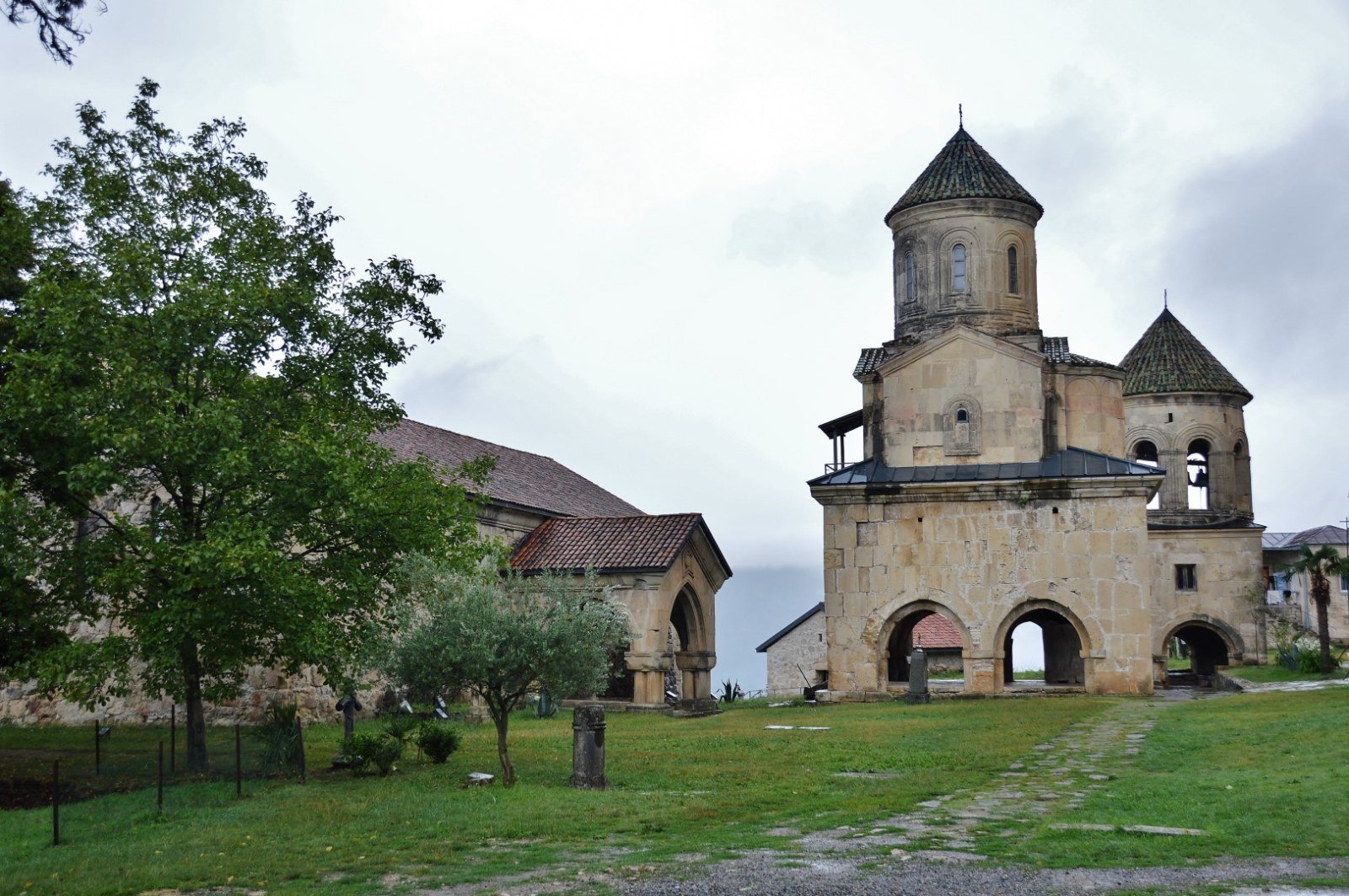
Gelati Monastery stands on a wooded hill about four kilometres northeast of Kutaisi, and the road up through oaks and beeches sets the mood: dense silence, green shade, and sometimes the scent of resin when the sun warms the eaves. Entering the precinct, the first impression is of scale: three grey stone churches, a medieval bell tower and the remains of an ecclesiastical Academy surrounded by crenellated walls. On weekdays there are few visitors, and the only sound is usually birdsong or a distant prayer.
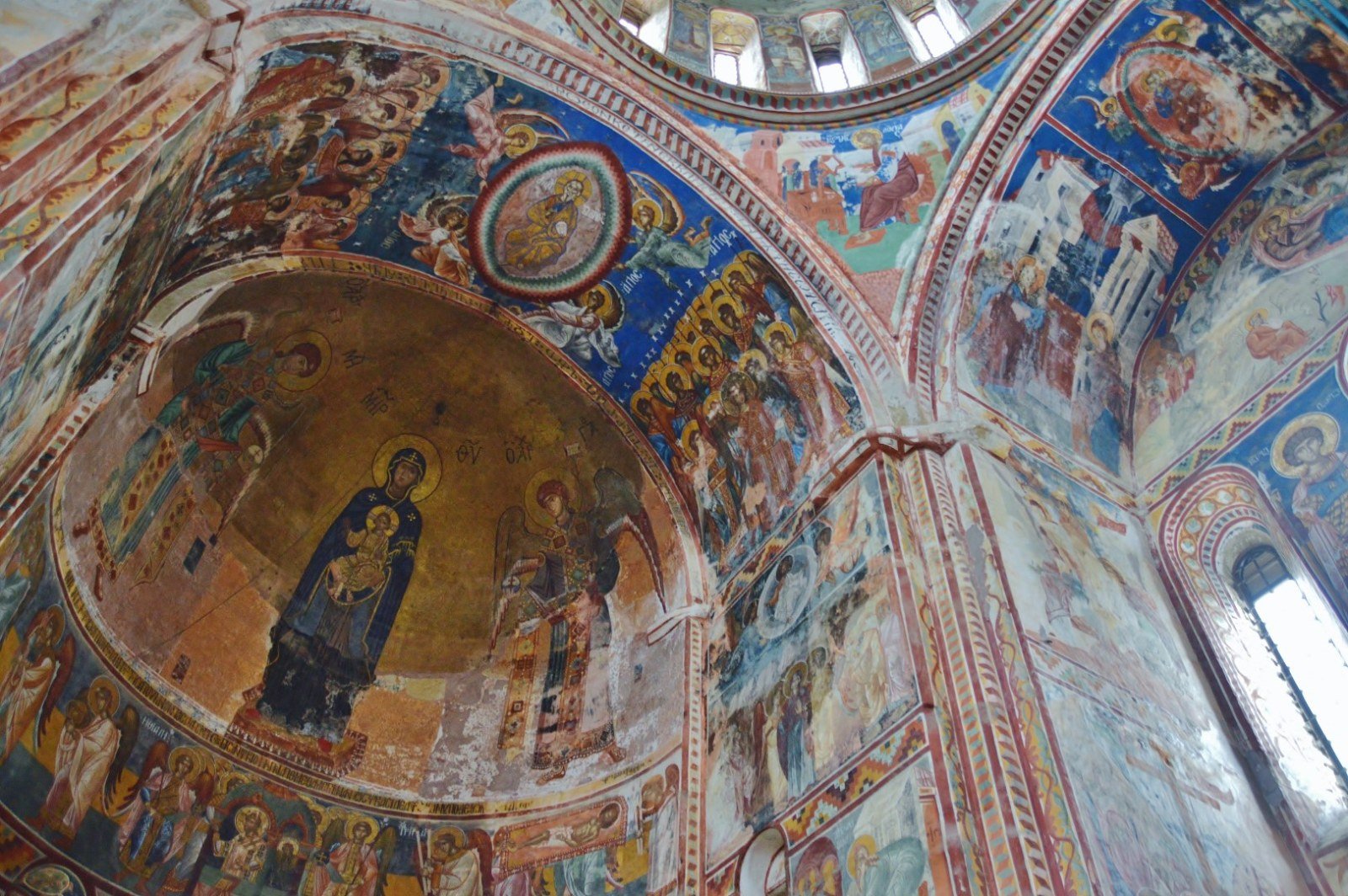
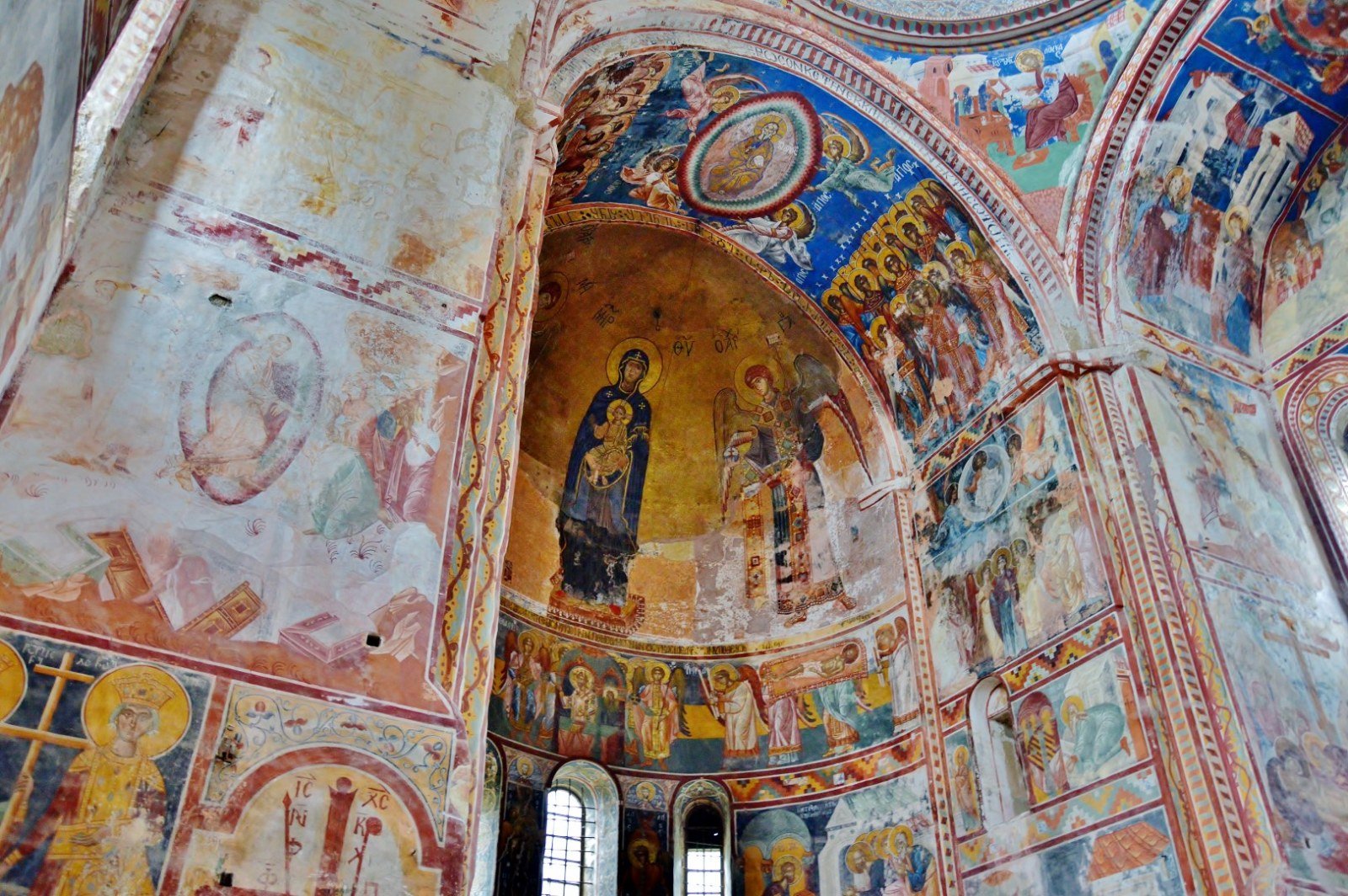
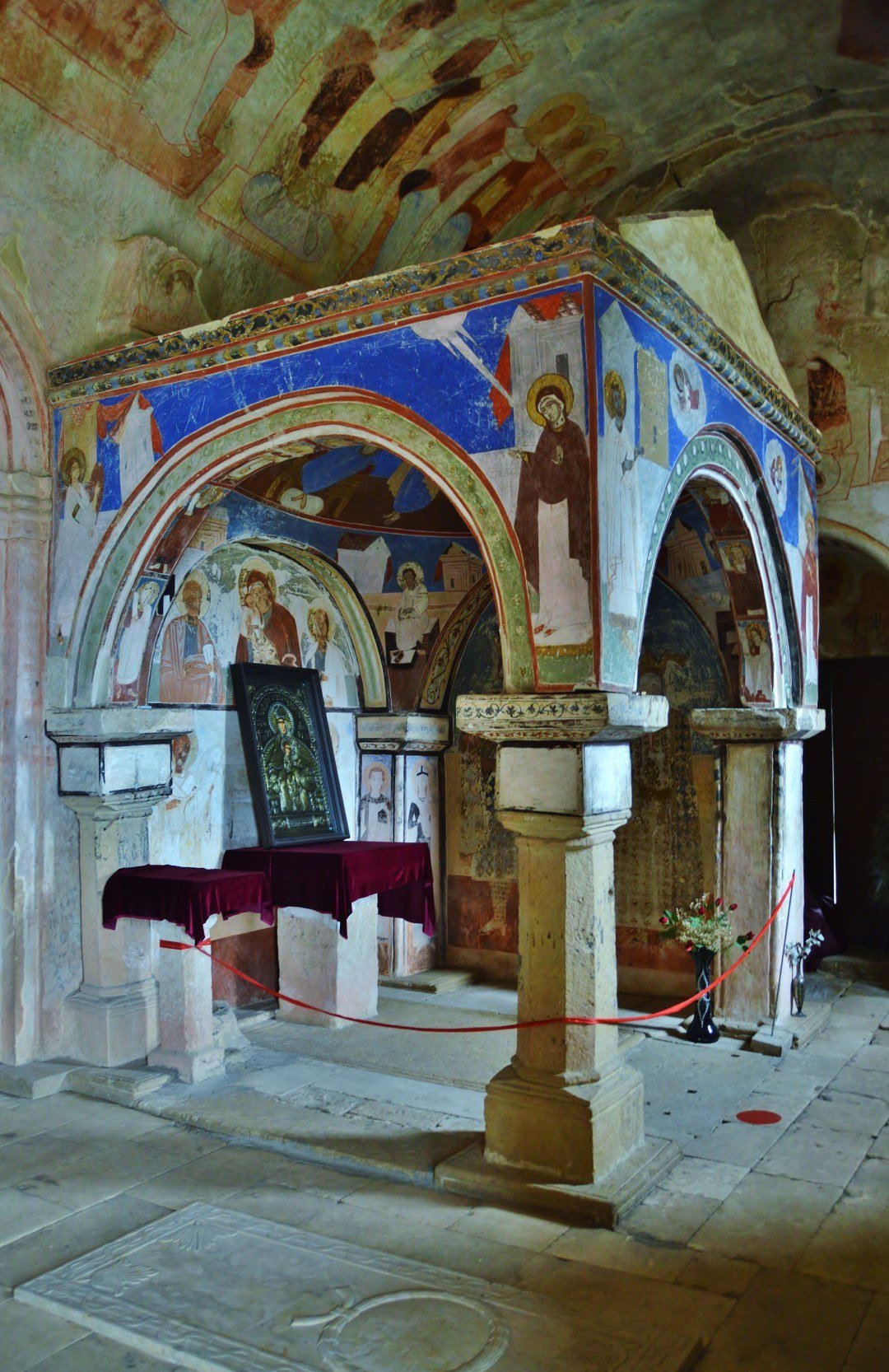
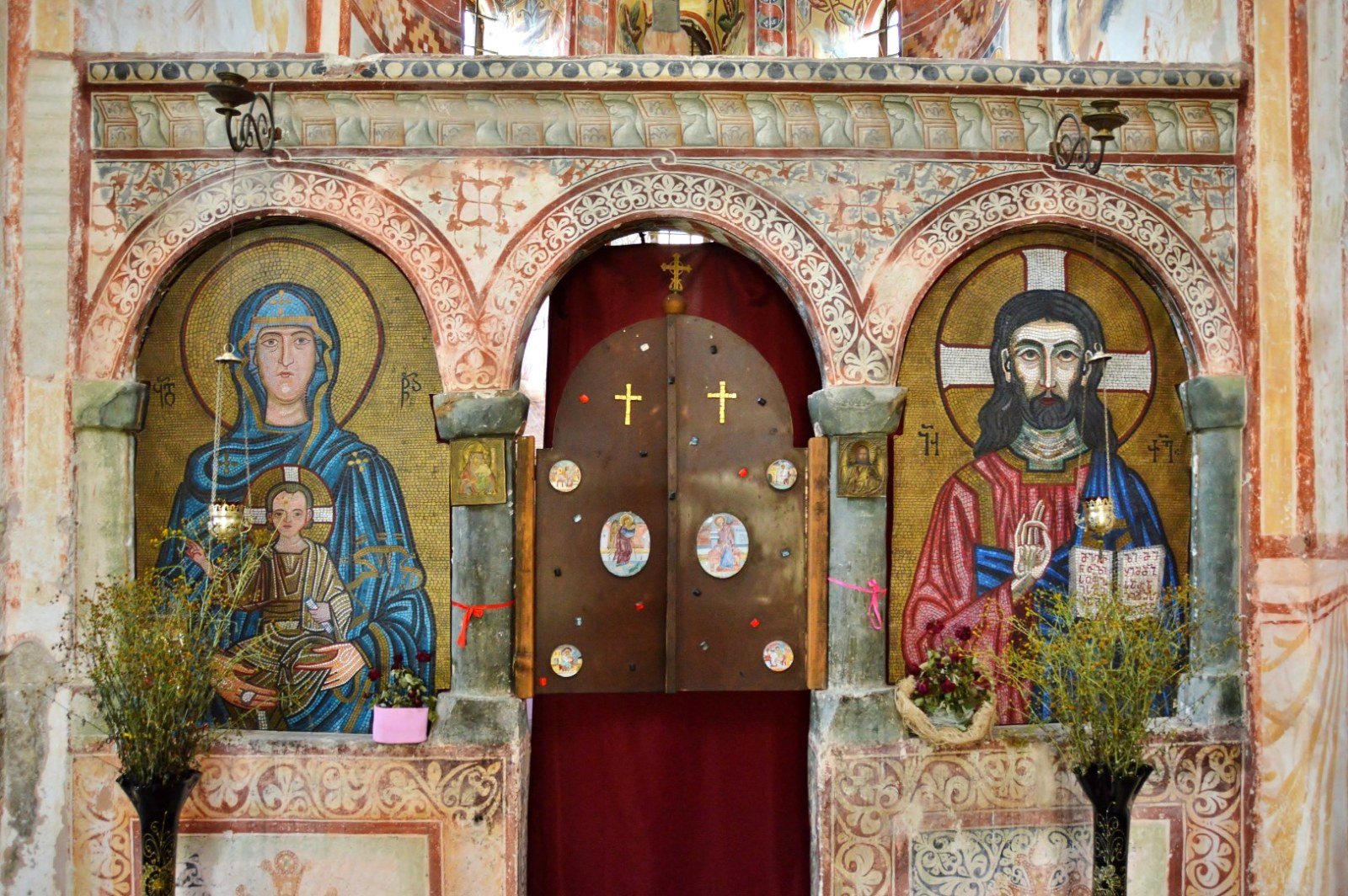
The Cathedral of the Virgin holds the best of the complex. Its apse preserves a 12th-century mosaic of the Deesis — the Virgin and Child on a golden background — one of the most complete surviving in the Caucasus. Light enters obliquely through the side windows and shifts the tone of the gold throughout the day; early morning is the clearest moment. On the threshold of the north gate lies a funerary slab worn smooth by centuries of footsteps: the tomb of King David the Builder, who expressly requested burial there so that those entering would tread upon him.
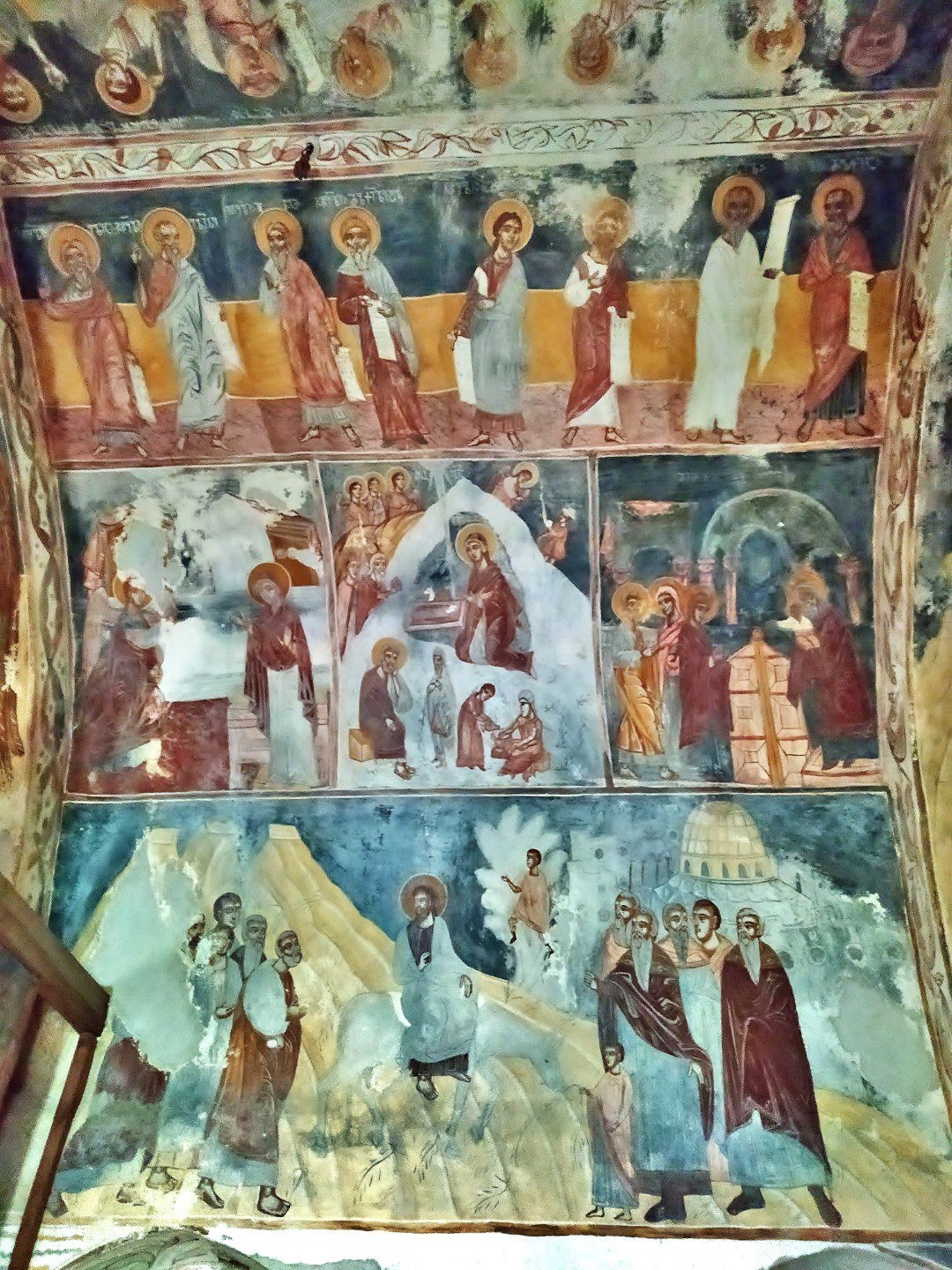
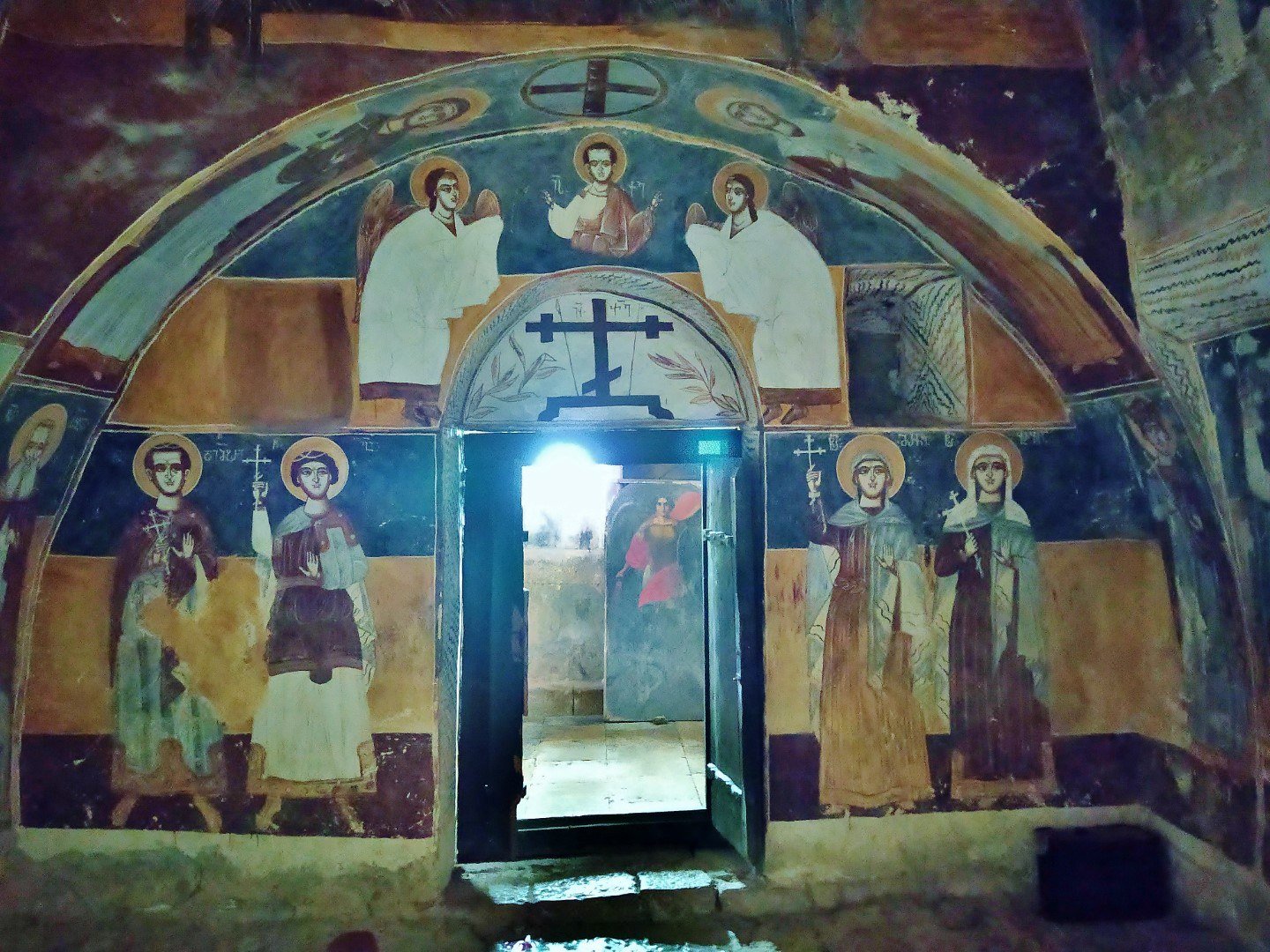
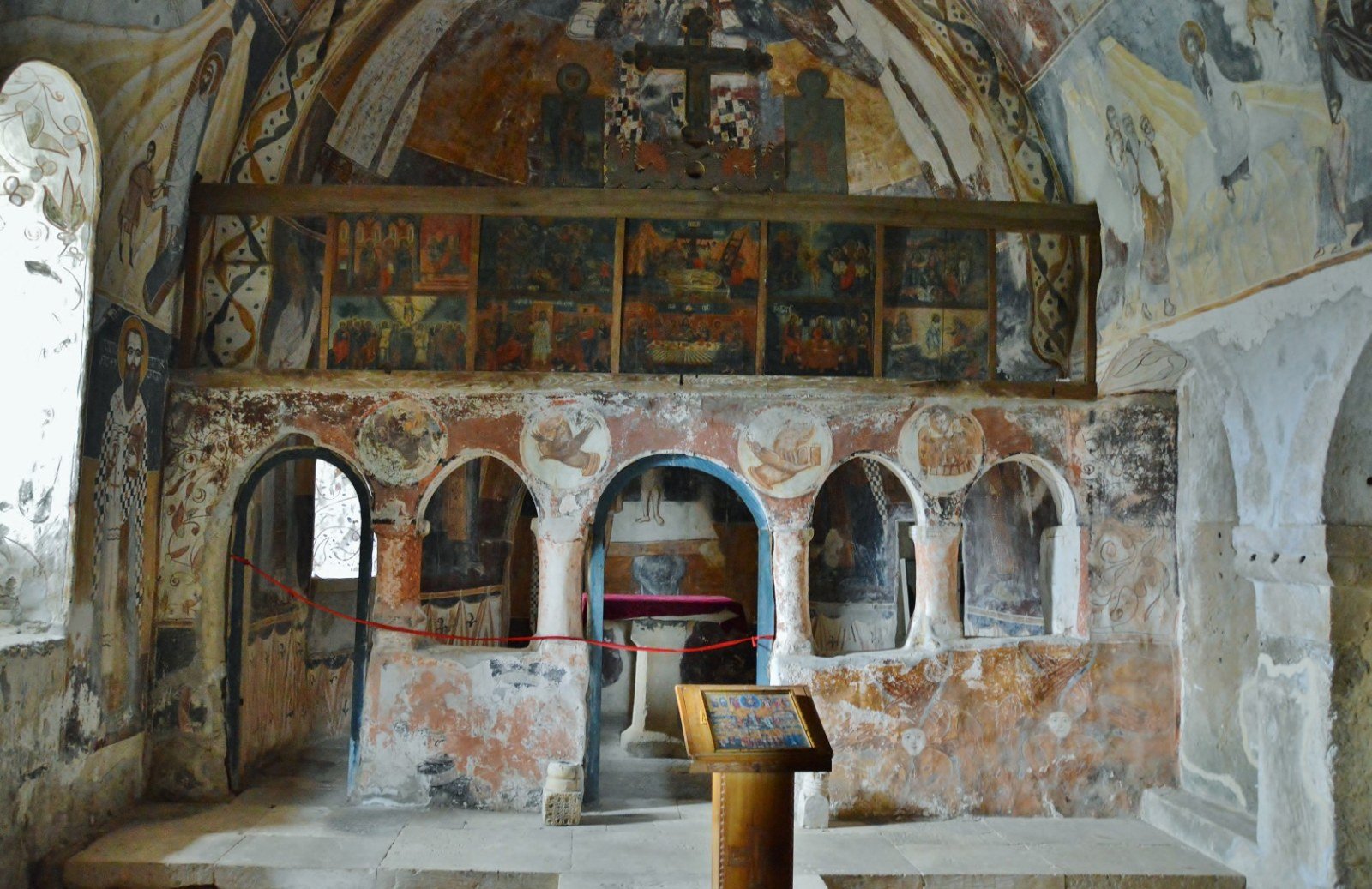
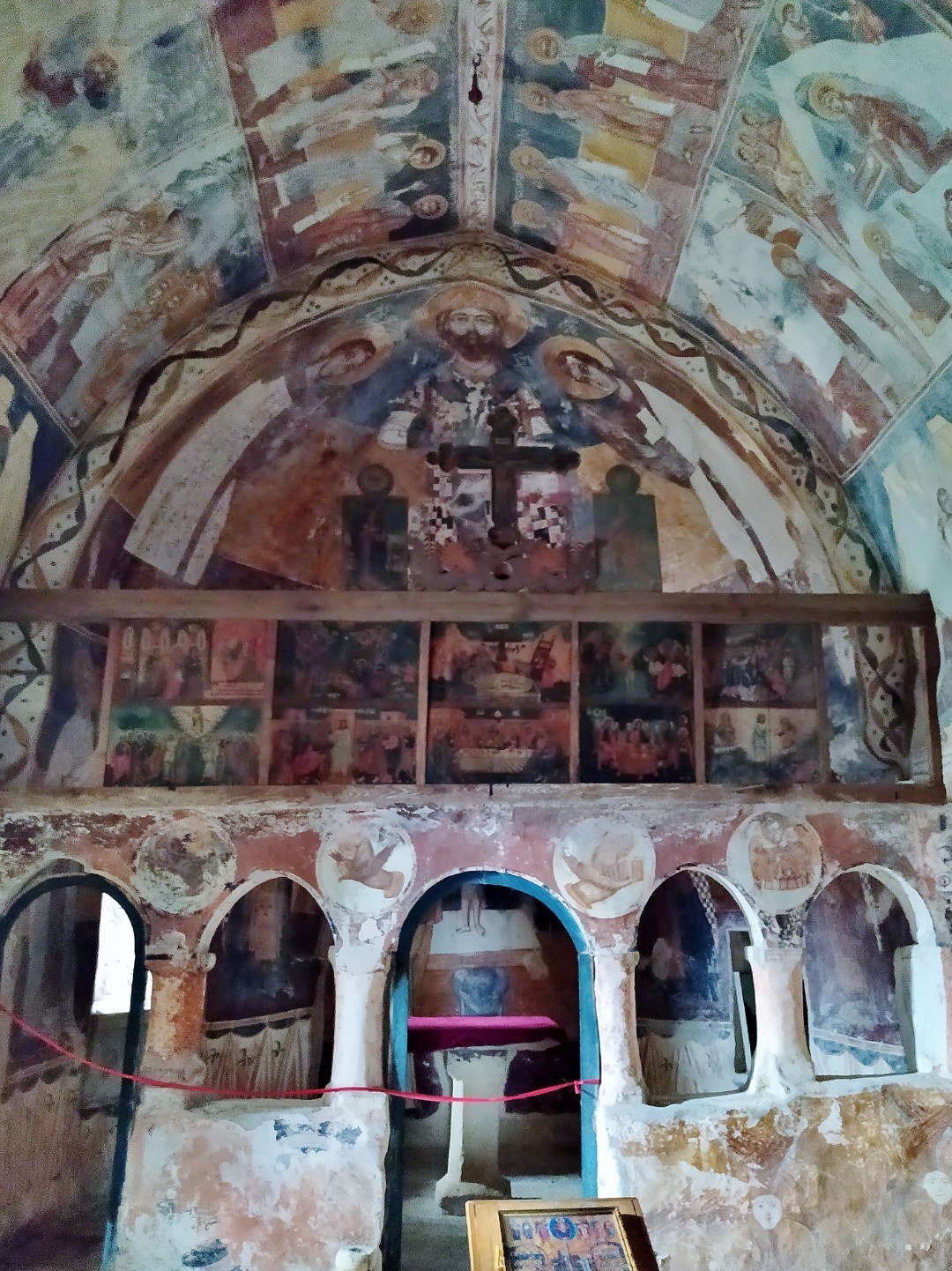
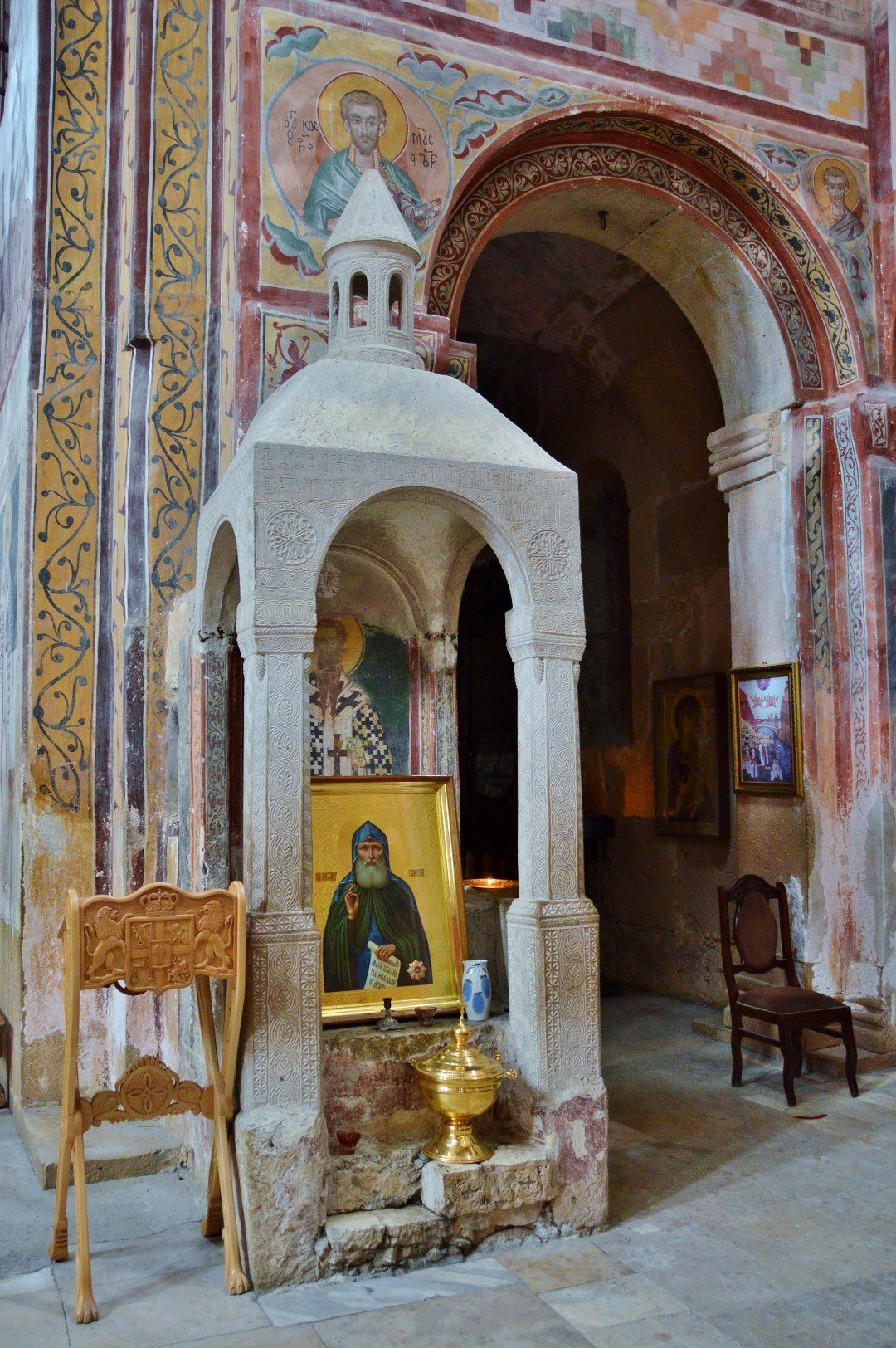
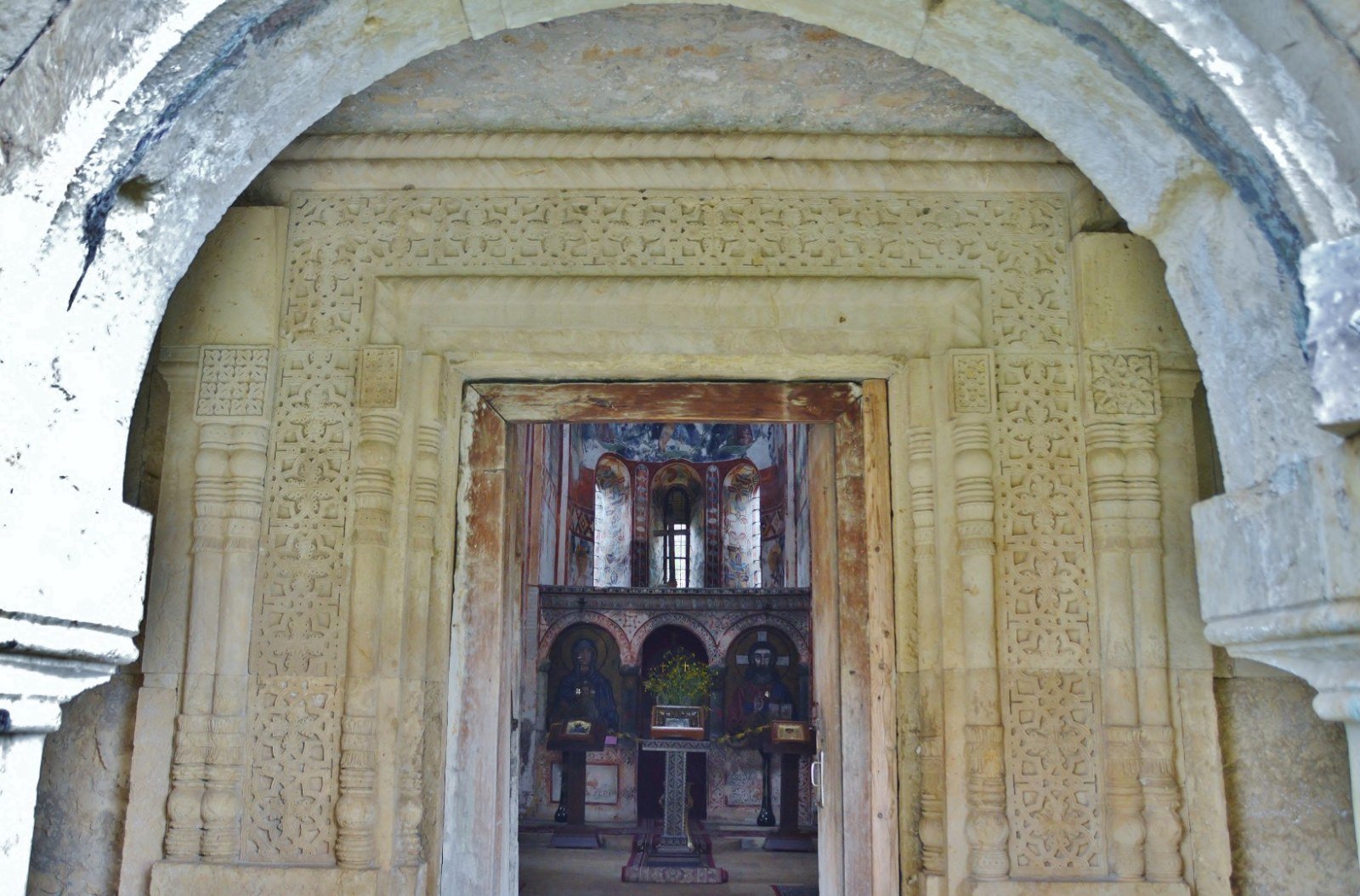
The precinct also houses the Church of St George, smaller but with a carved portal and well-preserved frescoes in vaults and apse, and the Church of St Nicholas beside the bell tower. The Gelati Academy — one of the intellectual centres of medieval Georgia — survives in partial ruin, with floor marks where the benches once stood. Entry to the precinct is free; a tip to the monks who guard the church interiors is appreciated.
History
Gelati Monastery was founded in 1106 by King David IV of Georgia, known as Aghmashenebeli ("the Builder"), during the period of greatest expansion of the Kingdom of Georgia. David did not conceive the place solely as a religious centre: the Gelati Academy was for centuries one of the few hubs of philosophy, science and theology in the medieval Caucasus, with figures such as the philosopher Ioane Petritsi among its teachers. According to his own wish, the king was buried on the threshold of the north gate so that his successors would step upon him when entering — a gesture of humility documented in Georgian chronicles. Unesco declared the complex a World Heritage Site in 1994, extending its protection in 2017 alongside the Bagrati Cathedral in Kutaisi.
What to see & do
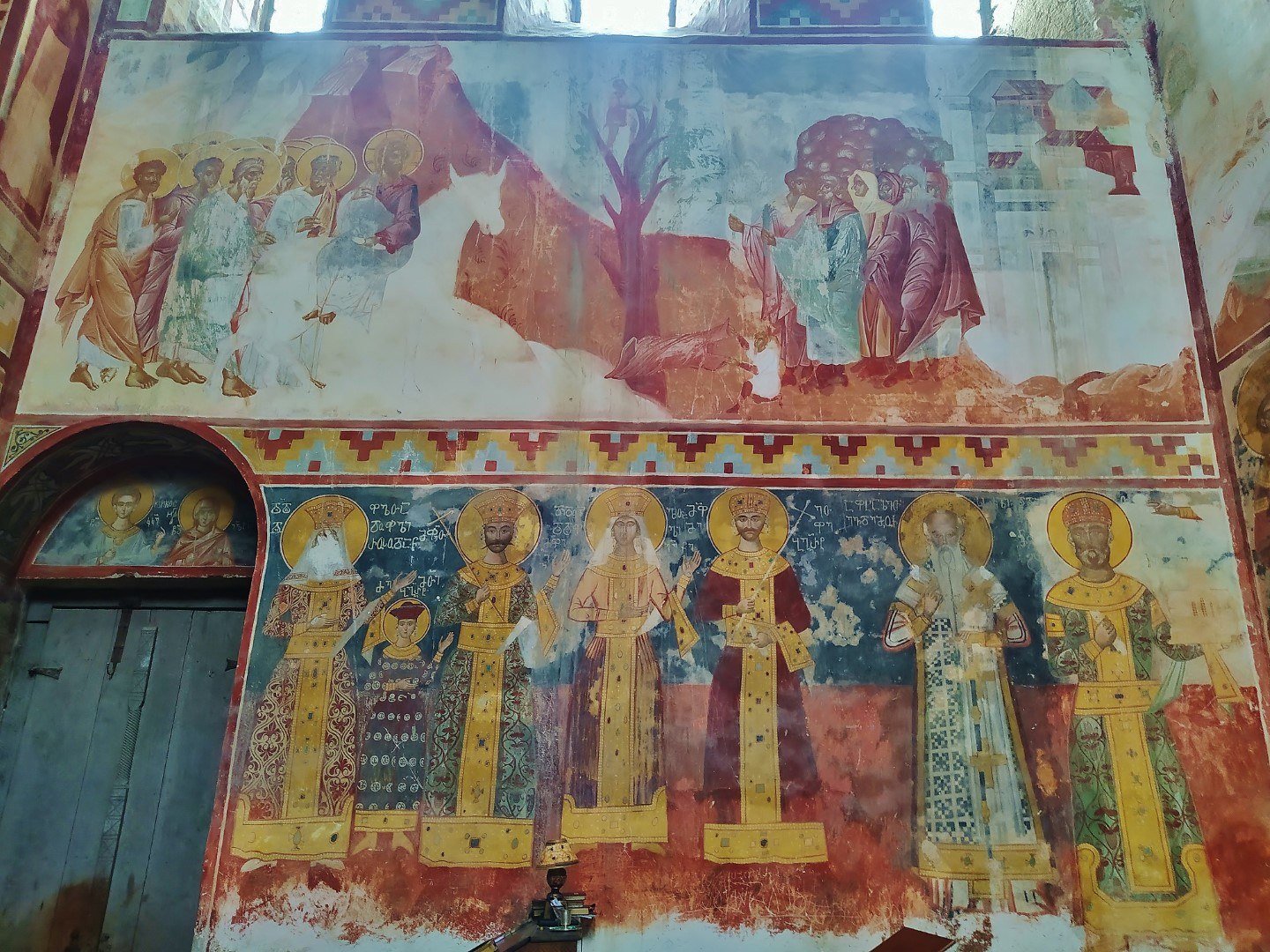
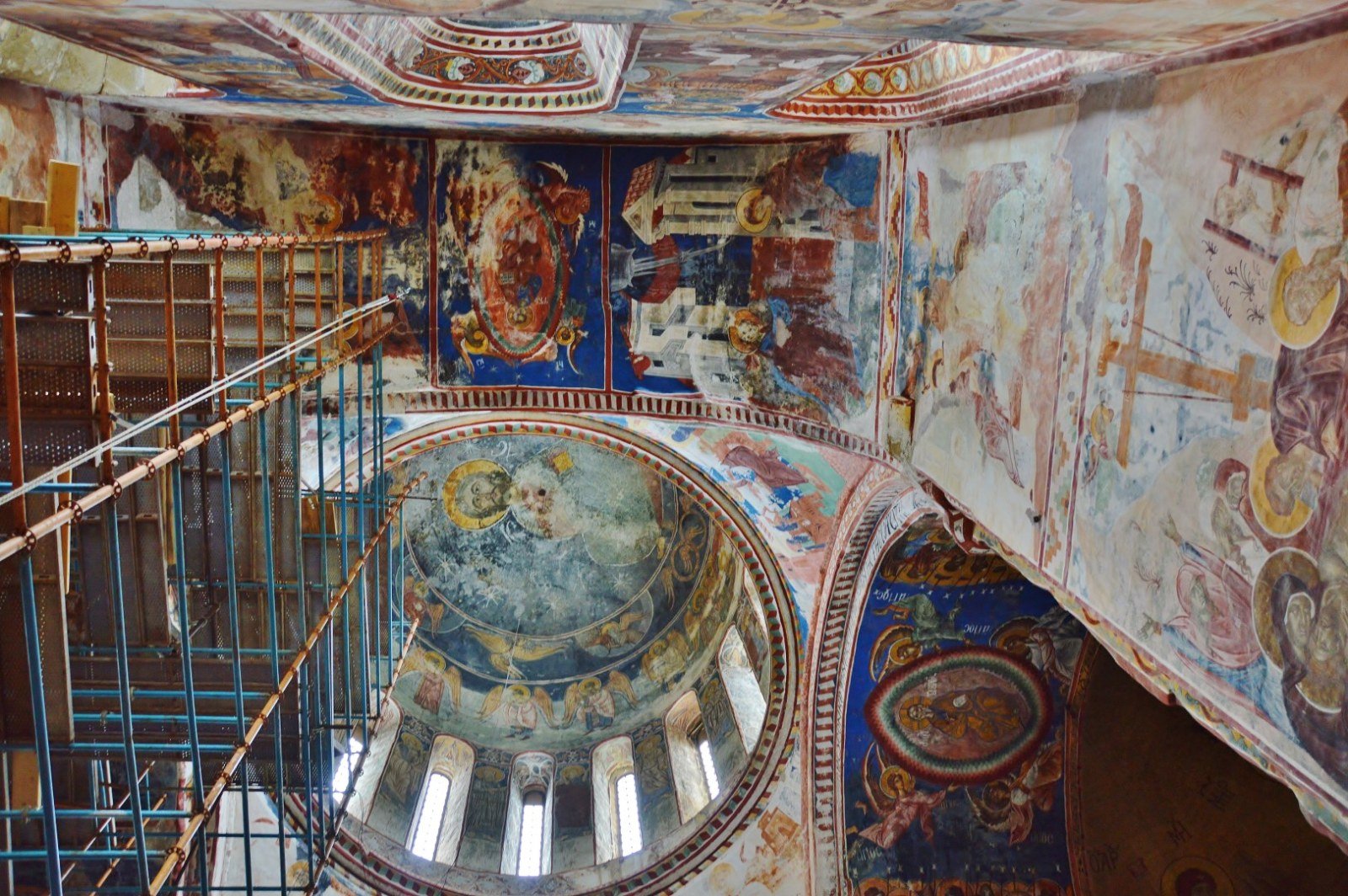
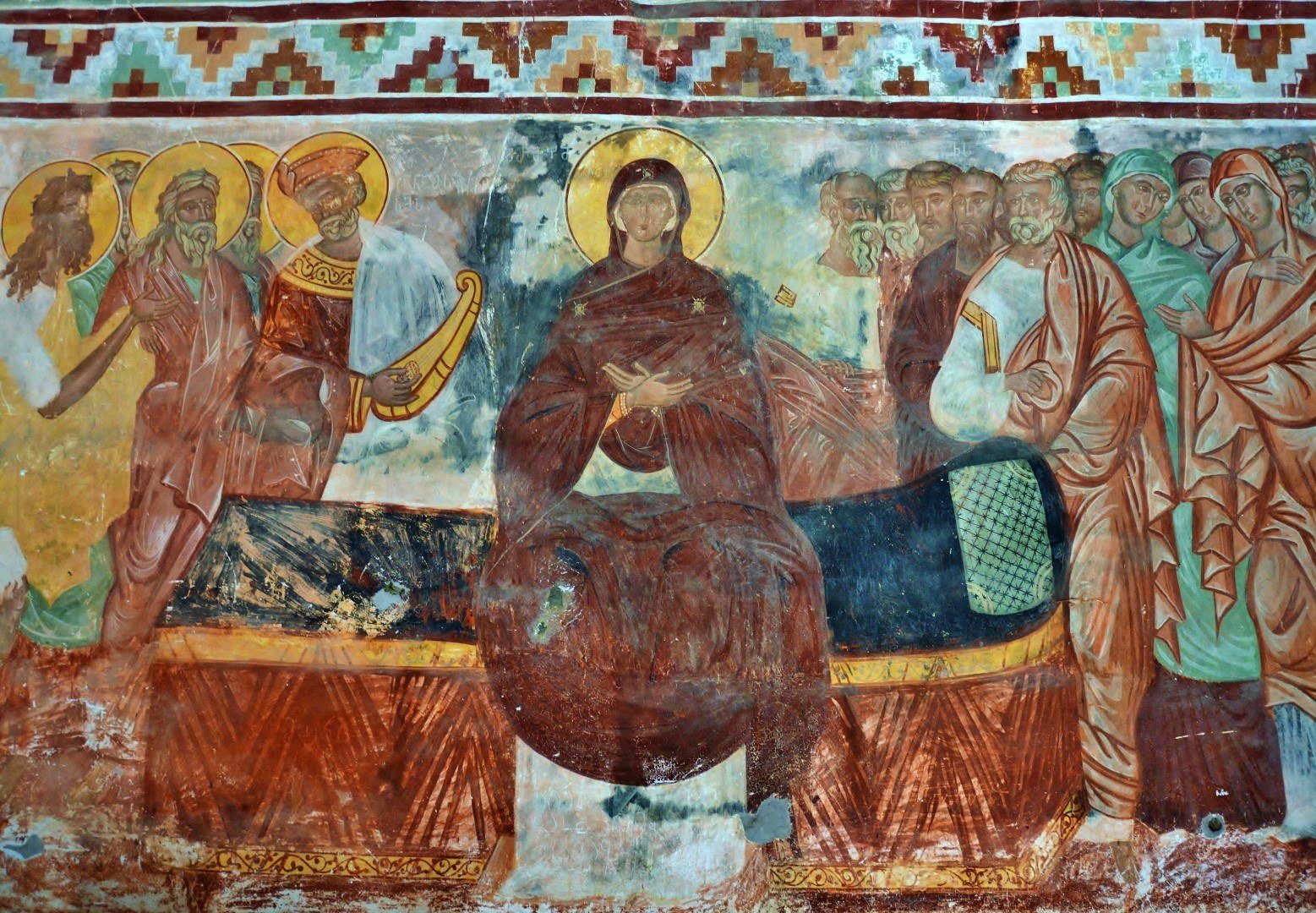
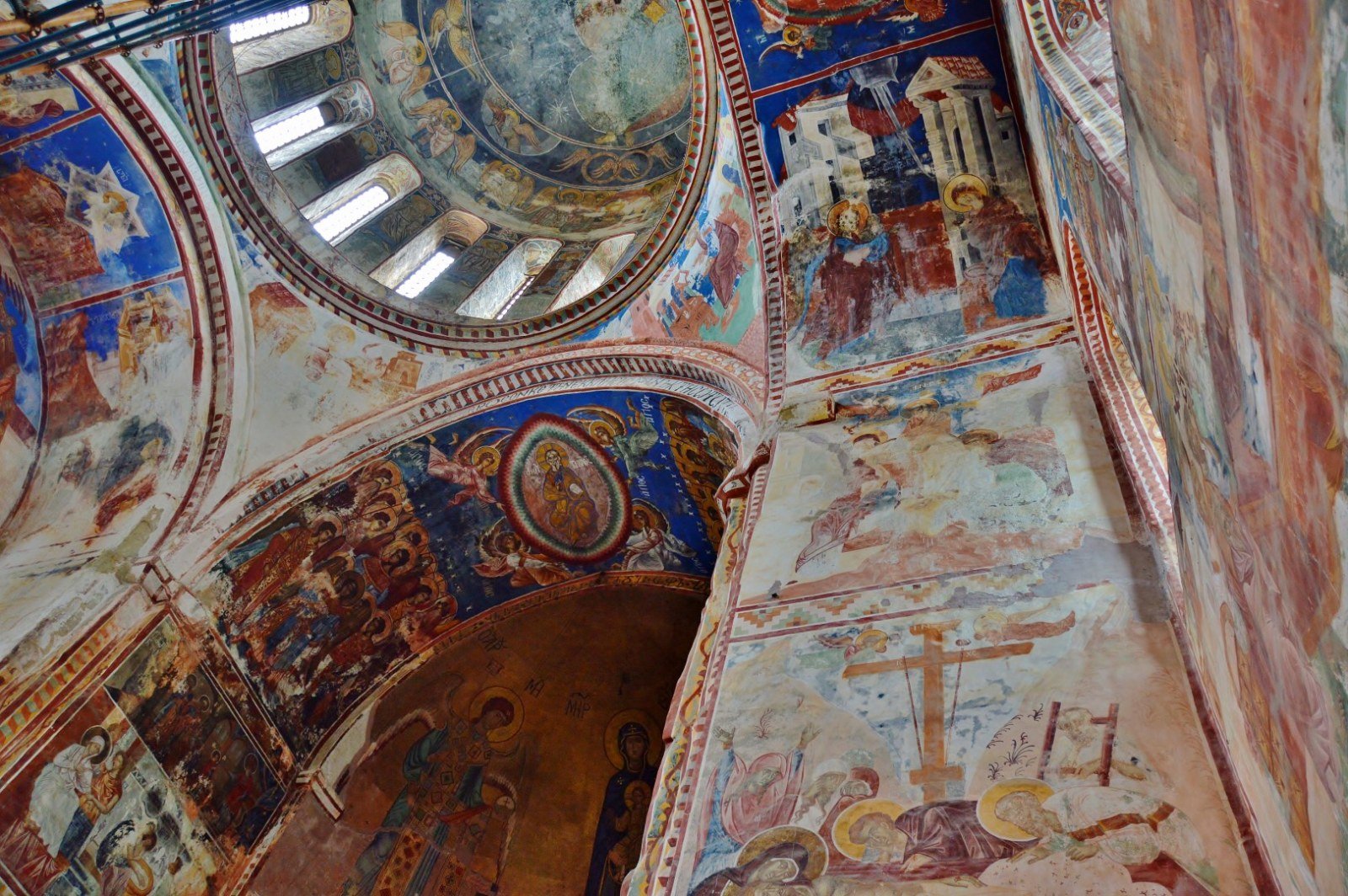
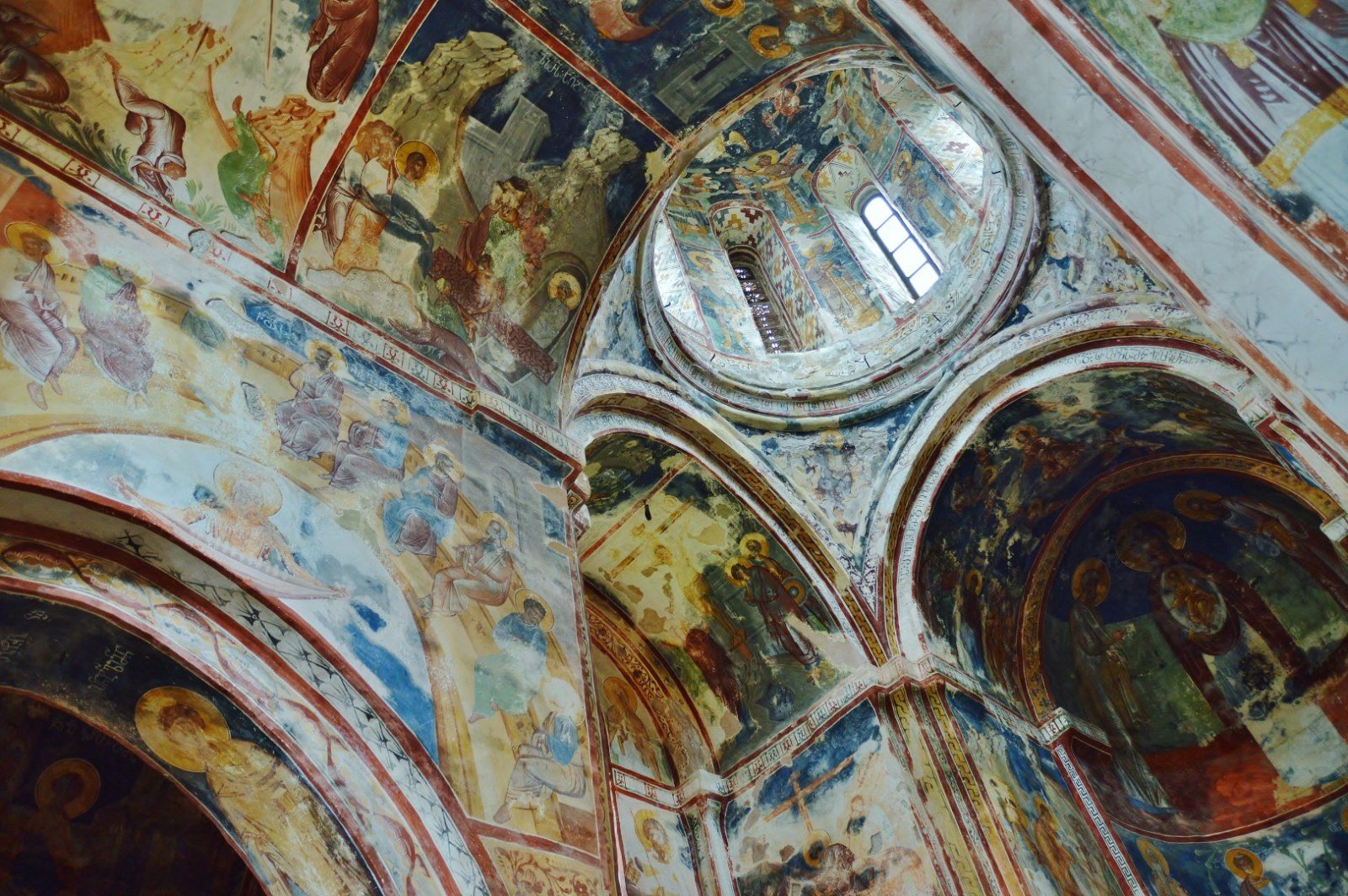
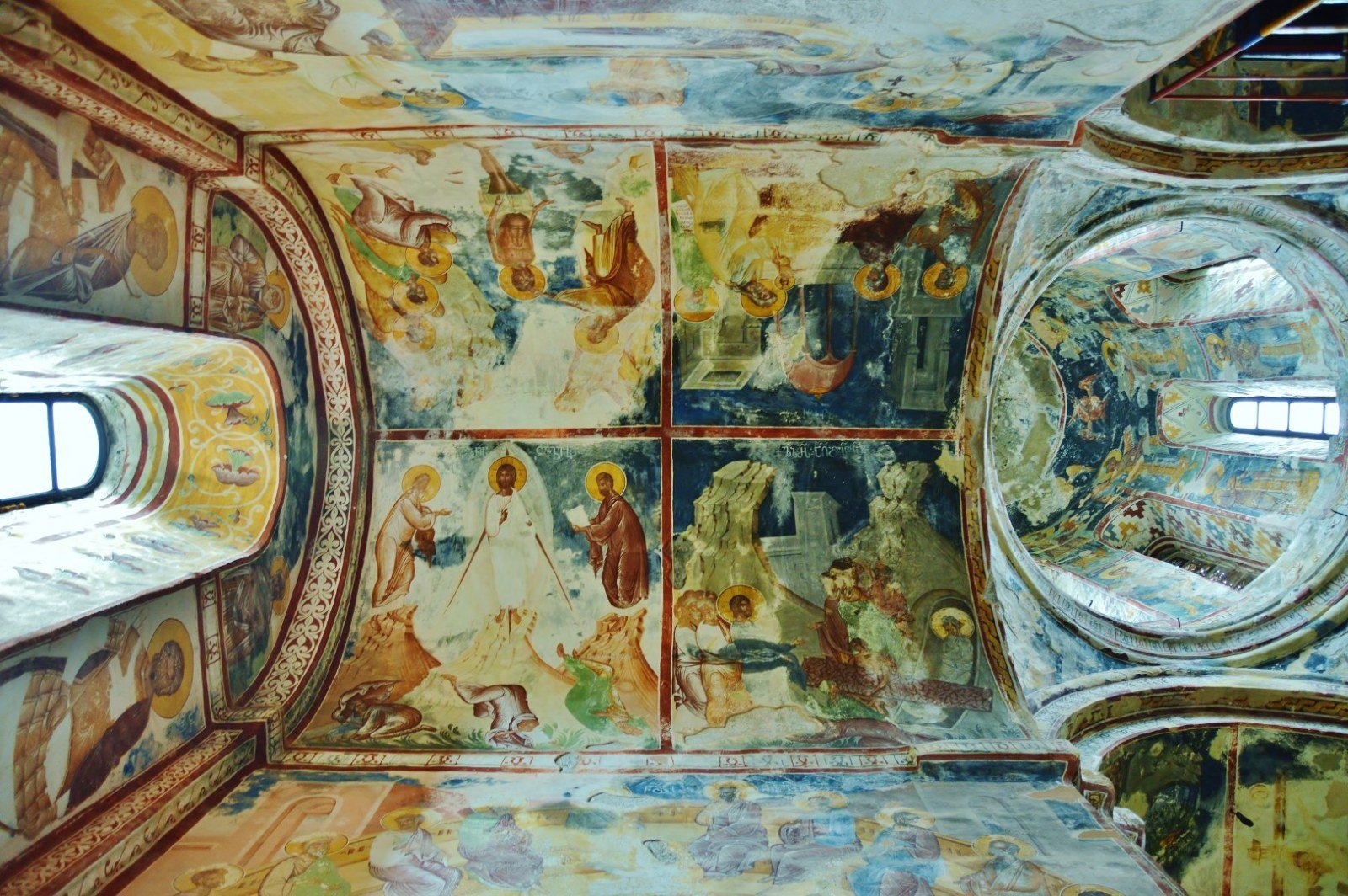
- Cathedral of the Virgin The main church of the complex, built in the 12th century. Its apse holds the golden Deesis mosaic — Virgin and Child — one of the best preserved in the Caucasus. The dome and transept arms retain medieval frescoes in varying states of preservation, with portraits of Georgian kings on the north arm.
- Tomb of David the Builder A funerary slab set into the floor of the north gate threshold, worn smooth by centuries of footsteps. The inscription in asomtavruli — the old Georgian alphabet — records the king's last wishes.
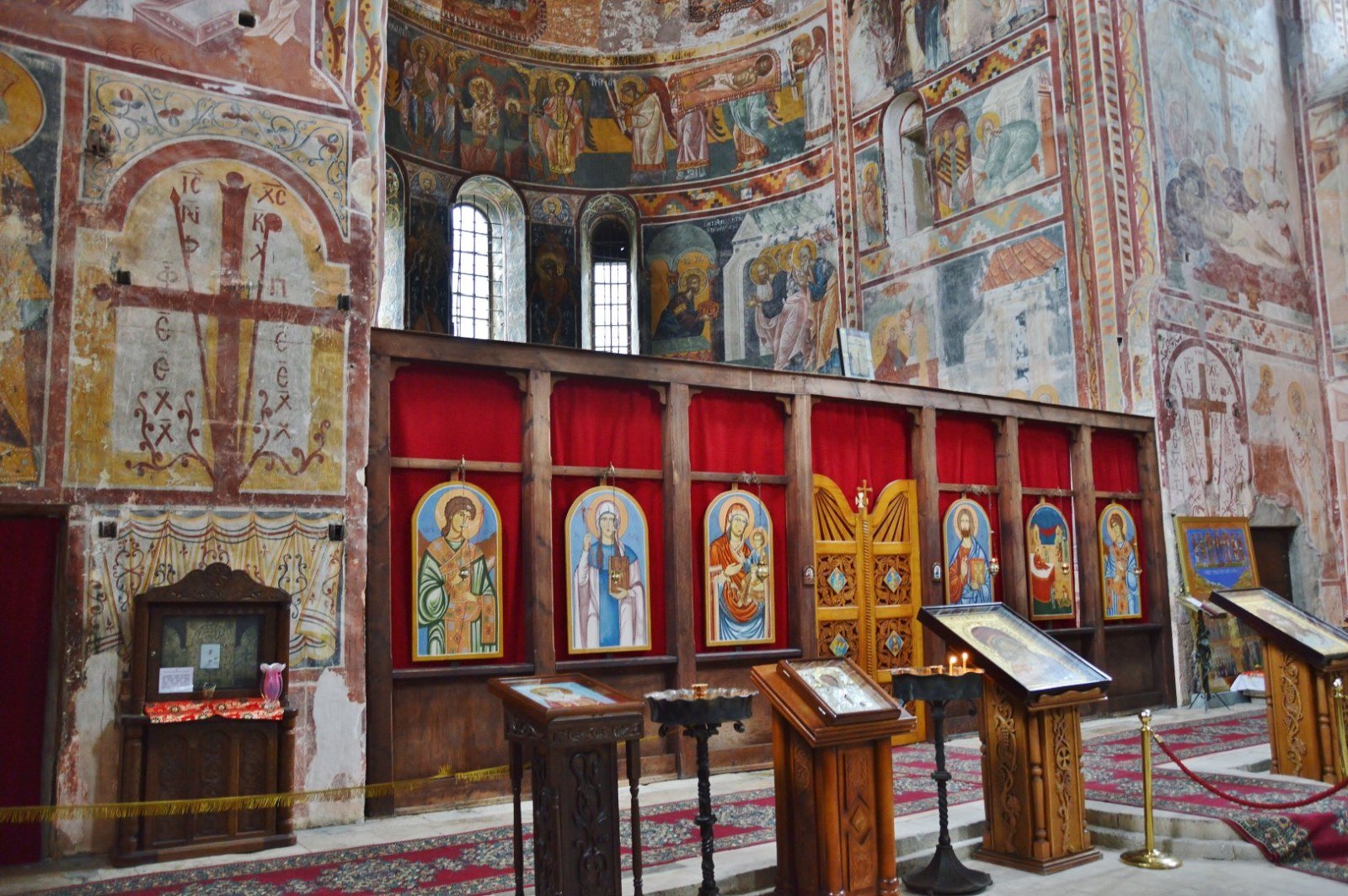
- Church of St George The smallest in the precinct, with a carved portal and medieval frescoes in vault and apse retaining much of the original pigment. The carved wooden iconostasis is striking.
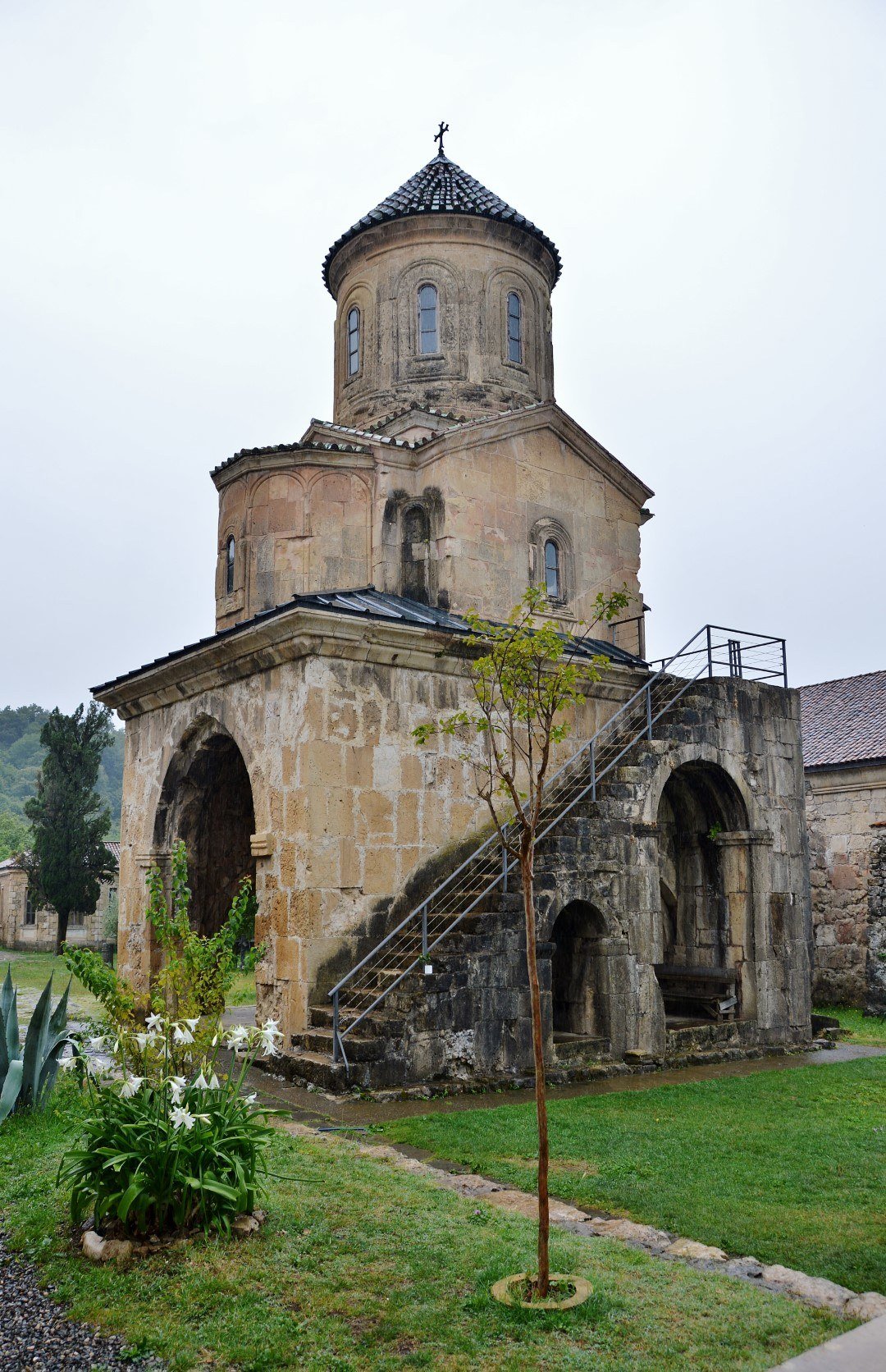
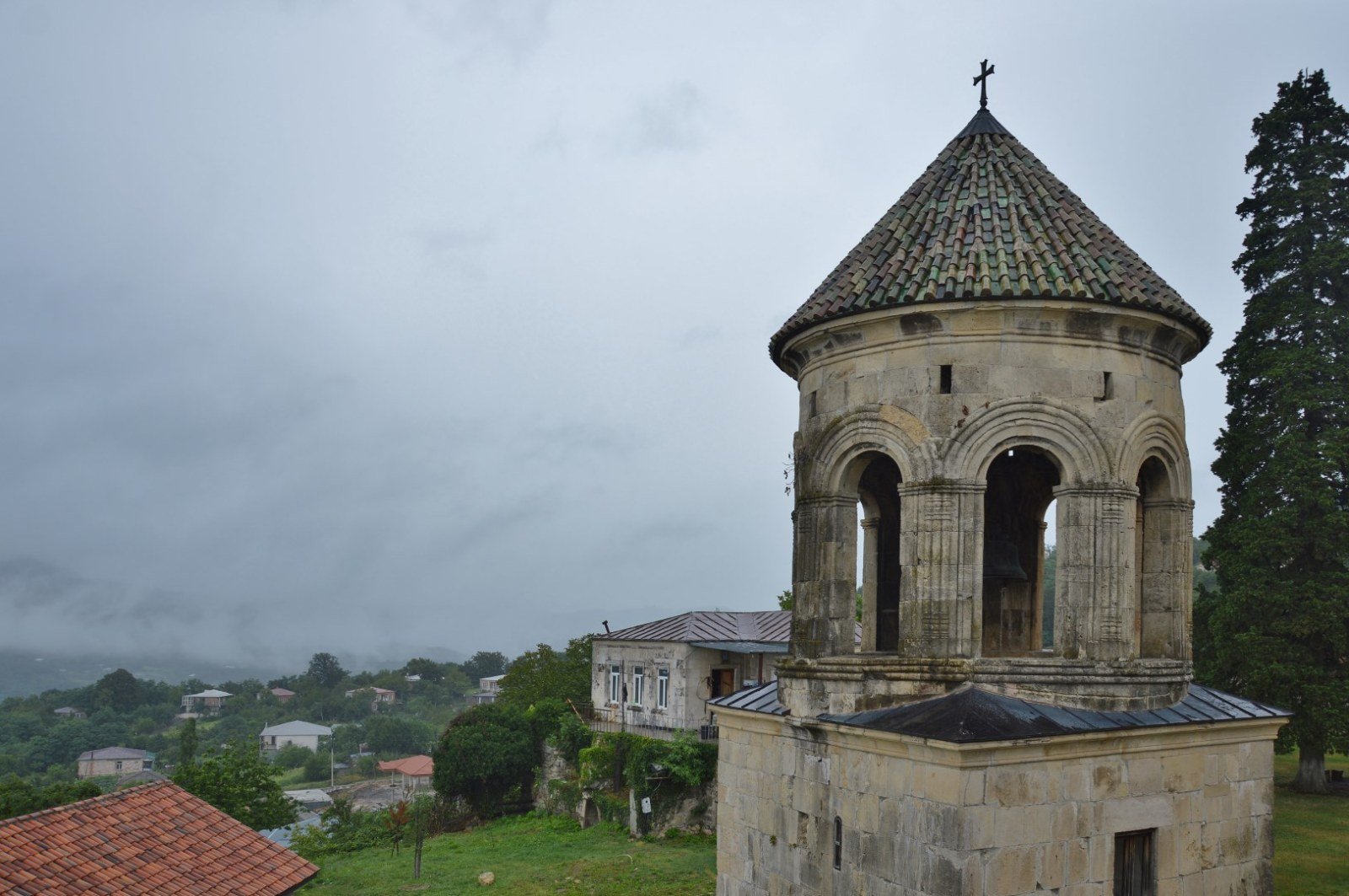
- Church of St Nicholas and Bell Tower A 12th-century stone tower with bells still in use. From the Church of St Nicholas there is a wide view of the whole complex and the wooded valley surrounding Gelati Monastery.
- Gelati Academy Remains of the institution where medieval Georgian philosophers and theologians taught. The main hall with floor marks and the decorated vault of the portico survive and reward close attention.
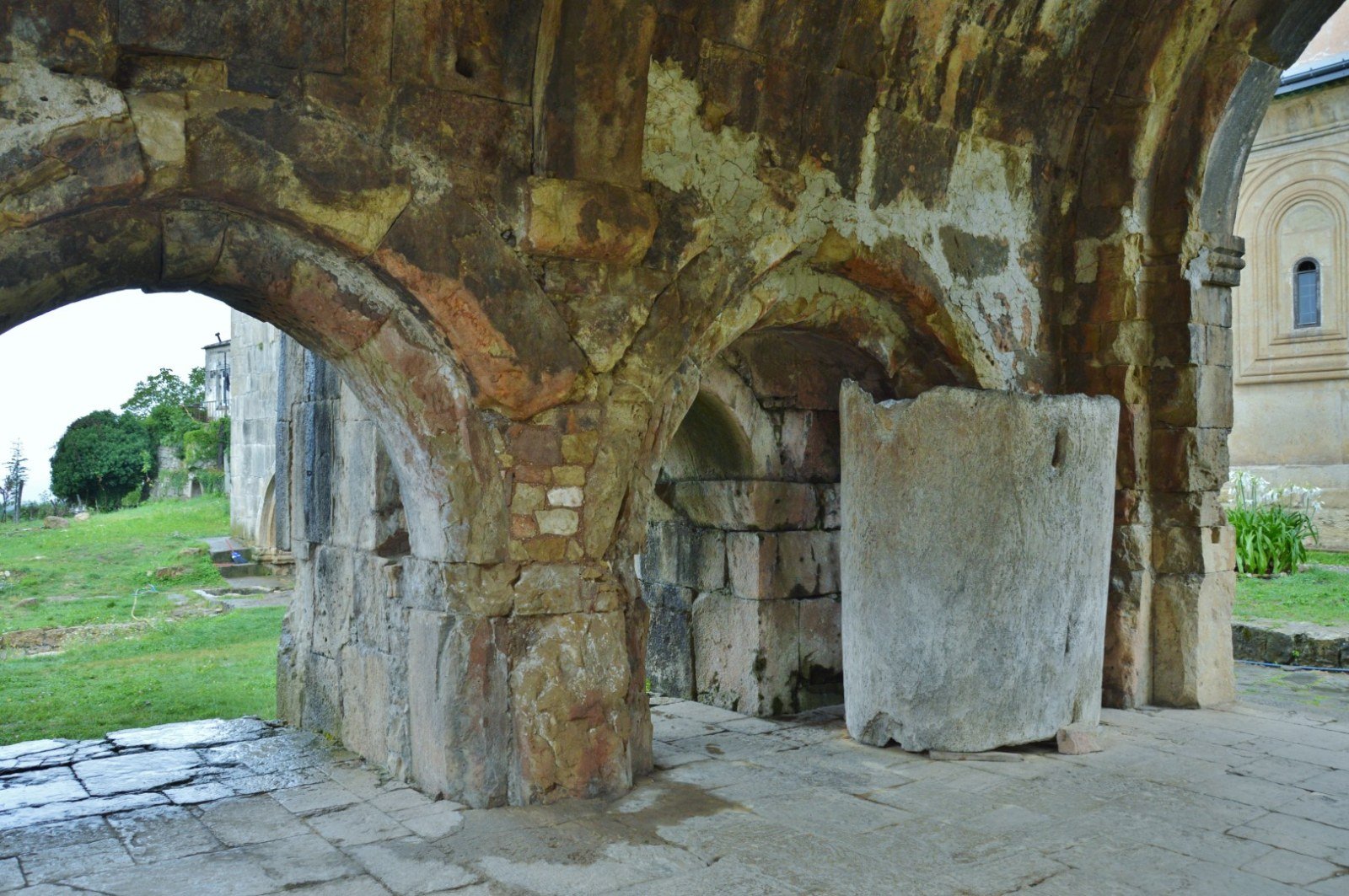
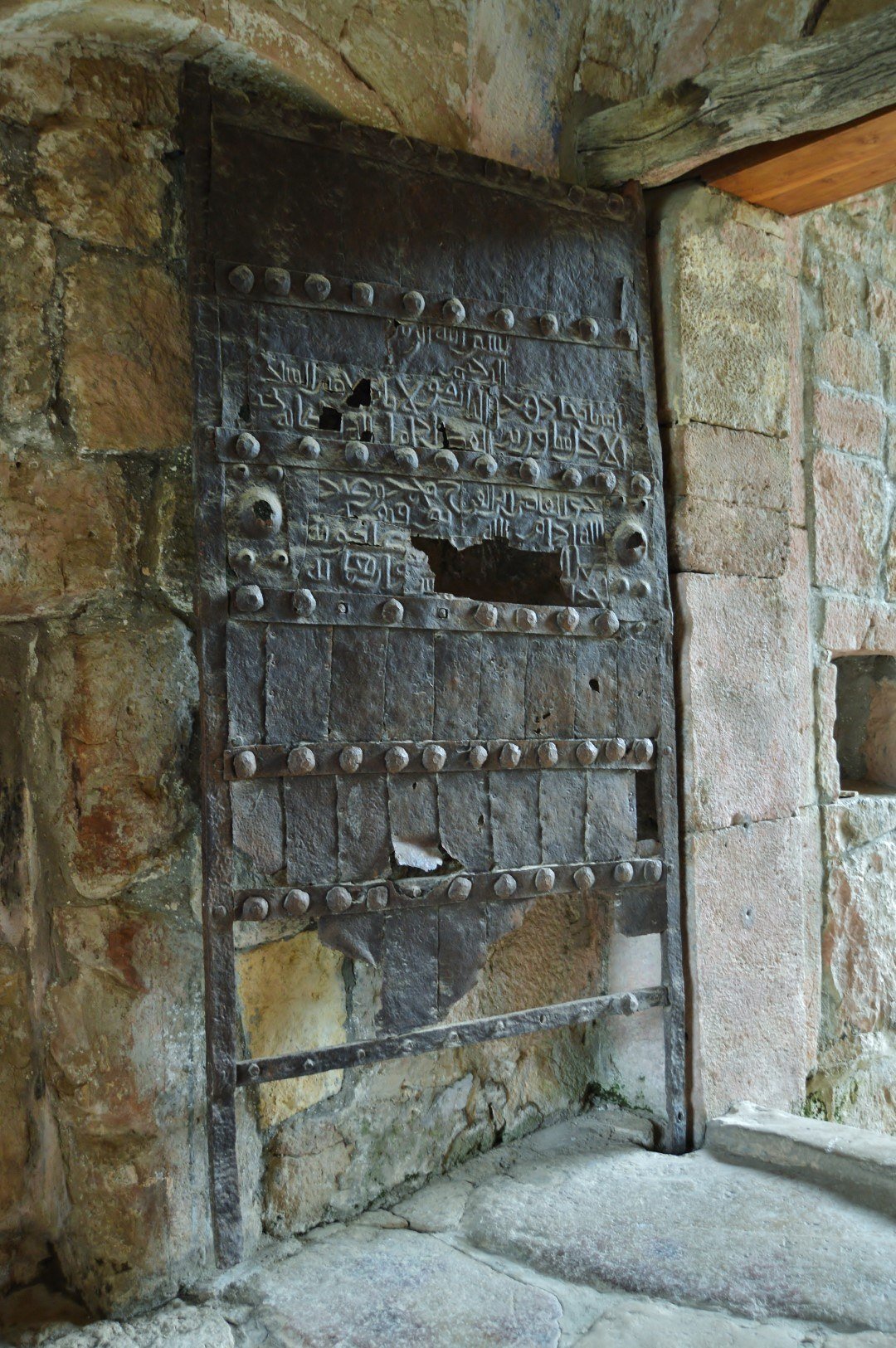
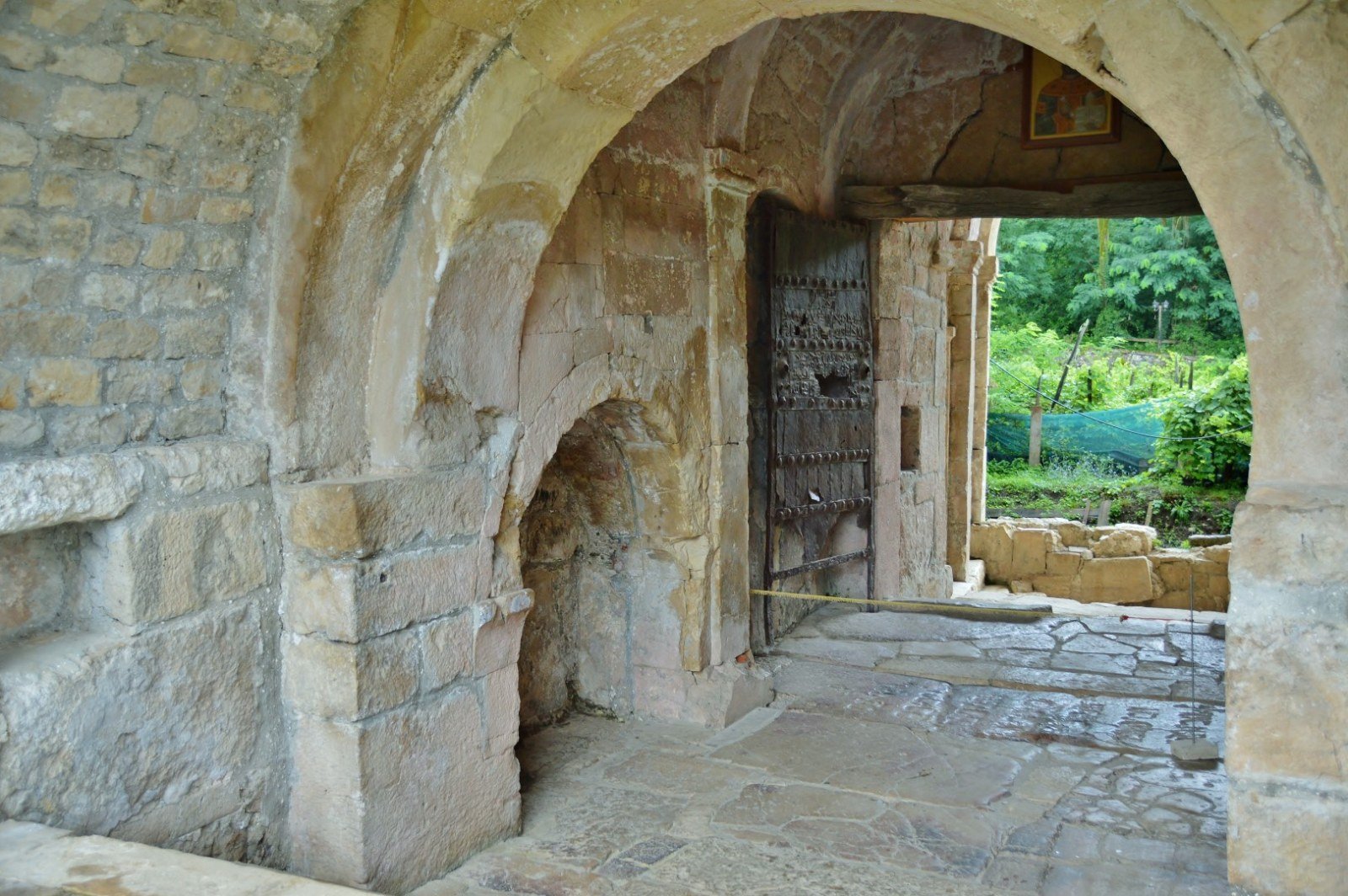
- South Entrance Pavilion The main access gate preserves Arabic and Azerbaijani inscriptions from different periods, testimony to the various peoples who controlled or visited the complex over the centuries.
Photo gallery

How to get there
Gelati Monastery is about 11 km northeast of Kutaisi. Taxis and marshrutkas run from central Kutaisi to the monastery; the journey takes around 20 minutes and costs 10–15 GEL by taxi. By private car the road is asphalted and in good condition. Kutaisi International Airport has direct flights from several European cities, making Gelati one of the most accessible Georgian monasteries without passing through Tbilisi. Combined with Kutaisi city and the nearby Motsameta Monastery, a full day trip is easily arranged.
Best time to visit
Imereti is humid year-round, so rain is always a possibility. Spring brings the deepest green to the oak forest around Gelati Monastery, though with frequent showers. Summer is mild — 22 to 27 degrees — considerably more pleasant than Tbilisi. Autumn offers the warmest tones in the forest and fewer visitors. Winter can be cold and misty, giving the complex an austere atmosphere; access is rarely closed, but warm clothing and waterproof footwear are advisable.
Photo: Iberogeorgia · propietario