
Dilijan
Դիլիջան
Mountain town in northeastern Armenia, set within a forested national park, with craftspeople, medieval monasteries and trails two hours from Yerevan.
Location in the Caucasus
Description
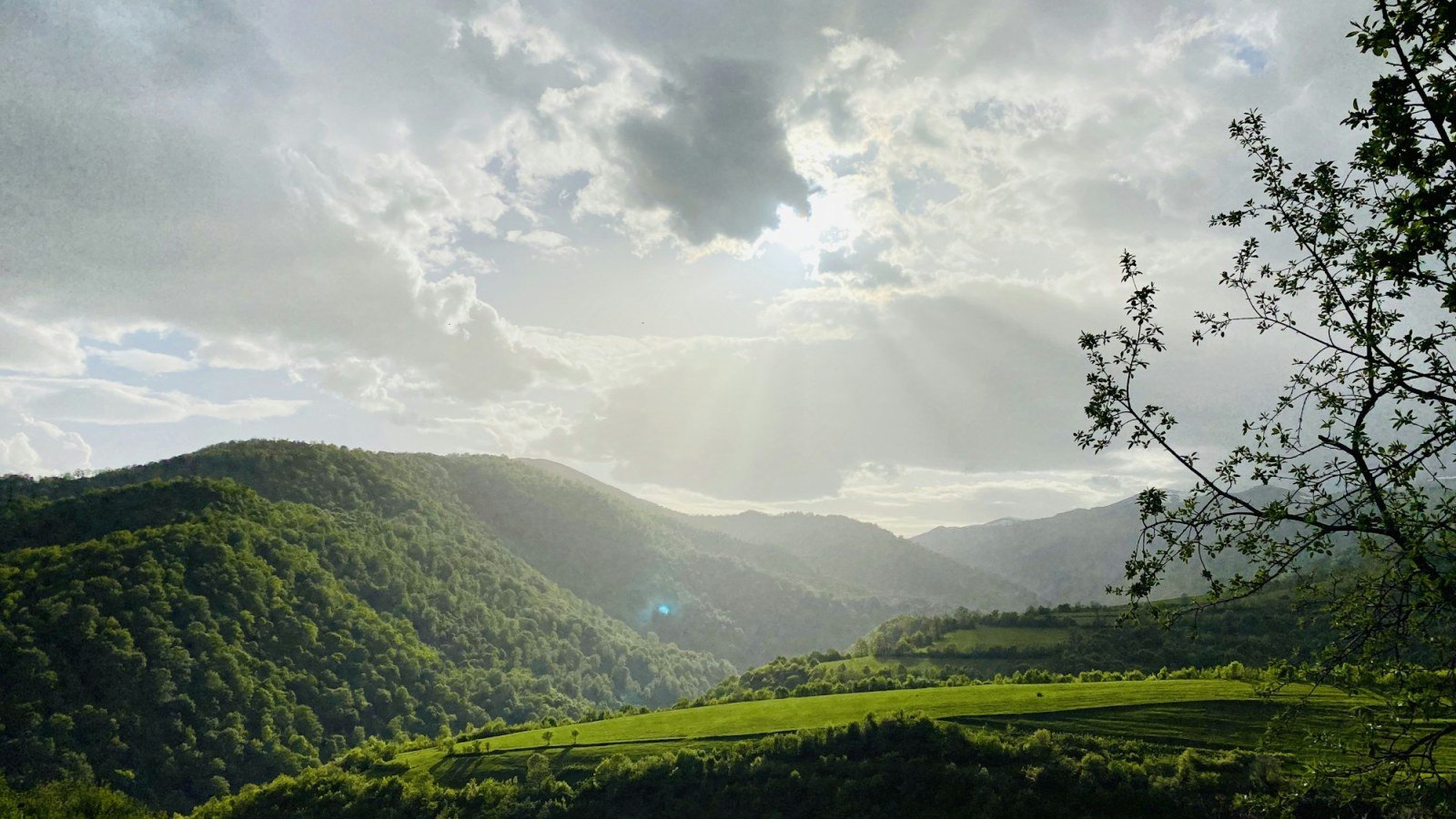
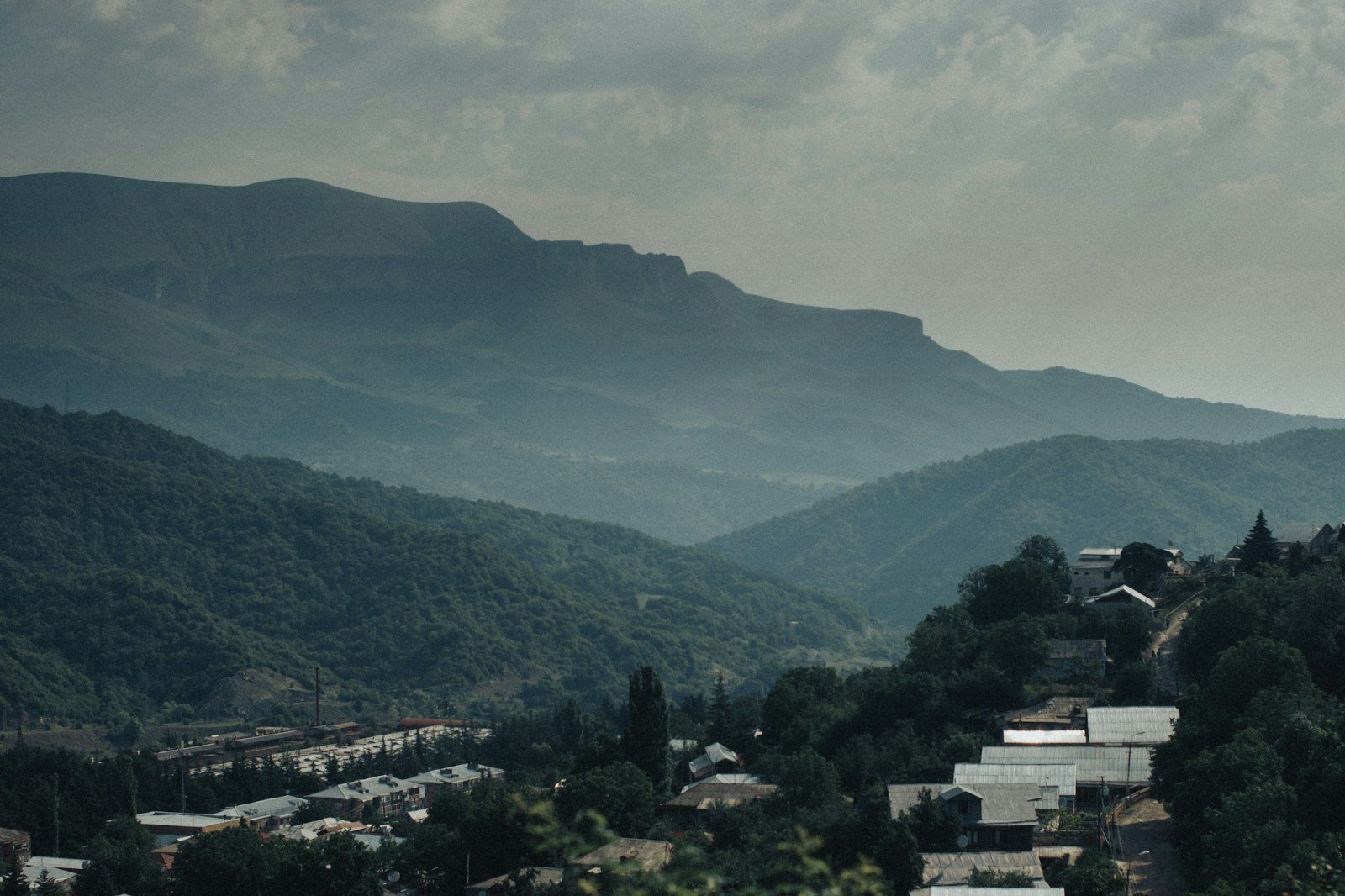
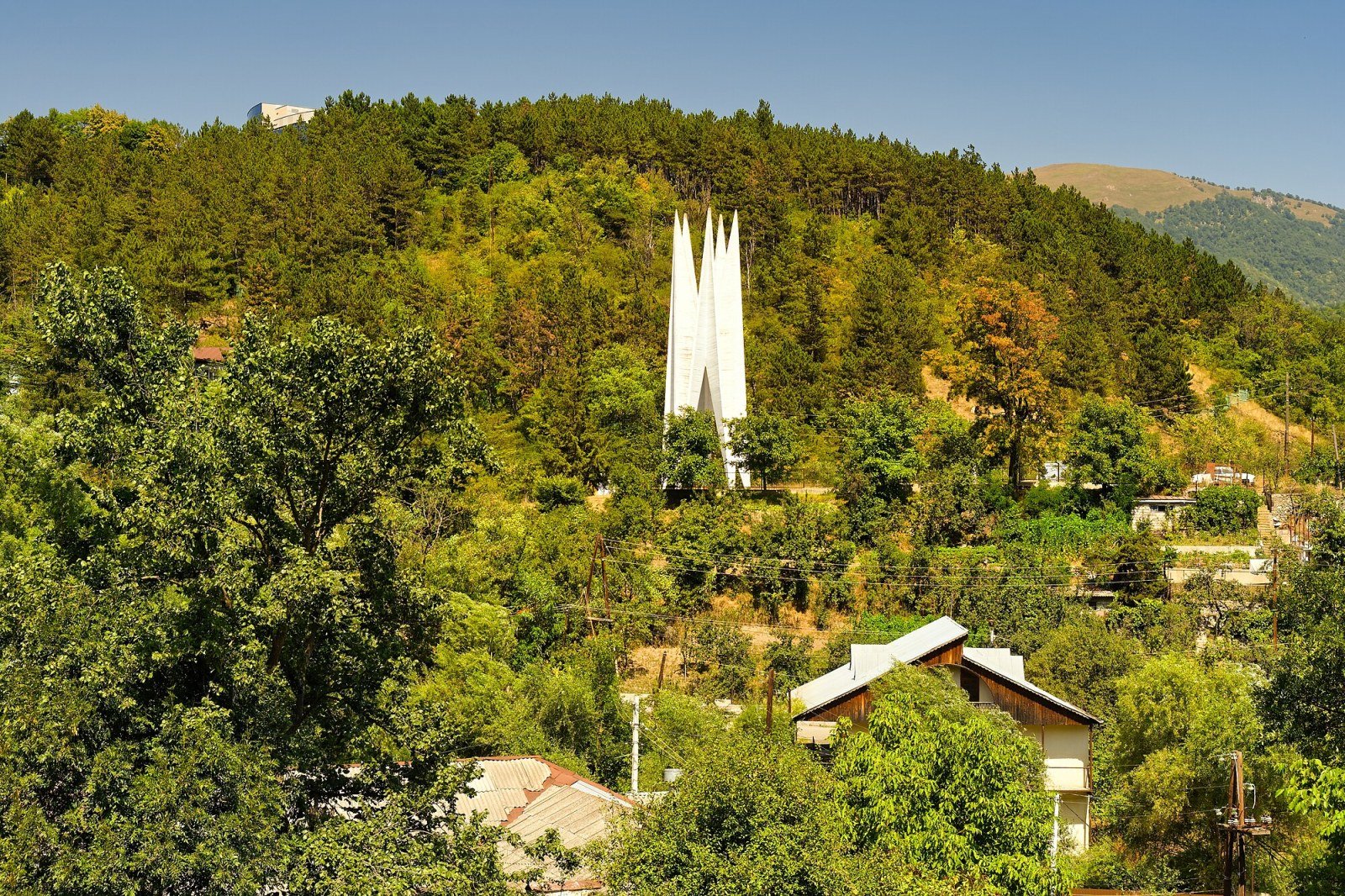
Dilijan smells of damp wood and pine resin. The town is nestled in the forests of Dilijan National Park, at around 1,500 metres above sea level, and the contrast with the dry heat of Yerevan is noticeable as soon as the bus winds its way down into the Aghstev river valley. Armenians sometimes call it Hayk'akan Shveytsaria — the little Switzerland of Armenia — a generous comparison, but one that gives an idea of the landscape: green, cool, with beeches and oaks closing off the horizon.
The heart of the centre is Sharambeyan street, pedestrianised and carefully restored, lined with 19th-century stone and timber houses that now host potters', jewellers' and painters' workshops. The workshops are real: not scenography. A few metres on, Sharambeyan gives way to the real town: Soviet blocks, a hardware shop, a covered market smelling of spices. That transition is part of the character of the place.
Dilijan works well as a base for exploring the National Park and the medieval monasteries scattered through the forest. The pace is slow, prices noticeably lower than in Yerevan — dinner with a local beer runs about 3,000–5,000 drams per person — and there are family-run guesthouses with good value for money. At weekends, families from the capital arrive and the cafés on Sharambeyan street come alive.
History
Dilijan gained fame during the Soviet era as a spa and rest town: the quality of the mountain air attracted patients with lung conditions from all over the USSR. Before that, the region was forested territory inhabited by peasant communities and several active medieval monasteries, including Haghartsín and Goshavank, founded between the 10th and 13th centuries. In the 20th century the music world gained importance here: the Dilijan Conservatory was a reference in Soviet Armenian musical training, and some prominent composers spent long periods here. Today the town lives on domestic tourism, the National Park and a craft and food sector that has grown quietly but steadily over the past decade.
What to see & do
- Sharambeyan Street The restored pedestrian street of the historic centre, with 19th-century stone and timber houses housing working potters', jewellers' and painters' studios. The best starting point for exploring Dilijan on foot.
- Haghartsin Monastery 13 km from town, in a forest clearing, the most visited medieval complex in the area. Founded in the 10th century and enlarged in the 12th, it preserves three churches and a stone-carved refectory with geometric decoration. Free entry; reached by taxi from Dilijan for around 2,000–3,000 drams.
- Goshavank Monastery 18 km away, near the village of Gosh, founded in the 12th century by Armenian jurist Mkhitar Gosh. The double khachkar inside is one of the most elaborate in Armenia.
- Parz Lake 7 km by forest road or trail, a quiet forest lake with rowing boat hire in summer. The walk from Dilijan takes about two hours and passes through century-old beeches.
- Dilijan National Park trails Direct access from town to half-day or full-day routes. The circular trail of the Bldan Valley is one of the most accessible and well-marked.
- Saturday market The weekly market near the centre, where local producers sell walnuts, forest honey, blackberry jams and cured sheep's cheese. Best to go before midday.
Photo gallery

How to get there
Dilijan is 100 km northeast of Yerevan via the M4 motorway. Marshrutkas depart frequently throughout the day from the Kilikia station in Yerevan (about 2 hours, around 1,500 drams). From Ijevan there is a direct connection in about 40 minutes. The nearest airport is Zvartnots, in Yerevan. To visit the surrounding monasteries it is advisable to hire a car or negotiate a local taxi from Dilijan.
Best time to visit
Late spring and summer are the most comfortable season: the forest is in full leaf and temperatures range between 18 and 25 °C in July. Autumn — September and October — is the favourite time for the colour of the foliage and attracts many local visitors. In winter there is snow, some trails close and several establishments reduce their hours, but prices fall and the town returns to its normal rhythm.
More information
Photo: Sergey Isakhanyan · Unsplash License