
Dilijan National Park
Դիլիջանի ազգային պարկ
Armenia's densest forest: oaks, beeches, medieval monasteries and marked trails in the Tavush region.
Location in the Caucasus
Description
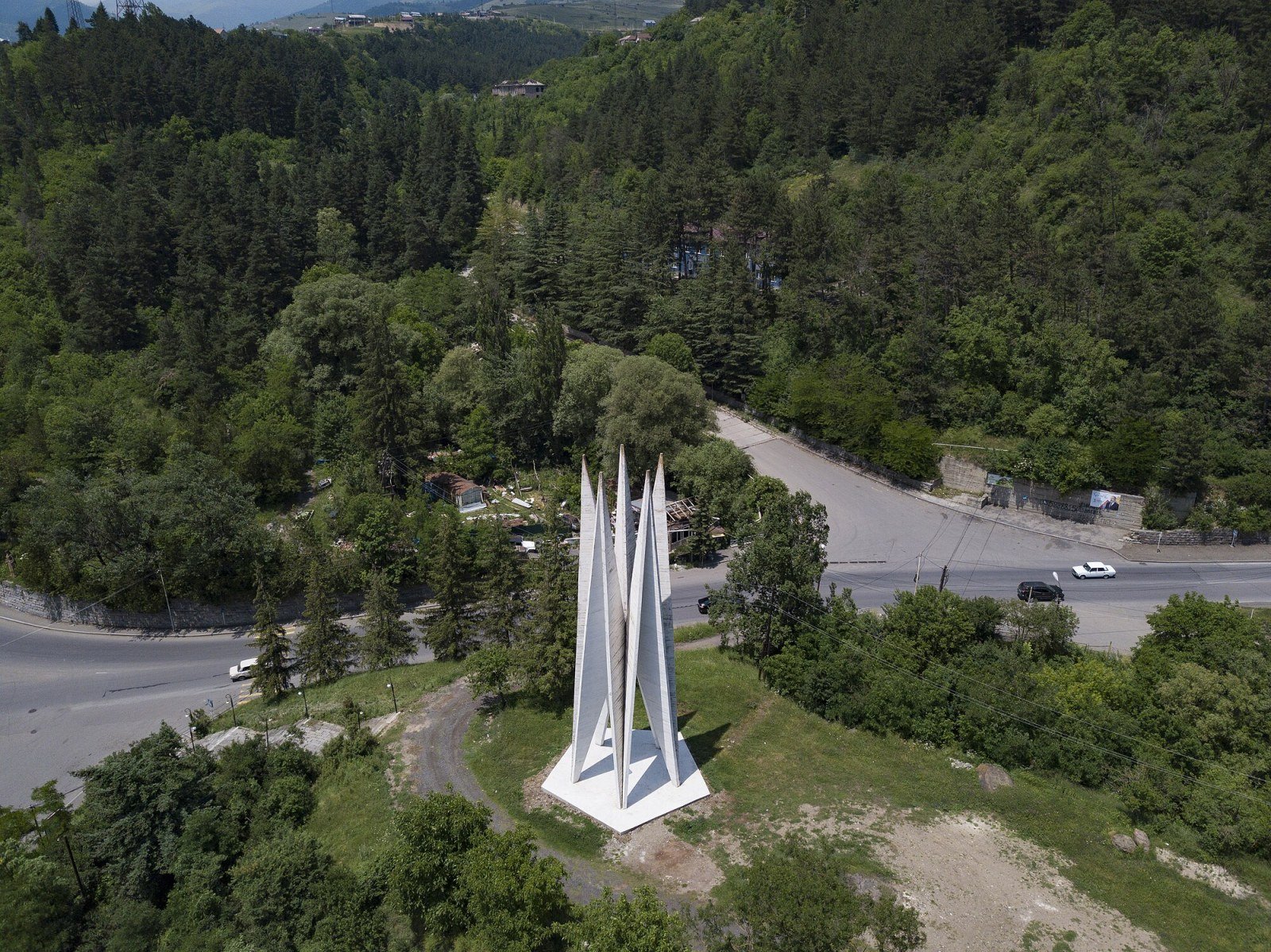
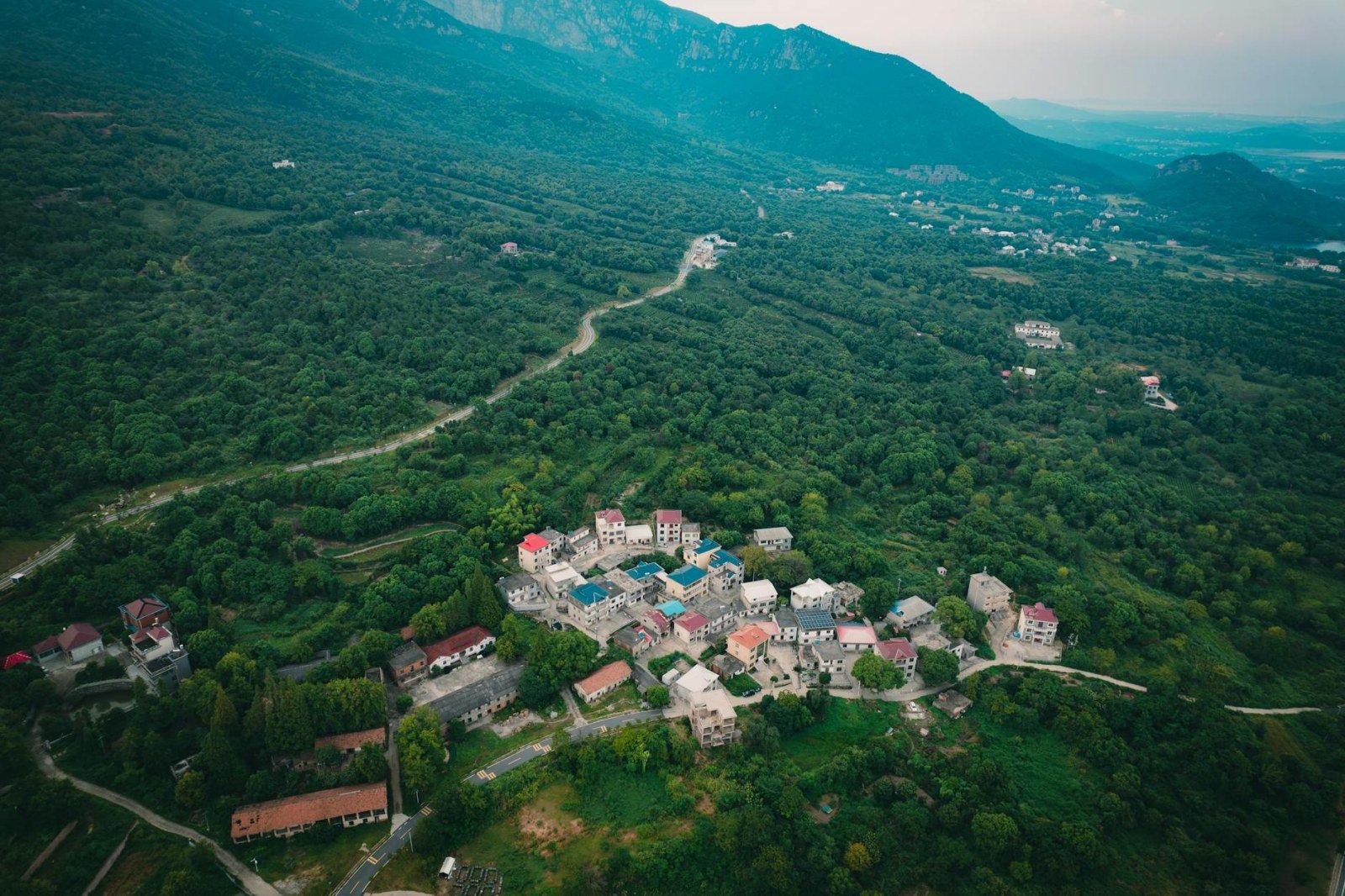
Dilijan National Park covers more than 28,000 hectares in the Tavush region of northeastern Armenia and is the country's most compact forested territory. Anyone arriving from the arid plain of Yerevan notices the change instantly: the air turns humid, the temperature drops three or four degrees, and the road enters between hayer — beeches — and oaks with hanging lichens. Armenia has a reputation as a dry, rocky country; Dilijan refutes that image convincingly.
The park's trail network has improved significantly since 2015 with standardised signage and operational information centres. Half-day routes connect the urban core of Dilijan with forest clearings where medieval monasteries appear almost without warning: Haghartsin Monastery and Goshavank Monastery are the most accessible. Long routes climb to the ridges of the Miapor Massif with views over the Aghstev river valley. The terrain is manageable for most of the year, though rainy days leave a sticky mud that is worth anticipating with appropriate footwear.
The park's wildlife includes red deer, wild boar and lynx, though sightings require patience and a bit of luck. What you do see regularly are squirrels on the path edges and, in autumn, groups of Dilijan residents collecting mushrooms and wild berries in wicker baskets. That September ritual is, in some ways, the best description of the park: a forest that is still used and lived in.
History
The Dilijan region preserved its forest cover largely because of its difficult access: the steep slopes of the Tavush Massif discouraged both farming and large-scale logging for centuries. The medieval monasteries in the area — Haghartsín, Goshavank, Jukhtak Vank — date from the 10th to the 13th centuries and were deliberately built in secluded valleys, seeking isolation within the forest. During the Soviet era, Dilijan became a destination for sanatoriums and rest homes for Yerevan workers, reinforcing its image as a garden city. The nature reserve zones were formally established in the Soviet period, and the national park as it exists today was declared in 2002 under independent Armenian legislation.
What to see & do
- Haghartsin Monastery A 12th-century complex 13 km from Dilijan, set in a forest clearing. The main church, the vaulted refectory and the carved khachkars are in good condition. The filtered morning light through the trees creates a particular atmosphere.
- Goshavank Monastery Near the village of Gosh, with finely detailed khachkars and a more open forest setting. Founded in the 12th century by jurist Mkhitar Gosh, who wrote the first Armenian law code here.
- Parz Lake A small natural lake 7 km from Dilijan, surrounded by beech forest. Accessible by road or trail from town. In summer there is rowing boat hire; in autumn it is one of the best viewpoints for the foliage.
- Aghstev Valley Trail A half-day route from the centre of Dilijan that climbs to the park's ridges. Marked, with views over the Aghstev river and the forested valleys to the north.
- Dilijan Visitor Centre In the historic town centre, near Sharambeyan street. Offers park maps, up-to-date trail conditions and a list of certified local guides.
Photo gallery

How to get there
Dilijan is about 100 km northeast of Yerevan via the M4 motorway. Frequent marshrutkas run from the Kilikia station in Yerevan (approximately 2 hours, around 1,500 drams). The park surrounds the town and is accessible on foot from the centre. To reach Haghartsin Monastery (13 km) or Goshavank Monastery, it is worth hiring a car or taking a local taxi. The nearest airport is Zvartnots, in Yerevan.
Best time to visit
Spring (May–June) offers the forest in full leaf, wildflowers and dry trails after the snowmelt. Autumn (September–October) is the locals' favourite time: Dilijan National Park's foliage turns intense oranges and yellows. Summer is pleasant for its freshness compared to the heat of Yerevan. In winter, some trails close due to snow, although the snowy forest has its own appeal.
More information
Photo: Aleksey Chalabyan a.k · CC BY-SA 3.0