
Gremi Royal Citadel
გრემი
Former medieval capital of Kakheti: 16th-century church with frescoes, tower with views over the Alazani valley vineyards.
Location in the Caucasus
Description
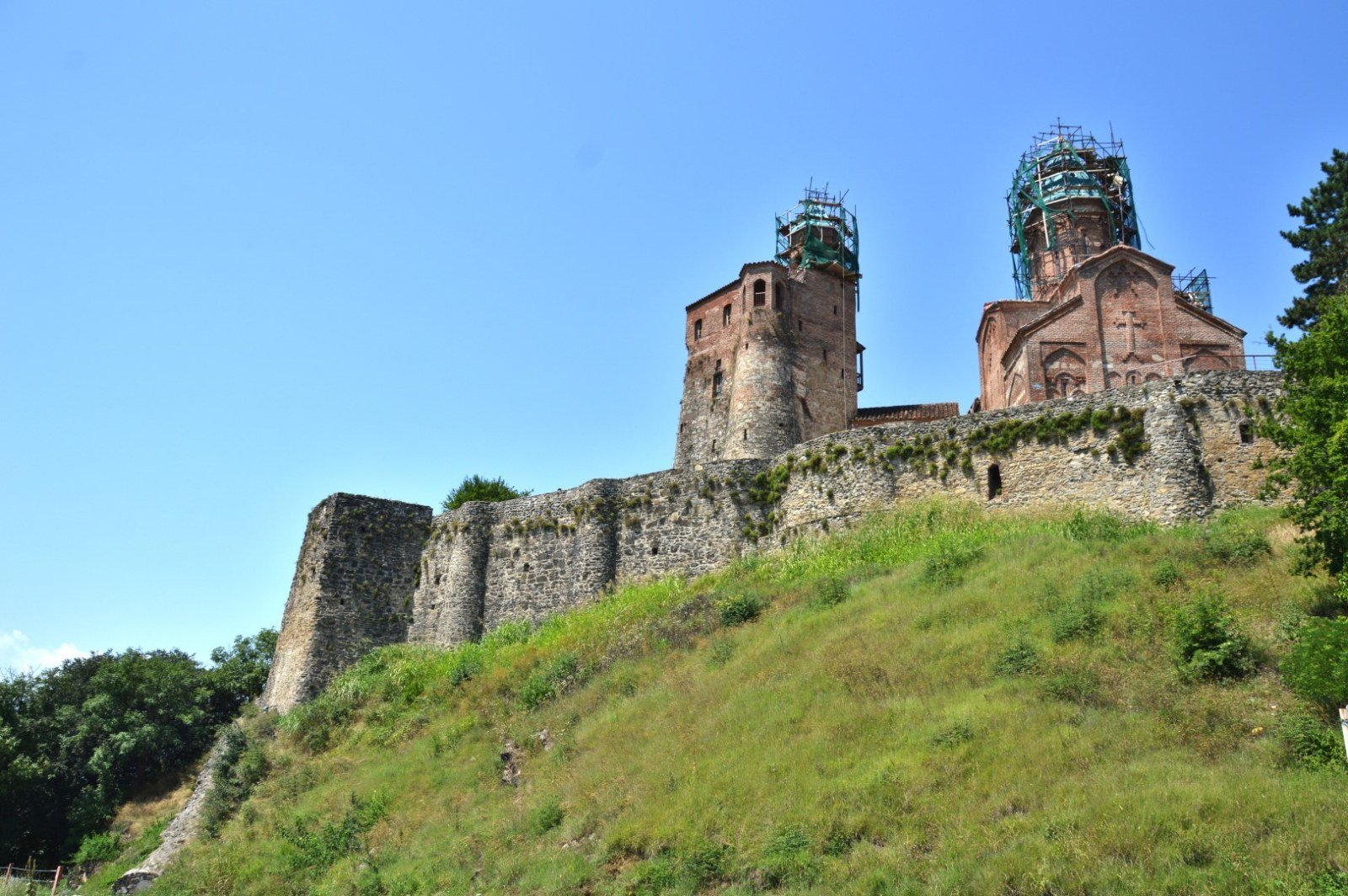
Gremi stands on a hillock beside the main road through Kakheti, between Telavi and Lagodekhi, with the Alazani plain stretching northward to the Greater Caucasus range. For over a century it was the political and religious capital of the eastern Georgian kingdom, and what remains —the Church of the Archangels, the tower and the ruins of the royal palaces— conveys that mix of solidity and decay typical of sites that survived a sack and never fully recovered.
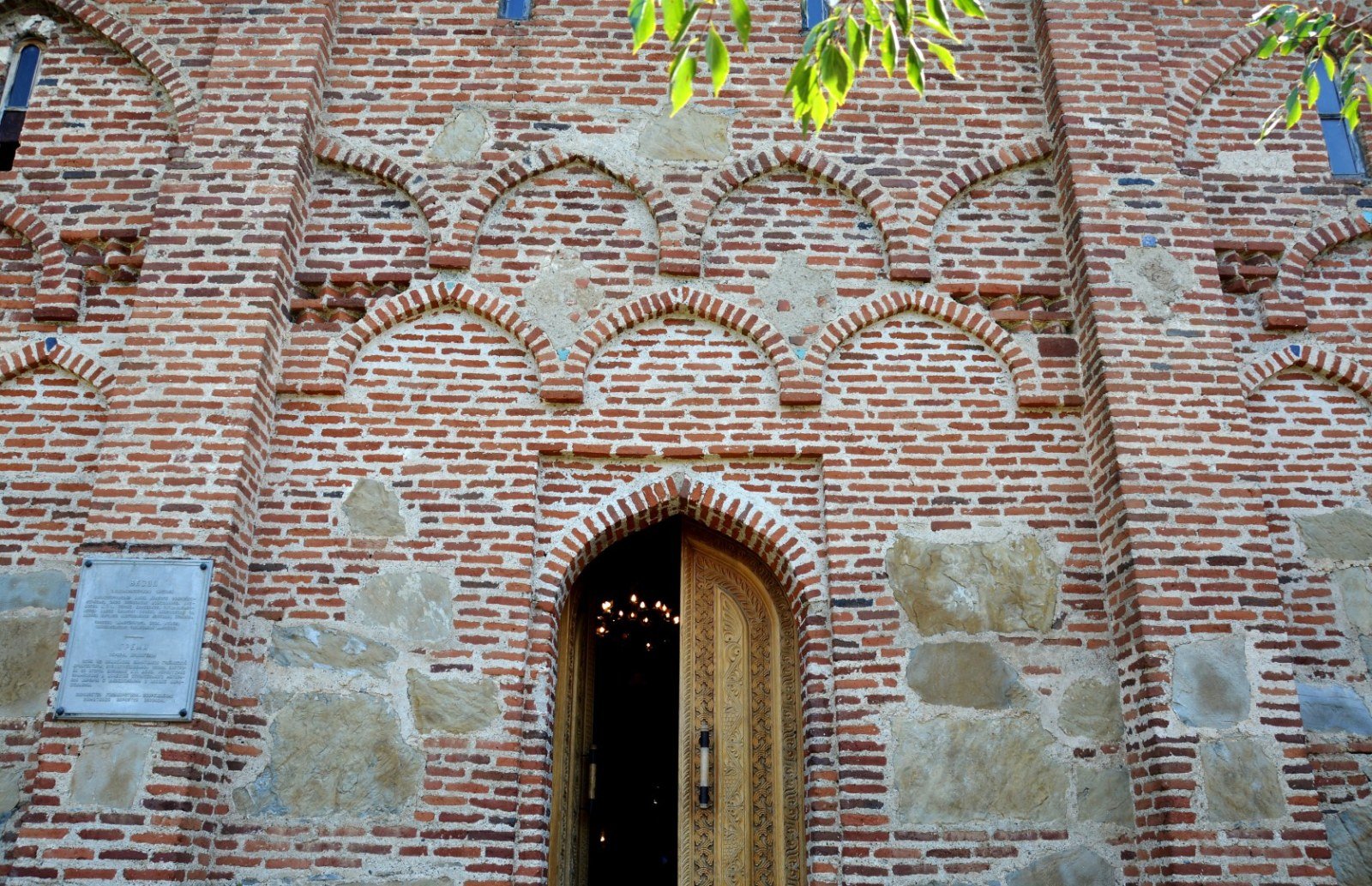
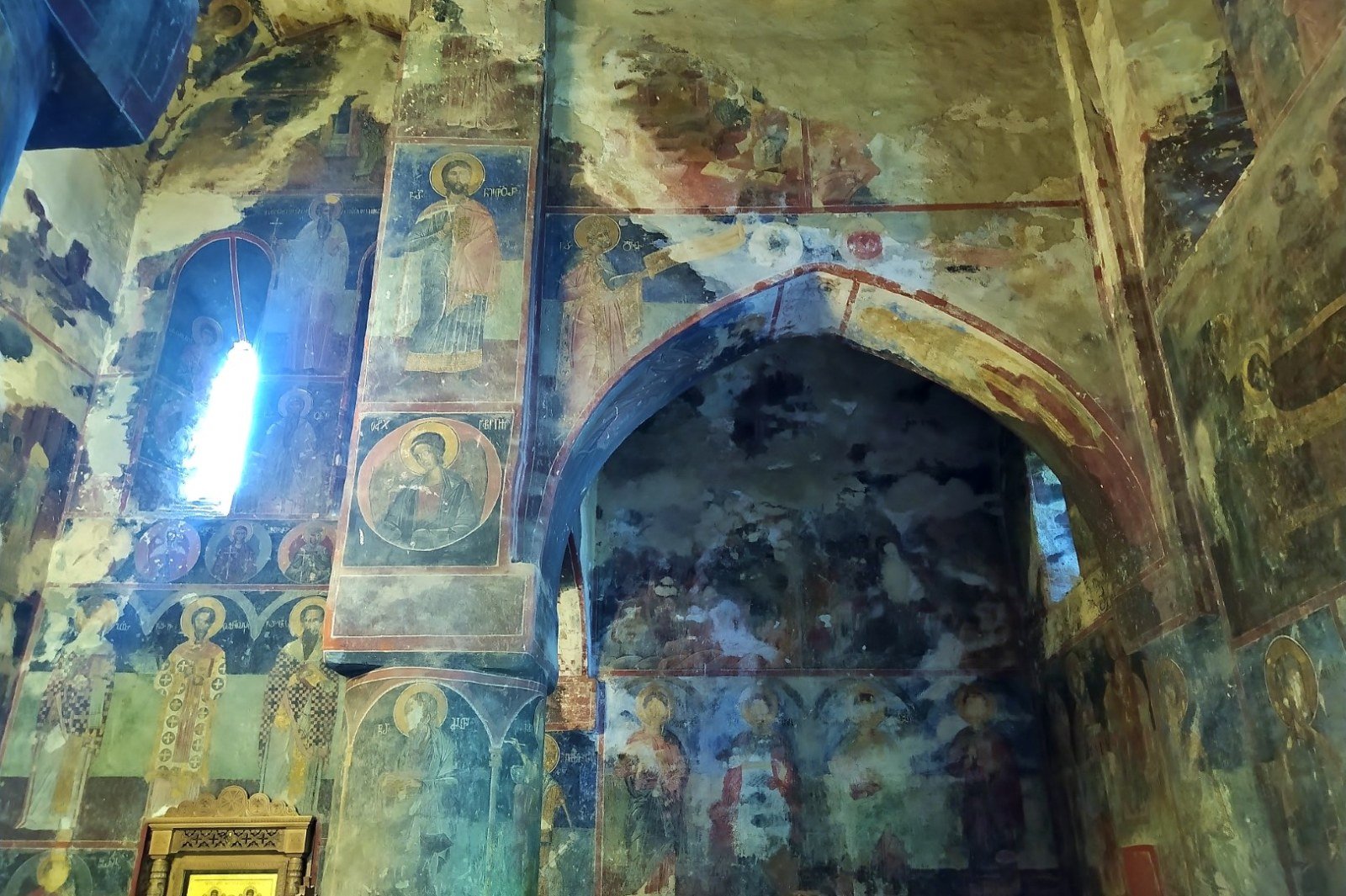
The enclosure is small and can be walked in under two hours. The Church of the Archangels Michael and Gabriel is still in liturgical use and retains 16th-century frescoes in the apse; the exterior stone has an ochre tone that changes colour with the light of the day. From the top of the Gremi Tower, reached by a rather narrow interior staircase, the view over the vineyards and poplars of Alazani is the best reward of the visit. In summer the silence of the site is striking: few tour guides, few groups, the occasional local pilgrim.
On the ground floor a site museum displays kvevri pottery, 16th-century Georgian and Persian coins and weapons from the period. The labels are in Georgian and English. Entry to the complex costs around 3 GEL (under €1); usual hours are 10:00–18:00, though it is worth confirming in low season.
History
Gremi was the capital of the kingdom of Kakheti throughout the 16th century and much of the 17th, a period of relative prosperity marked by constant pressure from Persia and the Ottoman Empire. King Levan I commissioned the main complex, including the Church of the Archangels, in the 16th century. In 1616, Shah Abbas I of Persia razed Gremi during his systematic devastation campaign in Kakheti, which led to the mass deportation of the population. The city never recovered its political role: the capital shifted permanently to Telavi, and Gremi remained as a stone testament to that era.
What to see & do
- Church of the Archangels Michael and Gabriel The best-preserved building in the complex. Built in the 16th century, it retains original frescoes in the apse and vaults and is still an active place of worship. The ochre exterior stone ages well in the light of Kakheti.
- Gremi Tower A medieval watchtower attached to the church, with an accessible interior staircase. The views from the upper platform over the Alazani plain and vineyards are the literal high point of the visit.
- Royal palace ruins The remains of the 16th-century royal chambers preserve stretches of wall with original plaster. The foundations allow you to read the complex layout the complex had before the Persian sack of 1616.
- Site museum On the ground floor of the citadel: glazed pottery, Georgian and Persian coins, weapons and everyday objects from Gremi's period of splendour. Included in the general entrance fee.
- Viewpoint over the Alazani vineyards From the hillock, the vine-covered plain in summer and golden-hued in autumn during the rtveli (grape harvest) offers the most representative landscape of Kakheti.
Photo gallery
How to get there
Gremi is about 35 km east of Telavi along the E60 road. From Telavi, marshrutkas heading to Kvareli and Lagodekhi pass near the site; let the driver know in advance. By private car it is a natural stop on a Kakheti road trip. From Tbilisi, Telavi is about two hours by road; the nearest airport is Tbilisi International Airport.
Best time to visit
Spring (April–May) and autumn (September–October) are the most comfortable times: moderate temperatures and, in autumn, the rtveli (grape harvest) in the Alazani vineyards surrounding the site. In July and August the heat at the ruins at midday can exceed 35 °C; if visiting in summer, go early in the morning. Winter is cold but access is always open and the site is practically deserted.