
Selim Caravanserai
Օրբելյանների իջևանատուն
14th-century Armenian caravanserai at 2,410 m on the Selim Pass: one of the best-preserved Silk Road stops in the Caucasus.
Location in the Caucasus
Description
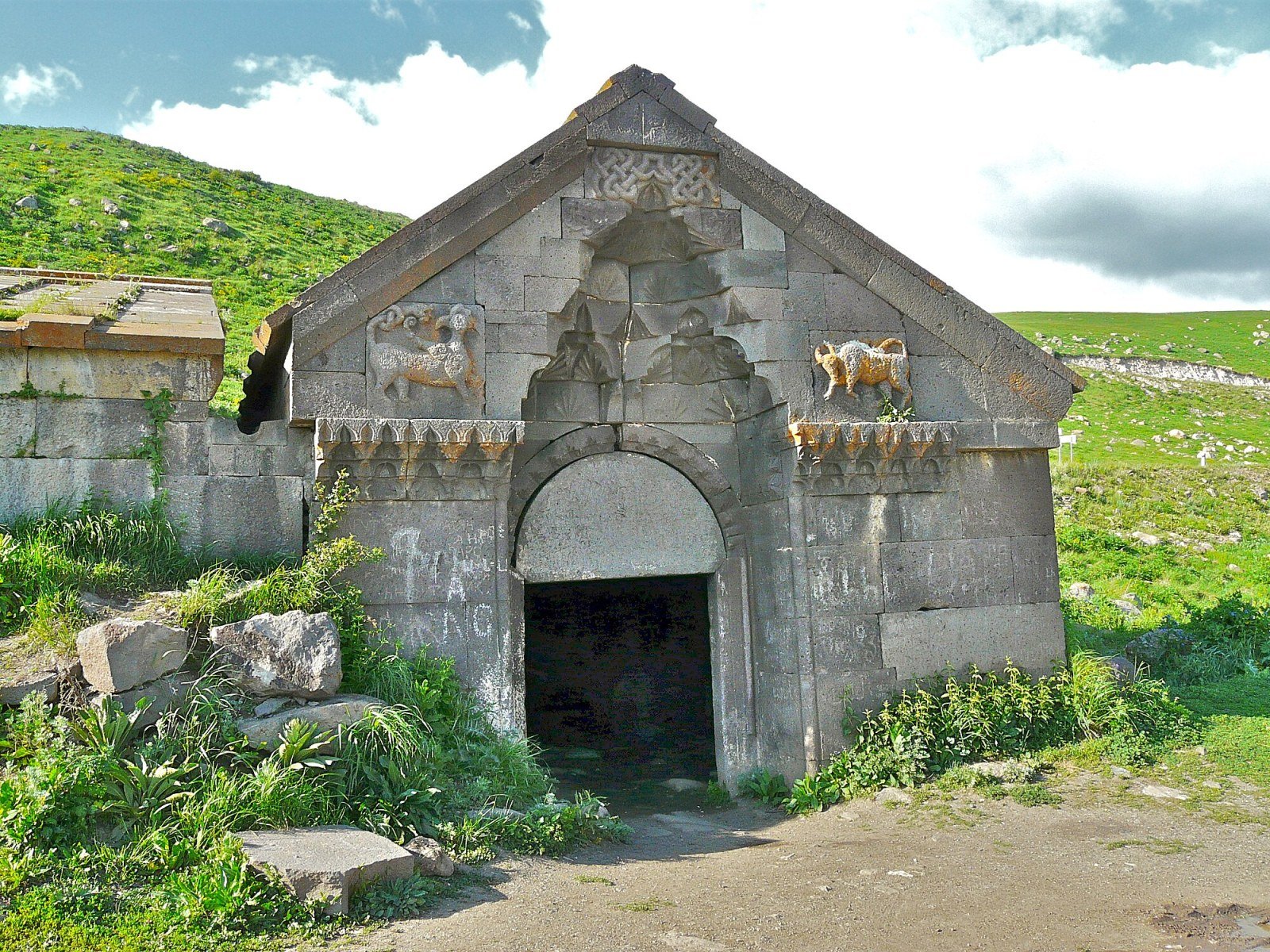
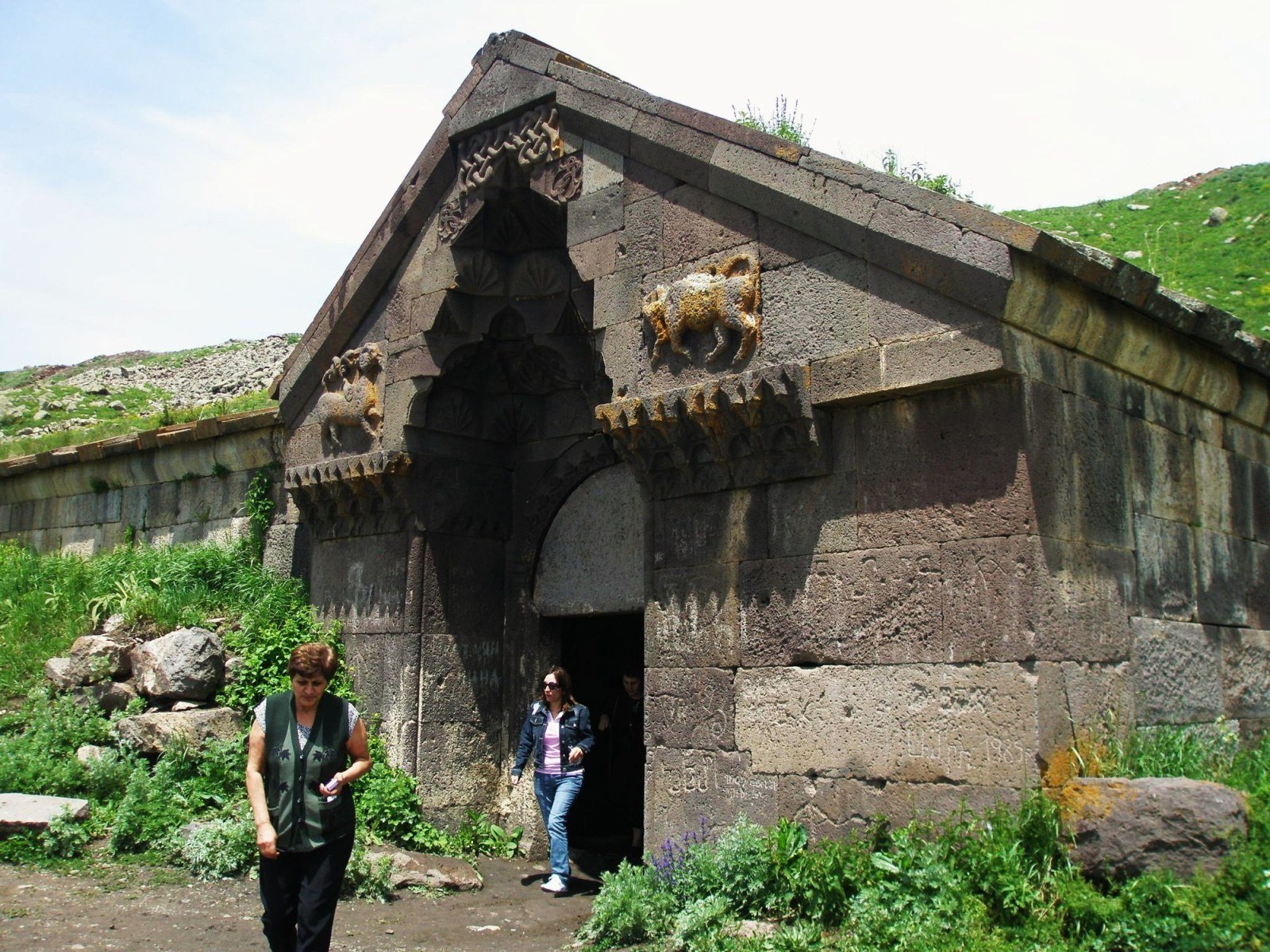
The Selim Caravanserai stands at a point where the wind never stops. The mountain pass crossing the Vardenis massif at 2,410 metres was for centuries the road between Lake Sevan and the Arpa valley, and this black basalt structure was the only shelter available to travellers who crossed it. On arrival, the dark silhouette against the open sky of the pass has a solid presence that eight centuries have barely diminished.
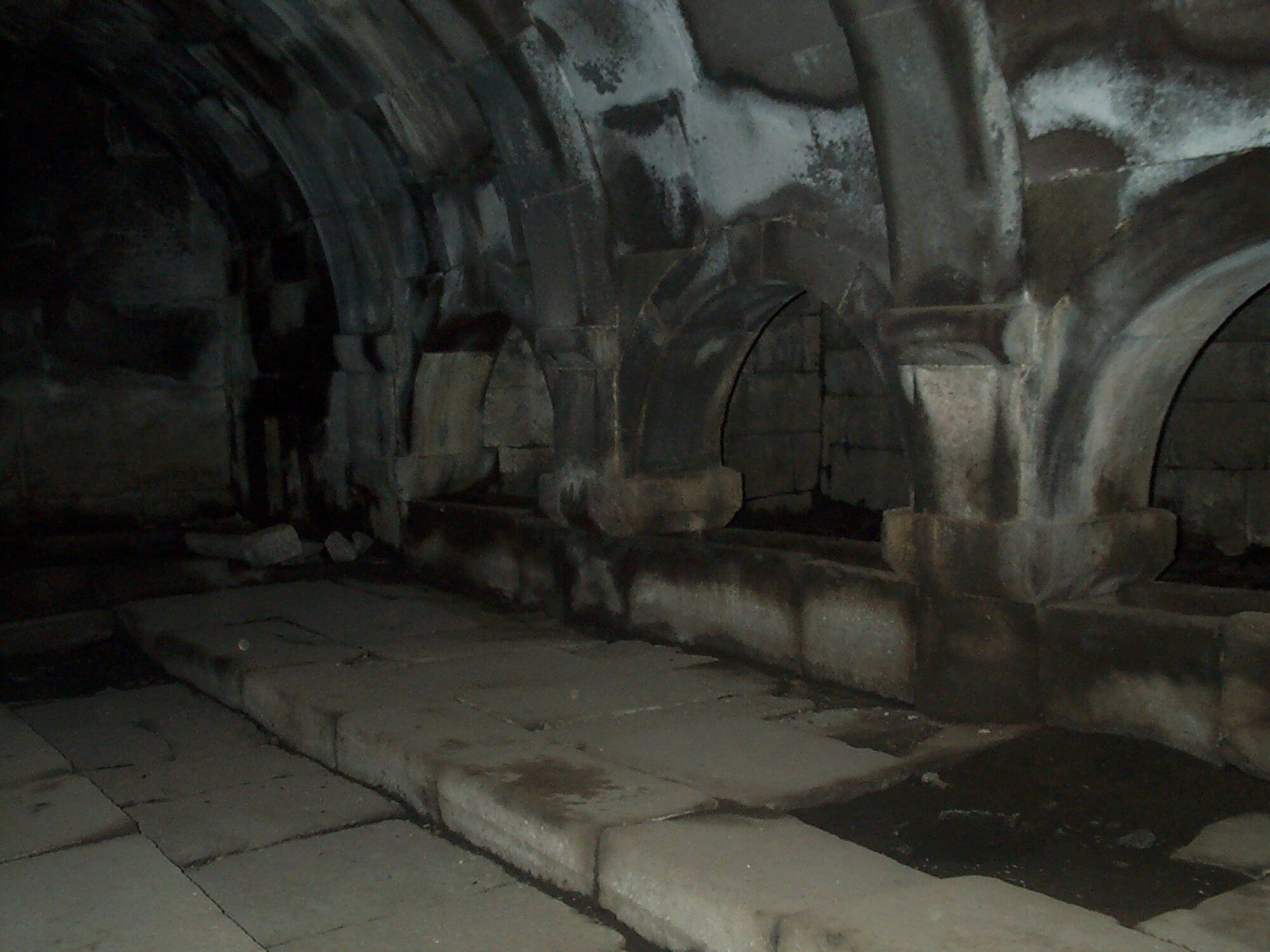
The interior is a single long vaulted nave divided into three sections by round arches. The ceiling is well preserved along almost its entire length. The side niches where travellers slept and animals were tied are still recognisable; without a torch the darkness inside is almost total, and the contrast with the outside light on exiting is striking. The acoustics amplify any sound remarkably.
The inscription on the facade in grabatsi — medieval Armenian — mentions Prince Chesar Orbelian, who commissioned the building. The stonework is crafted with a precision that surprises given the high-mountain context. There are no tourist facilities: no guides, no shops, no interior signage. Entrance is free. You arrive, walk through, leave.
History
The Selim Caravanserai was built in 1332 at the order of Prince Chesar Orbelian, of the Orbelian family that controlled the region of Vayots Dzor during the Mongol period. Caravanserais were essential commercial infrastructure on the Silk Road routes: they offered shelter, water and fodder for animals at strategic points along the way. The Selim Pass was one of the most travelled in southern Armenia for trade between Persia, the Caucasus and Anatolia. After the decline of those routes and the political changes of subsequent centuries, the caravanserai fell into disuse; the solidity of the original construction preserved the main structure to this day.
What to see & do
- Main vaulted nave The interior space with round arches and side niches where travellers and animals rested; the echo acoustics inside surprise at the first shout.
- Facade inscription The text in medieval Armenian documenting the patronage of Prince Orbelian and the construction date, 1332.
- Selim Pass landscape The alpine meadows, wide sky and peaks of the Vardenis massif in the background are as much a part of the visit as the building itself.
- Pass road The route climbing from Yeghegnadzor northward and descending to Lake Sevan offers open views of the massif on clear days; the drive is worth as much as the destination.
Photo gallery
How to get there
The caravanserai stands on the road linking Yeghegnadzor (Arpa valley) with Martuni (south shore of Lake Sevan) via the Selim Pass. From Yerevan it is about 120 km to Yeghegnadzor (1.5 hrs) and then another 20 km climbing to the pass. There is no direct public transport; a private car or a taxi hired in Yeghegnadzor is needed. The road is paved but has sharp bends in the final section.
Best time to visit
The pass is open from May to October; in winter snow closes the road for months. June to September is the safest window. Temperatures at the pass are cool even in summer (10–18 °C at midday) and the wind is constant: bring an extra layer. In July and August fog can form, closing visibility within hours. In May the meadows are very green, but the last few metres of access may still have residual snow.
More information
Photo: Ahaik · CC BY-SA 3.0