
Batumi
ბათუმი
Georgian Black Sea port among palms, art nouveau and skyscrapers: seven kilometres of promenade lively until the early hours.
Location in the Caucasus
Description
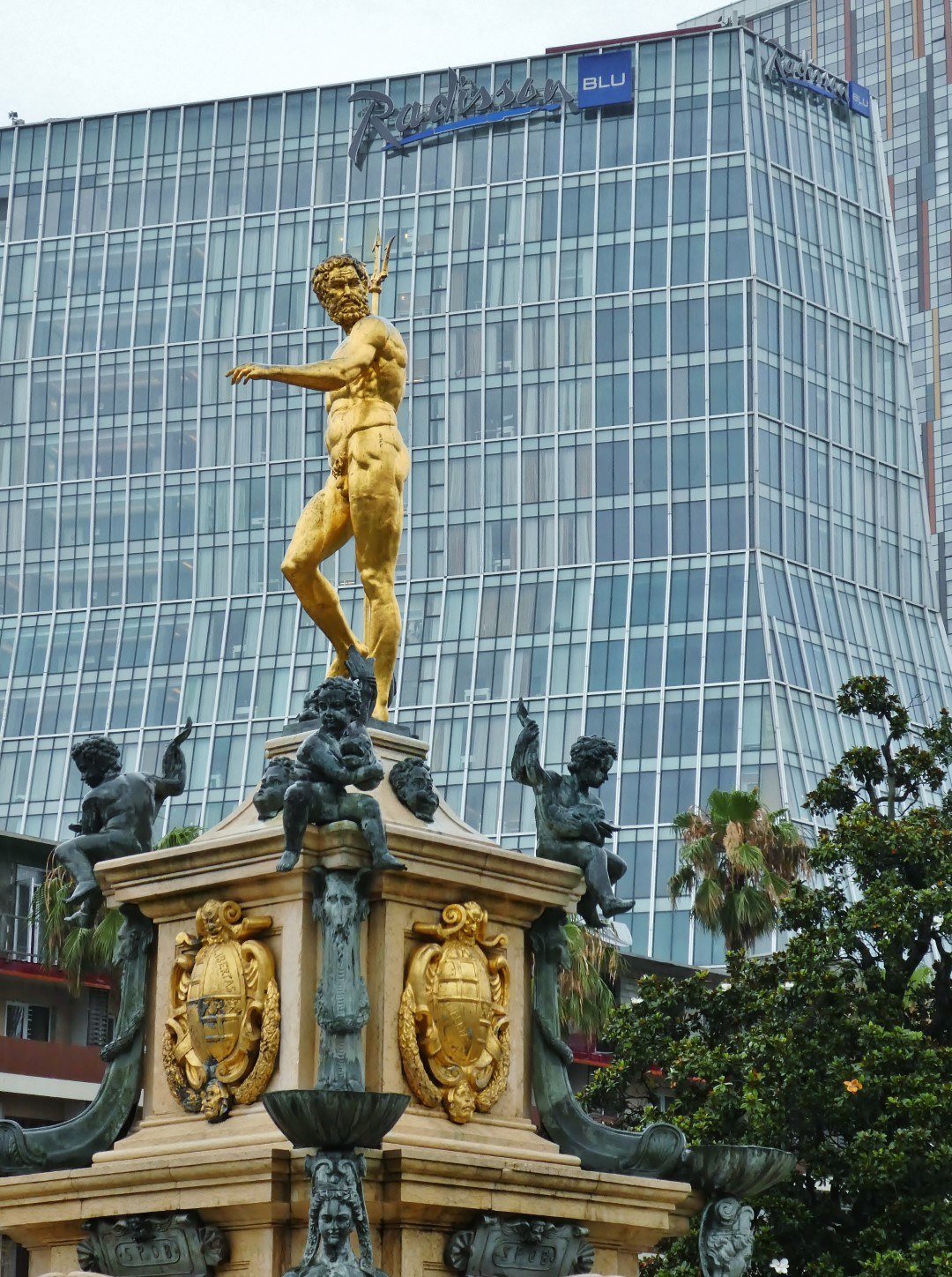
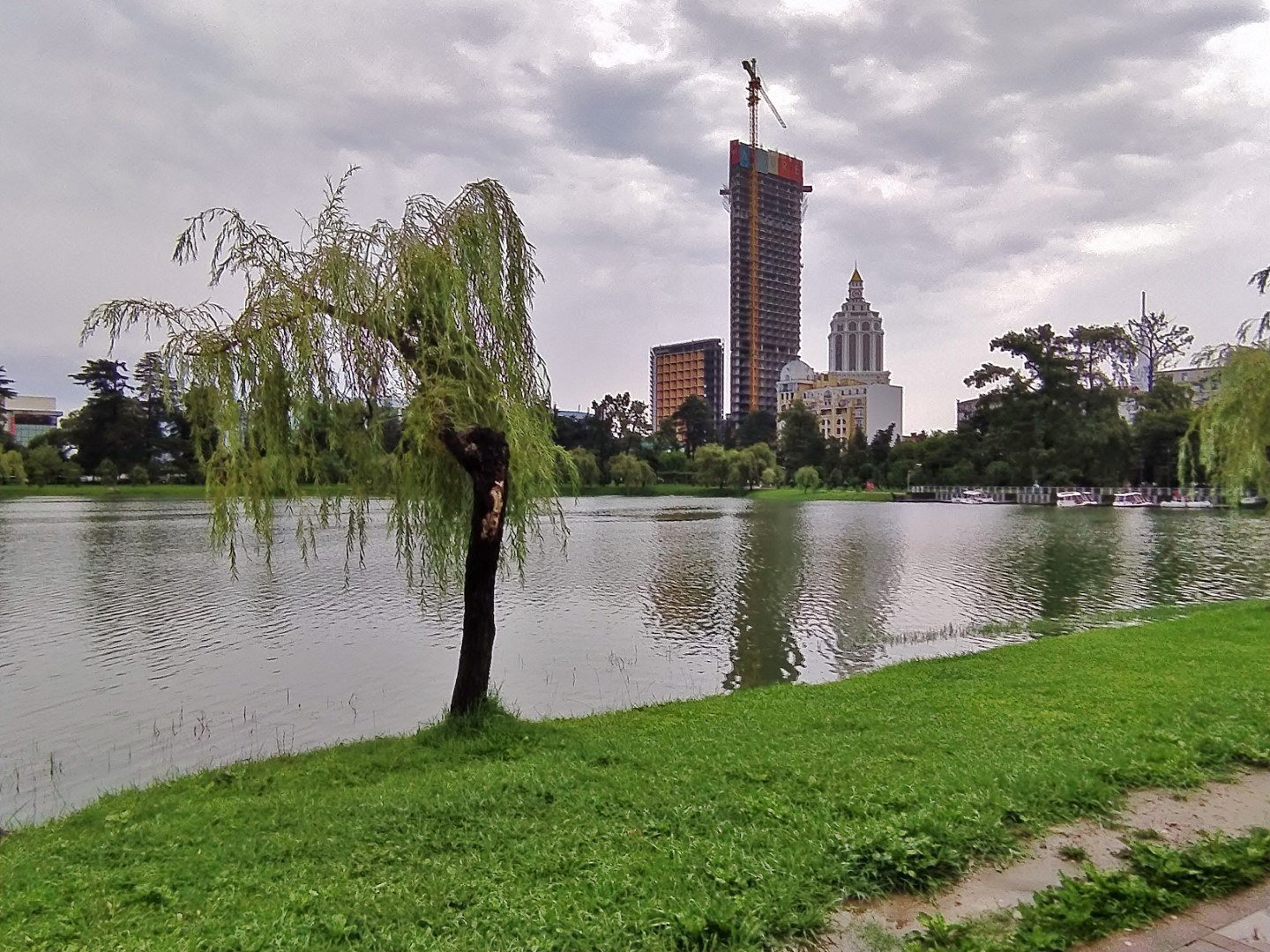
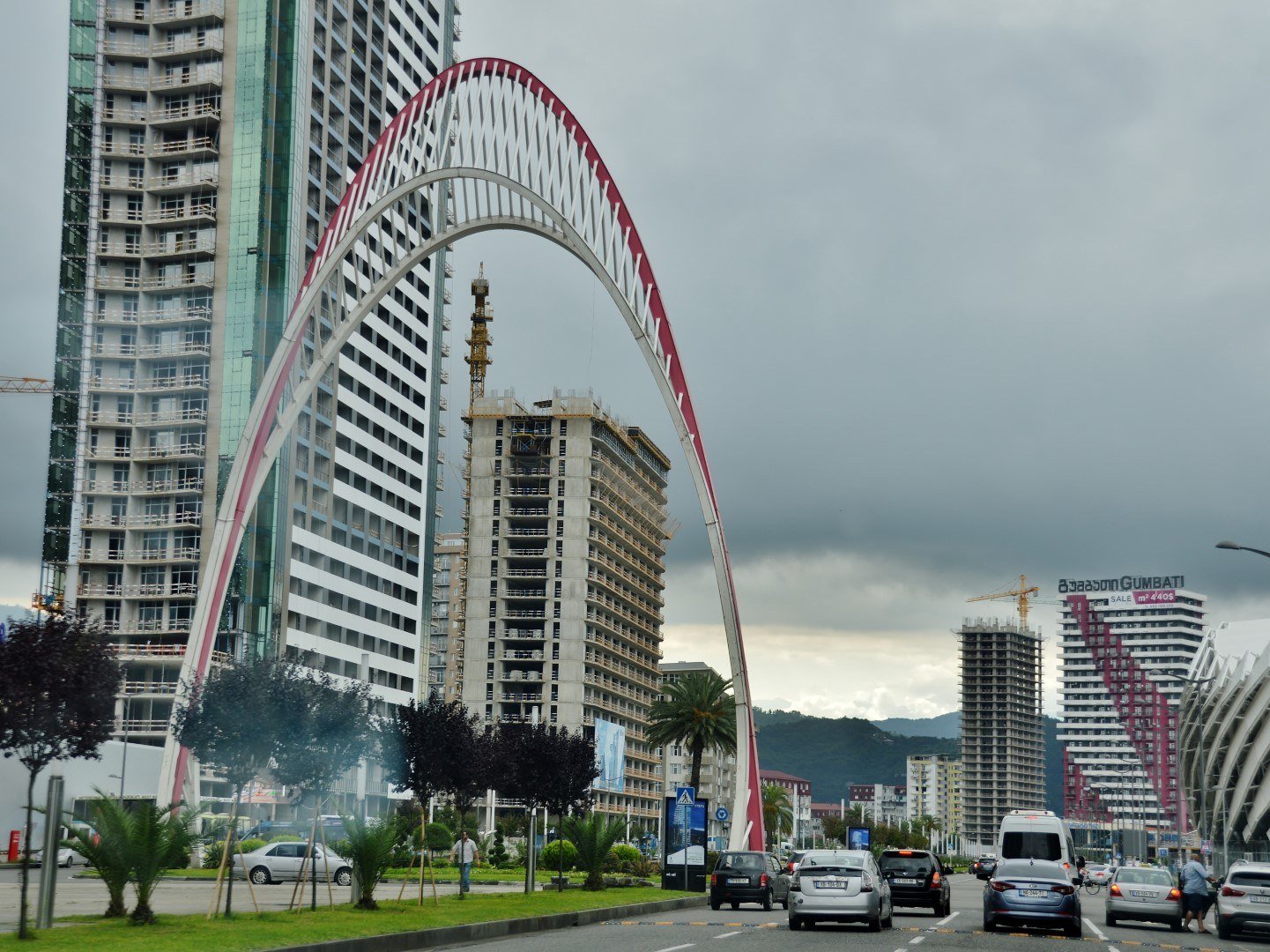
Getting off the bus in Batumi, the first thing that strikes you is the mix of smells: salt air from the Black Sea, fried pastries at the stalls on Chavchavadze Avenue and the diesel of minibuses snaking through the centre. The city, capital of the autonomous region of Adjara, is a collage where glass skyscrapers, art nouveau wooden houses with carved balconies, palm trees in front of still-visible Soviet murals and the cranes of the port in the background all coexist.
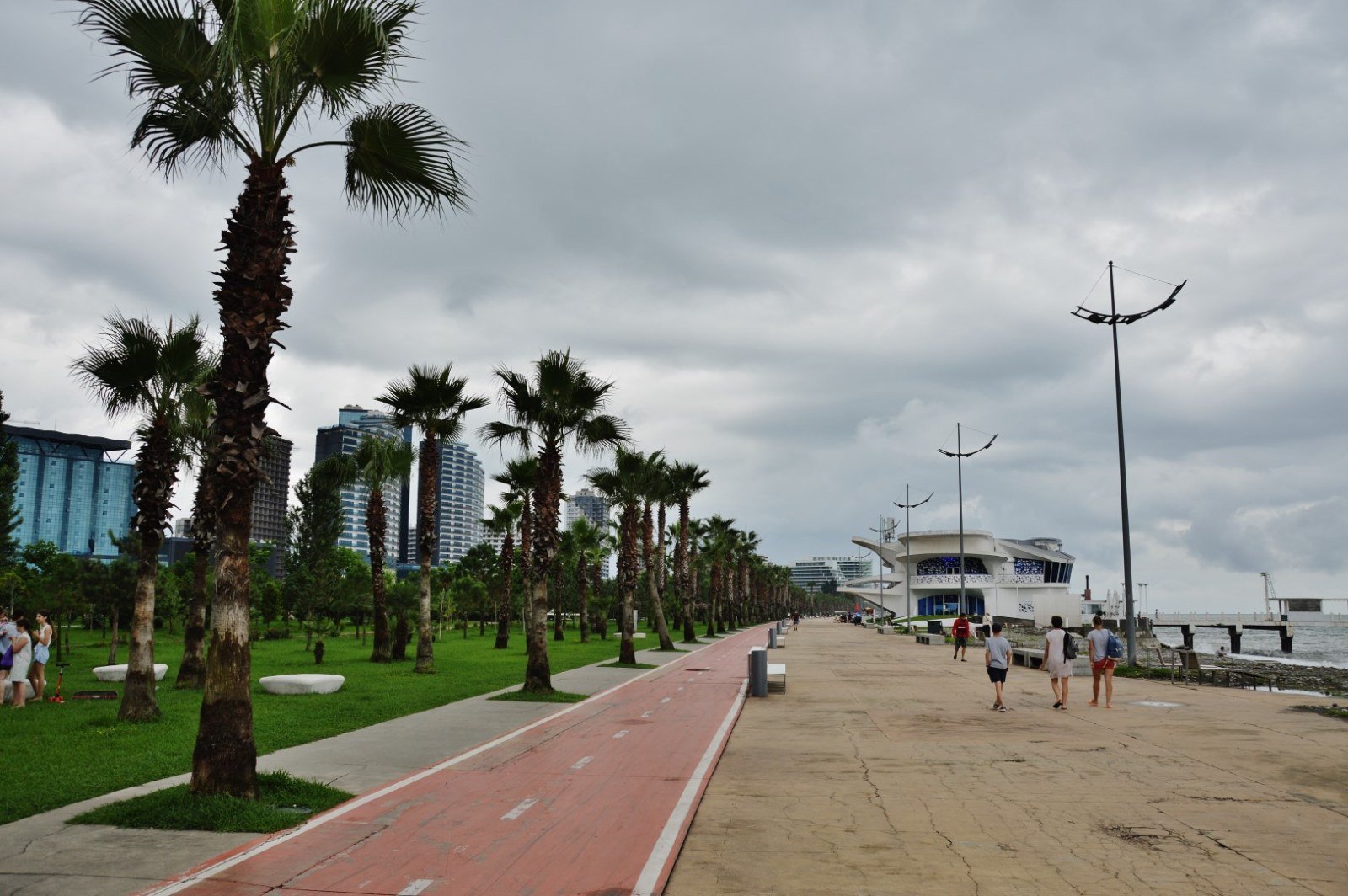
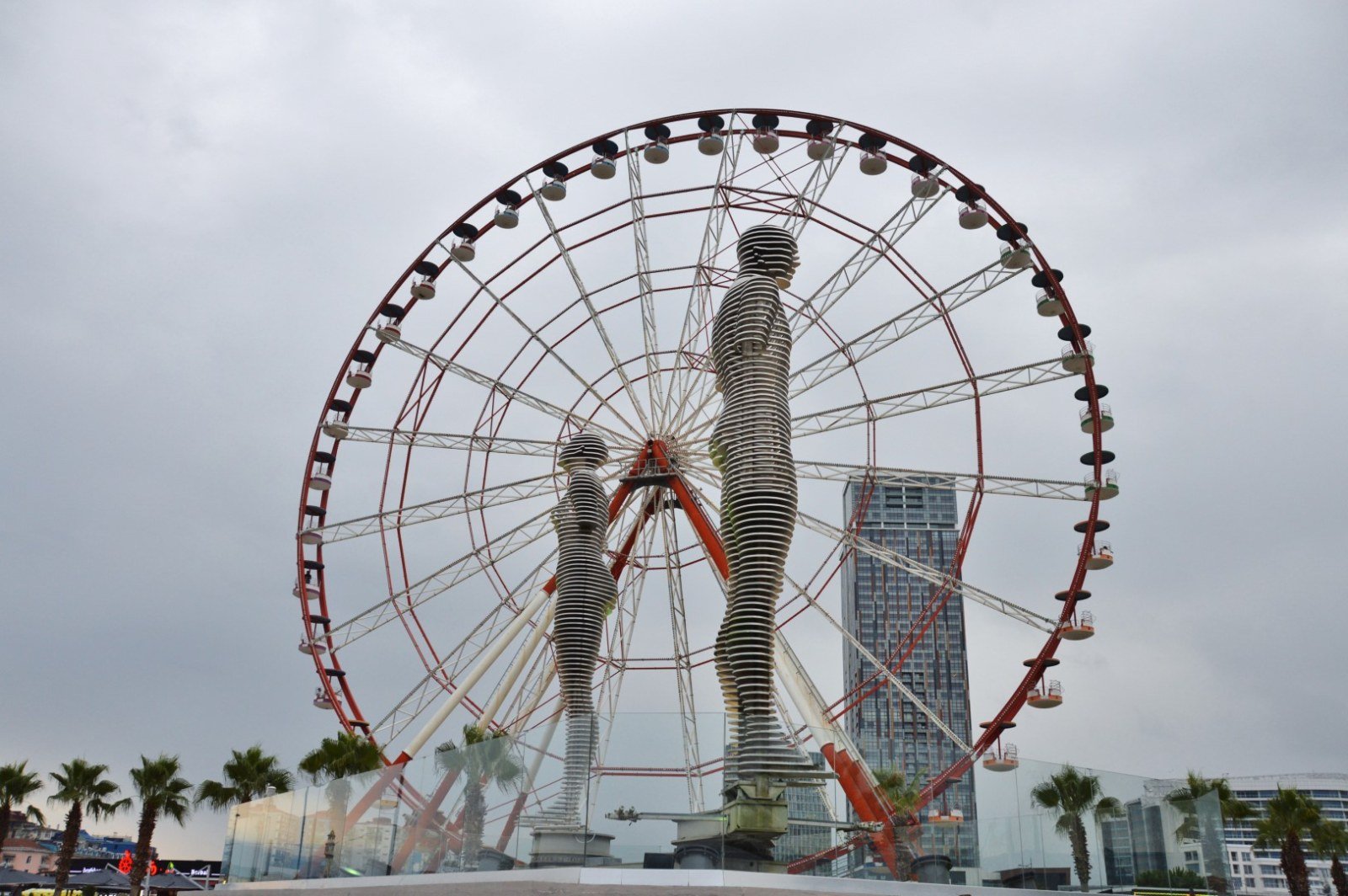
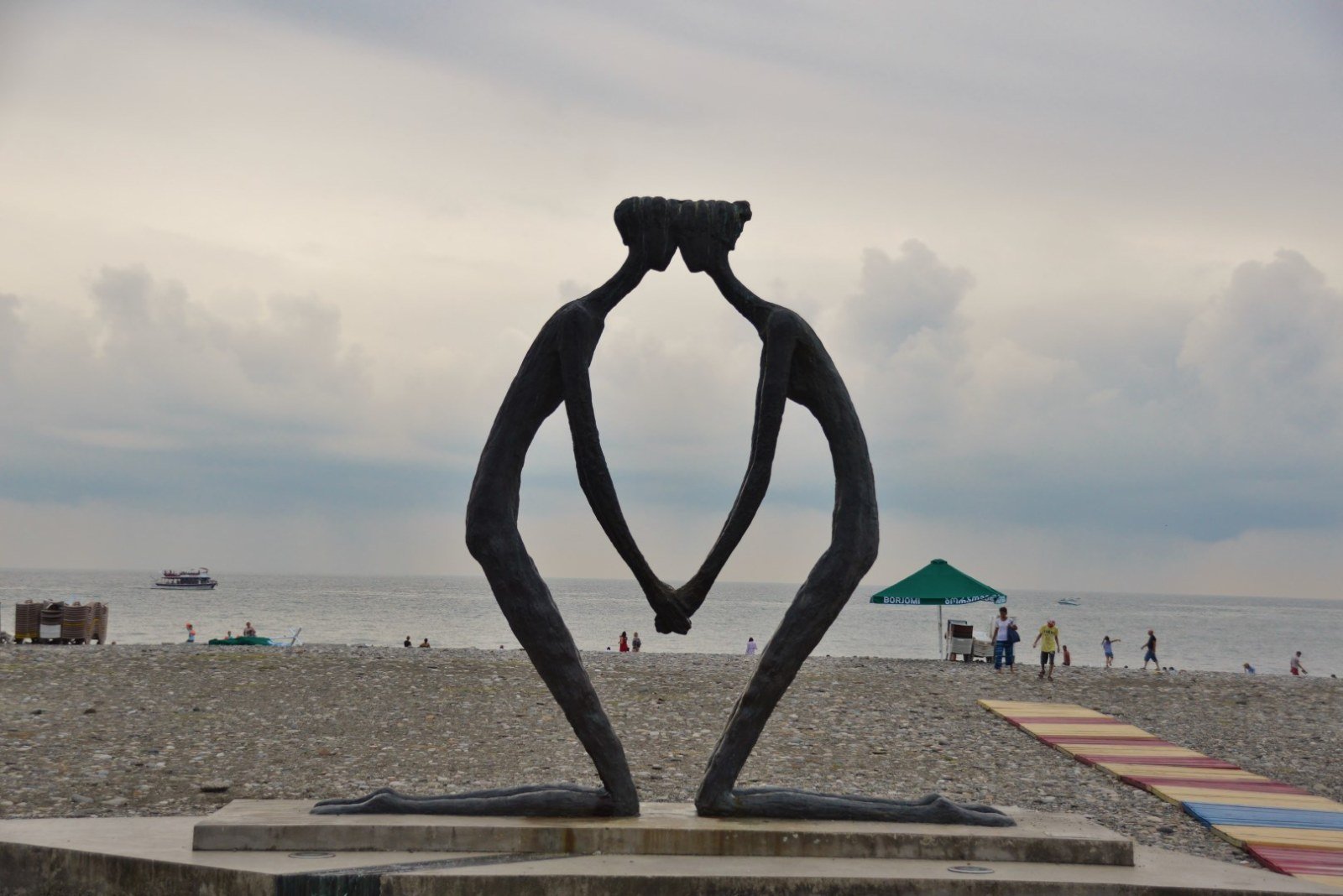
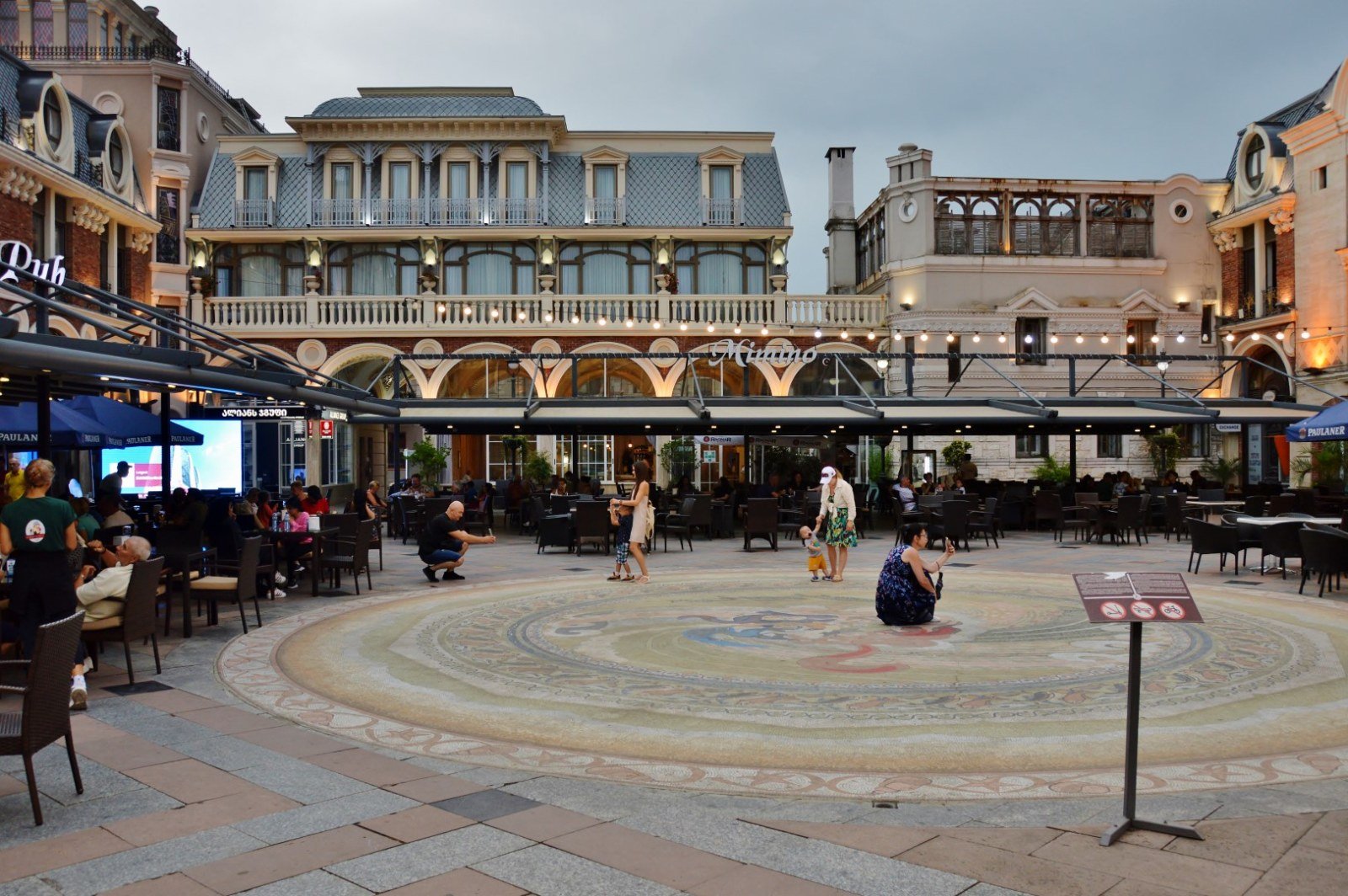
The Batumi Boulevard — about seven kilometres of gardens and a cycle path along the sea — is the city's social axis. In the morning it is used by joggers and cyclists; at dusk it fills with families and couples pausing before the kinetic sculpture of Ali and Nino, which slowly crosses paths while facing the horizon. A few metres away, the terraces of Europe Square serve white wine from Adjara and chacha well past midnight; in summer the atmosphere carries on until five in the morning.
It is not all coastline and cocktails. The Old Town, near Medea Square, preserves uneven cobblestone streets and peeling facades that retain traces of the oil-boom Batumi of the early twentieth century. In July and August traffic becomes heavy, parking near the centre is a real problem and some streets smell of drains when temperatures rise; worth knowing before you book.
History
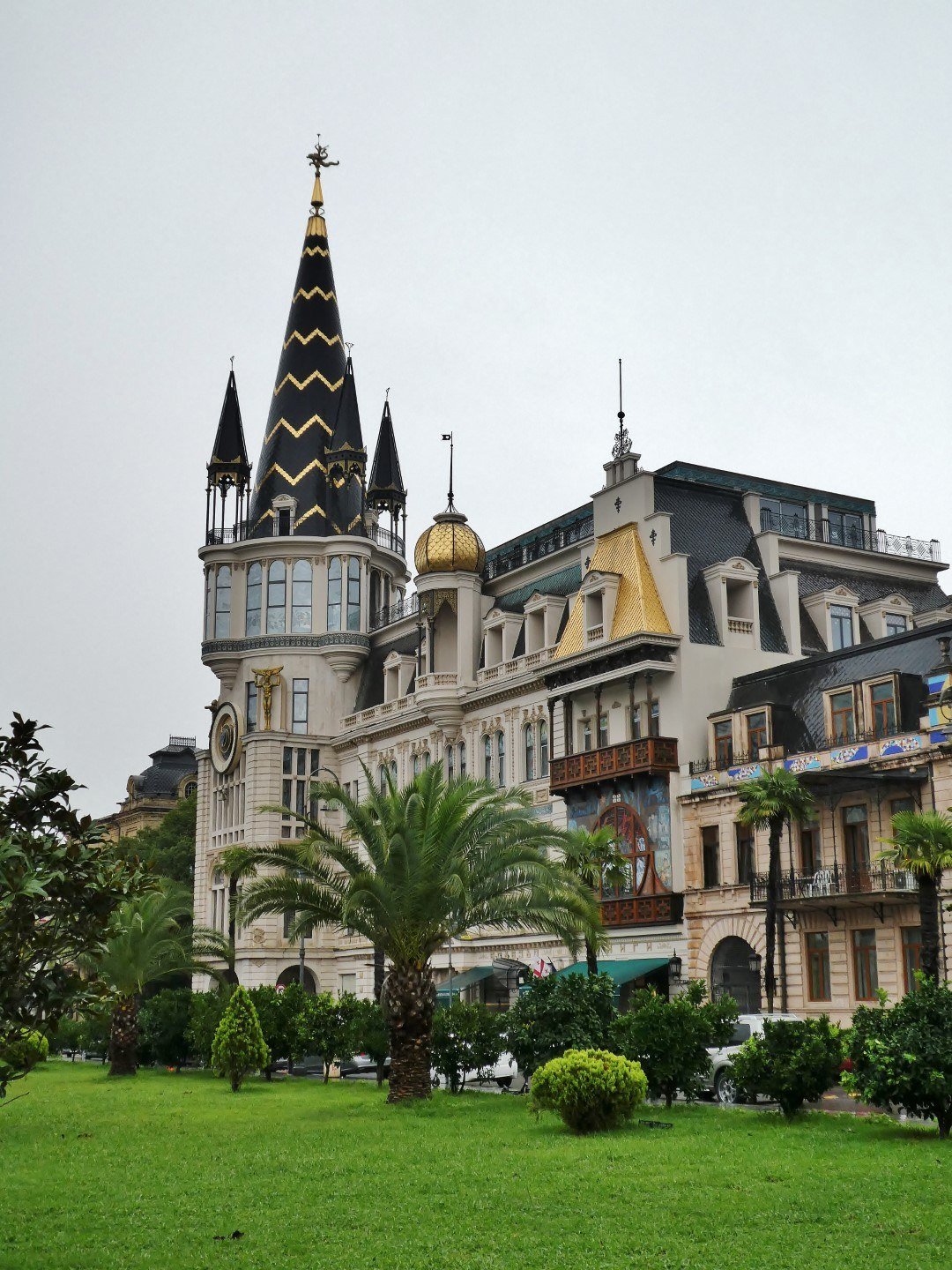
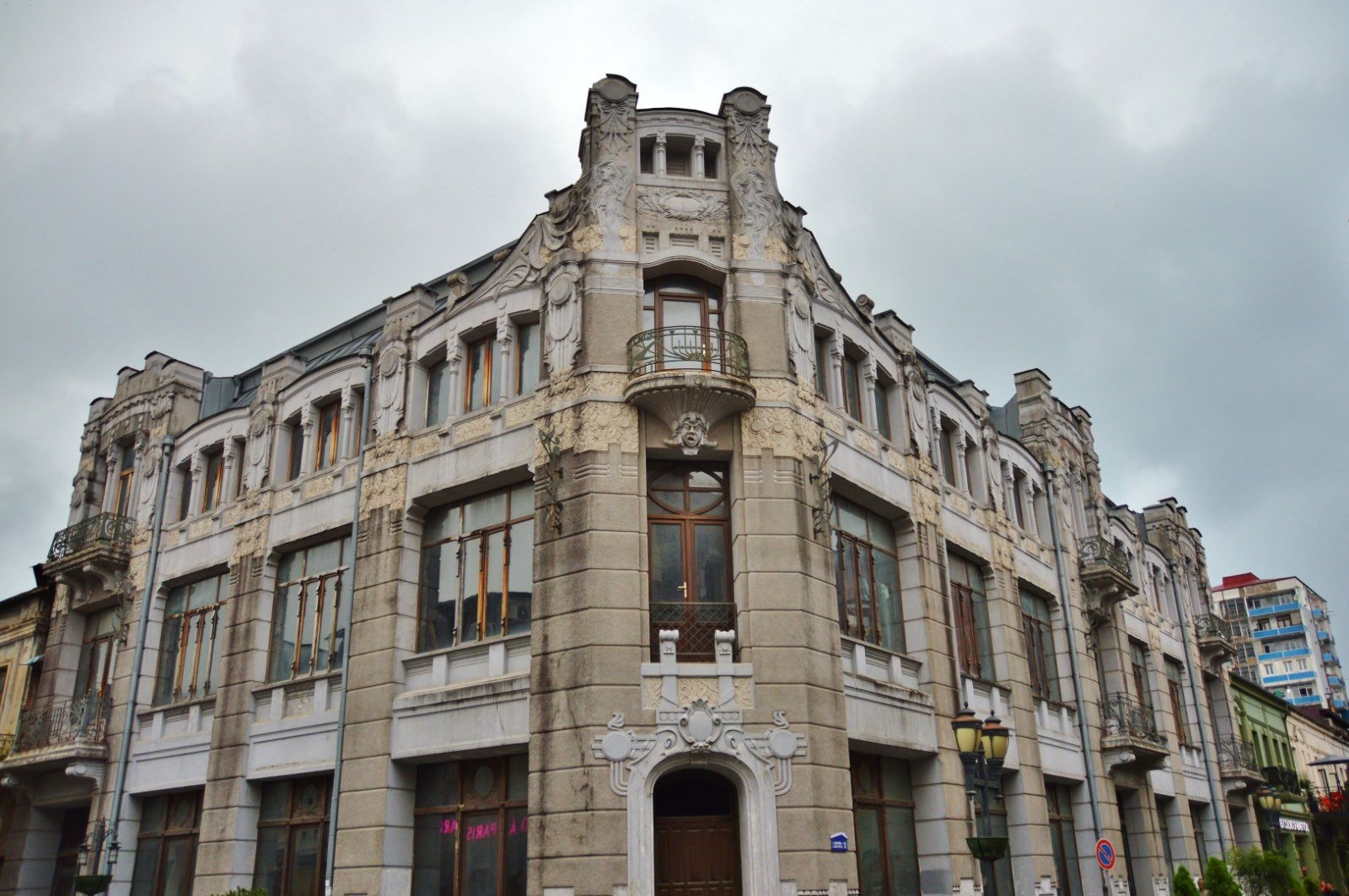
Batumi was for centuries a minor Ottoman port called Batum, little more than an anchorage surrounded by marshes. In the late nineteenth century, when Baku oil began crossing the Caucasus by rail to the Black Sea, the city changed scale within a few years: European investors arrived, the Nobels and the Rothschilds set up refineries, and with them rose the art nouveau and neo-Baroque buildings still visible in the historic quarter. The former headquarters of the National Bank of Georgia is one of the most eloquent testimonies of that boom. Georgia recovered Adjara in 1921, but the region maintained an autonomous status that is still apparent in the mix of Georgians, Armenians, Greeks, Mingrelians and Muslim Adjarans who inhabit the city and shape its cuisine.
What to see & do
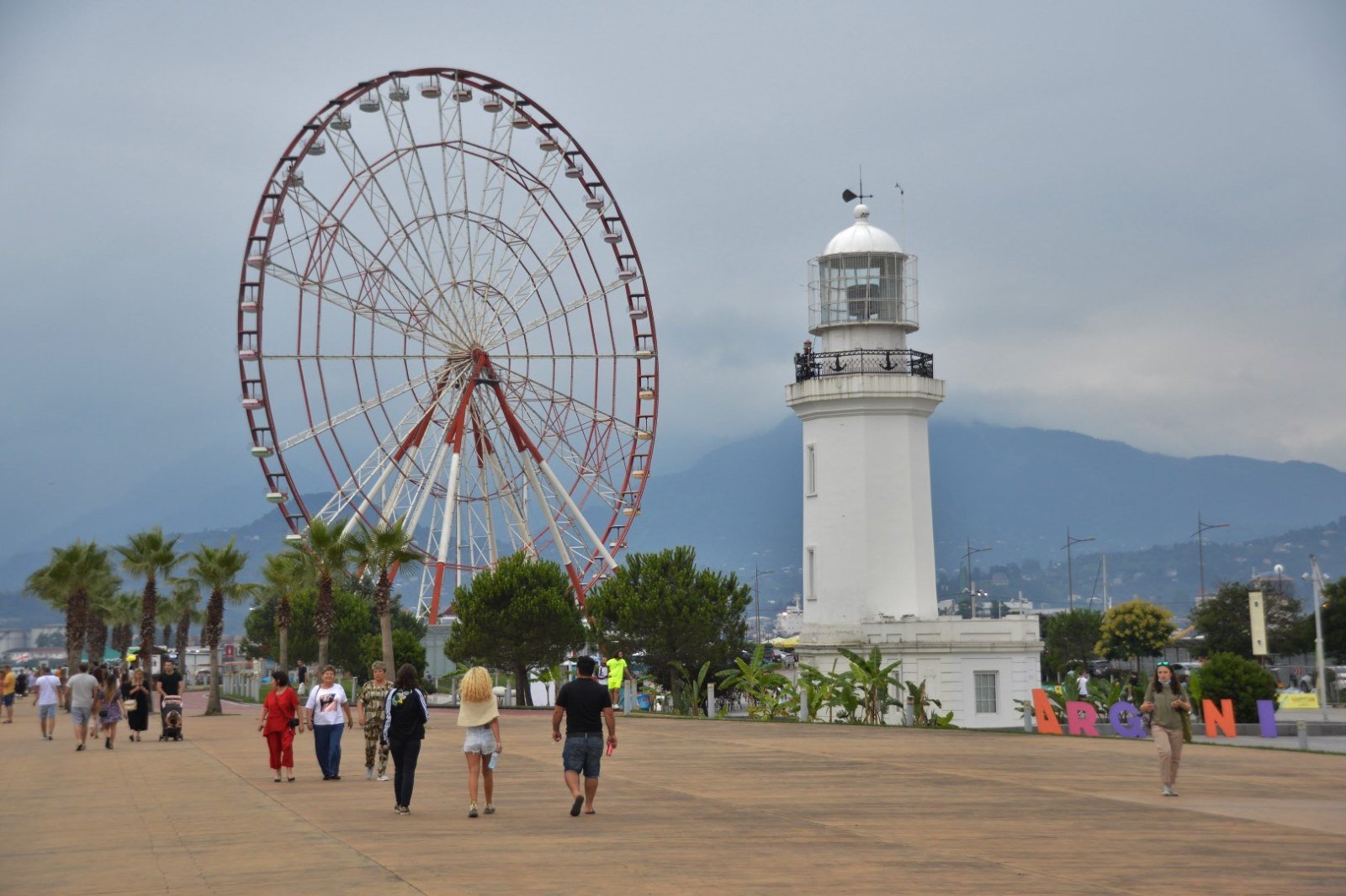
- Batumi Boulevard Seven kilometres along the Black Sea with gardens, fountains, skating rinks and the kinetic sculpture of Ali and Nino that slowly aligns at dusk. The pebble beach lies to the right; to the north stands the Ferris wheel with panoramic views of the city.
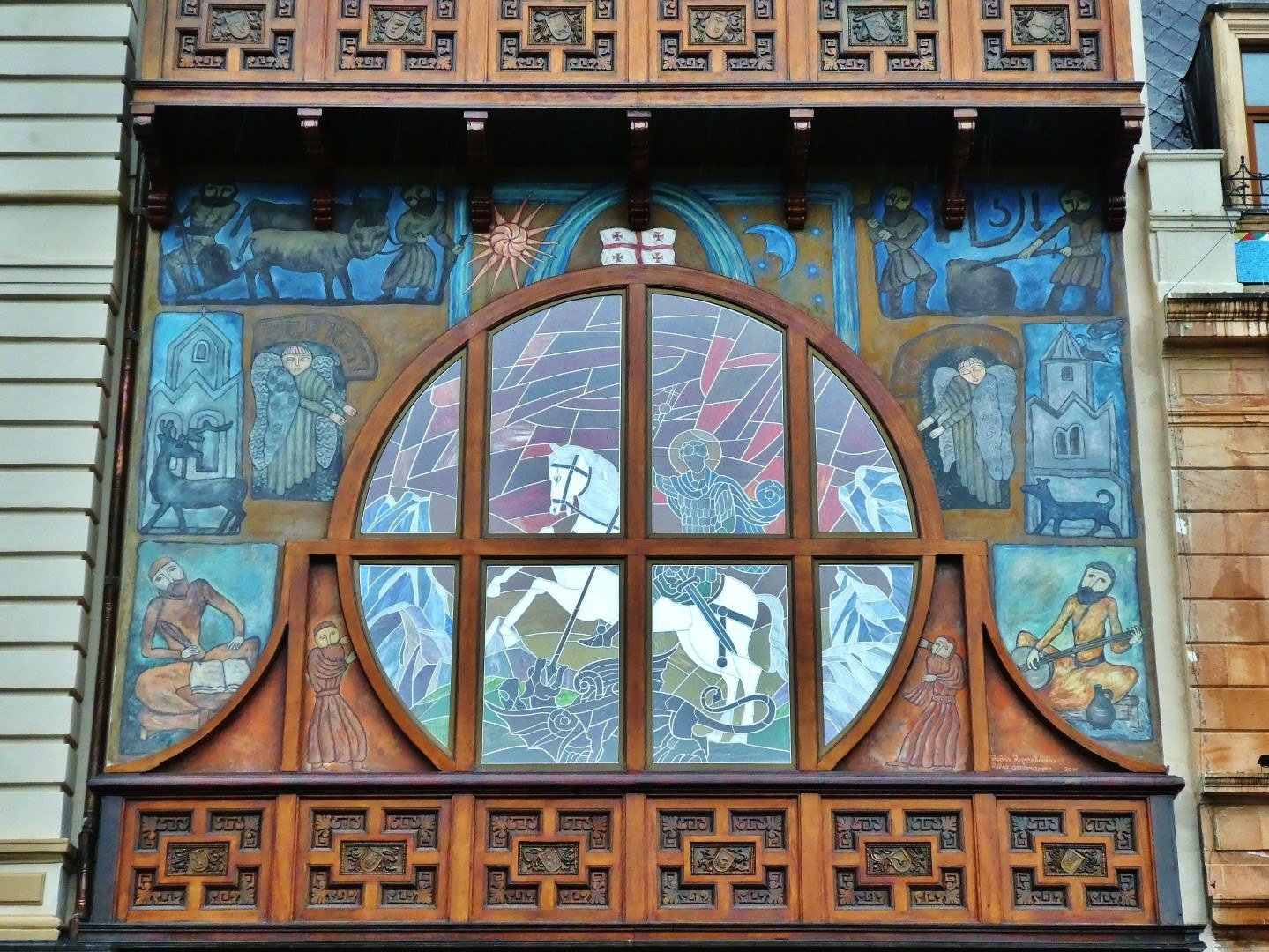
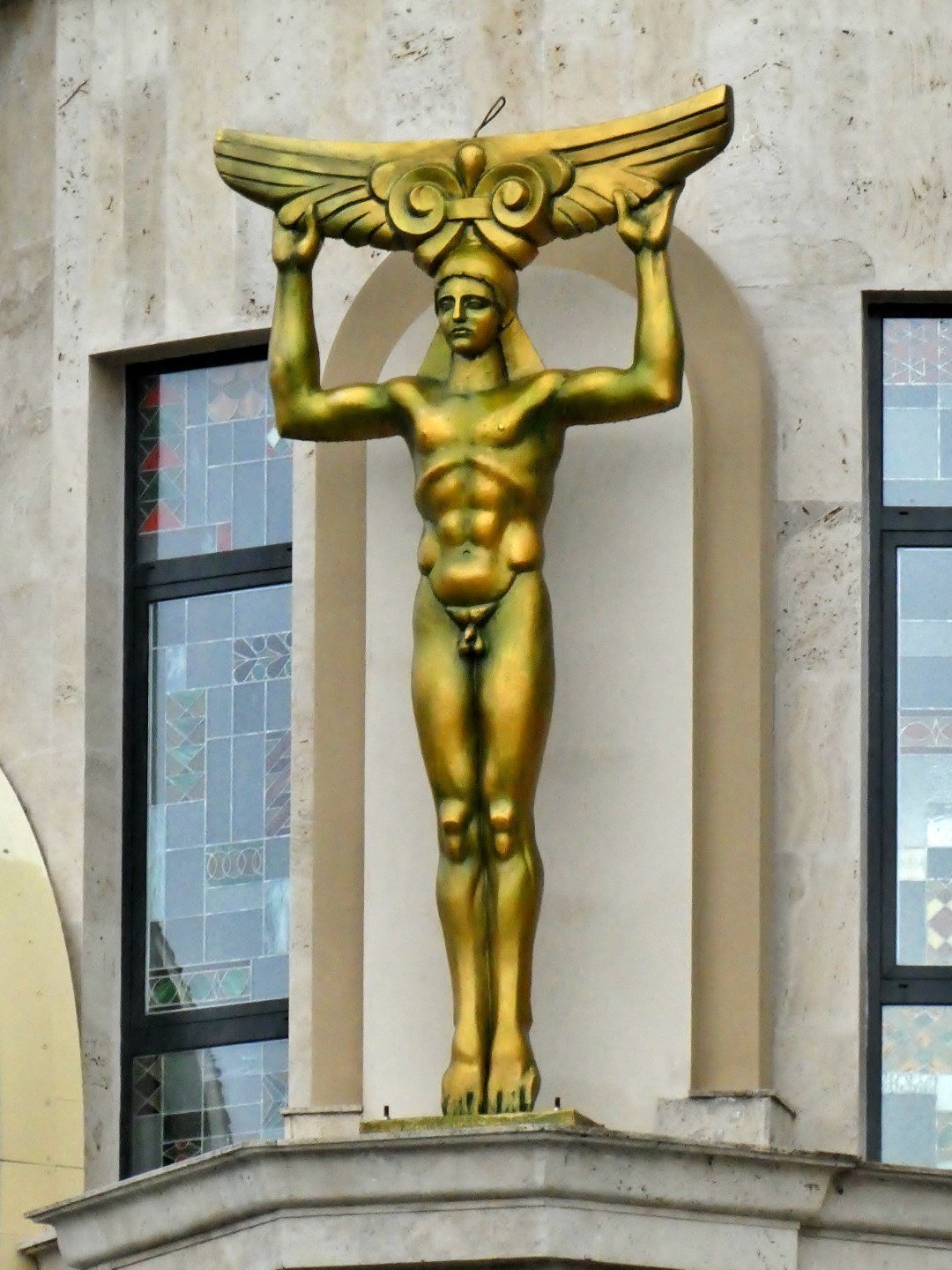
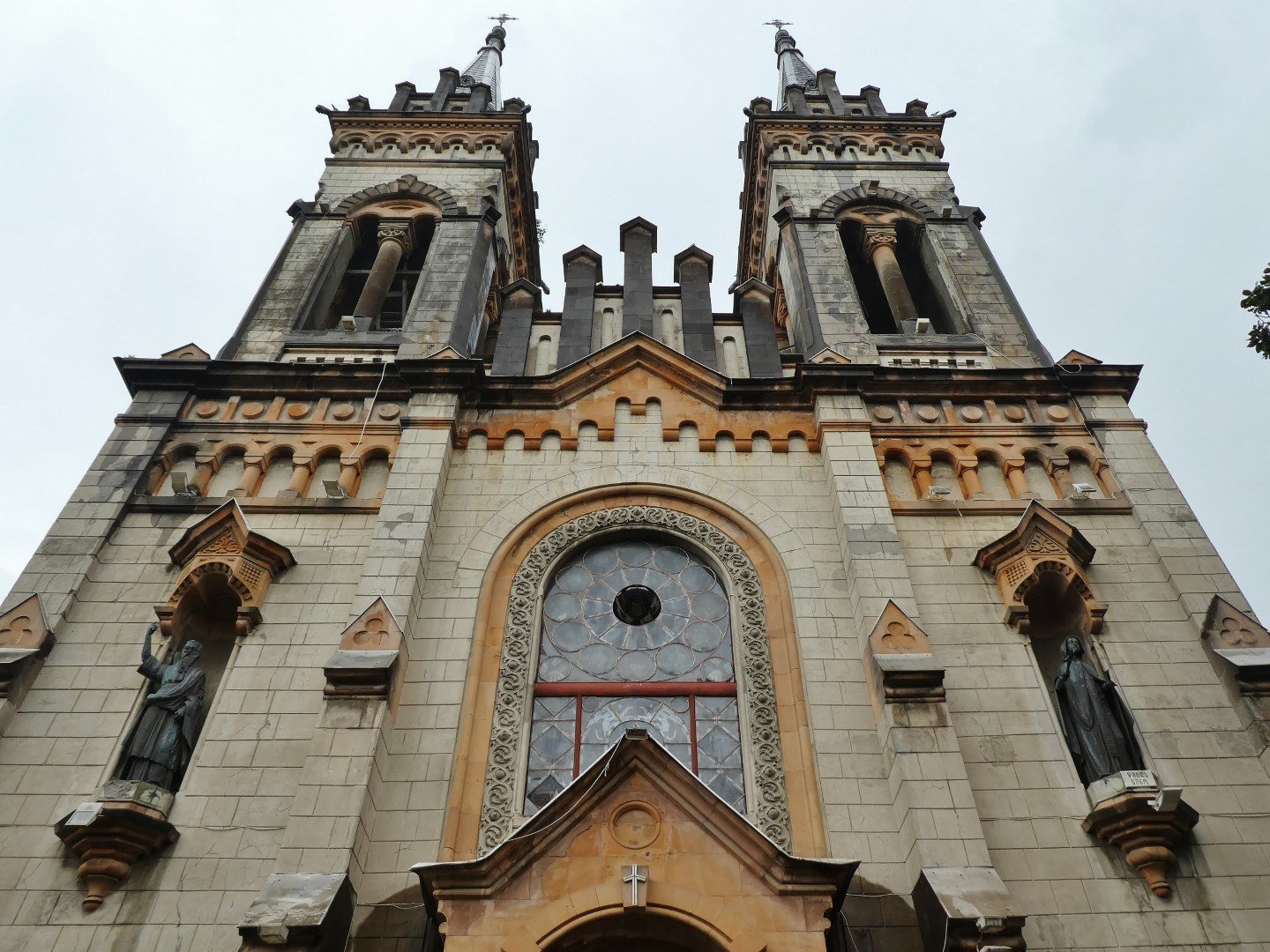
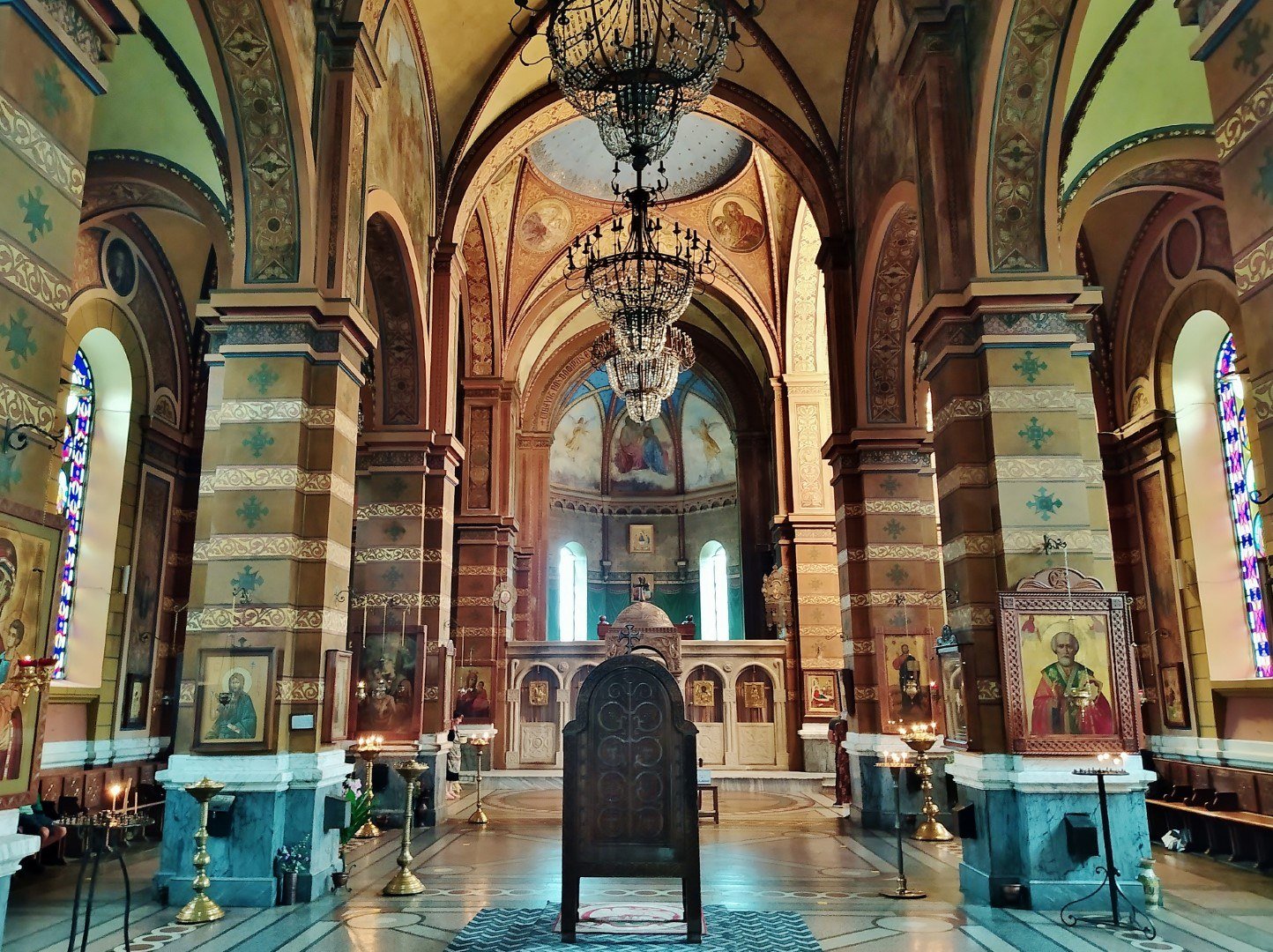
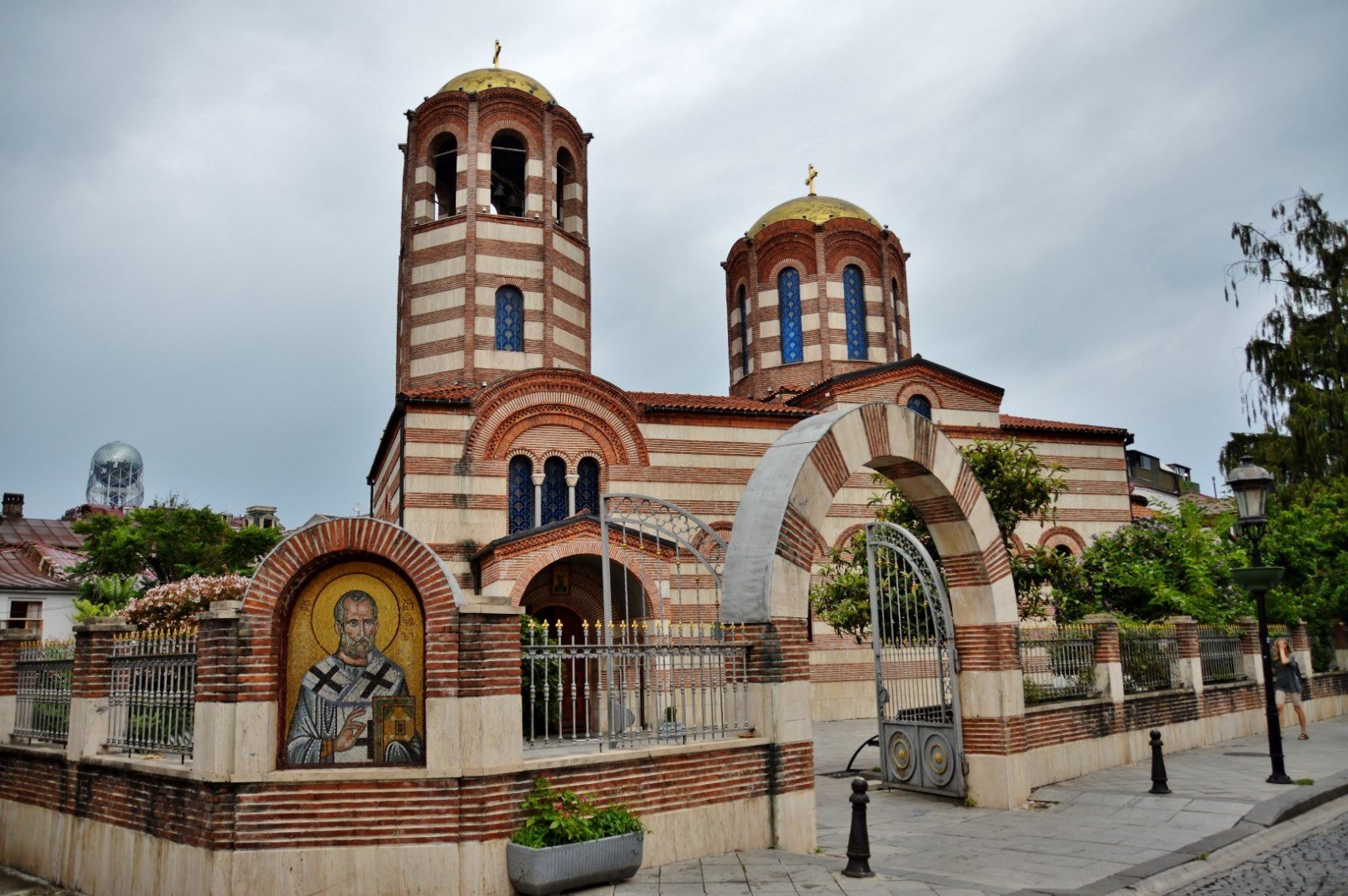
- Old Town and Medea Square Pedestrian streets with art nouveau facades, the Orthodox Cathedral of the Virgin, wooden houses with carved balconies and the former National Bank of Georgia headquarters topped by an astronomical clock. Best visited early, before the heat.
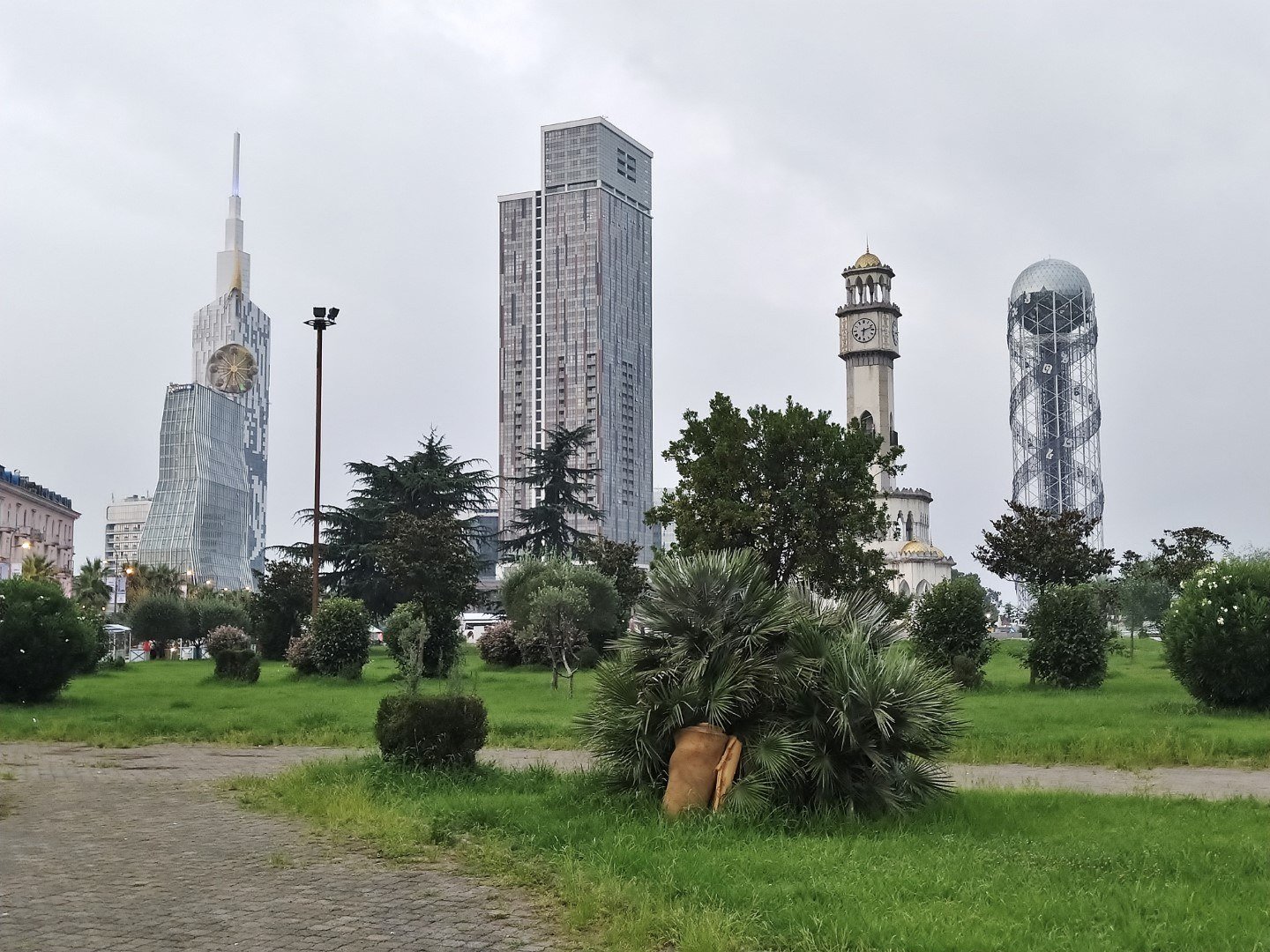
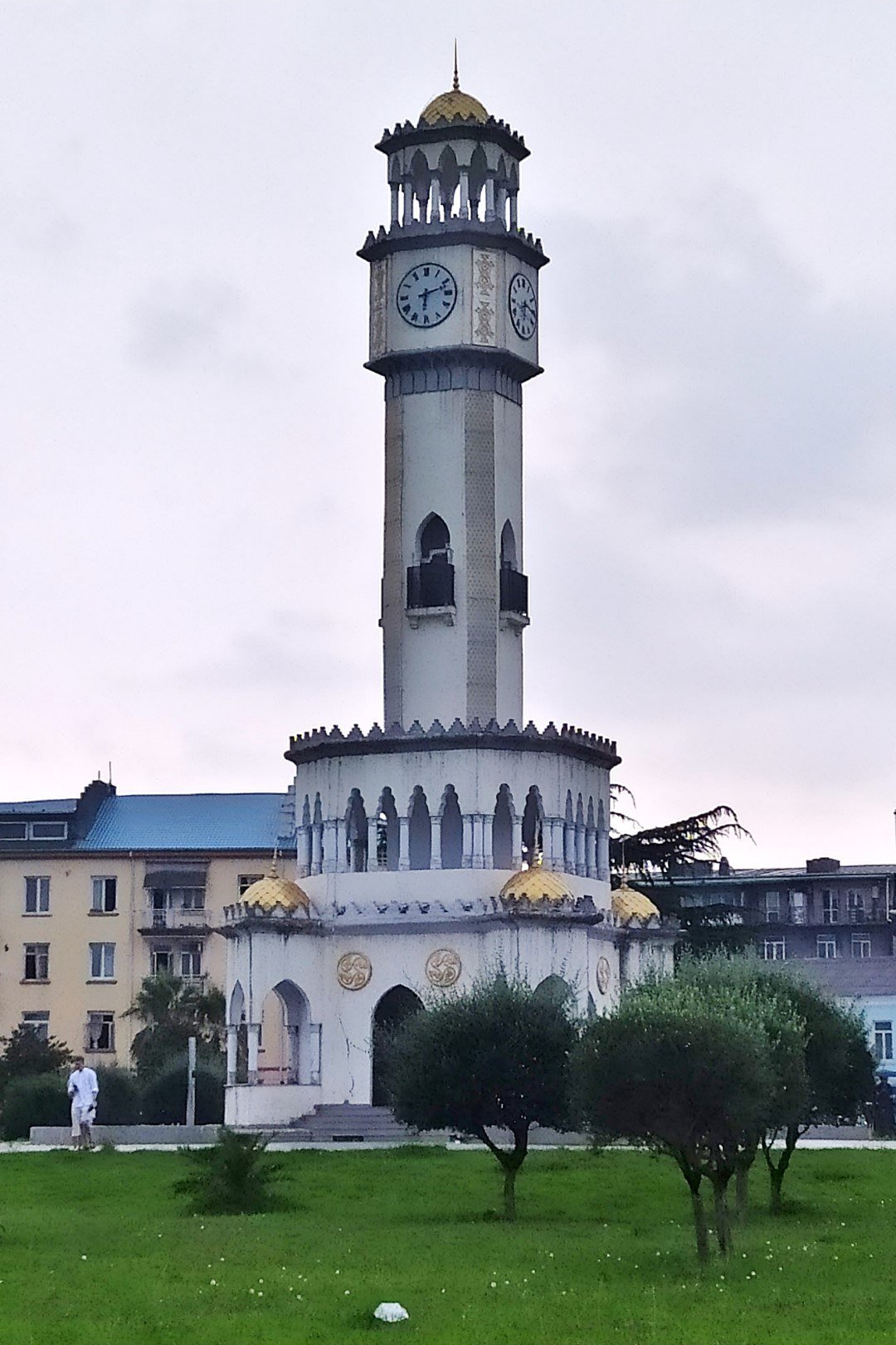
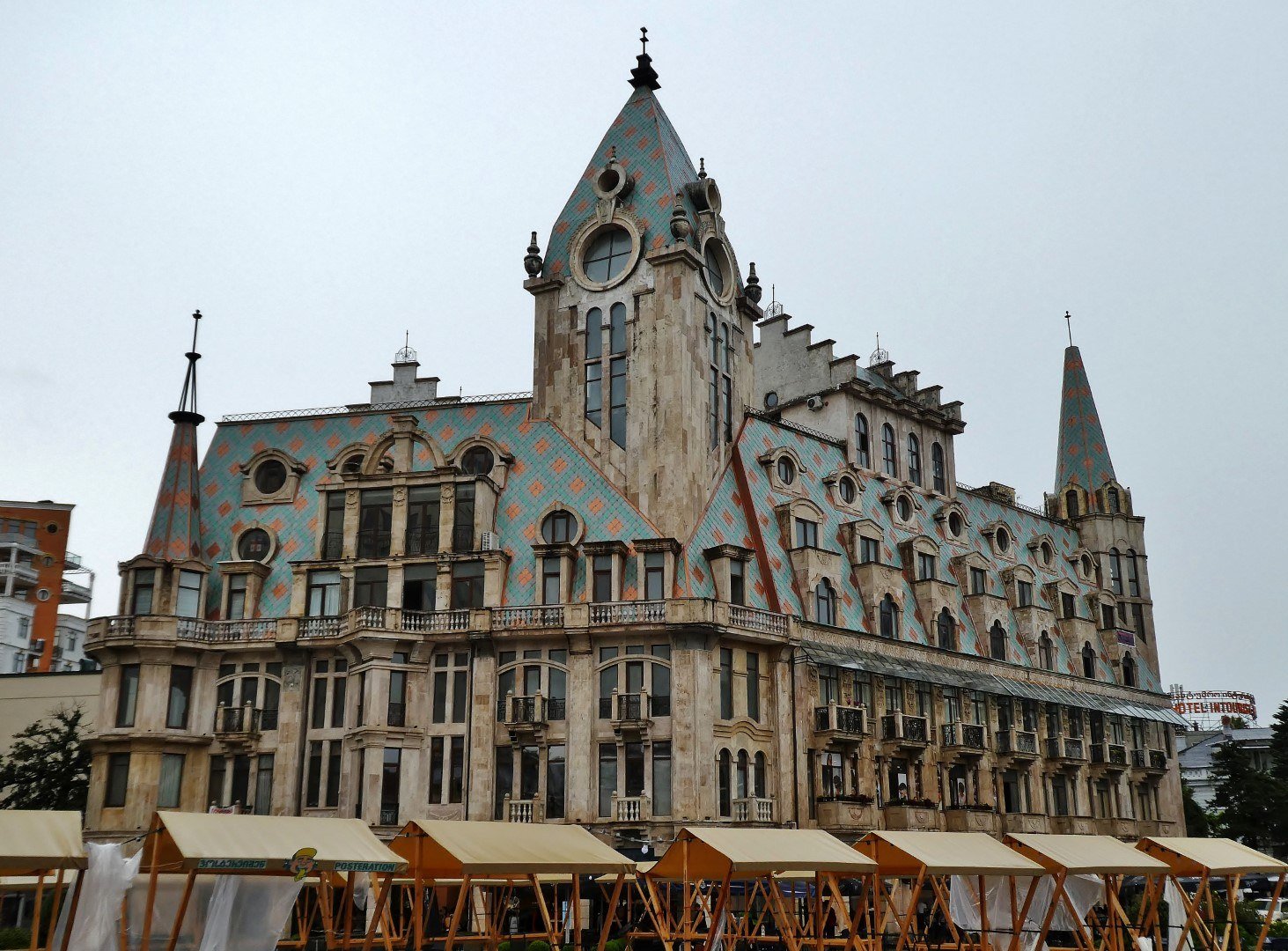
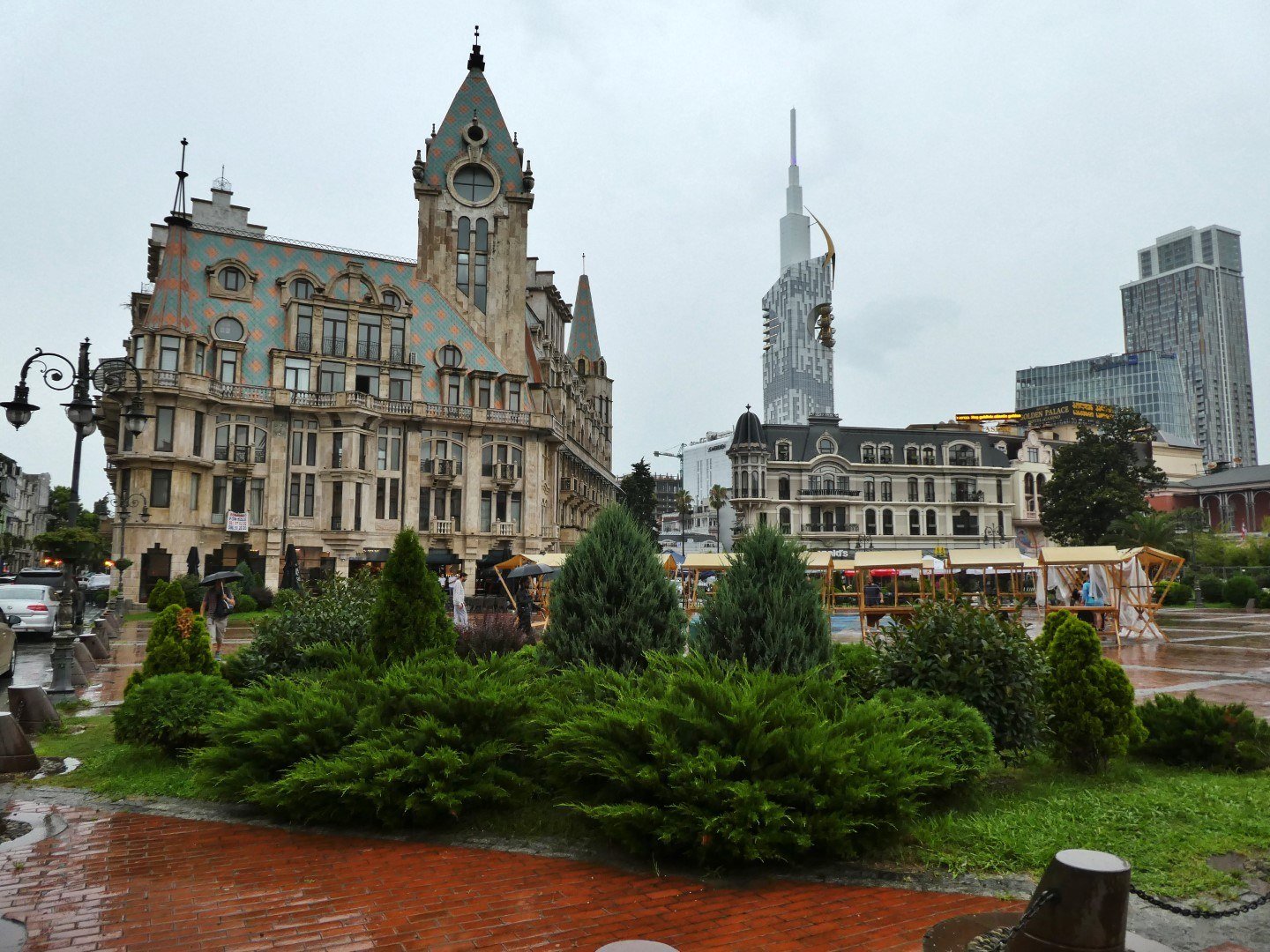
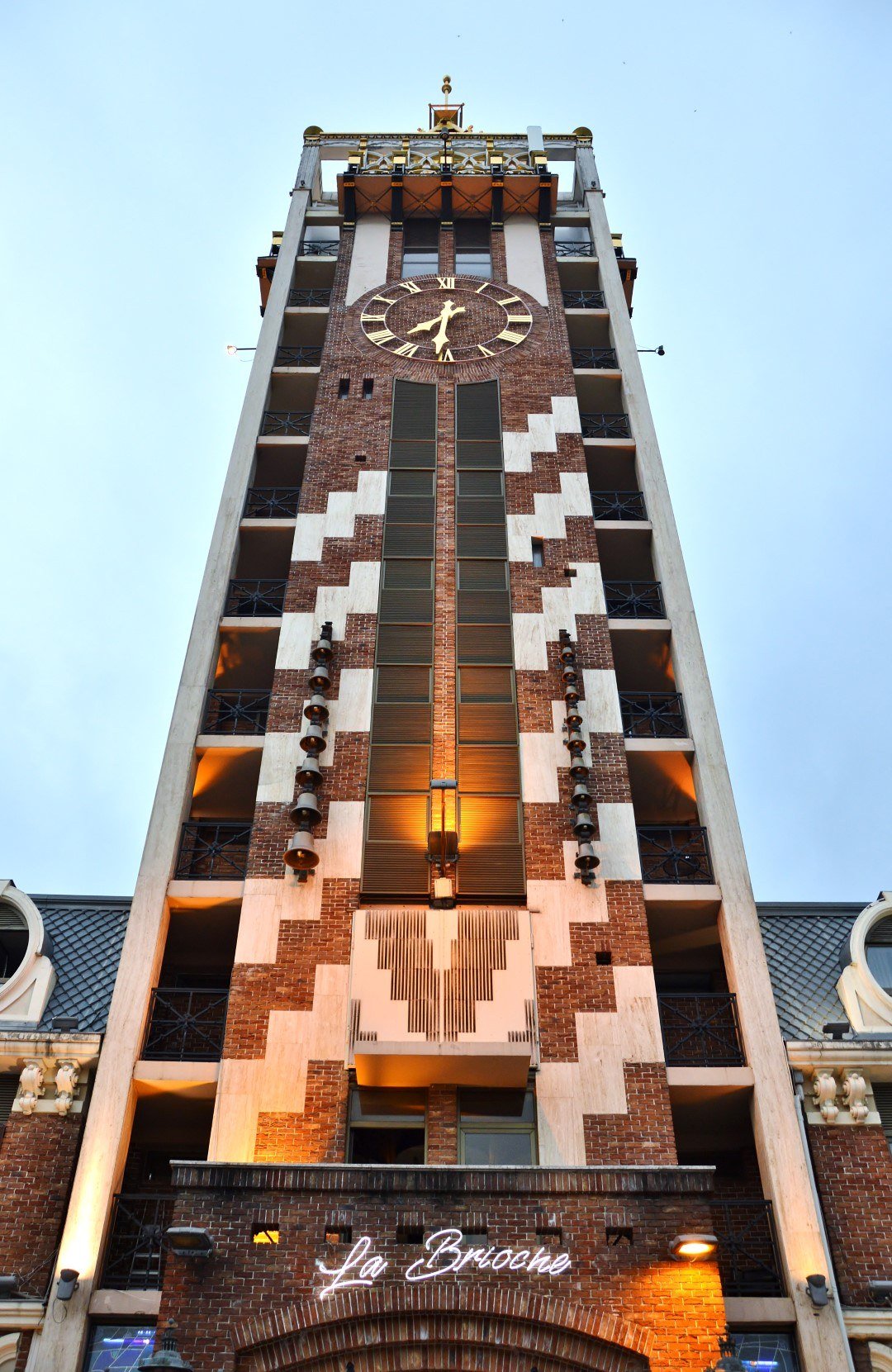
- Europe Square The nocturnal heart of Batumi, with the Clock Tower and terraces serving chacha, Adjaran wine and khinkali until late. Behind it stands the statue of Medea holding the Golden Fleece.
- Batumi Botanical Garden Nine kilometres north along the coastal road; one of the oldest botanical gardens in the Caucasus, with collections of bamboo, cacti and eucalyptus and a viewpoint over the Black Sea. Open 10:00–20:00; entrance around 5 GEL.
- Argo Cable Car to Mount Anuria Climbs about 250 metres in eight minutes from the centre. At the top there is a viewing platform with full views of the city, the port and the Turkish border, and a small amusement park. A return ticket costs around 15 GEL.
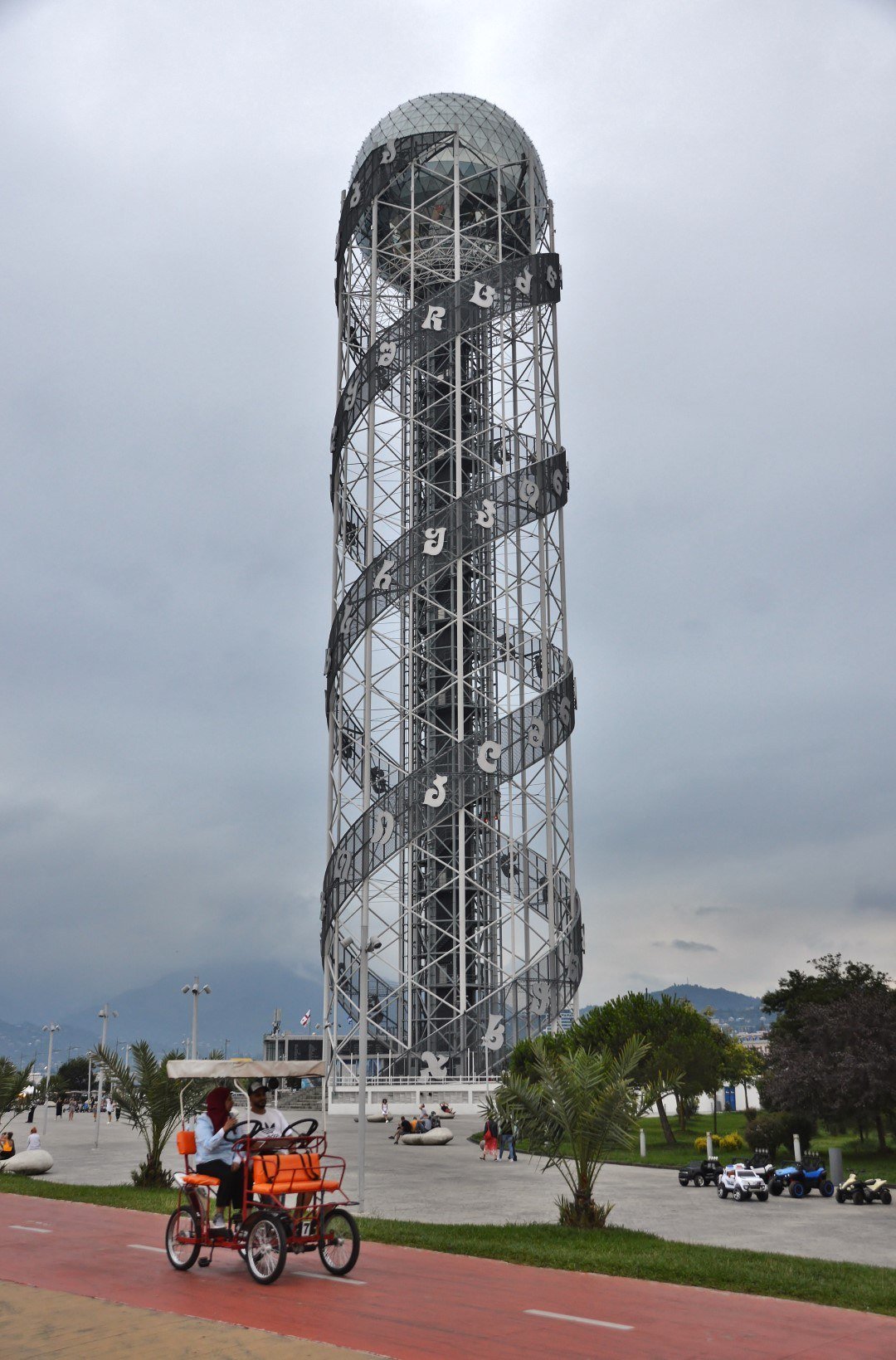
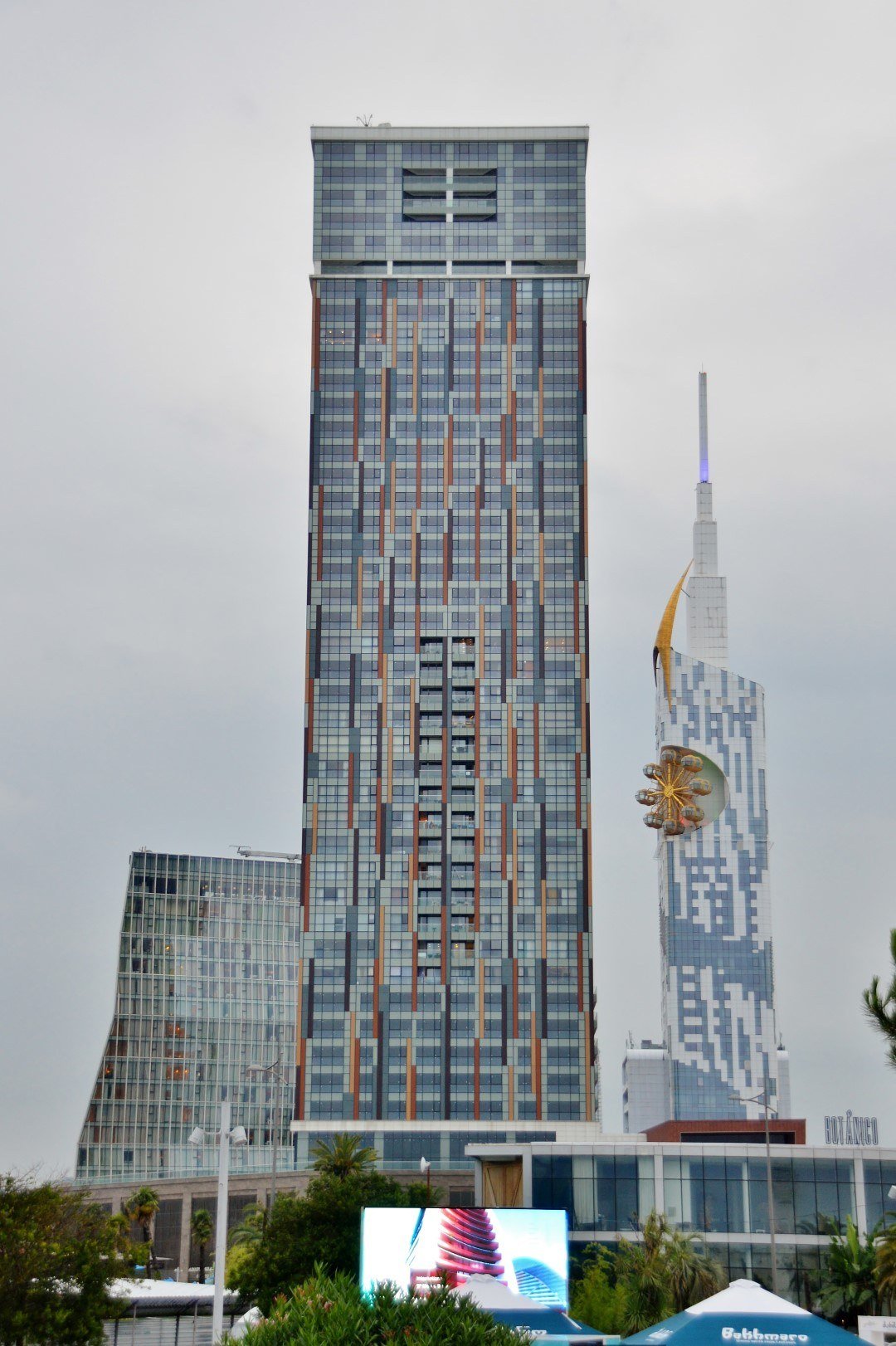
- Chacha Tower and Alphabetic Tower The two icons of Batumi's modern skyline: the Chacha Tower with its four dispensers of free chacha at weekends (depending on the season), and the Alphabetic Tower shaped like Georgian letters with a revolving restaurant at the top.
Photo gallery
How to get there
Batumi International Airport is about three kilometres south of the centre; a taxi costs between 10 and 15 GEL (3–4 €) and city bus line 10 reaches it for 1 GEL. From Tbilisi there are day and night trains that take five or six hours and cost between 20 and 55 GEL depending on class; marshrutkas depart from Ortachala station in about five hours for around 30 GEL. From Batumi it is easy to continue up the coast to Kobuleti, Ureki or Kutaisi, or cross to Sarpi to enter Turkey.
Best time to visit
May and June are the best months to visit Batumi: the Black Sea is already warm, the terraces are open and there is not yet the congestion of July and August, when prices rise and the Boulevard fills to the brim. September remains pleasant, with 22–26 °C and the occasional brief storm. Winter is rainy and humid — Batumi is one of the wettest cities in the Caucasus, with more than 2,000 mm per year — but hotels empty out and prices drop sharply.
More information
Photo: Iberogeorgia · Todos los derechos reservados