
Bagrati Cathedral
ბაგრატის ტაძარი
An 11th-century cathedral crowning Kutaisi, UNESCO World Heritage site whose restoration divided experts and international bodies.
Location in the Caucasus
Description
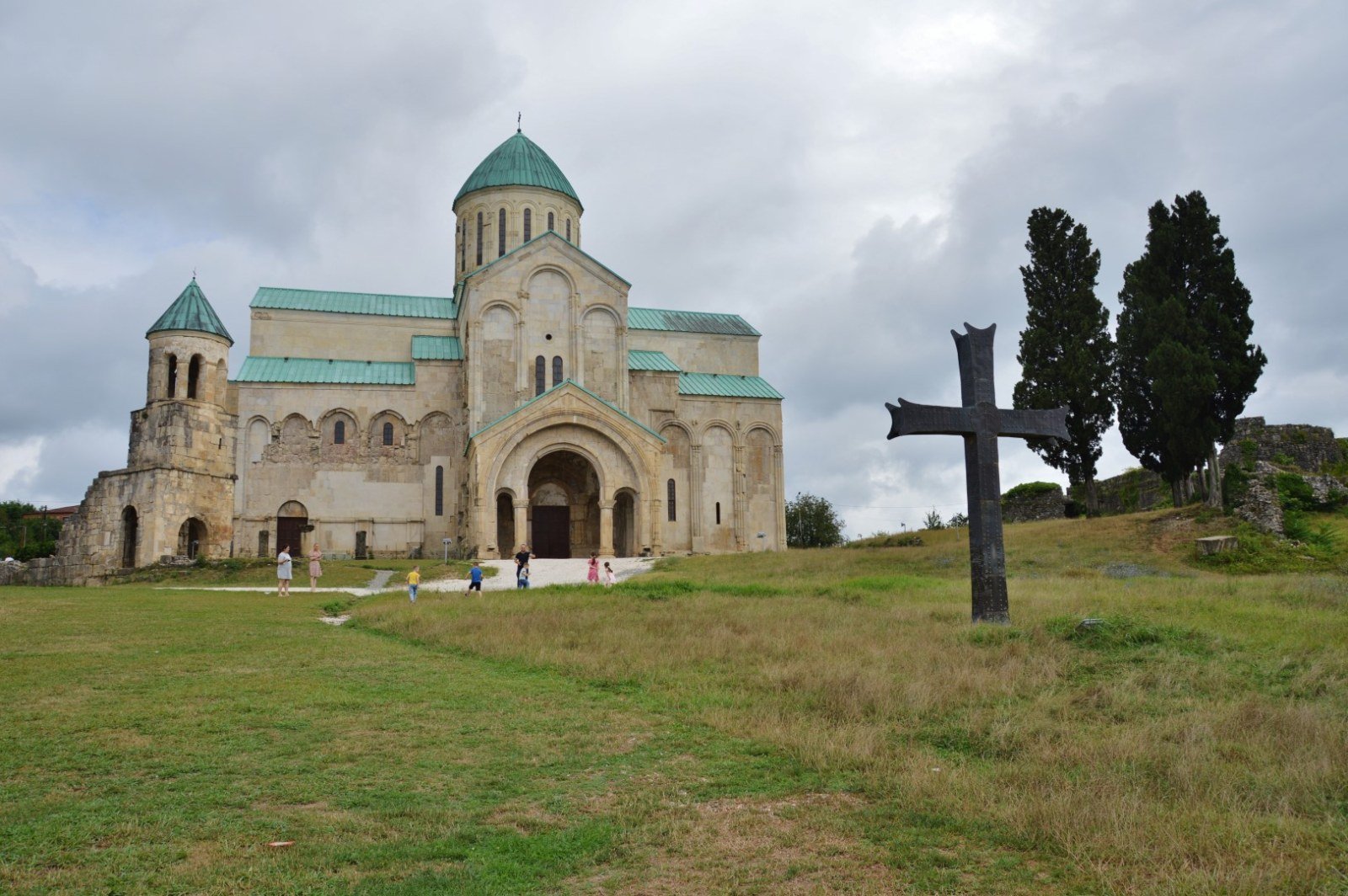
Bagrati Cathedral crowns Ukimerioni Hill above Kutaisi and can be seen from almost anywhere in the city centre. From below it already gives a sense of what it is: a large cruciform nave built in 1003 under King Bagrat III, when Georgia was beginning to consolidate as a unified kingdom. The place smells of stone and burning candle wax, and on Sunday mornings liturgical chanting drifts out to the outer esplanade.
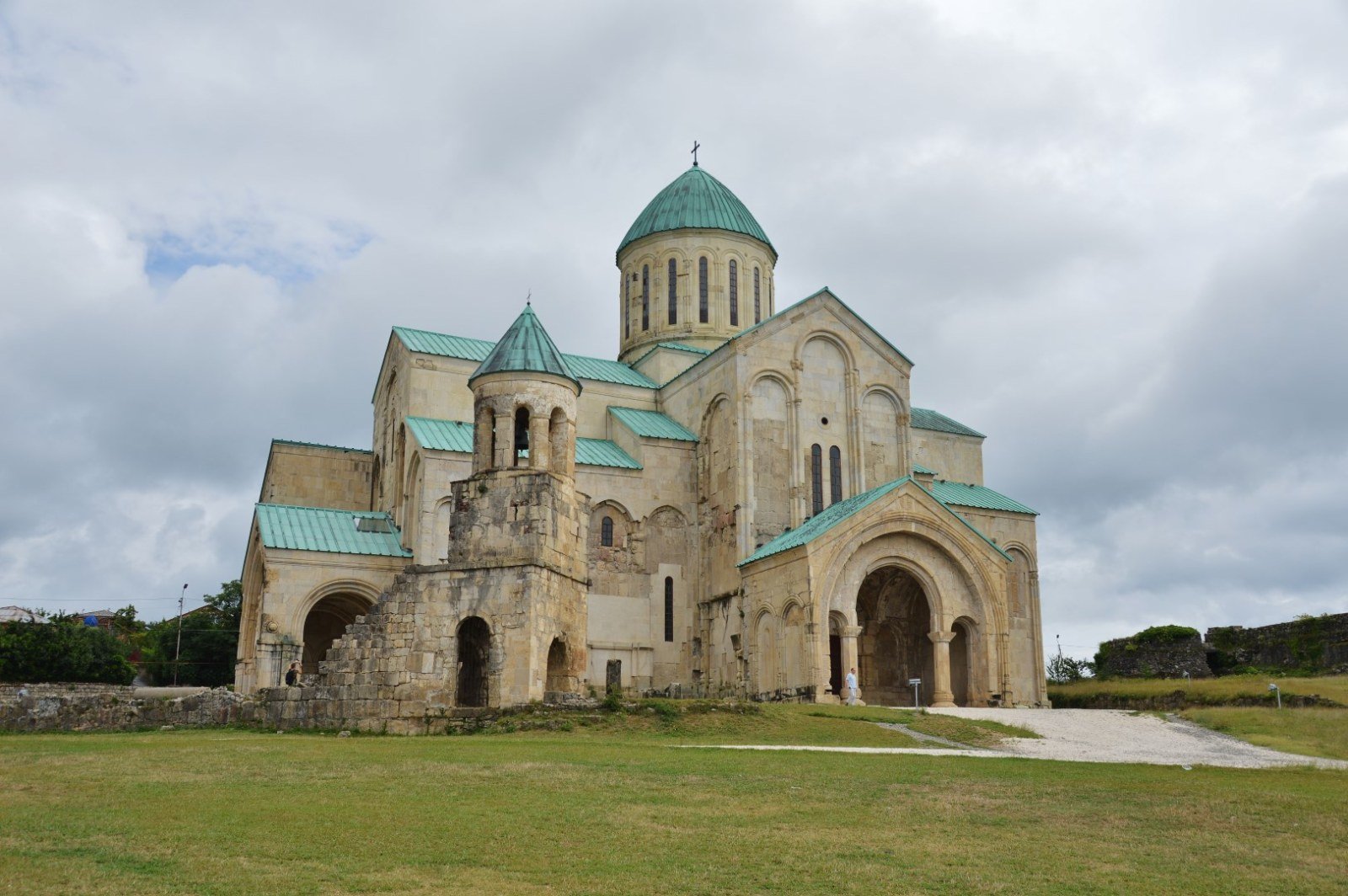
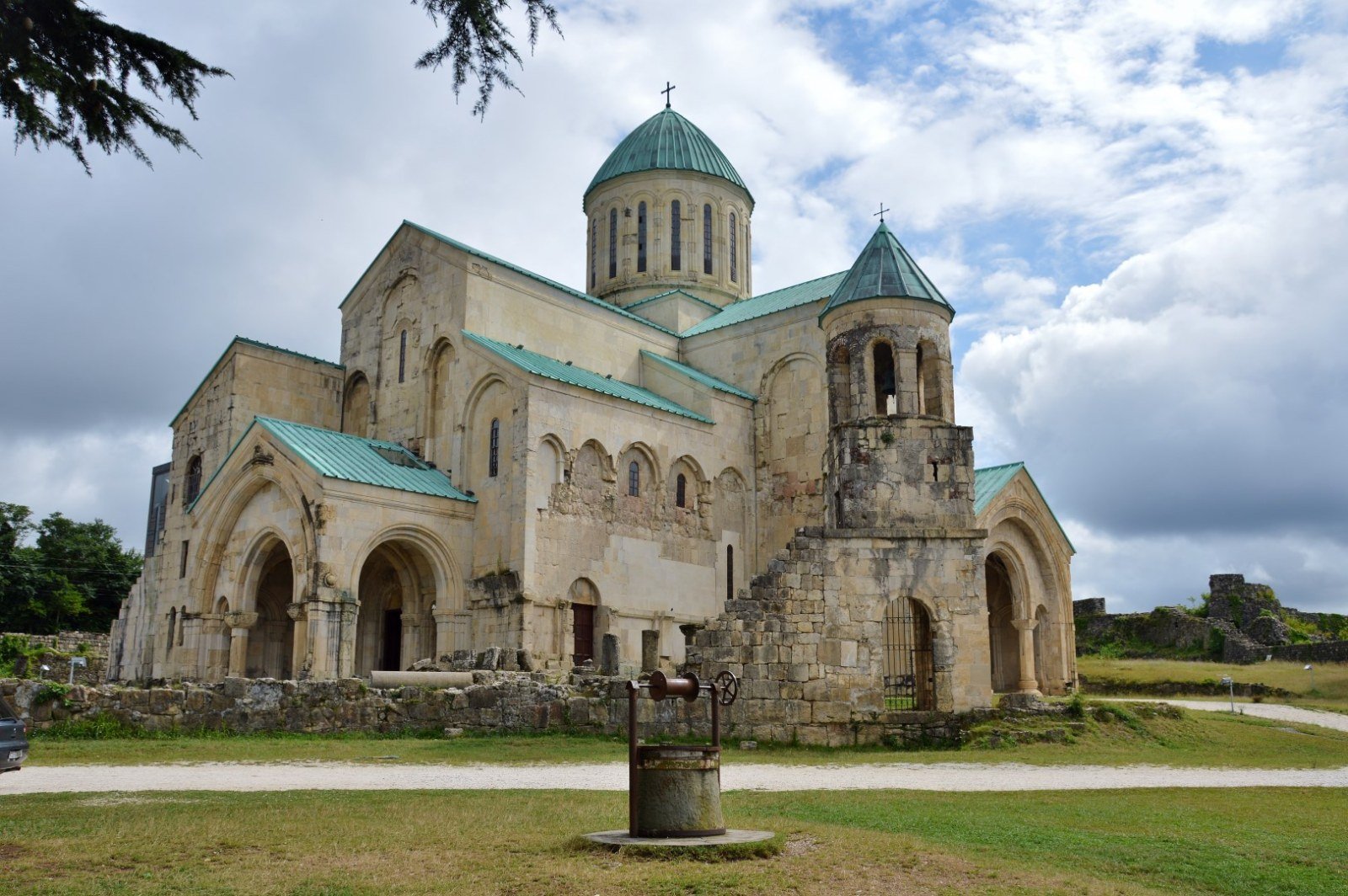
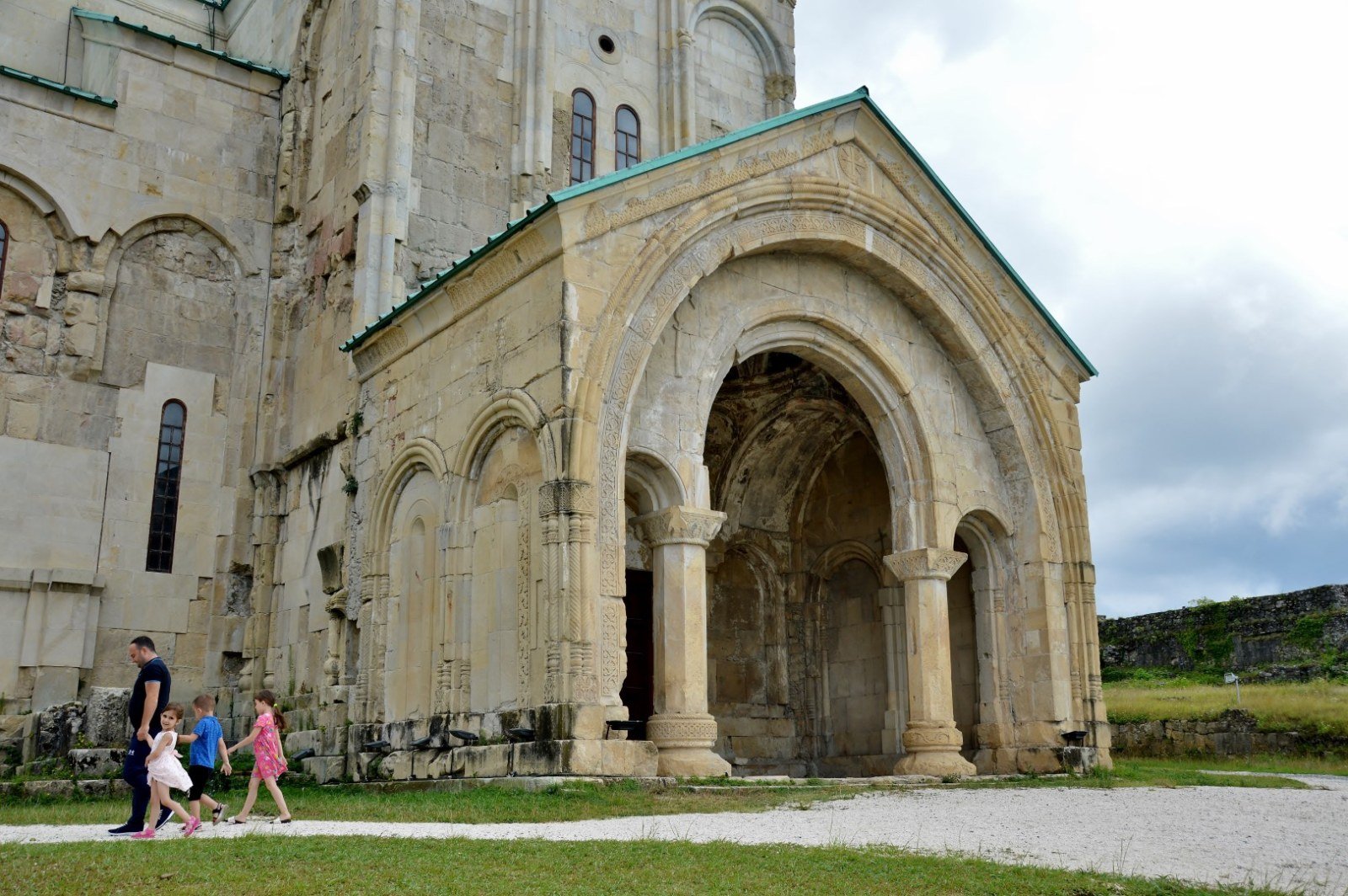
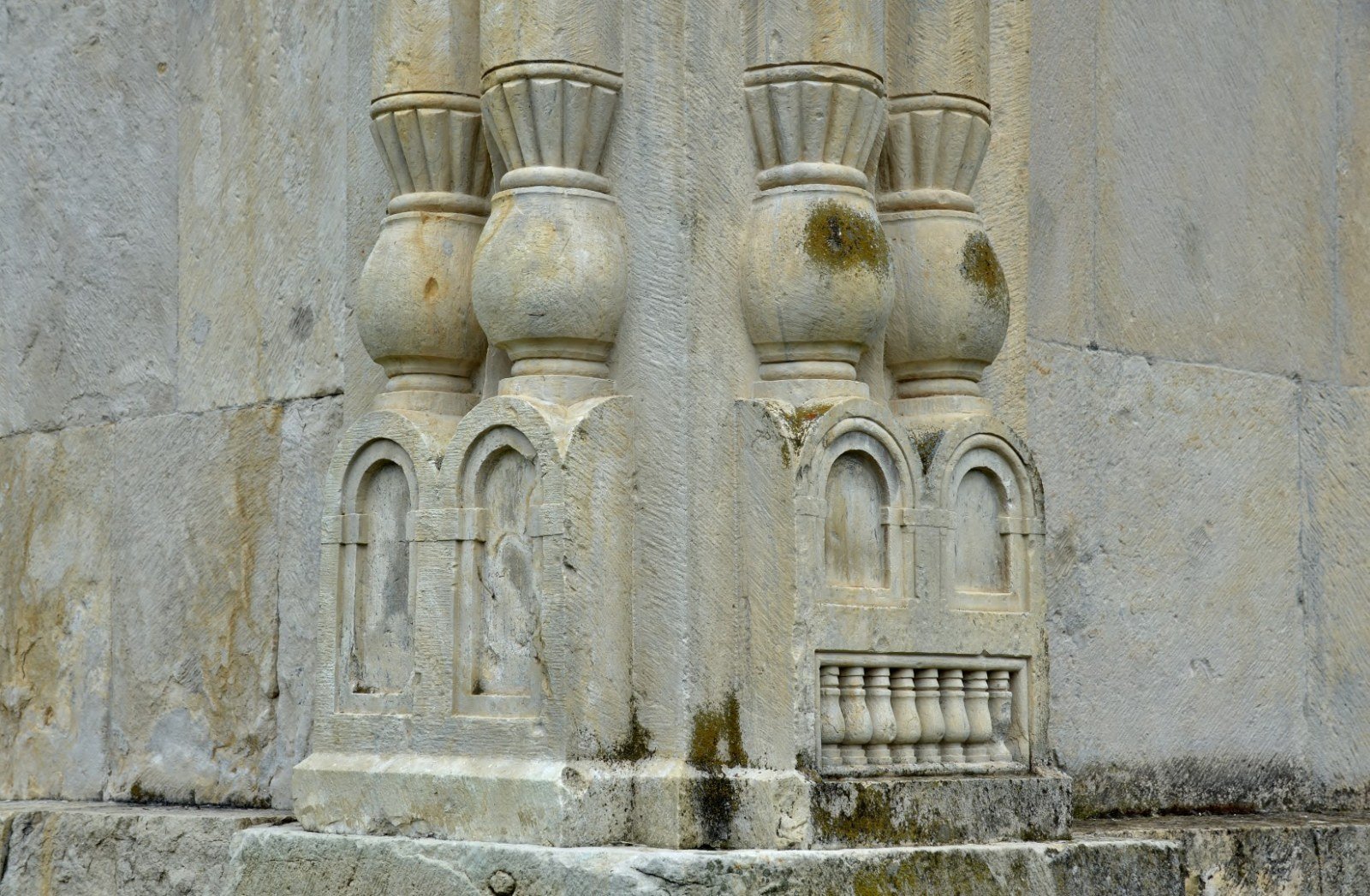
What is worth knowing before arriving is that the building has two clearly distinct layers. The base walls, some columns and the carved reliefs are 11th-century, with the roughness and dark ochre colour of old sandstone. The dome and much of the interior were reconstructed between 2010 and 2012 using contemporary materials: they are lighter, smoother, and the difference is visible without a guide. The UNESCO World Heritage Committee placed the site on its List of World Heritage in Danger in 2010, judging that the intervention compromised the property's authenticity; it was later removed, but the debate about what constitutes restoration versus new construction remains useful for understanding the place.
The compound is active as a Georgian Orthodox church. Entry is free. Walking up from central Kutaisi takes about 15 minutes along shaded paths; a taxi from Davit Aghmashenebeli Street costs less than 5 lari. Gelati Monastery, about 10 km away, pairs well on the same day.
History
Bagrati Cathedral was built in 1003 as a symbol of the power of the unified Georgian kingdom under King Bagrat III, who chose Ukimerioni Hill above Kutaisi as the religious seat of the new monarchy. Bagrat III himself was buried inside the cathedral. In 1692 Ottoman troops blew up the dome with gunpowder, leaving the structure as a monumental ruin for more than three centuries. UNESCO declared the ensemble a World Heritage Site in 1994, together with the nearby Gelati Monastery. Between 2010 and 2012, the government of President Saakashvili carried out a full reconstruction of the dome and interior using modern techniques and materials; the intervention led UNESCO to place the site on its List of World Heritage in Danger until its subsequent removal, and sparked an international debate about the ethical limits of heritage restoration.
What to see & do
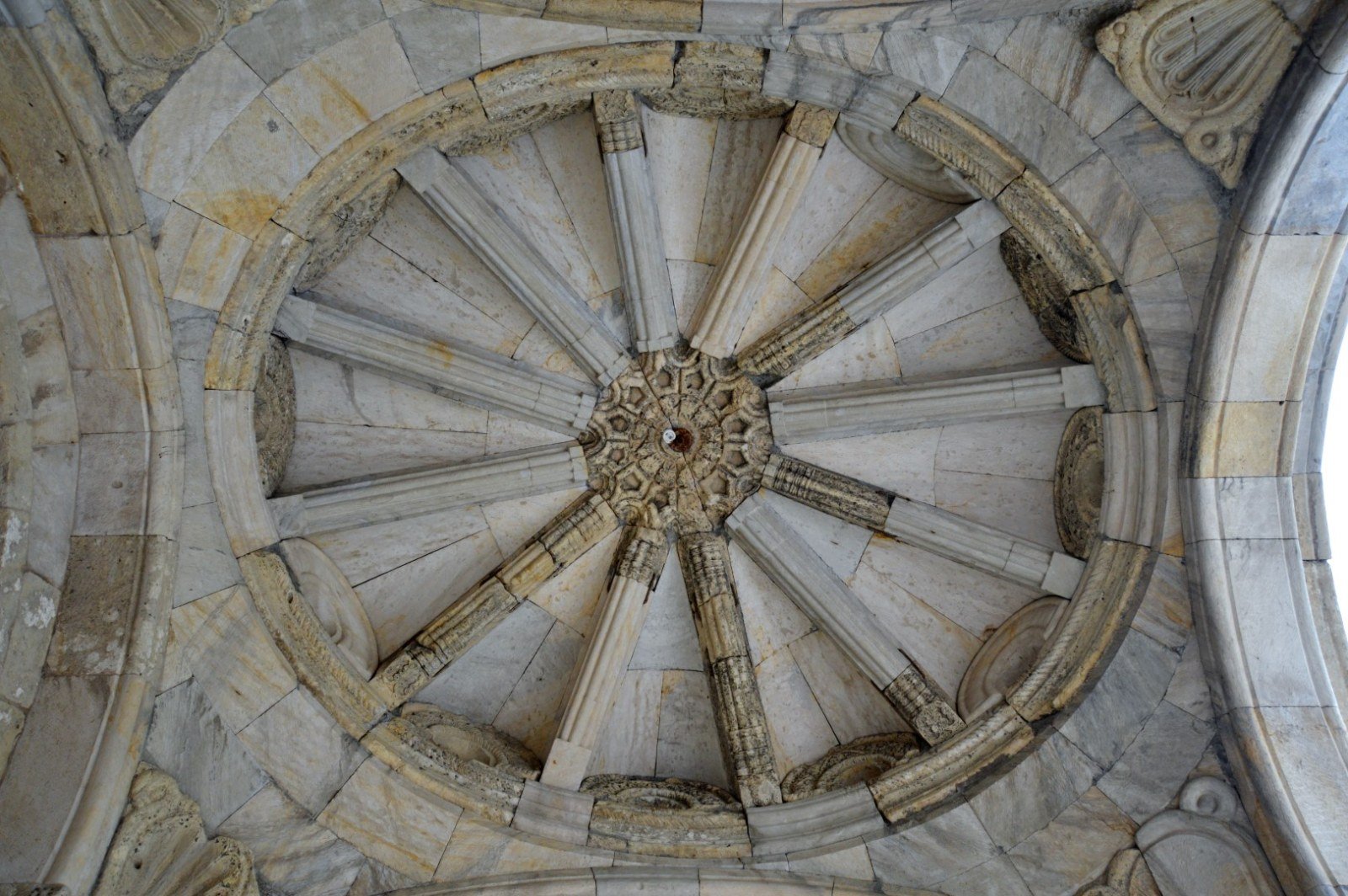
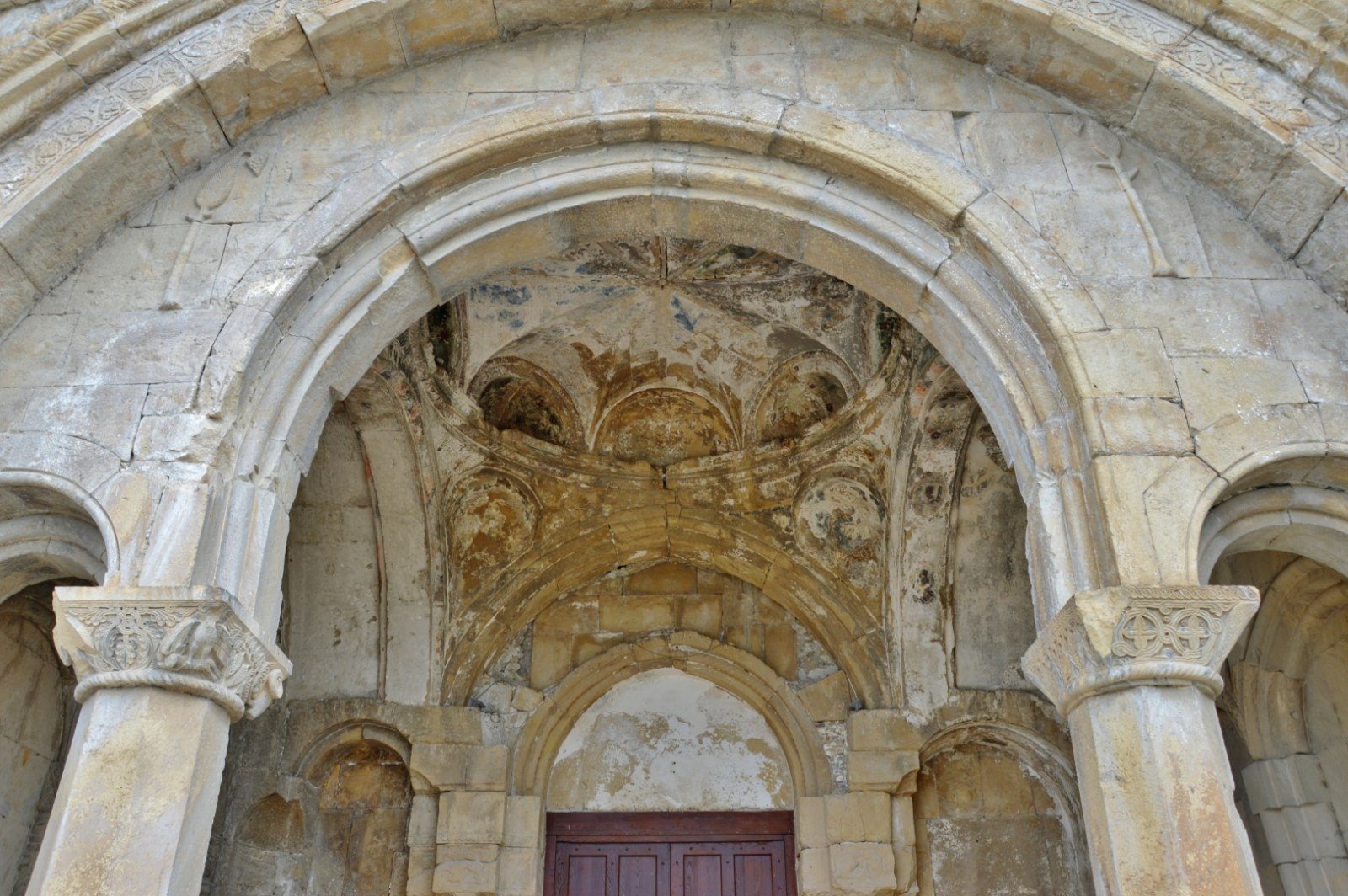
- 11th-century walls and columns The original elements from 1003 are the most valuable part of the ensemble: dark sandstone with carved relief, visible at the base of the walls, the interior pillars and some exterior sections. They are clearly distinguishable from the restoration material, which is lighter and more uniform.
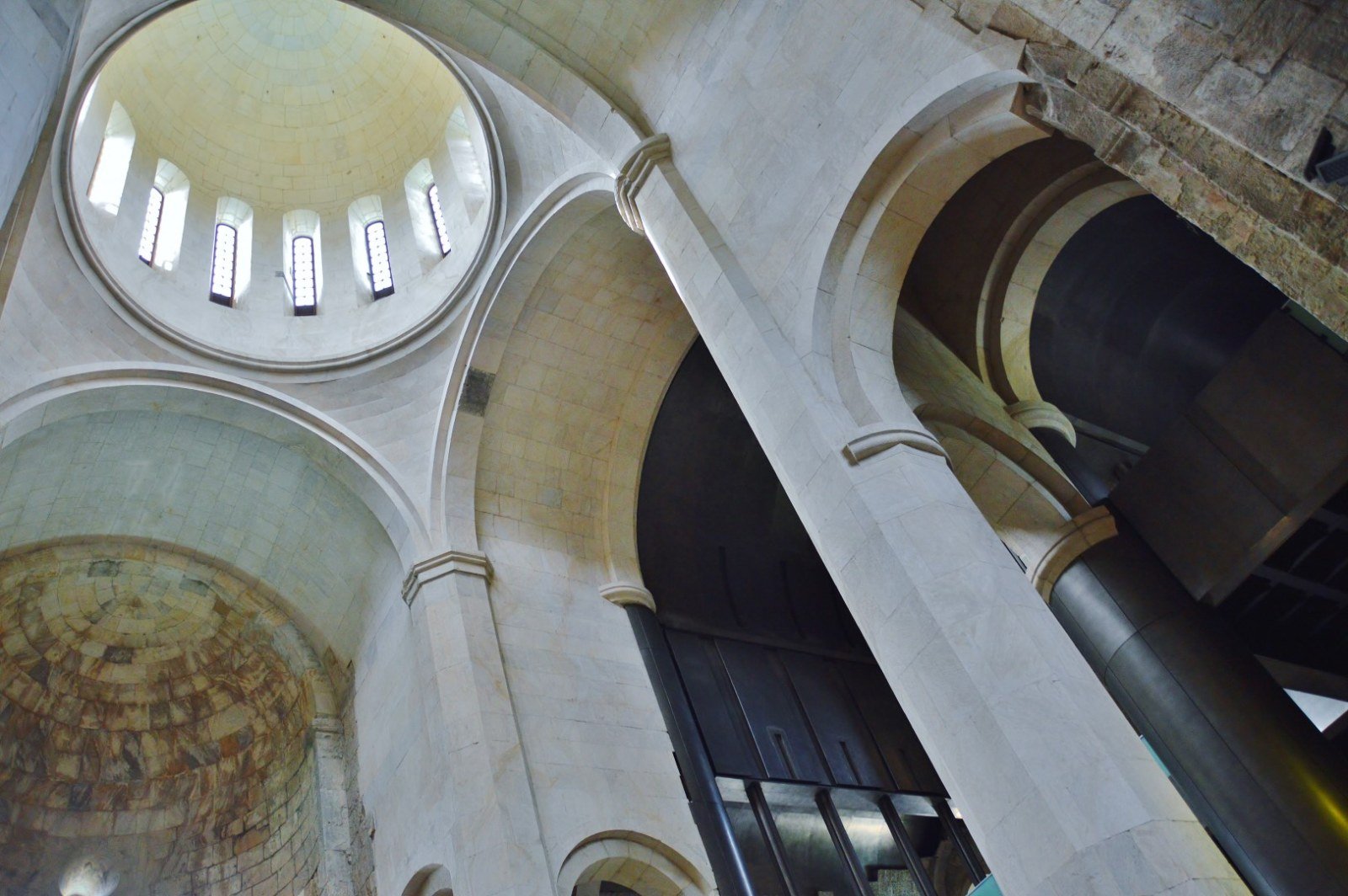
- Reconstructed dome The new dome allows one to read the scale the original cathedral must have had; the height from inside is considerable. It also serves as a living document of the debate between conservation and reconstruction.
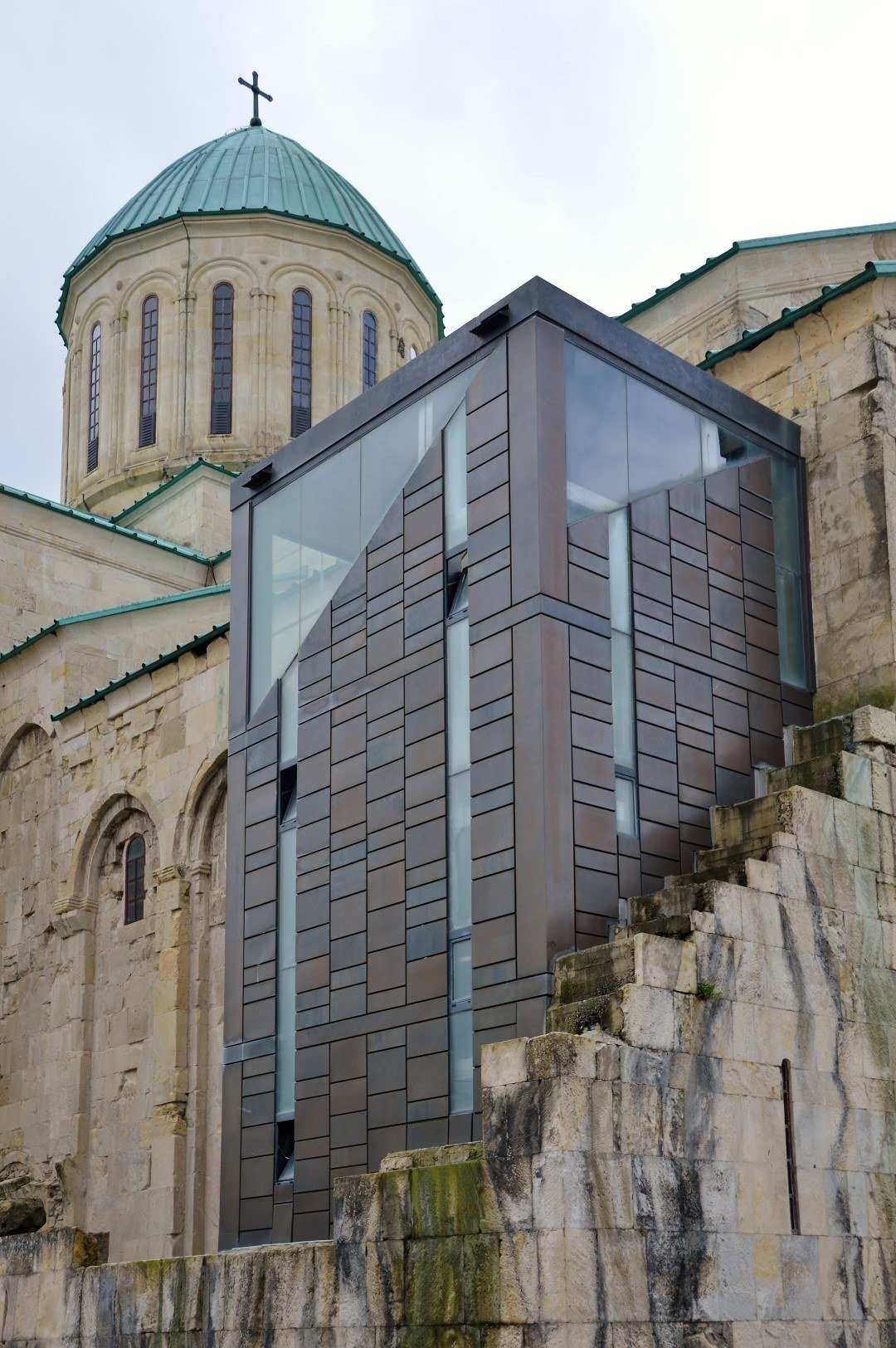
- 2012 metal and glass addition The contemporary addition on the northwest flank is the most controversial element: a metal and glass structure that some visitors find jarring and others consider honest in its declared modernity.
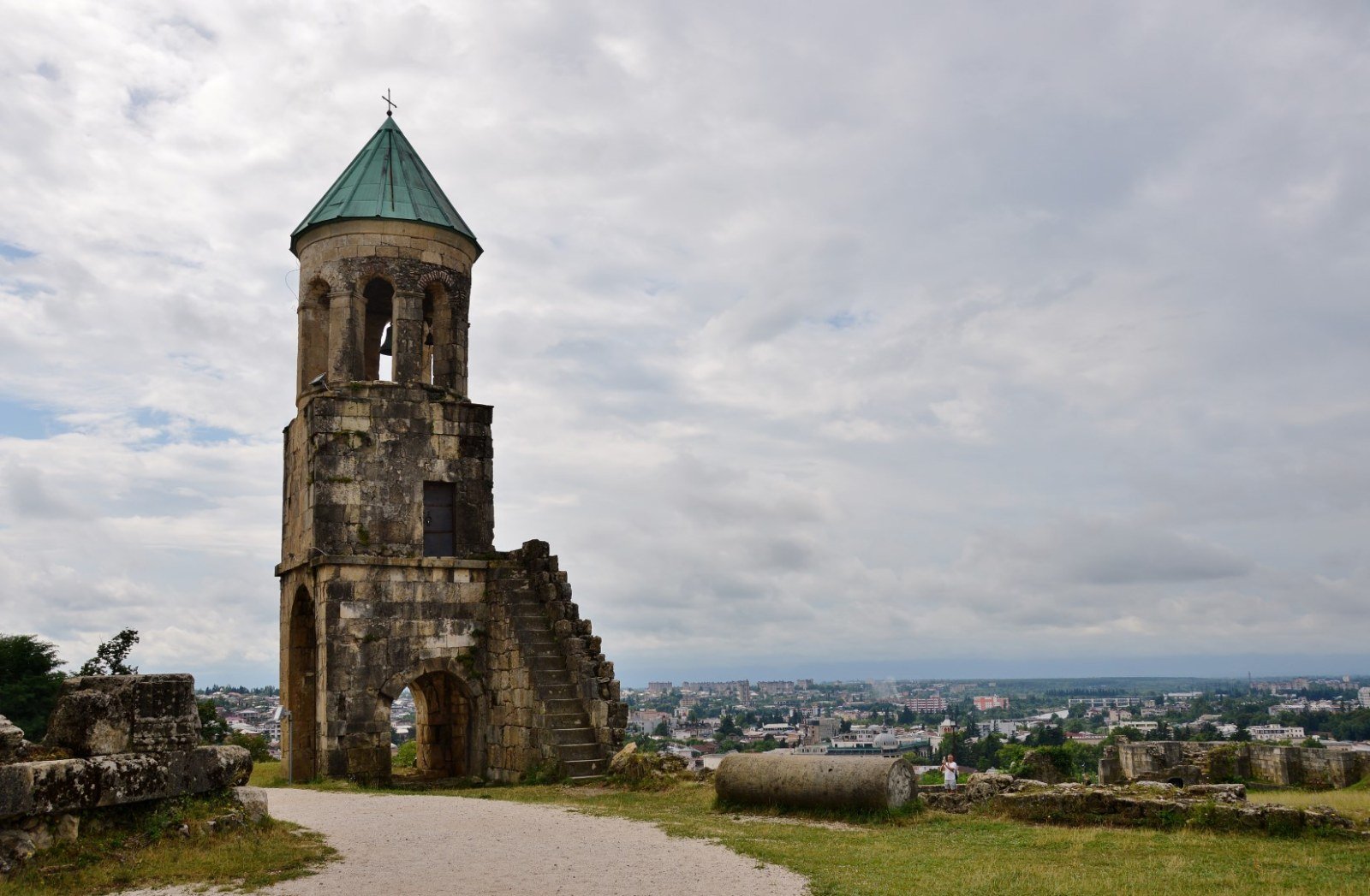
- Esplanade with views over the Rioni River The outer terrace offers a panorama over the Rioni River, the bridges of Kutaisi and the first foothills of the Caucasus to the north. At sunset the light over the lower city is good for photography.
- Lapidary and archaeological remains Fragments of medieval sculpture, capitals and original architectural elements are arranged outside the compound with no case or protection; they can be examined up close.
- Ukimerioni Hill The path up on foot crosses untended gardens with partial views over the city; it is a short but steep walk that rewards a slow pace.
Photo gallery


How to get there
Kutaisi has an international airport with low-cost European flights. From Tbilisi there are trains (about 5 hours) and marshrutkas (about 4 hours from Didube station). Bagrati Cathedral is about 15 minutes on foot uphill from central Kutaisi, or under 5 lari by taxi. Gelati Monastery is about 10 km away and can be combined on the same day.
Best time to visit
Kutaisi is visitable year-round. Spring (April–June) and autumn (September–October) offer temperatures of 15–25 °C and moderate rainfall, ideal for walking up Ukimerioni Hill. Summer is warm and humid without the extremes of eastern Georgia. In winter the cathedral is accessible, but the path up can become slippery with ice; sturdy footwear is advisable.
More information
Photo: Iberogeorgia · proprietary