
Alaverdi
Ալավերդի
Industrial city in northern Armenia wedged into the Debed River canyon, gateway to the UNESCO monasteries of Sanahin and Haghpat.
Location in the Caucasus
Description
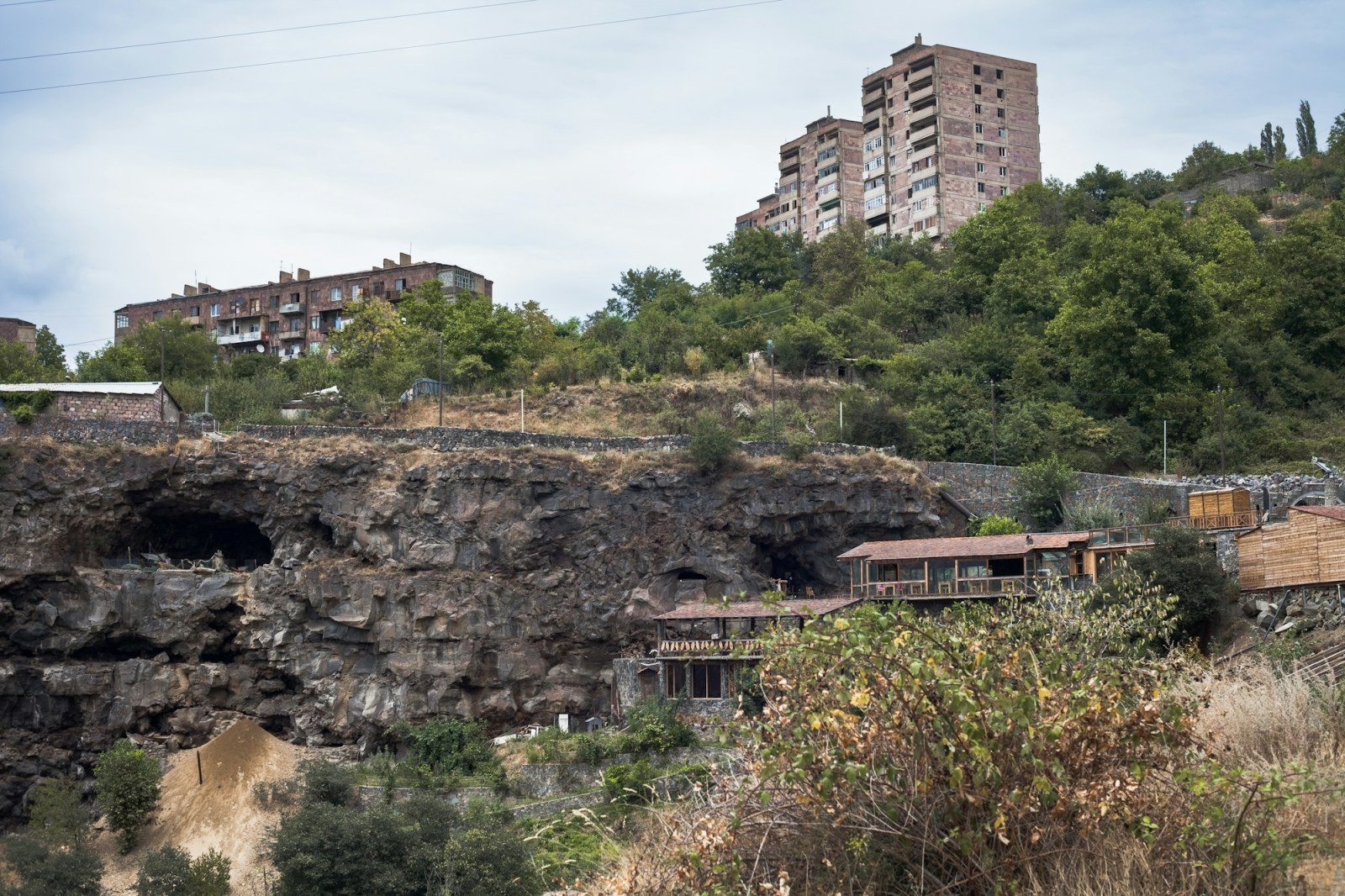
Alaverdi occupies the floor of a deep canyon in northern Armenia, where beech and oak-covered slopes drop almost vertically to the Debed River. The chimney of the old copper smelter is visible from anywhere in the centre and says a great deal about the character of the place before you even step out of the car. On autumn foggy days, the Soviet blocks lining the river are wrapped in thick mist that makes the city feel more intense than it looks in photographs.
Alaverdi was built for mining and metallurgy, and that industrial DNA shows: Soviet-era grid streets, functional unornamented buildings, sparse shops and an afternoon that fades early. The economy found no clear substitute after the partial closure of the smelter, and the population has fallen since 1991. None of that bothers the curious traveller; the relative quiet is, in fact, part of the appeal.
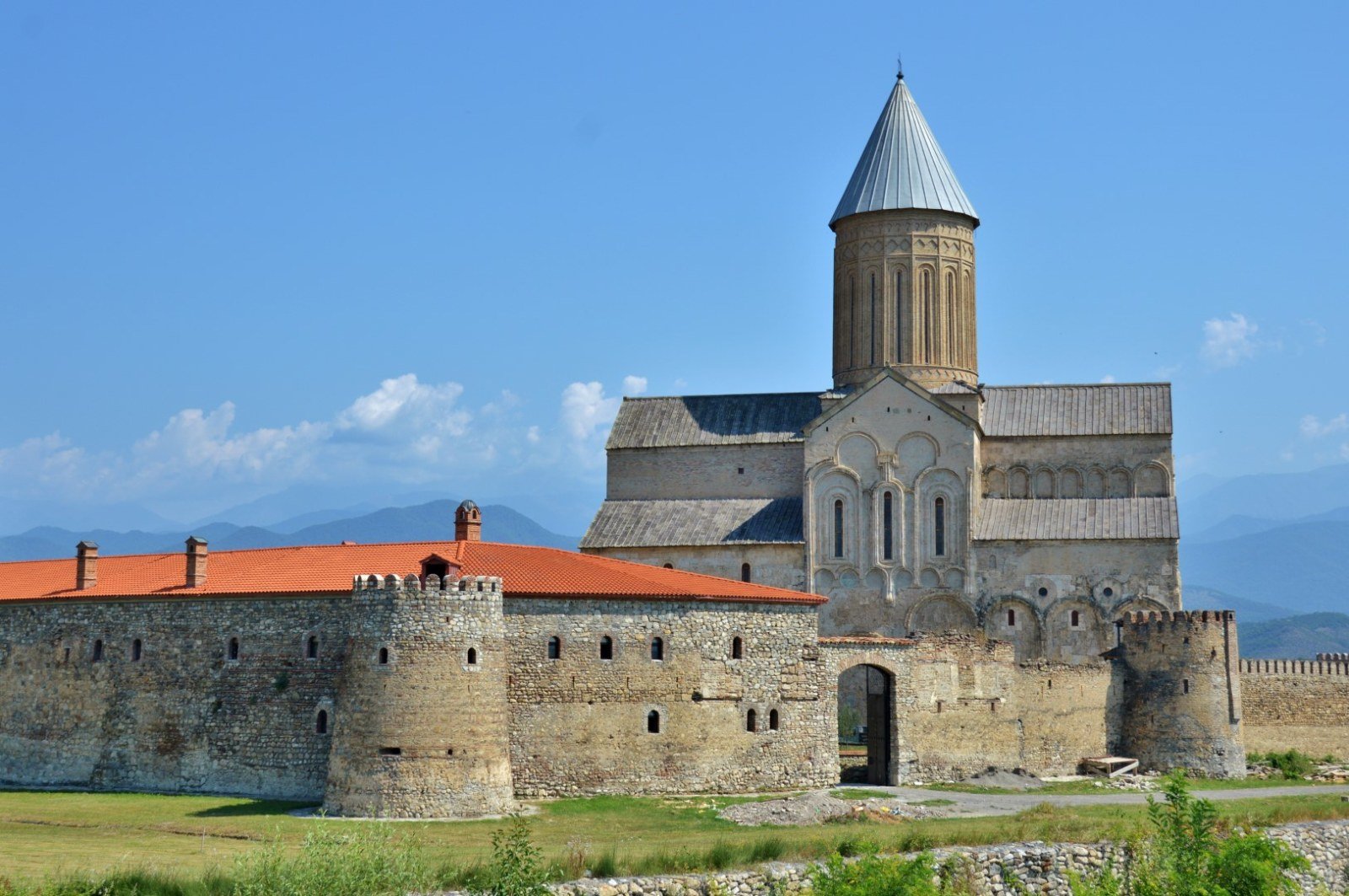
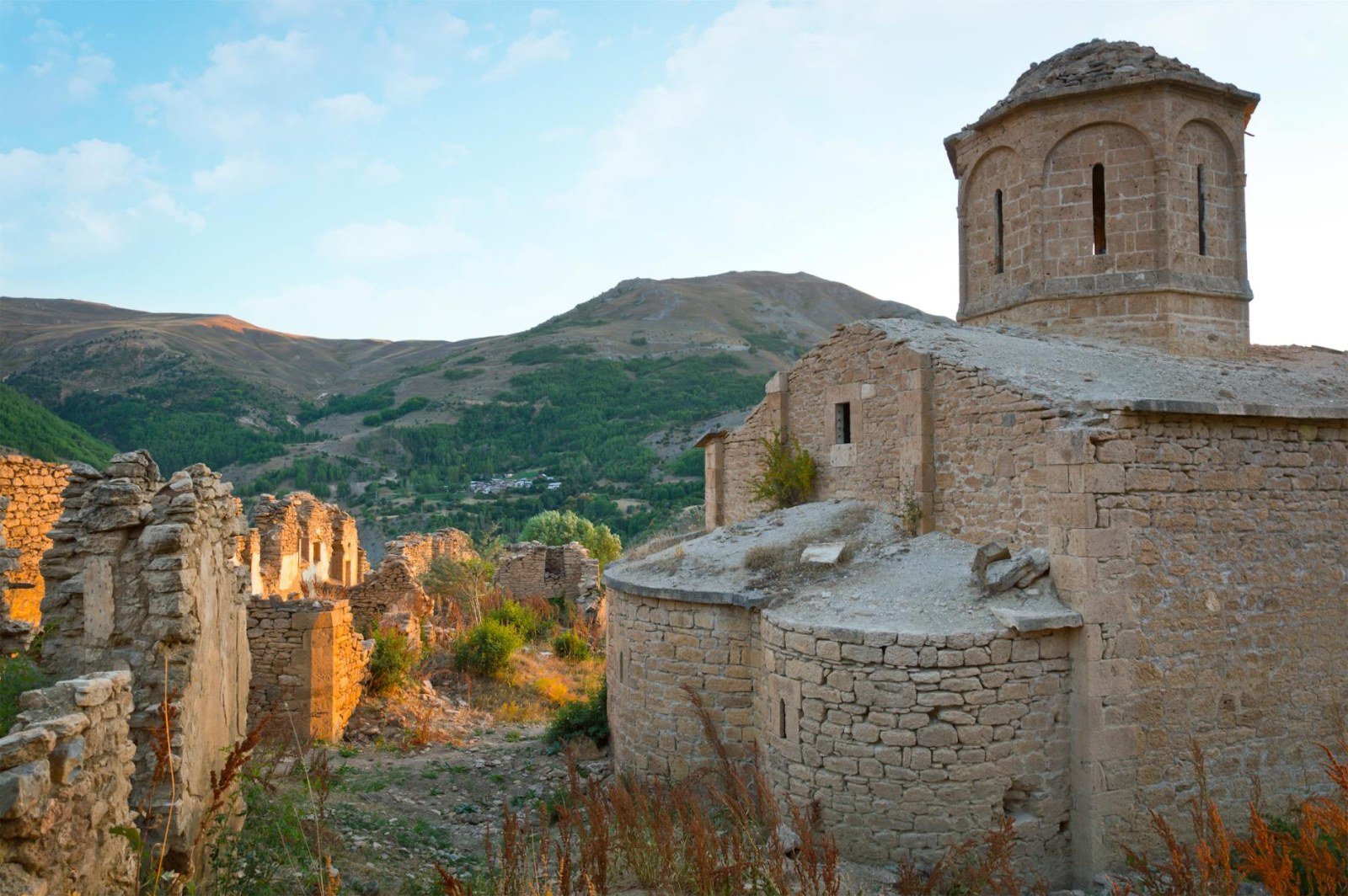
What draws people here are the monasteries: Sanahin and Haghpat, both UNESCO World Heritage Sites, are less than 5 km away and can comfortably be visited in a single day. The Debed Canyon also offers poorly signposted but perfectly walkable hiking routes in spring and autumn, with stretches of forest where barely any light penetrates.
History
The copper-rich subsoil of the Debed Canyon attracted settlers since antiquity. In the 10th century, the monasteries of Sanahin and Haghpat turned the region into a spiritual and intellectual centre of medieval Armenia, with scriptoria and theology schools that trained generations of clergy and architects. The industrial transformation came with the Russian administration in the late 19th century: the copper smelter and the railway linking the canyon to Tbilisi were built, turning Alaverdi into a thriving workers' hub. The Soviet era consolidated that industrial identity; the collapse of the USSR in 1991 brought a decline in production and sustained emigration that halved the population.
What to see & do
- Sanahin Monastery About 3 km from the centre, this 10th-century complex has two main churches, a gavit — an Armenian covered narthex — and a medieval library. The khachkars in the adjacent cemetery are among the most elaborate in Armenia. Free admission; local guides available informally.
- Haghpat Monastery 5 km away, also declared a UNESCO World Heritage Site alongside Sanahin. Its cathedral church has tall vaults of dark volcanic stone and a freestanding bell tower dominating the complex. The interior acoustics are remarkable.
- Alaverdi Cable Car Connects the canyon floor to the upper Sanahin neighbourhood; the cabins offer direct views over the Debed River and the rusty sheet-metal rooftops. Runs irregularly — worth asking at the hotel the evening before.
- Debed Canyon The river and its tributaries form a system of forested gorges with informal trails linking the two monasteries. In spring the ground is carpeted with anemones; in autumn the forest turns ochre and red.
- Old copper smelter The industrial facilities are visible from the centre of Alaverdi and provide context for the city's working-class past. No organised visits inside, but the landscape of chimneys against the forest deserves a moment's attention.
Photo gallery
How to get there
Alaverdi is about 170 km north of Yerevan, between 2.5 and 3 hours by car along the M6 motorway. Daily buses depart from Yerevan's Northern Bus Station. The Yerevan–Tbilisi train stops at Alaverdi. From Tbilisi it is about 160 km along the road entering Armenia via the Bagratashen crossing; the border crossing is usually swift for European citizens.
Best time to visit
Spring — April to June — is the most comfortable time: the forests of the Debed Canyon are in full green and temperatures hover around 15–22 °C. Autumn, between September and October, colours the slopes ochre and red with fewer visitors than in spring. Summer is humid and stuffy on the canyon floor. Winter can bring snow and fog that cuts the light for several days running; the monasteries of Sanahin and Haghpat remain open, but access can become complicated.