
Akhaltsikhe
ახალციხე
City in southern Georgia dominated by the medieval Rabati Fortress and base for the cave monastery of Vardzia.
Location in the Caucasus
Description
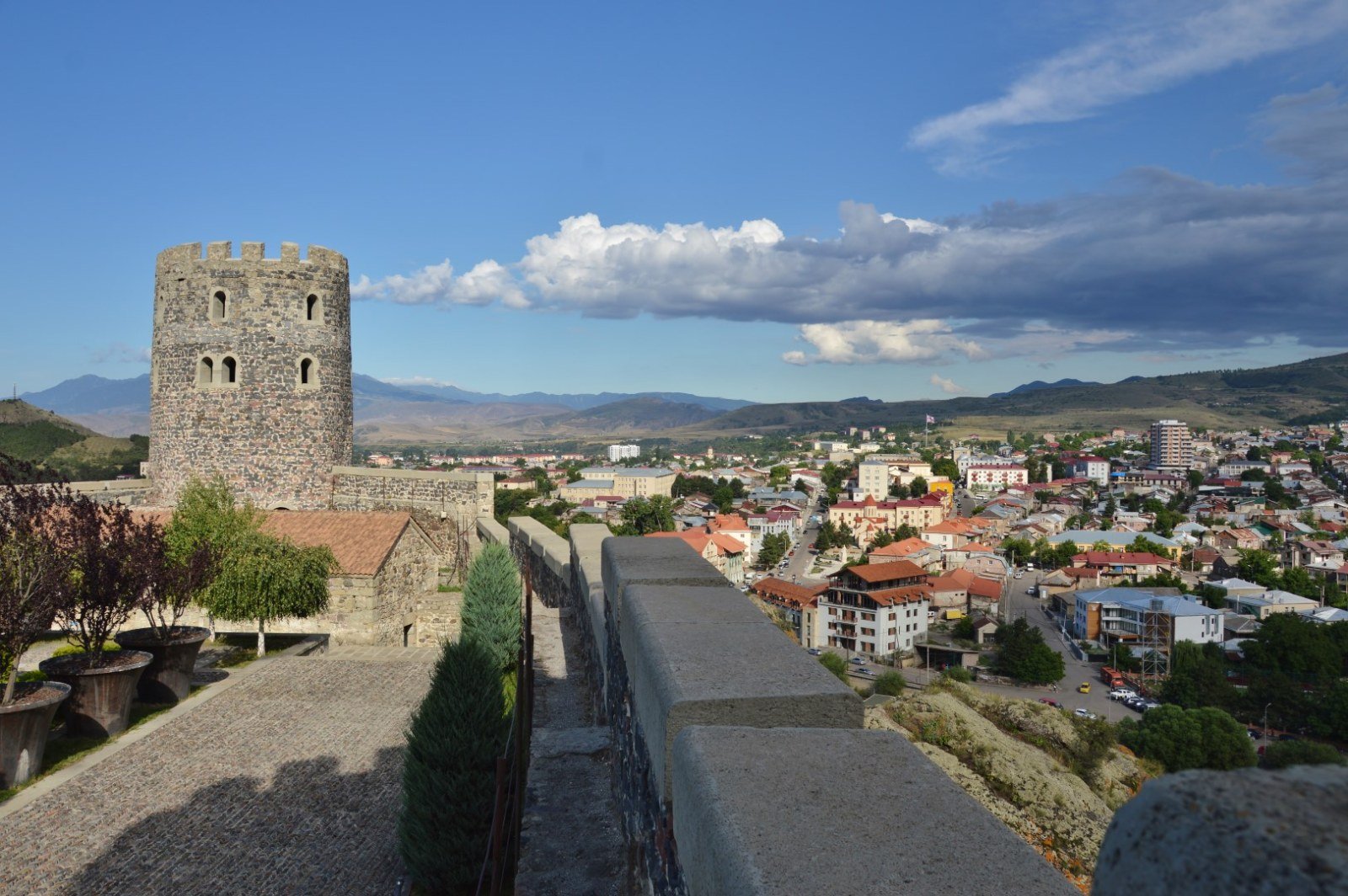
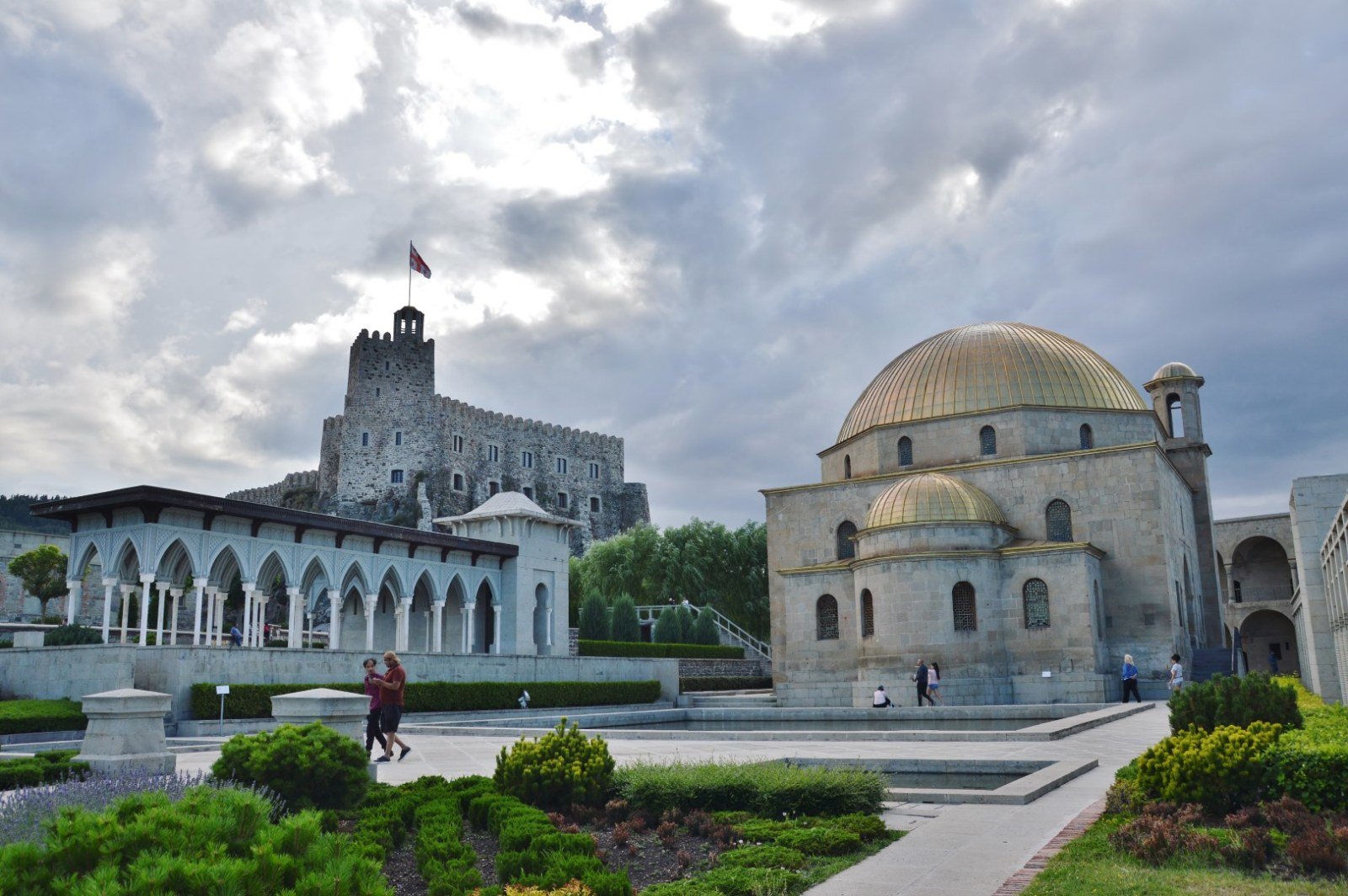
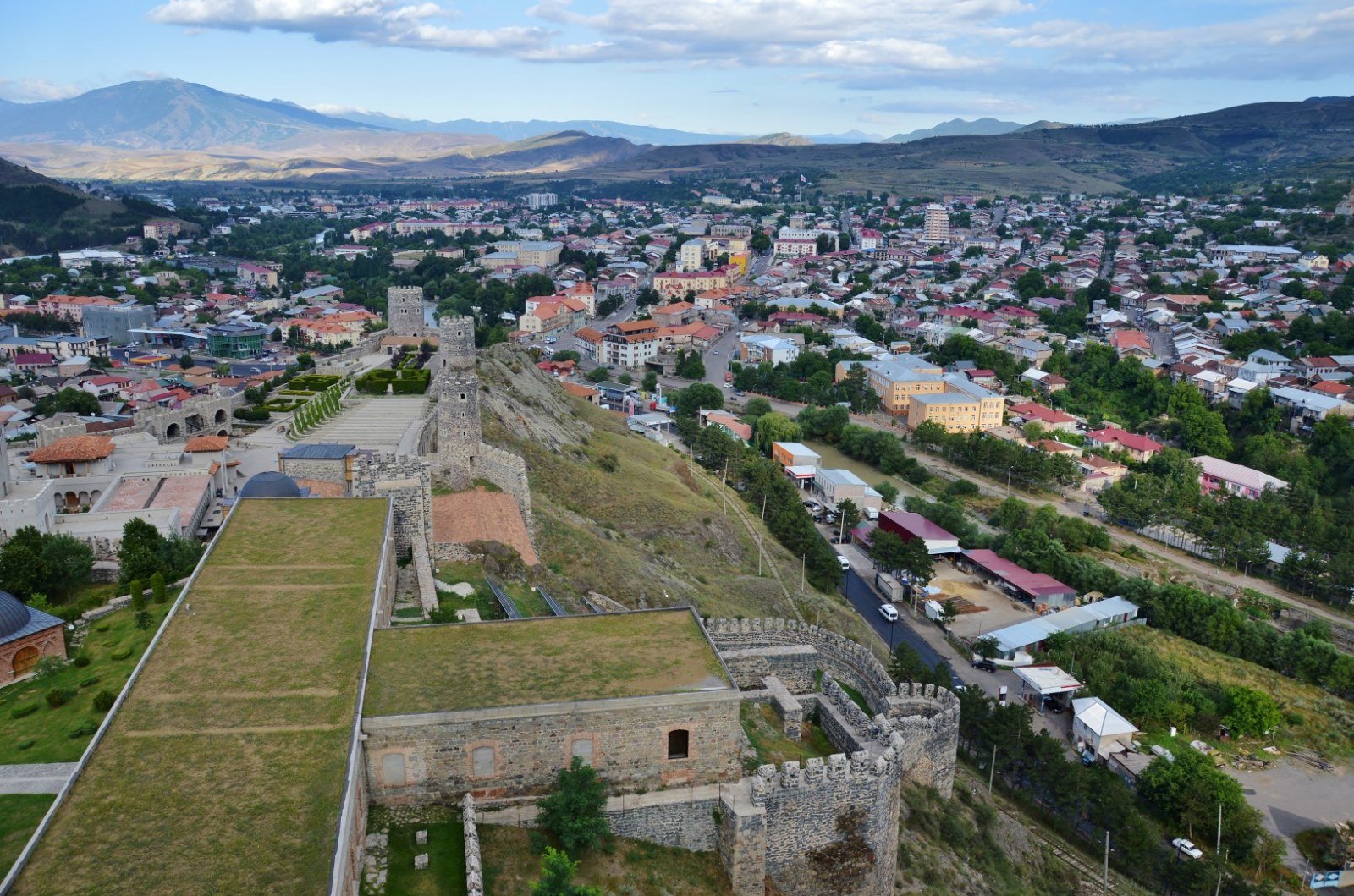
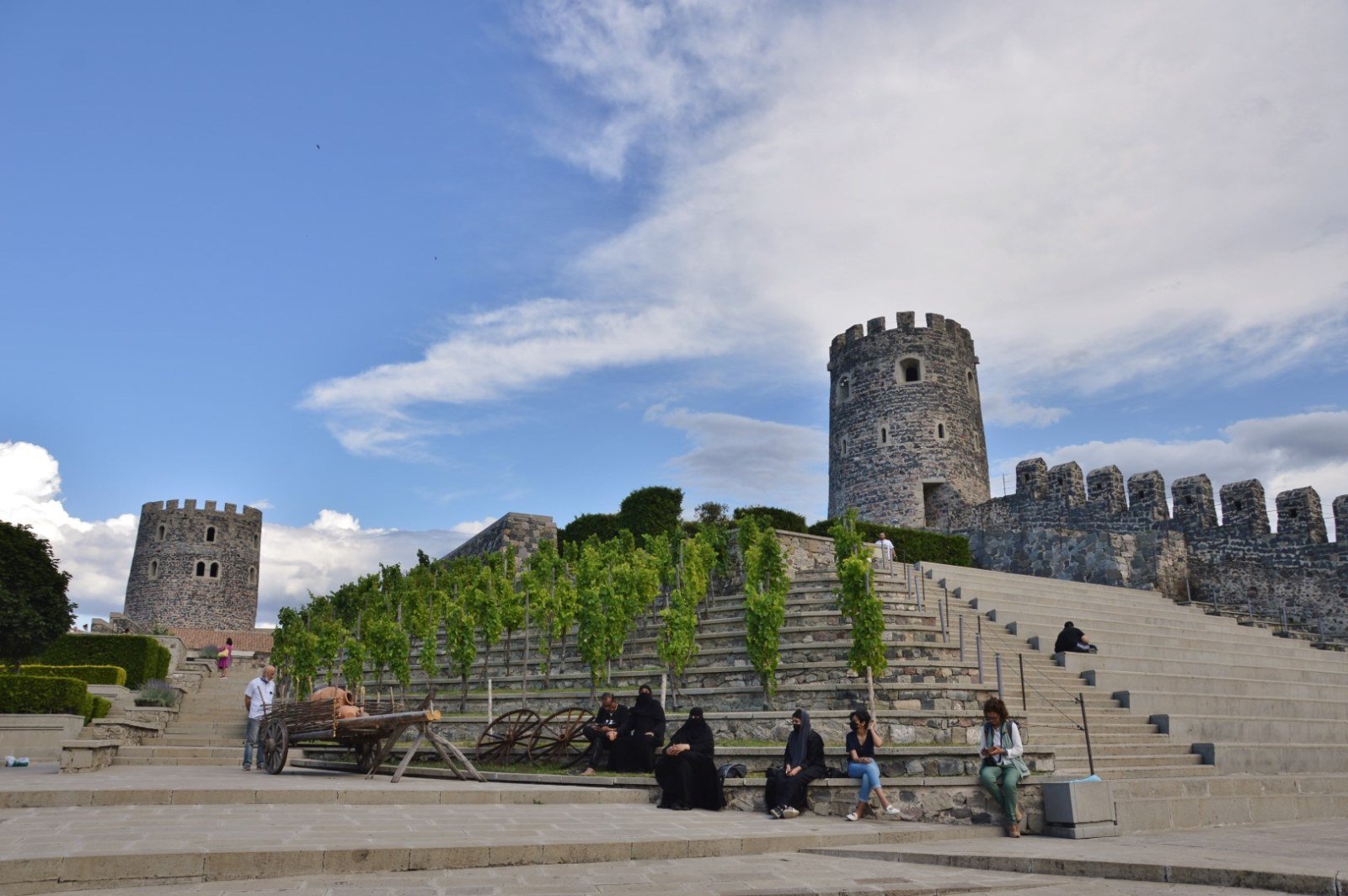
Akhaltsikhe sits in the valley of the Potskhovi River, surrounded by dry hills that are blanketed in snow for weeks each winter. The city has the unhurried pace of a provincial capital: a covered market piled with spices, homemade adjika and sulguni cheese, somewhat worn brick-built streets and few tourists aside from those passing through en route to Vardzia. What breaks that tone is the Rabati Fortress, which occupies the central hill and can be seen from almost anywhere in the valley.
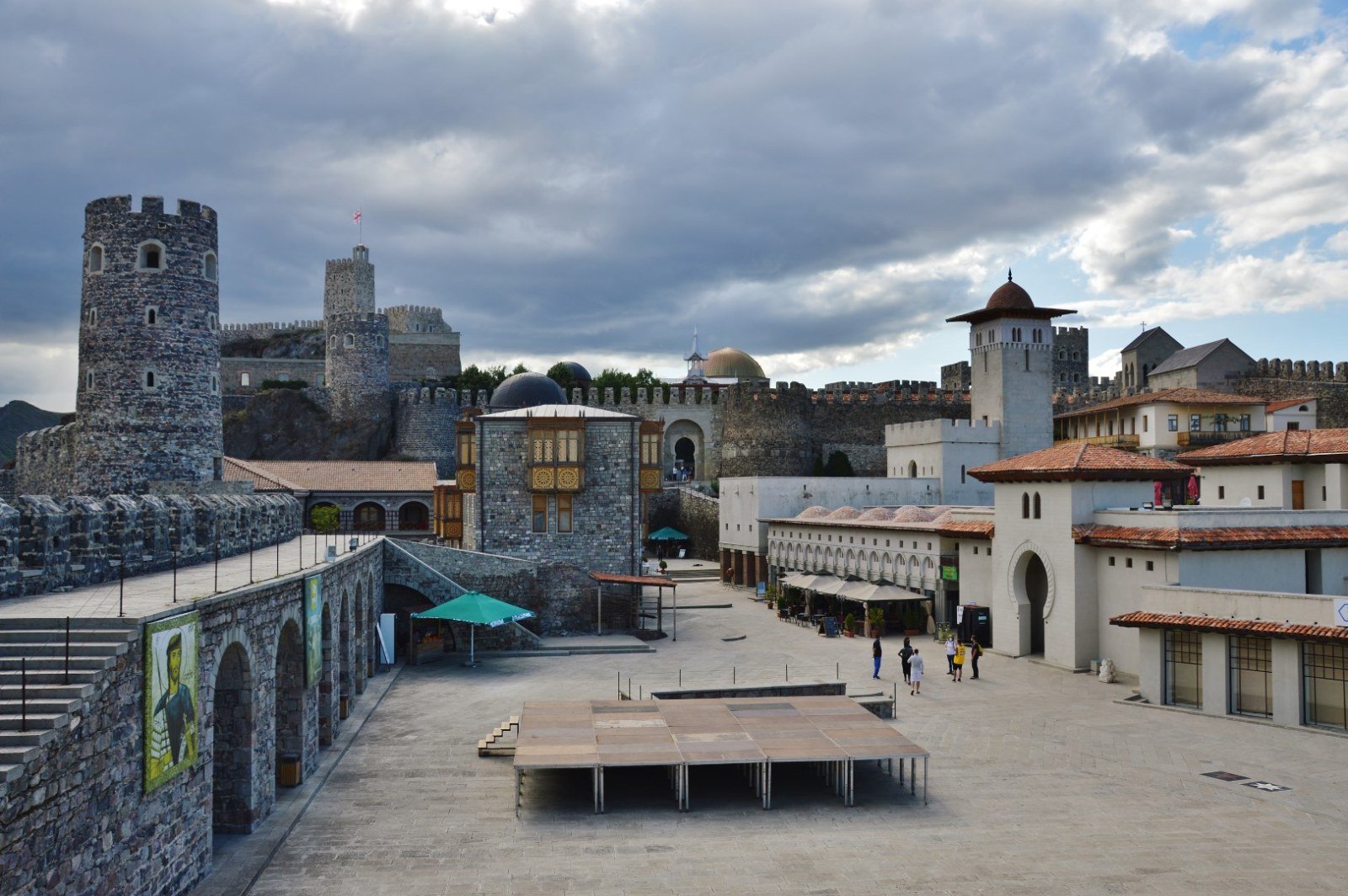
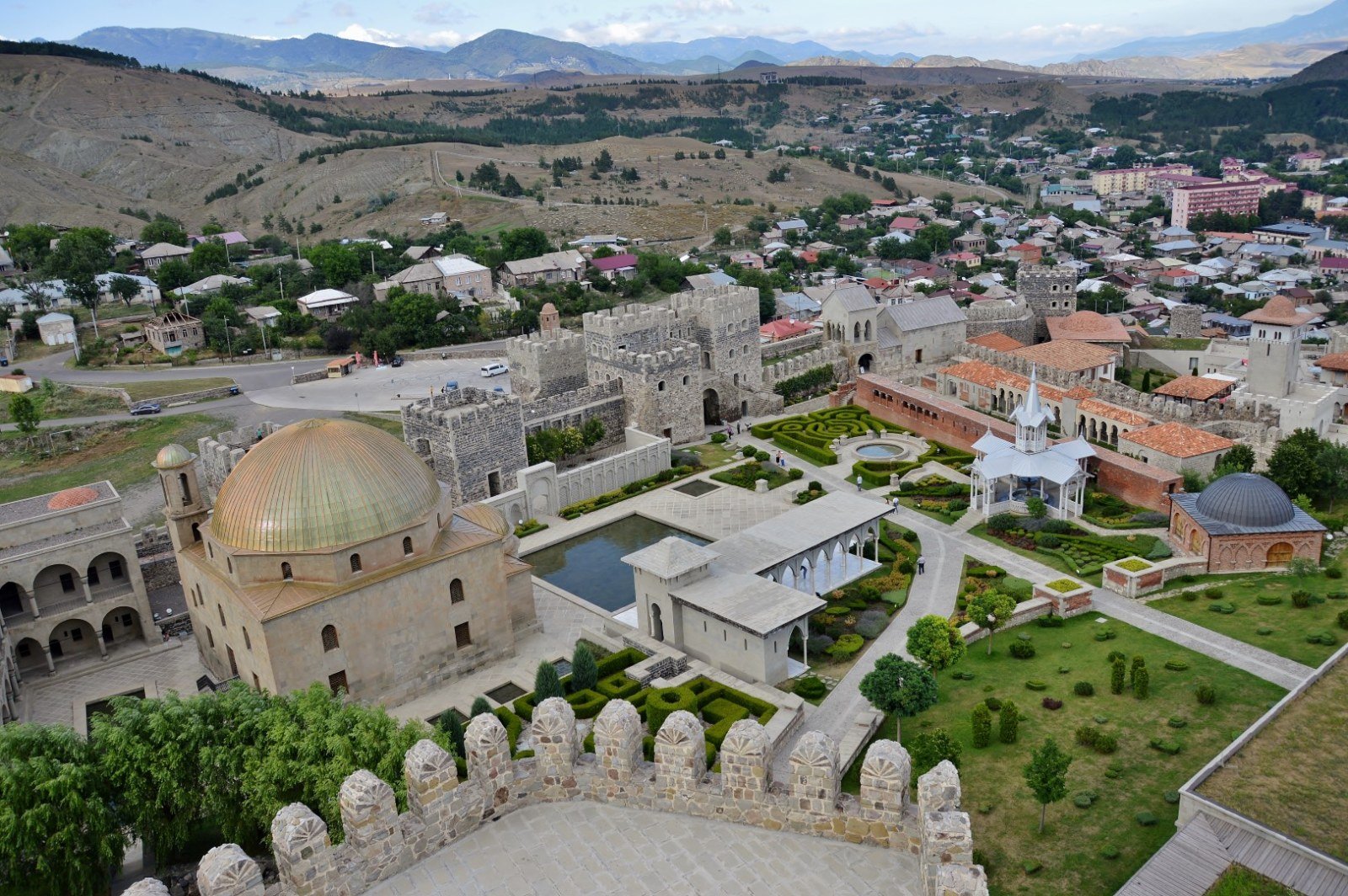
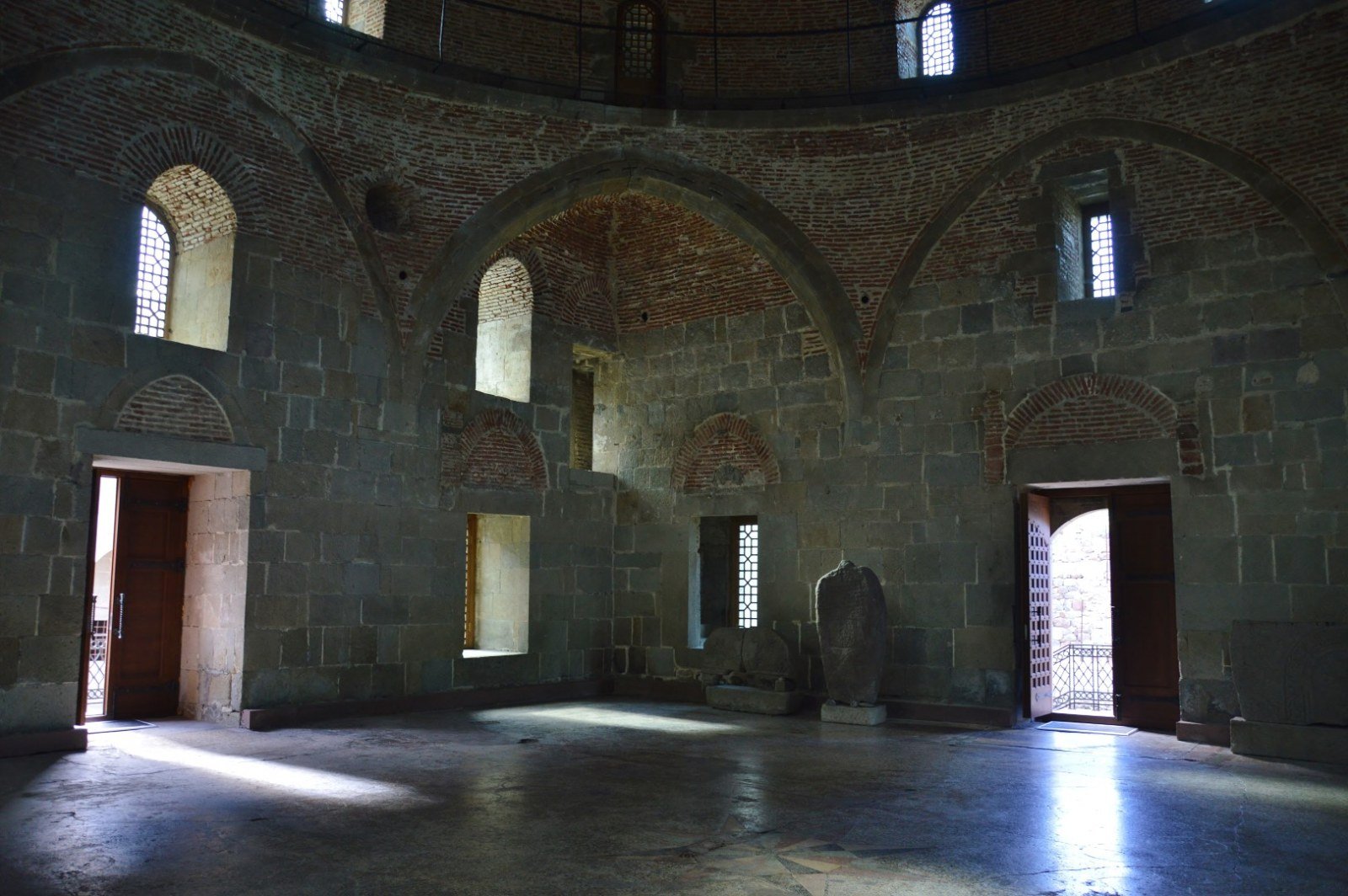
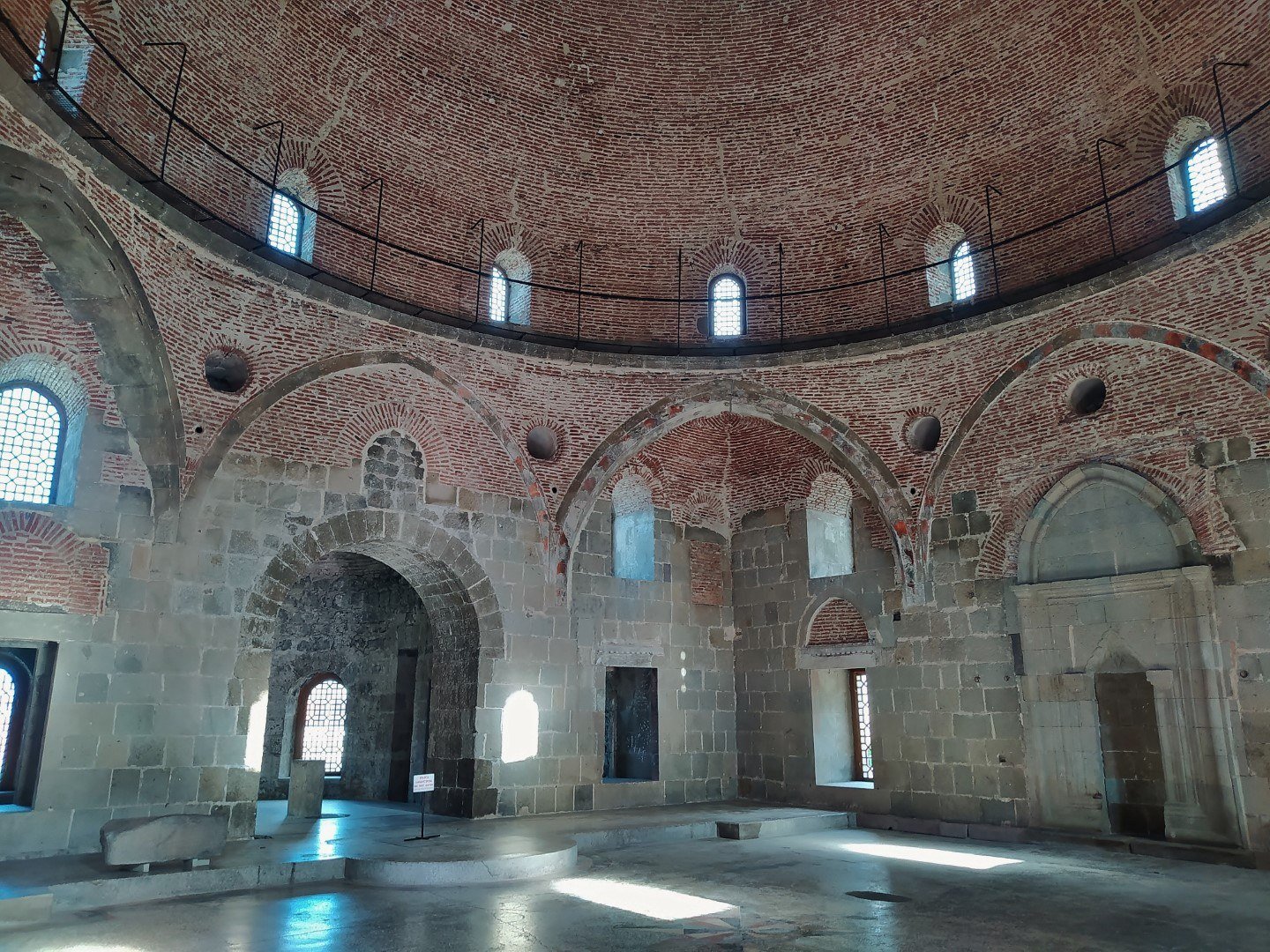
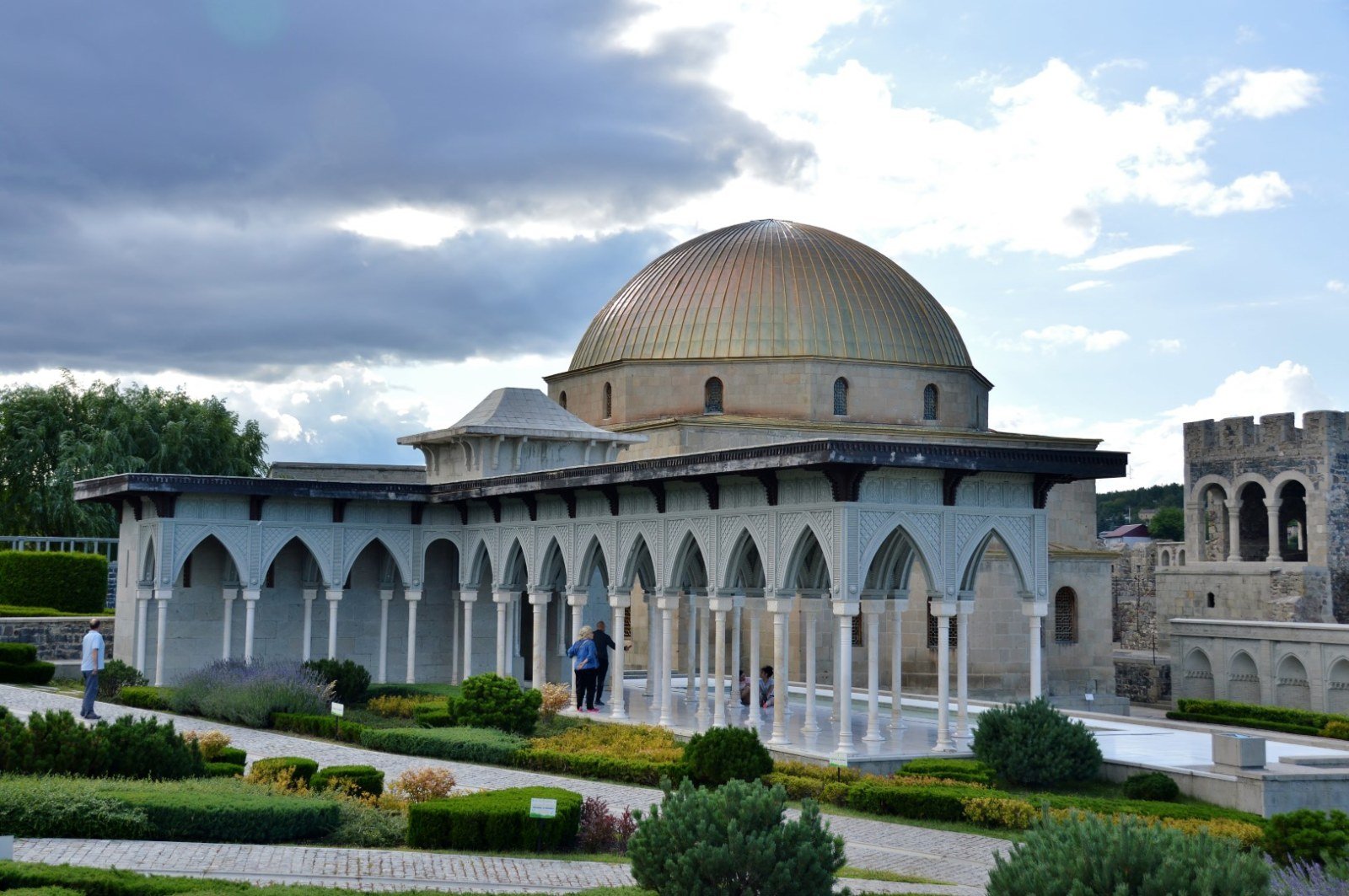
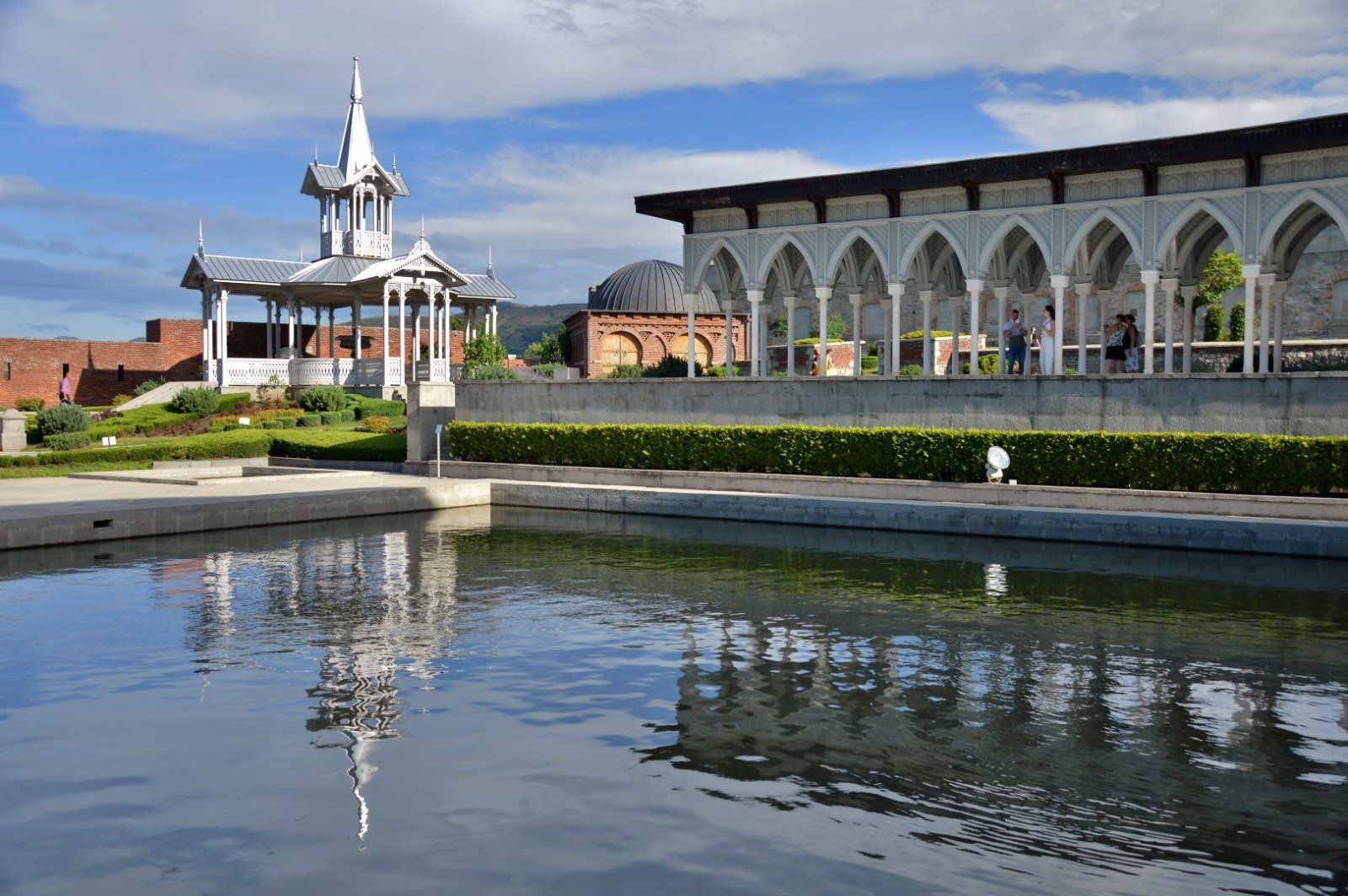
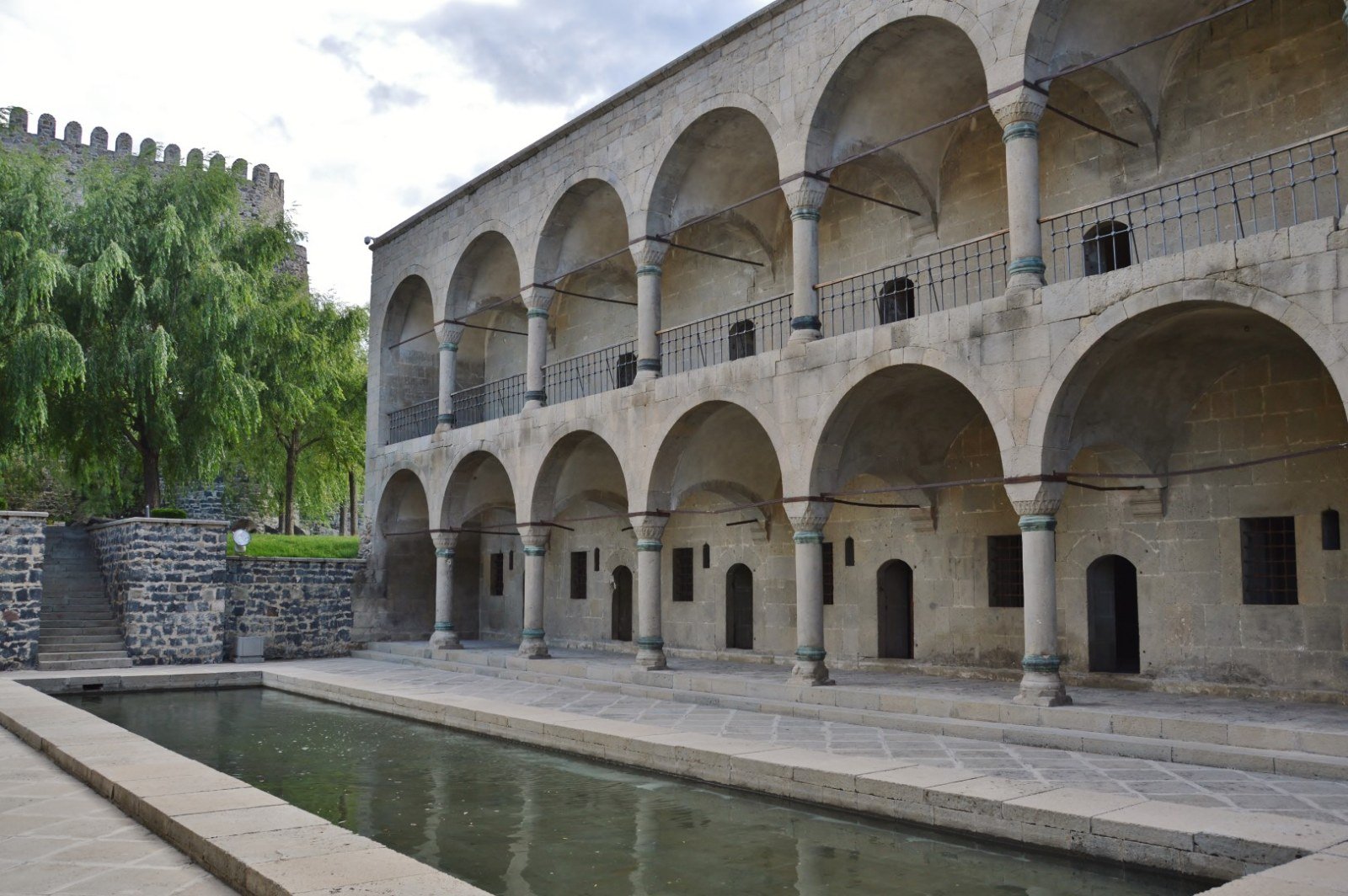
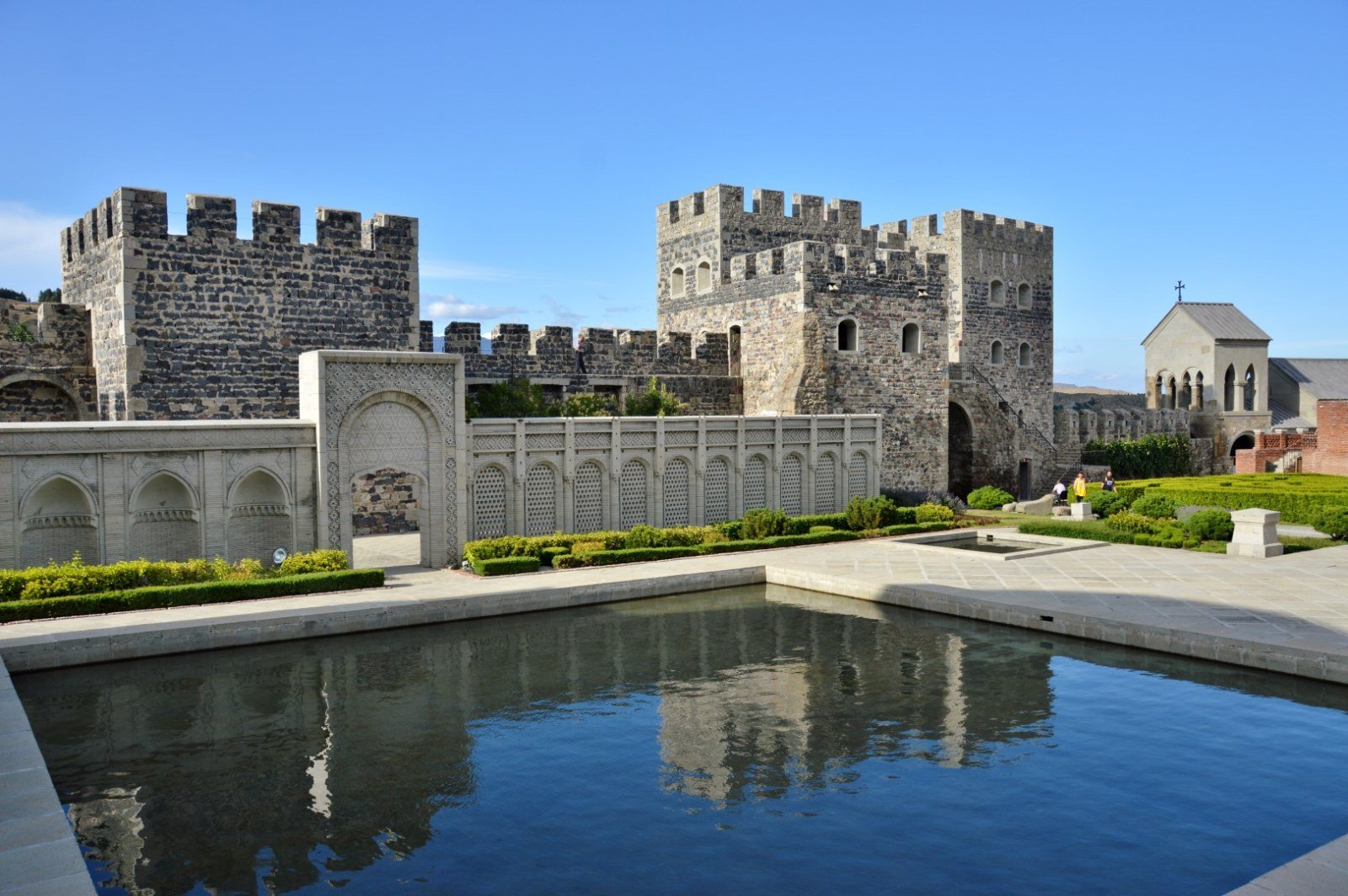
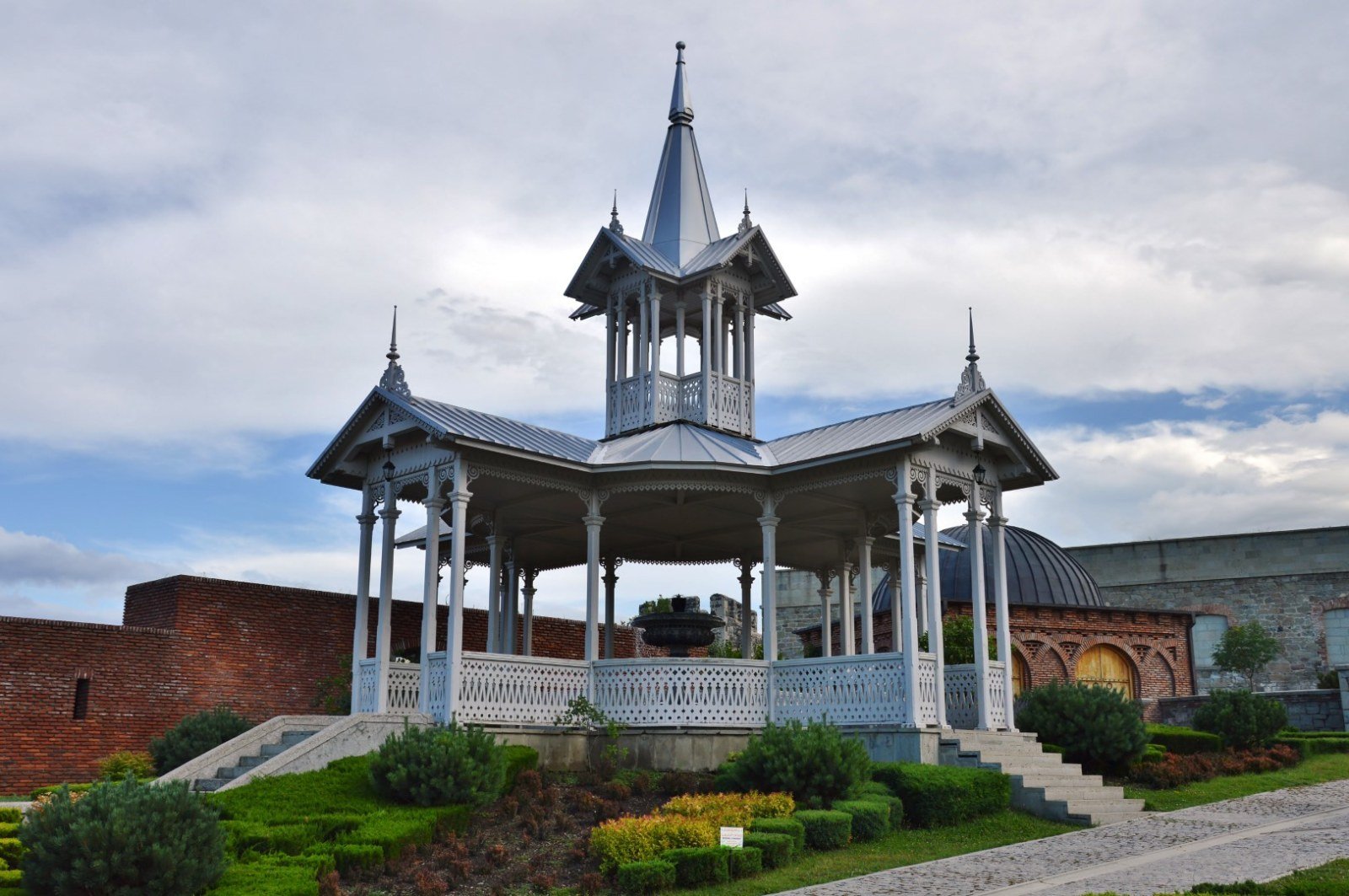
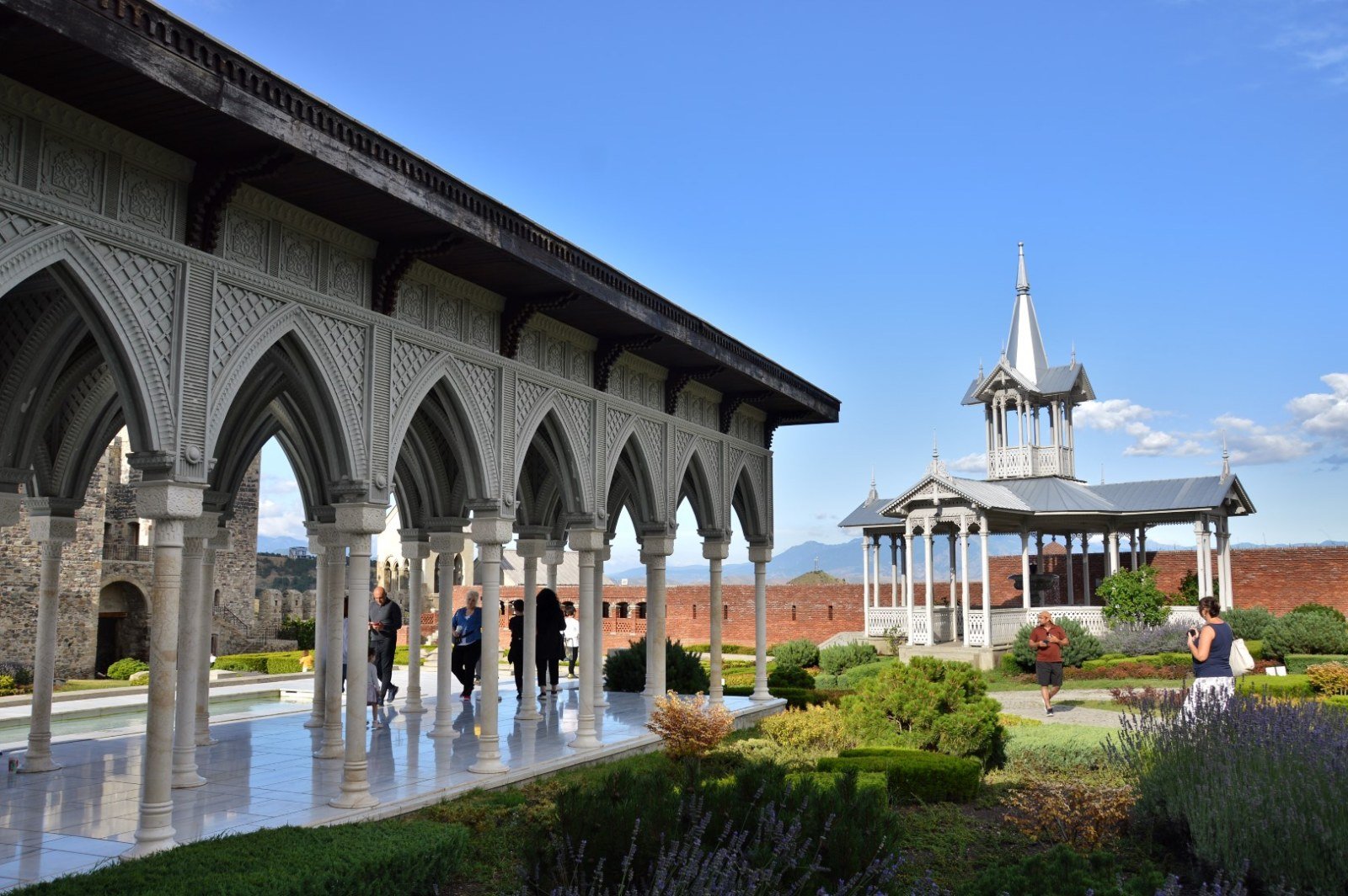
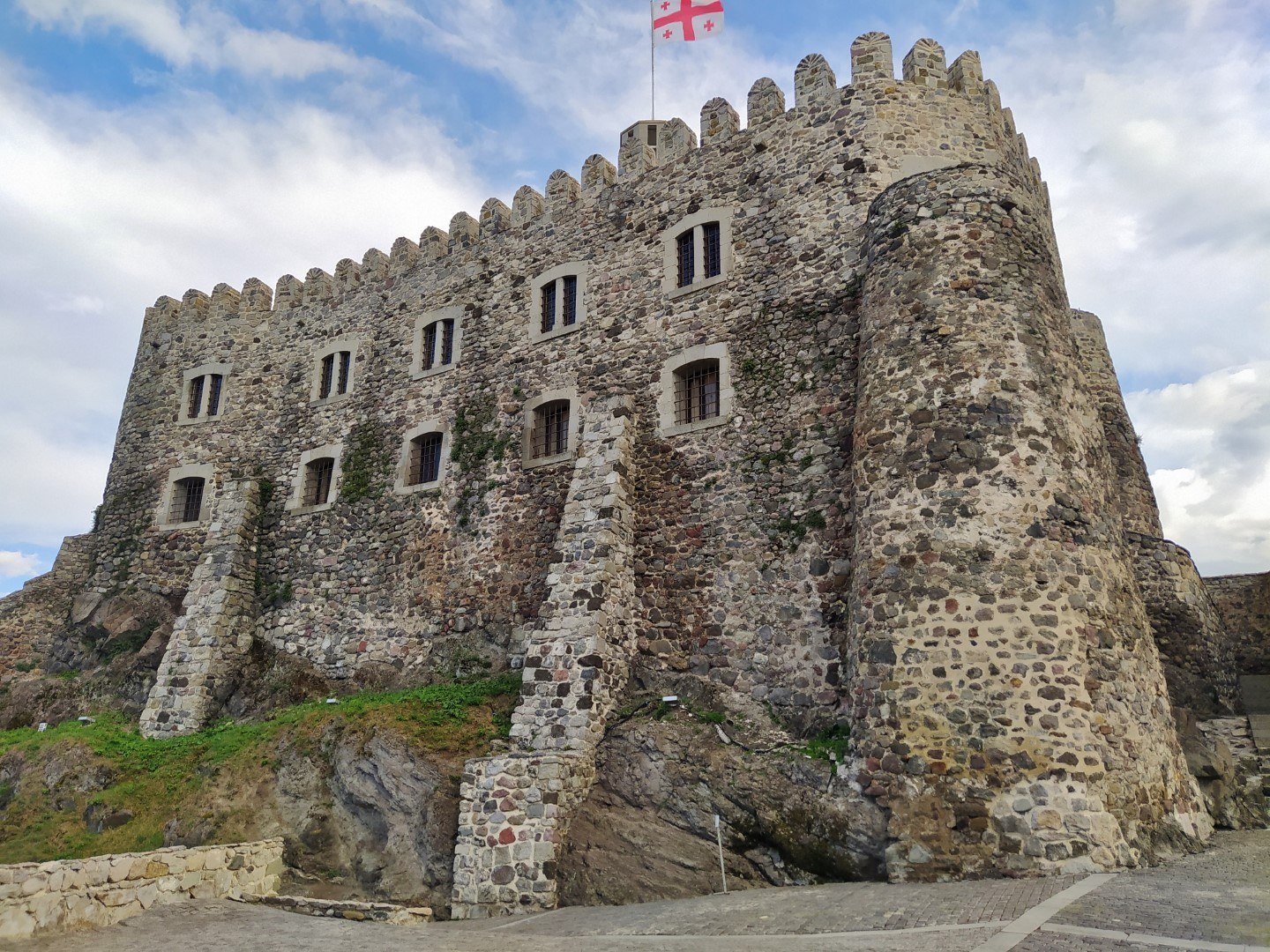
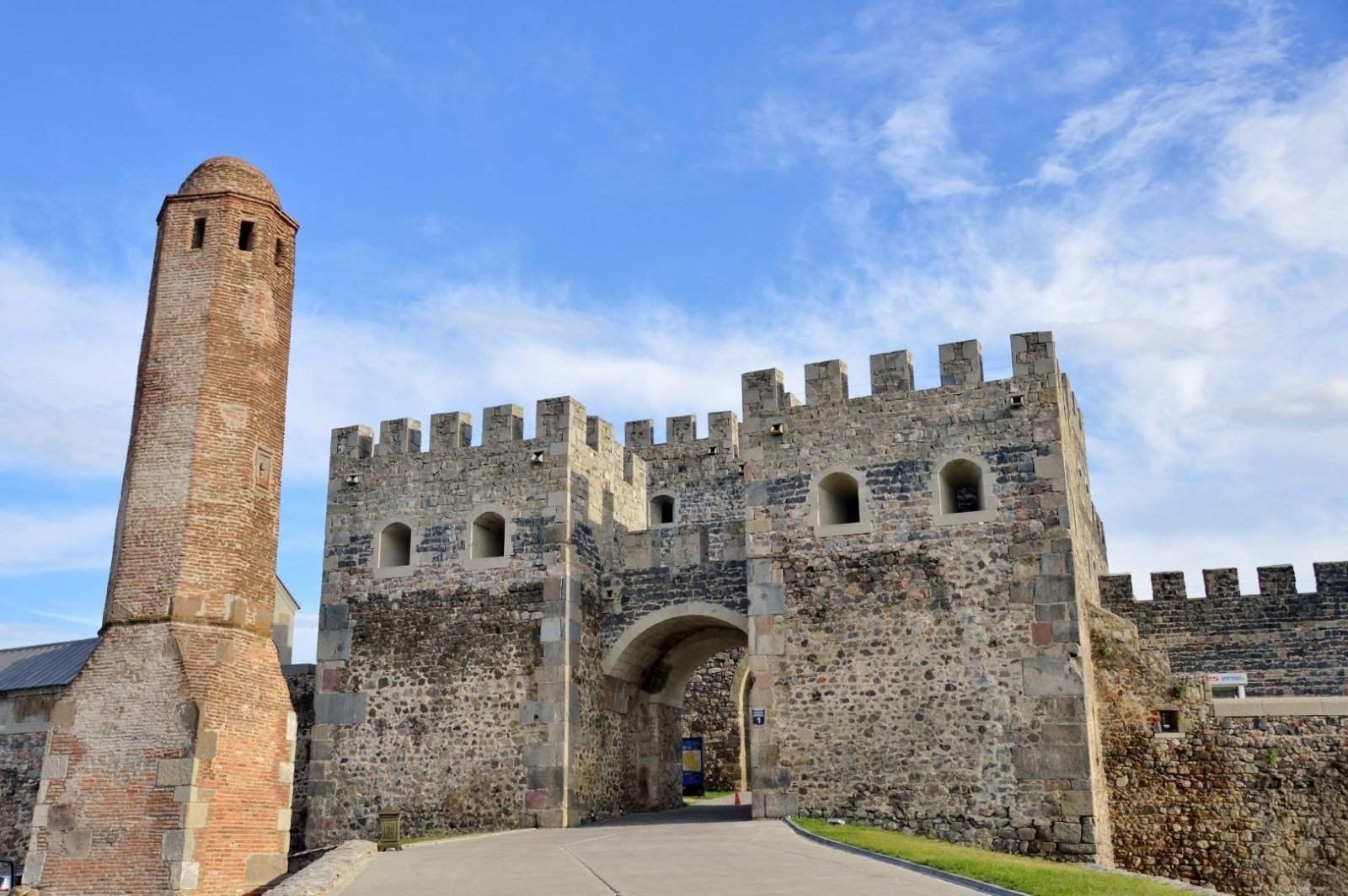
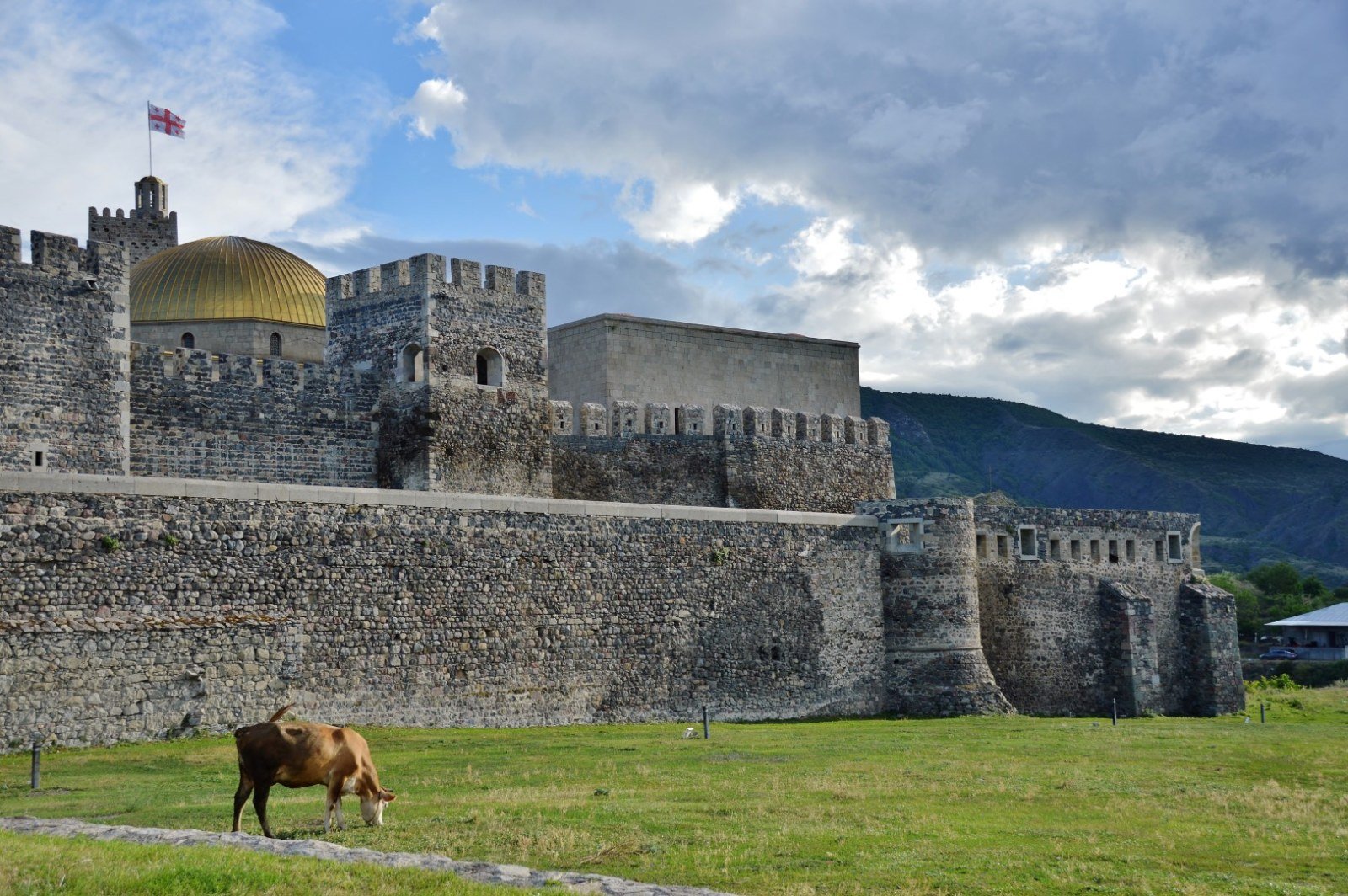
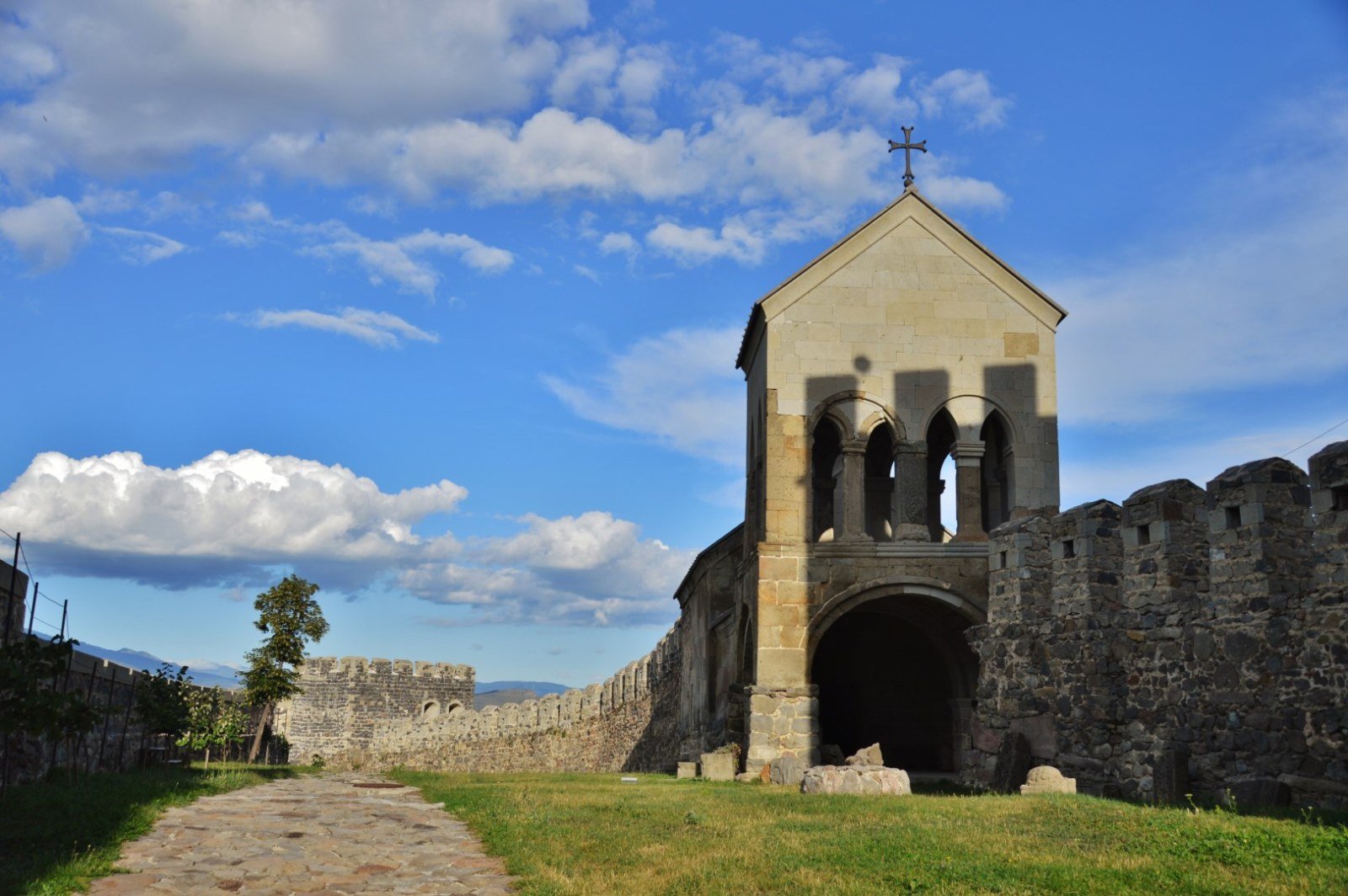
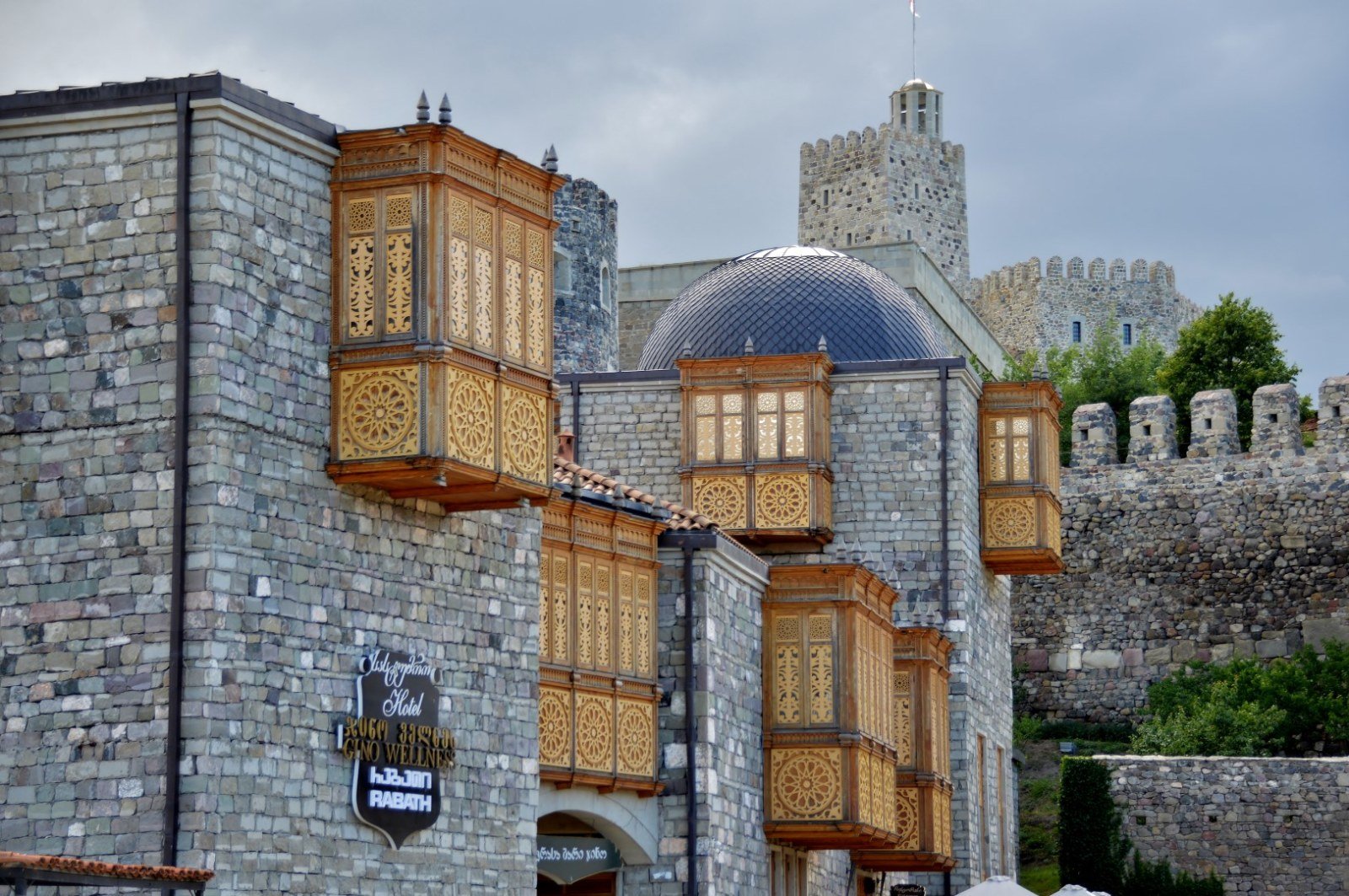
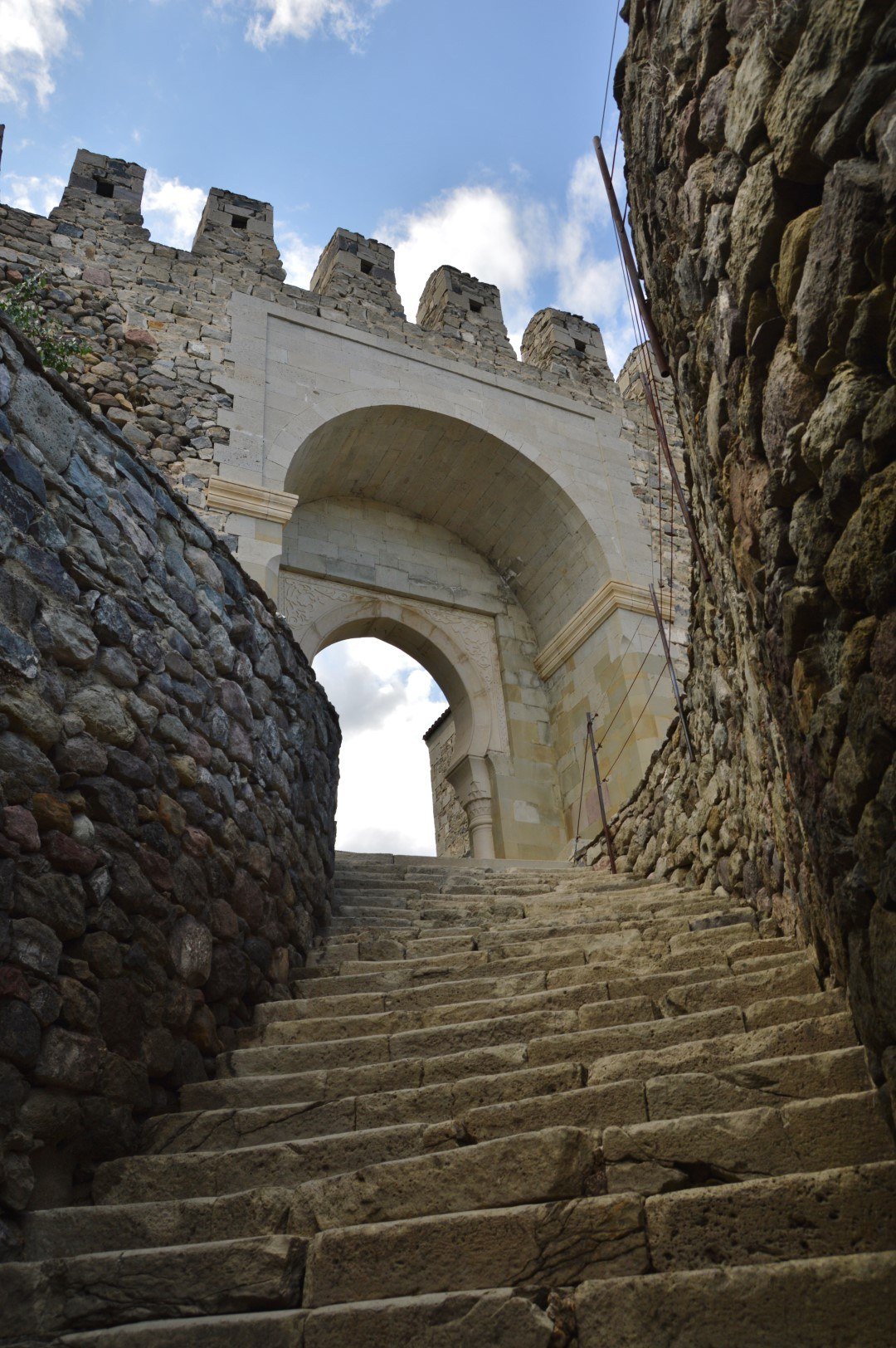
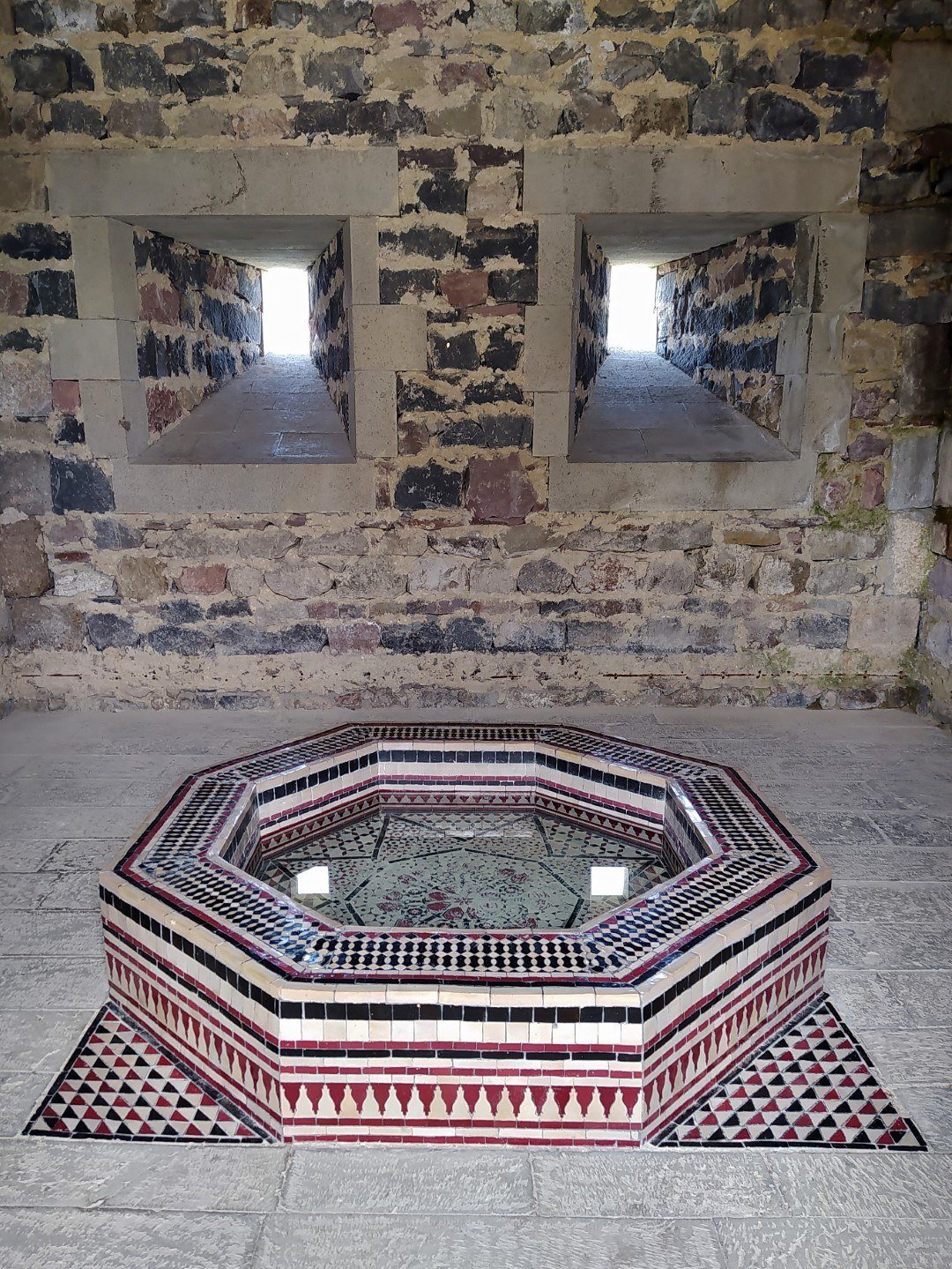
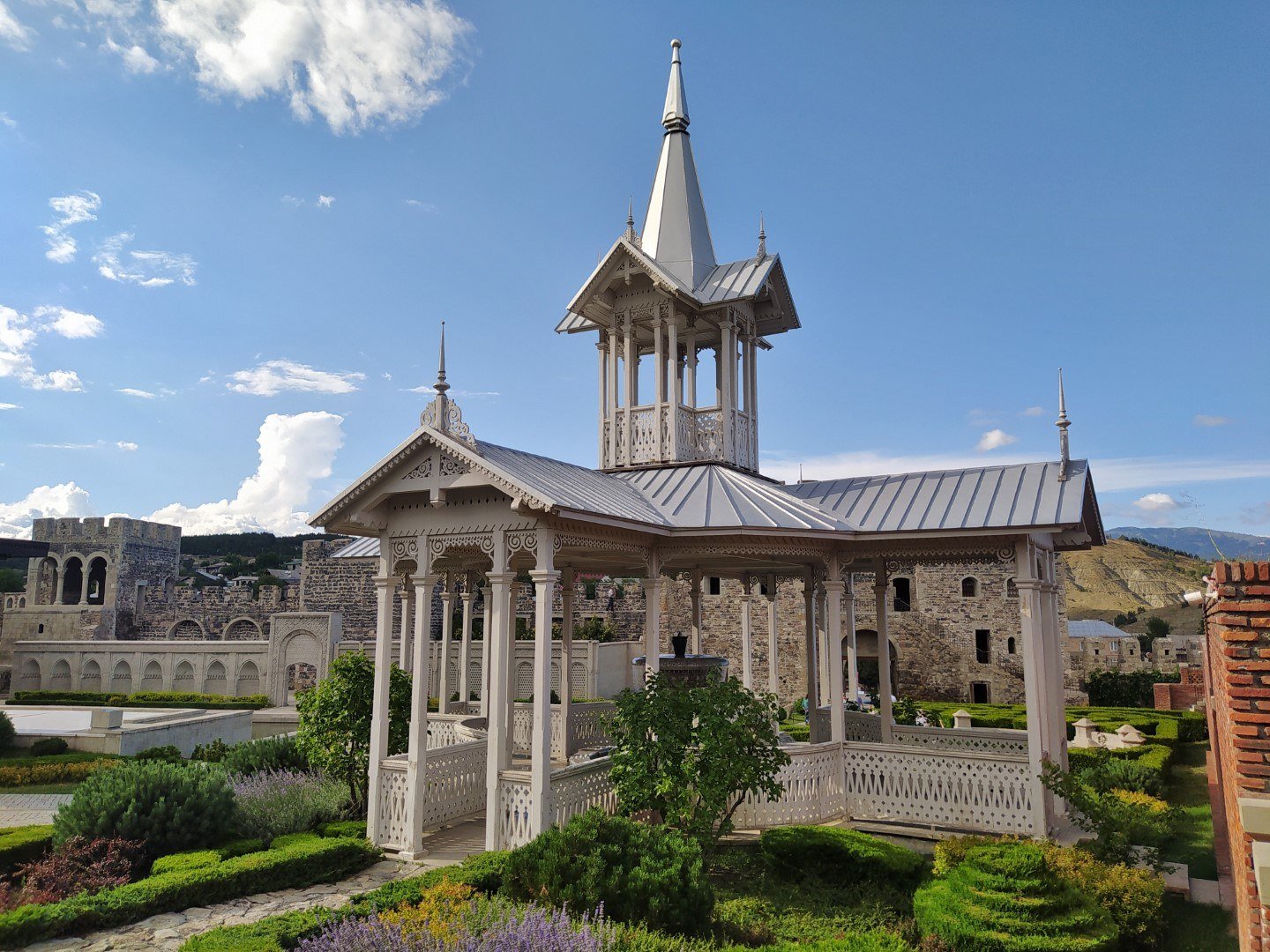
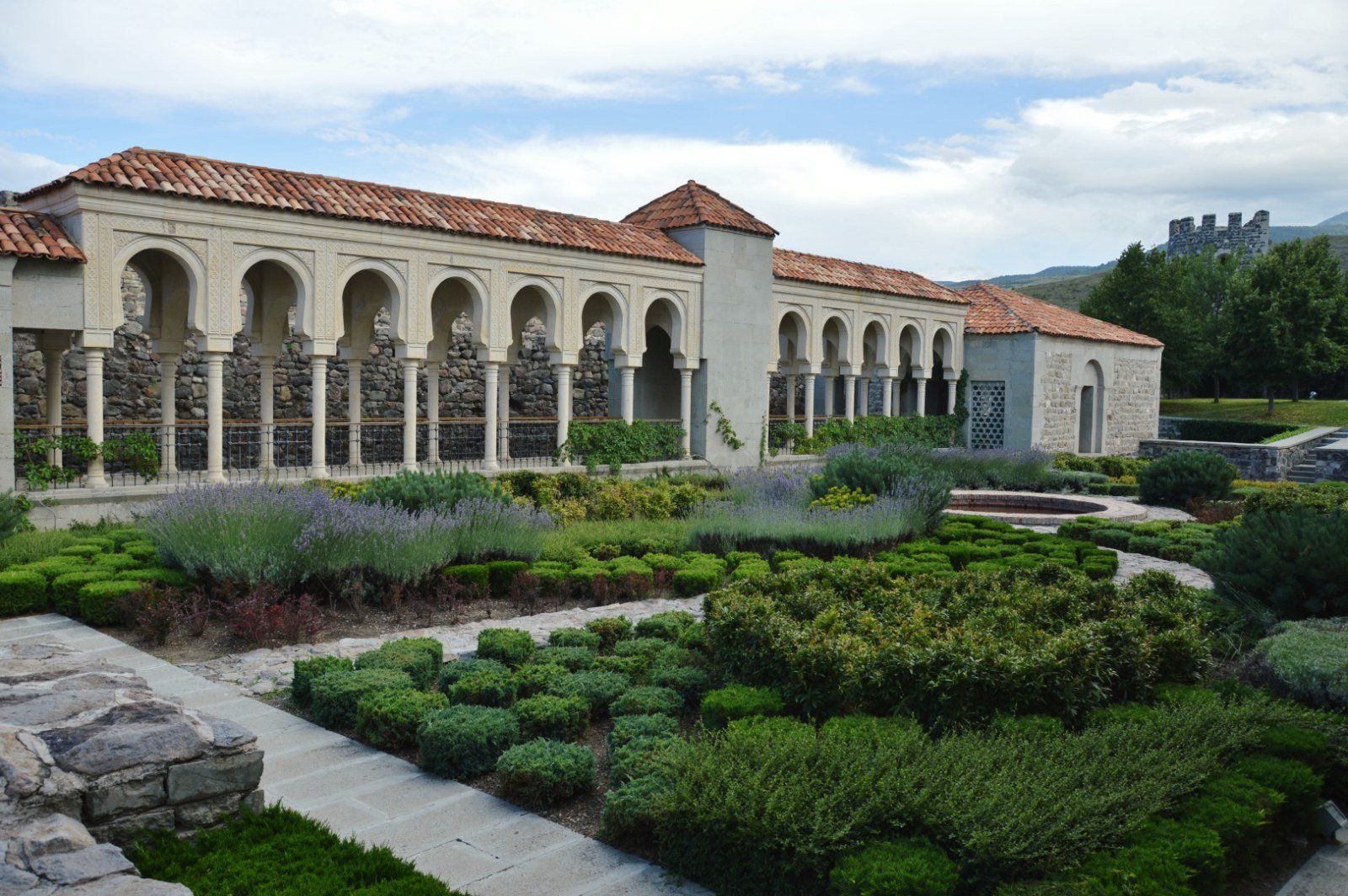
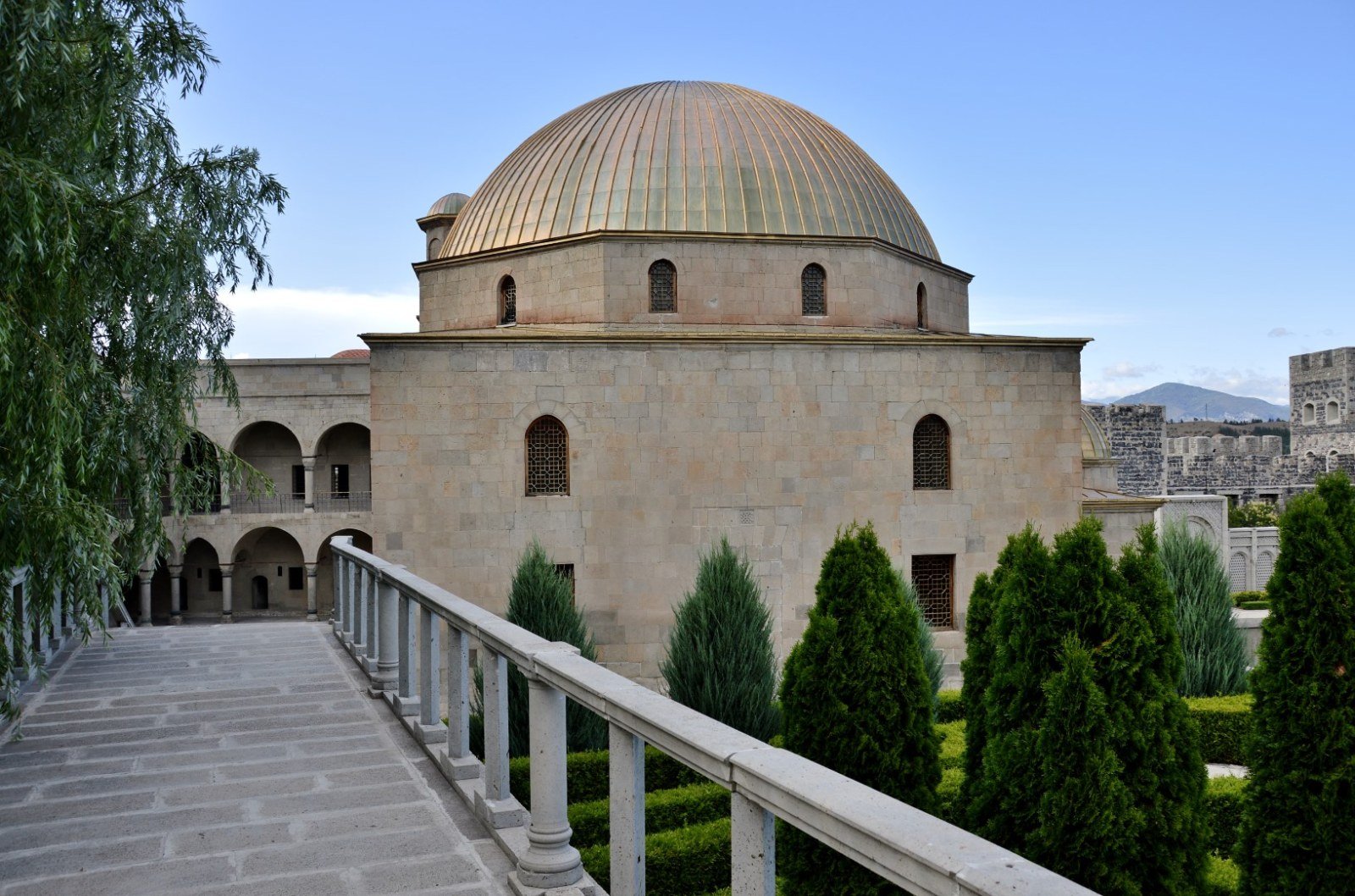
The Rabati Fortress was restored between 2010 and 2012 in an intervention that sparked debate: where medieval ruins once stood, a complex was built with hotels, restaurants and shops inside the walled enclosure, using new materials and a finish many consider too polished. The result works well as a tourist attraction, but has lost the patina of the original ruins. Inside the enclosure, the Ahmediye Mosque, a Georgian church, a madrasa and the remains of the palace of the principality of Samtskhe coexist, reflecting the region's historical layers.
Outside the fortress, the centre of Akhaltsikhe can be explored in just over an hour. It is worth climbing to the older part of Rabati, where the medieval cemetery and some unrestored walls give a more honest picture of what the place was like before the intervention. Admission to the main enclosure is free; the interior museum charges around 3 GEL (approx. €1).
History
Akhaltsikhe literally means new fortress in Georgian, though its history dates back to the 9th century. During the Middle Ages it was the nucleus of the principality of Samtskhe and one of the most important cities in southern Georgia. The Ottoman conquest of the 16th century transformed the city into the capital of the eyalet of Childir, which explains the presence of the Ahmediye Mosque and the madrasa within Rabati. Russia took the city in 1828 after the Russo-Turkish War and it has remained within Georgian territory ever since. The Ottoman-Georgian cultural mix is still visible in the architecture of the historic centre and in the religious composition of its population.
What to see & do
- Rabati Fortress The restored complex brings together the Ahmediye Mosque, a medieval Georgian church, a madrasa, the museum of the principality of Samtskhe and the remains of the seigneurial palace. The view over the valley from the outer walls is the best reason to climb to the top of the enclosure.
- Rabati Fortress Museum Collection of medieval objects, coins and documents from the principality of Samtskhe-Javakheti. Admission approx. 3 GEL. Usually open 10:00–18:00, closed Mondays.
- Akhaltsikhe Central Market Spice stalls, local adjika in varying degrees of heat and fresh sulguni cheese at the covered market in the centre. Most lively in the mornings.
- Sapara Monastery About 12 km from the city along a dirt road, this 9th-century monastery hides in a wooded gorge. The main church preserves well-preserved medieval frescoes, and the silence of the site contrasts sharply with the bustle of Rabati.
- Route to Vardzia Akhaltsikhe is the usual base for visiting the rock-cut caves of Vardzia, carved in the 12th century into a volcanic cliff about 60 km south along a paved road.
Photo gallery
How to get there
Akhaltsikhe is about 190 km from Tbilisi. Marshrutkas depart frequently from the Ortachala station during the morning (about 3.5 hours, around 10 GEL). From Batumi the distance is similar, about 3 hours by car. The nearest airport is Tbilisi. Daily marshrutkas to Vardzia and Borjomi depart from Akhaltsikhe. The Rabati Fortress is about 10 minutes' walk from the centre.
Best time to visit
Spring and autumn are the most pleasant times in Akhaltsikhe, with temperatures between 10 and 20 °C and clear skies that make both visiting Rabati and excursions to Vardzia and Sapara Monastery easy. Summer is dry and warm, with cool nights thanks to the altitude of approximately 1,000 metres. Winter is cold with frequent snowfall; the fortress stays open, but access to Sapara may be cut off and the road to Vardzia can become slippery.
More information
Photo: Iberogeorgia · own