
The Caucasus Mountains are one of the most impressive and challenging mountain ranges on the planet. Straddling Europe and Asia, these majestic peaks are home to some of the highest summits on the European continent, unique biodiversity with endemic species and a cultural history stretching back millennia. In this article we take you on a journey through their most iconic peaks, their flora and fauna, their peoples and the best tips for planning your adventure.
The highest peaks of the Caucasus
The Caucasus mountain range boasts dozens of imposing peaks that offer unique challenges to climbers and mountaineers. Here are some of the most outstanding summits.
Mount Elbrus: the roof of Europe
Mount Elbrus, at 5,642 metres, is the highest mountain in the Caucasus and in Europe. Located in the Russian republic of Kabardino-Balkaria, it is one of the most coveted peaks for climbers from around the world.
Elbrus is an inactive volcano with two twin peaks: the western summit (the higher one) and the eastern summit at 5,621 metres. Both are covered by permanent glaciers, and the surrounding region is remarkable for its natural beauty and biodiversity.
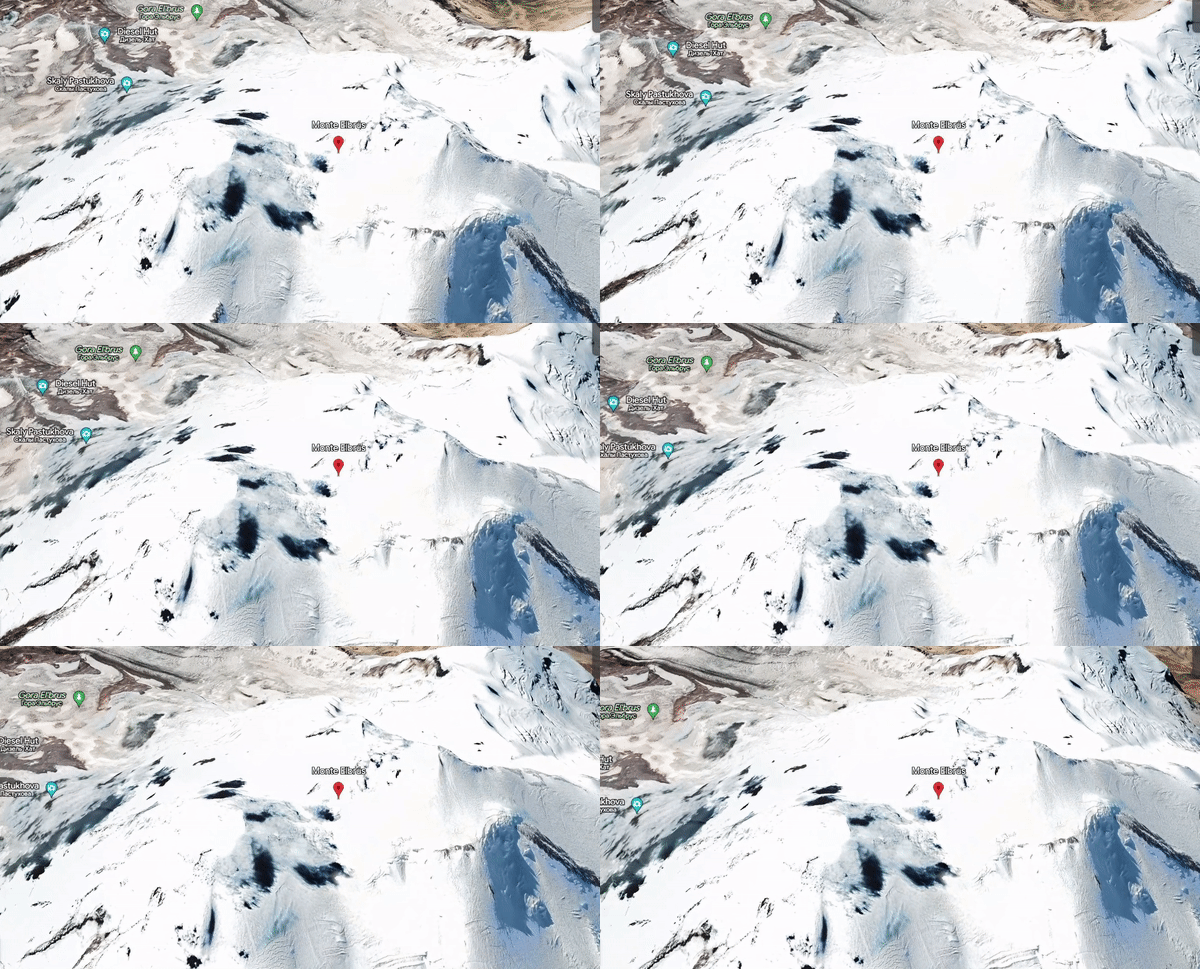 Mount Elbrus
The ascent of Elbrus is a challenge for mountaineers, although its northern route is considered the most accessible and can be completed in around 6–7 days. It attracts thousands of visitors every year.
Mount Dykh-Tau: 'the mountain that breathes'
Mount Dykh-Tau, at 5,198 metres, is the second highest mountain in the Caucasus. Located in Kabardino-Balkaria [VERIFY], its name means 'the mountain that breathes' in the local language, referring to the clouds that form around its summit.
The ascent is very demanding and requires advanced mountaineering skills. The southern route, the most popular, can be completed in around 12 days.
 Mount Dykh-Tau
Mount Shkhara: the roof of Georgia
Mount Shkhara, at 5,193 metres, is the third highest mountain in the Caucasus and the highest peak in Georgia. It is located in the Svaneti region, a UNESCO World Heritage Site.
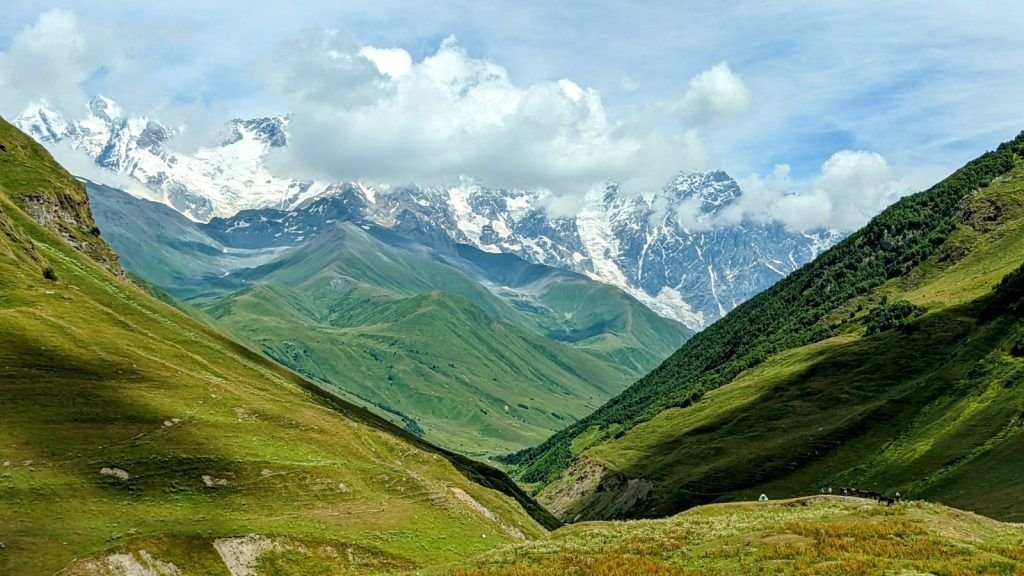
Shkhara is one of the most technical mountains in the Caucasus. The northwest route, the most difficult, can take up to 18 days. Svaneti is famous for its unique culture, its medieval towers and its ancient villages such as Ushguli.
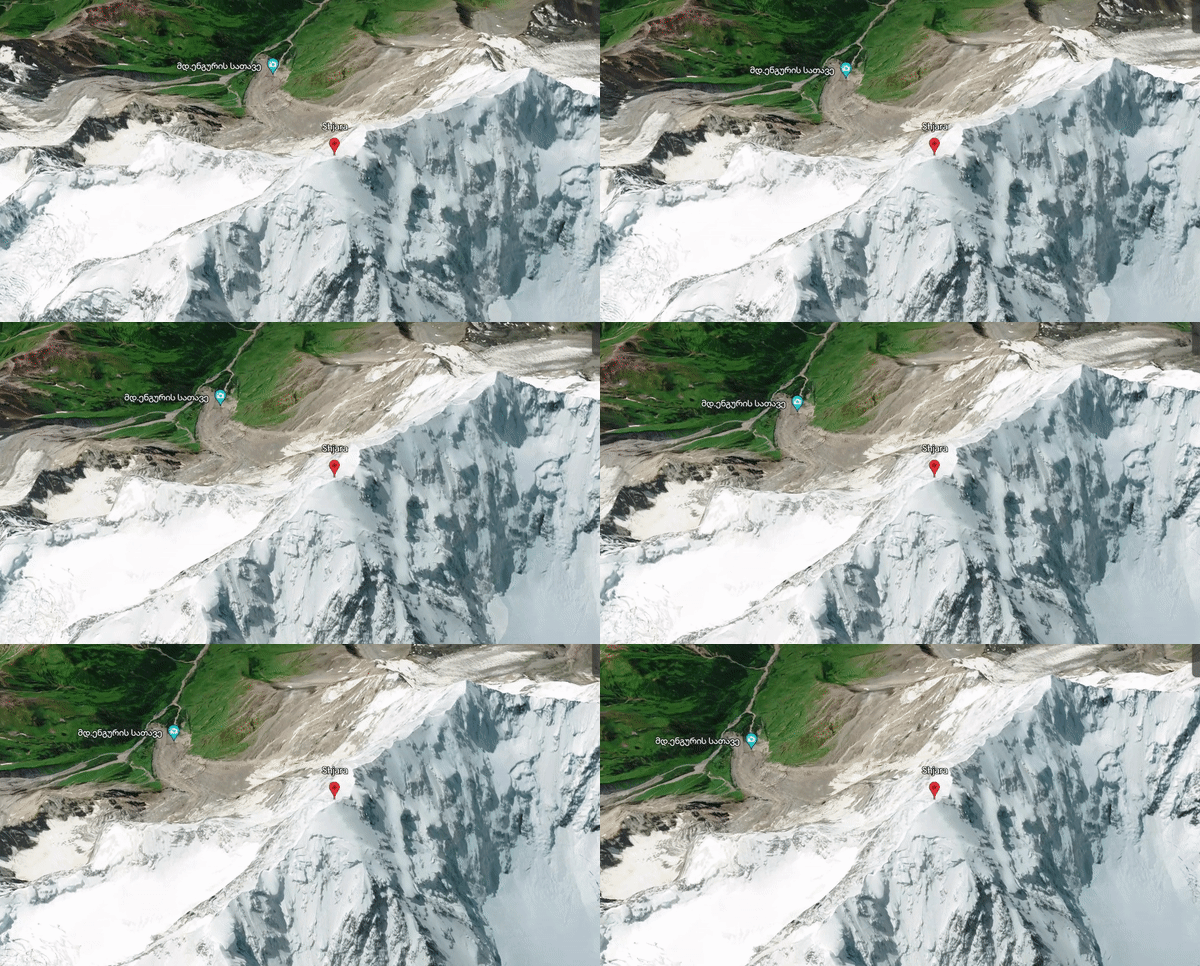 Mount Shkhara
Mount Koshtan-Tau
Mount Koshtan-Tau, at 5,152 metres, is another of the giants of the Caucasus, located in Kabardino-Balkaria. Its western route, the most popular, can take around 12 days and is reserved for experienced mountaineers.
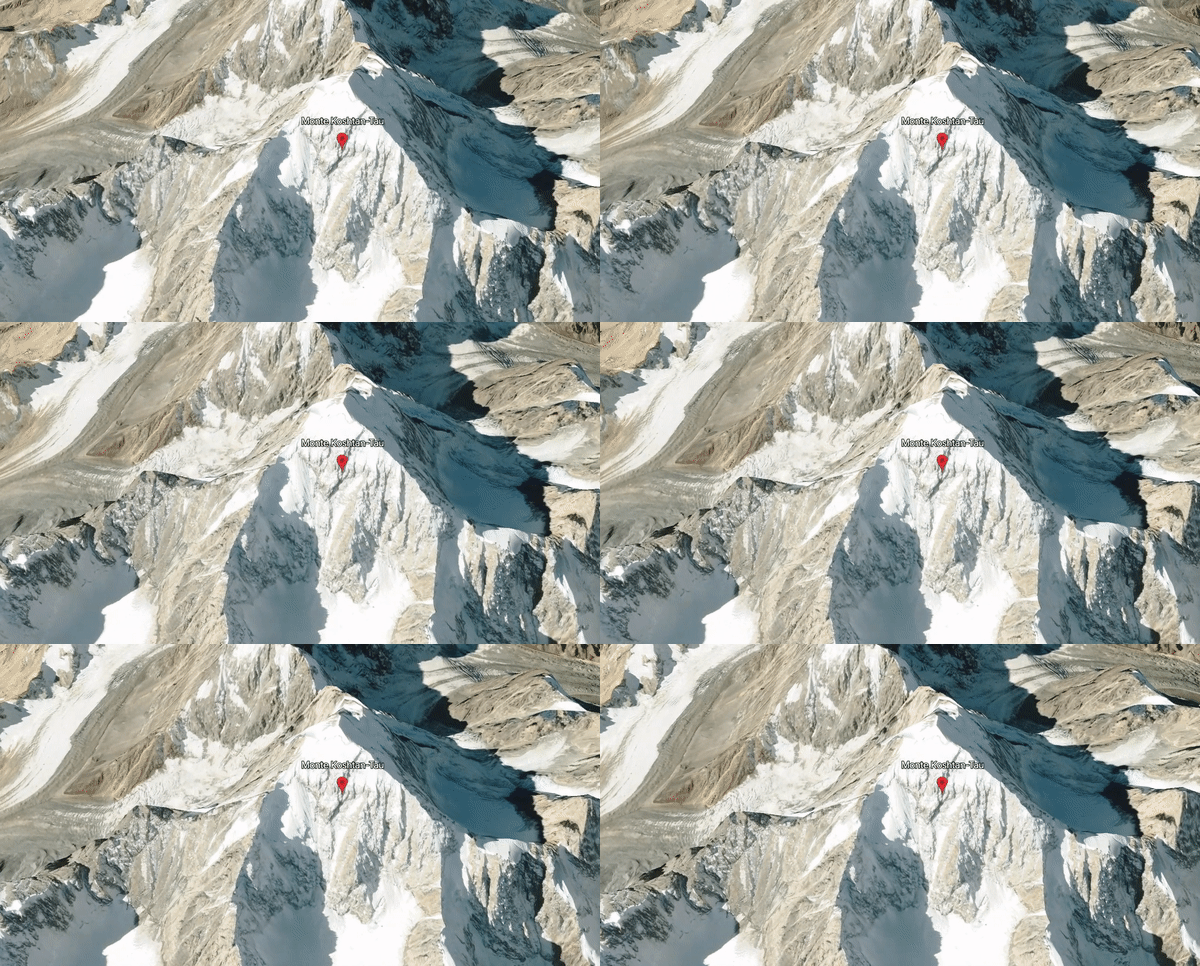 Mount Koshtan-Tau
Mount Kazbek: the jewel of Georgia
Mount Kazbek, at 5,047 metres, is one of the most iconic mountains in the Caucasus and is located in the Kazbegi region of Georgia, near the Russian border.
It is considered one of the most accessible peaks in the Caucasus. Although it requires basic mountaineering skills, it is not as technical as other peaks. The most popular route is the Gergeti Glacier route, taking 2–3 days, and one of its most iconic images is the Gergeti Trinity Church at 2,170 metres, with Kazbek as a backdrop.
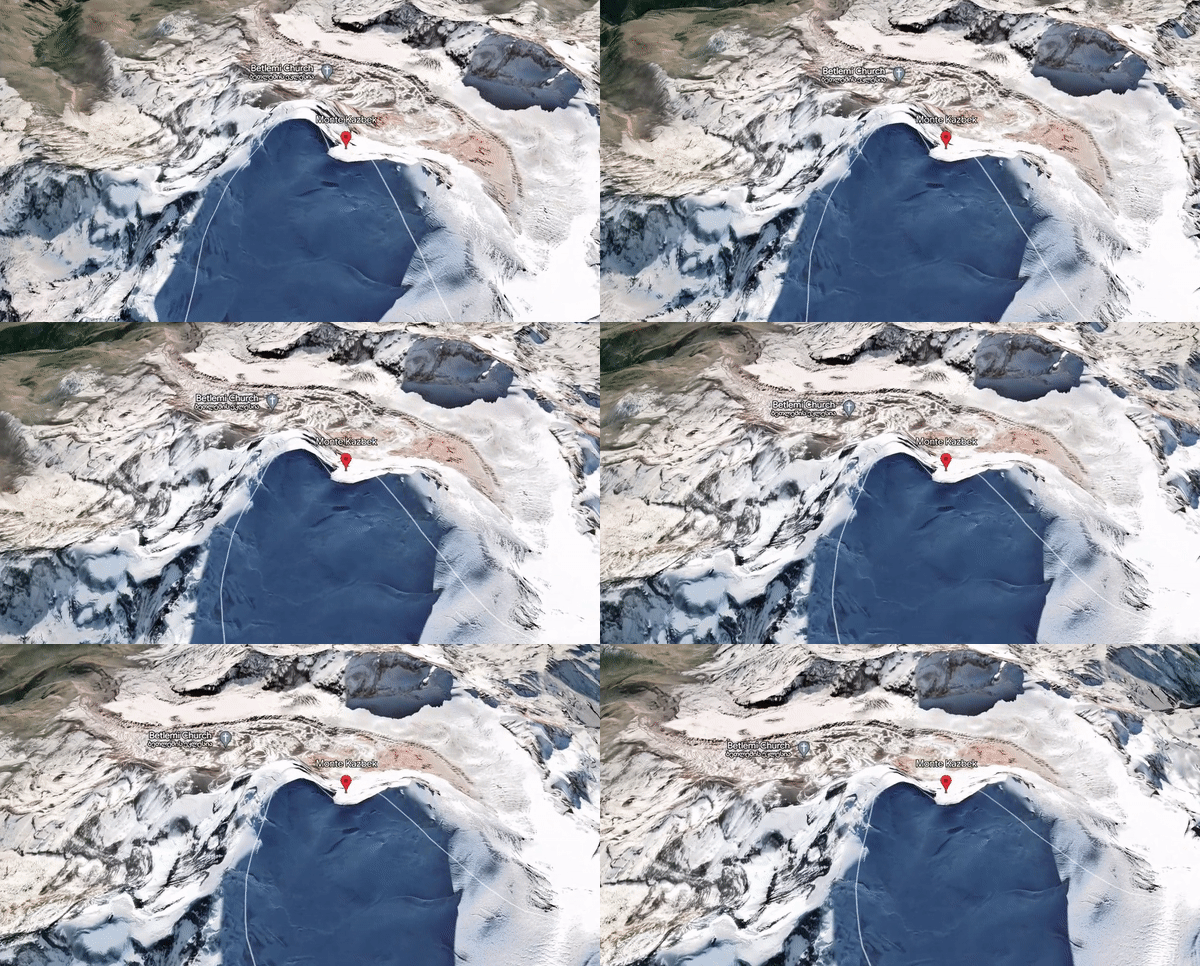 Mount Kazbek
Kazbek is also a protagonist of Russian literature: Pushkin devoted verses to it in 'The Prisoner of the Caucasus'.
Mount Pushkin
Mount Pushkin, at 5,033 metres, takes its name from the great Russian poet and is one of the most popular peaks among Caucasus mountaineers. Located within the Caucasus Nature Reserve, a protected area with endemic flora and fauna.
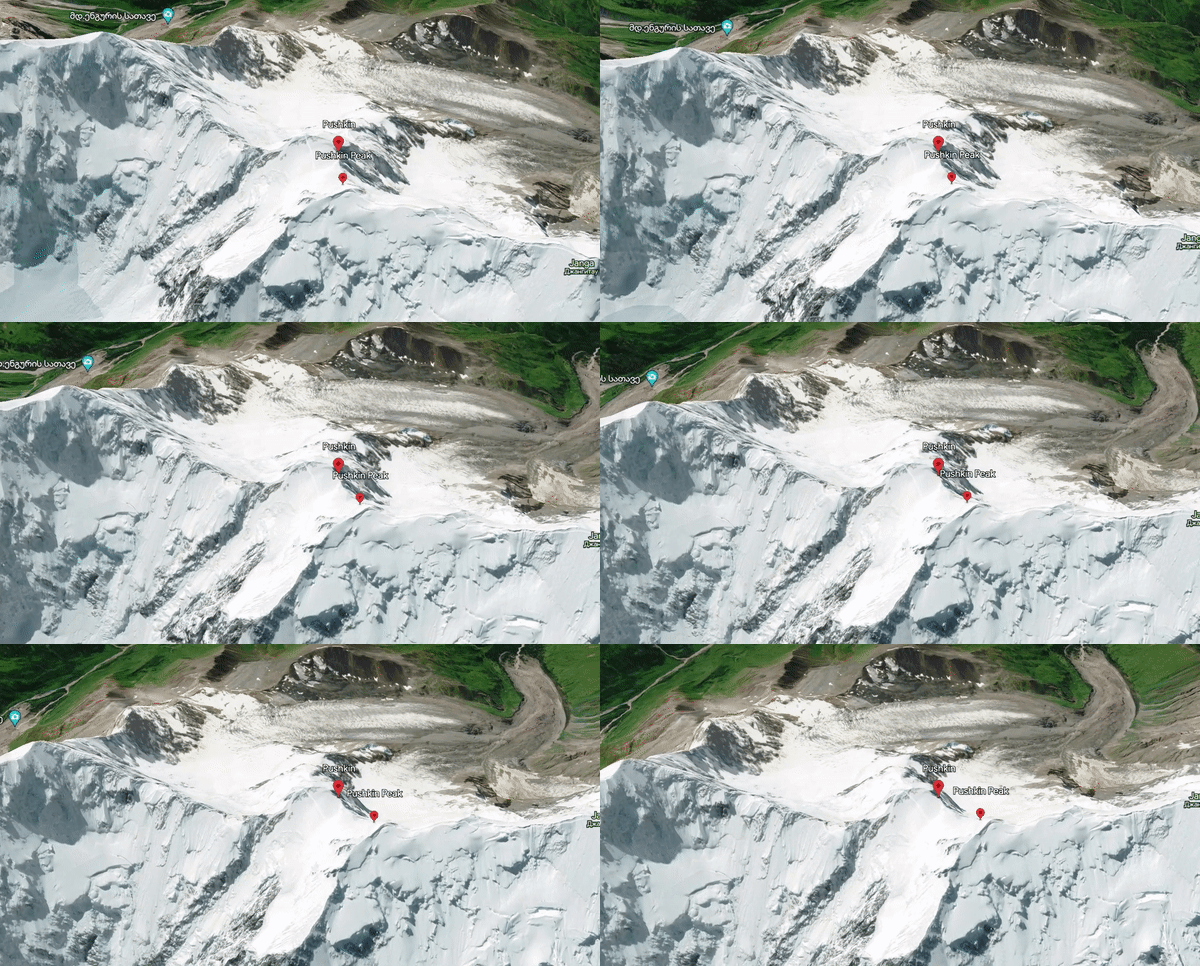 Mount Pushkin
Mount Shota Rustaveli
Shota Rustaveli, at 4,960 metres, straddles the border between Svaneti (Georgia) and Kabardino-Balkaria. It is typically ranked as the ninth highest peak in the Caucasus.
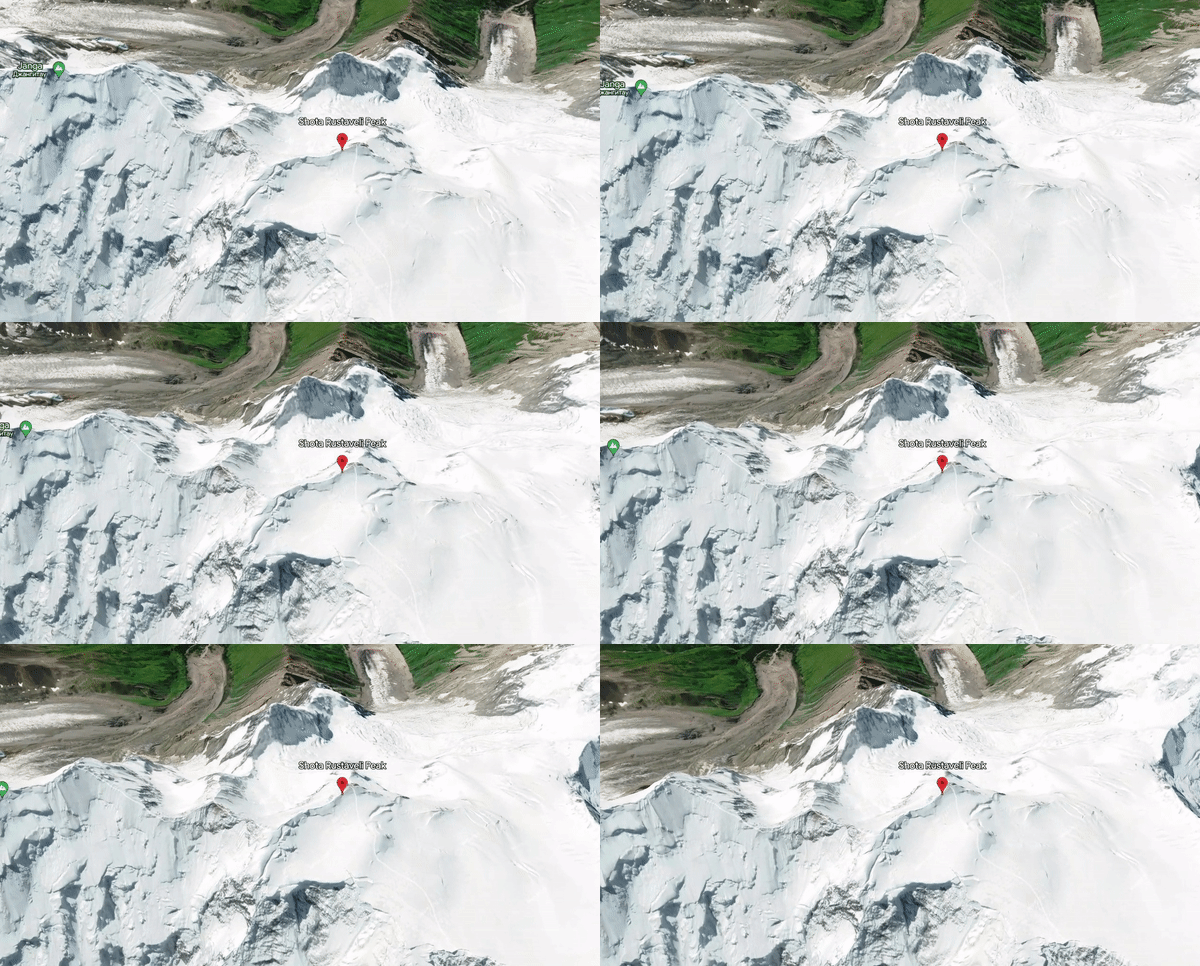 Mount Shota Rustaveli
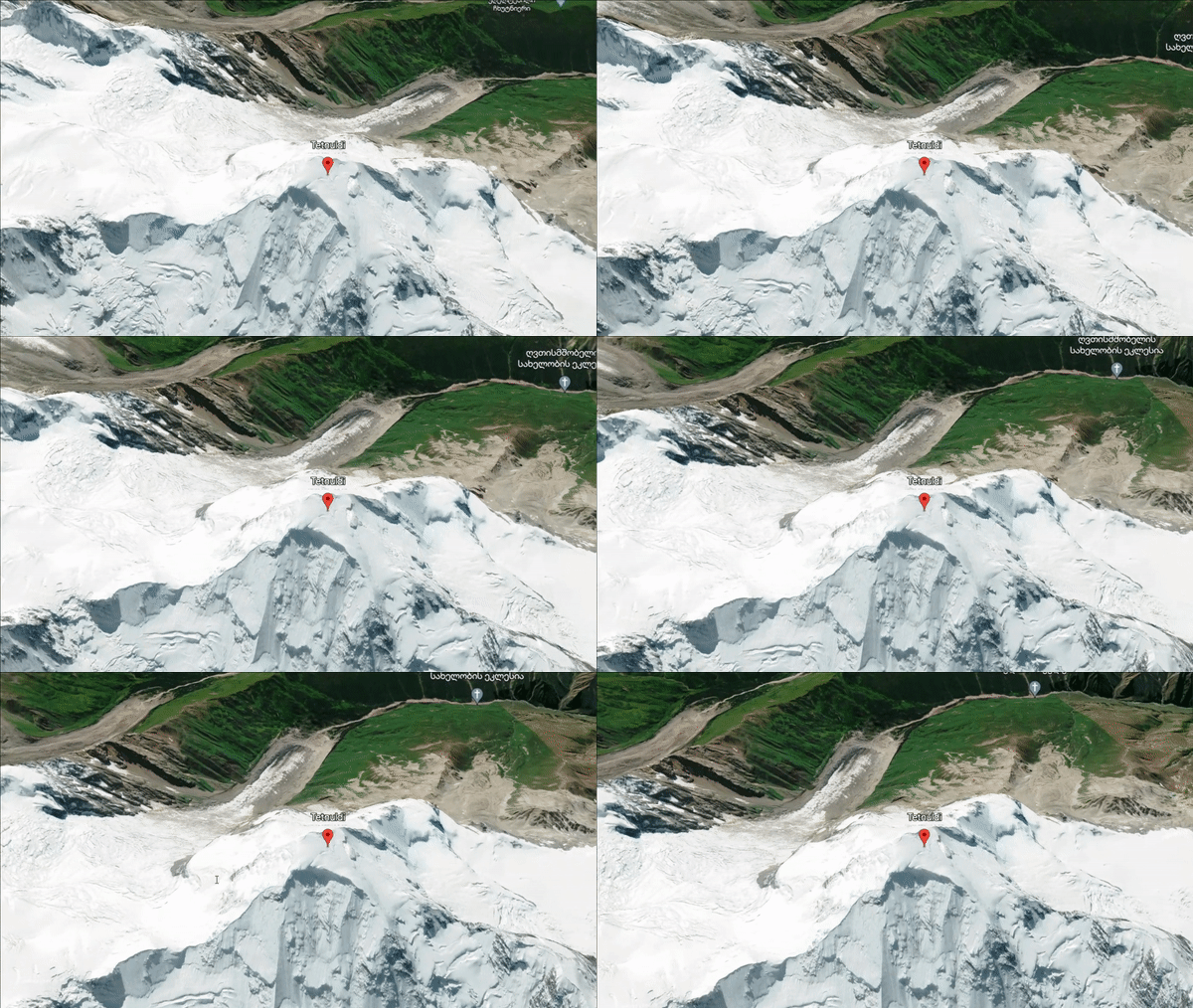
Mount Tetnuldi: the pyramid of the Caucasus
Mount Tetnuldi, at 4,974 metres, lies within Svaneti National Park, a World Heritage Site. It is popular for its hiking routes, climbing and nearby ski resorts.
Mount Ushba: the twins of the Caucasus
Mount Ushba, at 4,710 metres, is one of Georgia's most iconic peaks, in the Svaneti region. Known for its unmistakable profile of two summits rising like needles into the sky, it is considered one of the most technically demanding to climb in the Caucasus.
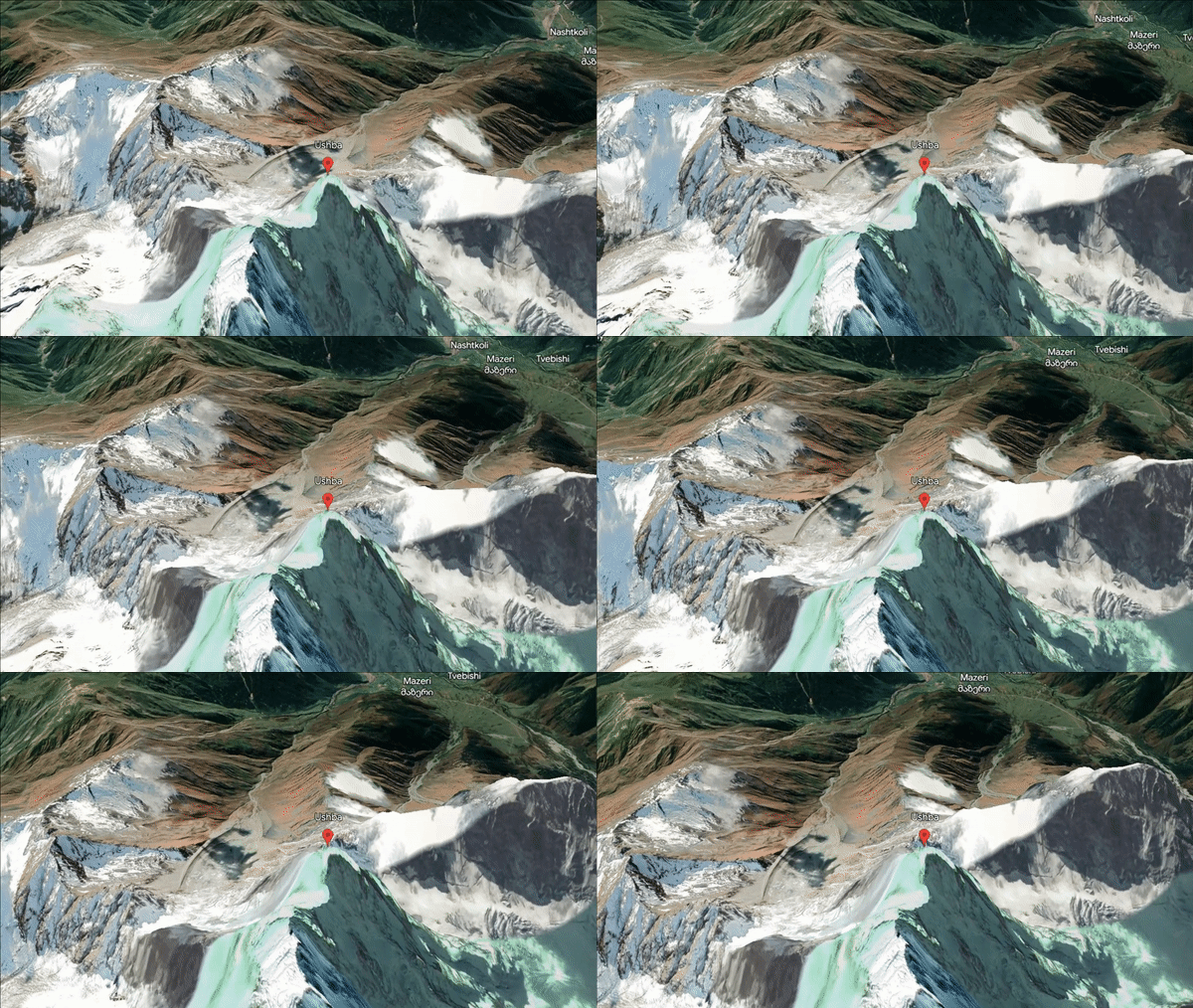 Mount Ushba
Other notable peaks
- Mount Dzhangitau: 4,558 m, in Kabardino-Balkaria.
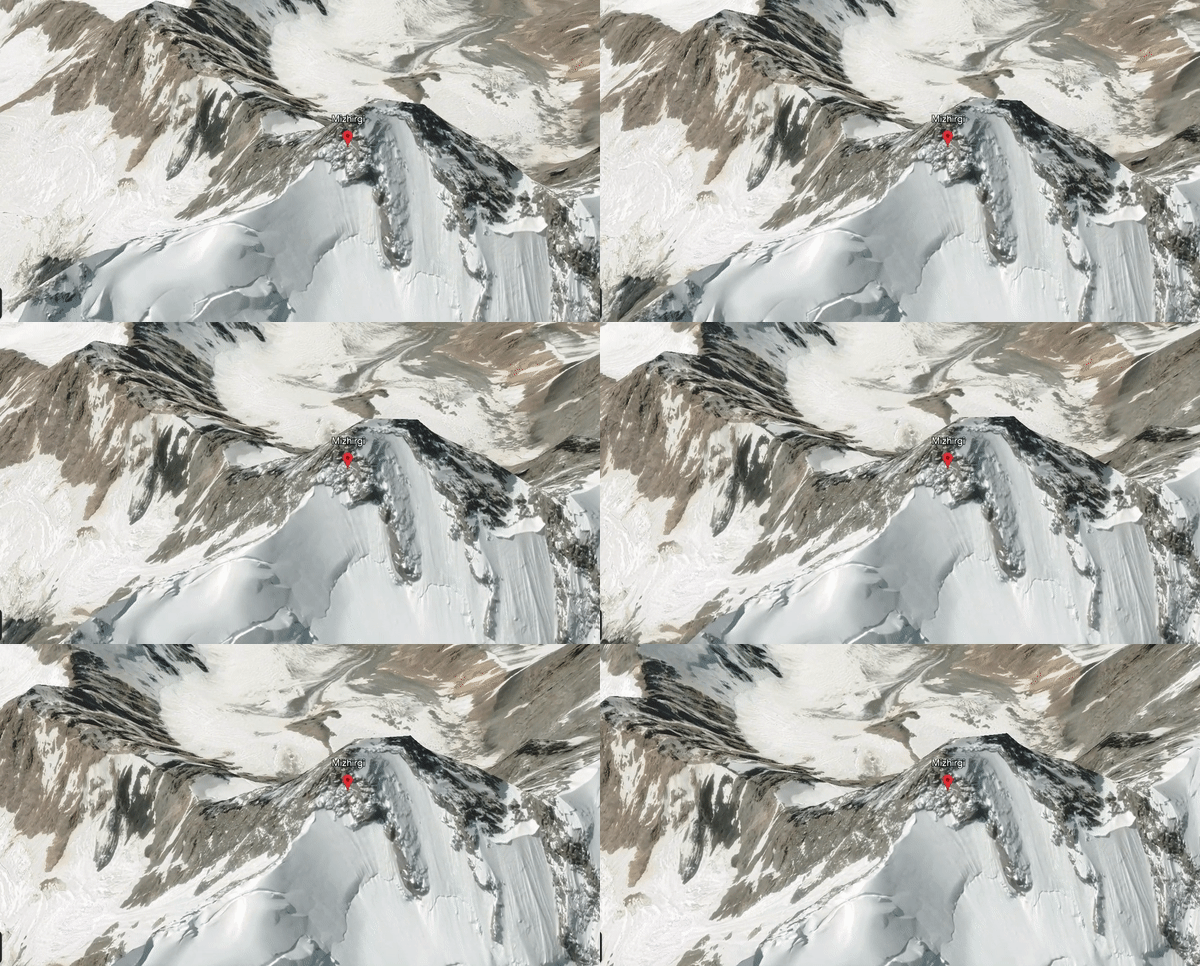
- Mount Mizhirgi: 4,176 m, near Dykh-Tau.
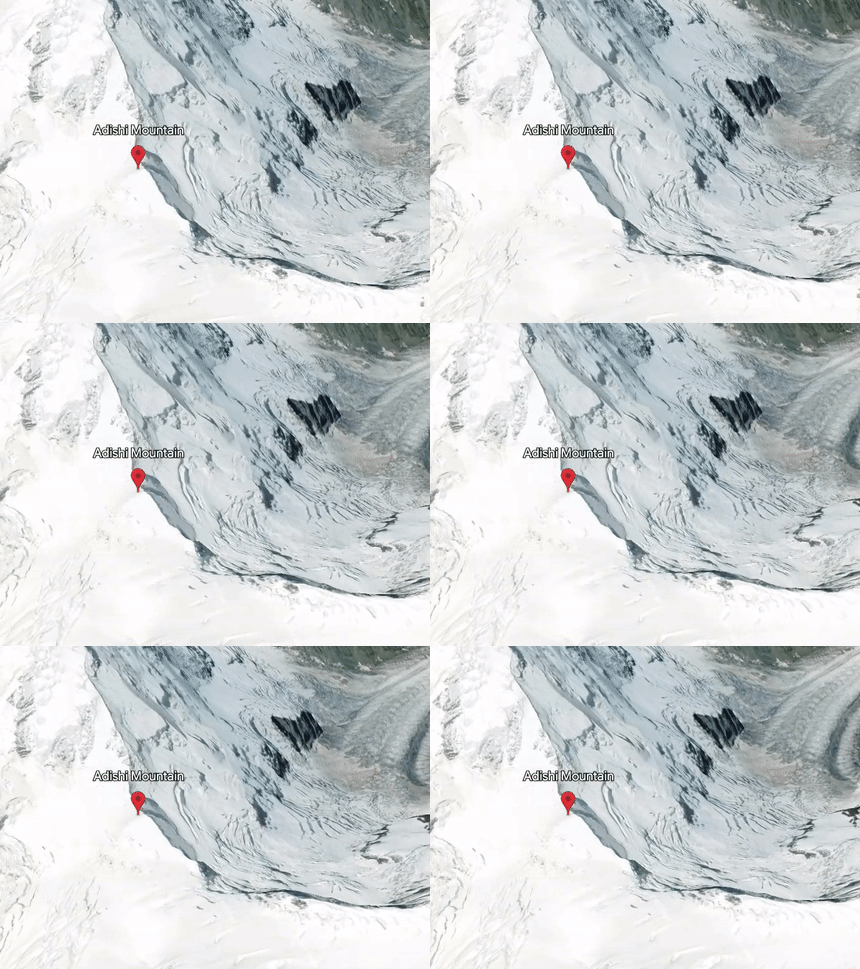
- Mount Adishi: 4,633 m, in Svaneti, Georgia.
- Mount Tebulosmta: 4,493 m [VERIFY], in the eastern Caucasus.
- Mount Bazarduzu: 4,466 m, on the border between Azerbaijan and Russia.
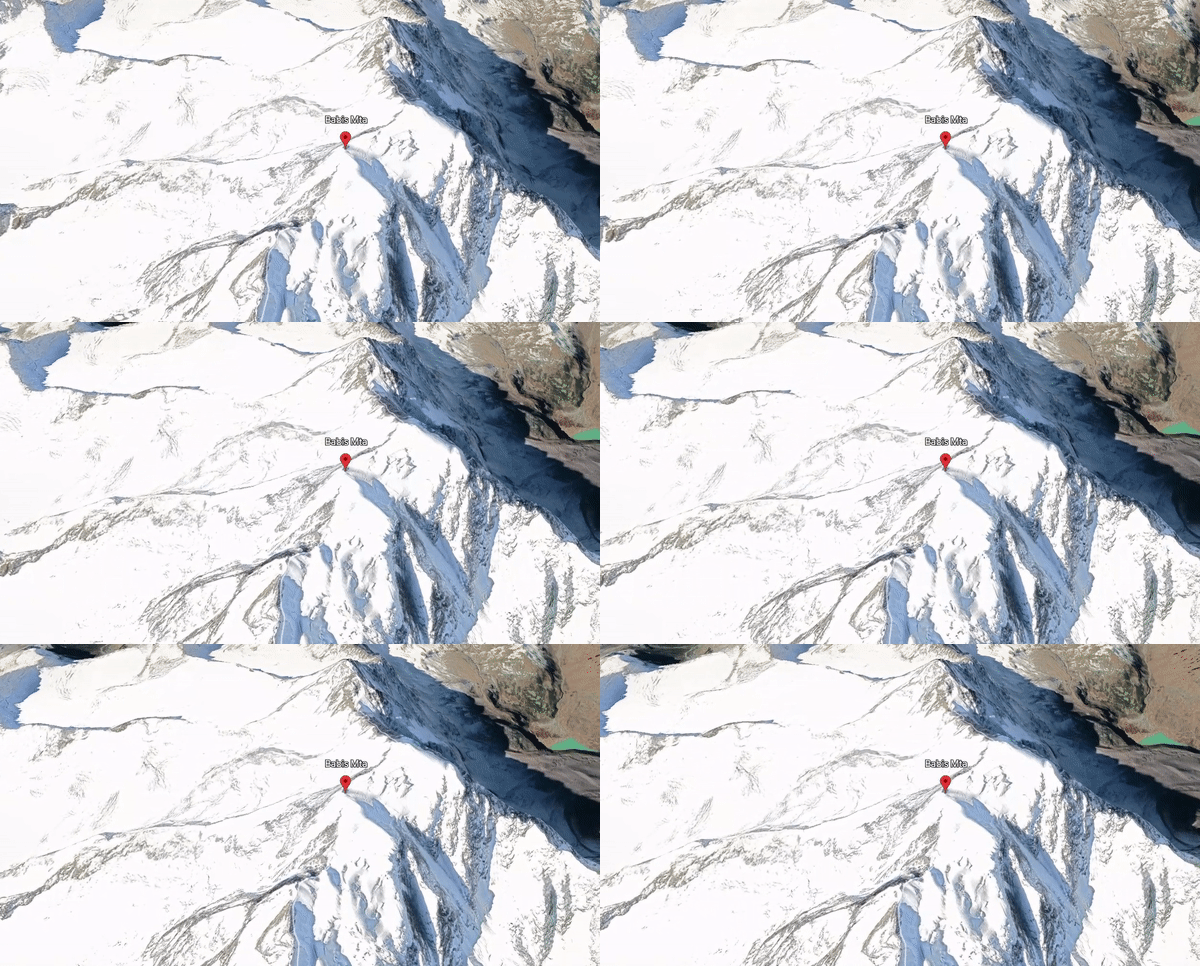
- Mount Babis Mta: 4,454 m, on the border between Georgia and Kabardino-Balkaria.
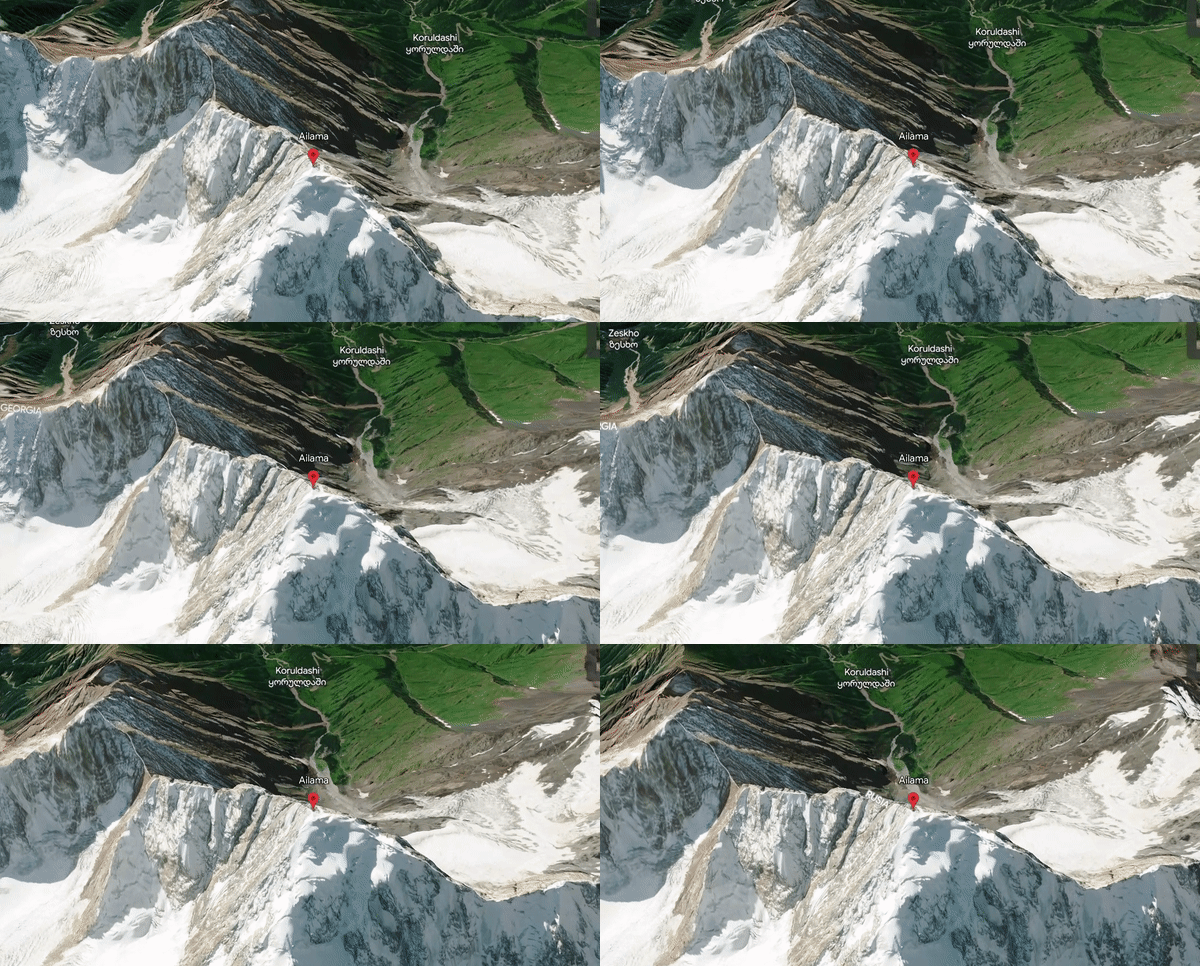
- Mount Ailama: 4,547 m, in Svaneti.
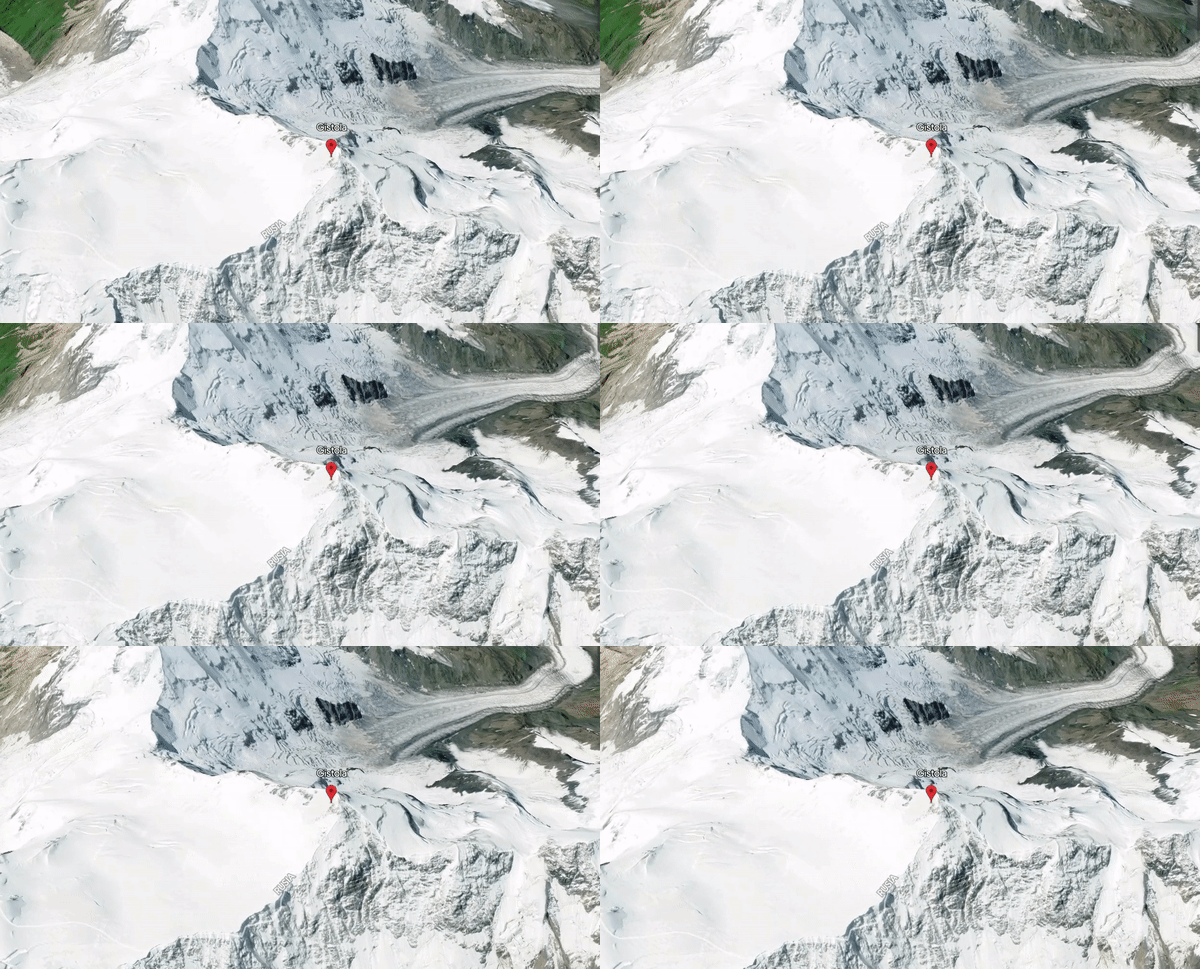
- Mount Gestola: one of the most beautiful mountains in the Caucasus.
- Mount Dzhimara: 4,703 m, in the Greater Caucasus.
- Mount Kaputjugh: 3,905 m, the highest peak in the Zangezur range, between Armenia and Azerbaijan.
The Skalistyy Khrebet range
The Skalistyy Khrebet ('rocky mountain chain' in Russian) extends roughly 100 kilometres along the northern part of the Caucasus. It is notable for its numerous peaks above 3,000 metres, such as Dombai-Ulgen (4,046 m) and Kurdzhips (3,938 m).
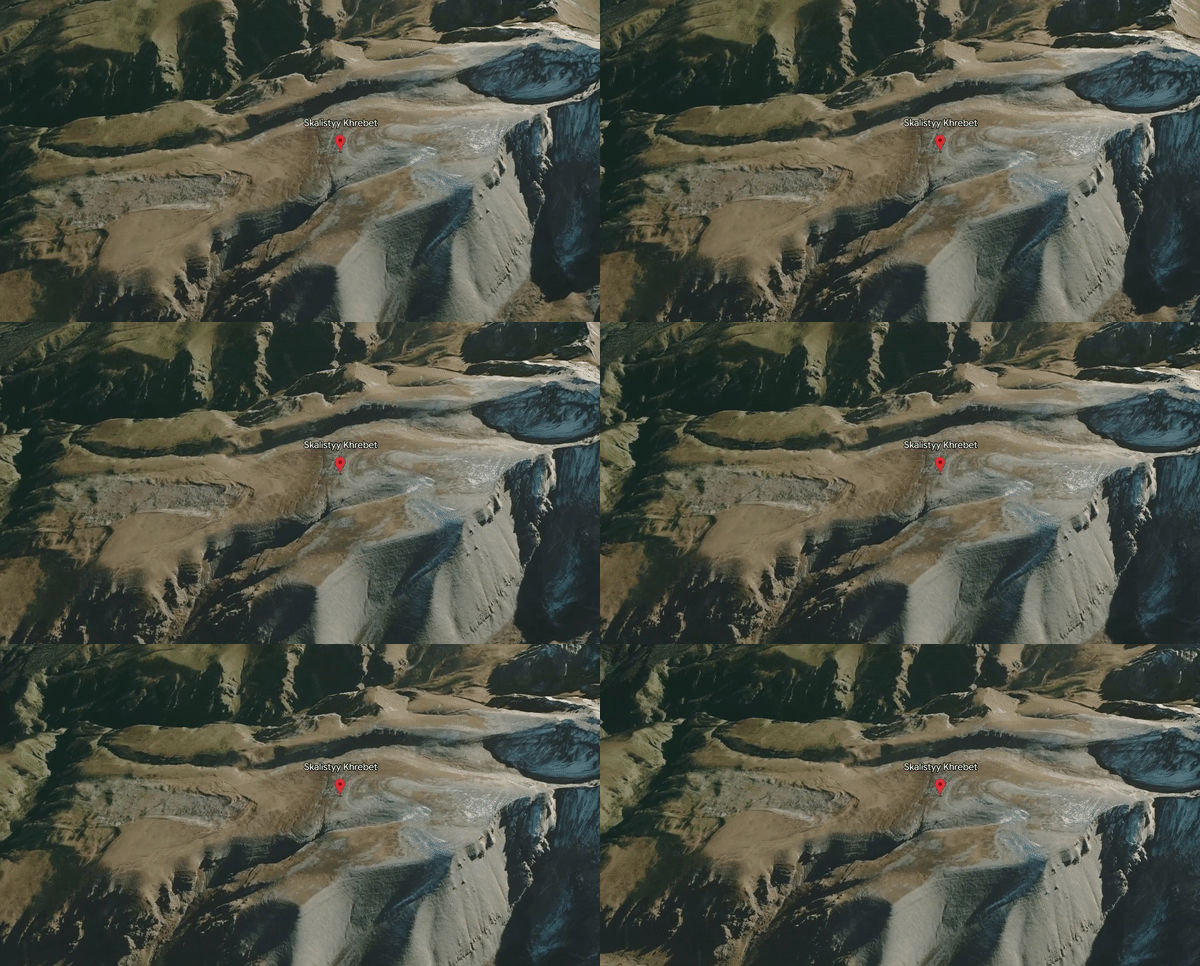 Skalistyy Khrebet
The peoples of the Caucasus
The Caucasus region is a mosaic of peoples, languages and traditions:
- Circassians: a community with a rich culture and traditions, mainly in the northwest Caucasus.
- Chechens: a Muslim community with equestrian traditions, in Chechnya.
- Ingush: a Muslim community known for its artistic skills, in Ingushetia.
- Armenians: a Christian community with a rich culinary and craft tradition.
- Georgians: an Orthodox Christian community, famous for its wine, dance and gastronomy.
- Avars: a Muslim community from Dagestan, known for its music and dances.
- Ossetians: a people inhabiting the Ossetia region, predominantly Orthodox Christian, with a language related to Persian.
- Abkhazians: a people with their own language related to Georgian.
Current situation
The region lives with tensions stemming from historical conflicts. South Ossetia declared independence from Georgia in 1990 and was militarily occupied by Russia in 2008. Abkhazia declared independence in 1992, recognised by Russia and a few countries, though the majority of the international community does not recognise it.
The diversity of the peoples of the Caucasus is one of many reasons that make this region unique, with a history and culture that attract travellers from around the world.
Flora and fauna of the Caucasus
The Caucasus region is one of the most biodiverse areas in Europe, with numerous endemic species thanks to its geographic location and diverse microclimates.
In terms of fauna, brown bears, Caucasian lynx, wolves, deer, roe deer, wild goats and chamois all inhabit the region. There are also numerous bird species: golden eagles, mountain eagles, vultures, peregrine falcons and eagle owls.
The flora is characterised by dense forests and alpine meadows, with oaks, beeches, firs, pines, birches, maples and ash trees. Above the treeline, alpine meadows are carpeted with wildflowers such as edelweiss, gentians, irises and rhododendrons.
Tips for travelling to the Caucasus Mountains
- Plan ahead: the Caucasus is a very diverse region; it is worth organising your trip well in advance.
- Research local customs: respecting traditions will open many doors.
- Prepare the right equipment: especially for hiking or mountaineering, adapted to the season.
- Consider transport: marshrutkas and local guides are very useful options.
- Take the season into account: the climate varies enormously; check before travelling.
- Try local gastronomy: khachapuri, khinkali and Georgian wines are not to be missed.
- Respect the environment: the Caucasus is a fragile region; leave no trace.
Final thoughts on the Caucasus Mountains
The Caucasus Mountains are fascinating and unique, rich in culture, history, biodiversity and natural beauty. Some of their summits are the highest in Europe and offer a wide variety of outdoor activities, from hiking to skiing and mountaineering.
If you are planning a trip to the Caucasus, it is important to plan carefully, respect local customs and be a responsible traveller. At Iberogeorgia we design tailor-made packages to discover the best of the Greater Caucasus, with Spanish-speaking guides to accompany you every step of the way.