
Destinations
Cities, monuments and landscapes of Georgia, Armenia and Azerbaijan
Discover the best destinations in the Caucasus, one of the most fascinating regions in the world, where three ancient countries meet: Georgia, Armenia, and Azerbaijan. From the cobbled alleys of Tbilisi to the medieval monasteries of Armenia and the futuristic skyscrapers of Baku, every place treasures thousands of years of history, culture, and unique traditions at the natural crossroads between Europe and Asia, much of it listed as UNESCO World Heritage.
Use the interactive map to locate each place geographically or browse the list to explore historic cities, religious monuments, wine regions such as Kakheti —the cradle of world viticulture with over 8,000 years of history— natural landscapes of the Greater Caucasus and archaeological sites. Each entry includes its history, what to see, and the best guided tours to visit it with expert local guides.
71 Destinations
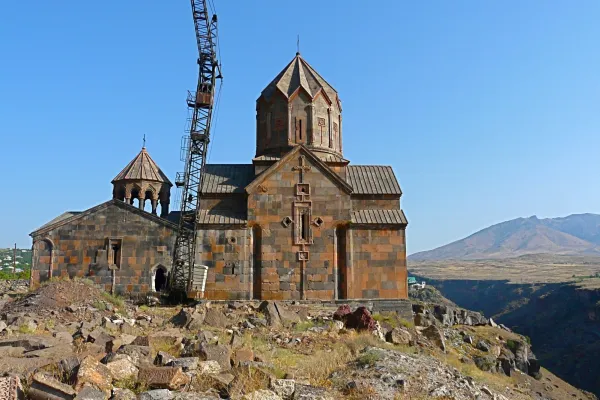
Hovhannavank Monastery
Armenian 12th-century monastery on the edge of the Qasagh river canyon in Aragatsotn: three-nave church, medieval gavit and unlabelled khachkars.
View Details
Sanahin Monastery
10th-century Armenian monastic complex, UNESCO World Heritage Site, in Alaverdi, with churches, a medieval library, and khachkares.
View Details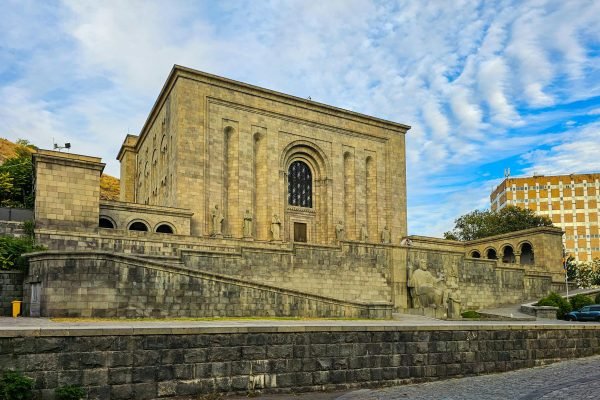
History Museum of Armenia
The great archaeological museum of Yerevan, on Republic Square, with pieces from the Urartu kingdom and collections spanning from the Palaeolithic.
View Details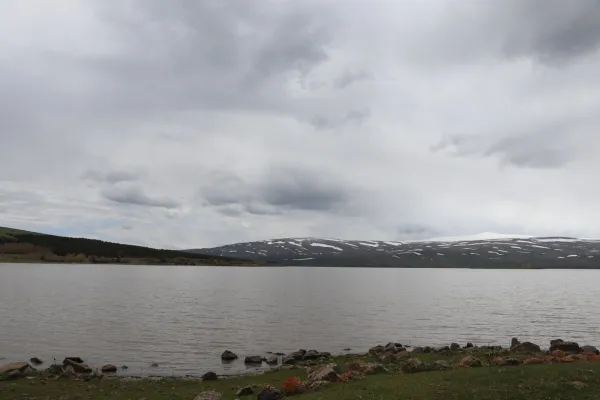
Lake Arpi National Park
High-plateau lake in northwest Armenia, refuge for migrating cranes and volcanic peatlands, far from mass tourism.
View Details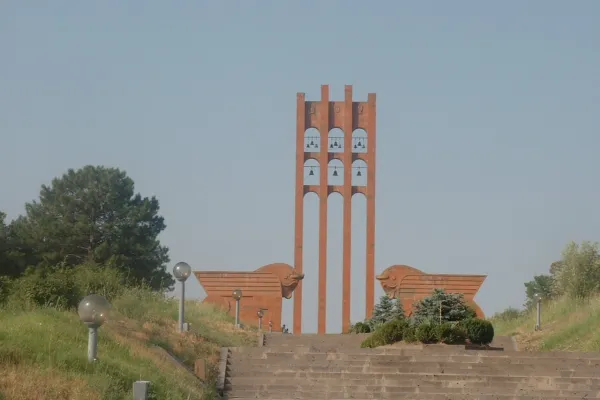
Sardarapat Memorial
Monumental complex on the Ararat plain commemorating the 1918 battle in which Armenia survived as a nation.
View Details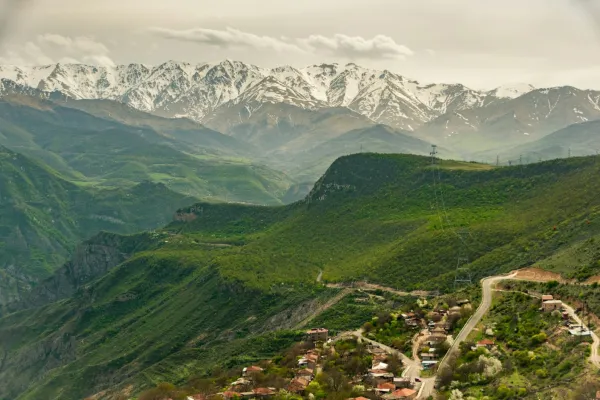
Syunik Province
Armenia's southernmost province: Tatev Monastery, Wings of Tatev cable car, Shikahogh Reserve and basalt gorges.
View Details
Odzun Church
5th-century Armenian basilica on the Lori plateau, with black basalt stelae in the atrium and views over the Debed River valley.
View Details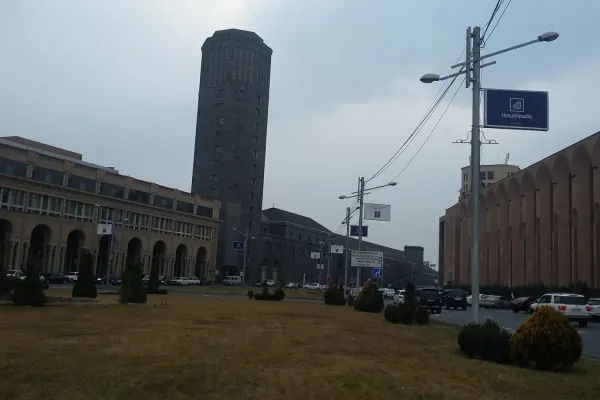
Yerevan Brandy Factory
Historic 1887 distillery in Yerevan where Ararat brandy is produced, with guided tours of underground cellars and tastings.
View Details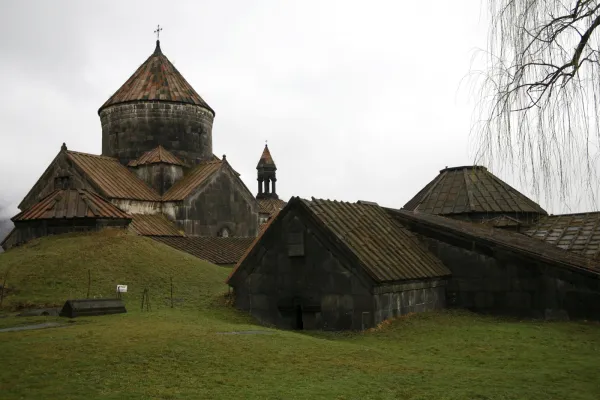
Haghpat Monastery
10th-century Armenian monastery in Lori, a UNESCO World Heritage Site, with one of the finest collections of medieval khachkars.
View Details
Marmashen Monastery
Three 10th-century pink tuff churches by the Akhurian river, in a quiet gorge 10 km from Gyumri, with very few visitors.
View Details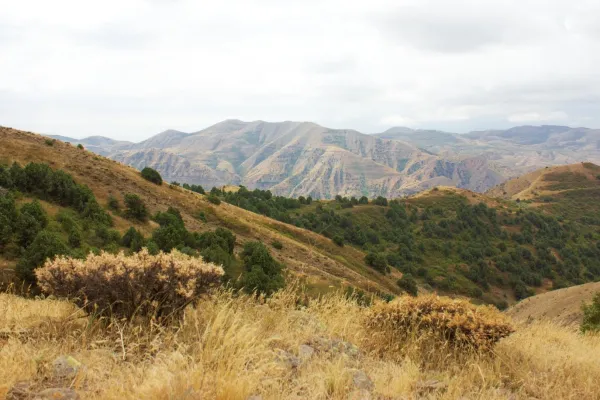
Khosrov Forest State Reserve
One of the oldest protected natural reserves in the world: volcanic gorges, wildlife and almost no tourists south of Yerevan.
View Details
Meghri
Armenian city at the southernmost tip of the country, bordering Iran, with a subtropical climate, pomegranate terraces and medieval churches with frescoes.
View Details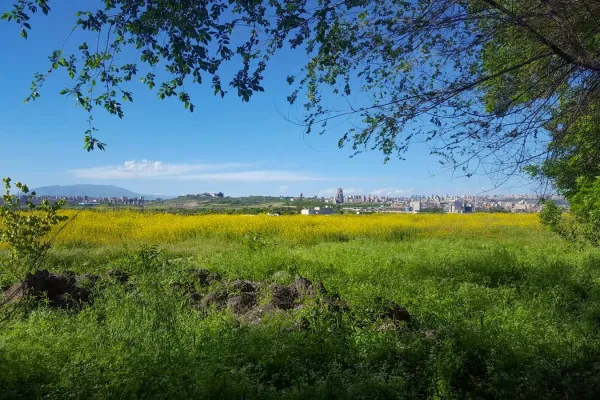
Shengavit Settlement
Archaeological site from the 3rd millennium BC in Yerevan with remains of the Kura-Araxes culture and an on-site museum.
View Details
Jermuk Waterfall
72-metre waterfall of the Arpa River in the heart of the thermal spa town of Jermuk, Armenia. Free access year-round.
View Details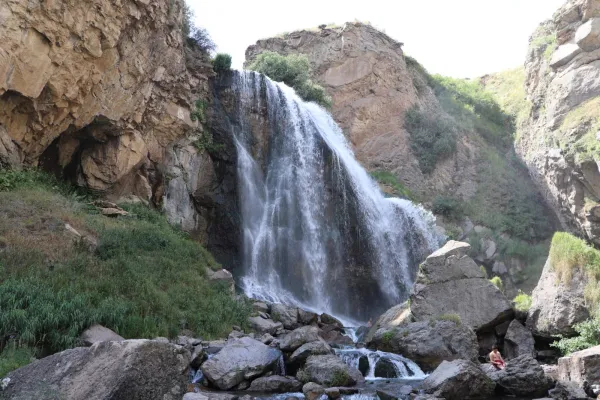
Trchkan Waterfall
Armenia's highest waterfall: a 23-metre free drop over the Chichkhan River, in the gorge between the provinces of Shirak and Lori.
View Details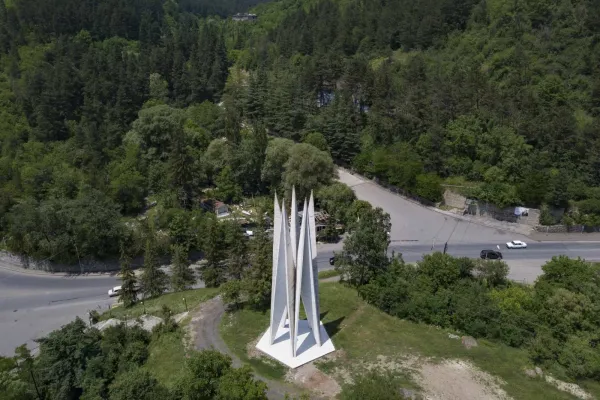
Dilijan
Mountain town in northeastern Armenia, set within a forested national park, with craftspeople, medieval monasteries and trails two hours from Yerevan.
View Details
Selim Caravanserai
14th-century Armenian caravanserai at 2,410 m on the Selim Pass: one of the best-preserved Silk Road stops in the Caucasus.
View Details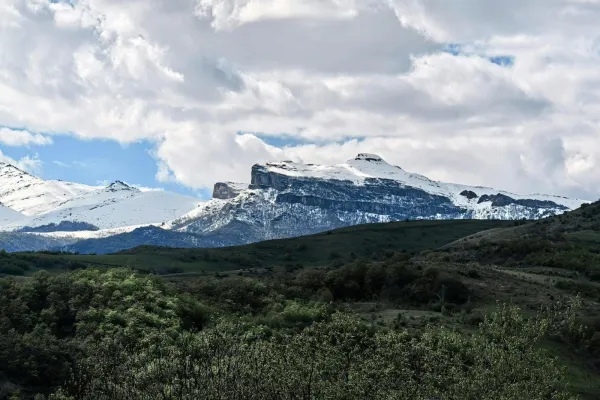
Kapan
The second city of Syunik in southern Armenia, surrounded by dense forests and gorges, with a mining history and the Baghaberd fortress nearby.
View Details
Dilijan National Park
Armenia's densest forest: oaks, beeches, medieval monasteries and marked trails in the Tavush region.
View Details
Makaravank Monastery
13th-century monastic complex amid the forests of Tavush, with a gavit covered in animal reliefs and an almost constant silence.
View Details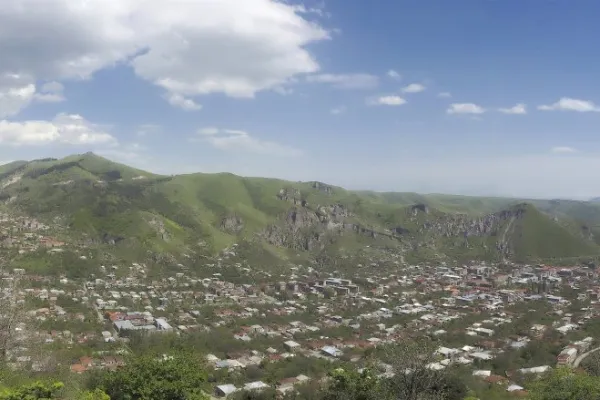
Goris
Small city in southern Armenia wedged among volcanic rock spires, base for Tatev Monastery and the cave dwellings of Syunik.
View Details
Saghmosavank Monastery
13th-century Armenian monastery on the edge of the Kasakh river canyon, in Aragatsotn, with views of Mount Aragats and no tourist infrastructure.
View Details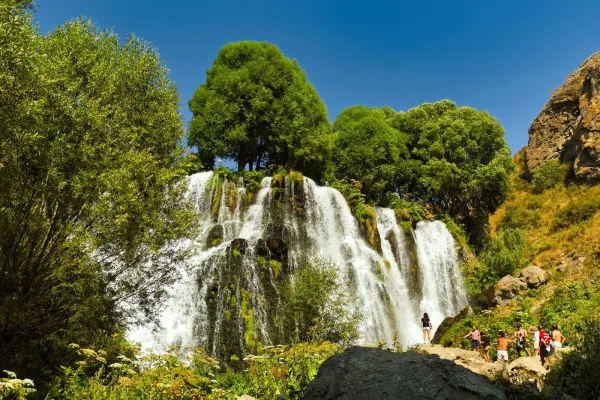
Shaki Waterfall
18-metre waterfall over black basalt in southern Armenia, accessible from the road between Goris and Kapan in the Syunik region.
View Details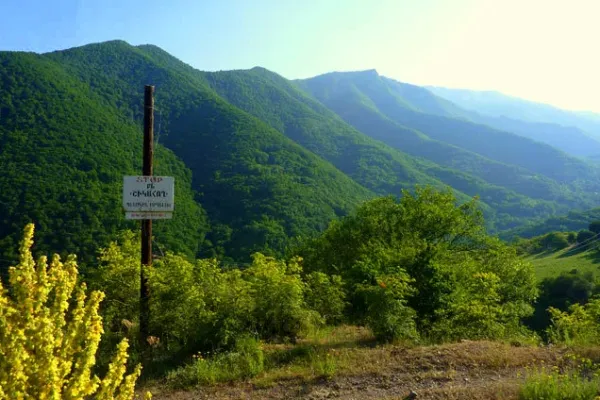
Shikahogh State Reserve
A relict humid forest in southern Armenia, refuge of the Caucasian leopard and century-old beeches near the border with Iran.
View Details
Noratus Khachkar Cemetery
Armenia's largest khachkar field: over nine hundred basalt crosses carved between the 10th and 17th centuries on the shores of Lake Sevan.
View Details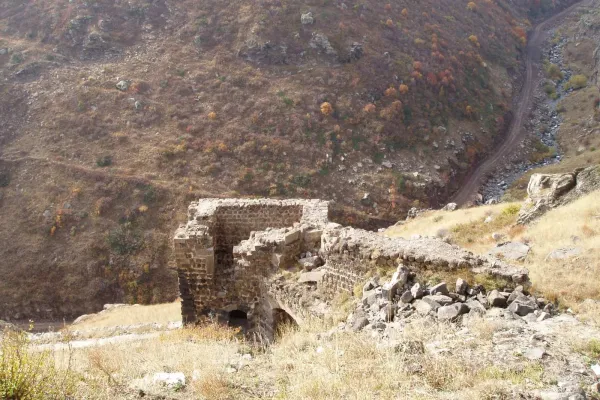
Amberd Fortress
Medieval Armenian fortress from the 10th century on the slopes of Mount Aragats at 2,300 m, with a well-preserved church and views of Ararat.
View Details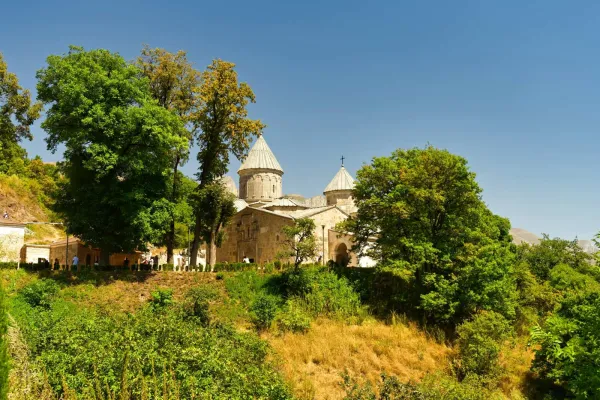
Haghartsin Monastery
10th-century monastery in the Tavush forest with three medieval churches, a vaulted refectory and free admission. Easy access from Dilijan.
View Details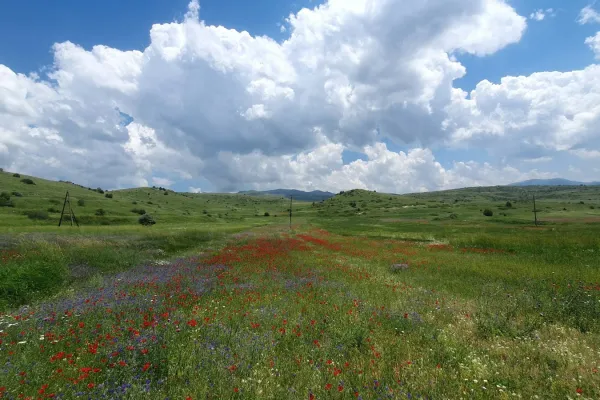
Jermuk
Armenian mountain spa town at 2,080 m in Vayots Dzor: medicinal thermal waters, a 72-metre waterfall and Soviet-era architecture still in use.
View Details
Tsitsernakaberd Genocide Memorial
Memorial in Yerevan with an eternal flame, twelve basalt pillars, and an underground museum dedicated to the victims of the 1915 Armenian Genocide.
View Details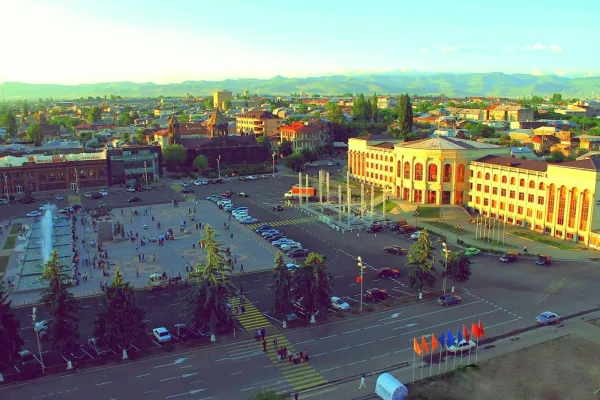
Gyumri
Armenia's second city with a historic centre of black volcanic stone, a living craft tradition and the still-visible scars of the 1988 earthquake.
View Details
Alaverdi
Industrial city in northern Armenia wedged into the Debed River canyon, gateway to the UNESCO monasteries of Sanahin and Haghpat.
View Details
Stepanavan
Northern Armenian city among beech forests, with the country's largest dendropark and the basalt gorge of the Dzoraghet river.
View Details
Lake Sevan
The largest lake in Armenia, at 1,900 m altitude, with the medieval Sevanavank monastery and endemic trout on its shores.
View Details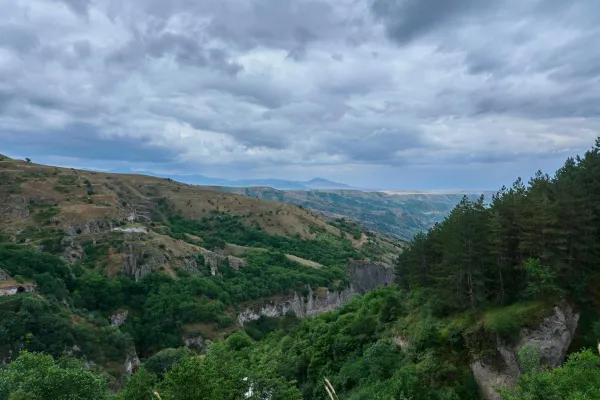
Khndzoresk
Abandoned cave village in the Syunik canyon, with hundreds of caves carved into the rock and a 160 m swinging bridge over the gorge.
View Details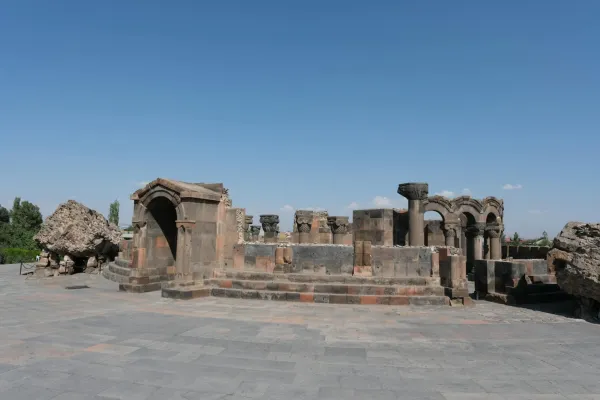
Tsaghkadzor
Armenian mountain resort at 1,900 m with cable car, ski slopes and the medieval Kecharis monastery, less than an hour from Yerevan.
View Details
Sergei Parajanov Museum
The art Parajanov made when he could not film: collages, dolls and objects in a small, dense museum in Yerevan.
View Details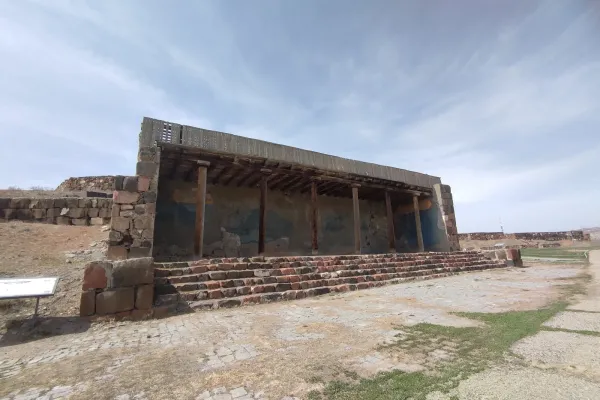
Erebuni Fortress
Urartian citadel from 782 BC in southern Yerevan, with views of Ararat and an archaeological museum at the foot of the hill.
View Details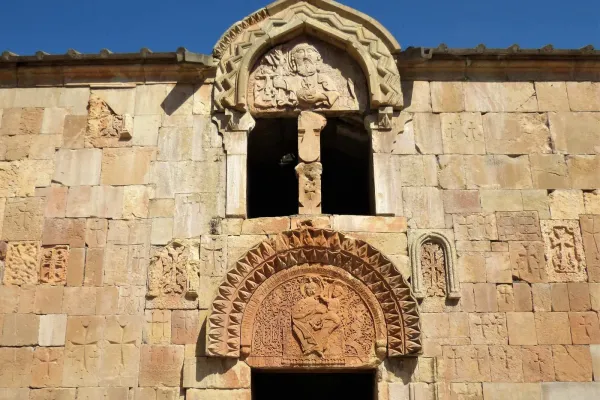
Noravank Monastery
13th-century monastic complex set in a red-rock canyon in Vayots Dzor, with the church of Surb Astvatsatsin as its centrepiece.
View Details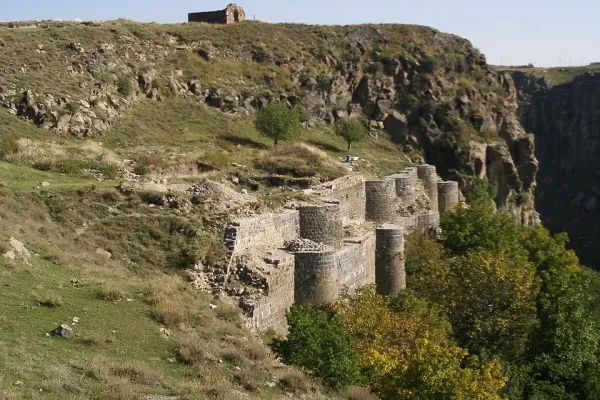
Bjni Fortress
Medieval black basalt ruins above the <strong>Hrazdan river</strong> gorge, 35 km from <strong>Yerevan</strong>, with no ticket booth or organised tourism.
View Details
Tatev Monastery
9th-century Armenian monastic complex above the Vorotan gorge, reachable by the world's longest ropeway, with medieval churches and canyon views.
View Details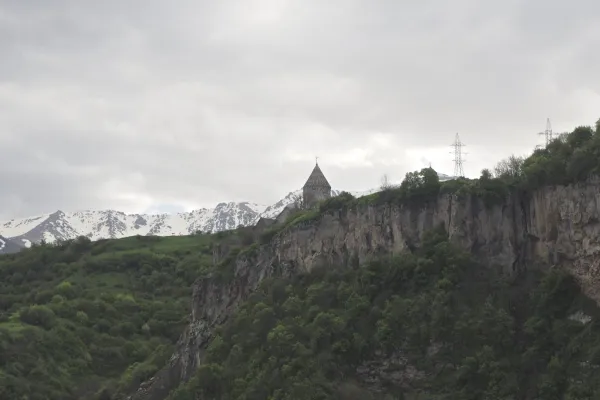
Wings of Tatev Cable Car
5.7 km cable car in southern Armenia crossing the Vorotan Canyon to Tatev Monastery, with views of the cliffs and the river 320 m below.
View Details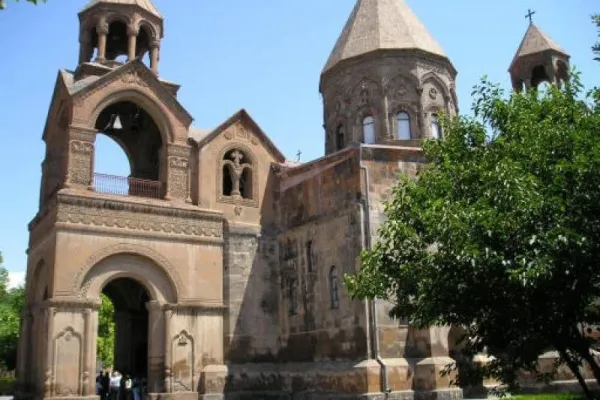
Echmiadzin Cathedral
Seat of the Armenian Apostolic Church and UNESCO World Heritage site in Vagharshapat, considered the oldest functioning Christian cathedral.
View Details
Republic Square
The civic heart of Yerevan: Soviet-Armenian pink tuff, nocturnal dancing fountains and the best starting point for exploring the centre.
View Details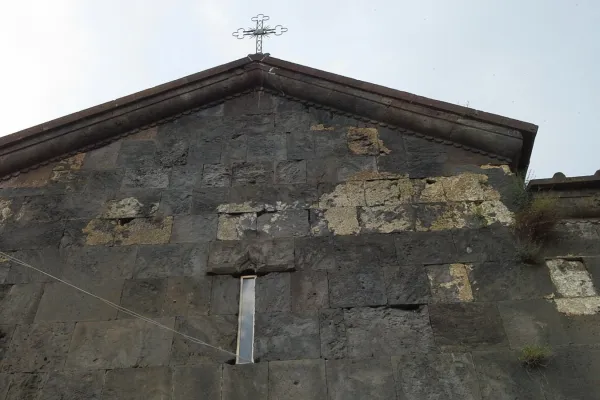
Hayravank Monastery
9th-century Armenian monastery on black basalt on the southwest shore of Lake Sevan, with no ticket booths or tourist buses.
View Details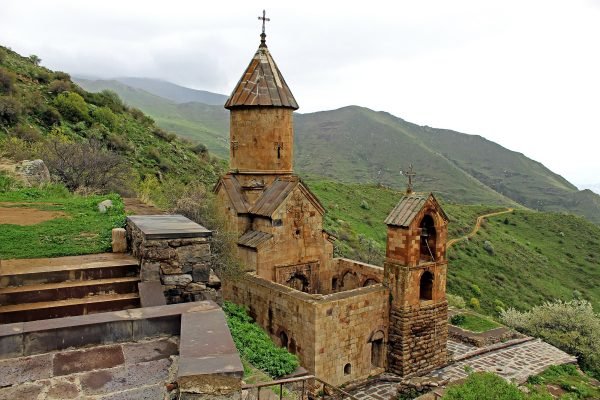
Spitakavor Monastery
13th-century Armenian monastery among the forests of Vayots Dzor, with well-preserved khachkars and virtually no visitors.
View Details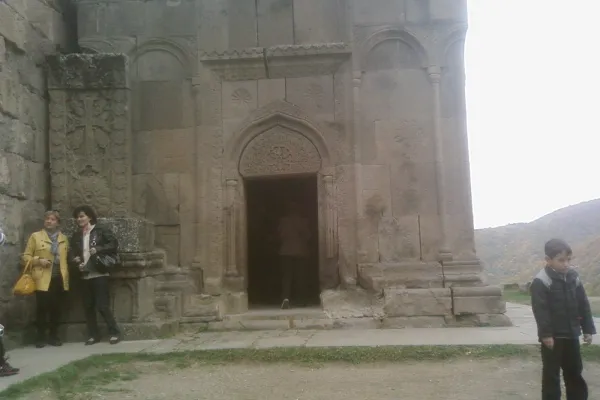
Goshavank Monastery
12th-century monastic complex in the Tavush forest, with intricately carved stone khachkars and free entry. Near-guaranteed silence on weekdays.
View Details
Vernissage Market
Weekend market in central Yerevan with Soviet antiques, Armenian garnet jewellery, khachkars and Caucasian carpets.
View Details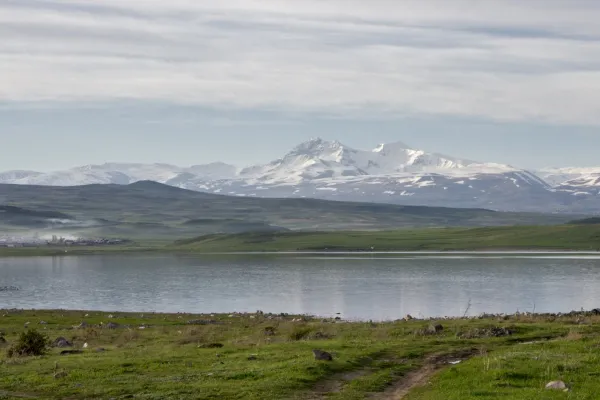
Mount Aragats
Armenia's highest mountain: four volcanic peaks, Lake Kari at 3,200 m and the medieval fortress of Amberd within a single massif.
View Details
Smbataberd Fortress
Medieval Armenian fortress on a ridge above the <strong>Arpa valley</strong>, in <strong>Vayots Dzor</strong>, with views of <strong>Noravank Monastery</strong>.
View Details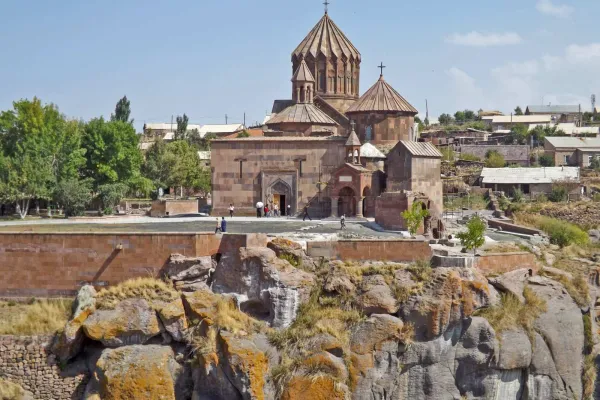
Harichavank Monastery
7th-century Armenian monastery on the Shirak plain, near Gyumri, home to one of the oldest churches in Armenia.
View Details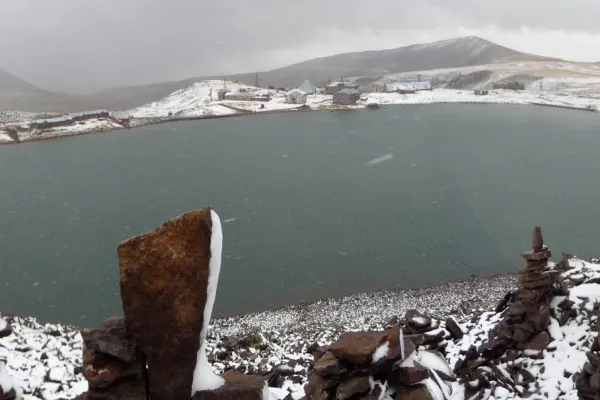
Lake Kari
Glacial lake at 3,200 m on the slopes of <strong>Mount Aragats</strong>, accessible by car in summer and starting point for the highest peak in Armenia.
View Details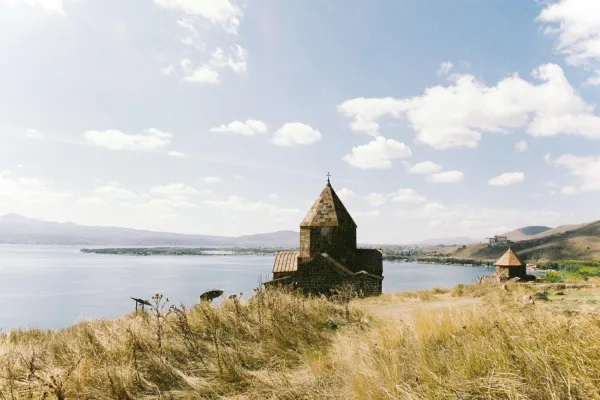
Sevan
Armenian town on the shores of Lake Sevan at 1,900 m, with Sevanavank monastery, pebble beaches and trout restaurants.
View Details
Areni Church
A 14th-century Armenian church beside the Arpa river, in the heart of the Vayots Dzor wine region, with partial frescoes and easy access.
View Details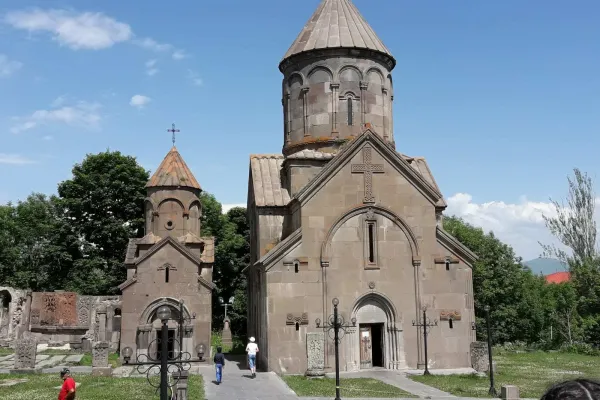
Kecharis Monastery
11th-century Armenian monastic complex in Tsaghkadzor: red-tuff churches, medieval gavits and khachkars amid fir forests and ski slopes.
View Details
Sevanavank Monastery
9th-century monastery perched on a rocky peninsula of Lake Sevan with water views, cutting winds, and a stone staircase from the village.
View Details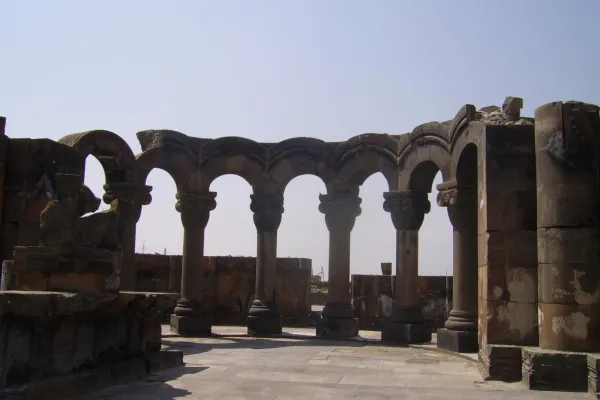
Zvartnots
Circular ruins of a 7th-century Armenian cathedral, UNESCO World Heritage, with Mount Ararat in the background a few kilometres from Yerevan airport.
View Details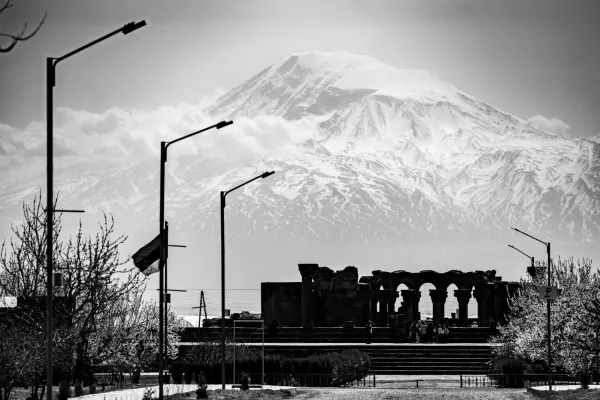
Ashtarak
Armenian town 20 km from Yerevan, known for its medieval churches, stone bridges over the Kasagh and the traditional sweet gata.
View Details
Vanadzor
Armenia's third-largest city, in the Lori region, with Soviet architecture and direct access to the monasteries of Haghpat and Sanahin.
View Details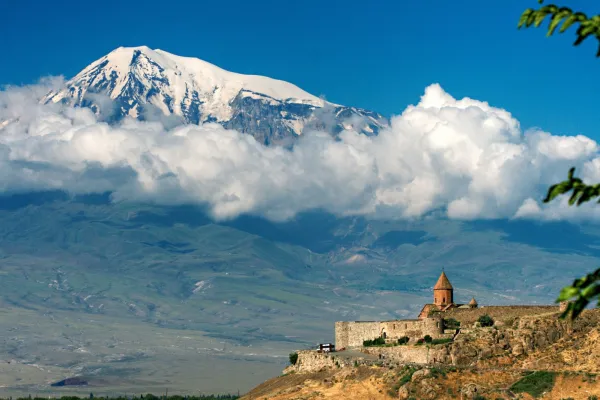
Khor Virap
Armenian monastery on the Ararat plain, metres from the Turkish border, with snowy Mount Ararat as a backdrop.
View Details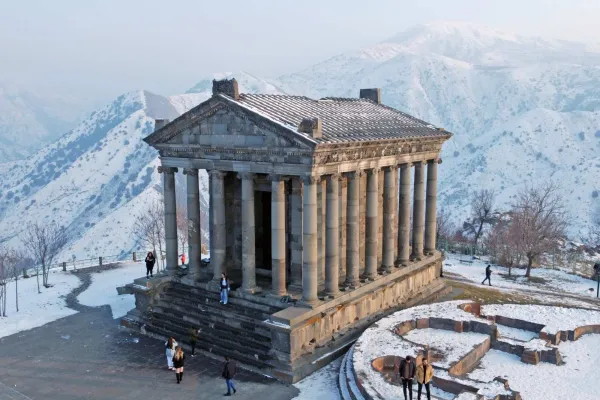
Garni Temple
First-century Hellenistic temple on a basalt promontory above the Azat River gorge — the only Greco-Roman structure in Armenia.
View Details
Yerevan Cascade
Monumental stairway in central Yerevan with gardens, Botero sculptures and views of Mount Ararat on clear days.
View Details
Tsakhats Kar Monastery
Medieval monastic complex in the heights of <strong>Vayots Dzor</strong>, among pink tufa and near-total silence above the <strong>Arpa valley</strong>.
View Details
Areni-1 Cave
Archaeological cave in southern Armenia where the world's oldest winery (6,000 BC) and the oldest known leather shoe were found.
View Details
Echmiadzin
Spiritual seat of the Armenian Apostolic Church, with the oldest continuously used Christian cathedral in the world and three 7th-century churches listed as UNESCO World Heritage.
View Details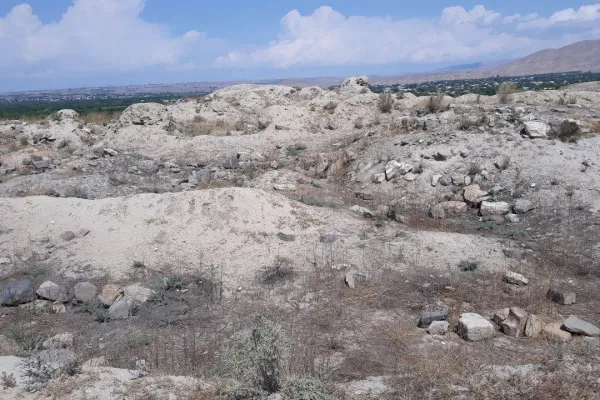
Dvin Ruins
Ancient Armenian capital on the Ararat plain: walls, palaces and cathedral excavated 35 km south of Yerevan.
View Details
Geghard Monastery
13th-century Armenian monastery partially carved into the rock of a gorge, a UNESCO World Heritage Site since 2000.
View Details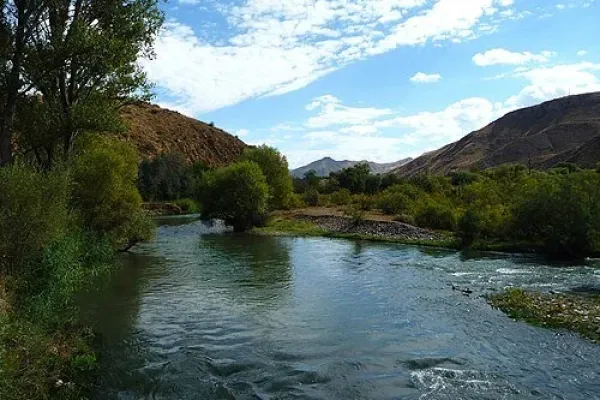
Vayots Dzor Province
Red rock canyons in southern Armenia: Noravank monastery, the world's oldest winery, and Areni red wine.
View Details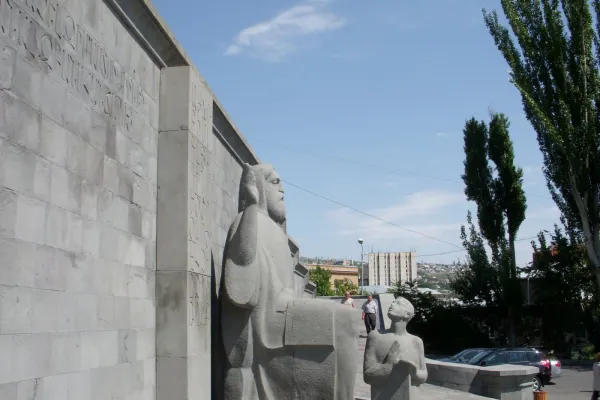
Matenadaran
The great repository of Armenian manuscripts in Yerevan: over 23,000 medieval codices with illuminations that have remained intact for centuries.
View Details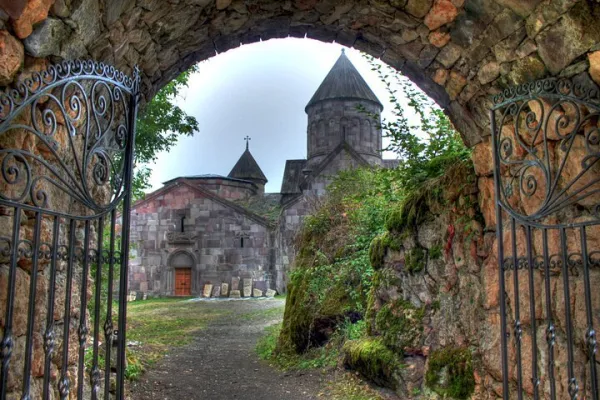
Ijevan
Armenian city among the forests of Tavush: <em>Ijevan</em> brewery, Lake <strong>Parz</strong> and a natural base for the green north of Armenia.
View Details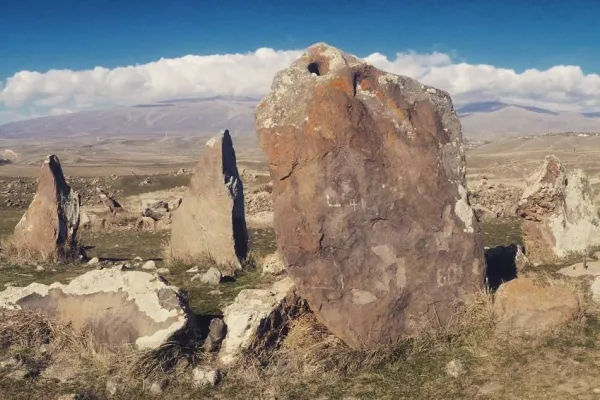
Carahunge
Over 200 basalt megaliths with perforations on the Syunik plateau: Armenia's most enigmatic prehistoric site.
View Details
Yerevan
Armenia's capital in pink volcanic tuff, with Ararat in the background and urban life revolving around Republic Square.
View Details